tavr-specialist-in-india.webp

April 28, 2026 AbhijitHearty Life

The Heart Valve Condition That Affects Millions — and the Procedure Changing Its Outcome

Severe aortic stenosis is one of the most serious cardiac valve conditions affecting adults in India today, often requiring consultation with a TAVR expert in Hyderabad for advanced and minimally invasive treatment options. The aortic valve — which regulates blood flow from the heart to the rest of the body — progressively narrows over time, forcing the heart to work harder with every beat. Without timely treatment, the condition carries a steep prognosis: within two years of the onset of severe symptoms, more than half of untreated patients do not survive. 

For decades, the only proven treatment was open-heart surgery. For patients who were elderly, frail, or burdened by multiple co-existing illnesses, that surgery was too risky to offer. Families were told there was nothing to be done.

Transcatheter Aortic Valve Replacement—known as TAVR, or equivalently as TAVI (Transcatheter Aortic Valve Implantation)—has fundamentally rewritten that story. Understanding what TAVR is, how it works, and who it helps is now essential knowledge for every patient with aortic stenosis and every family navigating this diagnosis.

What TAVR Actually Involves

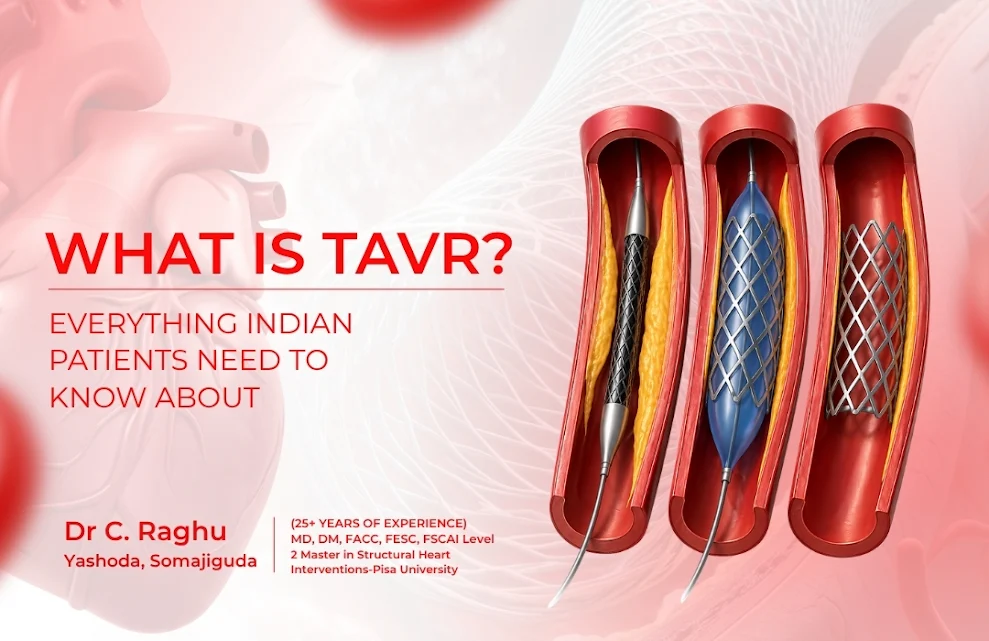
In TAVR—a cornerstone of modern TAVR cardiology—a new prosthetic aortic valve is delivered to the heart not through a chest incision, but through a thin, flexible catheter navigated from outside the body. The most common route is through the femoral artery in the groin, a blood vessel large enough to carry the crimped prosthetic valve to the heart under X-ray and ultrasound guidance.

Once the new valve reaches the diseased native valve, it is expanded — either by a small balloon or by a self-expanding mechanism — and takes over the valve’s function immediately. The diseased native valve leaflets are pushed aside; the new valve sits within them and opens and closes with each heartbeat.

No incision is made in the chest. The heart continues beating throughout. Most patients receive sedation rather than full general anesthesia. They are sitting up and taking fluids the same day. Most are discharged within two to four days.

Recovery is measured in weeks, not months. Patients who undergo TAVR at a high-quality center—performed by an experienced TAVR/TAVI specialist in Hyderabad like Dr. Raghu—typically return to normal daily activities within one to three weeks of the procedure.

TAVI and TAVR refer to the same procedure. TAVR (replacement) is the terminology used in North America; TAVI (implantation) is used widely in Europe and Asia. Clinically, there is no difference.

Also read: Top 10 Cardiologists in Hyderabad: How to Choose Best One  

Why TAVR Is Particularly Significant for Indian Patients

India carries one of the world’s largest burdens of valvular heart disease. Rheumatic heart disease — historically underdiagnosed — has left a significant proportion of the older population with damaged valves. The rising prevalence of degenerative age-related aortic stenosis compounds this burden further.

Until TAVR, many of these patients were turned away. Open-heart surgery was unavailable in their region, too expensive, or too risky given their age and health. TAVR changes all three of those barriers simultaneously. It extends the eligible patient population dramatically—elderly patients, frail patients, those with prior cardiac surgery, and those with severe lung or kidney disease—all of whom previously had no safe treatment option.

A qualified TAVR/TAVI doctor in India can now evaluate these patients, most of whom can be treated safely and return to a quality of life that aortic stenosis had progressively stripped away.

The economic dimension matters too. TAVR experts in India is available at costs that are a fraction of equivalent care in the United States, the United Kingdom, or Australia—without any compromise in clinical quality at top Indian centers. This has made India an increasingly significant destination for TAVR medical tourism among overseas Indian patients and international patients seeking expert, affordable structural heart care.

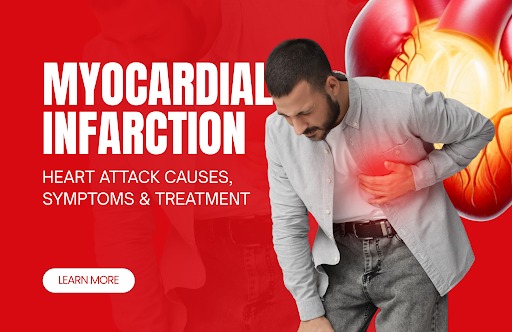
Also read: Myocardial Infarction: Heart Attack Causes, Symptoms & Treatment 

The Heart Team: Why TAVR Outcomes Depend on More Than the Operator

TAVR is not a procedure performed by a single physician in a standard catheterisation laboratory. Best practice TAVR requires what is known as a Heart Team — a multidisciplinary group that evaluates every candidate collectively before any procedure is planned.

The Heart Team includes an interventional cardiologist with specific structural heart disease training, a cardiac surgeon capable of open valve replacement, a cardiac imaging specialist for echocardiography and CT planning, a cardiac anaesthesiologist, and a specialist nursing team. The team reviews each patient’s clinical and anatomical information, discusses treatment options, and arrives at a consensus recommendation.

This multi-specialist framework exists because TAVR decisions are genuinely complex. Anatomy varies between patients in ways that significantly affect both device selection and implantation strategy. Surgical risk scores must be calculated and interpreted carefully. The alternative of open surgery must be honestly assessed for each individual patient. No single clinician can make these judgments optimally in isolation.

Centres that perform TAVR without a functioning Heart Team structure are not meeting the standard established by international guidelines — and patients are entitled to ask whether the centre they are considering operates within a genuine Heart Team model.

Who Benefits Most from TAVR?

As TAVR technology and evidence have evolved, the patient population it serves has expanded. Originally introduced for patients at prohibitive or high surgical risk, the evidence base now supports TAVR in intermediate-risk and even selected low-risk patients.

Elderly patients — particularly those above 75 — are the core TAVR population. Age-related frailty and comorbidities increase surgical risk substantially, and TAVR’s minimally invasive nature is especially well-suited to this group.

High surgical risk patients—those with severe lung disease, prior cardiac surgery, renal impairment, or STS PROM surgical risk scores above 8%—are prime TAVR candidates regardless of age.

Patients who have been told they are “inoperable”—this is an important category. As TAVR technology has matured and operator experience has grown, anatomical configurations that were once considered unsuitable for TAVR are increasingly treatable. A second opinion from an experienced TAVI expert in India may reveal options that a previous evaluation missed.

Intermediate-risk patients — based on PARTNER 2 and SURTAVI trial data, TAVR produces outcomes comparable to surgery in intermediate-risk patients, expanding its appropriate use further into the mainstream valvular population.

The Evidence Behind TAVR

TAVR is one of the most rigorously evaluated interventions in modern cardiology. The PARTNER trial series, the SURTAVI trial, the EVOLUT trials, and a large body of real-world registry data have collectively established a strong evidence base for TAVR across risk strata. Five-year and early ten-year durability data confirm that TAVR valve function is maintained well in the medium term.

This evidence base is what has driven the transformation of TAVR from a last-resort procedure for the truly inoperable to a mainstream treatment option discussed for the majority of patients presenting with severe symptomatic aortic stenosis.

The First Step for Indian Patients and Families

For anyone navigating an aortic stenosis diagnosis—whether for themselves or for an older family member—the most important action is to seek evaluation at a center with a genuine TAVR program. Not every cardiologist is trained in structural heart disease. Not every hospital advertising cardiac services has the infrastructure, team, and case volume to deliver TAVR safely.

Dr. Raghu is a recognized TAVR/TAVI specialist in India, practicing in Hyderabad, with extensive structural heart disease experience and a Heart Team program that meets current international standards. Patients from across India and internationally consult his practice for TAVR evaluation, second opinions, and complex structural heart care.

The first step is a comprehensive evaluation — clinical assessment, echocardiography, and cardiac CT — that answers the question of whether TAVR, surgical valve replacement, or another approach is the right path for this specific patient. That evaluation, done well, changes outcomes.

Contact Dr. Raghu’s team in Hyderabad through to schedule a TAVR evaluation or structural heart consultation.


top-10-cardiologist-in-hyderabad.png

April 24, 2026 AbhijitHealthcare

When a patient or family searches for a top cardiologist in Hyderabad, they often arrive at aggregator lists—rankings assembled from review counts, online ratings, hospital brand recognition, and the vagaries of search engine visibility. These lists are a starting point. They identify names that appear frequently enough to have a public presence. They are not, however, a clinical framework for choosing the right cardiologist for a specific patient with a specific cardiac condition.

The real question behind every such search is more precise: which cardiologist in Hyderabad has the depth of expertise, the evidence-based clinical approach, and the communication quality to manage my specific condition at the highest possible standard? That question has a more specific and more useful answer than any generic ranking can provide.

This article offers that framework — the genuine clinical and human differentiators that separate Hyderabad’s best cardiologists from the merely visible — so that patients from Secunderabad, Somajiguda, Banjara Hills, and across the twin cities can make a choice grounded in what actually matters.

Subspecialty Expertise Matched to the Condition

Cardiology in Hyderabad encompasses multiple distinct subspecialties. An interventional cardiologist who excels at complex coronary angioplasty and TAVR is not automatically the optimal choice for a patient whose primary need is arrhythmia ablation. A general cardiologist with excellent chronic disease management skills may not be the right choice for a patient with complex structural heart disease requiring Heart Team evaluation.

The most valuable first step in choosing a cardiologist in Hyderabad is identifying which subspecialty domain is most relevant to the patient’s condition and then identifying the cardiologist whose training, fellowship experience, and current case volume most closely match that domain.

For patients with conditions that span multiple subspecialties—coronary disease plus atrial fibrillation or valve disease plus coronary disease—a top cardiologist in Hyderabad who offers genuinely comprehensive expertise across multiple domains, rather than referring to multiple specialists, provides a particularly high level of clinical value.


Also read: Daily Habit That May Double Heart Attack Risk, Warns Cardiologist

Transparency About Case Volume and Outcomes

High-volume operators produce better outcomes in interventional cardiology. This is not a marketing claim — it is one of the most extensively documented findings in the cardiac outcomes literature, with evidence from coronary angioplasty, TAVR, and ablation procedures all pointing in the same direction.

The best cardiology hospital in Hyderabad operates within a culture of volume transparency—cardiologists discuss their procedural volumes and program outcomes with patients and referring physicians. Major complications are reviewed in quality meetings. Performance is benchmarked against national and international standards. Programs that track and report their outcomes are demonstrably accountable to quality in a way that programs relying on reputation alone are not.

Patients choosing a cardiologist in Hyderabad for an interventional procedure are entirely entitled to ask, “How many of these procedures do you and your programme perform annually?” Any cardiologist with a genuinely strong procedural background will answer directly.

Current Evidence and Guideline Practice

Cardiology is a rapidly evolving specialty. The evidence base for TAVR candidacy, for coronary angioplasty indications, for AFib management, for pulmonary embolism treatment, and for preventive cardiology has evolved substantially in the past five years and will continue to evolve. A cardiologist who is actively engaged with current evidence — reading major trials as they are published, attending national and international conferences, revising their practice as guidelines are updated — is providing genuinely current care.

A cardiologist whose practice reflects knowledge from ten years ago may recommend treatments that current evidence has superseded, miss newer options that would benefit the patient, or apply risk thresholds for intervention that no longer reflect the state of the art. Asking a cardiologist about how recent a specific guideline recommendation is, or which major trials support their proposed treatment approach, is a legitimate and informative question.

Accessibility and Long-Term Commitment

Cardiac conditions are chronic. The relationship between a patient and their cardiologist extends—ideally—across years or decades, encompassing multiple investigations, medication adjustments, periodic reassessments, and the management of new symptoms as they arise. The best cardiologist in Hyderabad for long-term cardiac management is not just technically excellent at procedures—they are accessible between appointments, responsive when new symptoms develop, and committed to maintaining the relationship through appropriate follow-up.

For patients in Secunderabad, Somajiguda, and across the broader Hyderabad metropolitan area, accessibility matters practically. A cardiologist whose clinic is geographically accessible, whose appointment system does not require a three-month wait for an urgent review, and whose team communicates proactively about investigation results and follow-up plans, provides a level of clinical service that is as important as technical excellence in procedures.

Also read: How to Handle Cardiac Emergencies at Home: Steps & Mistakes

The Second Opinion Standard

One of the most reliable markers of a confident, ethical cardiologist is their attitude toward second opinions. The best cardiologists in Hyderabad welcome second-opinion consultations without defensiveness—because they are confident in the quality of their assessments and because they recognize that patients in high-stakes cardiac situations have every right to seek confirmation from another expert.

Dr. Raghu’s practice actively welcomes second opinion consultations. Patients who have received a recommendation for cardiac surgery, TAVR, complex angioplasty, or any significant cardiac intervention from another cardiologist are invited to bring their investigations and receive an independent, evidence-based assessment of the proposed management. In some cases, the existing recommendation is confirmed, and the patient proceeds with confidence. For others, Dr. Raghu offers a different perspective that leads to a different—and better—management path.

For patients in Secunderabad, Somajiguda, and across Hyderabad who want the reassurance of an expert second opinion, Dr. Raghu’s practice provides exactly that service.

Why Patients from Across Hyderabad and Beyond Choose Dr. Raghu

Patients who consult Dr. Raghu—as a new patient, for a second opinion, or a complex referral—consistently report the same qualities that distinguish their experience: the depth and clarity of his explanations during consultation, the thoroughness of the clinical evaluation, his willingness to discuss all treatment options honestly rather than defaulting to intervention, and the genuine accessibility of him and his team throughout the care journey.

Combined with high-volume technical expertise across coronary angioplasty, TAVR and structural heart disease, atrial fibrillation management, pulmonary embolism, and peripheral vascular intervention, these qualities make Dr. Raghu consistently regarded as one of the best cardiologist doctors in Hyderabad—and one of the top cardiologists in India.

Patients across Hyderabad—including Somajiguda, Secunderabad, Banjara Hills, Jubilee Hills, and the wider twin cities area—are welcome to contact Dr. Raghu’s cardiac practice for a consultation, a second opinion, or any cardiac concern that deserves expert attention.


Heart-specialist-in-Hyderabad-reviewing-a-coronary-angiogram-with-a-myocardial-infarction-patient.jpg

April 21, 2026 AbhijitHearty Life

Heart Attack Crisis — and Why Every Family Needs to Understand It

Heart Attack Causes is the leading cause of death in India, and at the centre of that epidemic is a single, time-critical event: the myocardial infarction, more commonly known as a heart attack. India loses hundreds of thousands of lives to heart attacks every year — and a significant proportion of those deaths are preventable. The problem is not a lack of treatment options. India now has access to world-class cardiac interventions, including coronary angioplasty, drug-eluting stents, and advanced surgical options. The problem, far too often, is delay — delayed recognition of symptoms, delayed calls for emergency help, and delayed arrival at a cardiac centre capable of acting.

Understanding what a myocardial infarction is, how it presents, and what modern treatment looks like is not just useful medical knowledge. For millions of Indian families, it is information that could one day make the difference between life and death.

What Is a Myocardial Infarction?

A myocardial infarction occurs when blood supply to a portion of the heart muscle is suddenly cut off. The heart is supplied by the coronary arteries — a network of vessels that sit on the heart’s surface and deliver the oxygen-rich blood the muscle needs to keep beating. When one of those arteries becomes blocked, the heart muscle it supplies begins to die within minutes.

The blockage is almost always caused by coronary artery disease. Over years, fatty deposits called plaque build up inside the coronary artery walls — a process known as atherosclerosis. When a plaque ruptures suddenly, the body’s clotting system responds, forming a blood clot at the rupture site. That clot can block the artery entirely, triggering a heart attack.

Time is muscle. Every minute the artery remains blocked, more cardiac muscle dies — and that damage is permanent. This is why the speed of recognition, emergency response, and intervention determines the long-term outcome as much as any specific treatment decision.

Recognising the Symptoms of a Heart Attack Causes

Heart attacks do not always look the way they do in films. While the dramatic crushing chest pain that radiates to the left arm is a genuine presentation, it is far from the only one. Recognising the full range of symptoms — and taking them seriously — is the first step toward acting in time.

  1. Chest pain or pressure is the most common symptom. Patients describe it as a heaviness, tightness, squeezing, or burning sensation in the centre of the chest. The pain may radiate to the left arm, shoulder, neck, jaw, or back. It typically lasts more than a few minutes, or it may ease and return. A cold sweat, nausea, or dizziness frequently accompanies it.
  2. Shortness of breath may occur alongside chest discomfort or, in some cases, as the dominant symptom. When the heart cannot pump efficiently due to a blocked artery, the lungs begin to back up — and the patient feels breathless, even at rest.
  3. Fatigue and dizziness are symptoms that are easily dismissed, particularly in younger patients and women. A sudden and unexplained exhaustion, or lightheadedness without obvious cause, can be an early signal that the heart is under serious stress.
  4. Nausea and vomiting appear in a meaningful proportion of heart attack patients, particularly those with inferior wall infarctions. These symptoms add to the confusion at presentation, sometimes leading patients — and even non-specialist doctors — to attribute the episode to a gastrointestinal cause.

Any of these symptoms, appearing suddenly and without a clear explanation, should prompt an immediate call to emergency services. They should never be waited out at home.

The Silent Heart Attack: When There Are No Warning Signs

A silent myocardial infarction is one that occurs with no obvious or recognisable symptoms. The patient does not experience chest pain, breathlessness, or any of the classical warning signs. The heart attack happens — muscle is lost — and the patient remains unaware until an ECG or cardiac investigation reveals old damage weeks, months, or years later.

Silent heart attacks are more common in patients with diabetes, in older adults, and in women. They are not minor events. They carry the same risk of future heart failure, arrhythmia, and death as symptomatic infarctions — and because they go unrecognised, they are often untreated. Regular cardiac check-ups are therefore not optional for high-risk individuals; they are essential.

Who Is at Risk and Why

Myocardial infarction is rarely a random event. In the overwhelming majority of cases, a heart attack is the endpoint of a disease process that began years or decades earlier — one that is driven by identifiable and modifiable risk factors.

  1. High blood pressure damages the lining of coronary arteries over time, accelerating the formation of plaque and increasing the risk of plaque rupture. It is one of the most prevalent and under-treated risk factors for heart attack in India.
  2. High cholesterol, particularly elevated LDL cholesterol, directly feeds the atherosclerotic process. Fatty deposits cannot build up in arterial walls without the raw material that circulating LDL provides.
  3. Smoking damages blood vessels, increases clotting tendency, reduces oxygen-carrying capacity of the blood, and accelerates coronary artery disease at every stage. There is no safe level of tobacco use when it comes to cardiovascular risk.
  4. Diabetes and insulin resistance — conditions with extraordinarily high prevalence in India — damage coronary arteries through multiple mechanisms, and diabetic patients with heart attacks tend to present atypically and fare worse without aggressive management.
  5. Sedentary behaviour reduces cardiovascular fitness, worsens cholesterol profiles, and contributes to weight gain, hypertension, and insulin resistance — creating a cluster of risk factors that compounds over time.

Managing these risk factors — ideally with the guidance of a heart Hospital in Hyderabad — is the most effective form of heart attack prevention available.

Types of Myocardial Infarction

Not all heart attacks are the same, and the distinction between types matters for treatment decisions.

STEMI (ST-elevation myocardial infarction) is the most severe form. The coronary artery is completely blocked, blood flow to the affected muscle has ceased entirely, and the ECG shows characteristic ST elevation. STEMI is a cardiac emergency requiring the fastest possible intervention — ideally primary coronary angioplasty with stent implantation within 90 minutes of first medical contact.

NSTEMI (Non-ST-Elevation Myocardial Infarction) involves partial rather than complete arterial blockage. Blood flow is reduced but not fully stopped. The ECG does not show ST elevation, but blood tests reveal elevated troponin — confirming that cardiac muscle is being damaged. NSTEMI requires urgent assessment and typically leads to coronary angiography and intervention within 24 to 72 hours.

How Heart Attacks Are Diagnosed

The diagnostic process combines clinical assessment, electrical recordings, and biochemical testing.

An electrocardiogram (ECG) records the heart’s electrical activity and remains the most important immediate diagnostic tool. In STEMI, characteristic changes allow diagnosis within minutes. In NSTEMI, the ECG may show subtler abnormalities, or may be normal, requiring blood tests to confirm damage.

Troponin blood tests measure the level of troponin — a protein released by damaged cardiac muscle cells — in the bloodstream. Elevated troponin confirms that heart muscle injury has occurred. Serial troponin measurements, taken a few hours apart, improve diagnostic accuracy and help quantify the extent of damage.

Imaging studies, including echocardiography and cardiac CT or MRI, provide additional information about heart function, the location of damage, and the presence of complications. Coronary angiography — an X-ray procedure in which dye is injected directly into the coronary arteries — defines the anatomy of the blockage and guides the interventional plan.

Treatment: Restoring Blood Flow Before More Muscle Is Lost

The primary goal in treating a myocardial infarction is reperfusion — reopening the blocked artery and restoring blood flow to the dying muscle as quickly as possible.

Percutaneous Coronary Intervention (PCI) is the preferred treatment for both STEMI and NSTEMI wherever it can be delivered within the required time window. Using a catheter inserted through the wrist or groin, the interventional cardiologist navigates to the blocked coronary artery under X-ray guidance, inflates a tiny balloon to compress the obstructing plaque, and deploys a PTCA stent — a small mesh cylinder — to hold the artery open permanently. Drug-eluting stents release medication over months to prevent re-narrowing at the treated site. For complex lesions and high-risk patients, chip angioplasty techniques and intravascular imaging are used to optimise stent placement with precision.

Medications form the backbone of both acute and long-term management. In the acute phase, aspirin and anticoagulants prevent further clot formation. Beta-blockers reduce heart workload. ACE inhibitors protect the heart muscle and prevent progressive dysfunction. Statins lower cholesterol aggressively and stabilise remaining plaques against future rupture.

Coronary Artery Bypass Grafting (CABG) is recommended when the anatomy of disease is too complex or extensive for stenting to be the best option — particularly in patients with multi-vessel disease, left main stem disease, or significant diabetes. In CABG, a healthy blood vessel taken from the chest wall or leg is used to reroute blood around the blocked segment, restoring flow to the affected territory.

Prevention: The Work That Happens Before the Heart Attack

The best heart attack is the one that never happens. Prevention is not passive — it requires active management of the risk factors outlined above, regular monitoring, and honest engagement with a cardiologist who will not simply reassure a patient because their resting ECG looks normal.

A healthy, plant-forward diet low in processed foods, salt, and saturated fat supports blood pressure, cholesterol, and weight management simultaneously. At least 150 minutes of moderate aerobic exercise per week is the minimum evidence-based target. Blood pressure, cholesterol, and blood glucose should be checked regularly — and when they are abnormal, treated with appropriate medication, not just lifestyle advice alone.

Stress management is not optional. Chronic psychological stress activates inflammatory pathways, raises blood pressure, and increases heart rate — all of which accelerate coronary artery disease and raise the short-term risk of plaque rupture. Structured techniques — regular physical activity, sleep hygiene, and social connection — are all evidence-based stress reduction strategies.

Conclusion

A myocardial infarction is one of the most time-sensitive medical emergencies in existence. The cardiac muscle that is lost in the first 90 minutes of a heart attack will never regenerate. But the majority of heart attacks are preventable through systematic risk factor management — and when they do occur, outcomes today are dramatically better than they were even a decade ago, thanks to advances in coronary angioplasty, coronary stent technology, and evidence-based cardiac care.

Knowing the symptoms, acting fast, and working with an experienced heart specialist in Hyderabad who manages both prevention and intervention — that combination offers the best possible chance of a full and lasting recovery.

Also Read:

FAQs

What is a myocardial infarction?
A myocardial infarction is the medical term for a heart attack — an event in which a coronary artery becomes blocked, cutting off blood supply to a section of the heart muscle. The affected muscle begins to die within minutes. Prompt intervention by an experienced cardiac team — using coronary angioplasty or other reperfusion strategies — is essential to limit permanent damage.

What are the warning signs of a heart attack Causes?
The most common warning signs are chest pain or pressure, shortness of breath, pain radiating to the arm, jaw, or back, unexplained fatigue, dizziness, nausea, and cold sweating. Some heart attacks, particularly in diabetic patients, present silently or with minimal symptoms. Any unexplained combination of these symptoms should prompt an immediate call to emergency services.

How is a heart attack treated in India today?
The standard treatment for a STEMI heart attack is primary PCI — emergency coronary angioplasty with stent implantation — performed as rapidly as possible after the onset of symptoms. Leading cardiac centres in India achieve door-to-balloon times that match international benchmarks. NSTEMI is managed with urgent angiography and intervention within 24 to 72 hours. Medications are used alongside procedural treatment and continued long-term to reduce the risk of a second event.

How can a heart attack be prevented?
Controlling blood pressure, cholesterol, and blood sugar — through lifestyle and medication where needed — is the foundation of prevention. Stopping smoking, maintaining a healthy weight, exercising regularly, and managing stress all reduce risk significantly. Regular cardiac check-ups with a qualified heart doctor are essential for anyone with risk factors, a family history of heart disease, or a previous cardiac event.


heart-attack-risk.webp

April 14, 2026 AbhijitHearty Life

cardiologist in Hyderabad In today’s digital world, long hours of sitting have become a normal part of life—whether it’s working on a laptop, watching TV, or scrolling through a phone. However, this seemingly harmless habit can silently damage your heart health. Recent studies suggest that prolonged sitting may significantly increase the risk of heart attacks and other cardiovascular problems. Consulting a cardiologist in Hyderabad at the right time can help prevent serious complications and ensure a healthier lifestyle.

Cardiologist in Hyderabad: Why Prolonged Sitting Is Dangerous

A sedentary lifestyle is now considered one of the leading risk factors for heart disease. According to experts and every experienced cardiologist in Hyderabad, sitting for long periods slows down metabolism and affects how the body regulates sugar, blood pressure, and fat.

When you sit continuously for hours:

  • Blood circulation becomes sluggish
  • Fat burning reduces drastically
  • Bad cholesterol levels increase
  • Risk of obesity and hypertension rises

Over time, these changes can double the chances of a heart attack. This is why visiting the Best Cardiologist in Hyderabad for regular heart check-ups is essential, especially for people with desk jobs or inactive routines.

How Sitting Too Much Impacts Heart Health

Prolonged sitting directly affects your cardiovascular system in multiple ways:

Increased Risk of Obesity and High Blood Pressure

Lack of movement leads to calorie buildup, resulting in weight gain. Excess weight puts pressure on the heart, increasing the risk of high blood pressure—one of the major causes of heart disease.

Reduced Blood Circulation and Higher Cholesterol Levels

When you sit for too long, blood flow slows down, allowing fatty acids to build up in the blood vessels. This can lead to blockages and increase the chances of heart attacks. Leading heart specialists in Hyderabad often warn patients about this hidden danger.

You can also read this: Dr. C. Raghu is one of the best doctors for TAVI/TAVR in Hyderabad

Link Between Sedentary Lifestyle and Heart Attack Risk

A sedentary lifestyle is closely linked with cardiovascular diseases. Studies show that people who sit for more than 8–10 hours a day without physical activity have a significantly higher risk of heart attacks compared to active individuals.

According to many Top Cardiologist in Hyderabad, inactivity weakens the heart muscles and affects overall heart function. Even regular gym workouts may not fully counteract the negative effects of prolonged sitting if the rest of the day is inactive.

This is why experts recommend staying active throughout the day instead of relying only on short workout sessions.

Heart specialist in Hyderabad: Warning Signs You Should Not Ignore

A qualified heart specialist in Hyderabad emphasizes recognizing early warning signs before a major cardiac event occurs. These include:

  • Chest pain or discomfort
  • Shortness of breath
  • Fatigue even after minimal activity
  • Irregular heartbeat
  • Dizziness or sweating

Ignoring these symptoms can be dangerous. Seeking timely help from the best heart doctor in Hyderabad can save lives and prevent complications.

Tips to Reduce Sedentary Behaviour

Making small lifestyle changes can significantly improve heart health:

Incorporate Physical Activity into Daily Routine
  • Take short walks every 30–60 minutes
  • Use stairs instead of elevators
  • Engage in light exercises like stretching or yoga
Take Regular Breaks
  • Stand up while working or talking on the phone
  • Set reminders to move every hour
  • Use a standing desk if possible

Top heart specialists in Hyderabad recommend at least 30 minutes of moderate physical activity daily to maintain a healthy heart.

You can also read this: Cardiologist Hyderabad Why Dr. C. Raghu Is a Name Patients Trust 

Importance of Choosing the Right Cardiology Care

Choosing the best cardiology hospital in Hyderabad and consulting experienced doctors ensures accurate diagnosis and proper treatment. Whether it’s preventive care or advanced procedures, expert guidance plays a crucial role.

One such trusted name is Dr. C. Raghu, known for his expertise in treating complex heart conditions. Patients seeking the top 10 cardiologists in Hyderabad often rely on his experience and advanced treatment approach.

Conclusion

Sitting for long hours may seem harmless, but it can have serious consequences for your heart health. A sedentary lifestyle can silently increase the risk of heart attacks, making it essential to stay active and aware. Regular check-ups with a best cardiologist doctor in hyderabad can help detect risks early and keep your heart healthy.
If you are experiencing any heart-related symptoms or want to prevent future risks, don’t delay. Book your consultation today with Dr. C. Raghu, one of the Top Cardiologist in Hyderabad, and take the first step toward a healthier heart.

FAQs
1. How many hours of sitting is considered dangerous?

Sitting for more than 8 hours a day without physical activity can increase the risk of heart disease.

2. Can exercise reduce the risk caused by prolonged sitting?

Yes, but it is important to stay active throughout the day, not just rely on workouts.

3. What are the early signs of heart problems?

Chest pain, shortness of breath, fatigue, and irregular heartbeat are common warning signs.

4. When should I consult a cardiologist?

If you experience symptoms or have risk factors like obesity, high BP, or diabetes, consult a cardiologist hyderabad immediately.

5. Who is the best cardiologist to consult in Hyderabad?

You can consult experienced specialists like Dr. C. Raghu, known among the Heart Specialists in Hyderabad for advanced cardiac care.


Daily-Habit-That-May-Double-Heart-Attack-Risk.png

April 7, 2026 AbhijitHearty Life

Many people worry about sudden chest pain or breathlessness. They want clear steps to cut their heart risk. Recent research shows sitting for long periods each day may double the chance of a heart attack. The post will explain how that habit harms the heart and give simple steps to stop it and boost heart health. Many patients seek advice from the best cardiologist in Hyderabad, the cardiologist in Hyderabad, the heart doctor in Hyderabad. More details follow.

Key Takeaways

  • Smoking daily can double your risk of a heart attack, warns top cardiologists in Hyderabad. Experts say tobacco use damages arteries and raises the danger of blood clots.
  • The harmful habit increases blood pressure and plaque buildup in arteries. This narrows arteries, lowers blood flow, and may cause sudden heart attacks or irregular rhythms.
  • Long-term effects include a higher chance of coronary artery disease, arrhythmias, increased cholesterol levels, and greater dependence on medication.
  • Cardiologists urge people to break the habit by eating healthy meals, staying active, reducing stress, avoiding smoking or secondhand smoke, limiting alcohol intake, and getting regular check-ups.
  • Small lifestyle changes like proper sleep and hydration help lower heart attack risks. Early action can prevent serious health problems linked to poor habits.

The Cardiologist’s Warning: Identifying the Daily Habit

Daily smoking can double the risk of a heart attack. A top cardiologist hospital in Hyderabad issues this warning after seeing many smokers. Heart specialists in Hyderabad note artery damage and higher clot risk in habitual users.
Tobacco harms arteries and raises the chance of clot formation, says a cardiologist.

Patients seek the best heart doctor in Hyderabad and the best cardiologist doctor in Hyderabad for help. Cardiologists in Hyderabad and cardiologists in Somajiguda report that the top cardiologist in Hyderabad and the top 10 cardiologists in Hyderabad often refer patients to the best cardiology hospital in Hyderabad. The best cardiologist in Somajiguda runs clinics that support quitting.

How This Habit Increases Heart Attack Risk

This habit puts extra strain on the heart, making it work harder every day. Over time, damage builds up and raises the chance of a serious heart problem.

Impact on Cardiovascular Health

The habit doubles heart attack risk, according to the cardiologist. It raises blood pressure and fuels artery plaque. Patients can develop narrower arteries that limit blood flow.

Inflammation grows in vessel walls and weakens plaque caps. Clots can form and block an artery, causing a sudden heart attack. Such pressure also stresses the heart and can trigger irregular rhythms.

Long-term Consequences

Building on the impact on cardiovascular health, long-term effects of this daily habit can be severe. It may lead to high blood pressure and increased cholesterol levels. Over time, these factors elevate the risk of heart disease significantly.

Serious complications often arise without prompt action. Patients might face conditions like coronary artery disease or arrhythmias as a result of neglecting their heart health. These issues reduce quality of life and also increase dependence on medications and medical interventions.

Regular check-ups become vital for those who continue unhealthy practices, as early detection can assist in managing potential problems effectively.

You can also read: Cardiologist Hyderabad Why Dr. C. Raghu Is a Name Patients Trust

Tips to Break the Habit and Improve Heart Health

Breaking unhealthy habits can greatly improve heart health. Simple changes in daily routines make a significant difference.

  1. Start each day with a healthy breakfast. Eating nutritious meals helps maintain energy levels and keeps cravings at bay.
  2. Stay active throughout the day. Engaging in regular exercise improves cardiovascular health and reduces stress.
  3. Limit alcohol intake. High consumption of alcohol can elevate blood pressure and lead to heart complications.
  4. Prioritise sleep quality. Adequate rest boosts overall health and supports heart function.
  5. Reduce high-stress situations. Managing stress through relaxation techniques lowers the risk of heart disease.
  6. Choose healthier snacks instead of junk food. Opting for fruits or nuts nourishes the body without excess fat or sugar.
  7. Stay hydrated by drinking plenty of water daily. Proper hydration aids in circulation and can help prevent fatigue.
  8. Avoid smoking and exposure to secondhand smoke, as these are major contributors to heart disease.
  9. Monitor blood pressure regularly, as keeping track can help identify potential issues early on.
  10. Consult with healthcare professionals for personalized advice on improving lifestyle habits that affect heart health.

These tips will foster better health choices, paving the way to understanding more about daily habits that may impact well-being unfavorably.

You can also read this: Best cardiologist near me known for exceptional success rates.

Conclusion

Patients must recognize the daily habits that can double heart attack risk. Identifying harmful behaviors is essential for better health. Small, practical changes can lead to significant improvements in cardiovascular well-being.

How will you take action today to break these habits? Simple steps enhance heart health and foster a long-lasting lifestyle change; patients should explore further resources and stay informed about their heart health journey.

Everyone has the power to make a difference in their lives and improve wellness through conscious choices.

About Dr. C. Raghu

Dr. C. Raghu is a senior interventional cardiologist and clinical director at Yashoda Hospitals, Somajiguda, Hyderabad (1st Floor, Room No. 115, Raj Bhavan Road, Hyderabad – 500082). With over 25 years of experience in interventional cardiology, he specializes in cardiology for heart treatment, complex coronary angioplasty, structural heart interventions, and peripheral vascular procedures. He holds advanced training from institutions in France, Italy, and Harvard University and has been recognized with multiple national and international awards. He is widely regarded as one of the cardiologists in Hyderabad and a leading TAVR specialist in India.

📞 For Appointments: +91 80085 36699 🌐 www.drraghu.com


FAQs
1. What daily habit may double heart attack risk, warns a cardiologist?

A cardiologist warns that prolonged daily sitting, or very low daily activity, may double the risk of a heart attack.

2. How does this habit raise heart attack risk?

Long sitting slows blood flow. It raises blood pressure and can worsen unhealthy blood fats. These effects strain the heart and raise risk.

3. Who faces the highest risk?

People who sit for many hours each day face a higher risk. The risk is also higher for older adults, those with high blood pressure, diabetes, unhealthy blood fats, or tobacco use.

4. How can I cut the risk?

Stand up or walk for a few minutes every 30 minutes. Aim for 150 minutes of moderate activity each week. Improve your diet, cut salt, stop tobacco use, and see a doctor for regular checks.


Dr raghu logo


Dr raghu logo


Call us now if you are in a medical emergency need, we will reply swiftly and provide you with a medical aid.


For Appointment with Dr Raghu: +91 80085 36699
Dr Raghu’s Patient Coordinator: +91 72860 10203
Dr Raghu’s Office Experience: +91 90001 65962
Dr Raghu’s Social Media Communication Channel: +91 97046 51708

Dr. Raghu | Heart Specialist in Hyderabad
Yashoda Hospitals, Raj Bhavan Road, Somajiguda, 1st floor, Room No. 115, Hyderabad -500082, Telangana

Best Cardiologists in Hyderabad


© 2024, Dr. Raghu. All rights reserved. Design & Developed by AMSDigital.in

[gtranslate]
+91-9542475650