
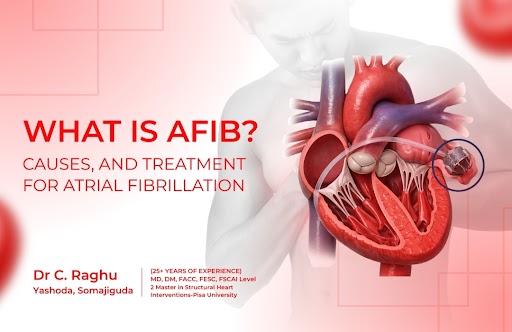
Are you aware of the rhythm of your heart when you feel like your chest is racing or trembling strangely? One common kind of arrhythmia that can result in rapid or erratic heartbeats is atrial fibrillation.
The top cardiologist in India and a sign of atrial fibrillation doctors will explain what AFib is, its causes, symptoms, and available treatments in this article. Learn how to safeguard the health of your coronary arteries by reading on.
Key Takeaways
- Atrial fibrillation (AFib) is a common heart rhythm disorder that causes the atria to beat irregularly, leading to symptoms like palpitations, fatigue, and dizziness.
- Main risk factors for AFib include high blood pressure, heart disease, advancing age (over 65), obesity, diabetes, excessive alcohol use, and family history.
- AFib raises the risk of serious health problems such as stroke and blood clots if left untreated.
- Treatment options include medications like blood thinners and antiarrhythmic drugs; procedures such as catheter ablation or cardioversion; and lifestyle changes like regular exercise, a healthy diet, weight control, avoiding tobacco, and limiting alcohol intake.
- Diagnosis usually requires an electrocardiogram (ECG). Early treatment helps reduce complications like stroke or heart failure.
Understanding AFib
AFib, or atrial fibrillation, disrupts the heart’s rhythm. This condition causes the atria to beat irregularly, often leading to palpitations and fatigue.
Definition of AFib
One type of arrhythmia is atrial fibrillation, or AFib. By creating erratic electrical reactions in the atria, it alters the cardiac rhythm. This causes palpitations or a fast heartbeat.
Breathlessness, lightheadedness, and exhaustion are possible symptoms. Strokes and blood clots are more common in people with AFib.
AFib can be brought on by a number of conditions, including heart disease and high levels of blood pressure. Age, obesity, and excessive alcohol use are risk factors. An electrocardiogram (ECG) is frequently used for diagnosis in order to track heart activity.
In order to control symptoms and lower health risks such as heart attacks or stroke, immediate intervention is essential.
You can also read this : DVT to Pulmonary Embolism the Risks and Prevention
Causes of AFib
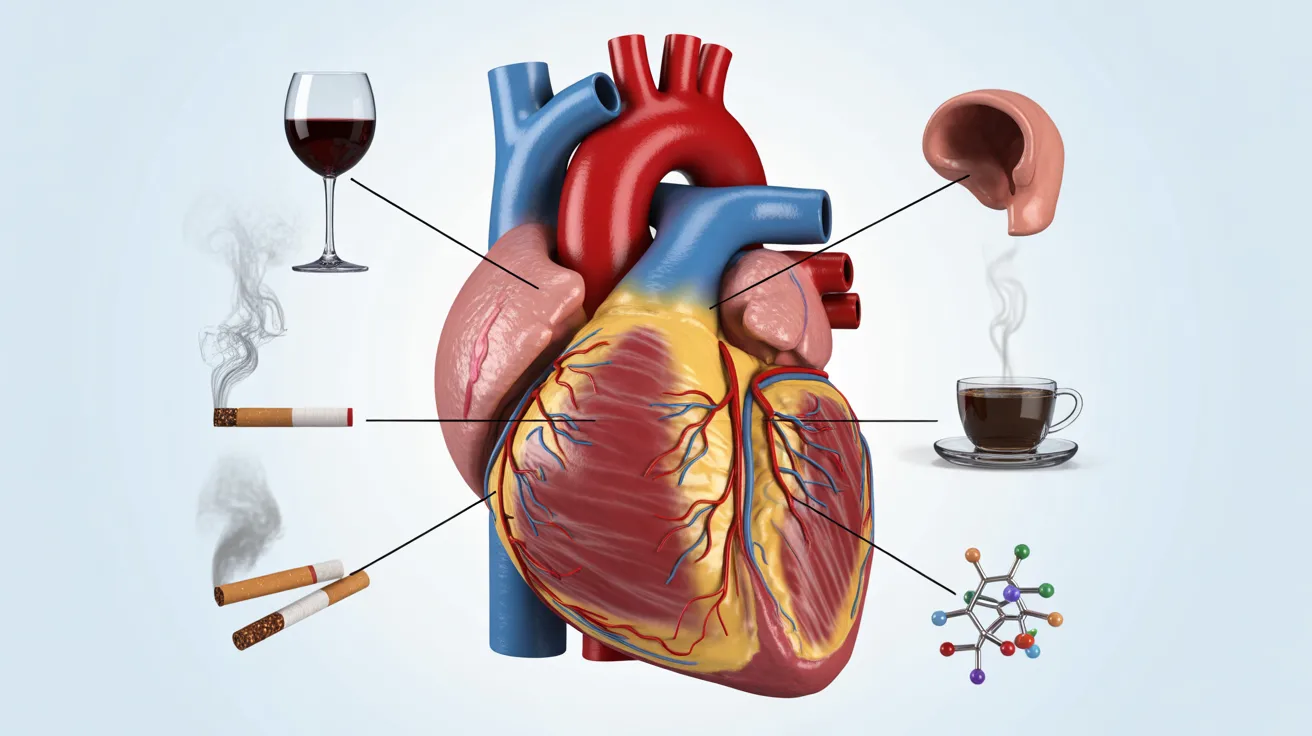
AFib, or Best Atrial Fibrillation Doctors in India occur due to problems in the heart’s electrical signals. These issues can arise from various causes. Heart disease is a significant risk factor for developing AFib.
High blood pressure often contributes as well. Conditions such as diabetes and obesity further increase this risk.
Lifestyle choices also play a role in causing AFib. Excessive alcohol consumption can trigger episodes of arrhythmia. Caffeine may lead to palpitations in some individuals too. Anxiety and stress might provoke symptoms associated with AFib as well.
Understanding these causes helps people manage their cardiovascular health effectively and reduce risks related to blood clots, stroke, and heart failure.
Risk factors for developing AFib
A few factors increase the risk of developing AFib, according to the best cardiologist for atrial fibrillation. High blood pressure affects heart rhythm, making it more likely to cause arrhythmia. Heart disease also plays a significant role in this condition.
Age matters too; people over 65 are at higher risk. Family history can influence chances as well, meaning genetics may contribute to AFib.
Lifestyle choices impact development risks too. Excessive alcohol use and smoking can lead to heart problems. Obesity may strain the heart and elevate the likelihood of irregular rhythms like AFib.
Diabetes increases complications related to cardiovascular health, pushing individuals closer to experiencing symptoms such as palpitations or tachycardia associated with atrial fibrillation.
You can also read this: – Best cardiologist near me known for Exceptional Success Rates
Treatment Options
Treatment options for atrial fibrillation vary. Doctors may prescribe medications to manage heart rate and prevent clots. Some patients might need procedures, like ablation, to restore normal rhythm.
Lifestyle changes can also aid in improving overall heart health and reducing symptoms.
Medications
Medications play a crucial role in managing atrial fibrillation, known as AFib. Doctors often prescribe blood thinners to reduce the risk of blood clots and strokes. These medications keep the heart’s rhythm steady by preventing unwanted clotting in the atria.
Some patients may need antiarrhythmic drugs to control their heart rate or restore normal rhythm. These drugs help manage symptoms like palpitations and tachycardia effectively. With a tailored approach, medications support better heart health for those with AFib.
Procedures
Treatments for AFib may include various procedures that help restore a normal heart rhythm. Doctors often recommend catheter ablation, which targets the heart’s electrical signals.
This technique isolates areas causing arrhythmia by sending energy to those spots. Patients may also consider cardioversion, where doctors use electric shocks to reset the heart’s rhythm.
In some cases, healthcare providers might implant devices like pacemakers or defibrillators. These devices monitor and manage the heart rate effectively. They keep your heartbeat regular and prevent complications such as stroke and blood clots.
Each procedure aims to improve symptoms like palpitations and tachycardia while reducing the risk of heart failure or other serious issues associated with atrial fibrillation.
Lifestyle changes
Lifestyle changes can significantly impact the management of atrial fibrillation (AFib) and brain stroke. Regular exercise helps improve heart health. Aim for at least 150 minutes of moderate aerobic activity each week.
Eating a balanced diet supports cardiovascular functions. Focus on fruits, vegetables, lean proteins, and whole grains.
Limiting alcohol and caffeine can reduce atrial flutter treatment. Stress management techniques like meditation or yoga are beneficial too. Maintaining a healthy weight lowers risks associated with arrhythmia.
Avoiding tobacco use also protects your heart from damage. Making these adjustments can enhance your overall well-being while managing the best cardiologist for AFib.
FAQs
1. What is AFib and how does it affect heart rhythm?
Atrial fibrillation, or AFib, is a type of arrhythmia. It causes the upper chambers of the heart, called atria, to beat fast and unevenly. This irregular heartbeat comes from disorganized electrical signals.
2. What are common symptoms of atrial fibrillation?
Symptoms include palpitations, shortness of breath, chest pain, fatigue, and rapid heart rate known as tachycardia. Some people may not notice any symptoms at all.
3. How can AFib lead to blood clots or stroke?
When the atria do not contract well due to arrhythmia, blood can pool inside them. This increases the risk for blood clots that may travel to the brain and cause a stroke.
4. What tests help diagnose AFib?
Doctors use an electrocardiogram (ECG) to check for abnormal electrical signals in your heart rhythm. Other tests might include monitoring devices or imaging studies if needed.
5. What treatments are available for managing atrial fibrillation?
Treatment aims to control symptoms and prevent complications like heart failure or stroke. Options include medication for heart rate management and anticoagulants for clot prevention; some patients need procedures such as cardioversion or ablation therapy.