menu trigger
menu trigger


Monday - Sunday 08:00 AM - 08:00 PM+91 95424 75650 | Emergency Service 24/7Book an AppointmentDigital Visiting Card
What is endocarditis?
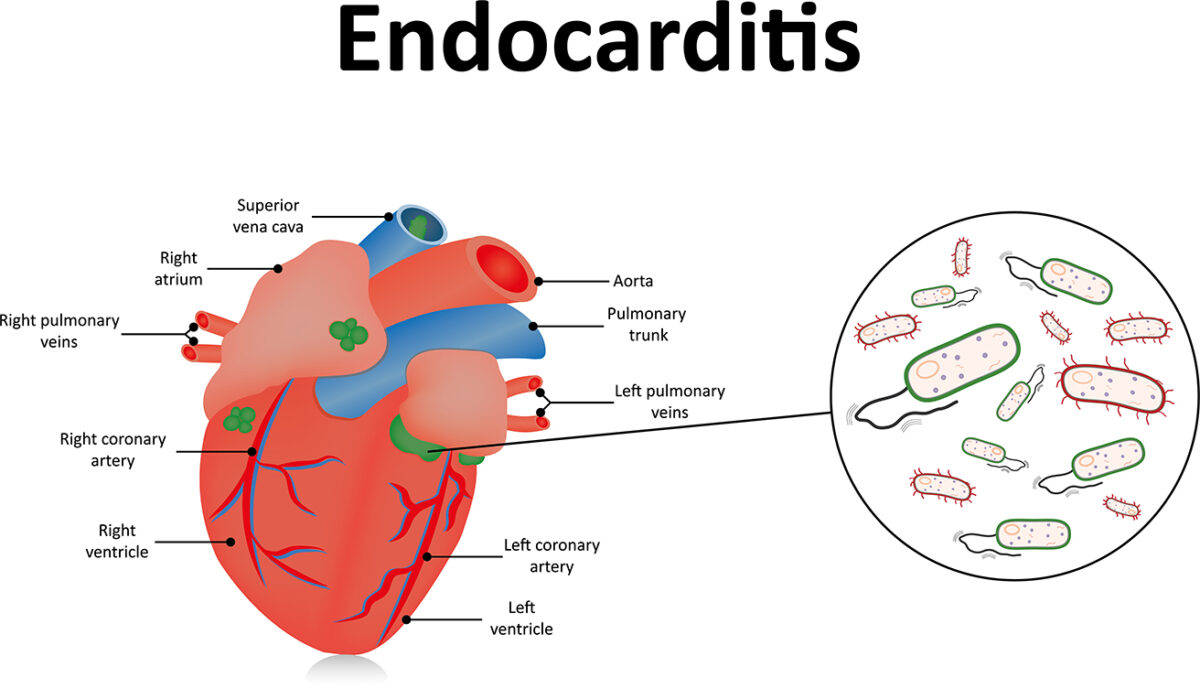
- The inflammation of the inner layer (endocardium) of heart chambers and valves is called endocarditis.
- If this inflammation is caused by infection, it is called infective endocarditis.
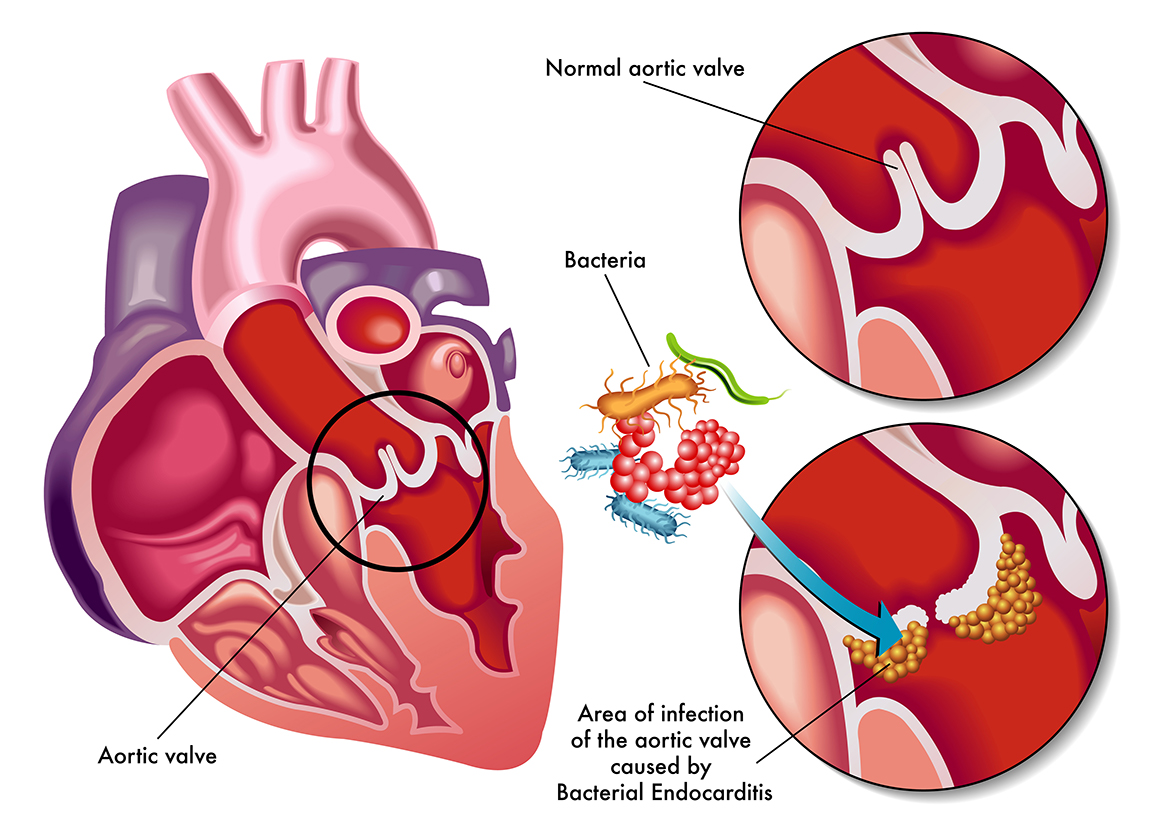
- This condition can cause abnormal growth in the heart valve or inside the heart.
- Over time, this abnormal growth can destroy heart tissue, leading to heart failure or heart-related problems.
- This can also cause a stroke if they block the blood vessels in the brain.
- Early treatment gives beneficial outcomes and preventing complications.
What are the causes of endocarditis?
- Bacterial infection
- Fungal infection
- Connective tissue disease
- Cancer
What are the symptoms of endocarditis?
- Fever with chills
- Muscle spasms
- Fatigue
- Chest pain
- Shortness of breath
- Swelling in feet & ankles
- Night sweats
- Heart murmurs
Who increases the risk of developing endocarditis?
- H/o of heart valve replacement surgery
- Abnormal or damaged heart valve
- H/o endocarditis
- Congenital heart defect
- Intravenous drug abuse
- Dental procedures
What are the complications of endocarditis?
- Heart failure: Due to valvular insufficiency and blocks in coronary arteries from valvular vegetations.
- Valvular regurgitation: Due to conduction abnormalities.
- Brain stroke
How is endocarditis diagnosed?
- Blood test & blood culture: To rule out the infection, inflammation & causative organism
- Chest X-ray
- CT scan
- Echocardiogram ( Transesophageal echocardiogram): To evaluate valvular dysfunction
- Electrocardiogram: To check the electrical activity of the heart
How is endocarditis treated?
- Intravenous antibiotic therapy for 4 to 6 weeks
- If endocarditis caused by abnormal or damaged heart valve, replacement of a heart valve is done
How is endocarditis prevented?
- Reduce the risk of developing infective endocarditis by maintaining good hygienic techniques.
Antibiotic prophylactic therapy in case of flu-like symptoms may reduce the recurrent endocarditis and relevant risk factors
Our Specialities
- Conditions
Conditions
- Acute limb ischemia
- Chronic limb ischemia
- Aortic stenosis
- Mitral valve stenosis
- Mitral valve regurgitation
- Atrial fibrillation
- Tachycardia
- Bradycardia
- Palpitations
- High blood pressure
- Atrial septal defect
- Ventricular septal defect
- Patent ductus arteriosus
- Cardiac amyloidosis
- Hypertrophic cardiomyopathy
- Varicose veins
- Deep vein thrombosis (DVT)
- Myocarditis
- Endocarditis
- Pericarditis
- Peripheral arterial disease
- Pulmonary artery hypertension
- Pulmonary embolism
- Cath lab procedures:
Cath lab procedures:
- Coronary Angiogram
- Primary Angioplasty
- Coronary Angioplasty
- CHIP Angioplasty
- Aortic valve replacement surgery
- Mitral valve replacement surgery
- Device closure for Atrial septal defect
- Device closure for Ventricular septal defect
- Device closure for Patent Ductus Arteriosus
- Transcatheter aortic valve replacement (TAVR)
- Inferior vena cava (IVC) filter
- LA appendage closure
- Fistuloplasty
- Balloon mitral valvotomy
- 24 hours emergency services
24 hours emergency services
- Clinics- weekly basis/monthly basis/ Yearly basis
Clinics- weekly basis/monthly basis/ Yearly basis
- Prevention of cardiovascular diseases
Prevention of cardiovascular diseases
- Diagnosis
Diagnosis
BOOK AN APPOINTMENT

Dr. RAGHU
MD, DM, FESC, FACC, FSCAI
Cardiology Coronary, Vascular and
Structural Interventions
Cardiology Coronary, Vascular and
Structural Interventions
Conditions & Diseases
Angioplasty
Aortic Stenosis
Atrial Fibrillation
Atrial Septal Defect

+91 95424 75650
For Appointment with Dr Raghu:
+91 80085 36699
Dr Raghu’s Patient Coordinator:
+91 72860 10203
Dr Raghu’s Office Experience:
+91 90001 65962
Dr Raghu’s Social Media Communication Channel:
+91 97046 51708

© 2024, Dr. Raghu. All rights reserved. Design & Developed by AMSDigital.in