
aortic-stenosis-1-1200x778.png

October 29, 2026 AbhijitHearty Life

A diagnosis of aortic stenosis can leave you and your family with several questions. How serious is the narrowing? Which tests do you need? Will you need a valve replacement, or can your condition be monitored? If you are searching for the best cardiologist for aortic stenosis in Hyderabad, start by finding a qualified specialist who can explain your diagnosis, assess the severity of the condition, and discuss appropriate treatment options.

Choosing a cardiologist is not simply about finding a name at the top of a list. You need a careful evaluation, clear explanations, and a treatment plan that reflects your symptoms, test results, and overall health.

What You Should Know About Aortic Stenosis

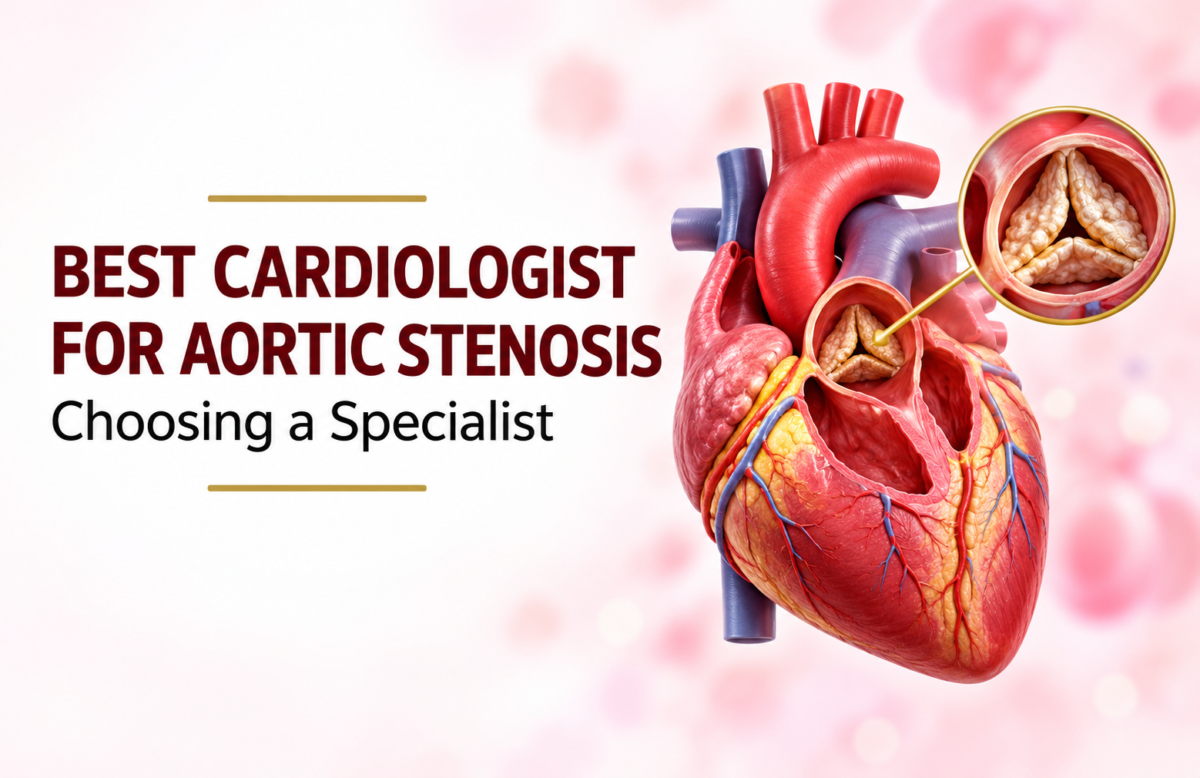
Aortic stenosis occurs when the aortic valve narrows, restricting blood flow from the heart to the rest of the body. The condition can develop gradually, and you may not notice symptoms during its early stages.

As the narrowing progresses, you may experience breathlessness, chest discomfort, dizziness, or fainting. These symptoms require medical assessment because they can have several causes.

An echocardiogram, which uses ultrasound to examine the heart, is a key test for evaluating aortic stenosis. Your cardiologist may also review your medical history, examine your heart, and recommend additional tests when necessary.

You can review Dr. Raghu’s approach to best cardiologists for aortic stenosis to learn about the cardiac services available through his practice.

Choosing the Right cardiologist Care Team

When comparing aortic stenosis specialists in Hyderabad, consider more than general reputation. Look for a care team that can assess your valve condition, explain your options and coordinate treatment when necessary.

Consider these factors before making a decision:

  • Relevant experience: Ask about the cardiologist’s experience in evaluating valve disease and managing aortic stenosis.
  • Diagnostic assessment: Understand how your echocardiogram, symptoms, and heart function will influence the treatment recommendation.
  • Treatment options: Ask whether monitoring, surgical aortic valve replacement, or transcatheter aortic valve replacement (TAVR/TAVI) may be appropriate.
  • Team-based care: Complex decisions may require input from interventional cardiologists, cardiac surgeons, and cardiac imaging specialists.
  • Follow-up arrangements: Find out how your condition will be monitored and whom to contact if your symptoms change.

Dr. C. Raghu is an interventional cardiologist at Yashoda Hospitals, Somajiguda, Hyderabad. His website provides information about cardiac conditions and interventional procedures.

Understanding Diagnosis and Treatment Decisions

A qualified aortic stenosis doctor should explain what your test results mean and what you need to do next.

Treatment decisions depend on the severity of the narrowing, symptoms, heart function, valve anatomy, other medical conditions, and overall procedural risk. Some patients need regular clinical reviews and repeat imaging, while others may require valve replacement.

Two major treatment options are surgical aortic valve replacement (SAVR) and TAVR. SAVR involves replacing the damaged valve through surgery. TAVR uses a catheter to deliver a replacement valve into the heart. Neither procedure is automatically suitable for every patient.

If you are considering a TAVR expert in India, ask how your anatomy, health conditions, procedural risks, and long-term needs affect your eligibility. Your care team should explain the potential benefits, limitations, and risks of the options relevant to you.

Also read: Best Aortic Stenosis Treatment by Dr. C. Raghu 

Questions to Ask at Your Consultation

Preparing questions before your appointment can help you understand your diagnosis and take part in treatment decisions.

Consider asking:

  1. How severe is my aortic stenosis, and what do my test results show?
  2. Do I need treatment now, or is monitoring appropriate?
  3. Which treatment options suit my health, age, and valve anatomy?
  4. What are the risks and recovery requirements associated with each option?
  5. How often will I need follow-up appointments or repeat echocardiograms?
  6. Which symptoms should prompt urgent medical attention?

Bring your previous echocardiogram reports, medication list, discharge summaries, and other relevant cardiac records. If a family member helps you make healthcare decisions, consider bringing them to the consultation.

You can also check: top 10 Cardiologists in Hyderabad | Best Angioplasty Expert in India | Atrial Fibrillation Treatment in Hyderabad 

Taking the Next Step Towards Heart Care

Finding the best cardiologist for aortic stenosis means choosing a qualified professional who can assess your condition carefully, discuss appropriate alternatives, and explain your follow-up needs. Clear communication and individualized evaluation help you make informed decisions without relying on unverified rankings or promises.

Dr. C. Raghu offers interventional cardiology consultations in Hyderabad. Visit Dr. Raghu’s heart care website to learn more about his practice and available cardiac services.
To discuss your diagnosis, test results, and possible next steps, request a cardiology consultation.



Angioplasty-in-heart.jpg

October 26, 2026 AbhijitHearty Life

The days after angioplasty can feel unfamiliar

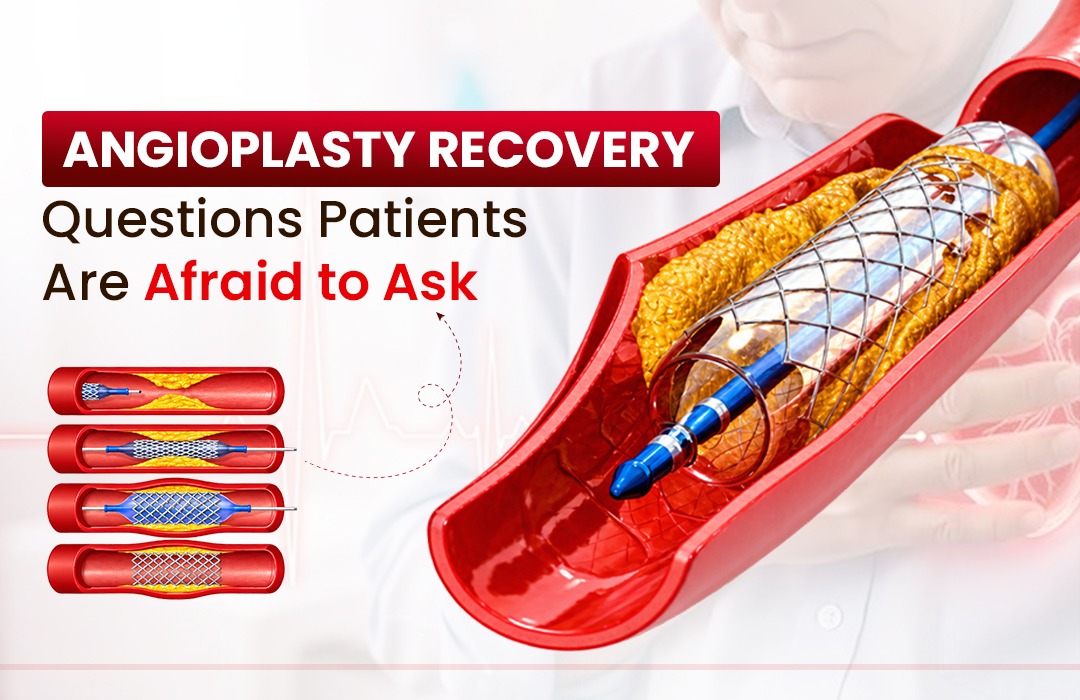
After angioplasty in heart arteries, people often feel relieved that a blocked or narrowed artery has been treated. Yet going home can bring a new set of worries. Is this soreness normal? Can I climb stairs? Which tablets are essential? Coronary angioplasty uses a catheter, commonly with a stent, to improve blood flow through a narrowed artery. It can be performed in different circumstances, including during treatment of a heart attack. Recovery instructions therefore vary. Your discharge plan, not somebody else’s experience, should guide what you do next.

For service information, see angioplasty in heart.

Which symptoms need urgent help?

Some bruising or tenderness where the catheter entered the body can occur, but increasing swelling or persistent bleeding requires prompt medical advice. If bleeding from the access site is heavy or does not stop after following the discharge team’s immediate first-aid instructions, seek emergency care. New severe chest pain, fainting, marked breathlessness or symptoms suggesting a stroke also require emergency assessment. Do not assume that every symptom is a normal part of healing. Know the emergency contact pathway before you leave hospital, and keep your discharge papers within easy reach.

For further reading, see coronary angioplasty.

What about walking, work and driving?

Many patients want a fixed number of days until life returns to normal. There is no single timeline. Recovery depends on why the procedure was done, whether there was a heart attack, where the catheter was inserted, other illnesses and any complications. Ask when you can walk outside, climb stairs, drive, resume sexual activity or lift heavy objects. Follow the access-site care instructions you received. Gradually increasing activity may be appropriate, and cardiac rehabilitation can help eligible patients rebuild confidence and adopt heart-healthy habits under supervision.

If you need a planned consultation, you can book an appointment with a cardiologist in Hyderabad to discuss the next step with a qualified clinician. This is not an emergency service.

The medicine question you should never skip

If a stent was placed, antiplatelet medicines are commonly prescribed to lower the risk of a clot forming inside it. The medicines and duration depend on your clinical situation. Never stop or change them without advice from the treating clinician, even if you feel well. Tell your care team about bleeding, bruising, stomach symptoms, other prescribed medicines, and any dental or surgical procedure being planned. Ask for a written medicine list with timing and purpose. This often reduces confusion when several family members help manage tablets.

Also read: Recovery After Angioplasty: Essential Heart Care Tips 

Small routines that make follow-up easier

Set up one place for the discharge sheet, medicine list, and follow-up date. If different family members help at home, agree on who checks prescriptions and who arranges visits. Keep an eye on the catheter access area according to your discharge instructions, and ask what level of bruising or discomfort is expected. If tiredness lasts longer than anticipated or you feel anxious about exertion, describe those concerns during follow-up instead of simply stopping activity. You should also ask whether cardiac rehabilitation is available and appropriate. A rehabilitation program may include supervised exercise, education, and support with risk factors. It is normal to need an explanation more than once: ask the care team to write down the plan in language you can follow. Recovery is safer when the information is clear and consistent.

Follow-up is part of treatment

Angioplasty treats a particular narrowing, but it does not remove every factor that can cause coronary artery disease. Follow-up commonly covers blood pressure, cholesterol, diabetes, smoking, movement, food choices, and ongoing symptoms. If you are deciding where to receive ongoing advice, look for a team that explains discharge instructions and whom to call when a problem arises. Dr. C. Raghu provides information about coronary procedures and consultation options on his website. For new or worsening symptoms, do not wait for a routine visit. A good recovery plan leaves you knowing both what to do each day and when to ask for help.

You can also check :-  Chip Cto angioplasty | Deep vein thrombosis | Heart Valve Screening
Angioplasty expert in India | Atrial Fibrillation treatment in Hyderabad | Cardiologist in india

Arrange a planned cardiology consultation

For non-emergency advice, request an appointment with Dr. C. Raghu, the best heart specialist in Hyderabad. 


recovery-after-atrial-fibrillation-1200x777.jpg

October 22, 2026 AbhijitHearty Life

A procedure or a new prescription is only the first stage of managing atrial fibrillation. What happens in the weeks and months afterward often determines whether the rhythm stays steady, whether symptoms return, and whether the risk of stroke stays under control. This article explains what recovery after afib typically involves, which follow-up steps matter most, and how patients and caregivers can prepare for each stage.

Why Follow-Up Matters After Atrial Fibrillation Treatment

Atrial fibrillation treatment may include medication, cardioversion, catheter ablation, or a combination of these. Each option aims to control the heart rate, restore a regular rhythm, or reduce stroke risk. None of them is a one-time fix for every patient.

The heart can take time to settle after a procedure. Short episodes of irregular rhythm during the first weeks are not unusual in some patients, and they do not always mean the treatment has failed. Regular review allows the care team to tell the difference between a normal healing phase and a genuine problem.

What Recovery After AFib Treatment Looks Like

Recovery after afib varies by the type of treatment received. The general patterns are outlined below, though individual instructions from the treating physician always take priority.

After Medication Changes

Patients starting or adjusting rhythm-control or rate-control drugs usually need periodic checks of heart rate, blood pressure, and sometimes blood tests. Dose adjustments are common in the first few months.

After Cardioversion

Cardioversion is performed to reset the rhythm. Most patients go home the same day, but they are generally advised to rest and to continue blood-thinning medication without interruption. Stopping anticoagulants early is one of the more serious avoidable errors after this procedure.

After Catheter Ablation

Ablation involves a small puncture, usually in the groin, so the site needs monitoring for bruising, swelling, or bleeding. Fatigue, mild chest discomfort, and occasional palpitations can occur during the early healing period. Activity restrictions, such as avoiding heavy lifting for a set number of days, are typically advised.

Warning Signs That Need Prompt Attention

Caregivers play an important role here, because patients sometimes underreport symptoms. The following signs warrant contacting the treating team without delay:

  • Chest pain or pressure that does not settle
  • Sudden shortness of breath or fainting
  • Swelling, spreading bruising, or bleeding at the procedure site
  • Fever after an ablation procedure
  • Weakness, facial drooping, speech difficulty, or confusion, which may indicate a stroke and require emergency care immediately

The Follow-Up Schedule: What to Expect

Follow-up plans differ, but most patients can expect a sequence similar to this:

  • First review (within a few weeks): Examination of the procedure site, medication review, and an ECG.
  • Rhythm monitoring (at intervals): Holter monitors or wearable devices may be used to record the heart rhythm over days or weeks.
  • Anticoagulation review: The need for blood thinners is assessed on an ongoing basis, based on stroke risk rather than on whether the rhythm appears normal.
  • Long-term visits: Once the condition is stable, reviews are often spaced out, but they should not stop altogether.

Daily Habits That Support Recovery

Medical treatment works best alongside consistent daily habits. Many physicians recommend the following:

  • Taking every medication at the same time each day
  • Limiting alcohol, which is a recognised trigger for AFib episodes in many people
  • Managing blood pressure, blood sugar, and body weight
  • Treating sleep apnea if it has been diagnosed
  • Returning to physical activity gradually, with guidance from the doctor
  • Keeping a short symptom diary noting the date, duration, and circumstances of any palpitations

Consider a typical scenario. A retired teacher in his late sixties undergoes ablation and feels well for three weeks, then notices brief palpitations after a stressful evening. Because he recorded the episode and attended his scheduled review, his physician could examine the data and decide that no change was needed. Without that record, the same event might have caused unnecessary alarm or been ignored altogether.

Choosing the Right Doctor for Long-Term Care

Continuity matters in this condition. Patients often search for an atrial fibrillation doctor who will oversee the entire journey, from diagnosis through procedure to long-term monitoring, rather than a single appointment. Families looking for the best cardiologist for atrial fibrillation or the best cardiologist for AFib commonly weigh experience with rhythm disorders, availability for follow-up, and clarity in explaining the treatment plan.

Those seeking an AFib doctor in Hyderabad have a number of options, and it is reasonable to look for a physician who treats rhythm disorders regularly and who communicates openly with the patient and caregiver. Many people begin by consulting an atrial fibrillation specialist in Hyderabad or the best cardiologist in Hyderabad for a second opinion before committing to a treatment path. A trusted heart doctor in Hyderabad can also coordinate with the patient’s family physician so that medications and other health conditions are managed together.

A dedicated atrial fibrillation specialist can interpret rhythm recordings, adjust AFib Treatment as the situation changes, and advise on when additional procedures may or may not be needed. Success rates and long-term outcomes differ between patients and between procedures, so any figures quoted should be confirmed with the treating physician.

Supporting a Family Member Through Recovery

Caregivers can make a measurable difference by attending appointments, keeping an up-to-date list of medications, and learning the warning signs listed above. They can also help with practical matters, such as arranging transport after a procedure and encouraging the patient to ask questions during reviews. Emotional support is equally valuable, since anxiety about the heart is common after a new diagnosis.

Take the Next Step Towards Better Heart Health

Book a consultation with Dr. C. Raghu, a heart specialist in hyderabad to discuss your atrial fibrillation treatment, recovery, and follow-up care. Get personalized guidance to manage AFib and protect your long-term heart health.


heart-problems.jpg

October 13, 2026 AbhijitHearty Life

Exercise is one of the most effective ways to maintain a healthy heart, manage weight, and improve overall fitness. However, can too much exercise harm your heart? Although regular physical activity offers several cardiovascular benefits, excessive training without adequate recovery may cause health problems in some individuals. Recognizing the warning signs is essential, particularly for people with existing heart conditions or cardiovascular risk factors.

According to the principles of preventive cardiology, exercise intensity should match an individual’s health, fitness level, and medical history. Understanding the relationship between too much exercise and heart health can help people stay active while protecting their cardiovascular well-being.

Can Too Much Exercise Harm Your Heart?

For most people, regular moderate exercise strengthens the heart, improves circulation, and helps control blood pressure and cholesterol levels. However, repeatedly performing intense workouts without sufficient rest can lead to overtraining, persistent fatigue, and other health concerns.

Research suggests that extremely high levels of endurance exercise may be associated with certain cardiac changes in some athletes. However, this does not mean that regular exercise is dangerous for the general population. The benefits of physical activity generally outweigh the risks when exercise is appropriate for an individual’s health status.

People with undiagnosed heart disease, uncontrolled hypertension, or other cardiovascular risk factors should seek medical advice before beginning strenuous training.

Warning Signs of Overexercising You Should Never Ignore

Recognizing the signs of overexercising can help prevent complications and identify when medical evaluation may be necessary.

1. Chest Pain or Pressure

Chest discomfort during exercise should never be ignored. It may result from several causes, including muscle strain, but it can also indicate reduced blood flow to the heart. Stop exercising immediately if you experience chest pressure, tightness, or pain, especially if it spreads to your arm, jaw, back, or shoulder.

2. Unusual Shortness of Breath

Breathing faster during intense exercise is normal. However, severe or disproportionate breathlessness, particularly during activities that previously felt comfortable, may indicate an underlying medical problem.

3. Rapid or Irregular Heartbeat

An elevated heart rate is expected during physical activity. Nevertheless, a racing, pounding, or irregular heartbeat that feels unusual, persists after stopping, or occurs alongside dizziness requires attention.

4. Dizziness or Fainting

Feeling lightheaded during a workout may be associated with dehydration, low blood pressure, or other conditions. However, fainting during exercise can be a warning sign of a potentially serious heart problem and requires urgent medical assessment.

5. Persistent Fatigue and Poor Recovery

Constant tiredness, declining exercise performance, disturbed sleep, and prolonged muscle soreness may indicate inadequate recovery or overtraining. Although these symptoms do not necessarily indicate heart disease, they suggest that your exercise routine may need adjustment.

Read more: Don’t Ignore a Mild Heart Attack: It’s a Serious Warning  

Excessive Exercise Side Effects and Their Impact on Heart Health

Understanding excessive exercise side effects is important for people who regularly participate in demanding workouts, long-distance running, or high-intensity training.

Possible effects include dehydration, electrolyte disturbances, prolonged fatigue, and an increased risk of musculoskeletal injuries. In some endurance athletes, prolonged high-intensity training has also been associated with exercise-related cardiac changes and an increased likelihood of certain rhythm disturbances.

The risk varies according to exercise intensity, duration, recovery, and individual health. Overtraining and heart health should therefore be considered together, particularly when someone experiences unexplained symptoms or has a family history of cardiovascular disease.

How to Exercise Safely and Protect Your Heart

Following a balanced routine can help you enjoy the benefits of exercise without placing unnecessary strain on your body.

  • Increase intensity gradually: Avoid suddenly increasing workout duration, speed, or resistance.
  • Allow adequate recovery: Include rest days and prioritize sufficient sleep.
  • Stay hydrated: Replace fluids appropriately, particularly during prolonged workouts or hot weather.
  • Monitor your response: Pay attention to unusual breathlessness, chest discomfort, dizziness, or palpitations.
  • Maintain a balanced routine: Combine aerobic exercise with strength training and flexibility activities according to your fitness level.
  • Seek medical advice when necessary: People with known heart disease or significant cardiovascular risk factors may need an individualized exercise plan.

The appropriate heart rate during exercise varies with age, fitness, medications, and medical conditions. There is no single target heart rate suitable for everyone. A healthcare professional can help determine an appropriate intensity when individual circumstances require it.

Heart Problems During Exercise: Who Should Be More Careful?

Certain individuals should take additional precautions before starting vigorous physical activity. These include people with high blood pressure, diabetes, high cholesterol, known heart disease, or a family history of premature cardiac problems.

Heart disease symptoms during exercise may include chest discomfort, unusual breathlessness, dizziness, fainting, or palpitations. These symptoms should not automatically be attributed to poor fitness or excessive effort.

People experiencing possible exercise-induced heart problems should receive appropriate medical evaluation rather than continuing to push through their symptoms.

Adults who are middle-aged or older and planning to begin a demanding workout routine may also benefit from discussing their health history and exercise goals with a doctor.

When Should You Consult a Cardiologist?

If you experience recurring chest discomfort, unexplained breathlessness, unusual palpitations, or dizziness during physical activity, consult a qualified healthcare professional. Seek emergency medical assistance for chest pain, fainting, severe breathing difficulty, or other symptoms suggestive of a cardiac emergency.

For individuals seeking the best cardiologist in Hyderabad, a consultation can help assess cardiovascular risk factors and determine whether further testing or exercise-related guidance is appropriate.

Dr. C. Raghu, Clinical Director and Senior Interventional Cardiologist at Yashoda Hospitals, Secunderabad, has extensive experience in interventional cardiology. Individuals concerned about exercise-related symptoms or their cardiovascular health can seek professional medical advice to understand the appropriate next steps.

A heart specialist in Hyderabad or heart doctor in Hyderabad can evaluate symptoms in the context of medical history, physical examination, and appropriate investigations. Depending on the findings, the doctor may recommend lifestyle changes, additional testing, or a personalized exercise plan.

Also read : – Diet Chart by a Cardiologist in Hyderabad 

Conclusion

Exercise is essential for long-term cardiovascular health, but the right balance between activity and recovery matters. Understanding can too much exercise harm your heart and recognizing the warning signs can help you make safer fitness decisions.

Listen to your body, increase workout intensity gradually, and never ignore unusual cardiac symptoms. With appropriate precautions and professional guidance, most people can enjoy the benefits of regular physical activity while supporting a healthier heart.

Consult Dr. C. Raghu, a professional heart specialist in Hyderabad, for an evaluation of heart-related symptoms and personalized guidance on cardiovascular health.


heart-doctor.webp

October 5, 2026 AbhijitHearty Life

When chest discomfort, breathlessness, unusual fatigue, or an abnormal cardiac test raises concern, the next decision matters: which heart doctor should you consult, and what evaluation do you actually need? The right specialist can help you understand whether your symptoms are related to heart disease, coronary artery disease, a valve problem, or another cardiovascular condition.

This guide explains what you can expect from a cardiac evaluation, when an angiogram or angioplasty may be considered, and where procedures such as TAVI or TAVR fit into modern heart treatment.

When You Should See a Heart Doctor

You do not always need to wait for severe chest pain before seeking cardiac advice. Symptoms such as these deserve proper evaluation, particularly when they are new or becoming more frequent:

  • Chest pressure, heaviness, or discomfort
  • Breathlessness while walking or climbing stairs
  • Unexplained fatigue or reduced exercise tolerance
  • Dizziness or episodes of fainting
  • Palpitations or an irregular heartbeat
  • Swelling in the legs
  • A family history of significant heart disease

For example, if you become breathless after walking a distance that was previously comfortable, it may be tempting to blame age, stress, or lack of exercise. A heart doctor can determine whether the change could be related to the heart.

A consultation may include a medical history, physical examination, ECG, blood tests, echocardiography, stress testing, CT imaging, or other investigations depending on your symptoms and risk profile.

Understanding Heart Disease Before Choosing Treatment

Heart disease is not one single condition. Coronary artery disease, heart valve disorders, rhythm problems, heart failure, and structural heart conditions can require very different approaches.

Coronary artery disease, for instance, occurs when the arteries supplying blood to the heart become narrowed or blocked. Depending on the clinical situation, your cardiologist may recommend medication, lifestyle changes, further testing, or an intervention.

An angiogram can help doctors examine the coronary arteries and understand whether significant narrowing is present. However, an angiogram does not automatically mean you will need a stent. The decision depends on the location and severity of disease, symptoms, clinical findings, and the overall condition of your heart.

When Angioplasty May Be Recommended

Angioplasty is a catheter-based procedure used to open a narrowed or blocked coronary artery. A balloon is used to improve blood flow, and in appropriate cases a stent may be placed to help keep the artery open.

Consider a patient who has significant narrowing in an important coronary artery and continues to experience symptoms despite appropriate medical treatment. After evaluating the anatomy and clinical circumstances, the cardiology team may consider angioplasty as part of the treatment strategy.

Complex cases can require advanced planning. This may include patients with heavily calcified arteries, multiple blockages, chronic total occlusions, or previously treated vessels. CHIP CTO angioplasty is one area of advanced coronary intervention used for selected complex cases.

The important point is simple: the procedure should match the patient’s anatomy and clinical need, rather than being chosen simply because it is available.

TAVI and TAVR: Treatment for Selected Aortic Valve Patients

Not every heart problem comes from blocked arteries. Aortic stenosis is a condition in which the aortic valve becomes narrowed, making it harder for the heart to pump blood effectively.

If you have symptoms such as breathlessness, chest discomfort, dizziness, or reduced physical capacity and an evaluation shows significant aortic valve disease, your cardiology team may discuss valve replacement options.

TAVI, also known as TAVR, is a minimally invasive procedure in which a replacement valve is delivered through a catheter rather than requiring conventional open-heart valve surgery.

A TAVR expert evaluates several factors before recommending the procedure, including:

  • Severity of aortic stenosis
  • Age and overall health
  • Heart and valve anatomy
  • Previous cardiac procedures
  • Surgical risk
  • CT imaging findings
  • Presence of conditions such as a bicuspid aortic valve

The final decision is usually made after detailed imaging and assessment by the appropriate heart team.

Choosing the Right Cardiologist in Hyderabad

When you are searching for the best heart doctor in Hyderabad, look beyond a title or online ranking. Consider whether the cardiologist’s experience matches your particular problem.

For example, a patient with suspected coronary artery disease may need a cardiologist experienced in coronary intervention, while someone with severe aortic stenosis may require assessment by a specialist familiar with structural heart procedures.

Dr. C. Raghu is a clinical director and senior interventional cardiologist with extensive experience in interventional cardiology. His professional experience includes more than 40,000 collaborative coronary diagnostic procedures and more than 20,000 coronary intervention procedures, based on the provided professional profile.

His areas of practice include complex coronary intervention, TAVR, structural heart procedures, peripheral interventions, and catheter-based cardiovascular therapies.

Also read: Recovery After Angioplasty: Essential Heart Care Tips 

What You Can Do Before Your Appointment

You can make your consultation more useful by carrying:

  • Previous ECGs and echocardiography reports
  • Angiogram or CT reports and images, if available
  • Current medication details
  • Blood pressure and diabetes records, if applicable
  • A short history of your symptoms
  • Previous cardiac procedure details

Most importantly, write down what you want to understand. If you have been told that you need angioplasty, for example, ask which artery is affected, how severe the narrowing is, what alternatives exist, and what the expected goals of treatment are.

A Practical Next Step for Heart Care

The best treatment decision starts with an accurate diagnosis. Whether your concern is coronary artery disease, a valve disorder, or another form of heart disease, a detailed cardiac evaluation can help you understand your options clearly.

If you need the best cardiologist in Hyderabad, Dr. C. Raghu can provide specialist evaluation for complex coronary and structural heart conditions, including angioplasty and transcatheter valve procedures. An informed consultation can help you move from uncertainty to a clearer treatment plan. 


Dr raghu logo


Dr raghu logo


Call us now if you are in a medical emergency need, we will reply swiftly and provide you with a medical aid.


For Appointment with Dr Raghu: +91 80085 36699
Dr Raghu’s Patient Coordinator: +91 72860 10203
Dr Raghu’s Office Experience: +91 90001 65962
Dr Raghu’s Social Media Communication Channel: +91 97046 51708

Dr. Raghu | Heart Specialist in Hyderabad
Yashoda Hospitals, Raj Bhavan Road, Somajiguda, 1st floor, Room No. 115, Hyderabad -500082, Telangana

Best Cardiologists in Hyderabad


© 2024, Dr. Raghu. All rights reserved. Design & Developed by AMSDigital.in

[gtranslate]
+91-9542475650