Pulmonary-Embolism-Treatment-in-Hyderabad.jpg

November 23, 2026 AbhijitHearty Life

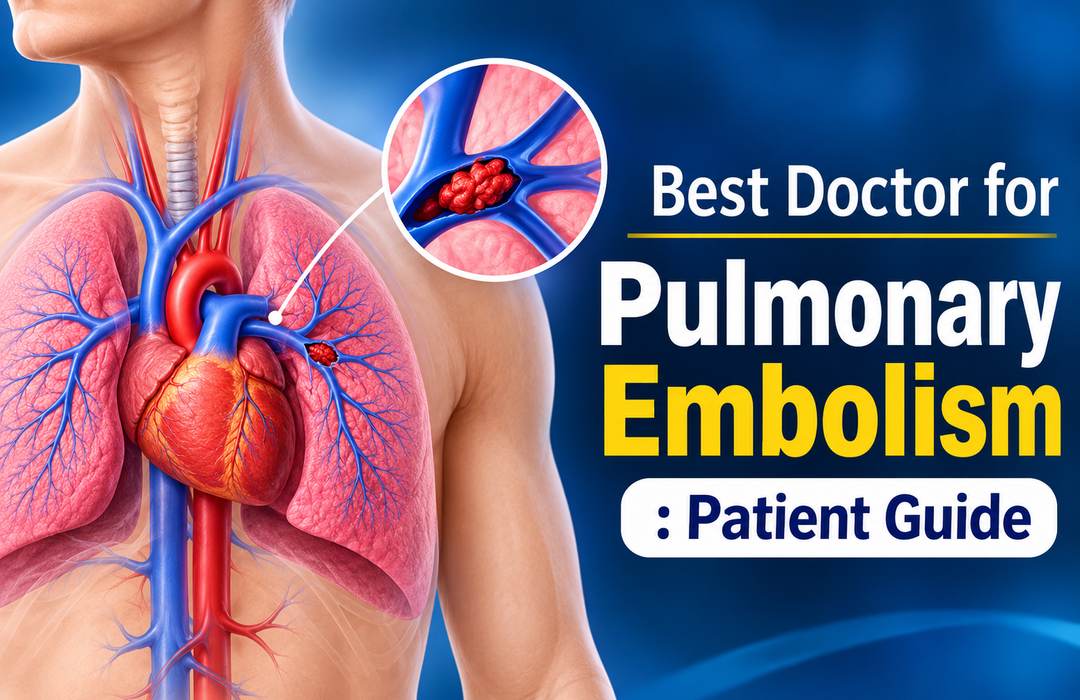
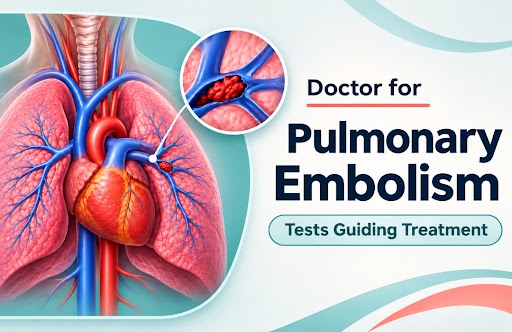
When a patient experiences sudden breathlessness, chest pain or an unexplained increase in heart rate, identifying the underlying cause becomes an important priority. Pulmonary embolism (PE), a condition in which a blood clot blocks an artery in the lungs, requires timely medical assessment and appropriate treatment planning. Choosing the best doctor for pulmonary embolism involves understanding the diagnostic tests, clinical expertise, and follow-up care needed to manage the condition.

For patients and families in Hyderabad, knowing what to expect during an evaluation can make consultations more productive. Understanding Dr. Raghu’s approach to pulmonary embolism care can also help patients explore relevant cardiology consultation options.

What Patients Should Know About Pulmonary Embolism Treatment

Pulmonary embolism often develops when a blood clot forms in a deep vein, commonly in the leg, and travels through the bloodstream to the lungs. This condition is frequently associated with deep vein thrombosis (DVT).

Symptoms may include:

  • Sudden shortness of breath.
  • Chest pain, particularly when breathing deeply.
  • Rapid heartbeat.
  • Coughing, sometimes with blood.
  • Dizziness or fainting.

The severity of pulmonary embolism varies between patients. Treatment decisions depend on the patient’s symptoms, medical history, clot burden, blood pressure and the effect of the clot on heart function.

A pulmonary embolism specialist evaluates these factors before recommending an appropriate treatment strategy.

Tests That Shape Pulmonary Embolism Treatment

Diagnostic investigations help doctors confirm the presence of a clot, understand its effect on circulation and determine the appropriate level of care.

1. D-Dimer Blood Test

A D-dimer test measures fragments released when blood clots break down. It can help assess the possibility of pulmonary embolism in patients with a low or intermediate clinical probability.

An elevated result does not independently confirm PE because several other conditions can increase D-dimer levels. Doctors interpret the result alongside symptoms and clinical risk assessment.

2. CT Pulmonary Angiography (CTPA)

CTPA is a commonly preferred imaging investigation for diagnosing acute pulmonary embolism. It uses contrast-enhanced CT imaging to identify clots within the pulmonary arteries.

The findings help doctors understand the location of the blockage and assess features that may influence treatment decisions.

3. Echocardiography

An echocardiogram evaluates the structure and functioning of the heart. In patients with confirmed pulmonary embolism, it can help identify right ventricular strain or dysfunction caused by increased pressure in the pulmonary circulation.

It is important to understand that echocardiography does not independently confirm or exclude pulmonary embolism. Its role is mainly to assess the effect of the condition on the heart.

4. Venous Doppler Ultrasound

When doctors suspect an associated DVT, venous Doppler ultrasound may be recommended to identify blood clots in the deep veins of the legs.

These findings can support the overall assessment and help guide further management.

5. Additional Blood Investigations

Doctors may recommend kidney function tests, complete blood counts, cardiac biomarkers and other investigations depending on the patient’s condition.

These tests help assess treatment suitability, identify associated medical concerns and support monitoring during recovery.

How Doctors Decide the Right Treatment Approach

Pulmonary embolism treatment is not identical for every patient. The treatment plan depends on clinical stability, the risk of deterioration, bleeding risk and associated medical conditions.

Common treatment approaches include:

  • Anticoagulant medicines: These help prevent existing clots from growing and reduce the risk of new clots forming.
  • Thrombolytic therapy: Clot-dissolving medicines may be considered in selected patients with high-risk pulmonary embolism.
  • Catheter-directed treatment: In selected cases, specialised catheter-based procedures may help remove or reduce the clot burden.
  • Supportive care: Oxygen support, monitoring and other medical interventions may be required depending on the patient’s condition.

Patients seeking pulmonary embolism treatment in Hyderabad should discuss the benefits, limitations, and potential risks of each suitable option with their treating team.

For information about relevant cardiac and vascular procedures, patients can explore Dr. Raghu’s heart care services.

Choosing a Pulmonary Embolism Doctor: Questions to Ask

Finding a suitable pulmonary embolism doctor involves more than comparing professional titles. Patients should understand the clinician’s experience, the hospital’s diagnostic facilities and the availability of coordinated treatment.

During a consultation, families can ask:

  • Which investigations are necessary to confirm the diagnosis?
  • How severe is the pulmonary embolism?
  • Is medication sufficient, or should an intervention be considered?
  • What are the potential bleeding risks associated with treatment?
  • How long might anticoagulant treatment continue?
  • What follow-up investigations will be required?

Patients with associated DVT should also discuss whether a DVT specialist in Hyderabad or a multidisciplinary vascular care team is needed. Those searching for a DVT doctor in Hyderabad should consider experience in evaluating venous thrombosis and its possible complications.

Follow-Up Planning After Pulmonary Embolism

Recovery does not end when the immediate clot-related problem is addressed. Regular follow-up helps doctors review symptoms, medication use, bleeding concerns and the patient’s overall functional recovery.

Patients should maintain a record of their prescriptions, investigation reports and discharge summaries. Any changes in medication should be discussed with the treating clinician rather than made independently.

Persistent breathlessness or reduced exercise tolerance may require further evaluation. Follow-up planning should also address the risk of recurrent DVT or pulmonary embolism.

Read also:  DVT to Pulmonary Embolism: The Risks and Prevention 

Consult a Pulmonary Embolism Specialist in Hyderabad.

Patients evaluating a best doctor for pulmonary embolism should prioritize appropriate clinical assessment, relevant procedural expertise, and coordinated follow-up rather than relying on unsupported ranking claims.

Dr. C. Raghu is a clinical director and senior interventional cardiologist at Yashoda Hospitals, Somajiguda, Hyderabad. His areas of expertise include complex cardiac and vascular interventions, including catheter-based treatment for deep vein thrombosis and pulmonary embolism.

Patients seeking a pulmonary embolism specialist in India, or a pulmonary embolism doctor near me, can discuss their medical records and available treatment options during a consultation.

For an appointment, call +91 95424 75650 or email secretary@drraghu.com . Patients can also request a cardiology consultation
AI_and_wearables_120KB-1200x800.jpg

November 20, 2026 AbhijitHearty Life

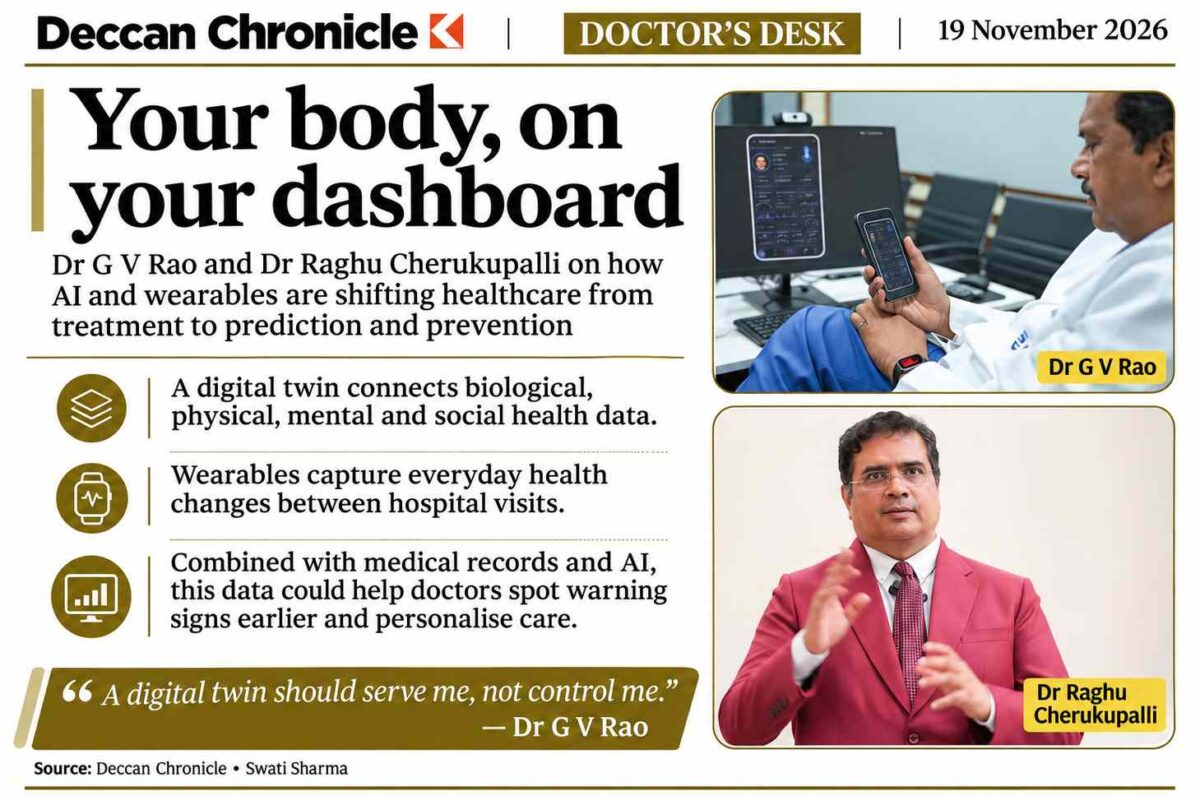
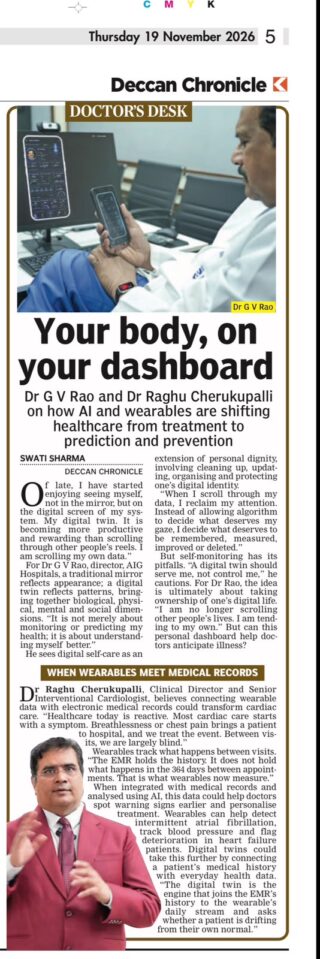
Healthcare is gradually moving beyond traditional diagnosis and treatment towards early detection, continuous monitoring, and preventive care. With the development of artificial intelligence (AI), wearable devices, and digital health records, doctors now have new ways to understand a patient’s health beyond hospital visits.

Technology is making it possible to collect valuable health information throughout the day, helping healthcare professionals identify potential warning signs and make more informed treatment decisions. In cardiology, these developments could play an important role in improving how heart conditions are monitored and managed.

Understanding the Concept of Digital Health Monitoring

Digital health monitoring involves using connected devices and digital platforms to collect and analyze information about an individual’s health. Smartwatches, fitness bands, portable ECG monitors, and blood pressure monitoring devices are some commonly used technologies.

These devices can record different health parameters, including:

  • Heart rate and heart rate variability
  • Blood pressure readings
  • Blood oxygen saturation levels
  • Physical activity and daily movement
  • Sleep duration and patterns
  • Irregular heart rhythm notifications

When collected consistently, this information can help individuals and healthcare professionals understand changes in health patterns over time.

However, wearable devices are not substitutes for medical examinations. Their readings should be interpreted carefully, particularly when symptoms or abnormal measurements are present.

Ai cardic careHow Wearable Devices Can Support Cardiac Care
Heart conditions do not always produce noticeable symptoms. Some abnormalities may occur occasionally, making them difficult to identify during a routine hospital consultation.

Wearable technology can help address this challenge by collecting health information outside clinical settings.

For example, certain smartwatches and wearable ECG devices can identify possible irregular heart rhythms, including patterns associated with atrial fibrillation. This information may encourage individuals to seek medical evaluation earlier.

Continuous monitoring can also provide useful information about heart rate trends, physical activity, and changes in daily health patterns. For patients living with certain cardiovascular conditions, these observations may support discussions with their treating doctors.

Dr. C. Raghu, Clinical Director and Senior Interventional Cardiologist in Hyderabad, highlights the potential of integrating wearable technology with conventional medical records to develop a more comprehensive understanding of cardiac health.

The objective is not simply to collect more information but to make relevant health data useful for clinical decision-making.

Artificial Intelligence: Turning Health Data into Meaningful Insights

Modern healthcare generates large amounts of information through diagnostic tests, medical records, imaging studies, and wearable devices. Analyzing all this information manually can be challenging.

Artificial intelligence can help process these datasets, identify patterns, and highlight changes that may require medical attention.


In cardiac care, AI-based systems may support:

  • Identification of unusual heart rhythm patterns.
  • Analysis of long-term heart rate variations.
  • Monitoring trends in blood pressure readings.
  • Recognition of potential signs of worsening heart failure.
  • Personalization of health monitoring based on individual medical history.

For example, a patient’s heart rate, activity levels, and previous medical records may provide useful information when considered together. AI tools can help identify changes from an individual’s usual health patterns, allowing doctors to investigate possible concerns.

Nevertheless, AI-generated alerts are not medical diagnoses. Clinical expertise, patient evaluation, and appropriate diagnostic investigations remain essential.

Digital Twins: A More Complete Picture of Individual Health

One emerging concept in digital healthcare is the development of a digital twin. In simple terms, a digital twin is a digital representation of an individual that brings together different types of health information.

It may combine medical history, laboratory reports, diagnostic results, lifestyle information and data collected through wearable devices.

Unlike a single health report, this approach aims to provide a broader view of how a person’s health changes over time.

In cardiology, a digital twin could potentially help doctors understand changes in heart-related parameters by comparing current information with previous records.

For instance, if a patient with an existing heart condition shows changes in activity levels, heart rate patterns or other monitored parameters, an integrated digital platform may help highlight these developments.

Such information could support more informed follow-ups and encourage timely clinical assessment.

However, digital twins are still an evolving area of healthcare technology. Their accuracy and usefulness depend on the quality of data, clinical validation and appropriate interpretation.

Connecting Wearables with Electronic Medical Records

Electronic Medical Records (EMRs) contain important details about a patient’s medical history, previous diagnoses, medications, investigations and treatment.

However, these records may not capture everything that happens in a patient’s daily life between hospital appointments.

Wearable devices can help fill some of these information gaps by providing regular updates about selected health parameters.

When wearable data is appropriately integrated with EMRs, doctors may be able to review a patient’s health information more comprehensively.

This integration could be particularly valuable for people with:

  • Atrial fibrillation and other rhythm disorders.
  • High blood pressure.
  • Heart failure.
  • Previous cardiac events.
  • Other long-term cardiovascular conditions.

For example, monitoring changes in heart rate and activity levels over time may provide additional context during follow-up consultations. It can help doctors decide whether further evaluation or adjustments to an existing care plan are necessary.

Moving from Reactive Treatment Towards Preventive Healthcare

Traditionally, many patients seek medical attention after experiencing symptoms such as chest discomfort, breathlessness, palpitations or dizziness.

Although timely treatment is essential, identifying potential health concerns before they become serious is also an important part of modern healthcare.

Digital monitoring and AI-assisted analysis may support this shift towards preventive care by helping identify unusual patterns earlier.

For individuals at increased cardiovascular risk, regular medical check-ups, appropriate investigations and lifestyle management remain fundamental. Technology can complement these measures by providing additional information between consultations.

Dr. C. Raghu believes that combining clinical expertise with relevant digital health information can contribute to a more informed and personalised approach to cardiovascular care.

The focus should remain on understanding each patient’s condition rather than relying entirely on automated readings or technology-generated predictions.

Challenges and Responsibilities in Digital Healthcare

Despite its potential, digital healthcare also presents several challenges. Data privacy, cybersecurity, device accuracy and compatibility between different healthcare platforms require careful attention.

Not every wearable device provides medically reliable information. Similarly, frequent notifications may create unnecessary anxiety if users interpret every variation as a sign of disease.

Patients should avoid changing medications or starting treatment based only on smartwatch readings or AI-generated alerts.

Healthcare professionals must evaluate digital information alongside symptoms, physical examinations and appropriate diagnostic tests.

Conclusion

Artificial intelligence, wearable technology and digital health records are creating new possibilities for understanding and monitoring cardiovascular health. By connecting information collected during everyday activities with clinical records, healthcare professionals may gain a more complete picture of individual health patterns.

Although these technologies cannot replace experienced doctors or established diagnostic methods, they can become valuable tools in supporting early assessment, ongoing monitoring and personalised cardiac care.

The future of cardiology will depend on bringing together medical expertise, reliable technology and patient participation to make healthcare more informed, accessible and preventive.

Source : https://www.deccanchronicle.com/tabloid/hyderabad-chronicle/doctors-desk-your-body-on-your-dashboard-2005595


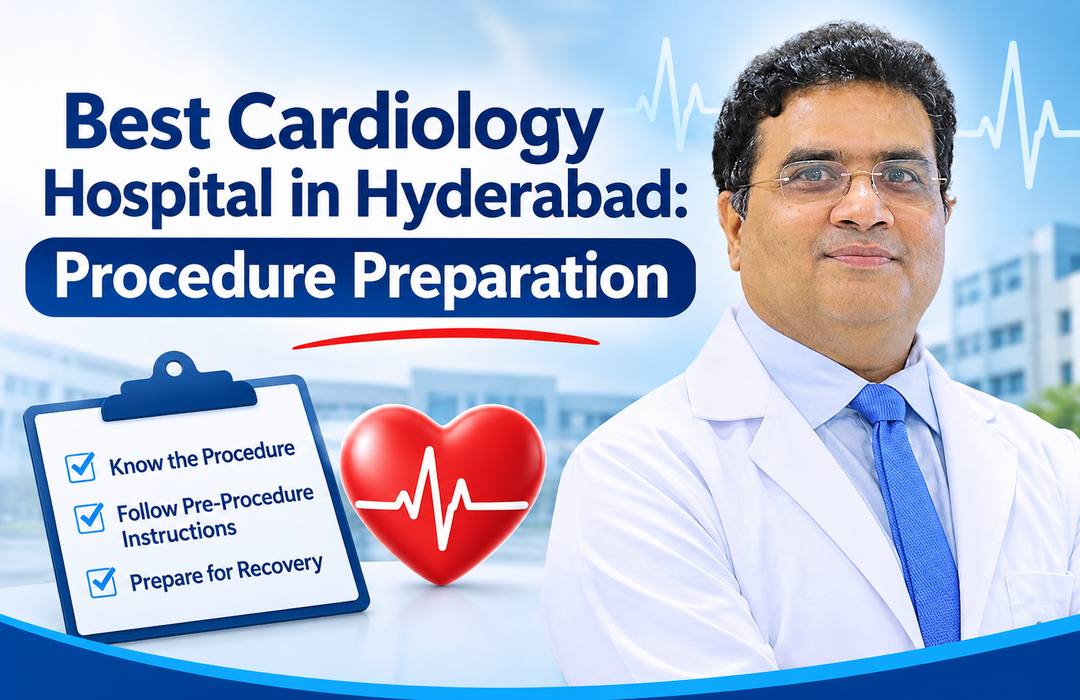
best-cardiology-hospital-hyderabad-procedure-preparation-100kb.jpg

November 18, 2026 AbhijitHearty Life

A recommendation for a heart procedure can raise important questions for patients and their families. Is the procedure necessary? What investigations are required? How should patients prepare for hospital admission? Choosing the best cardiology hospital in Hyderabad involves understanding not only the available treatment facilities but also the specialist’s approach to diagnosis, procedure preparation, and follow-up care.

Patients seeking heart treatment in Hyderabad should understand the steps involved before undergoing a cardiac intervention. This guide explains essential preparations, diagnostic evaluations, informed consent, and practical questions to discuss with a cardiologist.

What Patients Should Know Before Choosing a Cardiology Hospital

Heart conditions require different approaches depending on their severity and the patient’s overall health. While some conditions can be managed with medicines and lifestyle changes, others may require interventions such as coronary angioplasty, pacemaker implantation, or heart valve procedures.

When selecting a cardiology hospital in Hyderabad, patients should look beyond promotional claims and consider the quality of clinical evaluation, availability of appropriate facilities, and continuity of care.

Important factors include:

  • Specialist experience: Relevant clinical experience in diagnosing and managing the patient’s cardiac condition.
  • Diagnostic facilities: Access to ECG, echocardiography, stress testing, and coronary angiography when indicated.
  • Treatment availability: Appropriate medical, intervention, and surgical treatment pathways.
  • Emergency care: Access to emergency cardiac assessment and critical care support.
  • Follow-up services: Clear arrangements for medicines, recovery monitoring, and future appointments.

The most suitable hospital is one where the medical team can assess the patient’s individual requirements and recommend treatment based on clinical findings.

Recognizing Heart Symptoms That Need Medical Attention

Some cardiac conditions develop gradually, making their early symptoms difficult to recognition. Patients may initially experience mild chest discomfort, unusual tiredness or breathlessness during everyday activities.

Symptoms that warrant medical evaluation include chest pain during exertion, unexplained shortness of breath, frequent palpitations, dizziness, reduced exercise capacity and swelling of the feet.

For example, an individual who previously walked comfortably but now experiences breathlessness after a short distance may require cardiology assessment. Such symptoms do not necessarily indicate a specific heart disease, but they should not be ignored.

Emergency warning: Sudden severe chest pain, serious breathing difficulty, fainting with concerning symptoms or signs of stroke require immediate emergency medical assistance. Patients should not wait for a routine appointment.

Best Cardiology Hospital in Hyderabad: What to Know Before a Procedure

Preparing for a cardiac procedure involves several medical and practical steps. The treating cardiologist evaluates the patient’s condition, reviews existing investigations and determines whether the recommended intervention is appropriate.

Understand the Recommended Treatment

Patients should know why a particular cardiac procedure has been advised and what benefits it is expected to provide.

For instance, doctors may consider coronary angioplasty for certain patients with narrowed coronary arteries. However, the treatment decision depends on factors such as symptoms, coronary anatomy, clinical stability, and response to medical therapy.

Similarly, patients diagnosed with aortic valve stenosis may require monitoring or valve replacement, depending on the severity of the condition and associated clinical factors.

Discussing these options with a qualified heart specialist in Hyderabad can help patients understand the reasoning behind a proposed procedure.

Organise Medical Reports and Records

Before attending a consultation, patients should collect relevant medical documents.

These may include previous ECGs, echocardiography reports, coronary Angiography findings, blood investigation results, discharge summaries, and details of previous cardiac procedures.

A complete medication list is equally important, particularly for patients taking blood thinners, diabetes medicines, or medicines for blood pressure.

Patients should also inform the treating team about allergies, kidney disease, previous reactions to contrast agents, and other important medical conditions.

Prescribed medicines should never be stopped or modified without medical advice.

Follow Pre-Procedure Instructions

Preparation requirements vary according to the type of intervention.

Patients may receive instructions about fasting, medication adjustments, blood investigations, and hospital admission. Some procedures require additional assessment of kidney function, bleeding risk, or anesthesia-related concerns.

A caregiver may need to accompany the patient, particularly when sedation is planned, or assistance is expected after discharge.

Following the hospital’s specific instructions can help the clinical team manage avoidable procedural risks.

How Diagnostic Evaluation Guides Cardiac Treatment

A thorough clinical assessment is essential before recommending an invasive cardiac procedure.

The cardiologist generally reviews symptoms, existing medical conditions, family history, and cardiovascular risk factors. Physical examination and diagnostic investigations help determine the nature and severity of the suspected problem.

Investigation Purpose
Electrocardiogram (ECG) Assesses heart rhythm and electrical activity
Echocardiography Evaluates heart structure, pumping function, and valve function.
Blood investigations Assess relevant factors such as kidney function, blood counts, and cardiac injury.
Stress testing Investigates selected exercise-related cardiac concerns
Coronary angiography Examines coronary artery narrowing when clinically indicated

Not every patient needs every test. Investigations are selected according to symptoms, clinical findings, and the proposed treatment.

For example, someone with intermittent palpitations may require ambulatory rhythm monitoring, whereas an individual with suspected valve disease may need detailed echocardiography.

The results help the specialist determine whether medication, continued observation, or a cardiac procedure is appropriate.

Understanding Informed Consent Before a Heart Procedure

Informed consent is an essential part of cardiac treatment preparation.

Before agreeing to an intervention, patients should receive an explanation of the diagnosis, the purpose of the procedure, expected benefits, potential complications, and available alternatives.

The medical team should also explain what may happen if the proposed treatment is postponed or declined.

Patients may need clarification about sedation, anesthesia, hospital stay, recovery restrictions, and the possibility of requiring additional treatment.

For non-emergency procedures, patients can request time to discuss the recommendation with their family or consider a second opinion.

A clear consent discussion helps ensure that treatment decisions reflect both clinical requirements and the patient’s preferences.

Questions to Ask a Cardiologist Before the Procedure

A detailed discussion with the treating specialist can help patients make informed decisions. Before proceeding, patients and caregivers should clarify the following questions:

  1. What is the exact cardiac condition, and how serious is it?
  2. Why is the recommended procedure necessary?
  3. Are there alternative treatments, including medicines or monitoring?
  4. What are the possible risks and expected benefits?
  5. How urgently should the procedure be performed?
  6. How long will hospitalization and recovery take?
  7. Which medicines should be continued after discharge?
  8. When should the next follow-up consultation take place?

Patients should also enquire about the estimated treatment expenses, insurance documentation, and arrangements for post-procedure assistance.

These discussions are particularly important for patients undergoing their first cardiac intervention.

Also read:  Best cardiologist for aortic stenosis: Choosing a specialist 

Recovery and Follow-Up After a Cardiac Procedure

Recovery differs according to the procedure performed and the patient’s medical condition.

For example, patients undergoing uncomplicated coronary angioplasty may return home relatively early, whereas individuals requiring emergency treatment or complex interventions may need longer hospital observation.

Before discharge, patients should receive instructions regarding medicines, physical activity, wound care and symptoms requiring urgent medical attention.

For patients receiving coronary stents, prescribed antiplatelet medicines are particularly important. These medicines should not be stopped without the treating cardiologist’s advice.

Regular follow-up appointments help the specialist review recovery, evaluate symptoms, and modify treatment when necessary.

Managing blood pressure, diabetes, cholesterol, and other cardiovascular risk factors may also form part of long-term cardiac care.

Preparing for a Cardiology Consultation in Hyderabad

Patients seeking specialist evaluation can consult Dr. C. Raghu, an intervention cardiologist Somajiguda, Hyderabad. His clinical practice includes assessment and intervention management of cardiovascular conditions.

Patients can discuss their medical reports, understand available treatment options, and clarify whether further investigations or procedures are clinically appropriate.

For consultation inquiries, patients can arrange a Dr. C. Raghu cardiology appointment.

Appointment contact details:

  • Doctor: Dr. C. Raghu
  • Location: Yashoda Hospitals, Somajiguda, Hyderabad
  • Phone: +91 95424 75650
  • Email: secretary@drraghu.com

DVT_Treatment_Hyderabad_1080x700_under_100KB.jpg

November 10, 2026 AbhijitHearty Life

A diagnosis of deep vein thrombosis (DVT) can raise several concerns, particularly when a doctor recommends a medical procedure. Patients and families often want to understand the available treatment options, possible risks, preparation requirements, and recovery expectations before making a decision.

Choosing the right specialist for DVT treatment in Hyderabad involves understanding the diagnosis, discussing the available approaches, and ensuring appropriate follow-up. This guide explains what patients should know before undergoing a DVT-related procedure and which questions to discuss during a consultation.

Patients Should Know About DVT Treatment in Hyderabad

Deep vein thrombosis occurs when a blood clot develops in a deep vein, commonly in the leg. It may cause swelling, pain, tenderness, warmth, or changes in skin color. However, some patients may have few noticeable symptoms.

One important concern is pulmonary embolism (PE), which occurs when part of a blood clot travels to the lungs and blocks a pulmonary artery. This can become life-threatening and requires immediate medical attention.

Treatment depends on factors such as

  • The location and extent of the clot.
  • The duration of symptoms.
  • The patient’s overall health and medical history.
  • The risk of bleeding.
  • Whether there are signs of pulmonary embolism.
  • The presence of other circulation-related conditions.

Not every patient requires a procedure. Many cases are managed with anticoagulant medicines, while selected patients may need catheter-based treatment following specialist assessment.

What to Know Before a DVT Procedure

When medication alone may not be sufficient, or when a patient has an extensive clot, a specialist may discuss an interventional approach. The suitability of a procedure depends on the patient’s clinical condition rather than the diagnosis alone.

Common treatment approaches

1. Anticoagulant medication

Anticoagulants, commonly called blood thinners, help prevent existing clots from growing and reduce the risk of new clots forming. They do not directly dissolve an existing clot. The duration and choice of medication depend on individual risk factors.

2. Catheter-directed thrombolysis

In selected patients, a thin catheter is guided into the affected vein to deliver clot-dissolving medication near the clot. This approach may be considered for certain patients with extensive iliofemoral DVT, particularly when symptoms are recent and bleeding risk is low.

3. Catheter-based mechanical thrombectomy

In selected cases, a specialist may consider using a catheter-based device to remove or reduce the clot burden. The potential benefits and risks must be evaluated individually.

4. Additional venous interventions

Some patients may have underlying venous narrowing or obstruction that requires further assessment. Additional treatment, including venous stenting, may be considered when clinically appropriate.

Not every patient needs these interventions. A discussion about the expected benefits, bleeding risks, alternatives and follow-up is important before consenting to a procedure.

How Doctors Evaluate DVT Before Treatment

An accurate diagnosis helps determine whether medication, an intervention or another management approach is appropriate.

The evaluation may include:

  • Medical history: Previous DVT, pulmonary embolism, recent surgery, prolonged immobility and other relevant health conditions.
  • Clinical examination: Assessment of leg swelling, tenderness, skin changes and circulation.
  • Venous Doppler ultrasound: Helps identify blood clots and assess blood flow in the affected veins.
  • D-dimer testing: A blood test that may help evaluate suspected clotting when interpreted alongside clinical findings.
  • Additional imaging: Selected patients may require CT or other imaging to understand the extent and location of venous obstruction.
  • Blood investigations: Kidney function, liver function and blood counts may be assessed before treatment.

The choice of investigations depends on the clinical presentation. NICE guidelines recommend combining clinical assessment with appropriate diagnostic testing rather than relying on an individual test alone.


For information about available interventional cardiology procedures, patients can review Dr. Raghu’s cardiology services.

Questions to Ask a DVT Specialist Before a Procedure

Patients should understand the purpose of a recommended procedure before providing consent. A consultation is an opportunity to discuss concerns and compare suitable treatment options.

Important questions include:

  1. Where exactly is the blood clot located?
  2. Is medication sufficient, or is a procedure being considered?
  3. What are the expected benefits of the recommended approach?
  4. What are the possible bleeding and procedure-related complications?
  5. How long will hospital observation or recovery take?
  6. Will anticoagulant medication be required after the procedure?
  7. What follow-up investigations will be necessary?
  8. What symptoms should prompt immediate medical attention?

Patients should also ask whether their other medical conditions or existing medications could influence the treatment plan.

DVT, Pulmonary Embolism, and Other Circulation Problems

DVT and pulmonary embolism are related conditions within venous thromboembolism (VTE). A patient with suspected PE may need a separate assessment to determine the severity of the condition and the appropriate treatment.

People searching online for a pulmonary embolism specialist in India, a pulmonary embolism doctor near me, or the best doctor for pulmonary embolism should check the clinician’s relevant experience, hospital facilities, and ability to coordinate appropriate cardiovascular care.

Pulmonary embolism treatment may involve anticoagulants, while selected patients with severe PE and hemodynamic instability may require urgent advanced treatment. The approach depends on the patient’s condition and clinical assessment.

Similarly, patients searching for a peripheral artery disease doctor should understand that peripheral artery disease (PAD) is different from DVT. PAD affects arteries, whereas DVT involves blood clots in deep veins. Both conditions require appropriate vascular evaluation, but their diagnostic and treatment approaches are different.

People searching for the top 10 cardiologists in Hyderabad can use practical criteria such as relevant qualifications, procedural experience, hospital infrastructure, communication and continuity of care rather than relying only on online rankings.

Preparing for Treatment and Planning Follow-Up

Preparation begins with sharing complete medical information. Patients should carry previous Doppler reports, imaging results, prescriptions, blood investigation reports and details of any previous clotting episodes.

Before the procedure, the treating team should explain:

  • Whether fasting is required.
  • Which medicines should be continued or adjusted.
  • Whether kidney function or contrast-related precautions need attention.
  • What type of anaesthesia or sedation may be used.
  • The expected hospital stay and recovery arrangements.

After treatment, follow-up remains important. Patients may need continued anticoagulation, medication reviews and repeat investigations depending on their condition. They should not stop prescribed blood thinners without medical advice.

Sudden breathlessness, chest pain, coughing up blood, fainting or severe dizziness may indicate a medical emergency. Immediate emergency assessment is necessary rather than waiting for a routine consultation.

Choosing the Right DVT Specialist in Hyderabad

Selecting a specialist involves more than finding someone who offers a particular procedure. Patients should consider experience in interventional cardiology, familiarity with catheter-based treatments, access to appropriate hospital facilities and a clear follow-up plan.

Dr. C. Raghu is a clinical director and senior interventional cardiologist. His clinical experience includes complex coronary interventions, peripheral vascular procedures, and catheter-based cardiovascular treatments.

Patients seeking an individual assessment can request a cardiology consultation to discuss their diagnosis, treatment options and suitability for an intervention.

Also read: Top Cardiologist in Hyderabad: A Local Patient’s Research Guide  

Final Takeaway

DVT treatment should be based on the location of the clot, individual health conditions, and the risk of complications. Before agreeing to a procedure, patients should understand the available alternatives, potential risks, medication requirements, and follow-up arrangements. An informed discussion with an appropriately qualified specialist can help patients make decisions about their care


best_doctor_pulmonary_embolism_100kb.jpg

November 6, 2026 AbhijitHearty Life

Sudden breathlessness, chest pain or an unexpected diagnosis of a blood clot can leave patients and their families worried about the next step. Choosing the right specialist is important because pulmonary embolism treatment depends on the patient’s condition, the location and severity of the clot, medical history and overall health.

For patients in Hyderabad, understanding the available treatment approaches and knowing what to discuss during a consultation can make medical decisions more informed. This guide explains when to seek medical attention, how specialists assess pulmonary embolism, and what questions patients should ask before starting treatment.

Understanding Pulmonary Embolism and Its Warning Signs

Pulmonary embolism (PE) occurs when a blood clot blocks an artery in the lungs. In many cases, the clot travels from a deep vein in the leg or another part of the body. This is why deep vein thrombosis (DVT) and pulmonary embolism are closely connected.

Recognising the symptoms is important because pulmonary embolism can become life-threatening without timely medical assessment.

Common warning signs include:

  • Sudden or unexplained shortness of breath.
  • Chest pain that may become worse while breathing deeply.
  • Rapid heartbeat or an unusually fast pulse.
  • Coughing, sometimes accompanied by blood.
  • Light-headedness, dizziness or fainting.
  • Pain, swelling or tenderness in one leg, which may indicate DVT.

Not everyone experiences the same symptoms. Some patients develop symptoms suddenly, while others may have less obvious warning signs.

Important: Severe breathlessness, sudden chest pain, fainting or coughing up blood requires immediate emergency medical assessment. Patients should not wait for a routine appointment or attempt self-treatment.

When Is Pulmonary Embolism Treatment in Hyderabad Necessary?

Pulmonary embolism treatment in Hyderabad should begin with an appropriate medical evaluation rather than assumptions based on symptoms alone. A doctor assesses the patient’s clinical condition and determines whether urgent hospital treatment, medication, or a specialized intervention is required.

The treatment approach generally depends on:

  • The patient’s blood pressure and cardiovascular stability.
  • The size and location of the blood clot.
  • The effect of the clot on heart function.
  • Existing heart, lung or kidney conditions.
  • Previous episodes of blood clots.
  • The risk of bleeding and other complications.

Anticoagulants, commonly known as blood thinners, are frequently used to prevent existing clots from growing and reduce the risk of new clots. Selected patients with more serious pulmonary embolism may require additional treatments, such as clot-dissolving medication or catheter-based procedures.

The appropriate approach must be decided by the treating medical team after assessing individual risks and benefits.

How to Choose a Pulmonary Embolism Doctor

Selecting a pulmonary embolism doctor involves more than searching for a nearby hospital or specialist. Patients should consider the doctor’s relevant clinical experience, access to diagnostic facilities, understanding of cardiovascular complications, and ability to coordinate treatment when multiple specialists are required.

A suitable pulmonary embolism specialist should help patients understand their diagnosis, explain available treatment options and discuss the risks associated with each approach.

Before choosing a doctor, patients and caregivers should consider:

  • Relevant clinical experience: Ask about experience in evaluating blood clots and managing cardiovascular complications.
  • Diagnostic facilities: Confirm whether the hospital provides appropriate imaging, laboratory investigations, and cardiac assessment.
  • Treatment options: Understand whether medication, advanced clot-removal procedures, or specialist referral may be necessary.
  • Hospital support: Ask whether emergency care, intensive care and multidisciplinary consultations are available.
  • Follow-up arrangements: Understand how treatment progress, medication requirements and recurrence risks will be monitored.

Patients searching online for the best doctor for pulmonary embolism should avoid relying only on promotional rankings or unverified reviews. The decision should be based on medical qualifications, relevant experience, available facilities, and the patient’s individual requirements.

What to Expect During a Pulmonary Embolism Consultation

A consultation gives patients an opportunity to understand their diagnosis and discuss the next steps. Before the appointment, it is useful to organise previous medical records, investigation reports and a list of current medicines.

The doctor may ask about:

  • When the symptoms first appeared.
  • Whether breathlessness or chest discomfort has increased.
  • Previous DVT or pulmonary embolism episodes.
  • Recent surgery, hospitalization, or prolonged immobility.
  • Existing heart or lung conditions.
  • Family history of blood clots.
  • Current medications and previous bleeding problems.

Patients should also discuss any recent changes in their physical activity or general health.

Diagnostic Tests Used to Evaluate Pulmonary Embolism

A doctor may recommend different investigations depending on the patient’s symptoms and clinical risk assessment.

Common diagnostic investigations include:

1. CT Pulmonary Angiography (CTPA)

CTPA is an important imaging investigation used to identify blood clots in the pulmonary arteries. It helps confirm or exclude pulmonary embolism in appropriately selected patients.

2. D-dimer Blood Test

This blood test measures a substance released when blood clots break down. It can help exclude pulmonary embolism in patients with an appropriate clinical probability, but an elevated result does not confirm PE by itself.

3. Echocardiography

An echocardiogram evaluates heart structure and function. In confirmed pulmonary embolism, it can help assess whether the right side of the heart is affected.

4. Venous Doppler Ultrasound

If a doctor suspects a blood clot in the legs, an ultrasound may be recommended to identify DVT.

The choice of tests depends on clinical findings. Not every patient requires every investigation. The 2026 AHA/ACC clinical guideline provides recommendations for diagnostic imaging, risk assessment and treatment selection.


Questions to Ask About Pulmonary Embolism Treatment

Before starting treatment, patients should understand the purpose of the recommended approach. A discussion with the treating specialist can help clarify expectations and reduce uncertainty.

Consider asking these questions:

  1. What is the severity of the pulmonary embolism?
  2. Are there signs of strain on the right side of the heart?
  3. Is medication sufficient, or should an advanced intervention be considered?
  4. What are the possible side effects of anticoagulant medicines?
  5. How long might blood-thinning medication be required?
  6. What symptoms should prompt immediate medical attention?
  7. When should follow-up investigations be performed?
  8. What precautions are necessary during recovery?

These questions are particularly important for patients with kidney disease, previous bleeding episodes, heart conditions or other medical complications.

Understanding the Role of a Pulmonary Embolism Specialist in India

Patients looking for a Pulmonary Embolism Specialist in India may compare doctors across different hospitals and cities. However, the most appropriate specialist depends on the patient’s clinical needs.

Pulmonary embolism management can involve cardiologists, pulmonologists, vascular specialists, radiologists and critical care physicians. In complicated cases, a multidisciplinary team may be required to determine the safest treatment approach.

Patients should check the doctor’s qualifications, relevant experience, hospital facilities and access to appropriate emergency support.

A cardiologist may be involved when pulmonary embolism affects heart function or requires cardiovascular evaluation. However, patients should confirm which specialist is responsible for their complete treatment plan.

Finding a Pulmonary Embolism Doctor Near Me

Searching for a Pulmonary Embolism Doctor Near Me can help patients identify nearby hospitals and consultation options. However, proximity should not be the only deciding factor.

Patients in Hyderabad can consider hospitals with appropriate diagnostic facilities, emergency services and access to relevant medical specialists.

For cardiovascular consultation, Dr. C. Raghu is the Clinical Director and Senior Interventional Cardiologist at Yashoda Hospitals, Somajiguda, Hyderabad. His professional profile includes interventional cardiology and complex cardiac problems.

Patients can review Dr. C. Raghu’s cardiology profile and book a Dr. Raghu cardiology appointment to discuss their cardiovascular concerns. A consultation can help determine whether cardiology evaluation is appropriate or whether another specialist should lead the pulmonary embolism treatment plan.

Understanding the Connection Between DVT and Pulmonary Embolism

Deep vein thrombosis and pulmonary embolism are two related conditions within venous thromboembolism (VTE).

DVT usually develops when a blood clot forms in a deep vein, commonly in the leg. If part of the clot breaks away and travels through the bloodstream to the lungs, it can cause pulmonary embolism.

This connection makes early recognition and appropriate evaluation important.

When Should Patients Seek DVT Treatment in Hyderabad?

People experiencing unexplained swelling, pain, tenderness or warmth in one leg should seek prompt medical evaluation.

DVT Treatment in Hyderabad depends on the location of the clot, the patient’s health and the risk of complications. Doctors commonly use anticoagulant medication to prevent the clot from growing and reduce the risk of further clot formation.

Patients should not massage a suspected clot or start blood-thinning medicines without medical advice.

Choosing a DVT Doctor in Hyderabad

When selecting a DVT Doctor in Hyderabad, patients should ask whether the doctor can arrange appropriate investigations, interpret Doppler ultrasound findings and coordinate treatment when complications arise.

A suitable DVT specialist in Hyderabad should also explain medication precautions, follow-up requirements, and measures to reduce the risk of another blood clot.

Patients with suspected DVT symptoms should seek timely assessment. If sudden breathlessness, chest pain, or fainting develops, emergency medical attention is necessary because these may indicate pulmonary embolism.

Also read: Pulmonary Embolism in India: Emergency & Finding Specialist 

Preparing for Treatment and Follow-Up

Treatment does not end when the initial symptoms improve. Patients may require continued medical supervision to monitor recovery, assess medication safety and evaluate the risk of another clot.

Before leaving the hospital or completing a consultation, patients should understand:

  • The prescribed medicines and their correct dosage.
  • The expected duration of anticoagulant treatment.
  • Warning signs of bleeding or recurrent blood clots.
  • Whether additional imaging or blood tests are required.
  • When to return for a follow-up consultation.
  • Which physical activities are appropriate during recovery.

Patients should never stop prescribed anticoagulants without consulting their treating doctor. The duration of treatment depends on the cause of the clot, recurrence risk, and bleeding risk.

For patients who continue experiencing breathlessness or reduced exercise capacity after pulmonary embolism, further evaluation may be necessary to check for longer-term complications.

If you or a family member has been diagnosed with pulmonary embolism, seeking timely medical guidance is important. Consult Dr. C. Raghu, Clinical Director and Senior Interventional Cardiologist,  Hyderabad, for a cardiovascular evaluation and personalized guidance.

Book a Consultation with Dr. C. Raghu

For appointments, call +91 95424 75650


cardiologist-in-hyderabad.png

November 2, 2026 AbhijitHearty Life

Finding the right heart specialist can feel difficult when you or someone in your family has a new diagnosis, recurring symptoms, or a referral for further cardiac assessment. You may search online for a top cardiologist in Hyderabad, compare hospital profiles and read about different treatment options. However, a search result alone cannot tell you which specialist is appropriate for your medical needs.

A more useful approach is to examine the doctor’s qualifications, relevant clinical experience, consultation process and access to appropriate facilities. You can begin by reviewing Dr. Raghu’s approach to top cardiologist in Hyderabad and understanding the services available through his practice.

What patients should know before choosing a cardiologist

Cardiology covers several areas, including coronary artery disease, heart rhythm conditions, valve disorders and heart failure. A doctor who specialises in one area may have different experience from a specialist working in another.

Start by identifying the reason for your appointment. Are you seeking an opinion about chest discomfort, an irregular heartbeat, a valve problem or a possible coronary intervention?

This distinction helps you identify the relevant expertise instead of relying only on general descriptions or online rankings.

A local patient’s research guide

1. Check the doctor’s qualifications

Look for recognised medical qualifications, cardiology training and relevant subspecialty experience.

If your condition may require an advanced procedure, ask whether the specialist has appropriate training and experience in that area.

The credentials relevant to choosing a cardiologist should be clear and verifiable. You can also check the hospital’s official profile and the doctor’s professional background.

2. Understand the specialist’s clinical experience

Experience matters most when it relates to your particular medical concern.

For example, someone with coronary artery disease may need a specialist familiar with coronary angiography and angioplasty. A patient with severe aortic stenosis may need an assessment involving structural heart interventions and valve replacement options.

Ask how your condition is evaluated and which treatment choices may be considered. Avoid assuming that one procedure or approach is suitable for every patient.

3. Review the hospital and available facilities

Your treatment may involve more than a consultation. Depending on your condition, you may need diagnostic imaging, cardiac monitoring, catheter-based procedures or coordinated hospital care.

Check whether the hospital provides the facilities relevant to your treatment and whether the specialist can coordinate with other members of the medical team.

For patients in Hyderabad, location can also affect practical decisions. Consider travel time, appointment availability and arrangements for follow-up visits.

4. Understand the consultation process

A useful consultation should give you time to explain your symptoms, medical history and concerns.

Your cardiologist may review previous investigations, recommend further tests or explain why a particular treatment is being considered.

Planning a cardiology consultation becomes easier when you prepare:

  • Previous ECGs and echocardiogram reports.
  • Blood test and imaging results.
  • A list of current medicines.
  • Details of previous heart procedures.
  • Notes about your symptoms and when they occur.

5. Ask about communication and follow-up

Your first appointment should not leave you uncertain about what happens next.

Ask who will explain your reports, how you will receive test results and when you should return for review.

Care coordination also matters when your treatment involves multiple specialists or hospital departments.

Also read: Heart Doctor Hyderabad for Angioplasty TAVI & Heart Disease 

Questions families should ask

Before choosing a specialist, consider these questions:

  • Does the doctor’s experience match my condition?
  • Which investigations are necessary, and why?
  • Are there alternatives to the suggested treatment?
  • What are the expected benefits and possible risks?
  • Who will coordinate my treatment and follow-up?
  • When should I seek urgent medical attention?

You can also ask whether a second opinion would be useful, especially when you are considering a major cardiac procedure.

Follow-up and next steps

Choosing a cardiologist should be based on relevant qualifications, clinical experience, clear communication and access to appropriate facilities, rather than an unsupported online ranking.

Dr. C. Raghu is an interventional cardiologist in Hyderabad. His practice information and cardiac treatment details are available through Dr. Raghu’s heart care website.

If you are comparing specialists, review the information carefully and prepare your questions before booking. You should feel comfortable understanding the proposed investigations, treatment choices and follow-up arrangements.

For an appointment, request a cardiology consultation to discuss your cardiac concerns.


Dr raghu logo


Dr raghu logo


Call us now if you are in a medical emergency need, we will reply swiftly and provide you with a medical aid.


For Appointment with Dr Raghu: +91 80085 36699
Dr Raghu’s Patient Coordinator: +91 72860 10203
Dr Raghu’s Office Experience: +91 90001 65962
Dr Raghu’s Social Media Communication Channel: +91 97046 51708

Dr. Raghu | Heart Specialist in Hyderabad
Yashoda Hospitals, Raj Bhavan Road, Somajiguda, 1st floor, Room No. 115, Hyderabad -500082, Telangana

Best Cardiologists in Hyderabad


© 2024, Dr. Raghu. All rights reserved. Design & Developed by AMSDigital.in

[gtranslate]
+91-9542475650