
The days after angioplasty can feel unfamiliar
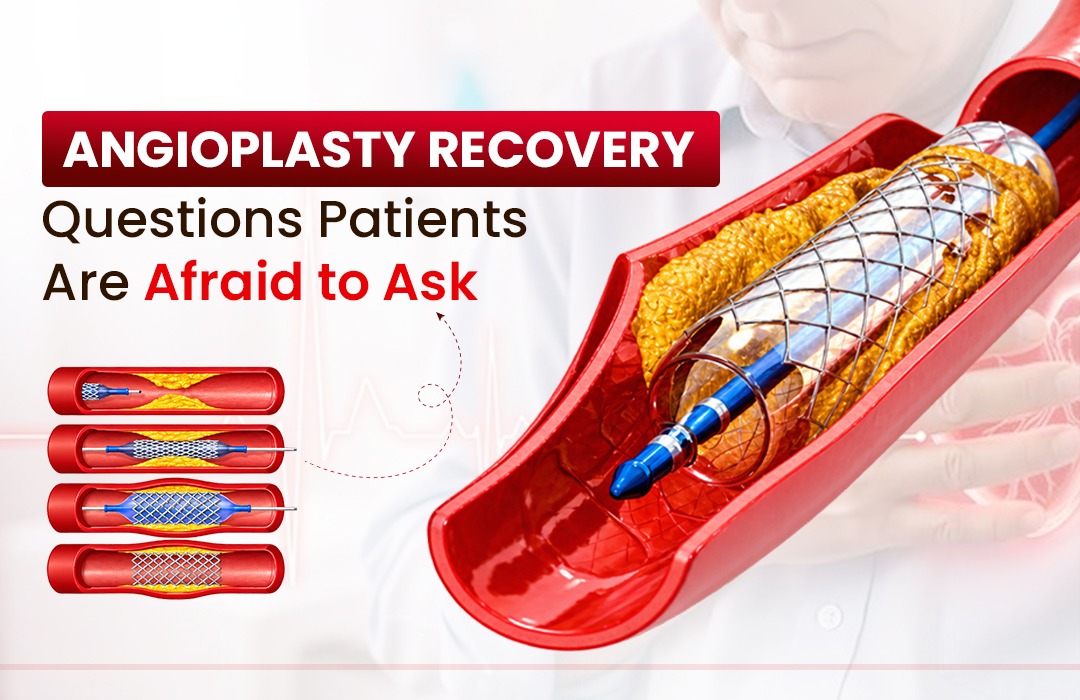
After angioplasty in heart arteries, people often feel relieved that a blocked or narrowed artery has been treated. Yet going home can bring a new set of worries. Is this soreness normal? Can I climb stairs? Which tablets are essential? Coronary angioplasty uses a catheter, commonly with a stent, to improve blood flow through a narrowed artery. It can be performed in different circumstances, including during treatment of a heart attack. Recovery instructions therefore vary. Your discharge plan, not somebody else’s experience, should guide what you do next.
For service information, see angioplasty in heart.
Which symptoms need urgent help?
Some bruising or tenderness where the catheter entered the body can occur, but increasing swelling or persistent bleeding requires prompt medical advice. If bleeding from the access site is heavy or does not stop after following the discharge team’s immediate first-aid instructions, seek emergency care. New severe chest pain, fainting, marked breathlessness or symptoms suggesting a stroke also require emergency assessment. Do not assume that every symptom is a normal part of healing. Know the emergency contact pathway before you leave hospital, and keep your discharge papers within easy reach.
For further reading, see coronary angioplasty.
What about walking, work and driving?
Many patients want a fixed number of days until life returns to normal. There is no single timeline. Recovery depends on why the procedure was done, whether there was a heart attack, where the catheter was inserted, other illnesses and any complications. Ask when you can walk outside, climb stairs, drive, resume sexual activity or lift heavy objects. Follow the access-site care instructions you received. Gradually increasing activity may be appropriate, and cardiac rehabilitation can help eligible patients rebuild confidence and adopt heart-healthy habits under supervision.
If you need a planned consultation, you can book an appointment with a cardiologist in Hyderabad to discuss the next step with a qualified clinician. This is not an emergency service.
The medicine question you should never skip
If a stent was placed, antiplatelet medicines are commonly prescribed to lower the risk of a clot forming inside it. The medicines and duration depend on your clinical situation. Never stop or change them without advice from the treating clinician, even if you feel well. Tell your care team about bleeding, bruising, stomach symptoms, other prescribed medicines, and any dental or surgical procedure being planned. Ask for a written medicine list with timing and purpose. This often reduces confusion when several family members help manage tablets.
Also read: Recovery After Angioplasty: Essential Heart Care Tips
Small routines that make follow-up easier
Set up one place for the discharge sheet, medicine list, and follow-up date. If different family members help at home, agree on who checks prescriptions and who arranges visits. Keep an eye on the catheter access area according to your discharge instructions, and ask what level of bruising or discomfort is expected. If tiredness lasts longer than anticipated or you feel anxious about exertion, describe those concerns during follow-up instead of simply stopping activity. You should also ask whether cardiac rehabilitation is available and appropriate. A rehabilitation program may include supervised exercise, education, and support with risk factors. It is normal to need an explanation more than once: ask the care team to write down the plan in language you can follow. Recovery is safer when the information is clear and consistent.
Follow-up is part of treatment
Angioplasty treats a particular narrowing, but it does not remove every factor that can cause coronary artery disease. Follow-up commonly covers blood pressure, cholesterol, diabetes, smoking, movement, food choices, and ongoing symptoms. If you are deciding where to receive ongoing advice, look for a team that explains discharge instructions and whom to call when a problem arises. Dr. C. Raghu provides information about coronary procedures and consultation options on his website. For new or worsening symptoms, do not wait for a routine visit. A good recovery plan leaves you knowing both what to do each day and when to ask for help.
You can also check :- Chip Cto angioplasty | Deep vein thrombosis | Heart Valve Screening
Angioplasty expert in India | Atrial Fibrillation treatment in Hyderabad | Cardiologist in india
Arrange a planned cardiology consultation
For non-emergency advice, request an appointment with Dr. C. Raghu, the best heart specialist in Hyderabad.