
aortic-stenosis-1-1200x778.png

October 29, 2026 AbhijitHearty Life

A diagnosis of aortic stenosis can leave you and your family with several questions. How serious is the narrowing? Which tests do you need? Will you need a valve replacement, or can your condition be monitored? If you are searching for the best cardiologist for aortic stenosis in Hyderabad, start by finding a qualified specialist who can explain your diagnosis, assess the severity of the condition, and discuss appropriate treatment options.

Choosing a cardiologist is not simply about finding a name at the top of a list. You need a careful evaluation, clear explanations, and a treatment plan that reflects your symptoms, test results, and overall health.

What You Should Know About Aortic Stenosis

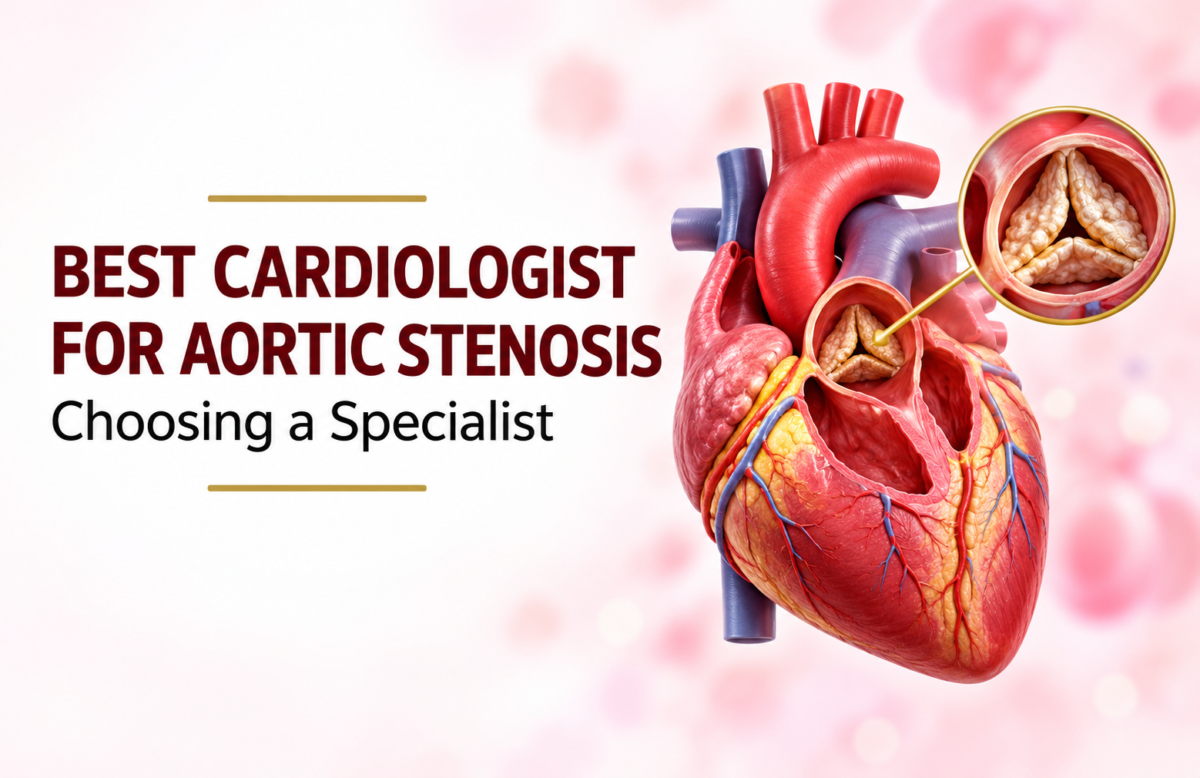
Aortic stenosis occurs when the aortic valve narrows, restricting blood flow from the heart to the rest of the body. The condition can develop gradually, and you may not notice symptoms during its early stages.

As the narrowing progresses, you may experience breathlessness, chest discomfort, dizziness, or fainting. These symptoms require medical assessment because they can have several causes.

An echocardiogram, which uses ultrasound to examine the heart, is a key test for evaluating aortic stenosis. Your cardiologist may also review your medical history, examine your heart, and recommend additional tests when necessary.

You can review Dr. Raghu’s approach to best cardiologists for aortic stenosis to learn about the cardiac services available through his practice.

Choosing the Right cardiologist Care Team

When comparing aortic stenosis specialists in Hyderabad, consider more than general reputation. Look for a care team that can assess your valve condition, explain your options and coordinate treatment when necessary.

Consider these factors before making a decision:

  • Relevant experience: Ask about the cardiologist’s experience in evaluating valve disease and managing aortic stenosis.
  • Diagnostic assessment: Understand how your echocardiogram, symptoms, and heart function will influence the treatment recommendation.
  • Treatment options: Ask whether monitoring, surgical aortic valve replacement, or transcatheter aortic valve replacement (TAVR/TAVI) may be appropriate.
  • Team-based care: Complex decisions may require input from interventional cardiologists, cardiac surgeons, and cardiac imaging specialists.
  • Follow-up arrangements: Find out how your condition will be monitored and whom to contact if your symptoms change.

Dr. C. Raghu is an interventional cardiologist at Yashoda Hospitals, Somajiguda, Hyderabad. His website provides information about cardiac conditions and interventional procedures.

Understanding Diagnosis and Treatment Decisions

A qualified aortic stenosis doctor should explain what your test results mean and what you need to do next.

Treatment decisions depend on the severity of the narrowing, symptoms, heart function, valve anatomy, other medical conditions, and overall procedural risk. Some patients need regular clinical reviews and repeat imaging, while others may require valve replacement.

Two major treatment options are surgical aortic valve replacement (SAVR) and TAVR. SAVR involves replacing the damaged valve through surgery. TAVR uses a catheter to deliver a replacement valve into the heart. Neither procedure is automatically suitable for every patient.

If you are considering a TAVR expert in India, ask how your anatomy, health conditions, procedural risks, and long-term needs affect your eligibility. Your care team should explain the potential benefits, limitations, and risks of the options relevant to you.

Also read: Best Aortic Stenosis Treatment by Dr. C. Raghu 

Questions to Ask at Your Consultation

Preparing questions before your appointment can help you understand your diagnosis and take part in treatment decisions.

Consider asking:

  1. How severe is my aortic stenosis, and what do my test results show?
  2. Do I need treatment now, or is monitoring appropriate?
  3. Which treatment options suit my health, age, and valve anatomy?
  4. What are the risks and recovery requirements associated with each option?
  5. How often will I need follow-up appointments or repeat echocardiograms?
  6. Which symptoms should prompt urgent medical attention?

Bring your previous echocardiogram reports, medication list, discharge summaries, and other relevant cardiac records. If a family member helps you make healthcare decisions, consider bringing them to the consultation.

You can also check: top 10 Cardiologists in Hyderabad | Best Angioplasty Expert in India | Atrial Fibrillation Treatment in Hyderabad 

Taking the Next Step Towards Heart Care

Finding the best cardiologist for aortic stenosis means choosing a qualified professional who can assess your condition carefully, discuss appropriate alternatives, and explain your follow-up needs. Clear communication and individualized evaluation help you make informed decisions without relying on unverified rankings or promises.

Dr. C. Raghu offers interventional cardiology consultations in Hyderabad. Visit Dr. Raghu’s heart care website to learn more about his practice and available cardiac services.
To discuss your diagnosis, test results, and possible next steps, request a cardiology consultation.



Aortic-stenosis-treatment-1200x800.png

August 28, 2026 AbhijitHearty Life

When aortic stenosis treatment starts causing breathlessness, chest discomfort, dizziness, or reduced physical activity, choosing the right treatment becomes an important decision. The appropriate aortic stenosis treatment depends on the severity of valve narrowing, symptoms, age, overall health, valve anatomy, and suitability for catheter-based or surgical treatment. This guide explains the main treatment options, including aortic valve replacement and TAVR, to help patients and healthcare readers understand the decision-making process.

What Is Aortic Stenosis?

Aortic stenosis occurs when the aortic valve becomes narrowed and does not open normally. This restricts blood flow from the left ventricle into the aorta, making the heart work harder to pump blood throughout the body.

Aortic stenosis may develop because of age-related valve calcification, a bicuspid aortic valve, or congenital abnormalities. Some patients remain stable for years, while others develop symptoms that require closer evaluation and treatment.

Common symptoms may include:

  • Breathlessness, particularly during exertion
  • Chest pain or pressure
  • Dizziness or fainting
  • Reduced exercise tolerance
  • Fatigue
  • Swelling in the legs in some patients

A patient with severe narrowing and new exertional breathlessness, for example, may require more than routine observation and should undergo specialist assessment.

Aortic Stenosis Treatment: When Is Treatment Needed?

Aortic Stenosis treatment hyderabad

Treatment is determined after evaluating the severity of valve disease and its effect on the heart. Echocardiography is central to this assessment, while additional cardiac imaging may be recommended in selected cases.

For patients with mild or moderate disease and no significant symptoms, regular monitoring may be appropriate. Severe symptomatic aortic stenosis generally requires evaluation for valve replacement.


The treatment decision considers:

  • Severity of valve narrowing
  • Presence and progression of symptoms
  • Left ventricular function
  • Valve anatomy
  • Age and overall health
  • Previous cardiac procedures
  • Surgical risk
  • Suitability for transcatheter treatment

Aortic stenosis should therefore not be treated using a single approach for every patient.

Aortic Valve Replacement: Surgical or Transcatheter?

When valve replacement is indicated, two major approaches are considered: surgical aortic valve replacement and transcatheter aortic valve replacement.

Open Heart Surgery

Surgical aortic valve replacement involves removing the diseased valve and replacing it with a prosthetic valve through cardiac surgery.

This approach may be appropriate when the patient’s anatomy, age, associated cardiac conditions, or other surgical requirements make surgery preferable. A surgical approach can also allow other cardiac problems to be addressed during the same operation when necessary.

TAVR Procedure

Transcatheter aortic valve replacement (TAVR) is a minimally invasive valve replacement procedure in which a replacement valve is delivered through a catheter, commonly through an artery in the groin.

TAVR can be an important treatment option for appropriately selected patients with severe aortic stenosis. The final decision requires assessment of valve anatomy, vascular access, clinical condition, and the patient’s overall treatment goals.

TAVR vs Open Heart Surgery: How Is the Choice Made?

The question of TAVR vs open heart surgery is highly individual. Neither option should automatically be considered better for every patient.

A heart team may assess:

  • Patient age and life expectancy
  • Surgical risk
  • Aortic valve anatomy
  • Bicuspid or tricuspid valve anatomy
  • Aorta and vascular access
  • Existing coronary artery disease
  • Previous cardiac surgery
  • Potential need for additional cardiac procedures
  • Long-term valve considerations

For example, an elderly patient with severe symptomatic aortic stenosis and suitable anatomy may be considered for TAVR, while another patient may benefit more from surgical replacement because of anatomical or associated cardiac factors.

TAVR Valve Types and Patient Selection

Different transcatheter valves have different designs and deployment characteristics. Valve selection depends on anatomical measurements, the native valve, the aortic root, coronary artery position, vascular access, and other clinical factors.

Who Is Eligible for TAVR?

Eligibility for TAVR cannot be determined by age or symptoms alone. A detailed evaluation is generally required before recommending the procedure.

Assessment may include:

  • Echocardiography
  • CT-based anatomical evaluation
  • Coronary assessment when appropriate
  • Vascular access assessment
  • Clinical and surgical risk evaluation
  • Review by a multidisciplinary heart team

This evaluation helps determine whether TAVR is technically suitable and whether it offers an appropriate treatment pathway for the individual patient.

TAVR Recovery and Possible Complications

One of the reasons TAVR may be considered is that it avoids conventional open-heart surgery in suitable patients. Recovery varies according to age, general health, vascular access, and whether complications occur.

Possible complications can include bleeding or vascular problems, stroke, heart rhythm disturbances requiring a pacemaker, valve-related problems, kidney complications, infection, or other procedure-related events. The individual risk depends on the patient’s clinical and anatomical characteristics.

Patients should discuss expected recovery, medication requirements, follow-up, and warning signs with their treating team before the procedure.

Aortic Stenosis in Bicuspid and Congenital Valves

A bicuspid aortic valve has two leaflets instead of the usual three and can become narrowed over time. Treatment planning can be more complex because valve and aortic anatomy may differ from that seen in typical degenerative aortic stenosis.

Patients with congenital aortic stenosis also require individualized assessment. A bicuspid aortic valve cardiologist or congenital aortic stenosis specialist may be involved depending on the patient’s age, anatomy, associated conditions, and treatment requirements.


How Should Patients Choose an Aortic Stenosis Specialist?

Selecting an aortic stenosis doctor involves more than searching for a general cardiology consultation. Patients may benefit from an aortic stenosis specialist experienced in evaluating valve disease and discussing both surgical and catheter-based treatment options.

A specialist assessment can help clarify:

  • Whether the stenosis is mild, moderate, or severe
  • Whether symptoms are related to the valve
  • Whether valve replacement is required
  • Whether TAVR may be suitable
  • Whether surgery should be considered
  • What additional tests are necessary

Patients searching for the best cardiologist for aortic stenosis should focus on appropriate expertise, multidisciplinary evaluation, procedural experience, and an individualized treatment plan rather than relying on a single treatment method.

TAVR Cost in India and Expected Outcomes

The TAVR cost in India can vary depending on the valve selected, hospital, diagnostic investigations, procedural requirements, length of stay, and individual medical needs. Patients should obtain a procedure-specific estimate from the treating hospital rather than relying on a general online figure.

Similarly, TAVR success and outcomes depend on patient selection, anatomy, clinical condition, procedural factors, and follow-up care. TAVR for elderly patients may be considered when the overall clinical assessment supports a transcatheter approach.

Also read: Best Cardiologist for TAVI-TAVR in Hyderabad 

Expert Evaluation Matters

Aortic stenosis can progress from a condition that requires monitoring to one requiring valve replacement. Recognizing symptoms and obtaining timely specialist evaluation can help patients understand when intervention should be considered.

Dr. C. Raghu is a senior interventional cardiologist with experience in structural heart interventions, including TAVR. Patients seeking a personalized assessment can discuss their diagnosis, valve anatomy, available treatment options, and suitability for intervention with his cardiac team.

For detailed information about aortic stenosis treatment and treatment considerations, patients can refer to Dr. C. Raghu’s dedicated clinical resource.

The practical takeaway is simple: the right treatment for aortic stenosis depends on the individual patient. A thorough evaluation can help determine whether monitoring, surgical aortic valve replacement, or TAVR is the most appropriate pathway.

For evaluation and guidance regarding aortic stenosis and valve replacement options, consult Dr. C. Raghu for an individualized cardiac assessment.


Dr raghu logo


Dr raghu logo


Call us now if you are in a medical emergency need, we will reply swiftly and provide you with a medical aid.


For Appointment with Dr Raghu: +91 80085 36699
Dr Raghu’s Patient Coordinator: +91 72860 10203
Dr Raghu’s Office Experience: +91 90001 65962
Dr Raghu’s Social Media Communication Channel: +91 97046 51708

Dr. Raghu | Heart Specialist in Hyderabad
Yashoda Hospitals, Raj Bhavan Road, Somajiguda, 1st floor, Room No. 115, Hyderabad -500082, Telangana

Best Cardiologists in Hyderabad


© 2024, Dr. Raghu. All rights reserved. Design & Developed by AMSDigital.in

[gtranslate]
+91-9542475650