
Aortic-stenosis-treatment-1200x800.png

August 28, 2026 AbhijitUncategorized

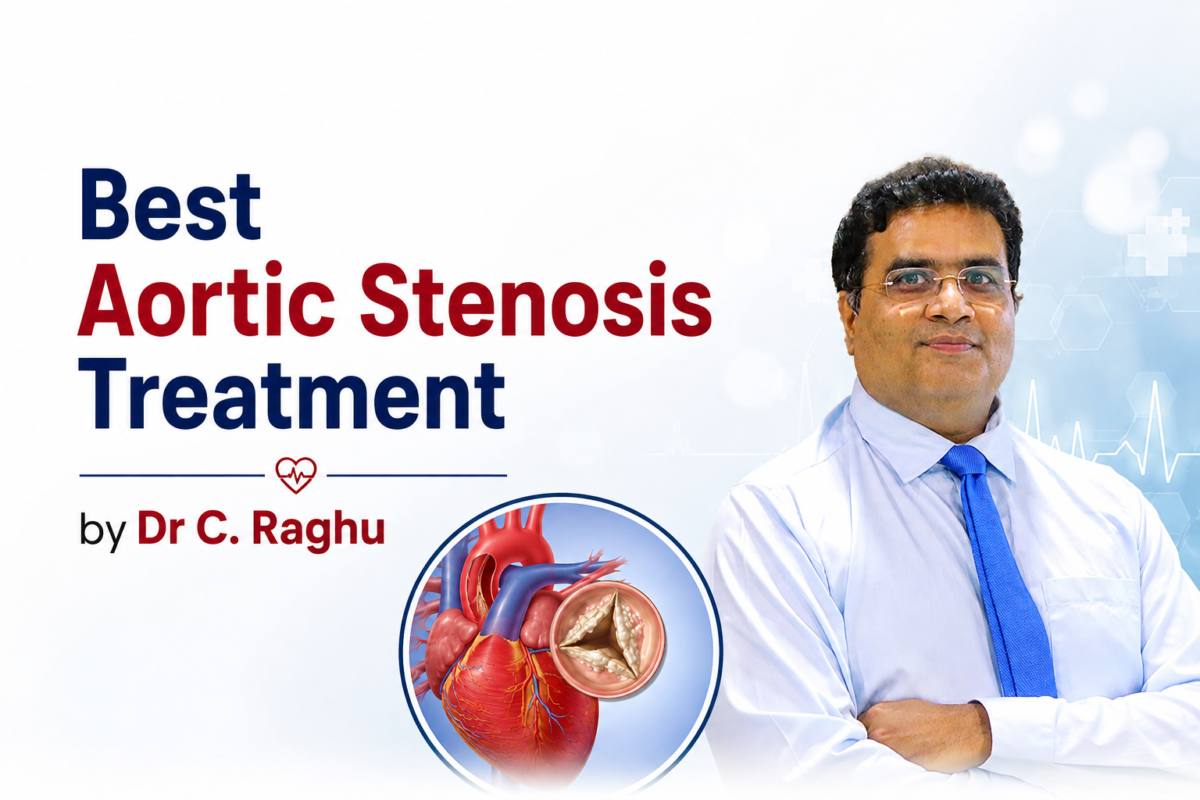
When aortic stenosis treatment starts causing breathlessness, chest discomfort, dizziness, or reduced physical activity, choosing the right treatment becomes an important decision. The appropriate aortic stenosis treatment depends on the severity of valve narrowing, symptoms, age, overall health, valve anatomy, and suitability for catheter-based or surgical treatment. This guide explains the main treatment options, including aortic valve replacement and TAVR, to help patients and healthcare readers understand the decision-making process.

What Is Aortic Stenosis?

Aortic stenosis occurs when the aortic valve becomes narrowed and does not open normally. This restricts blood flow from the left ventricle into the aorta, making the heart work harder to pump blood throughout the body.

Aortic stenosis may develop because of age-related valve calcification, a bicuspid aortic valve, or congenital abnormalities. Some patients remain stable for years, while others develop symptoms that require closer evaluation and treatment.

Common symptoms may include:

  • Breathlessness, particularly during exertion
  • Chest pain or pressure
  • Dizziness or fainting
  • Reduced exercise tolerance
  • Fatigue
  • Swelling in the legs in some patients

A patient with severe narrowing and new exertional breathlessness, for example, may require more than routine observation and should undergo specialist assessment.

Aortic Stenosis Treatment: When Is Treatment Needed?

Aortic Stenosis treatment hyderabad

Treatment is determined after evaluating the severity of valve disease and its effect on the heart. Echocardiography is central to this assessment, while additional cardiac imaging may be recommended in selected cases.

For patients with mild or moderate disease and no significant symptoms, regular monitoring may be appropriate. Severe symptomatic aortic stenosis generally requires evaluation for valve replacement.


The treatment decision considers:

  • Severity of valve narrowing
  • Presence and progression of symptoms
  • Left ventricular function
  • Valve anatomy
  • Age and overall health
  • Previous cardiac procedures
  • Surgical risk
  • Suitability for transcatheter treatment

Aortic stenosis should therefore not be treated using a single approach for every patient.

Aortic Valve Replacement: Surgical or Transcatheter?

When valve replacement is indicated, two major approaches are considered: surgical aortic valve replacement and transcatheter aortic valve replacement.

Open Heart Surgery

Surgical aortic valve replacement involves removing the diseased valve and replacing it with a prosthetic valve through cardiac surgery.

This approach may be appropriate when the patient’s anatomy, age, associated cardiac conditions, or other surgical requirements make surgery preferable. A surgical approach can also allow other cardiac problems to be addressed during the same operation when necessary.

TAVR Procedure

Transcatheter aortic valve replacement (TAVR) is a minimally invasive valve replacement procedure in which a replacement valve is delivered through a catheter, commonly through an artery in the groin.

TAVR can be an important treatment option for appropriately selected patients with severe aortic stenosis. The final decision requires assessment of valve anatomy, vascular access, clinical condition, and the patient’s overall treatment goals.

TAVR vs Open Heart Surgery: How Is the Choice Made?

The question of TAVR vs open heart surgery is highly individual. Neither option should automatically be considered better for every patient.

A heart team may assess:

  • Patient age and life expectancy
  • Surgical risk
  • Aortic valve anatomy
  • Bicuspid or tricuspid valve anatomy
  • Aorta and vascular access
  • Existing coronary artery disease
  • Previous cardiac surgery
  • Potential need for additional cardiac procedures
  • Long-term valve considerations

For example, an elderly patient with severe symptomatic aortic stenosis and suitable anatomy may be considered for TAVR, while another patient may benefit more from surgical replacement because of anatomical or associated cardiac factors.

TAVR Valve Types and Patient Selection

Different transcatheter valves have different designs and deployment characteristics. Valve selection depends on anatomical measurements, the native valve, the aortic root, coronary artery position, vascular access, and other clinical factors.

Who Is Eligible for TAVR?

Eligibility for TAVR cannot be determined by age or symptoms alone. A detailed evaluation is generally required before recommending the procedure.

Assessment may include:

  • Echocardiography
  • CT-based anatomical evaluation
  • Coronary assessment when appropriate
  • Vascular access assessment
  • Clinical and surgical risk evaluation
  • Review by a multidisciplinary heart team

This evaluation helps determine whether TAVR is technically suitable and whether it offers an appropriate treatment pathway for the individual patient.

TAVR Recovery and Possible Complications

One of the reasons TAVR may be considered is that it avoids conventional open-heart surgery in suitable patients. Recovery varies according to age, general health, vascular access, and whether complications occur.

Possible complications can include bleeding or vascular problems, stroke, heart rhythm disturbances requiring a pacemaker, valve-related problems, kidney complications, infection, or other procedure-related events. The individual risk depends on the patient’s clinical and anatomical characteristics.

Patients should discuss expected recovery, medication requirements, follow-up, and warning signs with their treating team before the procedure.

Aortic Stenosis in Bicuspid and Congenital Valves

A bicuspid aortic valve has two leaflets instead of the usual three and can become narrowed over time. Treatment planning can be more complex because valve and aortic anatomy may differ from that seen in typical degenerative aortic stenosis.

Patients with congenital aortic stenosis also require individualized assessment. A bicuspid aortic valve cardiologist or congenital aortic stenosis specialist may be involved depending on the patient’s age, anatomy, associated conditions, and treatment requirements.


How Should Patients Choose an Aortic Stenosis Specialist?

Selecting an aortic stenosis doctor involves more than searching for a general cardiology consultation. Patients may benefit from an aortic stenosis specialist experienced in evaluating valve disease and discussing both surgical and catheter-based treatment options.

A specialist assessment can help clarify:

  • Whether the stenosis is mild, moderate, or severe
  • Whether symptoms are related to the valve
  • Whether valve replacement is required
  • Whether TAVR may be suitable
  • Whether surgery should be considered
  • What additional tests are necessary

Patients searching for the best cardiologist for aortic stenosis should focus on appropriate expertise, multidisciplinary evaluation, procedural experience, and an individualized treatment plan rather than relying on a single treatment method.

TAVR Cost in India and Expected Outcomes

The TAVR cost in India can vary depending on the valve selected, hospital, diagnostic investigations, procedural requirements, length of stay, and individual medical needs. Patients should obtain a procedure-specific estimate from the treating hospital rather than relying on a general online figure.

Similarly, TAVR success and outcomes depend on patient selection, anatomy, clinical condition, procedural factors, and follow-up care. TAVR for elderly patients may be considered when the overall clinical assessment supports a transcatheter approach.

Also read: Best Cardiologist for TAVI-TAVR in Hyderabad 

Expert Evaluation Matters

Aortic stenosis can progress from a condition that requires monitoring to one requiring valve replacement. Recognizing symptoms and obtaining timely specialist evaluation can help patients understand when intervention should be considered.

Dr. C. Raghu is a senior interventional cardiologist with experience in structural heart interventions, including TAVR. Patients seeking a personalized assessment can discuss their diagnosis, valve anatomy, available treatment options, and suitability for intervention with his cardiac team.

For detailed information about aortic stenosis treatment and treatment considerations, patients can refer to Dr. C. Raghu’s dedicated clinical resource.

The practical takeaway is simple: the right treatment for aortic stenosis depends on the individual patient. A thorough evaluation can help determine whether monitoring, surgical aortic valve replacement, or TAVR is the most appropriate pathway.

For evaluation and guidance regarding aortic stenosis and valve replacement options, consult Dr. C. Raghu for an individualized cardiac assessment.

Atrial-Fibrillation.jpg

June 12, 2026 AbhijitHearty Life

You’re sitting at your desk, finishing that important presentation. Your heart suddenly feels like it’s doing flip-flops in your chest. These irregular heartbeats can sometimes be linked to Atrial Fibrillation. One moment it’s racing. The next, it feels oddly sluggish. You pause. You breathe. You wonder is this normal? Or is something seriously wrong?” 

If you’re in your 40s, 50s, or 60s, you’ve probably felt this. You dismiss it as stress. You blame it on that extra coffee you had this morning. But deep down, you’re worried. You know something doesn’t feel right. This is the reality many of you face. This is Atrial Fibrillation—or as doctors call it, AFib. And you’re not alone. Millions of people like you are walking around with this condition, often without even knowing it.

What Exactly Is Atrial Fibrillation?

Understanding Your Heart’s Rhythm

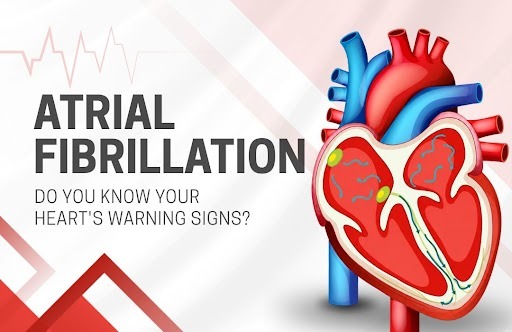
Let me explain this simply. Your heart has its own rhythm—like a drummer keeping time in an orchestra. Usually, it beats in a steady, organized pattern. But with atrial fibrillation, that rhythm goes haywire.

Here’s what happens:

  • Your heart’s upper chambers (called atria) start beating irregularly
  • Instead of pumping blood smoothly, they flutter and quiver
  • Your pulse becomes unpredictable
  • Blood flow becomes chaotic

Your heart becomes confused. It’s still working, but it’s not working right. And this is where the danger begins. You might feel it. You might not. But it’s happening inside you, silently affecting your health.

Also read : Atrial Fibrillation treatment in India: Complete Guide 

Why Should You Care? The Consequences You Face

The Real Risks You Need to Know

You’re probably thinking, “But I feel fine most days.” That’s the tricky part about AFib. You can feel absolutely normal on the outside while something serious happens inside.

Here’s what you need to understand:

Blood Clots and Strokes

  • Irregular heartbeat means blood pools in your heart chambers
  • Pooled blood forms clots
  • These clots can travel to your brain
  • Result? A stroke that can change your life forever

Heart Failure

  • When your heart beats irregularly, it doesn’t pump efficiently
  • Over time, your heart weakens
  • This leads to heart failure—a serious condition where your heart can’t keep up with your body’s demands
  • Suddenly, simple tasks like climbing stairs become difficult

Fatigue and Reduced Quality of Life

  • You feel tired for no reason
  • Your energy drops
  • You can’t do the things you love
  • This affects your work, your family time, everything

Long-term Damage

  • Your heart chambers can enlarge
  • Your heart’s structure changes permanently
  • The longer you ignore it, the worse it gets

Think about your mother or father. Think about a colleague who had a stroke. AFib might have been the reason.

Who Is Actually at Risk? Let’s Talk About You

Are You in the Danger Zone?

Now, here’s the important question: Are you at risk? Let me paint the picture. You might be at higher risk if you:

Your Age

  • You’re over 50? Your risk increases significantly
  • With every decade, your risk grows higher
  • Middle age is when AFib often starts

Your Blood Pressure

  • You’ve been told your blood pressure is high
  • You might be on medication for it
  • Uncontrolled high blood pressure damages your heart

Your Heart History

  • You’ve had heart problems before
  • Heart disease runs in your family
  • You’ve had a heart attack
  • You’ve been told you have a weak heart

Your Lifestyle

  • You’re overweight or obese
  • You don’t exercise much
  • You eat lots of processed foods with excess salt
  • You drink alcohol regularly

Your Health Conditions

  • You have diabetes
  • You have a thyroid problem
  • You have sleep apnea
  • You’re dealing with chronic lung disease

Stress and Sleep

  • You’re constantly stressed at work
  • You barely sleep properly
  • You wake up feeling exhausted
  • You never really relax

Do any of these sound like you? Be honest with yourself. This matters more than you think.

The Warning Signs You Shouldn’t Ignore

What Your Body Is Trying to Tell You

Your body sends signals. You just need to listen. Here’s what to watch for:

  • Your heart races for no clear reason
  • You feel like your heart is fluttering
  • Your pulse is irregular or skips beats
  • You feel dizzy or lightheaded
  • You get short of breath during normal activity
  • You feel unusually tired
  • You have chest discomfort
  • You feel faint or nearly pass out
  • You sweat more than normal

The tricky part? Some people feel nothing at all. AFib can be completely silent. That’s why you can’t just wait for symptoms. You need to be proactive.

What You Can Do Right Now

Take Control of Your Heart’s Future

You’re not helpless here. You have real options:

Get Checked Out

  • Visit a cardiologist in Hyderabad if you’re in that area
  • Get an ECG (electrocardiogram)—it takes five minutes and reveals everything
  • This simple test can save your life

Know Your Numbers

  • Blood pressure
  • Weight and BMI
  • Blood sugar levels
  • Cholesterol levels

Make Changes Today

  • Reduce salt in your diet
  • Exercise 30 minutes most days
  • Maintain a healthy weight
  • Limit alcohol
  • Manage stress through meditation or yoga
  • Sleep 7-8 hours nightly

Understand Your Family History

  • Ask your parents about heart problems
  • Know if AFib runs in your family
  • Share this information with your doctor

Stop Smoking

  • If you smoke, quit now
  • This single change matters tremendously
  • Your heart will thank you

Finding the Right Help

Why You Need a Specialist

Not every doctor is trained to handle AFib. You need someone who knows hearts inside and out. Someone like an interventional cardiologist in hyderabad a specialist who understands the complexities of heart rhythm problems.

A good cardiologist will:

  • Listen to your concerns
  • Run the right tests
  • Explain everything clearly
  • Create a plan specifically for you
  • Follow up regularly

If you’re in Hyderabad, look for a best cardiologist in Hyderabad who specializes in arrhythmias and AFib treatment.

Your Questions Answered

Common Concerns Middle-Aged People Have

“Can I live a normal life with AFib?” Yes. With proper treatment and lifestyle changes, you can manage it well.

“Is AFib always serious?” Not always, but it needs attention. Some cases are mild; others are serious. You need evaluation.

“Can I prevent AFib?” You can reduce your risk significantly by managing blood pressure, maintaining healthy weight, and staying active.

“What treatments are available?” Doctors use medications, lifestyle changes, and sometimes procedures. Your cardiologist will choose what’s best for you.

Also read : Cardiologist Hyderabad Why Dr. C. Raghu Is a Name Patients Trust 

The Bottom Line: Your Health Is Your Choice

Making Your Move Today

Here’s the truth nobody tells you: Your heart health is in your hands. You can ignore the warning signs and hope for the best. Or you can take action now, while you still have time.

The middle-aged years are critical. Decisions you make now shape your next 20, 30, or 40 years. You can spend them active, healthy, and present with your family. Or you can spend them managing a serious condition that could have been prevented.

The choice seems obvious when you think about it that way.

Don’t wait for a health scare. Don’t assume “it won’t happen to me.” Be smart. Be proactive. Get checked. Learn your numbers. Make the changes. Your future self will be grateful.

Ready to protect your heart? Visit drraghu.com today and schedule your consultation. Learn more about preventing and managing conditions like Atrial Fibrillation before it’s too late.

About the Expert

Dr C. Raghu is an interventional cardiologist with extensive experience in treating heart rhythm disorders, including Atrial Fibrillation. He practices at Yashoda Hospital, Somajiguda, Hyderabad, where he helps patients just like you take control of their heart health. Whether you need screening for Heart valve issues, Aortic stenosis, or understanding Heart attack symptoms, Dr. Raghu combines modern medical expertise with a patient-first approach.


Dr raghu logo


Dr raghu logo


Call us now if you are in a medical emergency need, we will reply swiftly and provide you with a medical aid.


For Appointment with Dr Raghu: +91 80085 36699
Dr Raghu’s Patient Coordinator: +91 72860 10203
Dr Raghu’s Office Experience: +91 90001 65962
Dr Raghu’s Social Media Communication Channel: +91 97046 51708

Dr. Raghu | Heart Specialist in Hyderabad
Yashoda Hospitals, Raj Bhavan Road, Somajiguda, 1st floor, Room No. 115, Hyderabad -500082, Telangana

Best Cardiologists in Hyderabad


© 2024, Dr. Raghu. All rights reserved. Design & Developed by AMSDigital.in

[gtranslate]
+91-9542475650