
mild-heart-attack.png

September 14, 2026 AbhijitHearty Life

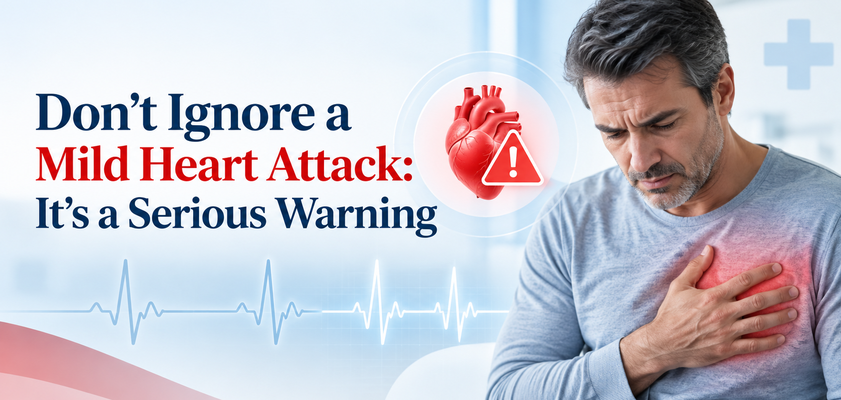
Most people picture a mild heart attack as sudden and dramatic: chest-clutching, collapsing, an ambulance racing through traffic. A mild heart attack often looks nothing like that. It can feel like indigestion, tiredness that won’t lift, or a vague ache that passes in twenty minutes and gets forgotten by dinner. That’s exactly what makes it dangerous. This piece looks at what a mild heart attack really is, why “mild” doesn’t mean “safe,” and what to do if you suspect you’ve had one.

What Is a Mild Heart Attack?

Doctors usually call this an NSTEMI, a non-ST-elevation myocardial infarction. In plain terms, it means blood flow to part of the heart was reduced or briefly cut off, damaging a smaller area of heart muscle than a major attack would.

The word “mild” refers only to the extent of damage at that moment. It says nothing about what caused the blockage in the first place, and it says nothing about what happens next if the underlying issue isn’t treated.

Why “Mild” Doesn’t Mean the Danger Has Passed

The artery that narrowed or blocked doesn’t fix itself just because symptoms faded. Without treatment, that same weak spot is often what triggers a second and usually worse attack down the line.

This is why cardiologists push for follow-up tests even when a patient feels fine within a day or two: an ECG, an echocardiogram, and sometimes an angiography. Skipping these because “it wasn’t that serious” leaves the actual problem sitting untouched.

Silent Heart Attack Symptoms People Miss

silent heart attack

A lot of mild heart attacks go unnoticed until a routine checkup turns up scarring the patient never knew about. That’s the nature of silent heart attack symptoms;  they’re easy to explain away.

Things worth paying attention to:

  • Chest tightness or pressure that shows up during exertion and eases with rest
  • Fatigue that feels heavier than usual and doesn’t improve with sleep
  • Getting winded doing something that never used to be a problem
  • Discomfort in the jaw, arm, back, or upper stomach
  • Cold sweats with no clear trigger
  • Nausea or lightheadedness, which women in particular may notice more than classic chest pain

One of these on its own doesn’t mean much. A few together, especially if they show up suddenly or during physical activity, is worth getting checked.

Heart Attack in the Gym: Why It’s Becoming More Common

A heart attack in the gym is something cardiologists are seeing more often, and it tends to catch people off guard precisely because they think of themselves as fit. Pushing hard during a workout puts real strain on the heart, and if there’s an undiagnosed blockage, that strain can be enough to trigger an event.

It often plays out the same way: someone in their thirties or forties, reasonably active, feels a strange tightness mid-set. It passes after a short break; they finish the workout, and they chalk it up to dehydration or bad form. No follow-up happens because nothing feels wrong anymore.

This pattern is part of why heart attacks in young adults have become a topic doctors bring up more directly now, particularly for people with a family history of heart disease, high-stress jobs, or a habit of alternating between a sedentary week and one intense workout.

What to Do If You Suspect a Mild Heart Attack

The response matters more than getting a perfect diagnosis in the moment. If chest discomfort, breathlessness, or similar symptoms show up and don’t go away quickly:

  1. Stop what you’re doing and sit or lie down.
  2. Get emergency medical help; don’t wait to see if it passes.
  3. Don’t talk yourself out of it because you’re young or fit.
  4. Follow up with a cardiologist even if the ER tests come back unclear.

A few hours’ delay can change how much damage is done, which is the main reason these symptoms shouldn’t be rationalized away.

Long-Term Cardiac Care Matters More Than the Event Itself

Getting through a mild heart attack isn’t the end of the process; it’s usually the start of a longer plan. That typically means medication, changes to daily habits, and regular monitoring of things like blood pressure, cholesterol, and blood sugar.

This is where seeing the right specialist makes a real difference. A heart specialist in Hyderabad can identify what actually caused the event and build a treatment plan around that person’s specific risk factors, rather than a generic one-size-fits-all approach.

Getting the Right Cardiac Care in Hyderabad

Speed matters after a cardiac event, but so does who you see. For patients looking into heart treatment in Hyderabad, Dr. C. Raghu is a cardiologist in Hyderabad with considerable experience treating both mild and severe cases, from initial diagnosis through long-term management.

If you’re searching for a heart doctor in Hyderabad or a top cardiologist in Hyderabad, especially after noticing any of the symptoms above, it’s worth booking a consultation with Dr. C. Raghu’s clinic for a full cardiac evaluation.

Also read: Cardiologist Hyderabad: Why Dr. C. Raghu Is a Name Patients Trust  

Final Word

A mild heart attack is the body’s way of sending a warning before something worse happens. Brushing it off as minor because the pain wasn’t severe, or because you’re young and active, leaves the actual cause unresolved. If you’ve experienced symptoms like these, whether at your desk or mid-workout, the smart move is a proper evaluation, not an assumption that the danger has passed.

If this sounds familiar, book a consultation with Dr C Raghu and get a clear read on where your heart health actually stands.

Diastolic-Dysfunction-Causes-Signs-and-Treatment-Options.png

January 9, 2026 AbhijitHearty Life

Many people notice trouble breathing or swelling and wonder if their heart is the cause. Diastolic dysfunction happens when the heart’s ventricles cannot relax properly, which can lead to heart failure.

This post will explain the causes, signs, and treatment options with advice from a top heart specialist in Hyderabad or cardiologist in Hyderabad. Keep reading to learn how you can protect your heart health.

Key Takeaways

  • Diastolic dysfunction happens when the heart’s chambers cannot relax and fill with blood properly, often due to hypertension or diabetes.
  • Key symptoms include shortness of breath, fatigue, swelling in the legs or ankles, and sometimes irregular heartbeats.
  • Major risk factors are high blood pressure, older age, poor diet, obesity, lack of exercise, diabetes mellitus, and cardiomyopathy.
  • Treatment includes lifestyle changes (healthy diet and exercise), medications like antihypertensives and diuretics, along with procedures such as echocardiograms or valve repair if needed.
  • Managing underlying health conditions is important for better outcomes; regular doctor visits help control symptoms and prevent complications from heart failure.

Understanding Diastolic Dysfunction Treatment 

Diastolic dysfunction affects how the heart chambers relax and fill with blood. This condition can lead to a range of symptoms, impacting overall cardiac function and quality of life.

Definition

Diastolic dysfunction occurs when the heart’s chambers struggle to relax properly. This condition affects how blood fills the heart after each heartbeat. As a result, pressure builds up in the heart and lungs, leading to symptoms like shortness of breath and fatigue.

Several factors contribute to diastolic dysfunction. Hypertension causes thickening in the heart walls, which interferes with their ability to expand fully. Diabetes can also lead to changes in cardiac function, worsening this issue.

People with increased ventricular stiffness often experience more complications related to blood flow and overall heart health.

Causes

Understanding diastolic dysfunction involves recognizing its causes. Several factors contribute to this condition. Hypertension plays a significant role in creating ventricular stiffness, which hinders the heart’s ability to relax properly between beats.

Cardiomyopathy also contributes by altering the structure and function of heart chambers, making it difficult for them to fill with blood efficiently.

Age is another important factor since older individuals often experience decreased compliance of their heart tissue. Conditions like diabetes can lead to changes in blood flow and increase risks for cardiovascular disease.

These underlying health issues significantly raise the likelihood of developing diastolic dysfunction over time.

Signs and Symptoms

Diastolic dysfunction often presents with a range of signs and symptoms. Individuals may experience shortness of breath, especially during physical activity or when lying flat. Fatigue can become common as well, affecting daily routines.

Some people notice swelling in their legs or ankles due to fluid buildup. Rapid weight gain might occur from this excess fluid retention.

In some cases, patients report irregular heartbeats or palpitations. These symptoms arise as the heart struggles to fill properly with blood due to ventricular stiffness. Hypertension and cardiomyopathy are significant risk factors that complicate the situation further.

Knowing these symptoms helps in early detection and leads directly to exploring treatment options for diastolic dysfunction.

Risk Factors

Several risk factors contribute to diastolic dysfunction. High blood pressure, or hypertension, often leads the list. This condition increases the stiffness of heart chambers and disrupts normal ventricular relaxation.

Heart failure may also develop as a result of these changes.

Certain lifestyle choices can heighten these risks. Lack of exercise, poor diet, and obesity play significant roles in increasing the likelihood of developing this disorder. Conditions like cardiomyopathy further elevate the chances of suffering from diastolic dysfunction.

Age and diabetes mellitus are other important considerations that patients should monitor closely for better heart health.

You can also read this:- Basics about Heart Failure

Treatment Options for Diastolic Dysfunction

Doctors recommend lifestyle changes, medications, and medical procedures to manage diastolic dysfunction. They focus on improving heart function and relieving symptoms. Each treatment option plays a key role in maintaining health.

Patients should consult healthcare professionals for personalized advice and strategies. Explore the latest insights to gain a deeper understanding of this condition.

Lifestyle changes

Lifestyle changes play a crucial role in managing diastolic dysfunction. Individuals can improve their heart health by adopting a balanced diet that reduces salt and saturated fats.

Regular exercise also strengthens the heart and improves blood flow to the chambers. Weight management is vital; losing excess weight can help lower diastolic pressure.

Cutting back on alcohol and quitting smoking further support cardiovascular health. Managing stress through relaxation techniques can also benefit heart function. These lifestyle adjustments not only address symptoms but also aid in controlling underlying conditions like hypertension and cardiomyopathy.

Treatment strategies often include medications, which will be discussed next.

Medications

Medications play a crucial role in treating diastolic dysfunction. Doctors often prescribe antihypertensives to manage high blood pressure. These medications help relax blood vessels and improve blood flow to the heart chambers.

Diuretics can also aid by reducing fluid retention, which decreases the strain on the heart.

Many patients benefit from these treatments, as they alleviate symptoms and enhance quality of life. Regular follow-ups with healthcare providers ensure that individuals receive optimal drug therapy tailored to their needs.

Proper management of underlying conditions is vital for effective treatment of diastolic dysfunction.

Medical procedures

Medical procedures can help manage diastolic dysfunction in patients. Doctors often use echocardiograms to evaluate heart chambers and measure their function. These tests provide essential information about ventricular stiffness and blood flow dynamics.

In some cases, doctors may recommend catheterization to assess the heart’s condition more closely. This procedure allows them to gather data on pressures within the heart chambers.

If medication alone is insufficient, surgical options like valve repair or replacement might be necessary. These interventions aim to improve overall cardiac function and alleviate symptoms of heart failure related to diastolic dysfunction.

You can also read this: treatment of diastolic dysfunction 

Management of underlying conditions

Managing underlying conditions is vital for those with diastolic dysfunction. Effective control of hypertension and other heart issues can improve patient outcomes. Doctors often recommend lifestyle changes, such as a balanced diet and regular exercise, to help alleviate symptoms.

Medications also play an essential role; antihypertensives can effectively lower blood pressure.

Careful management of risk factors such as obesity or diabetes also supports heart function. Monitoring these conditions allows for better blood flow in the heart chambers. Health professionals encourage patients to work closely with them, ensuring proper treatment plans remain in place.

This proactive approach enhances overall heart health and prevents further complications related to heart failure or ventricular stiffness.

FAQs

1. What causes diastolic dysfunction in the heart?

Diastolic dysfunction often happens when the heart muscle becomes stiff or thickened. High blood pressure and certain types of cardiomyopathy can make the heart chambers less able to fill with blood.

2. What are common symptoms of diastolic dysfunction?

Shortness of breath, swelling in the legs, and tiredness are the main symptoms. These signs occur because blood flow backs up as the ventricles cannot relax well.

3. How does hypertension relate to diastolic dysfunction?

Hypertension puts extra strain on your heart over time. This makes ventricular stiffness worse and increases the risk for heart failure linked to poor filling.

4. Which treatment options help manage diastolic dysfunction?

Doctors may use antihypertensives or diuretics to lower blood pressure and reduce fluid buildup. Other management strategies focus on treating underlying conditions like cardiomyopathy.

5. Why is early detection important for this condition?

Finding problems early allows doctors to start treatment before severe symptoms develop or progress into full heart failure, improving long-term outcomes for patients with impaired relaxation of their ventricles.


Dr raghu logo


Dr raghu logo


Call us now if you are in a medical emergency need, we will reply swiftly and provide you with a medical aid.


For Appointment with Dr Raghu: +91 80085 36699
Dr Raghu’s Patient Coordinator: +91 72860 10203
Dr Raghu’s Office Experience: +91 90001 65962
Dr Raghu’s Social Media Communication Channel: +91 97046 51708

Dr. Raghu | Heart Specialist in Hyderabad
Yashoda Hospitals, Raj Bhavan Road, Somajiguda, 1st floor, Room No. 115, Hyderabad -500082, Telangana

Best Cardiologists in Hyderabad


© 2024, Dr. Raghu. All rights reserved. Design & Developed by AMSDigital.in

[gtranslate]
+91-9542475650