
Exercise is one of the most effective ways to maintain a healthy heart, manage weight, and improve overall fitness. However, can too much exercise harm your heart? Although regular physical activity offers several cardiovascular benefits, excessive training without adequate recovery may cause health problems in some individuals. Recognizing the warning signs is essential, particularly for people with existing heart conditions or cardiovascular risk factors.
According to the principles of preventive cardiology, exercise intensity should match an individual’s health, fitness level, and medical history. Understanding the relationship between too much exercise and heart health can help people stay active while protecting their cardiovascular well-being.
Can Too Much Exercise Harm Your Heart?
For most people, regular moderate exercise strengthens the heart, improves circulation, and helps control blood pressure and cholesterol levels. However, repeatedly performing intense workouts without sufficient rest can lead to overtraining, persistent fatigue, and other health concerns.
Research suggests that extremely high levels of endurance exercise may be associated with certain cardiac changes in some athletes. However, this does not mean that regular exercise is dangerous for the general population. The benefits of physical activity generally outweigh the risks when exercise is appropriate for an individual’s health status.
People with undiagnosed heart disease, uncontrolled hypertension, or other cardiovascular risk factors should seek medical advice before beginning strenuous training.
Warning Signs of Overexercising You Should Never Ignore
Recognizing the signs of overexercising can help prevent complications and identify when medical evaluation may be necessary.
1. Chest Pain or Pressure
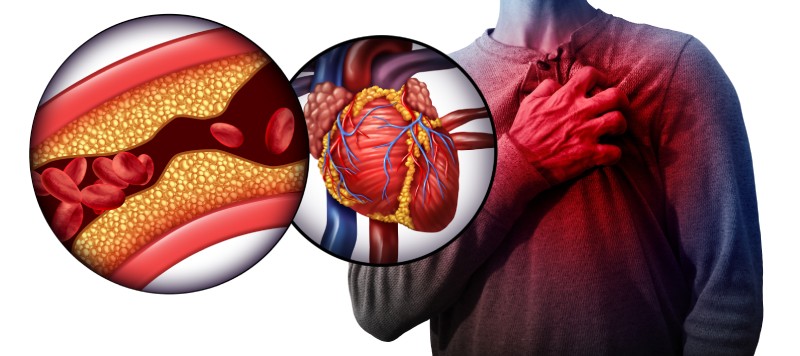
Chest discomfort during exercise should never be ignored. It may result from several causes, including muscle strain, but it can also indicate reduced blood flow to the heart. Stop exercising immediately if you experience chest pressure, tightness, or pain, especially if it spreads to your arm, jaw, back, or shoulder.
2. Unusual Shortness of Breath
Breathing faster during intense exercise is normal. However, severe or disproportionate breathlessness, particularly during activities that previously felt comfortable, may indicate an underlying medical problem.
3. Rapid or Irregular Heartbeat
An elevated heart rate is expected during physical activity. Nevertheless, a racing, pounding, or irregular heartbeat that feels unusual, persists after stopping, or occurs alongside dizziness requires attention.
4. Dizziness or Fainting
Feeling lightheaded during a workout may be associated with dehydration, low blood pressure, or other conditions. However, fainting during exercise can be a warning sign of a potentially serious heart problem and requires urgent medical assessment.
5. Persistent Fatigue and Poor Recovery
Constant tiredness, declining exercise performance, disturbed sleep, and prolonged muscle soreness may indicate inadequate recovery or overtraining. Although these symptoms do not necessarily indicate heart disease, they suggest that your exercise routine may need adjustment.
Read more: Don’t Ignore a Mild Heart Attack: It’s a Serious Warning
Excessive Exercise Side Effects and Their Impact on Heart Health
Understanding excessive exercise side effects is important for people who regularly participate in demanding workouts, long-distance running, or high-intensity training.
Possible effects include dehydration, electrolyte disturbances, prolonged fatigue, and an increased risk of musculoskeletal injuries. In some endurance athletes, prolonged high-intensity training has also been associated with exercise-related cardiac changes and an increased likelihood of certain rhythm disturbances.
The risk varies according to exercise intensity, duration, recovery, and individual health. Overtraining and heart health should therefore be considered together, particularly when someone experiences unexplained symptoms or has a family history of cardiovascular disease.
How to Exercise Safely and Protect Your Heart
Following a balanced routine can help you enjoy the benefits of exercise without placing unnecessary strain on your body.
- Increase intensity gradually: Avoid suddenly increasing workout duration, speed, or resistance.
- Allow adequate recovery: Include rest days and prioritize sufficient sleep.
- Stay hydrated: Replace fluids appropriately, particularly during prolonged workouts or hot weather.
- Monitor your response: Pay attention to unusual breathlessness, chest discomfort, dizziness, or palpitations.
- Maintain a balanced routine: Combine aerobic exercise with strength training and flexibility activities according to your fitness level.
- Seek medical advice when necessary: People with known heart disease or significant cardiovascular risk factors may need an individualized exercise plan.
The appropriate heart rate during exercise varies with age, fitness, medications, and medical conditions. There is no single target heart rate suitable for everyone. A healthcare professional can help determine an appropriate intensity when individual circumstances require it.
Heart Problems During Exercise: Who Should Be More Careful?
Certain individuals should take additional precautions before starting vigorous physical activity. These include people with high blood pressure, diabetes, high cholesterol, known heart disease, or a family history of premature cardiac problems.
Heart disease symptoms during exercise may include chest discomfort, unusual breathlessness, dizziness, fainting, or palpitations. These symptoms should not automatically be attributed to poor fitness or excessive effort.
People experiencing possible exercise-induced heart problems should receive appropriate medical evaluation rather than continuing to push through their symptoms.
Adults who are middle-aged or older and planning to begin a demanding workout routine may also benefit from discussing their health history and exercise goals with a doctor.
When Should You Consult a Cardiologist?
If you experience recurring chest discomfort, unexplained breathlessness, unusual palpitations, or dizziness during physical activity, consult a qualified healthcare professional. Seek emergency medical assistance for chest pain, fainting, severe breathing difficulty, or other symptoms suggestive of a cardiac emergency.
For individuals seeking the best cardiologist in Hyderabad, a consultation can help assess cardiovascular risk factors and determine whether further testing or exercise-related guidance is appropriate.
Dr. C. Raghu, Clinical Director and Senior Interventional Cardiologist at Yashoda Hospitals, Secunderabad, has extensive experience in interventional cardiology. Individuals concerned about exercise-related symptoms or their cardiovascular health can seek professional medical advice to understand the appropriate next steps.
A heart specialist in Hyderabad or heart doctor in Hyderabad can evaluate symptoms in the context of medical history, physical examination, and appropriate investigations. Depending on the findings, the doctor may recommend lifestyle changes, additional testing, or a personalized exercise plan.
Also read : – Diet Chart by a Cardiologist in Hyderabad
Conclusion
Exercise is essential for long-term cardiovascular health, but the right balance between activity and recovery matters. Understanding can too much exercise harm your heart and recognizing the warning signs can help you make safer fitness decisions.
Listen to your body, increase workout intensity gradually, and never ignore unusual cardiac symptoms. With appropriate precautions and professional guidance, most people can enjoy the benefits of regular physical activity while supporting a healthier heart.
Consult Dr. C. Raghu, a professional heart specialist in Hyderabad, for an evaluation of heart-related symptoms and personalized guidance on cardiovascular health.