Sudden breathlessness, chest pain or an unexpected diagnosis of a blood clot can leave patients and their families worried about the next step. Choosing the right specialist is important because pulmonary embolism treatment depends on the patient’s condition, the location and severity of the clot, medical history and overall health.
For patients in Hyderabad, understanding the available treatment approaches and knowing what to discuss during a consultation can make medical decisions more informed. This guide explains when to seek medical attention, how specialists assess pulmonary embolism, and what questions patients should ask before starting treatment.
Understanding Pulmonary Embolism and Its Warning Signs
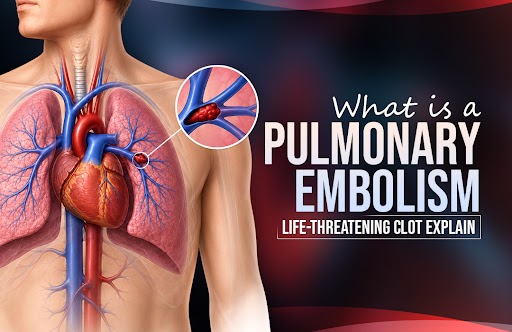
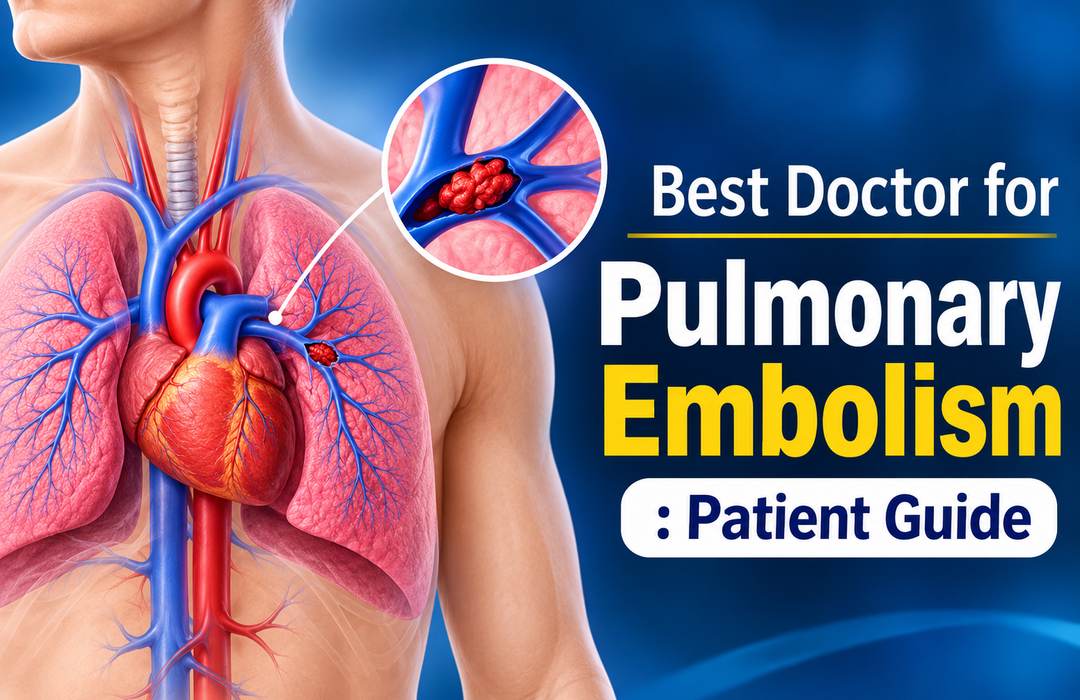
Pulmonary embolism (PE) occurs when a blood clot blocks an artery in the lungs. In many cases, the clot travels from a deep vein in the leg or another part of the body. This is why deep vein thrombosis (DVT) and pulmonary embolism are closely connected.
Recognising the symptoms is important because pulmonary embolism can become life-threatening without timely medical assessment.
Common warning signs include:
- Sudden or unexplained shortness of breath.
- Chest pain that may become worse while breathing deeply.
- Rapid heartbeat or an unusually fast pulse.
- Coughing, sometimes accompanied by blood.
- Light-headedness, dizziness or fainting.
- Pain, swelling or tenderness in one leg, which may indicate DVT.
Not everyone experiences the same symptoms. Some patients develop symptoms suddenly, while others may have less obvious warning signs.
Important: Severe breathlessness, sudden chest pain, fainting or coughing up blood requires immediate emergency medical assessment. Patients should not wait for a routine appointment or attempt self-treatment.
When Is Pulmonary Embolism Treatment in Hyderabad Necessary?
Pulmonary embolism treatment in Hyderabad should begin with an appropriate medical evaluation rather than assumptions based on symptoms alone. A doctor assesses the patient’s clinical condition and determines whether urgent hospital treatment, medication, or a specialized intervention is required.
The treatment approach generally depends on:
- The patient’s blood pressure and cardiovascular stability.
- The size and location of the blood clot.
- The effect of the clot on heart function.
- Existing heart, lung or kidney conditions.
- Previous episodes of blood clots.
- The risk of bleeding and other complications.
Anticoagulants, commonly known as blood thinners, are frequently used to prevent existing clots from growing and reduce the risk of new clots. Selected patients with more serious pulmonary embolism may require additional treatments, such as clot-dissolving medication or catheter-based procedures.
The appropriate approach must be decided by the treating medical team after assessing individual risks and benefits.
How to Choose a Pulmonary Embolism Doctor
Selecting a pulmonary embolism doctor involves more than searching for a nearby hospital or specialist. Patients should consider the doctor’s relevant clinical experience, access to diagnostic facilities, understanding of cardiovascular complications, and ability to coordinate treatment when multiple specialists are required.
A suitable pulmonary embolism specialist should help patients understand their diagnosis, explain available treatment options and discuss the risks associated with each approach.
Before choosing a doctor, patients and caregivers should consider:
- Relevant clinical experience: Ask about experience in evaluating blood clots and managing cardiovascular complications.
- Diagnostic facilities: Confirm whether the hospital provides appropriate imaging, laboratory investigations, and cardiac assessment.
- Treatment options: Understand whether medication, advanced clot-removal procedures, or specialist referral may be necessary.
- Hospital support: Ask whether emergency care, intensive care and multidisciplinary consultations are available.
- Follow-up arrangements: Understand how treatment progress, medication requirements and recurrence risks will be monitored.
Patients searching online for the best doctor for pulmonary embolism should avoid relying only on promotional rankings or unverified reviews. The decision should be based on medical qualifications, relevant experience, available facilities, and the patient’s individual requirements.
What to Expect During a Pulmonary Embolism Consultation
A consultation gives patients an opportunity to understand their diagnosis and discuss the next steps. Before the appointment, it is useful to organise previous medical records, investigation reports and a list of current medicines.
The doctor may ask about:
- When the symptoms first appeared.
- Whether breathlessness or chest discomfort has increased.
- Previous DVT or pulmonary embolism episodes.
- Recent surgery, hospitalization, or prolonged immobility.
- Existing heart or lung conditions.
- Family history of blood clots.
- Current medications and previous bleeding problems.
Patients should also discuss any recent changes in their physical activity or general health.
Diagnostic Tests Used to Evaluate Pulmonary Embolism
A doctor may recommend different investigations depending on the patient’s symptoms and clinical risk assessment.
Common diagnostic investigations include:
1. CT Pulmonary Angiography (CTPA)
CTPA is an important imaging investigation used to identify blood clots in the pulmonary arteries. It helps confirm or exclude pulmonary embolism in appropriately selected patients.
2. D-dimer Blood Test
This blood test measures a substance released when blood clots break down. It can help exclude pulmonary embolism in patients with an appropriate clinical probability, but an elevated result does not confirm PE by itself.
3. Echocardiography
An echocardiogram evaluates heart structure and function. In confirmed pulmonary embolism, it can help assess whether the right side of the heart is affected.
4. Venous Doppler Ultrasound
If a doctor suspects a blood clot in the legs, an ultrasound may be recommended to identify DVT.
The choice of tests depends on clinical findings. Not every patient requires every investigation. The 2026 AHA/ACC clinical guideline provides recommendations for diagnostic imaging, risk assessment and treatment selection.
Questions to Ask About Pulmonary Embolism Treatment
Before starting treatment, patients should understand the purpose of the recommended approach. A discussion with the treating specialist can help clarify expectations and reduce uncertainty.
Consider asking these questions:
- What is the severity of the pulmonary embolism?
- Are there signs of strain on the right side of the heart?
- Is medication sufficient, or should an advanced intervention be considered?
- What are the possible side effects of anticoagulant medicines?
- How long might blood-thinning medication be required?
- What symptoms should prompt immediate medical attention?
- When should follow-up investigations be performed?
- What precautions are necessary during recovery?
These questions are particularly important for patients with kidney disease, previous bleeding episodes, heart conditions or other medical complications.
Understanding the Role of a Pulmonary Embolism Specialist in India
Patients looking for a Pulmonary Embolism Specialist in India may compare doctors across different hospitals and cities. However, the most appropriate specialist depends on the patient’s clinical needs.
Pulmonary embolism management can involve cardiologists, pulmonologists, vascular specialists, radiologists and critical care physicians. In complicated cases, a multidisciplinary team may be required to determine the safest treatment approach.
Patients should check the doctor’s qualifications, relevant experience, hospital facilities and access to appropriate emergency support.
A cardiologist may be involved when pulmonary embolism affects heart function or requires cardiovascular evaluation. However, patients should confirm which specialist is responsible for their complete treatment plan.
Finding a Pulmonary Embolism Doctor Near Me
Searching for a Pulmonary Embolism Doctor Near Me can help patients identify nearby hospitals and consultation options. However, proximity should not be the only deciding factor.
Patients in Hyderabad can consider hospitals with appropriate diagnostic facilities, emergency services and access to relevant medical specialists.
For cardiovascular consultation, Dr. C. Raghu is the Clinical Director and Senior Interventional Cardiologist at Yashoda Hospitals, Somajiguda, Hyderabad. His professional profile includes interventional cardiology and complex cardiac problems.
Patients can review Dr. C. Raghu’s cardiology profile and book a Dr. Raghu cardiology appointment to discuss their cardiovascular concerns. A consultation can help determine whether cardiology evaluation is appropriate or whether another specialist should lead the pulmonary embolism treatment plan.
Understanding the Connection Between DVT and Pulmonary Embolism
Deep vein thrombosis and pulmonary embolism are two related conditions within venous thromboembolism (VTE).
DVT usually develops when a blood clot forms in a deep vein, commonly in the leg. If part of the clot breaks away and travels through the bloodstream to the lungs, it can cause pulmonary embolism.
This connection makes early recognition and appropriate evaluation important.
When Should Patients Seek DVT Treatment in Hyderabad?
People experiencing unexplained swelling, pain, tenderness or warmth in one leg should seek prompt medical evaluation.
DVT Treatment in Hyderabad depends on the location of the clot, the patient’s health and the risk of complications. Doctors commonly use anticoagulant medication to prevent the clot from growing and reduce the risk of further clot formation.
Patients should not massage a suspected clot or start blood-thinning medicines without medical advice.
Choosing a DVT Doctor in Hyderabad
When selecting a DVT Doctor in Hyderabad, patients should ask whether the doctor can arrange appropriate investigations, interpret Doppler ultrasound findings and coordinate treatment when complications arise.
A suitable DVT specialist in Hyderabad should also explain medication precautions, follow-up requirements, and measures to reduce the risk of another blood clot.
Patients with suspected DVT symptoms should seek timely assessment. If sudden breathlessness, chest pain, or fainting develops, emergency medical attention is necessary because these may indicate pulmonary embolism.
Also read: Pulmonary Embolism in India: Emergency & Finding Specialist
Preparing for Treatment and Follow-Up
Treatment does not end when the initial symptoms improve. Patients may require continued medical supervision to monitor recovery, assess medication safety and evaluate the risk of another clot.
Before leaving the hospital or completing a consultation, patients should understand:
- The prescribed medicines and their correct dosage.
- The expected duration of anticoagulant treatment.
- Warning signs of bleeding or recurrent blood clots.
- Whether additional imaging or blood tests are required.
- When to return for a follow-up consultation.
- Which physical activities are appropriate during recovery.
Patients should never stop prescribed anticoagulants without consulting their treating doctor. The duration of treatment depends on the cause of the clot, recurrence risk, and bleeding risk.
For patients who continue experiencing breathlessness or reduced exercise capacity after pulmonary embolism, further evaluation may be necessary to check for longer-term complications.
If you or a family member has been diagnosed with pulmonary embolism, seeking timely medical guidance is important. Consult Dr. C. Raghu, Clinical Director and Senior Interventional Cardiologist, Hyderabad, for a cardiovascular evaluation and personalized guidance.
Book a Consultation with Dr. C. Raghu
For appointments, call +91 95424 75650