
When aortic stenosis treatment starts causing breathlessness, chest discomfort, dizziness, or reduced physical activity, choosing the right treatment becomes an important decision. The appropriate aortic stenosis treatment depends on the severity of valve narrowing, symptoms, age, overall health, valve anatomy, and suitability for catheter-based or surgical treatment. This guide explains the main treatment options, including aortic valve replacement and TAVR, to help patients and healthcare readers understand the decision-making process.
What Is Aortic Stenosis?
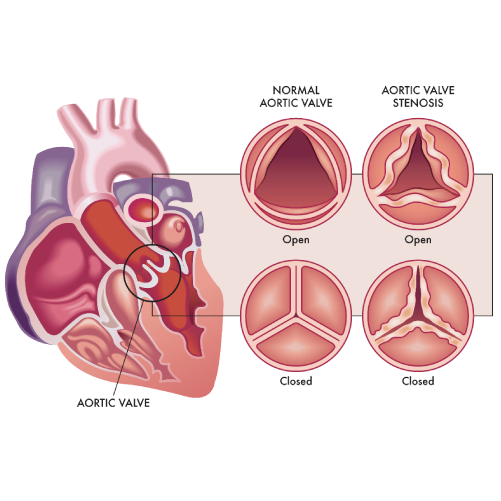
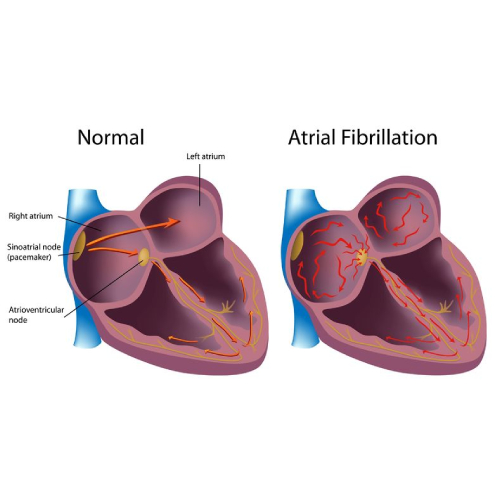
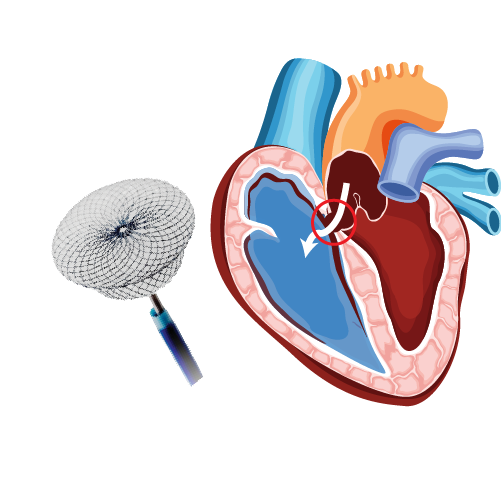
Aortic stenosis occurs when the aortic valve becomes narrowed and does not open normally. This restricts blood flow from the left ventricle into the aorta, making the heart work harder to pump blood throughout the body.
Aortic stenosis may develop because of age-related valve calcification, a bicuspid aortic valve, or congenital abnormalities. Some patients remain stable for years, while others develop symptoms that require closer evaluation and treatment.
Common symptoms may include:
- Breathlessness, particularly during exertion
- Chest pain or pressure
- Dizziness or fainting
- Reduced exercise tolerance
- Fatigue
- Swelling in the legs in some patients
A patient with severe narrowing and new exertional breathlessness, for example, may require more than routine observation and should undergo specialist assessment.
Aortic Stenosis Treatment: When Is Treatment Needed?

Treatment is determined after evaluating the severity of valve disease and its effect on the heart. Echocardiography is central to this assessment, while additional cardiac imaging may be recommended in selected cases.
For patients with mild or moderate disease and no significant symptoms, regular monitoring may be appropriate. Severe symptomatic aortic stenosis generally requires evaluation for valve replacement.
The treatment decision considers:
- Severity of valve narrowing
- Presence and progression of symptoms
- Left ventricular function
- Valve anatomy
- Age and overall health
- Previous cardiac procedures
- Surgical risk
- Suitability for transcatheter treatment
Aortic stenosis should therefore not be treated using a single approach for every patient.
Aortic Valve Replacement: Surgical or Transcatheter?
When valve replacement is indicated, two major approaches are considered: surgical aortic valve replacement and transcatheter aortic valve replacement.
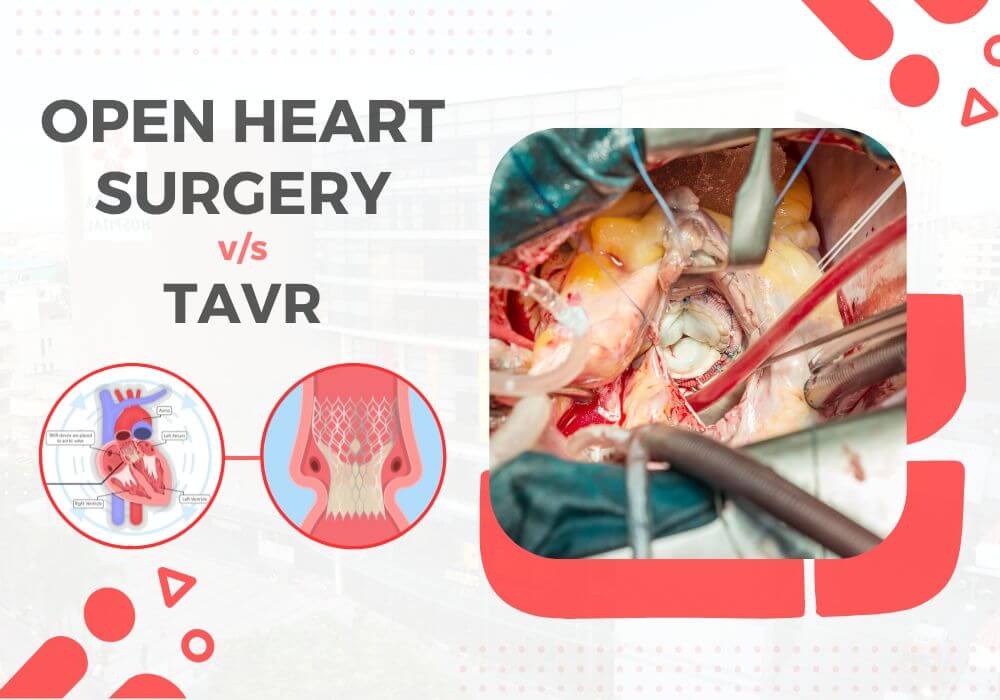
Open Heart Surgery
Surgical aortic valve replacement involves removing the diseased valve and replacing it with a prosthetic valve through cardiac surgery.
This approach may be appropriate when the patient’s anatomy, age, associated cardiac conditions, or other surgical requirements make surgery preferable. A surgical approach can also allow other cardiac problems to be addressed during the same operation when necessary.
TAVR Procedure
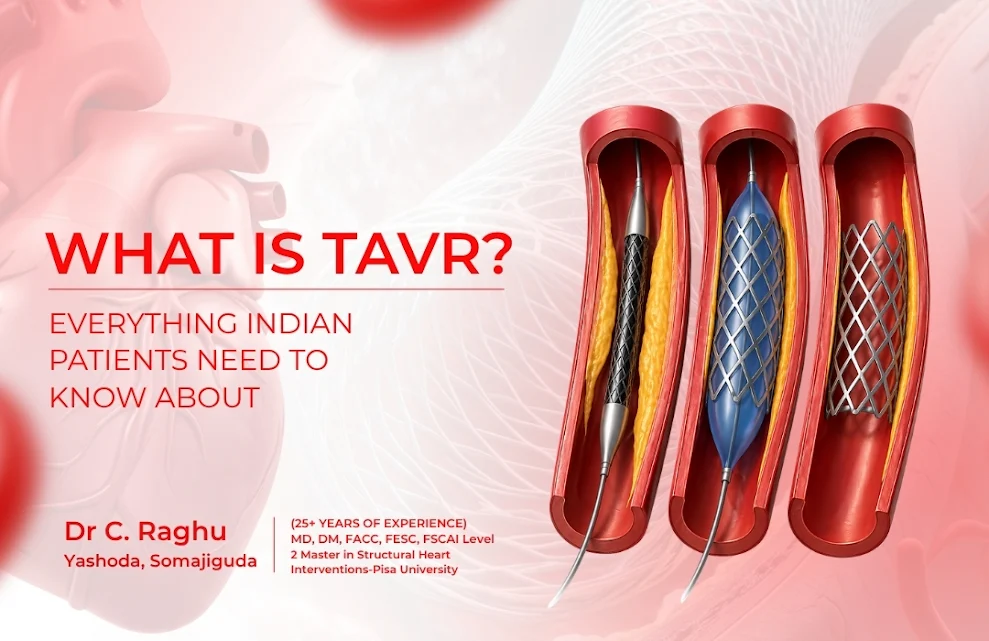
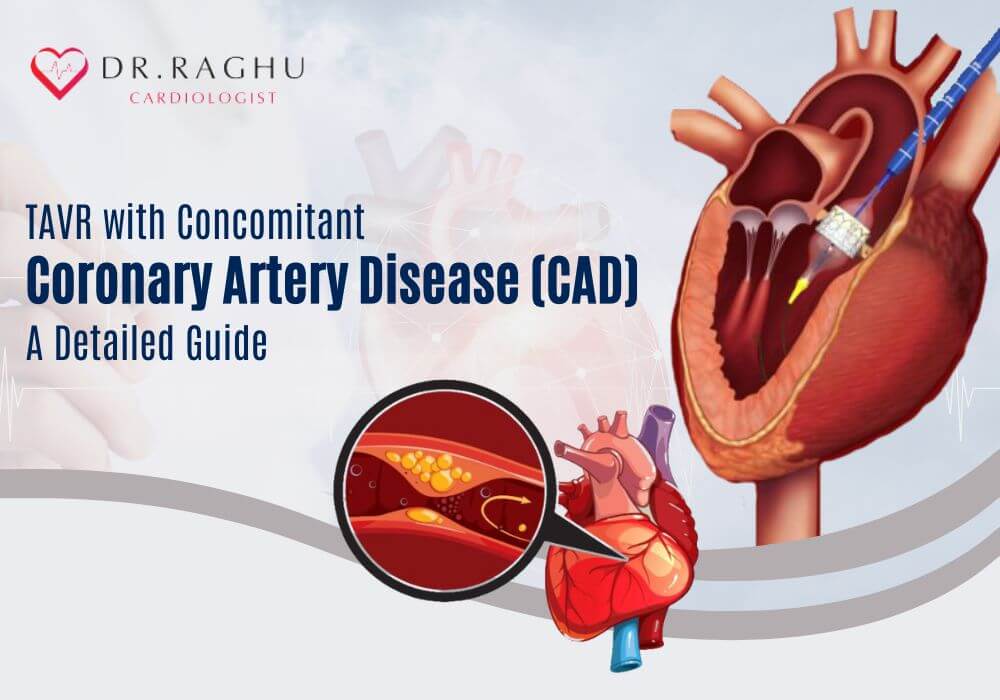
Transcatheter aortic valve replacement (TAVR) is a minimally invasive valve replacement procedure in which a replacement valve is delivered through a catheter, commonly through an artery in the groin.
TAVR can be an important treatment option for appropriately selected patients with severe aortic stenosis. The final decision requires assessment of valve anatomy, vascular access, clinical condition, and the patient’s overall treatment goals.
TAVR vs Open Heart Surgery: How Is the Choice Made?
The question of TAVR vs open heart surgery is highly individual. Neither option should automatically be considered better for every patient.
A heart team may assess:
- Patient age and life expectancy
- Surgical risk
- Aortic valve anatomy
- Bicuspid or tricuspid valve anatomy
- Aorta and vascular access
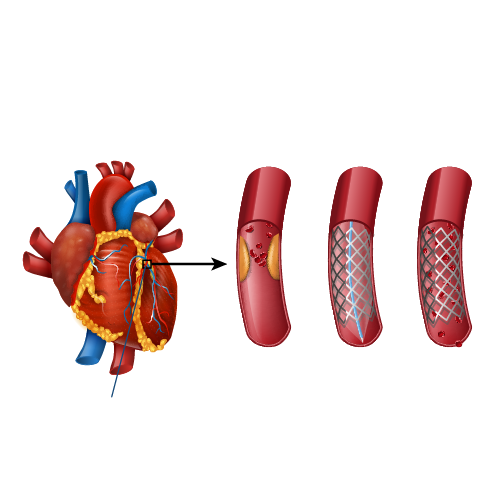
- Existing coronary artery disease
- Previous cardiac surgery
- Potential need for additional cardiac procedures
- Long-term valve considerations
For example, an elderly patient with severe symptomatic aortic stenosis and suitable anatomy may be considered for TAVR, while another patient may benefit more from surgical replacement because of anatomical or associated cardiac factors.
TAVR Valve Types and Patient Selection
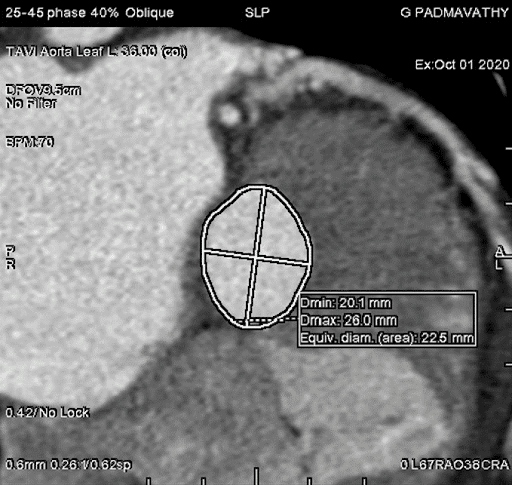
Different transcatheter valves have different designs and deployment characteristics. Valve selection depends on anatomical measurements, the native valve, the aortic root, coronary artery position, vascular access, and other clinical factors.
Who Is Eligible for TAVR?
Eligibility for TAVR cannot be determined by age or symptoms alone. A detailed evaluation is generally required before recommending the procedure.
Assessment may include:
- Echocardiography
- CT-based anatomical evaluation
- Coronary assessment when appropriate
- Vascular access assessment
- Clinical and surgical risk evaluation
- Review by a multidisciplinary heart team
This evaluation helps determine whether TAVR is technically suitable and whether it offers an appropriate treatment pathway for the individual patient.
TAVR Recovery and Possible Complications
One of the reasons TAVR may be considered is that it avoids conventional open-heart surgery in suitable patients. Recovery varies according to age, general health, vascular access, and whether complications occur.
Possible complications can include bleeding or vascular problems, stroke, heart rhythm disturbances requiring a pacemaker, valve-related problems, kidney complications, infection, or other procedure-related events. The individual risk depends on the patient’s clinical and anatomical characteristics.
Patients should discuss expected recovery, medication requirements, follow-up, and warning signs with their treating team before the procedure.
Aortic Stenosis in Bicuspid and Congenital Valves
A bicuspid aortic valve has two leaflets instead of the usual three and can become narrowed over time. Treatment planning can be more complex because valve and aortic anatomy may differ from that seen in typical degenerative aortic stenosis.
Patients with congenital aortic stenosis also require individualized assessment. A bicuspid aortic valve cardiologist or congenital aortic stenosis specialist may be involved depending on the patient’s age, anatomy, associated conditions, and treatment requirements.
How Should Patients Choose an Aortic Stenosis Specialist?
Selecting an aortic stenosis doctor involves more than searching for a general cardiology consultation. Patients may benefit from an aortic stenosis specialist experienced in evaluating valve disease and discussing both surgical and catheter-based treatment options.
A specialist assessment can help clarify:
- Whether the stenosis is mild, moderate, or severe
- Whether symptoms are related to the valve
- Whether valve replacement is required
- Whether TAVR may be suitable
- Whether surgery should be considered
- What additional tests are necessary
Patients searching for the best cardiologist for aortic stenosis should focus on appropriate expertise, multidisciplinary evaluation, procedural experience, and an individualized treatment plan rather than relying on a single treatment method.
TAVR Cost in India and Expected Outcomes
The TAVR cost in India can vary depending on the valve selected, hospital, diagnostic investigations, procedural requirements, length of stay, and individual medical needs. Patients should obtain a procedure-specific estimate from the treating hospital rather than relying on a general online figure.
Similarly, TAVR success and outcomes depend on patient selection, anatomy, clinical condition, procedural factors, and follow-up care. TAVR for elderly patients may be considered when the overall clinical assessment supports a transcatheter approach.
Also read: Best Cardiologist for TAVI-TAVR in Hyderabad
Expert Evaluation Matters
Aortic stenosis can progress from a condition that requires monitoring to one requiring valve replacement. Recognizing symptoms and obtaining timely specialist evaluation can help patients understand when intervention should be considered.
Dr. C. Raghu is a senior interventional cardiologist with experience in structural heart interventions, including TAVR. Patients seeking a personalized assessment can discuss their diagnosis, valve anatomy, available treatment options, and suitability for intervention with his cardiac team.
For detailed information about aortic stenosis treatment and treatment considerations, patients can refer to Dr. C. Raghu’s dedicated clinical resource.
The practical takeaway is simple: the right treatment for aortic stenosis depends on the individual patient. A thorough evaluation can help determine whether monitoring, surgical aortic valve replacement, or TAVR is the most appropriate pathway.
For evaluation and guidance regarding aortic stenosis and valve replacement options, consult Dr. C. Raghu for an individualized cardiac assessment.