
heart-attack-panic-attack.png

August 31, 2026 AbhijitHearty Life

Chest pain can make anyone pause. The difficult part is knowing whether it is chest pain anxiety, a panic attack, or another heart-related problem. For adults in Hyderabad and Telangana, understanding the warning signs can help them respond appropriately and know when to see a cardiologist.

This guide explains the key differences between a heart attack, panic attack, and other forms of chest discomfort, while highlighting symptoms that should never be ignored.

Heart Attack vs Panic Attack: Why the Difference Matters

heart attack symptoms

A heart attack occurs when blood flow to part of the heart muscle becomes blocked, often because of coronary artery disease. Without timely treatment, the affected heart muscle can become damaged.

A panic attack, on the other hand, is a sudden episode of intense fear or anxiety that can produce very physical symptoms. Rapid heartbeat, sweating, breathlessness, and chest tightness can make it feel similar to a cardiac emergency.

The problem is that the symptoms can overlap. Someone experiencing unexplained or severe chest discomfort should not assume it is “just anxiety” without appropriate medical assessment.

Signs of Heart Attack

Heart attack symptoms can vary from person to person. Some people experience obvious chest pressure, while others may mainly notice breathlessness, unusual sweating, or discomfort in another part of the body.

Common signs of heart attack include:

  • Pressure, squeezing, heaviness, or discomfort in the chest
  • Pain or discomfort spreading to the arm, shoulder, back, neck, or jaw
  • Shortness of breath
  • Cold sweating
  • Nausea or vomiting
  • Unusual weakness or extreme tiredness
  • Dizziness or light-headedness
  • A feeling that something is seriously wrong

Chest discomfort that begins during physical activity and improves with rest can also indicate an underlying heart problem and deserves medical evaluation.

Heart Attack Symptoms in Men

Heart attack symptoms in men commonly include chest pressure or discomfort, breathlessness, sweating, and pain that may radiate toward the arm, shoulder, jaw, or back.

However, the absence of dramatic chest pain does not rule out a heart attack. Symptoms can be subtle, particularly in people with other cardiovascular risk factors.

Heart Attack Symptoms in Women

Heart attack symptoms in women may include chest discomfort, but they can also present with less typical symptoms such as unusual fatigue, nausea, shortness of breath, back or jaw discomfort and dizziness.

Because these symptoms can be mistaken for indigestion, stress or exhaustion, persistent or unexplained symptoms should be medically assessed.

Symptoms of Panic Attack

A panic attack can develop suddenly and may produce intense physical sensations. Typical symptoms of panic attack can include:

  • Rapid or pounding heartbeat
  • Chest tightness or discomfort
  • Fast breathing or a feeling of not getting enough air
  • Sweating or trembling
  • Dizziness or light-headedness
  • Tingling or numbness
  • Feeling detached or unreal
  • Sudden intense fear
  • Fear of losing control or dying

Panic-related chest discomfort may occur during a period of intense anxiety and can peak rapidly. However, symptoms alone cannot always reliably distinguish a panic attack from a heart attack.

Chest Pain Anxiety or Heart Attack?

This is one of the most important questions people ask when chest discomfort occurs.

A person may experience chest pain during anxiety, but anxiety does not automatically mean that chest pain is harmless. Similarly, someone with a heart condition can also experience anxiety because of the symptoms they are feeling.

A useful distinction is that panic attacks often involve a sudden surge of fear accompanied by several physical symptoms, while heart-related discomfort may be associated with exertion, pressure or heaviness and radiation to other areas.

But there is no safe self-diagnosis based solely on symptoms.

If chest pain is new, severe, persistent, recurrent, or accompanied by breathlessness, sweating, faintness or pain spreading to the arm, jaw or back, urgent medical attention is appropriate.

Other Chest Pain Causes

Not every episode of chest pain is caused by a heart attack or anxiety. Other possible causes include:

  • Acid reflux or indigestion
  • Muscle strain or chest-wall pain
  • Respiratory infections
  • Asthma or other lung conditions
  • Inflammation around the heart
  • Other cardiovascular conditions

Some cardiovascular problems can also produce chest discomfort without being an acute heart attack. This is why persistent or unexplained chest pain should not simply be attributed to acidity or stress.

When to See a Cardiologist for Chest Pain

A consultation with a heart specialist in Hyderabad may be appropriate when chest discomfort is recurrent, unexplained, or associated with physical activity.

A cardiologist may consider the person’s symptoms, medical history, and cardiovascular risk factors before deciding whether tests such as an ECG, echocardiogram, blood tests, or coronary imaging are appropriate.

People with risk factors for coronary artery disease should be particularly careful about unexplained chest symptoms. A family history of heart disease, diabetes, high blood pressure, high cholesterol, smoking, and other risk factors can influence the level of concern.

For patients searching for the best cardiologist in Hyderabad, the more important consideration is whether the specialist can appropriately evaluate the symptoms and provide a treatment plan suited to the individual’s condition.

Also read: Daily Habit That May Double Heart Attack Risk, Warns Cardiologist 

Do Not Ignore Sudden Chest Pain

Consider a person in Hyderabad who develops heavy chest pressure while climbing stairs. They feel sweaty and short of breath and notice discomfort moving toward the left arm. Assuming that the symptoms are caused by anxiety or acidity could delay potentially important treatment.

Another person may experience sudden chest tightness during an intense episode of fear, with rapid breathing, trembling, and a racing heart. Even in this situation, especially if the symptoms are new or unusually severe, medical evaluation may be necessary to exclude a cardiac cause.

The safest approach is not to guess.

Heart Attack, Panic Attack or Heartache: What Should Be Remembered?

Chest pain has many possible causes, and the symptoms of anxiety and heart disease can overlap. A panic attack can feel frightening, but a heart attack can also present without the classic symptoms people expect.

Anyone experiencing potentially serious or unexplained chest symptoms should seek appropriate medical care rather than relying on online symptom comparisons.

For those looking for a heart specialist in Hyderabad or best cardiologist in Telangana, Dr. C. Raghu provides evaluation and treatment for a range of cardiovascular conditions, including coronary artery disease and complex coronary interventions.

A Practical Takeaway

New, severe, or unexplained chest pain should never be dismissed as anxiety without medical assessment. Recognising the warning signs and seeking timely professional care can make the difference between guessing about the cause and getting the right evaluation.
Aortic-stenosis-treatment-1200x800.png

August 28, 2026 AbhijitHearty Life

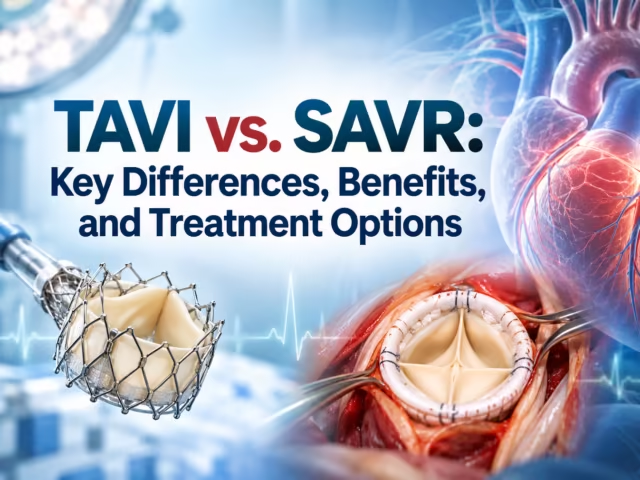
When aortic stenosis treatment starts causing breathlessness, chest discomfort, dizziness, or reduced physical activity, choosing the right treatment becomes an important decision. The appropriate aortic stenosis treatment depends on the severity of valve narrowing, symptoms, age, overall health, valve anatomy, and suitability for catheter-based or surgical treatment. This guide explains the main treatment options, including aortic valve replacement and TAVR, to help patients and healthcare readers understand the decision-making process.

What Is Aortic Stenosis?

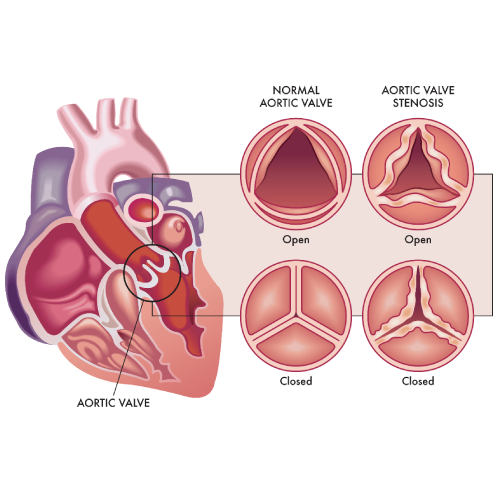
Aortic stenosis occurs when the aortic valve becomes narrowed and does not open normally. This restricts blood flow from the left ventricle into the aorta, making the heart work harder to pump blood throughout the body.

Aortic stenosis may develop because of age-related valve calcification, a bicuspid aortic valve, or congenital abnormalities. Some patients remain stable for years, while others develop symptoms that require closer evaluation and treatment.

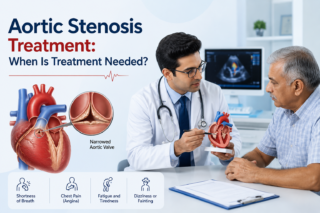
Common symptoms may include:

  • Breathlessness, particularly during exertion
  • Chest pain or pressure
  • Dizziness or fainting
  • Reduced exercise tolerance
  • Fatigue
  • Swelling in the legs in some patients

A patient with severe narrowing and new exertional breathlessness, for example, may require more than routine observation and should undergo specialist assessment.

Aortic Stenosis Treatment: When Is Treatment Needed?

Aortic Stenosis treatment hyderabad

Treatment is determined after evaluating the severity of valve disease and its effect on the heart. Echocardiography is central to this assessment, while additional cardiac imaging may be recommended in selected cases.

For patients with mild or moderate disease and no significant symptoms, regular monitoring may be appropriate. Severe symptomatic aortic stenosis generally requires evaluation for valve replacement.


The treatment decision considers:

  • Severity of valve narrowing
  • Presence and progression of symptoms
  • Left ventricular function
  • Valve anatomy
  • Age and overall health
  • Previous cardiac procedures
  • Surgical risk
  • Suitability for transcatheter treatment

Aortic stenosis should therefore not be treated using a single approach for every patient.

Aortic Valve Replacement: Surgical or Transcatheter?

When valve replacement is indicated, two major approaches are considered: surgical aortic valve replacement and transcatheter aortic valve replacement.

Open Heart Surgery

Surgical aortic valve replacement involves removing the diseased valve and replacing it with a prosthetic valve through cardiac surgery.

This approach may be appropriate when the patient’s anatomy, age, associated cardiac conditions, or other surgical requirements make surgery preferable. A surgical approach can also allow other cardiac problems to be addressed during the same operation when necessary.

TAVR Procedure

Transcatheter aortic valve replacement (TAVR) is a minimally invasive valve replacement procedure in which a replacement valve is delivered through a catheter, commonly through an artery in the groin.

TAVR can be an important treatment option for appropriately selected patients with severe aortic stenosis. The final decision requires assessment of valve anatomy, vascular access, clinical condition, and the patient’s overall treatment goals.

TAVR vs Open Heart Surgery: How Is the Choice Made?

The question of TAVR vs open heart surgery is highly individual. Neither option should automatically be considered better for every patient.

A heart team may assess:

  • Patient age and life expectancy
  • Surgical risk
  • Aortic valve anatomy
  • Bicuspid or tricuspid valve anatomy
  • Aorta and vascular access
  • Existing coronary artery disease
  • Previous cardiac surgery
  • Potential need for additional cardiac procedures
  • Long-term valve considerations

For example, an elderly patient with severe symptomatic aortic stenosis and suitable anatomy may be considered for TAVR, while another patient may benefit more from surgical replacement because of anatomical or associated cardiac factors.

TAVR Valve Types and Patient Selection

Different transcatheter valves have different designs and deployment characteristics. Valve selection depends on anatomical measurements, the native valve, the aortic root, coronary artery position, vascular access, and other clinical factors.

Who Is Eligible for TAVR?

Eligibility for TAVR cannot be determined by age or symptoms alone. A detailed evaluation is generally required before recommending the procedure.

Assessment may include:

  • Echocardiography
  • CT-based anatomical evaluation
  • Coronary assessment when appropriate
  • Vascular access assessment
  • Clinical and surgical risk evaluation
  • Review by a multidisciplinary heart team

This evaluation helps determine whether TAVR is technically suitable and whether it offers an appropriate treatment pathway for the individual patient.

TAVR Recovery and Possible Complications

One of the reasons TAVR may be considered is that it avoids conventional open-heart surgery in suitable patients. Recovery varies according to age, general health, vascular access, and whether complications occur.

Possible complications can include bleeding or vascular problems, stroke, heart rhythm disturbances requiring a pacemaker, valve-related problems, kidney complications, infection, or other procedure-related events. The individual risk depends on the patient’s clinical and anatomical characteristics.

Patients should discuss expected recovery, medication requirements, follow-up, and warning signs with their treating team before the procedure.

Aortic Stenosis in Bicuspid and Congenital Valves

A bicuspid aortic valve has two leaflets instead of the usual three and can become narrowed over time. Treatment planning can be more complex because valve and aortic anatomy may differ from that seen in typical degenerative aortic stenosis.

Patients with congenital aortic stenosis also require individualized assessment. A bicuspid aortic valve cardiologist or congenital aortic stenosis specialist may be involved depending on the patient’s age, anatomy, associated conditions, and treatment requirements.


How Should Patients Choose an Aortic Stenosis Specialist?

Selecting an aortic stenosis doctor involves more than searching for a general cardiology consultation. Patients may benefit from an aortic stenosis specialist experienced in evaluating valve disease and discussing both surgical and catheter-based treatment options.

A specialist assessment can help clarify:

  • Whether the stenosis is mild, moderate, or severe
  • Whether symptoms are related to the valve
  • Whether valve replacement is required
  • Whether TAVR may be suitable
  • Whether surgery should be considered
  • What additional tests are necessary

Patients searching for the best cardiologist for aortic stenosis should focus on appropriate expertise, multidisciplinary evaluation, procedural experience, and an individualized treatment plan rather than relying on a single treatment method.

TAVR Cost in India and Expected Outcomes

The TAVR cost in India can vary depending on the valve selected, hospital, diagnostic investigations, procedural requirements, length of stay, and individual medical needs. Patients should obtain a procedure-specific estimate from the treating hospital rather than relying on a general online figure.

Similarly, TAVR success and outcomes depend on patient selection, anatomy, clinical condition, procedural factors, and follow-up care. TAVR for elderly patients may be considered when the overall clinical assessment supports a transcatheter approach.

Also read: Best Cardiologist for TAVI-TAVR in Hyderabad 

Expert Evaluation Matters

Aortic stenosis can progress from a condition that requires monitoring to one requiring valve replacement. Recognizing symptoms and obtaining timely specialist evaluation can help patients understand when intervention should be considered.

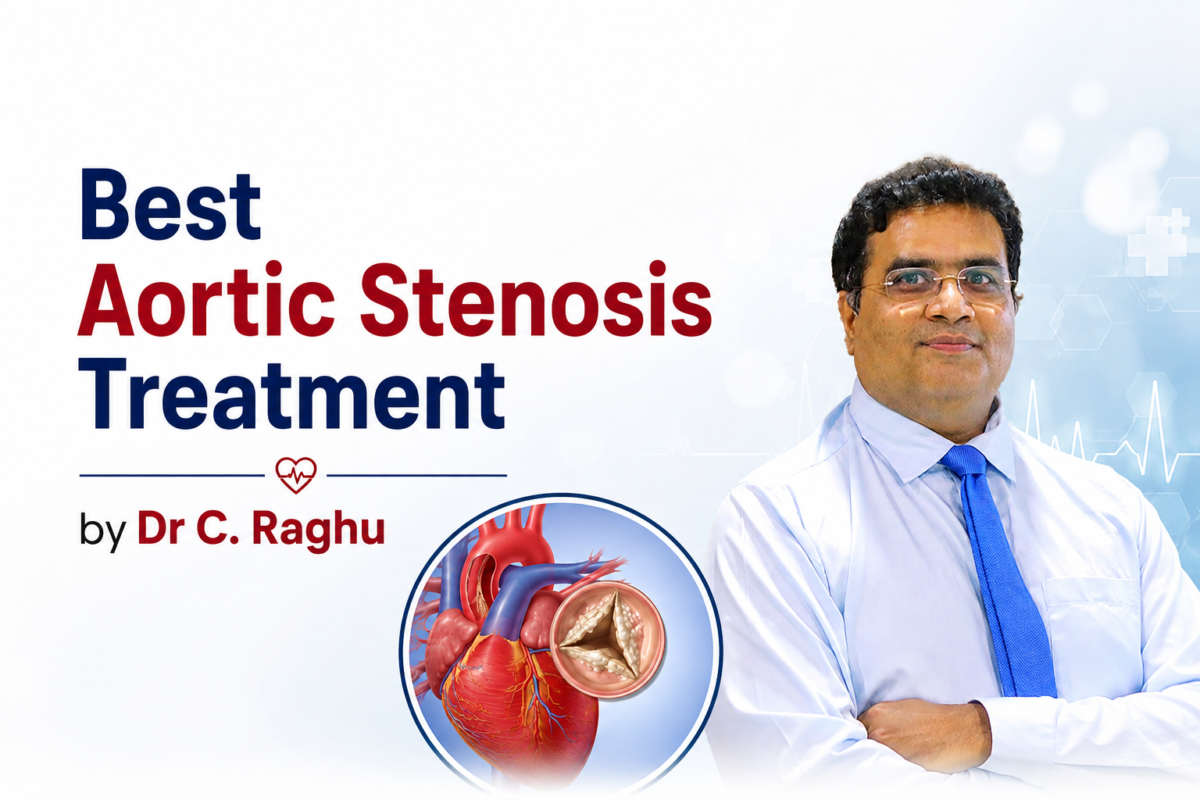
Dr. C. Raghu is a senior interventional cardiologist with experience in structural heart interventions, including TAVR. Patients seeking a personalized assessment can discuss their diagnosis, valve anatomy, available treatment options, and suitability for intervention with his cardiac team.

For detailed information about aortic stenosis treatment and treatment considerations, patients can refer to Dr. C. Raghu’s dedicated clinical resource.

The practical takeaway is simple: the right treatment for aortic stenosis depends on the individual patient. A thorough evaluation can help determine whether monitoring, surgical aortic valve replacement, or TAVR is the most appropriate pathway.

For evaluation and guidance regarding aortic stenosis and valve replacement options, consult Dr. C. Raghu for an individualized cardiac assessment.


August 28, 2026 AbhijitHearty Life

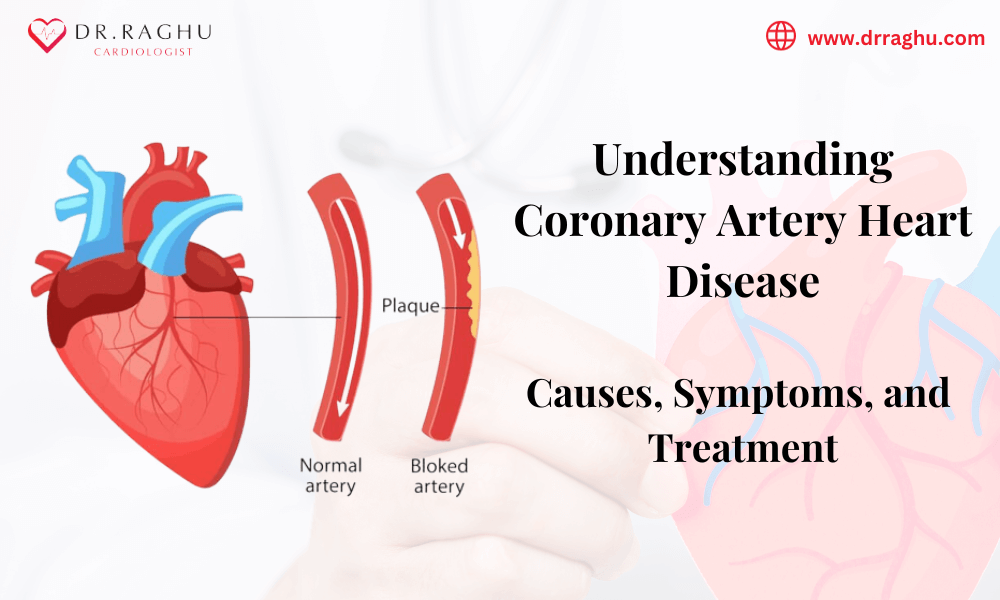
Coronary Artery Heart Disease

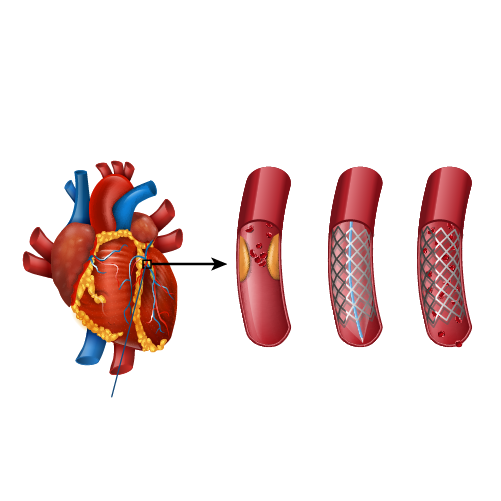
Coronary artery disease (CAD), commonly known as coronary heart disease or simply heart artery disease, is a prevalent and potentially life-threatening cardiovascular condition. It occurs when the coronary arteries, responsible for supplying oxygen and nutrients to the heart muscle, become narrowed or blocked, leading to reduced blood flow. 

In this article, we will delve into the causes, risk factors, symptoms, complications, and treatment options of coronary artery heart disease.

Causes and Risk Factors of Coronary Artery Disease

CAD primarily develops due to atherosclerosis, a process where fatty deposits, cholesterol, and other substances accumulate on the inner walls of coronary arteries. That, in turn, leads to the formation of plaque. It can restrict blood flow to the heart muscle and lead to various complications. 

The following factors increase the risk of developing CAD:

  • Smoking: Tobacco smoke contains harmful chemicals that damage the lining of blood vessels, contributing to atherosclerosis.
  • Hypertension: Elevated blood pressure puts added stress on the coronary arteries, making them more susceptible to damage.
  • High cholesterol levels: An excess of low-density lipoprotein (LDL) cholesterol in the blood increases the risk of plaque formation.
  • Diabetes: Individuals with diabetes have a higher risk of developing CAD due to elevated blood sugar levels that can damage blood vessels.
  • Obesity: Excess body weight can lead to conditions such as hypertension and diabetes, both of which are CAD risk factors.
  • Family history: A family history of CAD can indicate a genetic predisposition to the condition.
  • Age and gender: The risk of CAD increases with age. Men are generally at a higher risk than women, although women’s risk rises after menopause.
  • Physical inactivity: Lack of regular exercise contributes to obesity and increases CAD risk.

Symptoms of Coronary Artery Heart Disease

The symptoms of CAD can vary widely and may not always be apparent until the disease has progressed. Common symptoms include:

  • Angina: Chest pain or discomfort, often described as a squeezing or pressure-like sensation. It is typically triggered by physical activity or emotional stress.
  • Shortness of breath: Especially during physical activity or when lying down, this can be a sign of reduced blood flow to the heart.
  • Fatigue: Unexplained tiredness, often associated with CAD, as the heart struggles to pump blood efficiently.
  • Other symptoms include pain in the arms and shoulders, lightheadedness, and general weakness. Many patients also report breaking into a cold sweat.

Coronary Artery Disease Complications

Heart artery disease can lead to several complications, which can quickly turn life-threatening. The most common complications include:

  • Heart attack: When blood flow to a part of the heart is completely blocked, it can result in a heart attack, causing damage to the heart muscle.
  • Arrhythmias: Irregular heart rhythms can develop due to CAD, potentially leading to life-threatening conditions like ventricular fibrillation.
  • Congestive heart failure: CAD can weaken the heart, reduce its ability to pump blood effectively, and ultimately lead to congestive heart failure.
  • Stroke: CAD increases the risk of blood clots forming in the coronary arteries, which can break free and travel to the brain, causing a stroke.

Coronary Artery Disease Treatments

Managing CAD involves addressing risk factors, alleviating symptoms, and preventing complications. Heart artery disease treatment options include the following:

  • Lifestyle changes: Adopting a heart-healthy lifestyle, including quitting smoking, eating a balanced diet, engaging in regular physical activity, and maintaining a healthy weight.
  • Medications: Doctors may prescribe medications to lower blood pressure and cholesterol levels and manage diabetes. Aspirin and other blood-thinning medications can help reduce the risk of blood clots.
  • Cardiac rehabilitation: It combines exercise, education, and counseling to help individuals recover from a heart attack, manage symptoms, and improve overall heart health.
  • Interventional procedures: In cases of severe blockages, procedures such as angioplasty and stent placement can help restore blood flow to the heart.
  • Coronary artery bypass grafting (CABG): This surgical procedure involves rerouting blood around blocked arteries using healthy blood vessels from other parts of the body.

Conclusion

Coronary artery disease is a prevalent and potentially life-threatening condition that affects millions of people worldwide. Understanding the causes, risk factors, symptoms, complications, and treatment options is crucial for managing this chronic disease effectively.

By adopting a heart-healthy lifestyle, seeking medical advice, and adhering to prescribed treatments, individuals can reduce their risk, alleviate symptoms, and improve their overall quality of life while living with CAD. Regular check-ups and early intervention are key to managing this condition and preventing its serious complications.

Dr. C Raghu is a renowned heart specialist who is regarded as the best cardiologist in Hyderabad. If you or anyone you know is looking for effective heart artery disease treatment, feel free to reach out to Dr. Raghu today.

Book Online Consultaion


    Understanding Coronary Artery Heart Disease: Causes, Symptoms, and Treatment

    DOWNLOAD PDF

    Subscribe the Hearty Life Blogs

      dr. raghu

      DR. RAGHU | Best Cardiologist in Hyderabad

      MD, DM, FESC, FACC, FSCAI

      Cardiology Coronary, Vascular and

      Structural Interventions


      Conditions & Diseases

      Coronary angioplasty

      Angioplasty

      Coronary angioplasty

      Aortic Stenosis

      Coronary angioplasty

      Atrial Fibrillation

      Coronary angioplasty

      Atrial Septal Defect


      View More Services


      second-opinion-before-heart-valve-surgery.webp

      August 26, 2026 AbhijitHearty Life

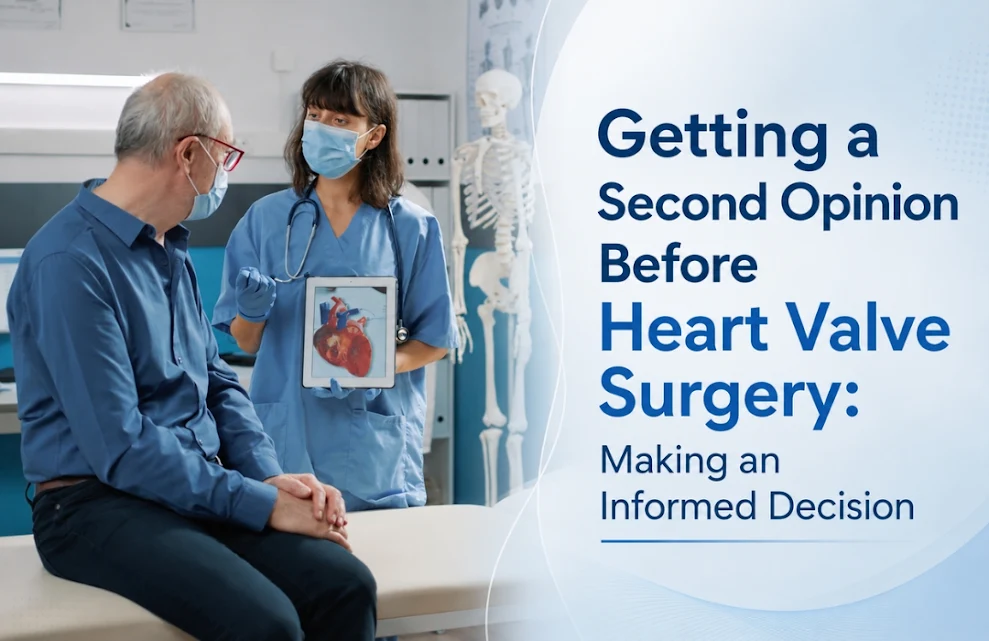
      A heart valve diagnosis can create uncertainty for patients and their families. When heart valve surgery is recommended, patients may have questions about the diagnosis, available procedures, surgical risks, recovery, and whether another treatment option may be appropriate. Seeking a second medical opinion can provide additional clarity and help patients make an informed decision based on their individual condition.

      A second opinion does not necessarily mean that the first recommendation is incorrect. It offers an opportunity to review the diagnosis, understand the severity of the valve problem, and discuss whether surgical or catheter-based treatment is suitable.

      Why Consider a Second Opinion Before Heart Valve Surgery?
       heart valve surgery

      Heart valve disorders can vary considerably from one patient to another. The appropriate treatment depends on factors such as the affected valve, severity of disease, symptoms, age, heart function, other medical conditions, and previous cardiac procedures.

      Before proceeding with heart valve surgery, a second opinion may help clarify:

      • Whether the diagnosis is accurate and complete
      • How severe the valve disease is
      • Whether treatment is required immediately or can be monitored
      • Whether open heart surgery is necessary
      • Whether a minimally invasive or catheter-based procedure may be suitable
      • What recovery may involve
      • What the expected benefits and potential risks of treatment are

      This additional evaluation can be particularly relevant for patients who have been advised to undergo complex valve procedures.

      Understanding Different Heart Valve Treatment Options

      The term “heart valve treatment” includes several approaches. Traditional surgical valve repair or replacement may be appropriate for certain patients, while others may qualify for catheter-based interventions.

      For patients with severe aortic stenosis, Transcatheter Aortic Valve Replacement (TAVR) may be considered in appropriate circumstances. TAVR involves replacing the diseased aortic valve through a catheter rather than conventional open-heart surgery.

      Patients should not assume that TAVR or surgery is automatically better. A specialist assessment is necessary to determine the most appropriate treatment based on clinical findings and imaging results.

      When Is TAVR Considered?

      TAVR is primarily used for selected patients with significant aortic valve disease, particularly aortic stenosis. Factors such as age, surgical risk, anatomy, valve characteristics, associated diseases, and overall health can influence treatment selection.

      A consultation with a TAVR expert in Hyderabad can help eligible patients understand whether transcatheter valve replacement may be an option. A TAVR expert may evaluate echocardiography, CT imaging, cardiac catheterization findings, and other clinical information before recommending a treatment pathway.

      The decision should be individualized rather than based solely on age or a single test result.

      Second Opinion for Mitral Valve Disease
      second opinion mitral valve disease

      Mitral valve disease may also require careful evaluation. Mitral stenosis, for example, can restrict blood flow through the heart and may produce symptoms such as breathlessness, fatigue, or reduced exercise tolerance.

      Depending on the severity and anatomy of the valve, treatment options can include medication for symptom management, balloon procedures, valve repair, or surgery.

      Patients seeking mitral valve stenosis treatment may benefit from discussing all appropriate options with a qualified specialist. In selected cases, balloon mitral valvotomy may be considered, while other patients may require mitral valve surgery.

      The choice depends on detailed clinical and imaging assessment.

      What Should Patients Take to a Second-Opinion Consultation?

      A second-opinion consultation becomes more useful when the specialist has access to the patient’s complete medical information. Patients should ideally carry:

      • Echocardiography reports and images
      • CT or MRI reports, where applicable
      • Coronary angiography or catheterization records
      • Previous medical and surgical history
      • Current medication list
      • Blood test reports
      • Previous hospital discharge summaries
      • Details of symptoms and their progression

      These records allow the specialist to review the case more comprehensively rather than relying only on a written diagnosis.

      Choosing the Right Specialist

      Patients should consider consulting a cardiologist or cardiac specialist with experience relevant to their specific valve condition. A cardiologist in Hyderabad can assess the cardiovascular aspects of the condition, while patients requiring procedural or surgical evaluation may need consultation with an appropriately trained cardiac intervention or surgical team.

      For patients researching a heart surgeon in Hyderabad, it is important to consider the specialist’s experience with the specific valve disorder and the treatment options being considered. the best cardiologist

      Patients may also search for the best cardiologist in Hyderabad or Best cardiologist in Somajiguda, but treatment decisions should be based on clinical expertise, appropriate evaluation, and the individual patient’s medical needs rather than rankings or promotional claims.

      Questions to Ask During a Second Opinion

      Patients can make the consultation more productive by asking direct questions, such as:

      1. What type and severity of valve disease is present?
      2. Is heart valve surgery currently necessary?
      3. Can the valve be repaired, or does it require replacement?
      4. Is catheter-based treatment an option?
      5. Would TAVR/TAVI be appropriate in this case?
      6. What are the potential benefits and risks of each treatment?
      7. What could happen if treatment is delayed?
      8. What type of follow-up and recovery will be required?

      Understanding these points can help patients and families participate more confidently in treatment decisions.

      Also read: Why Get a Second Opinion on Heart Problems? When & How 

      Making an Informed Heart Valve Treatment Decision

      A second opinion is an important part of informed decision-making when major cardiac treatment is being considered. It can help patients understand their diagnosis, compare suitable treatment approaches, and clarify why a particular procedure has been recommended.

      For conditions ranging from aortic stenosis to mitral valve disease, heart valve disease treatment should be individualized according to clinical findings, imaging, symptoms, overall health, and procedural suitability.

      Patients considering heart valve surgery, TAVR, or other valve interventions can seek a detailed evaluation from Dr. C. Raghu, Clinical Director & Senior Interventional Cardiologist in Hyderabad, for an informed discussion about appropriate treatment options.

      If you or a family member has been advised to undergo heart valve treatment, consult Dr. C. Raghu for a comprehensive cardiac evaluation and second opinion before making an important treatment decision.


      WhatsApp-Image-2026-08-17-at-15.29.37.jpeg

      August 17, 2026 AbhijitHearty Life

      Biomarkers in ACS play an important role in identifying heart muscle injury and supporting the diagnosis and risk assessment of acute coronary syndrome (ACS). Among the available cardiac biomarkers, cardiac troponin—particularly high-sensitivity cardiac troponin (hs-cTn)—is central to the modern evaluation of patients with suspected ACS.

      What Is Acute Coronary Syndrome?

      Acute coronary syndrome is a group of conditions caused by a sudden reduction in blood flow to the heart muscle. It includes unstable angina, non-ST-segment elevation myocardial infarction (NSTEMI), and ST-segment elevation myocardial infarction (STEMI).

      Symptoms may include chest discomfort, breathlessness, sweating, nausea, or pain spreading to the arm, shoulder, jaw, or back. Because symptoms can vary, clinical assessment is combined with an electrocardiogram (ECG) and blood tests.

      What Are Biomarkers in ACS?
      High-Sensitivity Troponin Important

      Biomarkers in ACS are measurable substances in the blood that can provide evidence of myocardial injury. The most clinically important biomarker is cardiac troponin, a protein released into the bloodstream when heart muscle cells are damaged.

      The two major forms used clinically are cardiac troponin I and cardiac troponin T. Modern high-sensitivity cardiac troponin assays can detect much smaller concentrations of troponin than earlier tests, allowing clinicians to identify myocardial injury earlier and more accurately.

      However, an elevated troponin concentration does not automatically mean that a patient has had a heart attack. Troponin can also rise in conditions such as heart failure, myocarditis, pulmonary embolism, kidney disease, severe infection, or sustained rapid heart rhythms. Therefore, results must be interpreted alongside symptoms, ECG findings, medical history, imaging, and changes in troponin levels over time.

      Why Is High-Sensitivity Troponin Important?

      High-sensitivity cardiac troponin has become an important component of acute coronary syndrome diagnosis. It can detect low concentrations of cardiac troponin and help clinicians identify or rule out myocardial infarction more efficiently.

      Instead of relying only on a single blood test, clinicians commonly assess the troponin concentration at presentation and, when appropriate, repeat it after a defined interval. The change between measurements—often referred to as the delta troponin—can provide additional information about an acute process.

      This approach is particularly relevant to the diagnosis of NSTEMI, where there may be no persistent ST-segment elevation on the ECG.

      High-Sensitivity Troponin Algorithms

      High-sensitivity troponin algorithms use specific hs-cTn measurements and changes over time to help classify patients with suspected ACS. Depending on the assay and clinical setting, protocols may use very early measurements followed by repeat testing after a short interval.

      A troponin algorithm can help place patients into broad clinical categories, such as:

      • Patients in whom acute myocardial infarction can be ruled out.
      • Patients who require additional observation and testing.
      • Patients with findings that support an acute myocardial infarction and require urgent management.

      The exact thresholds and timing vary according to the specific assay, laboratory, clinical protocol, and patient characteristics. Therefore, hs-cTn results should not be interpreted independently.

      Troponin for Acute Coronary Syndrome

      Troponin for acute coronary syndrome is valuable because it provides objective evidence of myocardial injury. A rise and/or fall in cardiac troponin, together with clinical evidence of myocardial ischemia, is central to diagnosing acute myocardial infarction.

      It is important to distinguish myocardial injury from myocardial infarction. An elevated hs-cTn level indicates myocardial injury, while myocardial infarction requires evidence that the injury is related to myocardial ischemia.

      This distinction helps prevent overdiagnosis and ensures that patients receive an appropriate evaluation for the underlying cause.

      Other ACS Biomarkers

      Although cardiac troponin is the preferred biomarker for suspected myocardial infarction, researchers have studied several other ACS biomarkers, including creatine kinase-MB and myoglobin.

      Creatine kinase-MB has historically been used to detect myocardial injury but is less specific than cardiac troponin. Myoglobin can rise early after muscle injury but lacks cardiac specificity. For these reasons, contemporary clinical practice generally places cardiac troponin at the center of biomarker-based assessment.

      How Are Biomarkers Used With Other Tests?

      A reliable acute coronary syndrome diagnosis does not depend on biomarkers alone. Healthcare professionals consider several factors together:

      1. Symptoms and medical history – The nature, duration, and associated features of chest discomfort are assessed.
      2. ECG – An ECG can identify ischemic changes and may immediately indicate STEMI.
      3. hs-cTn testing Initial and repeat measurements help assess myocardial injury.
      4. Clinical examination: Blood pressure, heart rate, oxygenation, and other findings provide additional information.
      5. Imaging and coronary evaluation: Echocardiography, coronary CT angiography, or invasive coronary angiography may be considered when clinically appropriate.

      This combined approach is particularly important because a normal initial troponin result does not always exclude ACS when testing occurs very early after symptom onset.

      When Should Medical Attention Be Sought?

      New or unexplained chest pressure, severe breathlessness, fainting, cold sweating, or discomfort spreading to the arm, jaw, shoulder, or back may indicate a serious cardiac problem. Such symptoms require urgent medical assessment rather than relying on an online explanation or waiting for symptoms to resolve.

      Early evaluation can allow clinicians to perform an ECG and appropriate blood tests, including hs-cTn, and determine whether further emergency treatment is required.

      Conclusion

      Biomarkers in ACS, particularly hs-cTn, have transformed the assessment of suspected acute coronary syndrome. High-sensitivity cardiac troponin allows clinicians to detect myocardial injury at lower concentrations and use structured high-sensitivity troponin algorithms to support rapid clinical decision-making.

      Nevertheless, troponin results must always be interpreted in context. Symptoms, ECG findings, serial measurements, medical history, and other investigations remain essential for accurate diagnosis and appropriate treatment.

      For expert evaluation of suspected coronary disease or acute cardiac symptoms, consultation with a qualified specialist such as the best cardiologist in Hyderabad can help ensure timely and appropriate cardiac assessment.

      For cardiac consultation and evaluation, contact Dr. C. Raghu, Clinical Director & Senior Interventional Cardiologist at Yashoda Hospitals, Secunderabad.

      Click here for more information on  YouTube: https://youtu.be/zhvamAmo3JA?si=sV8GaWWPjUA8Cjhj

      Important: This article on biomarkers in ACS is intended for general educational and informational purposes only and does not replace professional medical advice, diagnosis, or treatment. If you or someone around you develops symptoms suggestive of a heart attack, such as chest pain or pressure, severe breathlessness, sweating, nausea, or pain spreading to the arm, jaw, shoulder, or back, seek emergency medical care immediately.


      August 12, 2026 AbhijitHearty Life

      If breathlessness on stairs, fatigue that won’t lift, or a racing heartbeat has sent you searching for answers, and a doctor has mentioned  balloon mitral valvotomy and mitral valve stenosis in the same sentence, you’re likely trying to understand balloon mitral valvotomy for your daily life  not just your test report. This article breaks down what balloon mitral valvotomy is, who it helps, what the procedure and recovery look like, and the questions worth asking your cardiologist before deciding.

      What Is Mitral Valve Stenosis?
      Mitral valve stenosis

      The mitral valve sits between the heart’s left atrium and left ventricle, controlling blood flow between the two chambers. In mitral valve stenosis, this valve narrows and stiffens, most often due to rheumatic heart disease from an earlier, sometimes unnoticed, episode of rheumatic fever. As the opening narrows, the heart has to work harder to push blood through, which can lead to breathlessness, fatigue, palpitations, and, in advanced cases, fluid buildup in the lungs or legs.

      Because symptoms often develop gradually, many patients live with a narrowing valve for years before it’s picked up frequently during a routine check-up or an echocardiogram done for an unrelated reason.

      What Is Balloon Mitral Valvotomy?

      balloon mitral valvotomy

      Balloon mitral valvotomy—also called percutaneous balloon mitral valvotomy or PBMV—is a catheter-based procedure used to widen a narrowed mitral valve without open-heart surgery. A thin catheter with a deflated balloon at its tip is guided through a vein, typically from the groin, up into the heart and across the mitral valve. Once positioned, the balloon is inflated to gently separate the fused valve leaflets, improving blood flow.

      It’s performed under local anesthesia with the patient conscious, usually takes a couple of hours, and is done in a cardiac catheterization lab rather than an operating theater.

      Also read: What is CTEPH? Rare Disease Explained Simply.

      Why It’s Often Preferred Over Open-Heart Surgery

      For eligible patients, percutaneous balloon mitral valvotomy offers a meaningfully different recovery experience compared to surgical valve repair or replacement:

      • No large chest incision or use of a heart-lung machine
      • Shorter hospital stay in most cases
      • Faster return to routine activities
      • Lower procedural risk profile for suitable candidates
      • The valve is preserved rather than replaced

      This doesn’t mean balloon mitral valvotomy suits everyone — valve anatomy, calcium deposits, and the degree of regurgitation all factor into eligibility, which is exactly why a detailed pre-procedure evaluation matters.

      Who Is a Good Candidate for Balloon Mitral Valvotomy?

      Not every case of mitral valve stenosis calls for balloon mitral valvotomy. Cardiologists typically assess candidacy using echocardiographic scoring systems that look at leaflet mobility, thickness, calcification, and involvement of the valve’s supporting structures. Patients with pliable, minimally calcified valves and no significant mitral regurgitation tend to be the best candidates.

      Balloon mitral valvotomy is commonly considered for:

      • Patients with moderate to severe mitral valve stenosis causing symptoms
      • Younger patients who want to avoid or delay valve replacement
      • Pregnant women with symptomatic stenosis, where surgery carries added risk
      • Patients who are poor candidates for open-heart surgery due to other health conditions

      If the valve is heavily calcified, badly scarred, or accompanied by significant regurgitation, valve repair or replacement surgery may be the more durable option  something your cardiologist will weigh against percutaneous balloon mitral valvotomy during evaluation.

      Also Read: What is chronic total occlusion? Under Chip CTO angioplasty

      What to Expect: Procedure and Recovery

      On the day of the procedure, patients are usually awake but sedated, with local anesthesia at the catheter insertion site. Real-time imaging, often a combination of fluoroscopy and echocardiography, helps guide the catheter and balloon precisely across the valve.

      After the procedure, most patients are monitored for a short period and can typically go home within a day or two, depending on their overall condition and how the heart responds. Recovery is generally faster than after open-heart surgery, with many people resuming normal activity within a week, though your cardiologist will set the exact timeline based on your case.

      Follow-up echocardiograms are important afterward to confirm the valve is functioning well and to monitor for restenosis, which can occur over time in some patients.

      Living With Mitral Valve Stenosis: Beyond the Procedure

      Whether or not balloon mitral valvotomy is the right path, ongoing care matters. Patients with a history of rheumatic fever may need long-term antibiotic prophylaxis to prevent recurrence. Regular monitoring, awareness of symptom changes, and coordination with a cardiologist familiar with structural heart disease all play a role in long-term outcomes.

      This is also where continuity of care counts — working with an experienced cardiologist in Hyderabad who understands structural valve disease, alongside coronary artery disease specialists and congenital aortic stenosis specialists in Hyderabad, can make follow-up decisions clearer, especially if symptoms evolve or a second opinion is needed down the line. Patients across the country often look for a trusted best cardiologist in India who can offer this kind of integrated, long-term valve care rather than a one-time consultation.

      Questions Worth Asking Your Cardiologist

      Before deciding on balloon mitral valvotomy versus surgery, it helps to walk into that conversation prepared:

      • Is my valve anatomy suitable for balloon valvotomy, based on imaging?
      • What are the specific risks in my case?
      • How long is a typical recovery for someone in my situation?
      • What are the chances the valve narrows again later, and how would that be managed?
      • What symptoms should prompt me to call sooner rather than wait for my next appointment?

      The Bottom Line

      Balloon mitral valvotomy has given many patients with mitral valve stenosis a way to feel better and stay active without the recovery burden of open-heart surgery  but it’s not a one-size-fits-all answer. The right choice depends on your specific valve anatomy, symptoms, and overall health, which is why a thorough evaluation with an experienced cardiology team is the real starting point, not the procedure itself. Many patients researching the top 5 cardiologists in Hyderabad are simply trying to find someone they can trust with exactly this kind of decision.

      If you’ve been told you have mitral valve stenosis, don’t wait on the breathlessness or fatigue to get worse  book a consultation with Dr. C. Raghu to get a detailed valve assessment and find out whether balloon mitral valveotomy is the right fit for you.


      Dr raghu logo


      Dr raghu logo


      Call us now if you are in a medical emergency need, we will reply swiftly and provide you with a medical aid.


      For Appointment with Dr Raghu: +91 80085 36699
      Dr Raghu’s Patient Coordinator: +91 72860 10203
      Dr Raghu’s Office Experience: +91 90001 65962
      Dr Raghu’s Social Media Communication Channel: +91 97046 51708

      Dr. Raghu | Heart Specialist in Hyderabad
      Yashoda Hospitals, Raj Bhavan Road, Somajiguda, 1st floor, Room No. 115, Hyderabad -500082, Telangana

      Best Cardiologists in Hyderabad


      © 2024, Dr. Raghu. All rights reserved. Design & Developed by AMSDigital.in

      [gtranslate]
      +91-9542475650