Heart-specialist-in-Hyderabad-reviewing-a-coronary-angiogram-with-a-myocardial-infarction-patient.jpg

April 21, 2026 AbhijitHearty Life

Heart Attack Crisis — and Why Every Family Needs to Understand It

Heart Attack Causes is the leading cause of death in India, and at the centre of that epidemic is a single, time-critical event: the myocardial infarction, more commonly known as a heart attack. India loses hundreds of thousands of lives to heart attacks every year — and a significant proportion of those deaths are preventable. The problem is not a lack of treatment options. India now has access to world-class cardiac interventions, including coronary angioplasty, drug-eluting stents, and advanced surgical options. The problem, far too often, is delay — delayed recognition of symptoms, delayed calls for emergency help, and delayed arrival at a cardiac centre capable of acting.

Understanding what a myocardial infarction is, how it presents, and what modern treatment looks like is not just useful medical knowledge. For millions of Indian families, it is information that could one day make the difference between life and death.

What Is a Myocardial Infarction?

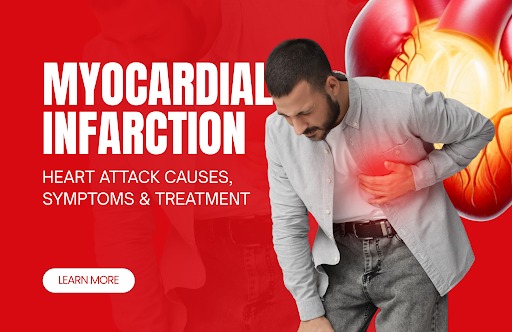
A myocardial infarction occurs when blood supply to a portion of the heart muscle is suddenly cut off. The heart is supplied by the coronary arteries — a network of vessels that sit on the heart’s surface and deliver the oxygen-rich blood the muscle needs to keep beating. When one of those arteries becomes blocked, the heart muscle it supplies begins to die within minutes.

The blockage is almost always caused by coronary artery disease. Over years, fatty deposits called plaque build up inside the coronary artery walls — a process known as atherosclerosis. When a plaque ruptures suddenly, the body’s clotting system responds, forming a blood clot at the rupture site. That clot can block the artery entirely, triggering a heart attack.

Time is muscle. Every minute the artery remains blocked, more cardiac muscle dies — and that damage is permanent. This is why the speed of recognition, emergency response, and intervention determines the long-term outcome as much as any specific treatment decision.

Recognising the Symptoms of a Heart Attack Causes

Heart attacks do not always look the way they do in films. While the dramatic crushing chest pain that radiates to the left arm is a genuine presentation, it is far from the only one. Recognising the full range of symptoms — and taking them seriously — is the first step toward acting in time.

  1. Chest pain or pressure is the most common symptom. Patients describe it as a heaviness, tightness, squeezing, or burning sensation in the centre of the chest. The pain may radiate to the left arm, shoulder, neck, jaw, or back. It typically lasts more than a few minutes, or it may ease and return. A cold sweat, nausea, or dizziness frequently accompanies it.
  2. Shortness of breath may occur alongside chest discomfort or, in some cases, as the dominant symptom. When the heart cannot pump efficiently due to a blocked artery, the lungs begin to back up — and the patient feels breathless, even at rest.
  3. Fatigue and dizziness are symptoms that are easily dismissed, particularly in younger patients and women. A sudden and unexplained exhaustion, or lightheadedness without obvious cause, can be an early signal that the heart is under serious stress.
  4. Nausea and vomiting appear in a meaningful proportion of heart attack patients, particularly those with inferior wall infarctions. These symptoms add to the confusion at presentation, sometimes leading patients — and even non-specialist doctors — to attribute the episode to a gastrointestinal cause.

Any of these symptoms, appearing suddenly and without a clear explanation, should prompt an immediate call to emergency services. They should never be waited out at home.

The Silent Heart Attack: When There Are No Warning Signs

A silent myocardial infarction is one that occurs with no obvious or recognisable symptoms. The patient does not experience chest pain, breathlessness, or any of the classical warning signs. The heart attack happens — muscle is lost — and the patient remains unaware until an ECG or cardiac investigation reveals old damage weeks, months, or years later.

Silent heart attacks are more common in patients with diabetes, in older adults, and in women. They are not minor events. They carry the same risk of future heart failure, arrhythmia, and death as symptomatic infarctions — and because they go unrecognised, they are often untreated. Regular cardiac check-ups are therefore not optional for high-risk individuals; they are essential.

Who Is at Risk and Why

Myocardial infarction is rarely a random event. In the overwhelming majority of cases, a heart attack is the endpoint of a disease process that began years or decades earlier — one that is driven by identifiable and modifiable risk factors.

  1. High blood pressure damages the lining of coronary arteries over time, accelerating the formation of plaque and increasing the risk of plaque rupture. It is one of the most prevalent and under-treated risk factors for heart attack in India.
  2. High cholesterol, particularly elevated LDL cholesterol, directly feeds the atherosclerotic process. Fatty deposits cannot build up in arterial walls without the raw material that circulating LDL provides.
  3. Smoking damages blood vessels, increases clotting tendency, reduces oxygen-carrying capacity of the blood, and accelerates coronary artery disease at every stage. There is no safe level of tobacco use when it comes to cardiovascular risk.
  4. Diabetes and insulin resistance — conditions with extraordinarily high prevalence in India — damage coronary arteries through multiple mechanisms, and diabetic patients with heart attacks tend to present atypically and fare worse without aggressive management.
  5. Sedentary behaviour reduces cardiovascular fitness, worsens cholesterol profiles, and contributes to weight gain, hypertension, and insulin resistance — creating a cluster of risk factors that compounds over time.

Managing these risk factors — ideally with the guidance of a heart Hospital in Hyderabad — is the most effective form of heart attack prevention available.

Types of Myocardial Infarction

Not all heart attacks are the same, and the distinction between types matters for treatment decisions.

STEMI (ST-elevation myocardial infarction) is the most severe form. The coronary artery is completely blocked, blood flow to the affected muscle has ceased entirely, and the ECG shows characteristic ST elevation. STEMI is a cardiac emergency requiring the fastest possible intervention — ideally primary coronary angioplasty with stent implantation within 90 minutes of first medical contact.

NSTEMI (Non-ST-Elevation Myocardial Infarction) involves partial rather than complete arterial blockage. Blood flow is reduced but not fully stopped. The ECG does not show ST elevation, but blood tests reveal elevated troponin — confirming that cardiac muscle is being damaged. NSTEMI requires urgent assessment and typically leads to coronary angiography and intervention within 24 to 72 hours.

How Heart Attacks Are Diagnosed

The diagnostic process combines clinical assessment, electrical recordings, and biochemical testing.

An electrocardiogram (ECG) records the heart’s electrical activity and remains the most important immediate diagnostic tool. In STEMI, characteristic changes allow diagnosis within minutes. In NSTEMI, the ECG may show subtler abnormalities, or may be normal, requiring blood tests to confirm damage.

Troponin blood tests measure the level of troponin — a protein released by damaged cardiac muscle cells — in the bloodstream. Elevated troponin confirms that heart muscle injury has occurred. Serial troponin measurements, taken a few hours apart, improve diagnostic accuracy and help quantify the extent of damage.

Imaging studies, including echocardiography and cardiac CT or MRI, provide additional information about heart function, the location of damage, and the presence of complications. Coronary angiography — an X-ray procedure in which dye is injected directly into the coronary arteries — defines the anatomy of the blockage and guides the interventional plan.

Treatment: Restoring Blood Flow Before More Muscle Is Lost

The primary goal in treating a myocardial infarction is reperfusion — reopening the blocked artery and restoring blood flow to the dying muscle as quickly as possible.

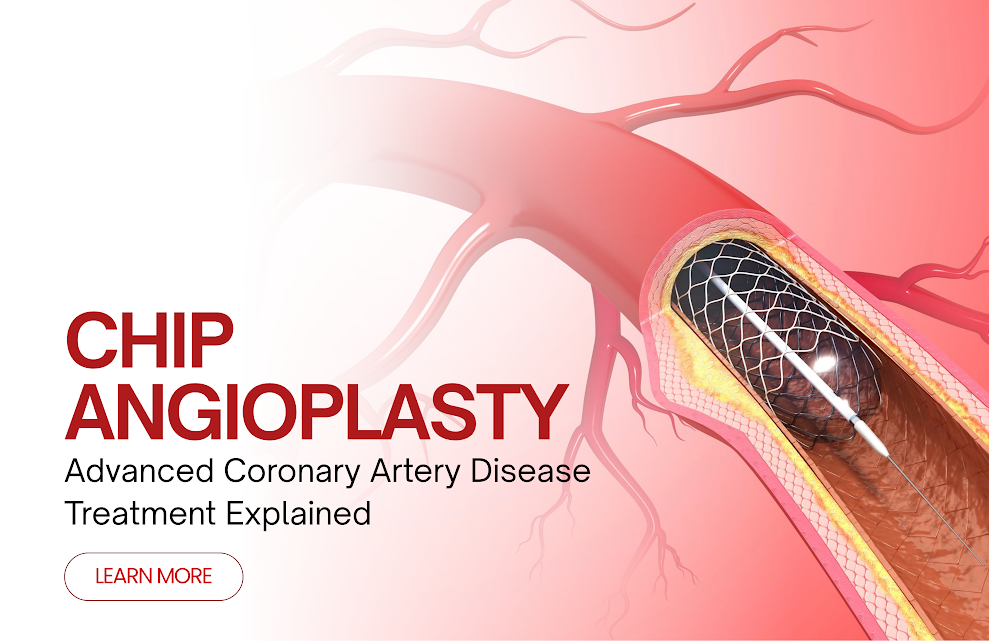
Percutaneous Coronary Intervention (PCI) is the preferred treatment for both STEMI and NSTEMI wherever it can be delivered within the required time window. Using a catheter inserted through the wrist or groin, the interventional cardiologist navigates to the blocked coronary artery under X-ray guidance, inflates a tiny balloon to compress the obstructing plaque, and deploys a PTCA stent — a small mesh cylinder — to hold the artery open permanently. Drug-eluting stents release medication over months to prevent re-narrowing at the treated site. For complex lesions and high-risk patients, chip angioplasty techniques and intravascular imaging are used to optimise stent placement with precision.

Medications form the backbone of both acute and long-term management. In the acute phase, aspirin and anticoagulants prevent further clot formation. Beta-blockers reduce heart workload. ACE inhibitors protect the heart muscle and prevent progressive dysfunction. Statins lower cholesterol aggressively and stabilise remaining plaques against future rupture.

Coronary Artery Bypass Grafting (CABG) is recommended when the anatomy of disease is too complex or extensive for stenting to be the best option — particularly in patients with multi-vessel disease, left main stem disease, or significant diabetes. In CABG, a healthy blood vessel taken from the chest wall or leg is used to reroute blood around the blocked segment, restoring flow to the affected territory.

Prevention: The Work That Happens Before the Heart Attack

The best heart attack is the one that never happens. Prevention is not passive — it requires active management of the risk factors outlined above, regular monitoring, and honest engagement with a cardiologist who will not simply reassure a patient because their resting ECG looks normal.

A healthy, plant-forward diet low in processed foods, salt, and saturated fat supports blood pressure, cholesterol, and weight management simultaneously. At least 150 minutes of moderate aerobic exercise per week is the minimum evidence-based target. Blood pressure, cholesterol, and blood glucose should be checked regularly — and when they are abnormal, treated with appropriate medication, not just lifestyle advice alone.

Stress management is not optional. Chronic psychological stress activates inflammatory pathways, raises blood pressure, and increases heart rate — all of which accelerate coronary artery disease and raise the short-term risk of plaque rupture. Structured techniques — regular physical activity, sleep hygiene, and social connection — are all evidence-based stress reduction strategies.

Conclusion

A myocardial infarction is one of the most time-sensitive medical emergencies in existence. The cardiac muscle that is lost in the first 90 minutes of a heart attack will never regenerate. But the majority of heart attacks are preventable through systematic risk factor management — and when they do occur, outcomes today are dramatically better than they were even a decade ago, thanks to advances in coronary angioplasty, coronary stent technology, and evidence-based cardiac care.

Knowing the symptoms, acting fast, and working with an experienced heart specialist in Hyderabad who manages both prevention and intervention — that combination offers the best possible chance of a full and lasting recovery.

Also Read:

FAQs

What is a myocardial infarction?
A myocardial infarction is the medical term for a heart attack — an event in which a coronary artery becomes blocked, cutting off blood supply to a section of the heart muscle. The affected muscle begins to die within minutes. Prompt intervention by an experienced cardiac team — using coronary angioplasty or other reperfusion strategies — is essential to limit permanent damage.

What are the warning signs of a heart attack Causes?
The most common warning signs are chest pain or pressure, shortness of breath, pain radiating to the arm, jaw, or back, unexplained fatigue, dizziness, nausea, and cold sweating. Some heart attacks, particularly in diabetic patients, present silently or with minimal symptoms. Any unexplained combination of these symptoms should prompt an immediate call to emergency services.

How is a heart attack treated in India today?
The standard treatment for a STEMI heart attack is primary PCI — emergency coronary angioplasty with stent implantation — performed as rapidly as possible after the onset of symptoms. Leading cardiac centres in India achieve door-to-balloon times that match international benchmarks. NSTEMI is managed with urgent angiography and intervention within 24 to 72 hours. Medications are used alongside procedural treatment and continued long-term to reduce the risk of a second event.

How can a heart attack be prevented?
Controlling blood pressure, cholesterol, and blood sugar — through lifestyle and medication where needed — is the foundation of prevention. Stopping smoking, maintaining a healthy weight, exercising regularly, and managing stress all reduce risk significantly. Regular cardiac check-ups with a qualified heart doctor are essential for anyone with risk factors, a family history of heart disease, or a previous cardiac event.
heart-attack-risk.webp

April 14, 2026 AbhijitHearty Life

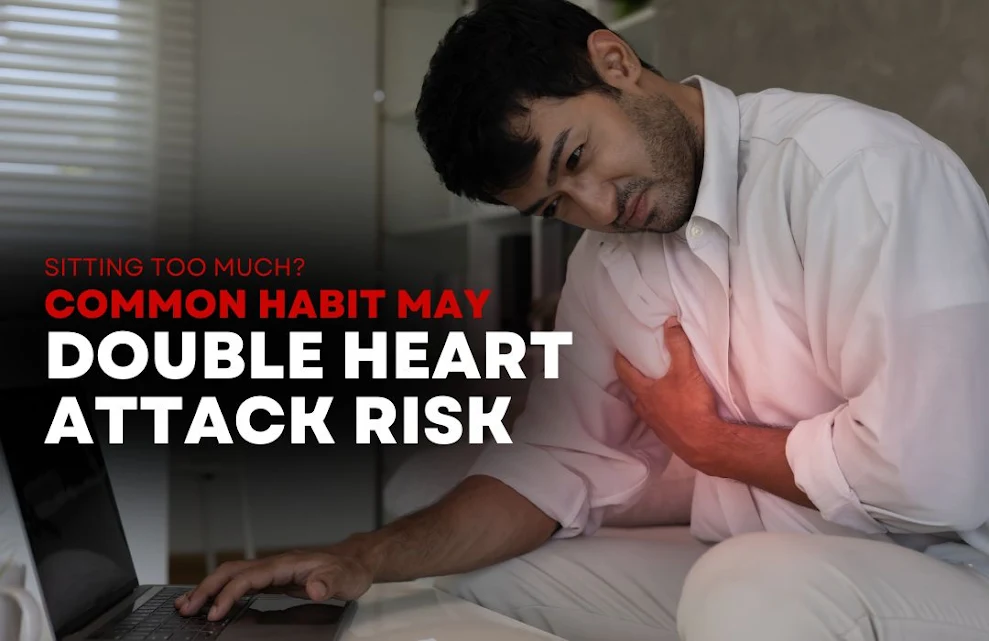
cardiologist in Hyderabad In today’s digital world, long hours of sitting have become a normal part of life—whether it’s working on a laptop, watching TV, or scrolling through a phone. However, this seemingly harmless habit can silently damage your heart health. Recent studies suggest that prolonged sitting may significantly increase the risk of heart attacks and other cardiovascular problems. Consulting a cardiologist in Hyderabad at the right time can help prevent serious complications and ensure a healthier lifestyle.

Cardiologist in Hyderabad: Why Prolonged Sitting Is Dangerous

A sedentary lifestyle is now considered one of the leading risk factors for heart disease. According to experts and every experienced cardiologist in Hyderabad, sitting for long periods slows down metabolism and affects how the body regulates sugar, blood pressure, and fat.

When you sit continuously for hours:

  • Blood circulation becomes sluggish
  • Fat burning reduces drastically
  • Bad cholesterol levels increase
  • Risk of obesity and hypertension rises

Over time, these changes can double the chances of a heart attack. This is why visiting the Best Cardiologist in Hyderabad for regular heart check-ups is essential, especially for people with desk jobs or inactive routines.

How Sitting Too Much Impacts Heart Health

Prolonged sitting directly affects your cardiovascular system in multiple ways:

Increased Risk of Obesity and High Blood Pressure

Lack of movement leads to calorie buildup, resulting in weight gain. Excess weight puts pressure on the heart, increasing the risk of high blood pressure—one of the major causes of heart disease.

Reduced Blood Circulation and Higher Cholesterol Levels

When you sit for too long, blood flow slows down, allowing fatty acids to build up in the blood vessels. This can lead to blockages and increase the chances of heart attacks. Leading heart specialists in Hyderabad often warn patients about this hidden danger.

You can also read this: Dr. C. Raghu is one of the best doctors for TAVI/TAVR in Hyderabad

Link Between Sedentary Lifestyle and Heart Attack Risk

A sedentary lifestyle is closely linked with cardiovascular diseases. Studies show that people who sit for more than 8–10 hours a day without physical activity have a significantly higher risk of heart attacks compared to active individuals.

According to many Top Cardiologist in Hyderabad, inactivity weakens the heart muscles and affects overall heart function. Even regular gym workouts may not fully counteract the negative effects of prolonged sitting if the rest of the day is inactive.

This is why experts recommend staying active throughout the day instead of relying only on short workout sessions.

Heart specialist in Hyderabad: Warning Signs You Should Not Ignore

A qualified heart specialist in Hyderabad emphasizes recognizing early warning signs before a major cardiac event occurs. These include:

  • Chest pain or discomfort
  • Shortness of breath
  • Fatigue even after minimal activity
  • Irregular heartbeat
  • Dizziness or sweating

Ignoring these symptoms can be dangerous. Seeking timely help from the best heart doctor in Hyderabad can save lives and prevent complications.

Tips to Reduce Sedentary Behaviour

Making small lifestyle changes can significantly improve heart health:

Incorporate Physical Activity into Daily Routine
  • Take short walks every 30–60 minutes
  • Use stairs instead of elevators
  • Engage in light exercises like stretching or yoga
Take Regular Breaks
  • Stand up while working or talking on the phone
  • Set reminders to move every hour
  • Use a standing desk if possible

Top heart specialists in Hyderabad recommend at least 30 minutes of moderate physical activity daily to maintain a healthy heart.

You can also read this: Cardiologist Hyderabad Why Dr. C. Raghu Is a Name Patients Trust 

Importance of Choosing the Right Cardiology Care

Choosing the best cardiology hospital in Hyderabad and consulting experienced doctors ensures accurate diagnosis and proper treatment. Whether it’s preventive care or advanced procedures, expert guidance plays a crucial role.

One such trusted name is Dr. C. Raghu, known for his expertise in treating complex heart conditions. Patients seeking the top 10 cardiologists in Hyderabad often rely on his experience and advanced treatment approach.

Conclusion

Sitting for long hours may seem harmless, but it can have serious consequences for your heart health. A sedentary lifestyle can silently increase the risk of heart attacks, making it essential to stay active and aware. Regular check-ups with a best cardiologist doctor in hyderabad can help detect risks early and keep your heart healthy.
If you are experiencing any heart-related symptoms or want to prevent future risks, don’t delay. Book your consultation today with Dr. C. Raghu, one of the Top Cardiologist in Hyderabad, and take the first step toward a healthier heart.

FAQs
1. How many hours of sitting is considered dangerous?

Sitting for more than 8 hours a day without physical activity can increase the risk of heart disease.

2. Can exercise reduce the risk caused by prolonged sitting?

Yes, but it is important to stay active throughout the day, not just rely on workouts.

3. What are the early signs of heart problems?

Chest pain, shortness of breath, fatigue, and irregular heartbeat are common warning signs.

4. When should I consult a cardiologist?

If you experience symptoms or have risk factors like obesity, high BP, or diabetes, consult a cardiologist hyderabad immediately.

5. Who is the best cardiologist to consult in Hyderabad?

You can consult experienced specialists like Dr. C. Raghu, known among the Heart Specialists in Hyderabad for advanced cardiac care.


Daily-Habit-That-May-Double-Heart-Attack-Risk.png

April 7, 2026 AbhijitHearty Life

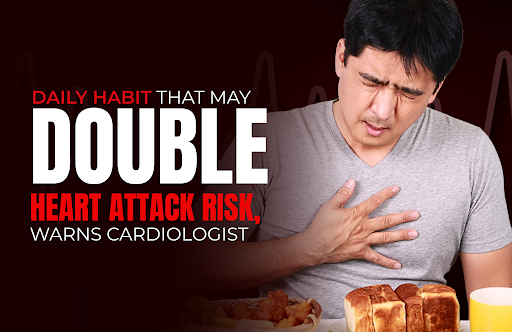
Many people worry about sudden chest pain or breathlessness. They want clear steps to cut their heart risk. Recent research shows sitting for long periods each day may double the chance of a heart attack. The post will explain how that habit harms the heart and give simple steps to stop it and boost heart health. Many patients seek advice from the best cardiologist in Hyderabad, the cardiologist in Hyderabad, the heart doctor in Hyderabad. More details follow.

Key Takeaways

  • Smoking daily can double your risk of a heart attack, warns top cardiologists in Hyderabad. Experts say tobacco use damages arteries and raises the danger of blood clots.
  • The harmful habit increases blood pressure and plaque buildup in arteries. This narrows arteries, lowers blood flow, and may cause sudden heart attacks or irregular rhythms.
  • Long-term effects include a higher chance of coronary artery disease, arrhythmias, increased cholesterol levels, and greater dependence on medication.
  • Cardiologists urge people to break the habit by eating healthy meals, staying active, reducing stress, avoiding smoking or secondhand smoke, limiting alcohol intake, and getting regular check-ups.
  • Small lifestyle changes like proper sleep and hydration help lower heart attack risks. Early action can prevent serious health problems linked to poor habits.

The Cardiologist’s Warning: Identifying the Daily Habit

Daily smoking can double the risk of a heart attack. A top cardiologist hospital in Hyderabad issues this warning after seeing many smokers. Heart specialists in Hyderabad note artery damage and higher clot risk in habitual users.
Tobacco harms arteries and raises the chance of clot formation, says a cardiologist.

Patients seek the best heart doctor in Hyderabad and the best cardiologist doctor in Hyderabad for help. Cardiologists in Hyderabad and cardiologists in Somajiguda report that the top cardiologist in Hyderabad and the top 10 cardiologists in Hyderabad often refer patients to the best cardiology hospital in Hyderabad. The best cardiologist in Somajiguda runs clinics that support quitting.

How This Habit Increases Heart Attack Risk

This habit puts extra strain on the heart, making it work harder every day. Over time, damage builds up and raises the chance of a serious heart problem.

Impact on Cardiovascular Health

The habit doubles heart attack risk, according to the cardiologist. It raises blood pressure and fuels artery plaque. Patients can develop narrower arteries that limit blood flow.

Inflammation grows in vessel walls and weakens plaque caps. Clots can form and block an artery, causing a sudden heart attack. Such pressure also stresses the heart and can trigger irregular rhythms.

Long-term Consequences

Building on the impact on cardiovascular health, long-term effects of this daily habit can be severe. It may lead to high blood pressure and increased cholesterol levels. Over time, these factors elevate the risk of heart disease significantly.

Serious complications often arise without prompt action. Patients might face conditions like coronary artery disease or arrhythmias as a result of neglecting their heart health. These issues reduce quality of life and also increase dependence on medications and medical interventions.

Regular check-ups become vital for those who continue unhealthy practices, as early detection can assist in managing potential problems effectively.

You can also read: Cardiologist Hyderabad Why Dr. C. Raghu Is a Name Patients Trust

Tips to Break the Habit and Improve Heart Health

Breaking unhealthy habits can greatly improve heart health. Simple changes in daily routines make a significant difference.

  1. Start each day with a healthy breakfast. Eating nutritious meals helps maintain energy levels and keeps cravings at bay.
  2. Stay active throughout the day. Engaging in regular exercise improves cardiovascular health and reduces stress.
  3. Limit alcohol intake. High consumption of alcohol can elevate blood pressure and lead to heart complications.
  4. Prioritise sleep quality. Adequate rest boosts overall health and supports heart function.
  5. Reduce high-stress situations. Managing stress through relaxation techniques lowers the risk of heart disease.
  6. Choose healthier snacks instead of junk food. Opting for fruits or nuts nourishes the body without excess fat or sugar.
  7. Stay hydrated by drinking plenty of water daily. Proper hydration aids in circulation and can help prevent fatigue.
  8. Avoid smoking and exposure to secondhand smoke, as these are major contributors to heart disease.
  9. Monitor blood pressure regularly, as keeping track can help identify potential issues early on.
  10. Consult with healthcare professionals for personalized advice on improving lifestyle habits that affect heart health.

These tips will foster better health choices, paving the way to understanding more about daily habits that may impact well-being unfavorably.

You can also read this: Best cardiologist near me known for exceptional success rates.

Conclusion

Patients must recognize the daily habits that can double heart attack risk. Identifying harmful behaviors is essential for better health. Small, practical changes can lead to significant improvements in cardiovascular well-being.

How will you take action today to break these habits? Simple steps enhance heart health and foster a long-lasting lifestyle change; patients should explore further resources and stay informed about their heart health journey.

Everyone has the power to make a difference in their lives and improve wellness through conscious choices.

About Dr. C. Raghu

Dr. C. Raghu is a senior interventional cardiologist and clinical director at Yashoda Hospitals, Somajiguda, Hyderabad (1st Floor, Room No. 115, Raj Bhavan Road, Hyderabad – 500082). With over 25 years of experience in interventional cardiology, he specializes in cardiology for heart treatment, complex coronary angioplasty, structural heart interventions, and peripheral vascular procedures. He holds advanced training from institutions in France, Italy, and Harvard University and has been recognized with multiple national and international awards. He is widely regarded as one of the cardiologists in Hyderabad and a leading TAVR specialist in India.

📞 For Appointments: +91 80085 36699 🌐 www.drraghu.com


FAQs
1. What daily habit may double heart attack risk, warns a cardiologist?

A cardiologist warns that prolonged daily sitting, or very low daily activity, may double the risk of a heart attack.

2. How does this habit raise heart attack risk?

Long sitting slows blood flow. It raises blood pressure and can worsen unhealthy blood fats. These effects strain the heart and raise risk.

3. Who faces the highest risk?

People who sit for many hours each day face a higher risk. The risk is also higher for older adults, those with high blood pressure, diabetes, unhealthy blood fats, or tobacco use.

4. How can I cut the risk?

Stand up or walk for a few minutes every 30 minutes. Aim for 150 minutes of moderate activity each week. Improve your diet, cut salt, stop tobacco use, and see a doctor for regular checks.


DR-RAGHU-blog.png

March 31, 2026 AbhijitHearty Life

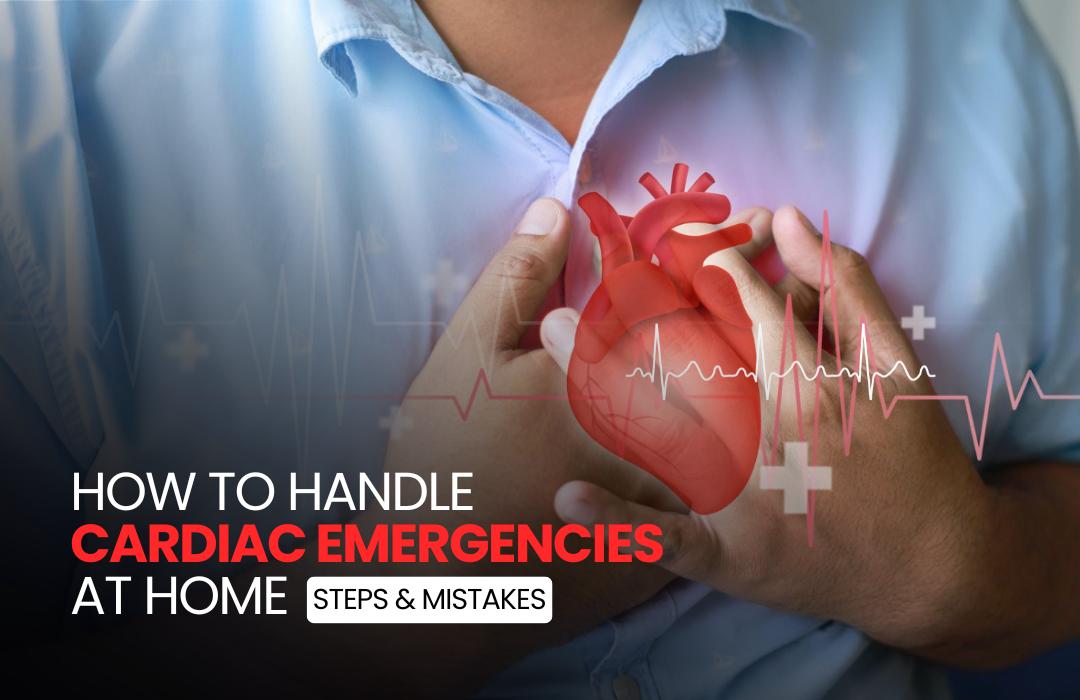
Handle Cardiac Emergencies Many people face sudden chest pain or breathlessness at home. Families often do not know what to do or who to call. A delay can cost precious minutes. Early CPR can double a person’s chance of survival after cardiac arrest. The guide explains how to recognize signs, perform CPR, and use an AED. It also names local options, such as Best Cardiology Hospital In Hyderabad, Cardiologist In Hyderabad, Heart Doctor, Best Cardiologist in Hyderabad, and Top Cardiologist in Hyderabad.

Key Takeaways

  • Early CPR can double a person’s chance of survival after cardiac arrest. Start chest compressions straight away if someone is unresponsive and not breathing.
  • Know the signs of a cardiac emergency, such as chest pain, shortness of breath, heavy sweating, or sudden collapse. Call emergency services immediately for help.
  • Use an Automated External Defibrillator (AED) quickly if one is available. Follow voice prompts and continue CPR after delivering a shock unless told otherwise by professionals.
  • Avoid common mistakes like delaying CPR, not calling for help soon enough or using an AED incorrectly. High-quality compressions are vital to keep blood moving until medics arrive.
  • Cardiac events can affect people of all ages. Prepare your family by learning basic skills and making sure everyone knows what to do in case of a heart emergency at home.

Recognising the Signs of a Cardiac Emergency

After the introduction, attention must shift to spotting early warning signs. A patient may feel chest pain or tightness that does not go away. They might have shortness of breath, heavy sweating, nausea or light headedness.

Some people collapse suddenly or notice a very fast, irregular heartbeat.

Anyone with these signs needs immediate help. Call emergency services and get to a hospital fast. They should see a heart specialist in Hyderabad or one of the heart doctors in Hyderabad for follow up care.

Families often ask for the best heart doctor in Hyderabad or the best cardiologist doctor in Hyderabad, and they check lists such as Top 10 Cardiologists in Hyderabad.

You can also read this: What Is AFib? Causes, and Treatment for Atrial Fibrillation

Essential Steps to Take During a Cardiac Emergency

Act quickly to improve the chance of survival. Stay calm and follow clear steps to help the person in need.

Administering CPR

CPR can save a life. A bystander should call for help.

  1. A rescuer assesses responsiveness by tapping the shoulders and speaking loudly. If there is no response, the rescuer opens the airway and checks breathing for up to ten seconds.
  2. An observer contacts emergency services, states the location and reports suspected cardiac arrest. Provide clear information, such as the address, floor number and any nearby landmarks.
  3. A helper lays the casualty flat on a firm surface and exposes the chest. The helper positions the heel of one hand at the centre of the breastbone.
  4. A trained rescuer performs chest compressions at one hundred to one hundred and twenty per minute. Each compression should reach a depth of five to six centimetres, with full recoil between compressions.
  5. A giver follows a ratio of thirty compressions to two breaths if trained in rescue breathing. They seal the mouth with a barrier device and give each breath over one second while watching for chest rise.
  6. If the rescuer lacks training, they carry out hands only CPR with continuous compressions. They must avoid long pauses unless the AED is ready or professional help arrives.
  7. A second rescuer rotates every two minutes to reduce fatigue and preserve compression quality. Minimise interruptions during changes, and resume compressions immediately after checks.
  8. An automated external defibrillator is applied as soon as one is available and the prompts are followed. Rescuers must not touch the casualty while the device analyses or delivers a shock.

Using an Automated External Defibrillator (AED)

An Automated External Defibrillator (AED) can save lives during a cardiac emergency. Knowing how to use an AED is crucial for providing timely assistance.

  1. Locate the AED. Check for the nearest device if someone shows signs of a cardiac emergency.
  2. Turn on the AED. Press the power button to activate it and follow the audible instructions.
  3. Expose the chest. Remove clothing from the chest area to ensure proper pad placement.
  4. Attach pads correctly. Place one pad on the upper right chest and another on the lower left side, following visual prompts on the pads.
  5. Stand clear during analysis. Ensure everyone moves away from the patient while the AED assesses heart rhythm.
  6. Deliver shock if advised. If prompted by the AED, press the shock button promptly; this may restore normal heart function.
  7. Continue CPR after shock delivery if needed. Start chest compressions immediately after using an AED unless instructed otherwise by emergency services.
  8. Wait for help to arrive. Keep monitoring the person’s condition and be prepared to provide further assistance until professionals take over.

Taking these steps can make a significant difference in a cardiac emergency at home, increasing survival chances dramatically with quick action using an AED.

You can also read this: Dr. C. Raghu is one of the best doctors for TAVI/TAVR in Hyderabad

Common Mistakes to Avoid in Cardiac Emergencies

Cardiac emergencies can be overwhelming. Patients must know what mistakes to avoid during these critical moments.

  1. Failing to call for emergency assistance quickly can delay vital care. Prompt action is essential in saving a life.
  2. Ignoring the signs of a cardiac emergency leads to serious consequences. Recognising symptoms early increases the chances of survival.
  3. Avoid delaying CPR when someone is unresponsive and not breathing. Starting CPR immediately keeps blood flowing until help arrives.
  4. Using an Automated External Defibrillator (AED) incorrectly can hinder recovery efforts. Familiarity with AED operation saves valuable time.
  5. Overlooking the importance of chest compressions can reduce effectiveness during CPR. Focus on high-quality compressions to improve blood circulation.
  6. Hesitating to perform rescue breaths may occur due to fear or lack of experience. Performing hands-only CPR is still highly effective if necessary.
  7. Assuming that heart attacks only affect older individuals is a dangerous misconception. Cardiac events can strike anyone, regardless of age or health status.
  8. Neglecting the need for regular health checks may prevent early detection of heart issues. Monitoring health helps identify potential problems before they escalate.
  9. Disregarding personal stress levels and unhealthy habits worsens heart health over time. Managing stress through positive coping strategies promotes better well-being.
  10. Forgetting to inform family members about emergency plans creates confusion during crises. Open discussions about cardiac emergencies prepare everyone involved for quick action.

Conclusion

Understanding how to manage cardiac emergencies at home can save lives. Recognising the signs is crucial; chest pain and shortness of breath demand immediate attention. Quickly administering CPR can be vital before professional help arrives.

Using an Automated External Defibrillator (AED) increases survival chances significantly too. Avoid common mistakes, such as delaying action or panicking, to ensure effective response.

Readers should consider learning these steps and practising them regularly for readiness. Taking swift action makes a real difference in life-threatening situations and helps families feel more secure in times of crisis.
If you or your loved one is suffering from a heart problem, don’t delay treatment.

Consult Dr. C. Raghu, interventional cardiologist at Yashoda Hospitals, Secunderabad, today and take the first step towards a healthier heart.

FAQs

1. What are the essential steps to follow in a cardiac emergency at home?

Check if the person is awake and breathing. Call emergency services and say there is a cardiac emergency. Start CPR at once if they are not breathing normally. Send someone to fetch a defibrillator if one is nearby. Keep going until help arrives.

2. How do I give CPR at home during a cardiac emergency?

Lay the person on a firm surface. Push hard and fast in the centre of the chest, about 100 to 120 times a minute. Let the chest rise fully after each push. Give rescue breaths only if you are trained. Use an automated defibrillator when you can.

3. When should I call for an ambulance in a cardiac emergency at home?

Call straight away if the person is unconscious or not breathing. Tell the operator it is a cardiac emergency so they can act fast. Follow their instructions until the ambulance crew arrives.

4. What common mistakes should I avoid when handling cardiac emergencies at home?

Do not leave the person alone. Do not delay chest compressions to check small signs. Do not waste time looking for non essential items. Do not stop CPR until trained help takes over.


Chip-angioplasty.webp

March 24, 2026 AbhijitHearty Life

CHIP Angioplasty Heart disease doesn’t always come with a warning. Many people discover they have coronary artery disease only after symptoms begin to affect daily life. In such situations, consulting a trusted coronary artery disease doctor at the right time can prevent serious complications.

For patients dealing with complex or high-risk blockages, standard procedures may not be enough. This is where CHIP Angioplasty offers a highly advanced and effective treatment option.

What is Coronary Artery Disease?

Coronary artery disease happens when plaque builds up in the arteries, reducing blood flow to the heart. Over time, this can cause chest pain, shortness of breath, or even heart attacks.

An experienced coronary heart disease doctor or skilled coronary artery disease specialist will usually recommend tests like angioplasty and angiograms to assess the severity.

What Makes CHIP Angioplasty Different?

CHIP Angioplasty (Complex High-Risk Indicated Percutaneous Coronary Intervention) is specially designed for patients with severe and complicated blockages.

Unlike routine angioplasty in heart, this advanced procedure is recommended when:

  • Blockages are long or heavily calcified
  • Multiple arteries are affected
  • Surgery is risky or not possible

Such cases require the expertise of an experienced angioplasty expert in India.

Understanding CHIP CTO Angioplasty

CHIP CTO Angioplasty is used for Chronic Total Occlusion—arteries that are completely blocked for a long duration.

These are among the most challenging cases and require the best angioplasty expert in India with deep expertise in CHIP angioplasty techniques.

You can also read this: Cardiologist Hyderabad Why Dr. C. Raghu Is a Name Patients Trust

How the Procedure is Performed

The process is similar to coronary angioplasty but more advanced:

  • A catheter is inserted through the wrist or groin
  • Advanced imaging identifies the blockage
  • Specialized tools are used to open the artery
  • A PTCA stent, or coronary stent, is placed to restore blood flow

This is performed by highly experienced coronary artery disease specialists.

Who Should Consider CHIP Angioplasty?

You may need CHIP angioplasty if you have:

  • Severe coronary artery disease
  • Multiple or complex blockages
  • Failed previous angioplasty
  • High surgical risk
  • Need for CHIP CTO Angioplasty

Consulting a reliable coronary artery disease doctor is crucial in these cases.

Benefits of CHIP Angioplasty

  • Minimally invasive procedure
  • Faster recovery
  • Effective for high-risk patients
  • Significant symptom relief

With the right Angioplasty Expert in India, patients often see excellent results.

Risks to Consider

Like any advanced procedure, CHIP CTO Angioplasty carries some risks:

  • Bleeding
  • Irregular heart rhythm
  • Rare procedural complications

However, these risks are minimized when performed by an angioplasty expert in India experienced in chip angioplasty.

You can also read this: Understanding PTCA Stent & Coronary Angioplasty exert

Why Choose Dr. C. Raghu for CHIP Angioplasty?

When it comes to complex heart procedures, experience matters the most.
Dr. C. Raghu, Clinical Director & Senior Interventional Cardiologist at Yashoda Hospitals, Secunderabad, is widely recognized as a leading angioplasty expert in India.

With over 20,000+ coronary intervention procedures and expertise in CHIP angioplasty and CHIP CTO angioplasty, he has successfully treated some of the most challenging cases of coronary artery disease.

His patient-focused approach, precision techniques, and use of advanced technology make him one of the most trusted coronary artery disease specialists in India.

Conclusion

CHIP angioplasty has revolutionized the treatment of complex heart blockages. It provides new hope to patients who may not be suitable for traditional procedures.

If you or your loved one is suffering from coronary artery disease, don’t delay treatment.

 Consult Dr. C. Raghu, Interventional Cardiologist at Yashoda Hospitals, Secunderabad, today and take the first step towards a healthier heart.

About Dr. C. Raghu

Dr. C. Raghu — MD, DM, FESC, FACC, FSCAI

Interventional Cardiologist | Yashoda Hospital, Raj Bhavan Road, Somajiguda, 1st Floor, Room No. 115, Hyderabad – 500082, Telangana

Specialisation: Coronary, Vascular & Structural Interventions | TAVR | CHIP Angioplasty | Complex Coronary Procedures

OPD: Monday to Saturday, 8 AM – 8 PM  |  Emergency: 24/7  |  +91 95424 75650  |


heart-valve-replacement.webp

March 17, 2026 AbhijitHearty Life

When the Heart Speaks, Are You Listening?

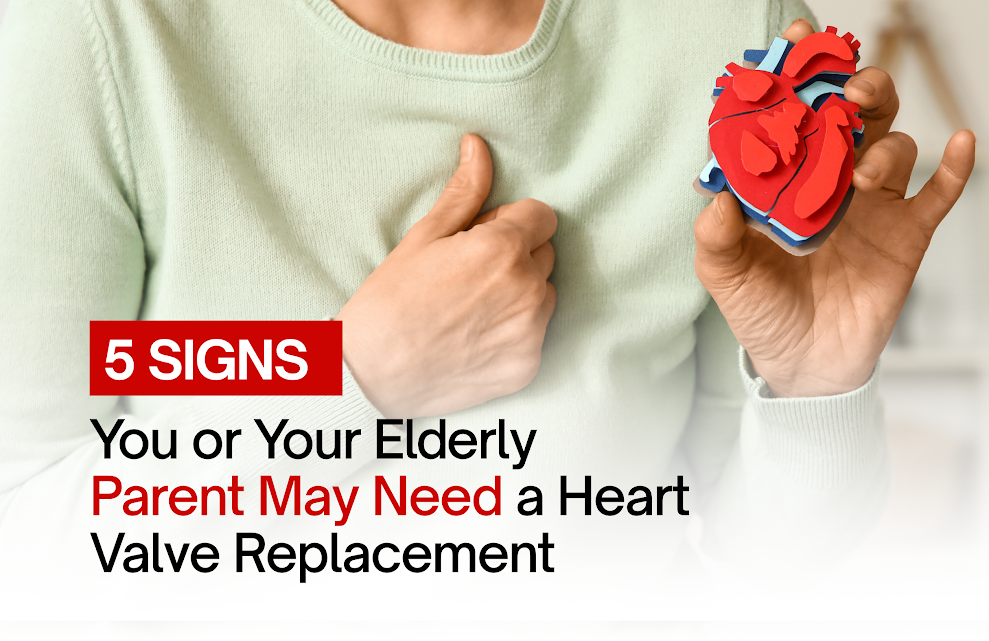
Heart valve You are the kind of person who reads nutrition labels. You walk 10,000 steps. You know your LDL from your HDL. And yet, somewhere between managing your career, your family, and your aging parents, there is a nagging worry you cannot quite name. Your father gets breathless climbing the stairs. Your mother feels dizzy after a short walk. You yourself feel a strange heaviness in your chest after a brisk evening stroll.

You live in Hyderabad, Bangalore, Mumbai, or Chennai — cities that move fast. You are health-conscious, informed, and proactive. But heart valve disease? That is a chapter most people never read until they are already inside it. And that is exactly the problem this article is here to solve.

By the time you finish reading, you will know the five warning signs that demand your attention, understand what happens if you ignore them, and learn how India’s most trusted TAVI/TAVR doctor in Hyderabad , Dr. C. Raghu — is changing and saving lives with cutting-edge, minimally invasive care.

What Exactly Is a Heart Valve Problem?

Your heart has four valves. Think of them as doors inside your heart that open and close with every single heartbeat. When these doors stop working properly—either because they become stiff (stenosis) or leaky (regurgitation)—your heart works harder than it should. Over time, it exhausts itself.

The most common culprit is aortic stenosis—a narrowing of the aortic valve. It is especially common in people over 60. Left untreated, it progresses silently, and then, without warning, it becomes dangerous.

You can also read this: Early Warning Signs of Heart Blockages You Should Never Ignore

 5 Signs You or Your Elderly Parent Should See a Specialist

Sign 1: Breathlessness That Comes Out of Nowhere

You used to climb two flights of stairs without a thought. Now, halfway up, you stop. You breathe hard. You feel your heart pounding in your chest. This is not just aging — this is your heart telling you it is struggling to push blood through a narrowing valve.

  • Breathlessness during light activity is a red flag
  • If it gets worse lying down, that is even more urgent
  • Many patients dismiss this as “just getting “older”—that delay can cost them years of quality life

Sign 2: Chest Pain or Tightness, Especially During Activity

If your elderly parent complains of a pressing sensation in the chest after walking or mild exertion, do not wait. Chest discomfort linked to aortic valve disease feels different from a heart attack, but it is equally serious. It is a sign the heart muscle is not receiving enough oxygen-rich blood.

  • The pain often subsides with rest, which makes people dismiss it
  • Recurring chest tightness after activity is never normal
  • This symptom, when combined with breathlessness, is a medical emergency waiting to happen

Sign 3: Unexplained Dizziness or Fainting Spells

Has your parent suddenly felt faint while climbing stairs or after standing up quickly? Or have you yourself felt lightheaded during a morning jog? Dizziness and syncope (fainting) are classic warning signs of severe aortic stenosis.

  • Blood flow to the brain drops when the valve cannot open fully
  • Fainting episodes are particularly dangerous in older adults — they risk falls and fractures
  • Many families chalk this up to “low blood pressure” or “sugar issues” without investigating further

Sign 4: Fatigue That No Amount of Sleep Can Fix

This is not the tiredness after a busy Monday. This is a deep, draining exhaustion that sits in your bones. You sleep 8 hours and wake up feeling like you have not slept at all. Your parent seems less interested in activities they once loved. They tire from simple tasks like cooking or bathing.

  • Cardiac fatigue is different from ordinary tiredness — it is persistent, worsening, and disproportionate
  • The body is diverting its limited resources because the heart is working overtime
  • This is one of the most underreported symptoms, because patients adapt to it slowly without realizing it has become severe

Sign 5: Swollen Ankles and Feet by Evening

If your parent’s feet look puffy by the end of the day, or if their shoes feel tighter in the evenings, do not dismiss it as heat or poor circulation alone. Fluid accumulation in the lower extremities is a sign that the heart is struggling to circulate blood efficiently — a consequence of valve dysfunction and early heart failure.

  • Swelling that is worst in the evening and better in the morning is a cardiac pattern
  • When combined with breathlessness or fatigue, it forms a dangerous triad of symptoms
  • This is your body waving a red flag. It is time to book that cardiology appointment.

What Happens If You Ignore These Signs?

The consequences of delayed diagnosis are severe and in some cases irreversible. Untreated aortic stenosis leads to:

  • Heart failure : the heart becomes so exhausted it can no longer pump effectively
  • Sudden cardiac arrest : especially in elderly patients with severe stenosis
  • Permanent heart muscle damage : which significantly limits treatment options
  • Reduced survival : studies show that without intervention, patients with severe symptomatic aortic stenosis face a 50% mortality rate within two years

The cruelest part? Most of this is entirely avoidable with timely diagnosis and the right specialist.

The Solution: Transcatheter Aortic Valve Replacement (TAVR/TAVI)

For decades, open-heart surgery was the only way to replace a damaged aortic valve. That meant cracking open the chest, stopping the heart, and weeks of painful recovery — an option many elderly or high-risk patients simply could not survive.

Today, transcatheter aortic valve replacement, known as TAVR or TAVI, has changed everything. In this minimally invasive procedure, a new valve is guided through a thin catheter into the heart, usually through the leg. There is no open-chest surgery. Recovery is measured in days, not months. And the outcomes? Remarkable.

Why Dr. C. Raghu Is the TAVR Specialist India Trusts

If you are searching for the best TAVR specialist near you or a TAVR expert in India, Dr. C. Raghu’s name rises to the top—and for very good reason.

Dr. C. Raghu serves as Clinical Director and Senior Interventional Cardiologist at Yashoda Hospitals, Somajiguda, Hyderabad. Yashoda Hospitals He brings over 25 years of specialized experience and a reputation that stretches well beyond Telangana.

Here is what sets him apart:

  • World-class training: He has completed advanced fellowships in France, Italy, and Harvard, bringing globally refined techniques to his patients in India.
  • Award-winning expertise: He has received the Andreas Gruntzig Award for the Best Chronic Total Occlusion Angioplasty Case, the Best Peripheral Angioplasty Case Award at the Asia Pacific Vascular Society Meeting, and the Best Young Interventionalist Award at Singapore Live 2007. 
  • Published researcher: He has authored a chapter on the journey of Transcatheter Aortic Valve Replacement in Cardiology Update 2021 Yashoda Hospitals, contributing meaningfully to the academic understanding of TAVR.
  • Educator: He has trained over 80 cardiologists, shaping the future of heart care across India. 
  • Proven TAVR outcomes: Patients trust Dr. C. Raghu because of his proven track record with high success rates that are above the national average for TAVI/TAVR surgeries.

Whether you are from Hyderabad, Bangalore, Mumbai, or Chennai, patients travel to see him because they know that when it comes to finding the best TAVR doctor in Hyderabad, credentials and experience are everything—and Dr.c Raghu has both.

What to Expect When You See Dr. Raghu

When you sit in front of Dr. Raghu, you feel relaxed. He looks at your symptoms. He listens to your routine. He asks about your stress. He explains what each test means. You understand your heart better in just one consultation. Dr.C.Raghu

He does not just treat the valve. He treats the whole person. And for families caring for aging parents, that kind of clarity and compassion is priceless.

You can also read this : Cardiologist Hyderabad: Why Dr. C. Raghu Is a Name Patients Trust

Conclusion: Your Heart Cannot Wait for the Perfect Moment

You are a careful person. You do your research. You do not rush into decisions. But when it comes to the five signs we have discussed—breathlessness, chest pain, dizziness, unexplained fatigue, and swollen feet—waiting for the “right time” is the one mistake you cannot afford to make.

The right time is now. The right specialist is here.

If you or your elderly parent is experiencing any of these signs, do not self-diagnose, do not rely on generic advice, and do not delay. Seek a specialist who has spent a career mastering the very condition you are worried about.

📍 Take the next step today. Visit drraghu.com to book your consultation with Dr. C. Raghu—India’s trusted TAVR/TAVI expert in India—and give your heart the expert care it deserves.

About Dr. C. Raghu

Dr. C. Raghu is a Senior Interventional Cardiologist and Clinical Director at Yashoda Hospitals, Somajiguda, Hyderabad (1st Floor, Room No. 115, Raj Bhavan Road, Hyderabad – 500082). With over 25 years of experience in interventional cardiology, he specializes in Transcatheter Aortic Valve Replacement (TAVR/TAVI), complex coronary angioplasty, structural heart interventions, and peripheral vascular procedures. He holds advanced training from institutions in France, Italy, and Harvard University and has been recognized with multiple national and international awards. He is widely regarded as one of the best TAVR surgeons and a leading TAVR specialist in India.

📞 For Appointments: +91 80085 36699 🌐 www.drraghu.com


Dr raghu logo


Dr raghu logo


Call us now if you are in a medical emergency need, we will reply swiftly and provide you with a medical aid.


For Appointment with Dr Raghu: +91 80085 36699
Dr Raghu’s Patient Coordinator: +91 72860 10203
Dr Raghu’s Office Experience: +91 90001 65962
Dr Raghu’s Social Media Communication Channel: +91 97046 51708

Dr. Raghu | Heart Specialist in Hyderabad
Yashoda Hospitals, Raj Bhavan Road, Somajiguda, 1st floor, Room No. 115, Hyderabad -500082, Telangana

Best Cardiologists in Hyderabad


© 2024, Dr. Raghu. All rights reserved. Design & Developed by AMSDigital.in

[gtranslate]
+91-9542475650