best-heart-doctor-in-hyderabad.webp

May 19, 2026 AbhijitHearty Life

Best heart doctor Comprehensive Cardiac Care — Why It Matters for the Patient

Cardiac conditions do not present in isolation. A patient with best heart doctor in Hyderabad may simultaneously have atrial fibrillation. A patient with severe aortic stenosis also needs coronary assessment before any valve intervention. A patient with pulmonary embolism may have an underlying thrombophilia that changes the long-term anticoagulation management entirely. A patient with peripheral artery disease almost certainly has coronary disease as well.

The best long-term cardiac outcomes come not from isolated specialist interventions delivered in silos but from integrated, comprehensive cardiac care by a single expert who sees the whole picture, manages multiple conditions within a unified clinical framework, and takes long-term responsibility for the patient’s cardiac health.

This is the model of care that Dr. Raghu, a leading top heart specialist in Hyderabad, delivers every day. His clinical expertise is broad, spanning interventional cardiology, structural heart disease, rhythm management, vascular medicine, and preventive cardiology, and his approach to every patient is integrative rather than procedure-focused.

The Clinical Breadth That Sets Dr. Raghu’s Practice Apart

When patients consult Dr. Raghu’s practice in Hyderabad, they access a cardiologist whose comprehensive cardiac services span multiple subspecialties.

Coronary Artery Disease and Angioplasty: From initial risk stratification and non-invasive investigation through coronary angiography and complex coronary angioplasty (PCI), including intravascular imaging-guided procedures, physiological lesion assessment, and chip angioplasty for calcified lesions. Emergency primary PCI for acute myocardial infarction is available around the clock.

TAVR and Structural Heart Disease: Comprehensive evaluation of aortic stenosis and other valvular conditions, with Heart Team-based decision-making for TAVR candidacy, pre-procedural cardiac CT planning, and transcatheter aortic valve implantation for eligible patients. Patients from across India and internationally consult the program for TAVR evaluation and second opinions.

Atrial Fibrillation and Arrhythmia Management: Systematic AFib evaluation including echocardiography, Holter monitoring, stroke risk stratification, evidence-based anticoagulation, and individualized heart rate and rhythm control strategy. Collaborative referral to cardiac electrophysiology for catheter ablation when indicated.

Pulmonary Embolism and DVT: Acute PE diagnosis and risk stratification, anticoagulation management, and advanced catheter-based intervention, including mechanical thrombectomy for high-risk PE. DVT evaluation and long-term VTE management.

Peripheral Artery Disease and Fistuloplasty: Peripheral arterial assessment and endovascular intervention for claudication and critical limb ischemia. Fistuloplasty and fistula rescue services for hemodialysis patients with access dysfunction.

Preventive Cardiology: Cardiovascular risk assessment, lipid management, blood pressure optimization, and structured prevention programs for patients with high-risk profiles or strong family histories.

Also read : Dr. C. Raghu is one of the best doctors for TAVI/TAVR in Hyderabad

What the First Consultation at Dr. Raghu’s Practice Involves

New patients at Dr. Raghu’s practice receive a consultation structured around building a complete understanding of their cardiac history, symptoms, risk factors, and prior investigations before any treatment plan is discussed. A detailed history covers the presenting symptom in full clinical context, the patient’s cardiovascular risk profile, all current medications, and prior cardiac events or investigations. A focused cardiac examination follows, with findings explained clearly to the patient.

From this foundation, investigation planning is tailored to the specific clinical question—not driven by protocol. A patient with exertional chest pain and multiple risk factors needs a different investigation pathway from a patient referred for valvular assessment or rhythm evaluation. The best cardiologist in India does not apply a one-size-fits-all investigation template to every patient; they think about the clinical question and design the most efficient, informative diagnostic pathway.

Results are explained clearly in a follow-up consultation or communication with the clinical context, the implications, and the treatment options all presented in terms the patient and family can act on.

The Preventive Dimension: Getting Ahead of Heart Disease

A significant part of Dr. Raghu’s practice serves patients who do not yet have symptomatic cardiac disease but whose risk factor profile places them at significant future cardiovascular risk. Patients with strong family histories of early heart disease, those with multiple poorly controlled risk factors, and those who have already had a cardiac event and want to minimize the risk of another all benefit from the systematic, evidence-based approach to cardiovascular risk reduction that preventive cardiology provides.

In the Indian population  with its high prevalence of diabetes, hypertension, and genetic susceptibility to coronary disease  preventive cardiology interventions, applied rigorously and early, are among the highest-value activities any heart specialist doctor in Hyderabad can offer.

Long-Term Relationship: The Real Measure of Cardiac Care Quality

The true test of a cardiac practice is not the quality of a single procedure. It is the quality of the long-term relationship  the ongoing availability for questions, the proactive monitoring of disease progression, the timely adjustment of treatment as new evidence emerges or the patient’s circumstances change, and the accessibility of the physician when new symptoms arise.

Dr. Raghu’s practice maintains structured follow-up for all patients with significant cardiac conditions, provides responsive communication for questions between scheduled visits, and takes a proactive approach to reviewing management plans as guidelines evolve. For patients who have moved cities or live overseas, remote consultations enable the continuation of this relationship beyond geography.

New patients, second opinions, and complex referrals are all welcomed at Dr.C Raghu cardiac practice. Contact the team through

Call Us +91 95424 75650 | write to us : secretary@drraghu.com 

Coronary-Artery-Disease-in-India.jpg

May 15, 2026 AbhijitHearty Life

Coronary artery disease (CAD) kills more Indians than any other single condition. It strikes earlier in the Indian population than in Western countries, often a decade sooner,  driven by a combination of genetic susceptibility to dyslipidemia and insulin resistance, high rates of diabetes, rising rates of obesity and physical inactivity, tobacco use, and a diet increasingly influenced by processed food.

Yet the treatment available today — when coronary artery disease is detected early enough and managed by a skilled coronary artery disease specialist — is remarkably effective. Coronary angioplasty in heart arteries, supported by modern drug-eluting stents and evidence-based medication, gives patients with even severe coronary disease a very real path back to normal life.

The barrier is not treatment availability. It is awareness: patients who do not know the symptoms, who dismiss warning signs, or who do not understand what a coronary angioplasty and angiogram involve delay seeking help in ways that cost them heart muscle, cardiac function, and, sometimes, their lives.

This guide walks every reader through the complete pathway from recognizing symptoms through the diagnostic angiogram to PTCA stent placement and recovery—because understanding this pathway is genuinely life-saving.

Also read: Understanding PTCA Stent & Coronary Angioplasty expert

What Happens in Coronary Artery Disease

coronary artery disease

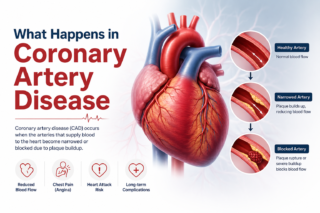
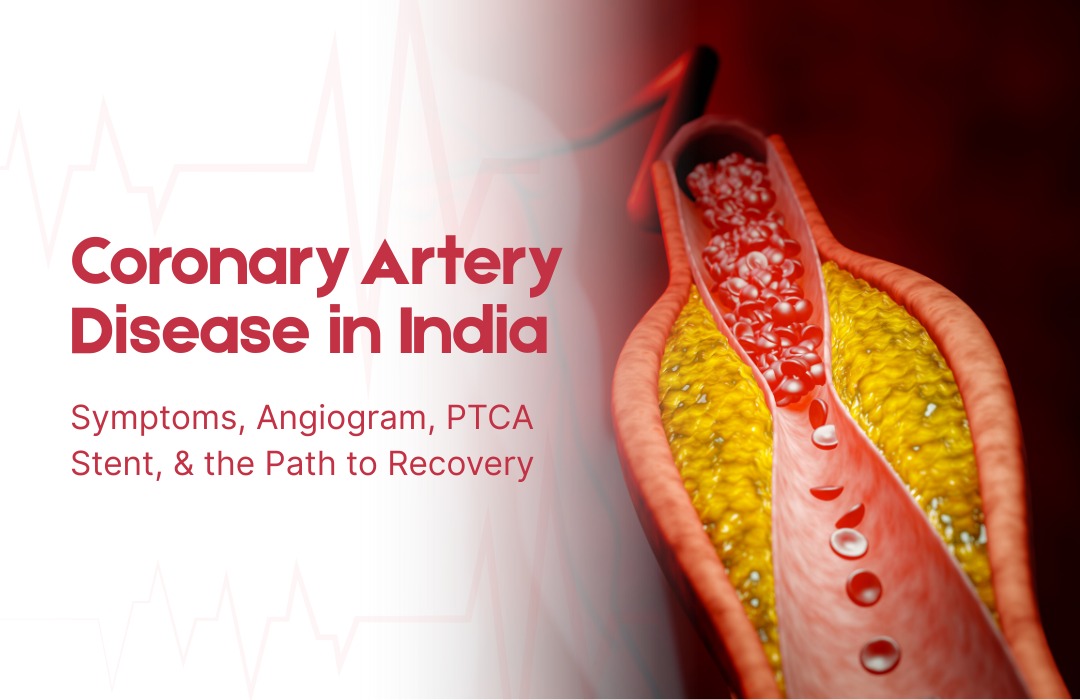
Coronary arteries are the three main blood vessels that supply oxygenated blood to the heart muscle itself. Coronary artery disease is the progressive accumulation of atherosclerotic plaque deposits of cholesterol, inflammatory cells, calcium, and connective tissue within the walls of these arteries. As plaques grow, they narrow the artery’s lumen, reducing the volume of blood the heart muscle receives.

In early disease, there are no symptoms. As narrowings become significant, the heart muscle receives adequate blood at rest but insufficient blood during exertion, producing the symptom of stable angina. When a plaque ruptures suddenly, as can happen without warning at any level of physical exertion, it triggers the formation of an acute blood clot that can completely block the artery, causing a heart attack 

Heart attacks cause permanent heart muscle damage in proportion to the time the artery remains blocked. Opening the blocked artery within 90 minutes of symptom onset with emergency coronary angioplasty (primary PCI) salvages the most muscle and produces the best survival outcomes. Every minute matters.

Recognising the Symptoms: What to Know, and What to Take Seriously

Stable angina is exertional chest discomfort—a tightness, pressure, heaviness, or aching in the center of the chest that appears predictably during physical activity (walking uphill, climbing stairs, carrying loads) and relieves with rest within a few minutes. It may radiate to the left arm, jaw, or back.

In the Indian population, and particularly in patients with diabetes, coronary artery disease sometimes presents atypically without classic chest pain,but with unexplained breathlessness on exertion, unusual fatigue, or a feeling of heaviness or indigestion. These symptoms in any patient with cardiovascular risk factors deserve a prompt cardiac evaluation, not reassurance.

Acute coronary syndromes,  unstable angina and heart attack, present with chest discomfort that is more severe and longer-lasting (more than 20 minutes) and may occur at rest. Associated symptoms, including sweating, nausea, breathlessness, or syncope, increase the likelihood of an acute event. These symptoms require immediate emergency care calling an ambulance and going directly to the nearest hospital capable of emergency coronary angioplasty in heart arteries.

The Diagnostic Pathway: From Symptom to Angiogram

The investigation of stable chest pain begins with clinical history, examination, a resting ECG, and blood tests. An echocardiogram assesses left ventricular function and wall motion. Stress testing exercises, ECG, stress echocardiogram, or nuclear perfusion imaging demonstrates whether coronary disease is causing ischemia during physical stress.

When an investigation suggests significant coronary artery disease, or when a patient presents with an acute coronary syndrome, coronary angiography is performed. This angioplasty and angiogram procedure takes 20 to 40 minutes under local anesthesia and sedation, with a catheter inserted through the radial artery in the wrist to deliver contrast dye into the coronary arteries while X-ray images map the distribution and severity of narrowings.

CT coronary angiography, a noninvasive alternative using CT scanning, is increasingly used as an initial anatomical investigation in stable patients with intermediate pretest probability of significant coronary disease, providing detailed arterial mapping without catheter insertion.

Also read: 5 Signs You or Your Elderly Parent May Need a Heart Valve Replacement  

PTCA Stent: What the Procedure Involves Step by Step

When the angiogram reveals a narrowing that warrants treatment, angioplasty with PTCA stent deployment proceeds as follows:

A guidewire, a very thin, flexible wire, is advanced through the catheter and across the coronary narrowing. The wire serves as a rail for all subsequent equipment. A balloon catheter is advanced over the wire to the lesion site and inflated to compress the plaque, widening the arterial lumen. A drug-eluting stent coronary device, a metal mesh cylinder mounted on a second balloon, is then advanced to the same position and expanded, embedding itself in the artery wall and remaining in place permanently as a scaffold.

After stent deployment, the operator assesses the result using post-deployment balloon inflation to optimize expansion and intravascular imaging (IVUS or OCT) in many cases to confirm optimal stent apposition. Haemodynamic measurements confirm normal blood flow before all equipment is removed.

For heavily calcified lesions that require special preparation before stenting, chip angioplasty techniques, including intravascular lithotripsy or rotational atherectomy, are deployed to modify the calcium and allow adequate stent expansion.
The entire procedure for a straightforward single-vessel case typically takes 45 to 90 minutes.

Recovery: Life After a Coronary Stent

Recovery from coronary angioplasty is rapid compared to surgical alternatives. Most patients return to light daily activities within one to two weeks and to full activity within two to four weeks.

The most critical post-stent requirement is medication adherence. Dual antiplatelet therapy, aspirin combined with a second agent (clopidogrel, prasugrel, or ticagrelor), is prescribed for a defined period to prevent stent thrombosis. The duration depends on stent type and clinical risk profile. Stopping this medication early without medical guidance carries a risk of acute stent occlusion and must be avoided.

Long-term coronary artery disease management, statins, blood pressure treatment, diabetes optimization, and lifestyle modification continue indefinitely regardless of whether a stent has been placed. A stent treats the obstruction; it does not cure the underlying disease. Regular follow-up with the treating coronary artery disease doctor is essential for monitoring disease progression and adjusting treatment as needed.

Dr. C Raghu: Comprehensive Coronary Artery Disease Care in Hyderabad

Dr. C. Raghu coronary artery disease program in Hyderabad encompasses the full clinical pathway from initial risk assessment and non-invasive investigation through coronary angiography and complex coronary angioplasty to long-term secondary prevention management. His practice uses intravascular imaging and physiological assessment tools routinely, reflects current evidence-based guidelines in every decision, and provides clear, patient-centered communication throughout every stage of the diagnostic and treatment process.

For advanced coronary artery disease treatment, coronary angioplasty, and PTCA stent care in Hyderabad, consult Dr. C. Raghu at Yashoda Hospitals, Secunderabad — Call +91 95424 75650 today for expert cardiac care.


Best-Angioplasty-Expert-in-India.webp

May 13, 2026 AbhijitHearty Life

India’s Coronary Disease Crisis — and Why the Quality of the Doctor Matters

Angioplasty expert in India Coronary artery disease is the leading cause of death in India. The country bears one of the world’s highest burdens of coronary disease, presenting at younger ages than Western populations and frequently at more advanced stages of disease. Every year, hundreds of thousands of Indians undergo coronary angioplasty, the catheter-based procedure to open blocked heart arteries, as a treatment for chest pain, heart attacks, and significant coronary disease discovered on investigation.

The outcome of that angioplasty, whether it relieves symptoms effectively, whether the stent lasts, whether the vessel stays open, or whether complications are managed safely, depends enormously on the quality of the operator. Not all interventional cardiologists are equal. The gap between the best angioplasty experts in India and average operators is meaningful, and that gap is most visible in exactly the cases where it matters most: complex lesions, challenging anatomy, and patients with multiple co-existing conditions.

This article explains what genuinely separates the best angioplasty experts in India from the rest — using plain language, grounded in evidence, because patients who understand these distinctions make better decisions about their own care.

What Coronary Angioplasty Actually Is

Coronary angioplasty, formally called Percutaneous Coronary Intervention (PCI) and historically known as PTCA (Percutaneous Transluminal Coronary Angioplasty), is a catheter-based procedure to open narrowed or blocked coronary arteries that supply blood to the heart muscle.

Under local anesthesia and light sedation, a catheter is inserted through the radial artery in the wrist (the modern preferred access route) or the femoral artery in the groin and navigated under X-ray guidance to the blocked coronary artery. A tiny balloon is inflated at the site of the blockage to compress the obstructing plaque and widen the artery. A PTCA stent  a small metal mesh cylinder  is then deployed at the same site to hold the artery open permanently.

Modern drug-eluting stents, which release medication over several months to prevent re-narrowing at the treated site, have dramatically improved the long-term success rates of coronary angioplasty. Complex cases involving heavily calcified plaques benefit from specialized techniques, including chip angioplasty using intravascular lithotripsy, cutting balloons, or rotational atherectomy, that the best angioplasty experts in Hyderabad are trained and equipped to deploy.

Also read : Meet Cardiologist in India, Dr C. Raghu Yashoda, Somajiguda 

Differentiator 1: Case Volume and Complexity Range

The relationship between operator volume and patient outcomes in interventional cardiology is one of the most extensively documented findings in all of medicine. Operators who perform a high annual volume of coronary angioplasty procedures make fewer technical errors, handle complications more adeptly, make better judgments about when to intervene and when not to, and produce measurably better outcomes across virtually every clinical metric.

This is particularly important in complex cases. Single-vessel, non-calcified, easily accessed coronary lesions in otherwise healthy patients are manageable for most trained interventionalists. Multivessel disease, chronic total occlusion recanalization, left main coronary stenting, severely calcified lesions requiring chip angioplasty techniques, and patients with prior coronary artery bypass surgery  these cases require accumulated experience that only comes with high-volume practice.

When a patient has complex coronary artery disease, the choice of a high-volume complex PCI operator is not a luxury. It is a clinical necessity that affects outcomes.

Differentiator 2: Intravascular Imaging Guidance

Coronary angiography — the standard X-ray imaging of coronary arteries using contrast dye — shows where narrowings are and how severe they appear. But it provides only a two-dimensional silhouette view of a three-dimensional structure. It cannot reliably assess plaque composition, calcium distribution, stent expansion, or stent apposition to the vessel wall.

Intravascular imaging — specifically intravascular ultrasound (IVUS) and optical coherence tomography (OCT) — provides cross-sectional views inside the artery in high resolution, allowing the angioplasty expert to see inside the vessel in three dimensions, choose the correct stent size, guide deployment, verify optimal expansion, and identify and correct problems before the patient leaves the catheterization laboratory.

Multiple large randomized trials and registry studies have confirmed that intravascular imaging-guided PCI is associated with lower rates of stent thrombosis, lower rates of target vessel failure, and better long-term clinical outcomes compared to angiography-guided PCI alone. An angioplasty expert in India who routinely uses intravascular imaging is practicing at a higher standard than one who relies on angiography alone.

Differentiator 3: Physiological Assessment of Lesion Severity

Not every coronary narrowing visible on an angioplasty and angiogram needs to be treated with a stent. Coronary angiography sometimes makes narrowings look more severe or less severe than they physiologically are. Treating a narrowing that does not cause ischemia (inadequate blood supply to heart muscle) with a stent exposes the patient to the risks of the procedure without providing clinical benefit.

Fractional Flow Reserve (FFR) and instantaneous Wave-Free Ratio (iFR) are wire-based physiological measurements that assess whether a coronary narrowing is causing clinically significant ischemia. Multiple trials — DEFER, FAME, FAME 2, and iFR-SWEDEHEART — have established that FFR- and iFR-guided PCI is superior to angiography-guided PCI in reducing unnecessary procedures while improving outcomes in lesions that truly require treatment.

A coronary heart disease doctor who uses physiological assessment to guide stent decisions is practicing evidence-based medicine at a higher standard than one who relies solely on the visual appearance of angiography.

Differentiator 4: Honest Decision-Making About When Not to Stent

Perhaps the most underappreciated quality of the best angioplasty experts in India is their willingness to recommend against angioplasty when the evidence does not support it. Major trials — ISCHEMIA, COURAGE, BARI 2D — have demonstrated that in patients with stable coronary artery disease and good left ventricular function, optimal medical therapy alone can produce outcomes equivalent to PCI for preventing heart attacks and death, while PCI reliably provides better symptom relief.

A coronary artery disease specialist who presents these findings honestly, explains that a stent will relieve angina but may not prolong life in stable disease, and supports the patient in making an informed choice rather than defaulting to the most immediately available intervention is providing genuinely excellent, patient-centered care.

This kind of honest decision-making is a marker of clinical confidence and integrity that patients should look for and value.

Also read: CHIP Angioplasty: Advanced Coronary Artery Disease Treatment Explained 

Emergency Angioplasty: The Time-Critical Dimension

The most time-sensitive application of coronary angioplasty is primary PCI the emergency procedure to open a blocked artery during an acute heart attack (STEMI ST-elevation myocardial infarction). Primary PCI must be performed within 90 minutes of hospital arrival to minimize heart muscle damage and improve survival. Every minute of delay costs irreplaceable cardiac muscle.

An angioplasty expert in Hyderabad who participates in a 24/7 primary PCI program on call around the clock, working in a center with rapid cath lab activation protocols, demonstrates the kind of commitment to acute cardiac care that defines a truly comprehensive coronary program. Dr. Raghu practice maintains this emergency PCI capability, ensuring that patients with acute coronary syndromes receive the most time-critical interventional care when it is needed most.

Dr. Raghu: The Standard of Excellence in Coronary Angioplasty in Hyderabad

Dr. C Raghu brings to his coronary angioplasty practice a combination of high case volume, routine intravascular imaging and physiological lesion assessment, mastery of complex PCI techniques, including chip angioplasty for calcified lesions, and an evidence-based communication approach that helps patients understand exactly when angioplasty adds value to their treatment and when other options deserve equal consideration.

His patients  from simple stable coronary disease to the most complex multivessel and chronic total occlusion cases — receive a consistently high standard of evaluation, procedural care, and long-term follow-up.

Contact Dr.C Raghu’s team cardiologist in Hyderabad through to schedule a coronary artery disease evaluation or angioplasty consultation.

About Dr. C. Raghu

Dr. C. Raghu — MD, DM, FESC, FACC, FSCAI
Interventional Cardiologist | Yashoda Hospital, Raj Bhavan Road, Somajiguda, 1st Floor, Room No. 115, Hyderabad – 500082, Telangana

Specialisation: Coronary, Vascular & Structural Interventions | TAVR | CHIP Angioplasty | Complex Coronary Procedures

OPD: Monday to Saturday, 8 AM – 8 PM  |  Emergency: 24/7  |  +91 95424 75650  |


atrial-fibrillation-treatment.webp

May 5, 2026 AbhijitHearty Life

The Most Common Heart Rhythm Disorder and Why Knowing About It Protects Your Brain

Atrial fibrillation treatment (AFib or AF) is the world’s most common sustained cardiac arrhythmia. In India, it is estimated to affect between 5 and 8 million people—a number that grows with the aging of the population, the rising prevalence of hypertension and diabetes, and improving awareness and detection. Many of those millions do not know they have it. Their heart rhythm is abnormal, their stroke risk is elevated, and they are receiving none of the atrial fibrillation treatment that would protect them.

The most compelling reason to diagnose and treat AFib is not the symptom burden—though that can be severe. It is stroke prevention. Atrial fibrillation increases the risk of ischemic stroke by approximately five times compared to patients without the condition. AFib-related strokes are larger, more disabling, and more fatal than most other stroke mechanisms. In many cases, the first presentation of AFib is the stroke itself—a preventable catastrophe.

For patients, families, and every person with an unexplained irregular heartbeat or a history of stroke, understanding atrial fibrillation—what it is, how it is diagnosed, and how it is treated—is knowledge that genuinely changes outcomes.

What Happens in Atrial Fibrillation

In normal heart rhythm, an electrical impulse originates from the sinus node in the right atrium and travels in an organized sequence through the heart, producing coordinated contraction of the atria followed by the ventricles. The result is a regular pulse.

In AFib, multiple chaotic electrical impulses fire simultaneously from different points within the atria — most often triggered by electrical activity around the pulmonary vein connections to the left atrium. Instead of contracting in a coordinated manner, the atria quiver. The ventricular chambers respond to these irregular impulses, producing an irregularly irregular heartbeat—the clinical hallmark of AFib, detectable on palpation of the pulse and confirming on an ECG.

Because the atria are not contracting effectively, blood pools—particularly in the left atrial appendage, a small blind-ended pouch of the left atrium. Pooled blood clots. A clot that forms here can break off, enter the systemic circulation, and travel to the brain, producing an embolic stroke. This mechanism is responsible for approximately 20 to 25% of all ischemic strokes—and a significantly higher proportion of strokes in elderly patients.

Also read: AFib and Brain Stroke: The Critical Connection Every Patient Must Know
Also read: Atrial Flutter vs AFib: Expert Diagnosis and Treatment in Hyderabad 

Symptoms: The Wide Spectrum of How AFib Presents

Atrial fibrillation presents across an extraordinarily wide symptomatic spectrum. Some patients experience dramatic, distressing palpitations — a rapid, fluttering, or chaotic heartbeat that they are acutely aware of. Others have breathlessness, fatigue, or reduced exercise tolerance that they may attribute to aging or deconditioning. Still others have dizziness or near-fainting episodes during episodes of very fast or very irregular heart rate.

A significant minority of AFib patients are completely asymptomatic. Their arrhythmia produces no noticeable symptom, is not detected on routine medical visits, and continues silently until it causes a stroke. This is why screening for AFib in patients with risk factors (older age, hypertension, diabetes, heart failure, and prior stroke) is increasingly recommended by international cardiology guidelines and why unexplained stroke should always prompt a thorough cardiac rhythm evaluation.

Diagnosing AFib: From Pulse to Holter

The diagnostic investigation for AFib begins with an ECG — a 12-lead recording of the heart’s electrical activity. AFib produces a characteristic pattern: absence of P waves, irregular ventricular rhythm, and an undulating fibrillatory baseline. A routine ECG confirms continuous AFib reliably.

The challenge is paroxysmal AFib — arrhythmia that comes and goes in episodes that may be brief, infrequent, and entirely asymptomatic between events. A patient with paroxysmal AFib who has a normal sinus rhythm when the ECG is taken will receive a normal ECG report that is technically accurate but clinically misleading.

Holter monitoring — a portable ECG device worn for 24 to 72 hours continuously — significantly improves detection. For patients with less frequent episodes, extended monitoring using 30-day event recorders or implantable loop recorders (small devices inserted under the skin that record rhythm continuously for up to three years) is used. Implantable loop recorders have transformed the detection of paroxysmal AFib in patients with unexplained stroke, revealing occult arrhythmia in a substantial proportion of cases previously classified as cryptogenic stroke.

Alongside ECG and rhythm monitoring, the AFib evaluation includes echocardiography (to assess cardiac structure, left atrial size, and left ventricular function), thyroid function tests, and relevant metabolic blood tests to identify treatable contributors to the arrhythmia.

The Three-Pillar Framework of Atrial fibrillation treatmentAtrial fibrillation treatment

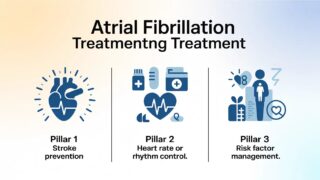
Atrial fibrillation in India, as internationally, rests on three interconnected pillars:

Pillar 1 — Stroke Prevention. This is the most clinically critical component for the majority of AFib patients. The CHA₂DS₂-VASc score — which accounts for age, sex, heart failure, hypertension, diabetes, prior stroke, and vascular disease — quantifies each patient’s annual stroke risk and guides the decision to anticoagulate. Direct oral anticoagulants (DOACs) — rivaroxaban, apixaban, edoxaban, and dabigatran — are now the preferred anticoagulants for most patients with non-valvular AFib, offering reliable stroke prevention without the monitoring burden and dietary interactions of warfarin.

Pillar 2 — Heart Rate or Rhythm Control. Rate control — slowing the ventricular response to AFib using beta-blockers, calcium channel blockers, or digoxin — is appropriate for patients with acceptable symptom control, or those with longstanding persistent AFib. Rhythm control — restoring and maintaining normal sinus rhythm — is pursued when symptoms remain significant despite rate control, through antiarrhythmic medications, electrical cardioversion (a brief controlled electric shock under sedation), or catheter ablation (pulmonary vein isolation). Evidence from the EAST-AFNET 4 trial and CASTLE-AF now supports early rhythm control in many patients as a superior long-term strategy.

Pillar 3 — Risk Factor Management. Treating the conditions that drive AFib—hypertension, obesity, diabetes, sleep apnea, alcohol use—is now recognized as an integral part of AFib treatment. The RACE 3 trial demonstrated that intensive risk factor management significantly improves rhythm control outcomes. AFib management that focuses only on the arrhythmia, without addressing its drivers, produces inferior long-term results.

Choosing the Best Cardiologist for Atrial Fibrillation in India

Managing AFib well requires a cardiologist with comprehensive expertise across all three treatment pillars—not just arrhythmia knowledge, but depth in anticoagulation management, risk stratification, echocardiographic assessment, and the clinical judgment to navigate the evolving evidence base in a condition where guidelines are updated regularly.

Dr. Raghu is recognized as one of the best cardiologists in Hyderabad for atrial fibrillation in Hyderabad and India. His AFib program provides systematic risk stratification, evidence-based anticoagulation, individualized heart rate and rhythm management, and collaborative access to cardiac electrophysiology for patients where catheter ablation is indicated. Patients from across India and beyond consult his practice for AFib treatment that reflects the current highest standard of evidence-based cardiac care.

Contact Dr. Raghu’s team in Hyderabad through contact for an atrial fibrillation evaluation, stroke risk assessment, or AFib management review.


tavr-specialist-in-india.webp

April 28, 2026 AbhijitHearty Life

The Heart Valve Condition That Affects Millions — and the Procedure Changing Its Outcome

Severe aortic stenosis is one of the most serious cardiac valve conditions affecting adults in India today, often requiring consultation with a TAVR expert in Hyderabad for advanced and minimally invasive treatment options. The aortic valve — which regulates blood flow from the heart to the rest of the body — progressively narrows over time, forcing the heart to work harder with every beat. Without timely treatment, the condition carries a steep prognosis: within two years of the onset of severe symptoms, more than half of untreated patients do not survive. 

For decades, the only proven treatment was open-heart surgery. For patients who were elderly, frail, or burdened by multiple co-existing illnesses, that surgery was too risky to offer. Families were told there was nothing to be done.

Transcatheter Aortic Valve Replacement—known as TAVR, or equivalently as TAVI (Transcatheter Aortic Valve Implantation)—has fundamentally rewritten that story. Understanding what TAVR is, how it works, and who it helps is now essential knowledge for every patient with aortic stenosis and every family navigating this diagnosis.

What TAVR Actually Involves

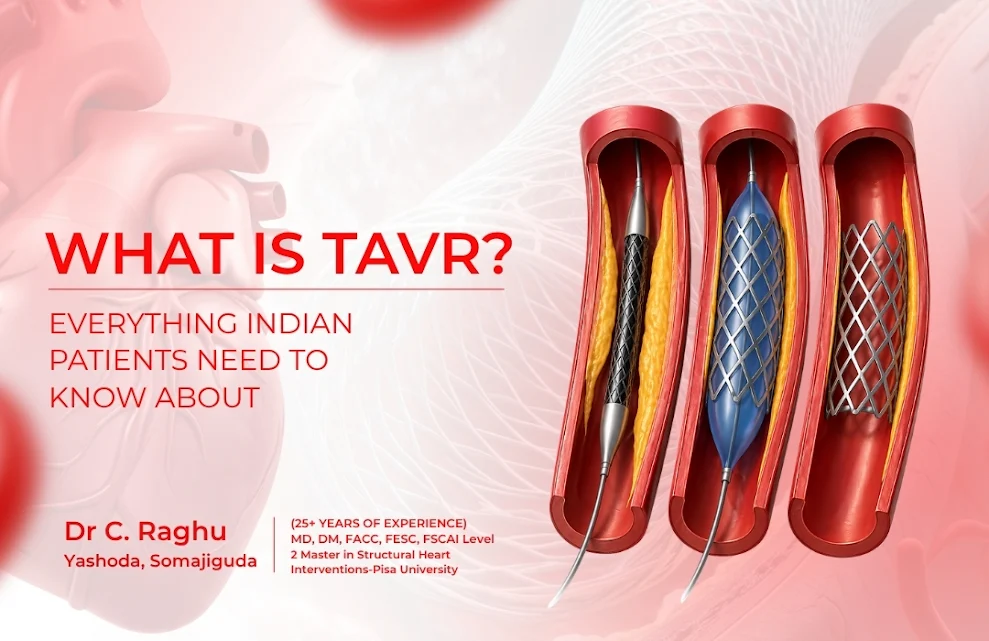
In TAVR—a cornerstone of modern TAVR cardiology—a new prosthetic aortic valve is delivered to the heart not through a chest incision, but through a thin, flexible catheter navigated from outside the body. The most common route is through the femoral artery in the groin, a blood vessel large enough to carry the crimped prosthetic valve to the heart under X-ray and ultrasound guidance.

Once the new valve reaches the diseased native valve, it is expanded — either by a small balloon or by a self-expanding mechanism — and takes over the valve’s function immediately. The diseased native valve leaflets are pushed aside; the new valve sits within them and opens and closes with each heartbeat.

No incision is made in the chest. The heart continues beating throughout. Most patients receive sedation rather than full general anesthesia. They are sitting up and taking fluids the same day. Most are discharged within two to four days.

Recovery is measured in weeks, not months. Patients who undergo TAVR at a high-quality center—performed by an experienced TAVR/TAVI specialist in Hyderabad like Dr. Raghu—typically return to normal daily activities within one to three weeks of the procedure.

TAVI and TAVR refer to the same procedure. TAVR (replacement) is the terminology used in North America; TAVI (implantation) is used widely in Europe and Asia. Clinically, there is no difference.

Also read: Top 10 Cardiologists in Hyderabad: How to Choose Best One  

Why TAVR Is Particularly Significant for Indian Patients

India carries one of the world’s largest burdens of valvular heart disease. Rheumatic heart disease — historically underdiagnosed — has left a significant proportion of the older population with damaged valves. The rising prevalence of degenerative age-related aortic stenosis compounds this burden further.

Until TAVR, many of these patients were turned away. Open-heart surgery was unavailable in their region, too expensive, or too risky given their age and health. TAVR changes all three of those barriers simultaneously. It extends the eligible patient population dramatically—elderly patients, frail patients, those with prior cardiac surgery, and those with severe lung or kidney disease—all of whom previously had no safe treatment option.

A qualified TAVR/TAVI doctor in India can now evaluate these patients, most of whom can be treated safely and return to a quality of life that aortic stenosis had progressively stripped away.

The economic dimension matters too. TAVR experts in India is available at costs that are a fraction of equivalent care in the United States, the United Kingdom, or Australia—without any compromise in clinical quality at top Indian centers. This has made India an increasingly significant destination for TAVR medical tourism among overseas Indian patients and international patients seeking expert, affordable structural heart care.

Also read: Myocardial Infarction: Heart Attack Causes, Symptoms & Treatment 

The Heart Team: Why TAVR Outcomes Depend on More Than the Operator

TAVR is not a procedure performed by a single physician in a standard catheterisation laboratory. Best practice TAVR requires what is known as a Heart Team — a multidisciplinary group that evaluates every candidate collectively before any procedure is planned.

The Heart Team includes an interventional cardiologist with specific structural heart disease training, a cardiac surgeon capable of open valve replacement, a cardiac imaging specialist for echocardiography and CT planning, a cardiac anaesthesiologist, and a specialist nursing team. The team reviews each patient’s clinical and anatomical information, discusses treatment options, and arrives at a consensus recommendation.

This multi-specialist framework exists because TAVR decisions are genuinely complex. Anatomy varies between patients in ways that significantly affect both device selection and implantation strategy. Surgical risk scores must be calculated and interpreted carefully. The alternative of open surgery must be honestly assessed for each individual patient. No single clinician can make these judgments optimally in isolation.

Centres that perform TAVR without a functioning Heart Team structure are not meeting the standard established by international guidelines — and patients are entitled to ask whether the centre they are considering operates within a genuine Heart Team model.

Who Benefits Most from TAVR?

As TAVR technology and evidence have evolved, the patient population it serves has expanded. Originally introduced for patients at prohibitive or high surgical risk, the evidence base now supports TAVR in intermediate-risk and even selected low-risk patients.

Elderly patients — particularly those above 75 — are the core TAVR population. Age-related frailty and comorbidities increase surgical risk substantially, and TAVR’s minimally invasive nature is especially well-suited to this group.

High surgical risk patients—those with severe lung disease, prior cardiac surgery, renal impairment, or STS PROM surgical risk scores above 8%—are prime TAVR candidates regardless of age.

Patients who have been told they are “inoperable”—this is an important category. As TAVR technology has matured and operator experience has grown, anatomical configurations that were once considered unsuitable for TAVR are increasingly treatable. A second opinion from an experienced TAVI expert in India may reveal options that a previous evaluation missed.

Intermediate-risk patients — based on PARTNER 2 and SURTAVI trial data, TAVR produces outcomes comparable to surgery in intermediate-risk patients, expanding its appropriate use further into the mainstream valvular population.

The Evidence Behind TAVR

TAVR is one of the most rigorously evaluated interventions in modern cardiology. The PARTNER trial series, the SURTAVI trial, the EVOLUT trials, and a large body of real-world registry data have collectively established a strong evidence base for TAVR across risk strata. Five-year and early ten-year durability data confirm that TAVR valve function is maintained well in the medium term.

This evidence base is what has driven the transformation of TAVR from a last-resort procedure for the truly inoperable to a mainstream treatment option discussed for the majority of patients presenting with severe symptomatic aortic stenosis.

The First Step for Indian Patients and Families

For anyone navigating an aortic stenosis diagnosis—whether for themselves or for an older family member—the most important action is to seek evaluation at a center with a genuine TAVR program. Not every cardiologist is trained in structural heart disease. Not every hospital advertising cardiac services has the infrastructure, team, and case volume to deliver TAVR safely.

Dr. Raghu is a recognized TAVR/TAVI specialist in India, practicing in Hyderabad, with extensive structural heart disease experience and a Heart Team program that meets current international standards. Patients from across India and internationally consult his practice for TAVR evaluation, second opinions, and complex structural heart care.

The first step is a comprehensive evaluation — clinical assessment, echocardiography, and cardiac CT — that answers the question of whether TAVR, surgical valve replacement, or another approach is the right path for this specific patient. That evaluation, done well, changes outcomes.

Contact Dr. Raghu’s team in Hyderabad through to schedule a TAVR evaluation or structural heart consultation.


top-10-cardiologist-in-hyderabad.png

April 24, 2026 AbhijitHearty Life

When a patient or family searches for a top cardiologist in Hyderabad, they often arrive at aggregator lists—rankings assembled from review counts, online ratings, hospital brand recognition, and the vagaries of search engine visibility. These lists are a starting point. They identify names that appear frequently enough to have a public presence. They are not, however, a clinical framework for choosing the right cardiologist for a specific patient with a specific cardiac condition.

The real question behind every such search is more precise: which cardiologist in Hyderabad has the depth of expertise, the evidence-based clinical approach, and the communication quality to manage my specific condition at the highest possible standard? That question has a more specific and more useful answer than any generic ranking can provide.

This article offers that framework — the genuine clinical and human differentiators that separate Hyderabad’s best cardiologists from the merely visible — so that patients from Secunderabad, Somajiguda, Banjara Hills, and across the twin cities can make a choice grounded in what actually matters.

Subspecialty Expertise Matched to the Condition

Cardiology in Hyderabad encompasses multiple distinct subspecialties. An interventional cardiologist who excels at complex coronary angioplasty and TAVR is not automatically the optimal choice for a patient whose primary need is arrhythmia ablation. A general cardiologist with excellent chronic disease management skills may not be the right choice for a patient with complex structural heart disease requiring Heart Team evaluation.

The most valuable first step in choosing a cardiologist in Hyderabad is identifying which subspecialty domain is most relevant to the patient’s condition and then identifying the cardiologist whose training, fellowship experience, and current case volume most closely match that domain.

For patients with conditions that span multiple subspecialties—coronary disease plus atrial fibrillation or valve disease plus coronary disease—a top cardiologist in Hyderabad who offers genuinely comprehensive expertise across multiple domains, rather than referring to multiple specialists, provides a particularly high level of clinical value.


Also read: Daily Habit That May Double Heart Attack Risk, Warns Cardiologist

Transparency About Case Volume and Outcomes

High-volume operators produce better outcomes in interventional cardiology. This is not a marketing claim — it is one of the most extensively documented findings in the cardiac outcomes literature, with evidence from coronary angioplasty, TAVR, and ablation procedures all pointing in the same direction.

The best cardiology hospital in Hyderabad operates within a culture of volume transparency—cardiologists discuss their procedural volumes and program outcomes with patients and referring physicians. Major complications are reviewed in quality meetings. Performance is benchmarked against national and international standards. Programs that track and report their outcomes are demonstrably accountable to quality in a way that programs relying on reputation alone are not.

Patients choosing a cardiologist in Hyderabad for an interventional procedure are entirely entitled to ask, “How many of these procedures do you and your programme perform annually?” Any cardiologist with a genuinely strong procedural background will answer directly.

Current Evidence and Guideline Practice

Cardiology is a rapidly evolving specialty. The evidence base for TAVR candidacy, for coronary angioplasty indications, for AFib management, for pulmonary embolism treatment, and for preventive cardiology has evolved substantially in the past five years and will continue to evolve. A cardiologist who is actively engaged with current evidence — reading major trials as they are published, attending national and international conferences, revising their practice as guidelines are updated — is providing genuinely current care.

A cardiologist whose practice reflects knowledge from ten years ago may recommend treatments that current evidence has superseded, miss newer options that would benefit the patient, or apply risk thresholds for intervention that no longer reflect the state of the art. Asking a cardiologist about how recent a specific guideline recommendation is, or which major trials support their proposed treatment approach, is a legitimate and informative question.

Accessibility and Long-Term Commitment

Cardiac conditions are chronic. The relationship between a patient and their cardiologist extends—ideally—across years or decades, encompassing multiple investigations, medication adjustments, periodic reassessments, and the management of new symptoms as they arise. The best cardiologist in Hyderabad for long-term cardiac management is not just technically excellent at procedures—they are accessible between appointments, responsive when new symptoms develop, and committed to maintaining the relationship through appropriate follow-up.

For patients in Secunderabad, Somajiguda, and across the broader Hyderabad metropolitan area, accessibility matters practically. A cardiologist whose clinic is geographically accessible, whose appointment system does not require a three-month wait for an urgent review, and whose team communicates proactively about investigation results and follow-up plans, provides a level of clinical service that is as important as technical excellence in procedures.

Also read: How to Handle Cardiac Emergencies at Home: Steps & Mistakes

The Second Opinion Standard

One of the most reliable markers of a confident, ethical cardiologist is their attitude toward second opinions. The best cardiologists in Hyderabad welcome second-opinion consultations without defensiveness—because they are confident in the quality of their assessments and because they recognize that patients in high-stakes cardiac situations have every right to seek confirmation from another expert.

Dr. Raghu’s practice actively welcomes second opinion consultations. Patients who have received a recommendation for cardiac surgery, TAVR, complex angioplasty, or any significant cardiac intervention from another cardiologist are invited to bring their investigations and receive an independent, evidence-based assessment of the proposed management. In some cases, the existing recommendation is confirmed, and the patient proceeds with confidence. For others, Dr. Raghu offers a different perspective that leads to a different—and better—management path.

For patients in Secunderabad, Somajiguda, and across Hyderabad who want the reassurance of an expert second opinion, Dr. Raghu’s practice provides exactly that service.

Why Patients from Across Hyderabad and Beyond Choose Dr. Raghu

Patients who consult Dr. Raghu—as a new patient, for a second opinion, or a complex referral—consistently report the same qualities that distinguish their experience: the depth and clarity of his explanations during consultation, the thoroughness of the clinical evaluation, his willingness to discuss all treatment options honestly rather than defaulting to intervention, and the genuine accessibility of him and his team throughout the care journey.

Combined with high-volume technical expertise across coronary angioplasty, TAVR and structural heart disease, atrial fibrillation management, pulmonary embolism, and peripheral vascular intervention, these qualities make Dr.C .Raghu consistently regarded as one of the best cardiologist doctors in Hyderabad—and one of the top cardiologists in India.

Patients across Hyderabad—including Somajiguda, Secunderabad, Banjara Hills, Jubilee Hills, and the wider twin cities area—are welcome to contact Dr. Raghu’s cardiac practice for a consultation, a second opinion, or any cardiac concern that deserves expert attention.


Dr raghu logo


Dr raghu logo


Call us now if you are in a medical emergency need, we will reply swiftly and provide you with a medical aid.


For Appointment with Dr Raghu: +91 80085 36699
Dr Raghu’s Patient Coordinator: +91 72860 10203
Dr Raghu’s Office Experience: +91 90001 65962
Dr Raghu’s Social Media Communication Channel: +91 97046 51708

Dr. Raghu | Heart Specialist in Hyderabad
Yashoda Hospitals, Raj Bhavan Road, Somajiguda, 1st floor, Room No. 115, Hyderabad -500082, Telangana

Best Cardiologists in Hyderabad


© 2024, Dr. Raghu. All rights reserved. Design & Developed by AMSDigital.in

[gtranslate]
+91-9542475650