Congestive heart failure is characterized by a gradual deterioration in the heart’s ability to pump blood throughout the body. It can result in various symptoms, such as swelling in the abdomen, feet, and legs, shortness of breath, fatigue
menu trigger
menu trigger


Monday - Sunday 08:00 AM - 08:00 PM+91 95424 75650 | Emergency Service 24/7Book an AppointmentDigital Visiting Card

Heart failure refers to a condition where the heart is unable to pump blood throughout the body with maximum efficiency. It’s usually the result of progressive weakening, thickening, or stiffening of the heart muscles.
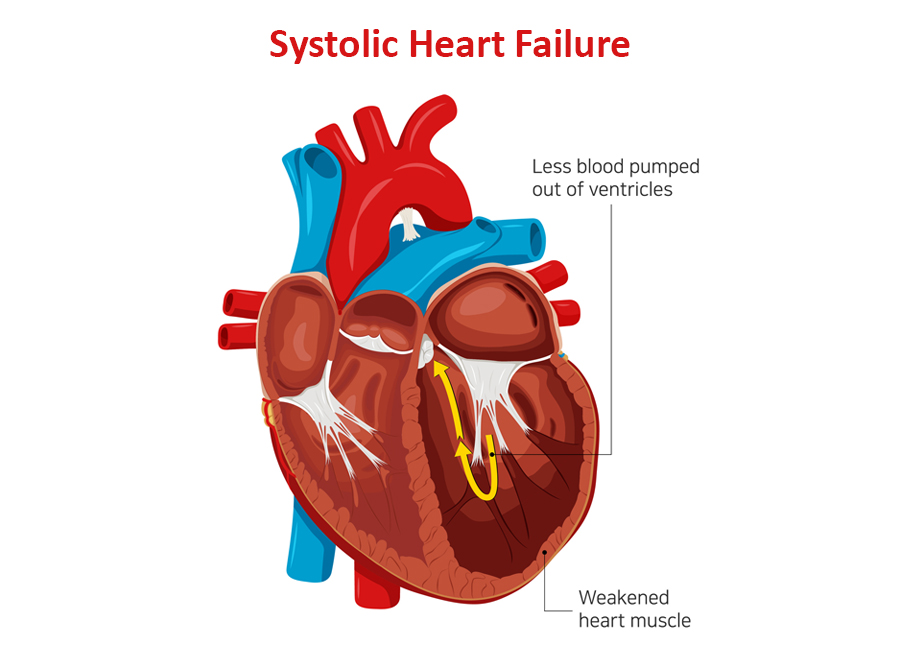
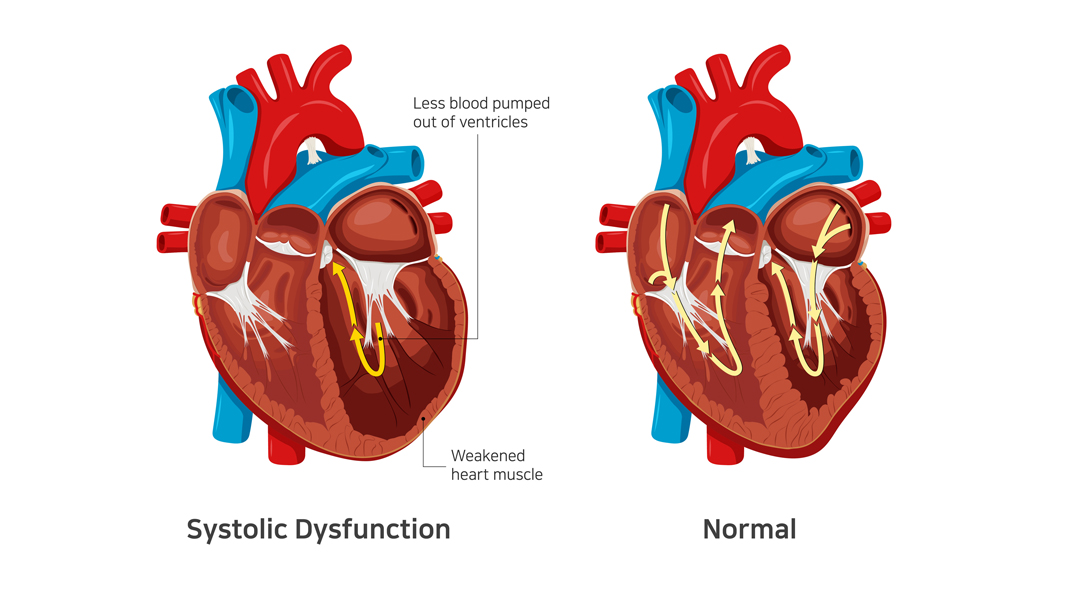
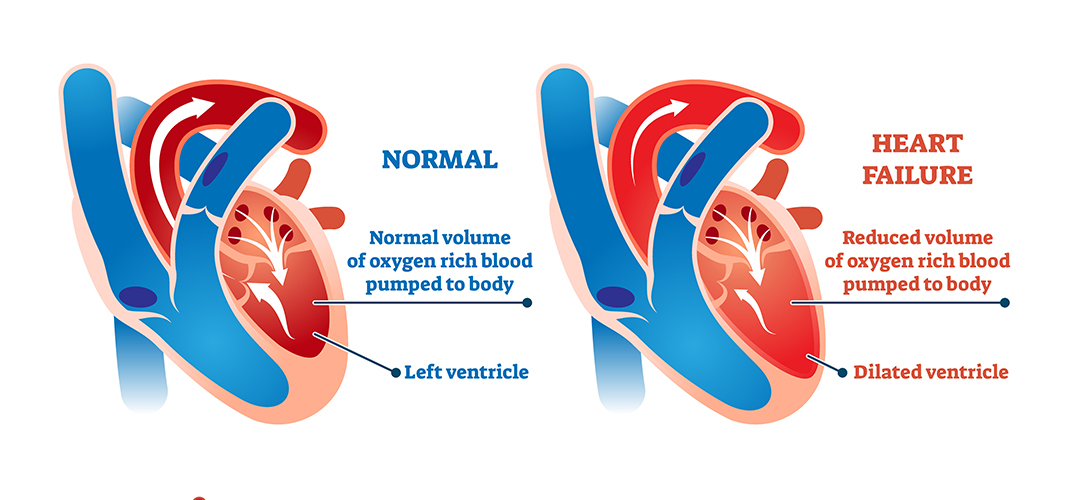
Heart failure is a common condition with no known cure. However, proper treatment can control the disease progression and thus improve a patient’s quality of life and longevity. To decide the proper course of treatment, a doctor must first determine the type of heart failure a patient has developed. Depending on the part of the heart’s pumping cycle that’s been affected, heart failure can be of two types – diastolic and systolic. You can learn more about the symptoms, causes, treatment of diastolic dysfunction and differentiation from systolic dysfunction in our previous article. In this blog, we’ll delve deeper into systolic heart failure and understand its causes and symptoms. Systolic heart failure occurs due to a problem in the heart’s contraction (or systolic) phase. It’s characterized by stretching and weakening of the left ventricular muscle, due to which the heart pumps out less oxygenated blood to the body. It’s also known as heart failure with reduced ejection infraction. As the condition worsens, it can also weaken the right ventricle and take a toll on its pumping power too. Systolic heart failure is caused by underlying medical conditions that damage the left ventricle. The most common causes include : Additionally, people who are older or have diabetes are at a higher risk of developing systolic heart failure. In systolic heart failure, an adequate amount of oxygen-rich blood doesn’t reach all organs. The most common indicator of the condition is a lower ejection fraction. It can result in the following symptoms: Typically, a doctor prescribes various tests, such as chest X-ray, ECG, and echocardiography, to diagnose systolic heart failure and its root cause. The treatment plan depends on the underlying cause. In most cases, systolic heart failure is treated using one or more of the following medications: Additionally, doctors recommend a healthy diet and lifestyle changes to improve cardiac health and manage underlying conditions, such as hypertension and diabetes. If left untreated, systolic heart failure can damage vital organs and even lead to death. It’s crucial that patients watch out for symptoms like swollen feet, mental confusion, and bluish skin color and seek medical treatment at the earliest. Dr. C Raghu is an experienced cardiologist who specializes in interventional cardiology and TAVR. If you or anyone you know is experiencing symptoms of systolic heart failure, connect with Dr. Raghu for proper diagnosis and treatment.
Systolic Heart Failure: A Closer Look
Related: What Are the Symptoms of Diastolic Dysfunction?
Causes of Systolic Heart Failure
Related: Understanding Congestive Heart Failure Symptoms
Symptoms of Systolic Heart Failure
Diagnosis and Treatment Options
Related: Diagnosing Congestive Heart Failure
In Conclusion
Book Online Consultaion
DOWNLOAD PDFWhat Is Systolic Heart Failure ? – Blog
Subscribe the Hearty Life Blogs

DR. RAGHU | Best Cardiologist in Hyderabad
MD, DM, FESC, FACC, FSCAI
Cardiology Coronary, Vascular and
Structural InterventionsConditions & Diseases
Angioplasty
Aortic Stenosis
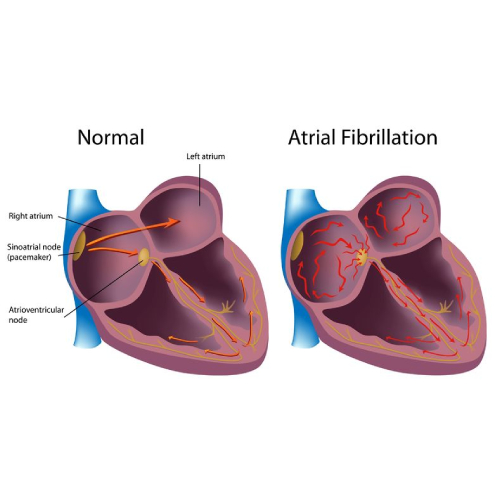
Atrial Fibrillation
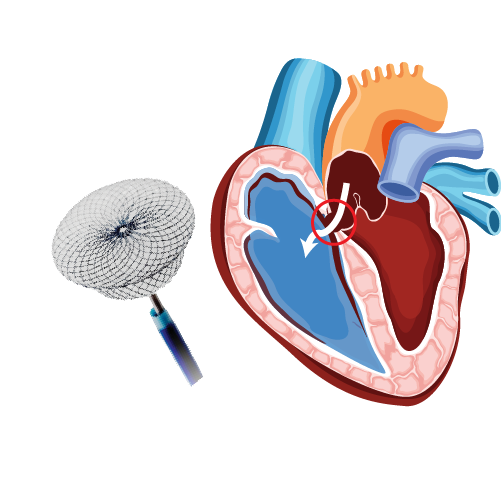
Atrial Septal Defect
View More Services
Related Posts

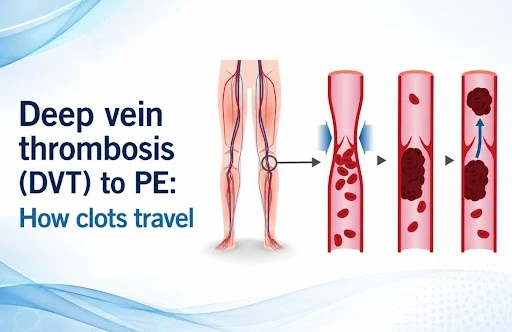

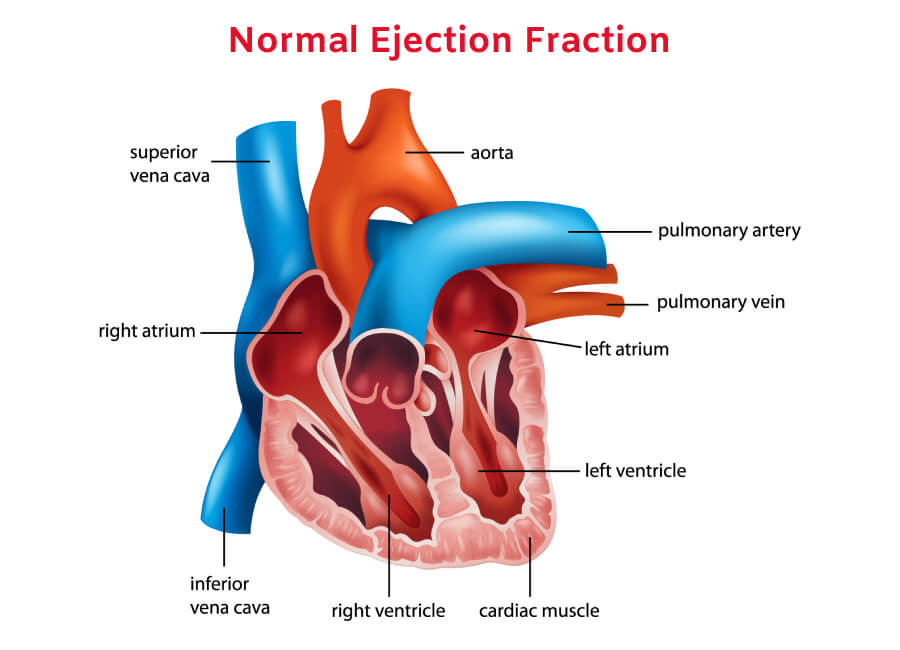
The ejection fraction is one of the most common parameters used to diagnose heart failure. If you want to know more about the cause, symptoms, and types of heart failure, check out our previous blog posts.
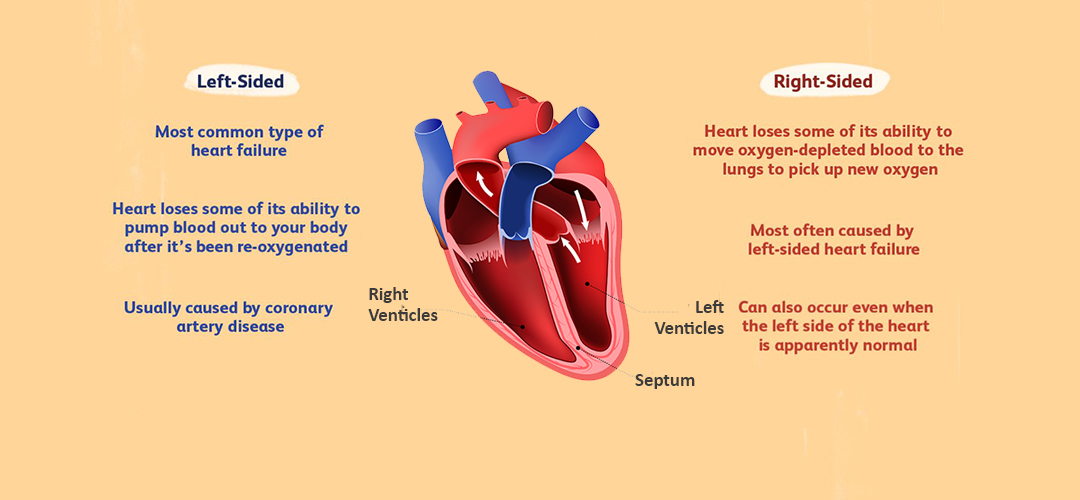
The most likely cause of right sided heart failure is a weak left ventricle. In other words, left sided heart failure eventually leads to right sided heart failure.
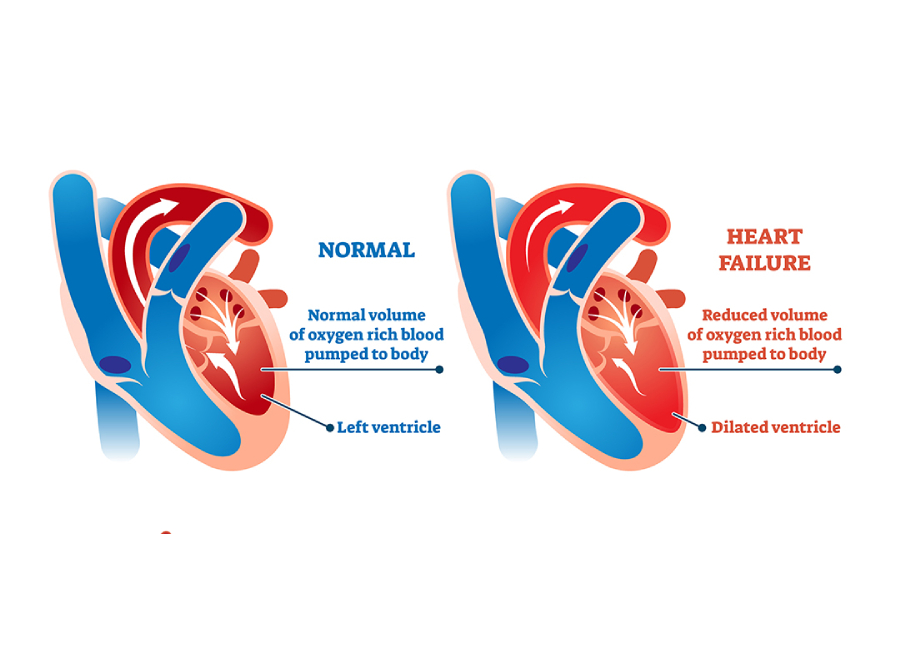
Depending on the side of the heart that’s been affected, heart failure can be of two types – left-sided and right-sided. We’ve already discussed the causes and symptoms of right sided heart failure in one of our previous blogs. It’s now time for us to dig deeper into left sided heart failure, which is the most likely cause of right sided heart failure. Let’s jump right in. Left sided heart failure is characterized by a decline in the heart’s pumping function. In this condition, the heart gradually loses its ability to pump blood from the left ventricle into the arteries. The ejection fraction for a patient with left sided heart failure is often lower than 50%. That, in turn, leads to a buildup of blood in the lungs and fluid in the body. Also, left sided heart failure depletes vital organs of oxygen-rich blood. The most common left sided heart failure symptoms include: Additionally, a lack of an adequate blood supply to the brain can cause confusion. Also, it can result in fatigue. Left sided heart failure is the result of a gradual weakening of the heart’s left ventricle. It can happen due to underlying conditions, such as coronary artery disease, hypertension, and heart valve damage. It can also be the result of heart muscle damage due to a previous heart attack. Doctors treat left sided heart failure based on its underlying cause. They can prescribe medication, such as ACE inhibitors and beta-blockers, to manage conditions like hypertension. Additionally, many patients are prescribed diuretic pills to prevent fluid buildup due to heart failure. Left sided heart failure treatment also involves a healthy diet and lifestyle changes. For instance, a doctor might recommend that you follow an exercise routine and lose weight. Also, they’ll ask you to avoid smoking and alcohol consumption. In right sided heart failure, the right ventricle becomes weak and has trouble pumping deoxygenated blood to the lungs. It’s usually a result of progression of a left sided heart failure. People with right heart failure present with swelling of feet, face, abdomen and distended pulsatile neck veins. They can also present with generalised weakness and easy fatiguability. When the left ventricle doesn’t pump out an adequate amount of oxygenated blood to the circulatory system, some of the excess blood flows back into the lungs. This leads to breathlessness as the predominant symptom of left heart failure. This breathlessness can present initially on unaccustomed exertion to progress with less severe exercise and finally to breathlessness on lying flat. Left heart failure in turn, makes it difficult for the right ventricle to pump deoxygenated blood to the lungs. In the long run, it exerts the walls of the right ventricle and results in right sided heart failure. Left sided heart failure is a serious condition that can result in organ damage and right sided heart failure. The condition can be treated with a combination of medicines, like beta-blockers and diuretics, and lifestyle changes. Dr. C Raghu is an eminent cardiologist with more than two decades of experience. He’s been treating patients with various heart conditions, helping them live longer and healthier lives. If you or anyone you know has developed symptoms of left sided heart failure, don’t hesitate to consult Dr. Raghu right away.
Related: What Is a Normal Ejection Fraction by Age?
What Is Left Sided Heart Failure?
Related: What Is Systolic Heart Failure?
What Are the Symptoms of Left Sided Heart Failure?
What Causes Left Sided Heart Failure?
Related: Understanding Congestive Heart Failure Symptoms
Treatment of Left Sided Heart Failure
Left Sided Heart Failure vs. Right Sided Heart Failure
In Conclusion
DR. RAGHU | Best Cardiologist in Hyderabad
MD, DM, FESC, FACC, FSCAI
Cardiology Coronary, Vascular and
Structural InterventionsConditions & Diseases
Angioplasty
Aortic Stenosis
Atrial Fibrillation
Atrial Septal Defect
View More Services
Related Posts
© 2024, Dr. Raghu. All rights reserved. Design & Developed by AMSDigital.in
+91 95424 75650
For Appointment with Dr Raghu:
+91 80085 36699
Dr Raghu’s Patient Coordinator:
+91 72860 10203
Dr Raghu’s Office Experience:
+91 90001 65962
Dr Raghu’s Social Media Communication Channel:
+91 97046 51708