
Blood Clots in AFib: How They Form and Prevention
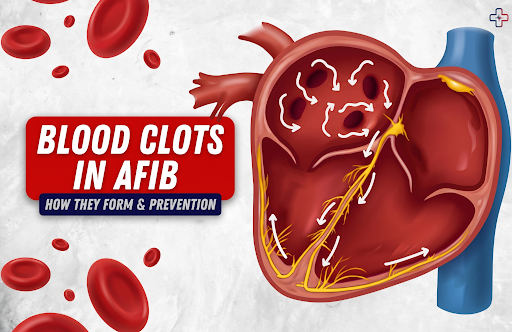
Blood Clots in AFib You don’t think about your blood clotting. You just assume it works the way nature intended. But what if I told you that your irregular heartbeat is creating the perfect environment for dangerous blood clots to form inside your heart? What if one of these clots breaks loose and travels to your brain, causing a stroke that changes your life forever?
This isn’t fear-mongering. This is reality for people with atrial fibrillation treatment. Blood clots in AFib represent one of the most serious complications of an irregular heartbeat, and understanding how they form is the first step to protecting yourself.
How Your Blood Clots in AFib Normally
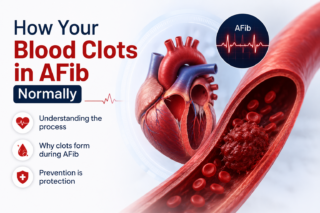
Your body is incredibly intelligent. When you cut yourself, your blood clots to stop the bleeding. Platelets rush to the scene, and proteins in your blood create a mesh that seals the wound. This is a life-saving mechanism.
But blood clotting only works well when blood is flowing smoothly. Your heart pumps blood like a continuous wave through your arteries and veins. The constant movement keeps blood from sitting in one place long enough to clot unnecessarily.
When you have AFib, this smooth flow stops.
The AFib Problem: Stagnant Blood
Remember what happens during AFib? Your atria aren’t contracting properly. They’re quivering instead of pumping. Blood doesn’t move out of these chambers as it should. Instead, it sits there. It pools. It stagnates.
Think of it like a river. When water flows, it stays clean and fresh. When water sits in a pond, things start to grow and accumulate. Your blood is similar.
When blood stagnates in your heart’s atria for extended periods, it naturally starts to clot. Your body doesn’t know this is abnormal—it just thinks blood is sitting still and needs protection. So it activates the clotting mechanism.
Where Do These Clots Go?
Here’s what terrifies people, and rightfully so. A clot can
- Stay in your heart and grow larger
- Break loose and travel through your bloodstream
- Reach your brain and block blood flow, causing a brain stroke
- Block other arteries in your body, causing problems elsewhere
- Damage your heart further
A stroke from AFib-related blood clots is particularly serious. These strokes tend to be more severe than other types of strokes. They cause more disability and more death.
Who’s Most at Risk?
Your risk of developing blood clots from AFib increases based on several factors:
Age matters. People over 65 face higher risk.
Duration counts. If you’ve had AFib for years, clot risk increases.
Your other health conditions matter. High blood pressure, diabetes, heart failure, previous stroke—these all increase your risk.
Your heart function matters. If your heart is weakened, blood pools more easily.
Prevention: Your Most Important Tool
Here’s the empowering part: you can prevent AFib blood clots. You have real options.
Blood Thinning Medications
Your doctor will likely recommend anticoagulants—medications that thin your blood and prevent clotting. These are lifesavers for AFib patients.
Warfarin is the traditional choice. It’s effective but requires regular blood tests and diet consistency.
Newer options like apixaban, rivaroxaban, dabigatran, and edoxaban work differently. They’re often more convenient with fewer dietary restrictions.
Your heart specialist in Hyderabad will help you choose the right medication based on your specific risk factors and medical history.
Atrial Fibrillation Treatment Matters
The type of atrial fibrillation treatment you receive affects clot risk. Ablation procedures, performed by skilled interventional cardiologists, can sometimes eliminate AFib entirely, reducing or eliminating the need for blood thinners in some cases.
Lifestyle Modifications
You control many factors:
- Control your blood pressure through medication and lifestyle
- Manage diabetes if you have it
- Stop smoking immediately
- Limit alcohol significantly
- Exercise regularly as approved by your doctor
- Maintain a healthy weight
- Reduce stress through meditation, yoga, or counseling
- Stay hydrated properly
- Sleep adequately
What Happens During Atrial Fibrillation Treatment?
When you work with a specialized atrial fibrillation doctor in Hyderabad or any of the best atrial fibrillation doctors in India, they don’t just treat the irregular heartbeat. They treat the whole picture, including clot prevention.
Your doctor will assess your clot risk using standardized scoring systems. Based on this assessment, they’ll recommend appropriate anticoagulation therapy.
If you undergo procedures like catheter ablation or other interventions, your specialist will guide you on blood thinner use before and after procedures.
Also read: What is a pulmonary embolism? Life-Threatening Clot Explain
For Atrial Flutter Treatment
Similar principles apply to atrial flutter treatment. Though flutter is slightly different from AFib, it still carries stroke risk if persistent, and anticoagulation may be necessary.
Finding Your Specialist
You need someone who understands both AFib and the serious complication of blood clots. You need the best cardiologist for AFib who takes clot prevention as seriously as treating the irregular heartbeat itself.
In Hyderabad, you have access to excellent specialists. The atrial fibrillation doctors in India at major hospitals bring world-class expertise to your care.
Don’t Ignore Warning Signs
If you have AFib or are at risk for it, watch for:
- Sudden weakness on one side of your body
- Facial drooping
- Speech difficulties
- Sudden severe headache
- Chest pain
- Severe shortness of breath
- Loss of consciousness
These could indicate a brain stroke from an AFib-related clot. Seek emergency care immediately.
Also read: What is coronary angioplasty? Everything you need to know
Your Path Forward
Living with AFib doesn’t mean living in fear of blood clots. It means taking preventive action. It means taking your medications as prescribed. It means maintaining regular check-ups. It means making the lifestyle changes that support your heart health.
You have more control than you might think. Work closely with qualified specialists, follow their guidance, and take your health seriously.
Don’t leave your heart health to chance. Schedule a consultation with Dr. C. Raghu, an interventional cardiologist specializing in AFib and stroke prevention.