what-is-atrial-fibrillation.jpg

July 27, 2026 AbhijitHearty Life

Atrial fibrillation, commonly called AFib, is becoming increasingly common among middle-aged individuals. But here’s the thing—most people don’t understand what’s actually happening inside their hearts when this occurs. You might hear the term “AFib” from your doctor, but you’re left wondering what it really means for your life, your health, and your future.

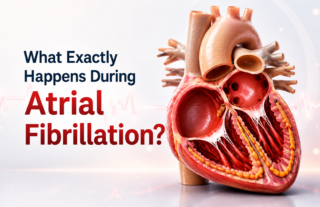
What Exactly Happens During Atrial Fibrillation?
atrial fibrillation treatment

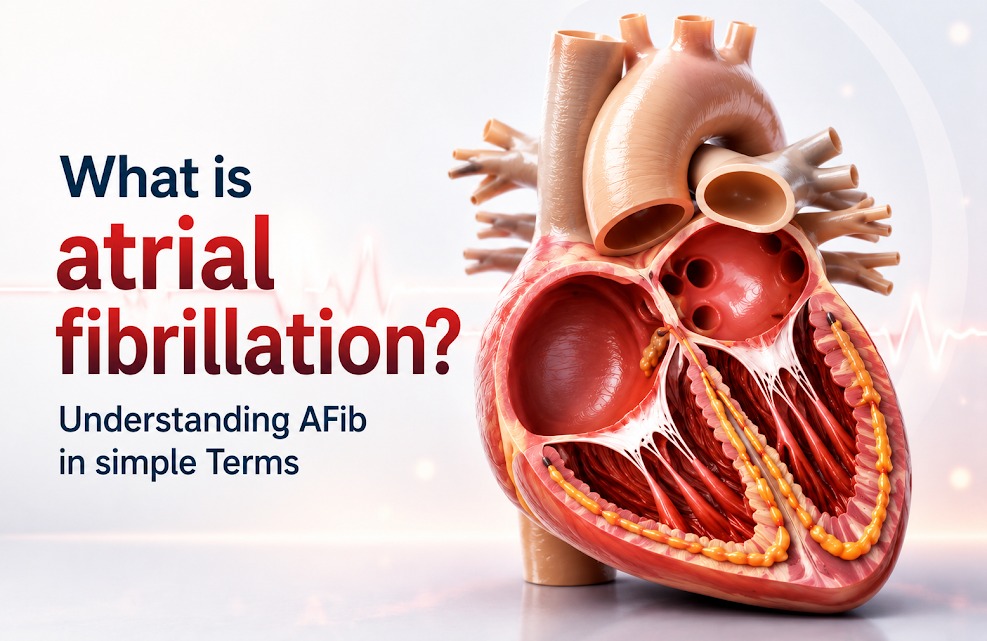
Let me explain this simply. Your heart works like a coordinated team. It has four chambers, and they’re supposed to contract in a specific rhythm, pumping blood efficiently throughout your body. When everything works correctly, your heart beats between 60 and 100 times per minute, and each beat is regular like a drum in an orchestra.

But with atrial fibrillation, something goes wrong. The two upper chambers of your heart, called the atria, start beating chaotically. Instead of contracting in a coordinated way, they’re essentially quivering. This irregular electrical activity causes your heart to beat irregularly and often rapidly. You might feel your heart skipping beats or racing without reason.

The problem is this: when your heart isn’t pumping efficiently, it doesn’t move blood through your body the way it should. This is serious.

Also read: What is coronary angioplasty? Everything you need to know  

Why Should You Care About This?

You might think, “Okay, so my heart beats irregularly. What’s the worst that can happen?” Here’s where you need to pay attention:

Blood clots form. When blood sits in your heart chambers instead of being pumped out efficiently, it can pool and clot. These clots can travel to your brain and cause a stroke—a brain stroke that could leave you paralyzed, unable to speak, or worse.

Your heart weakens. Over time, the constant irregular beating strains your heart muscle. It’s like running a machine non-stop without proper maintenance. Eventually, it breaks down, leading to heart failure.

You feel terrible. Shortness of breath, fatigue, dizziness—these aren’t just inconveniences. They affect your quality of life, your work, and your ability to enjoy time with your family.

Other complications arise. Your risk of heart disease increases. Your blood pressure becomes difficult to control. Your overall health deteriorates.

Who Gets Atrial Fibrillation?

You might be at higher risk if you:

  • Have high blood pressure
  • Are over 65 years old (though it can happen when younger)
  • Have heart disease or a previous heart attack
  • Have thyroid problems
  • Are obese or overweight
  • Drink excessive alcohol
  • Have sleep apnea
  • Experience chronic stress
  • Have family history of AFib

If any of these apply to you, you should be paying attention to any unusual heart sensations.

Atrial Fibrillation Treatment: What Are Your Options?

The good news? Atrial fibrillation is treatable. You’re not helpless here. You have options, and finding the right approach matters tremendously.

First, there’s medication. Your doctor might prescribe medications that help regulate your heart rate or convert your heart back to a normal rhythm. Some people do very well with medication alone.

Second, there are lifestyle changes. You need to reduce stress, exercise regularly (as approved by your doctor), limit alcohol, maintain a healthy weight, and manage any underlying conditions like high blood pressure.

Third, there are medical procedures. If medication doesn’t work, procedures like ablation can be performed. An interventional cardiologist specialist trained in heart procedures can access your heart and remove the tissue causing the irregular signals. It’s minimally invasive, meaning small incisions, less pain, and faster recovery.

Finding the Right Atrial Fibrillation Doctor in Hyderabad

If you’re in Hyderabad, you’re fortunate. The city has some of India’s finest cardiac specialists. When looking for an atrial fibrillation doctor in Hyderabad, you want someone experienced, compassionate, and thorough. You want a doctor who explains things clearly, who listens to your concerns, and who works with you to create a treatment plan that fits your life.

The best atrial fibrillation doctors in India understand that AFib isn’t just a medical condition—it’s something that affects how you live. They know that you want to return to your normal activities, spend time with your loved ones, and not feel like your health is controlling your life.

Taking Action Today

Don’t wait until you have a major event to address AFib. If you experience irregular heartbeats, shortness of breath, or persistent fatigue, schedule an appointment with a cardiologist. Get evaluated. Get answers.

Your heart is the most important muscle in your body. It’s literally keeping you alive. Treating atrial fibrillation early, with the guidance of a skilled cardiologist for atrial fibrillation, can prevent serious complications like brain stroke and significantly improve your quality of life.

Also read: TAVR/TAVI Procedure in Hyderabad Minimally Invasive Care  

Moving Forward

You don’t have to live with the fear and uncertainty of AFib. Modern medicine has given us excellent tools to manage this condition. The first step is getting a proper diagnosis and treatment from qualified specialists. The second step is taking responsibility for your health—making lifestyle changes, taking medications as prescribed, and maintaining regular follow-ups with your doctor.

Ready to take control of your heart health? Dr. C. Raghu, an experienced interventional cardiologist at Yashoda Hospital, Somajiguda, Hyderabad. Your heart deserves expert care.
Blood-cloth-afib.png

July 21, 2026 AbhijitHearty Life

Blood Clots in AFib You don’t think about your blood clotting. You just assume it works the way nature intended. But what if I told you that your irregular heartbeat is creating the perfect environment for dangerous blood clots to form inside your heart? What if one of these clots breaks loose and travels to your brain, causing a stroke that changes your life forever?

This isn’t fear-mongering. This is reality for people with atrial fibrillation treatment. Blood clots in AFib represent one of the most serious complications of an irregular heartbeat, and understanding how they form is the first step to protecting yourself.

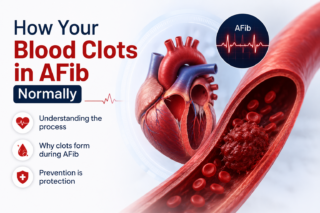
How Your Blood Clots in AFib Normally
Blood Clots in AFib

Your body is incredibly intelligent. When you cut yourself, your blood clots to stop the bleeding. Platelets rush to the scene, and proteins in your blood create a mesh that seals the wound. This is a life-saving mechanism.

But blood clotting only works well when blood is flowing smoothly. Your heart pumps blood like a continuous wave through your arteries and veins. The constant movement keeps blood from sitting in one place long enough to clot unnecessarily.

When you have AFib, this smooth flow stops.

The AFib Problem: Stagnant Blood

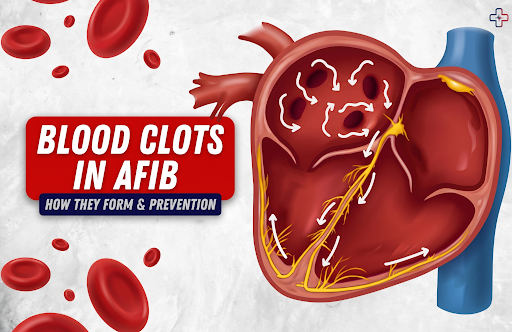
Remember what happens during AFib? Your atria aren’t contracting properly. They’re quivering instead of pumping. Blood doesn’t move out of these chambers as it should. Instead, it sits there. It pools. It stagnates.

Think of it like a river. When water flows, it stays clean and fresh. When water sits in a pond, things start to grow and accumulate. Your blood is similar.

When blood stagnates in your heart’s atria for extended periods, it naturally starts to clot. Your body doesn’t know this is abnormal—it just thinks blood is sitting still and needs protection. So it activates the clotting mechanism.

Where Do These Clots Go?

Here’s what terrifies people, and rightfully so. A clot can

  • Stay in your heart and grow larger
  • Break loose and travel through your bloodstream
  • Reach your brain and block blood flow, causing a brain stroke
  • Block other arteries in your body, causing problems elsewhere
  • Damage your heart further


A stroke from AFib-related blood clots is particularly serious. These strokes tend to be more severe than other types of strokes. They cause more disability and more death.

Who’s Most at Risk?

Your risk of developing blood clots from AFib increases based on several factors:

Age matters. People over 65 face higher risk.

Duration counts. If you’ve had AFib for years, clot risk increases.

Your other health conditions matter. High blood pressure, diabetes, heart failure, previous stroke—these all increase your risk.

Your heart function matters. If your heart is weakened, blood pools more easily.

Prevention: Your Most Important Tool

Here’s the empowering part: you can prevent AFib blood clots. You have real options.

Blood Thinning Medications

Your doctor will likely recommend anticoagulants—medications that thin your blood and prevent clotting. These are lifesavers for AFib patients.

Warfarin is the traditional choice. It’s effective but requires regular blood tests and diet consistency.

Newer options like apixaban, rivaroxaban, dabigatran, and edoxaban work differently. They’re often more convenient with fewer dietary restrictions.

Your heart specialist in Hyderabad will help you choose the right medication based on your specific risk factors and medical history.

Atrial Fibrillation Treatment Matters

The type of atrial fibrillation treatment you receive affects clot risk. Ablation procedures, performed by skilled interventional cardiologists, can sometimes eliminate AFib entirely, reducing or eliminating the need for blood thinners in some cases.

Lifestyle Modifications

You control many factors:

  • Control your blood pressure through medication and lifestyle
  • Manage diabetes if you have it
  • Stop smoking immediately
  • Limit alcohol significantly
  • Exercise regularly as approved by your doctor
  • Maintain a healthy weight
  • Reduce stress through meditation, yoga, or counseling
  • Stay hydrated properly
  • Sleep adequately


What Happens During Atrial Fibrillation Treatment?

When you work with a specialized atrial fibrillation doctor in Hyderabad or any of the best atrial fibrillation doctors in India, they don’t just treat the irregular heartbeat. They treat the whole picture, including clot prevention.

Your doctor will assess your clot risk using standardized scoring systems. Based on this assessment, they’ll recommend appropriate anticoagulation therapy.

If you undergo procedures like catheter ablation or other interventions, your specialist will guide you on blood thinner use before and after procedures.

Also read: What is a pulmonary embolism? Life-Threatening Clot Explain  

For Atrial Flutter Treatment

Similar principles apply to atrial flutter treatment. Though flutter is slightly different from AFib, it still carries stroke risk if persistent, and anticoagulation may be necessary.

Finding Your Specialist

You need someone who understands both AFib and the serious complication of blood clots. You need the best cardiologist for AFib who takes clot prevention as seriously as treating the irregular heartbeat itself.

In Hyderabad, you have access to excellent specialists. The atrial fibrillation doctors in India at major hospitals bring world-class expertise to your care.

Don’t Ignore Warning Signs

If you have AFib or are at risk for it, watch for:

  • Sudden weakness on one side of your body
  • Facial drooping
  • Speech difficulties
  • Sudden severe headache
  • Chest pain
  • Severe shortness of breath
  • Loss of consciousness


These could indicate a brain stroke from an AFib-related clot. Seek emergency care immediately.


Also read: What is coronary angioplasty? Everything you need to know  

Your Path Forward

Living with AFib doesn’t mean living in fear of blood clots. It means taking preventive action. It means taking your medications as prescribed. It means maintaining regular check-ups. It means making the lifestyle changes that support your heart health.

You have more control than you might think. Work closely with qualified specialists, follow their guidance, and take your health seriously.

Don’t leave your heart health to chance. Schedule a consultation with Dr. C. Raghu, an interventional cardiologist specializing in AFib and stroke prevention.


atrial-fibrillation-treatment.webp

May 5, 2026 AbhijitHearty Life

The Most Common Heart Rhythm Disorder and Why Knowing About It Protects Your Brain

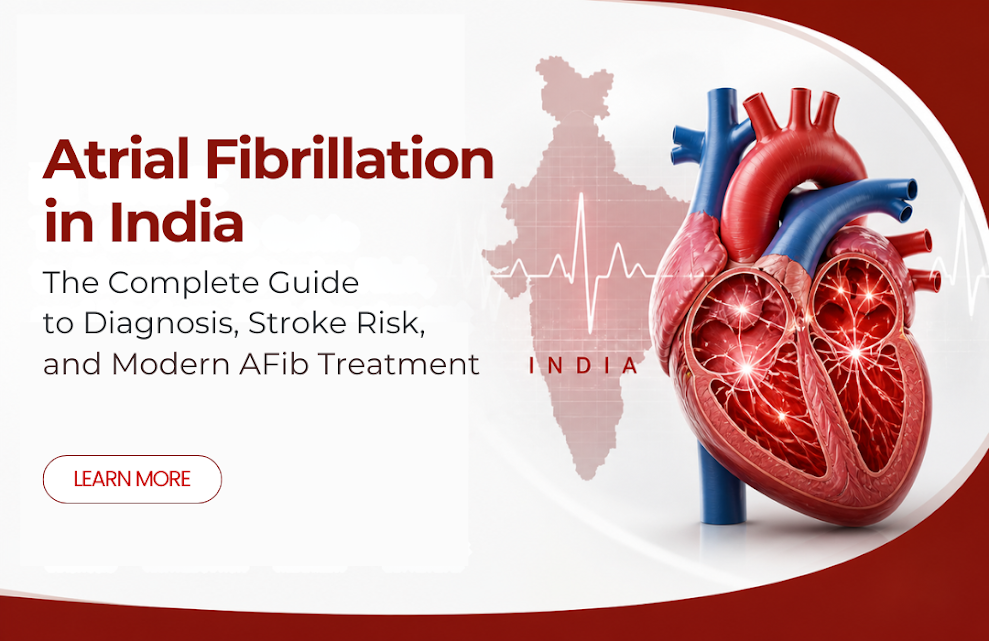
Atrial fibrillation treatment (AFib or AF) is the world’s most common sustained cardiac arrhythmia. In India, it is estimated to affect between 5 and 8 million people—a number that grows with the aging of the population, the rising prevalence of hypertension and diabetes, and improving awareness and detection. Many of those millions do not know they have it. Their heart rhythm is abnormal, their stroke risk is elevated, and they are receiving none of the atrial fibrillation treatment that would protect them.

The most compelling reason to diagnose and treat AFib is not the symptom burden—though that can be severe. It is stroke prevention. Atrial fibrillation increases the risk of ischemic stroke by approximately five times compared to patients without the condition. AFib-related strokes are larger, more disabling, and more fatal than most other stroke mechanisms. In many cases, the first presentation of AFib is the stroke itself—a preventable catastrophe.

For patients, families, and every person with an unexplained irregular heartbeat or a history of stroke, understanding atrial fibrillation—what it is, how it is diagnosed, and how it is treated—is knowledge that genuinely changes outcomes.

What Happens in Atrial Fibrillation

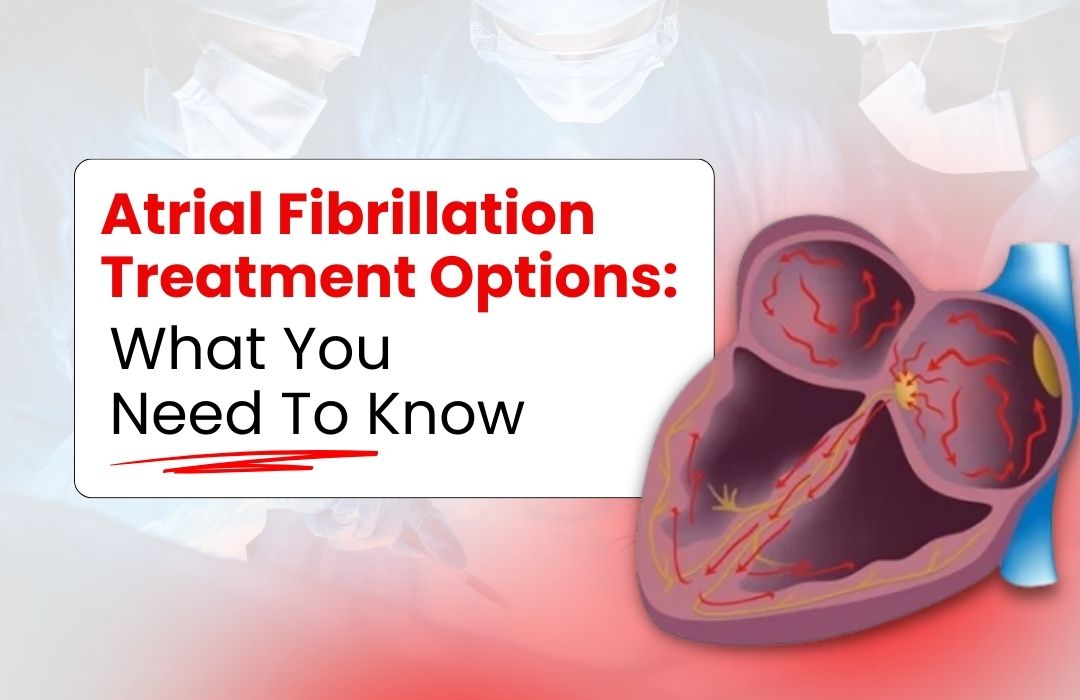
In normal heart rhythm, an electrical impulse originates from the sinus node in the right atrium and travels in an organized sequence through the heart, producing coordinated contraction of the atria followed by the ventricles. The result is a regular pulse.

In AFib, multiple chaotic electrical impulses fire simultaneously from different points within the atria — most often triggered by electrical activity around the pulmonary vein connections to the left atrium. Instead of contracting in a coordinated manner, the atria quiver. The ventricular chambers respond to these irregular impulses, producing an irregularly irregular heartbeat—the clinical hallmark of AFib, detectable on palpation of the pulse and confirming on an ECG.

Because the atria are not contracting effectively, blood pools—particularly in the left atrial appendage, a small blind-ended pouch of the left atrium. Pooled blood clots. A clot that forms here can break off, enter the systemic circulation, and travel to the brain, producing an embolic stroke. This mechanism is responsible for approximately 20 to 25% of all ischemic strokes—and a significantly higher proportion of strokes in elderly patients.

Also read: AFib and Brain Stroke: The Critical Connection Every Patient Must Know
Also read: Atrial Flutter vs AFib: Expert Diagnosis and Treatment in Hyderabad 

Symptoms: The Wide Spectrum of How AFib Presents

Atrial fibrillation presents across an extraordinarily wide symptomatic spectrum. Some patients experience dramatic, distressing palpitations — a rapid, fluttering, or chaotic heartbeat that they are acutely aware of. Others have breathlessness, fatigue, or reduced exercise tolerance that they may attribute to aging or deconditioning. Still others have dizziness or near-fainting episodes during episodes of very fast or very irregular heart rate.

A significant minority of AFib patients are completely asymptomatic. Their arrhythmia produces no noticeable symptom, is not detected on routine medical visits, and continues silently until it causes a stroke. This is why screening for AFib in patients with risk factors (older age, hypertension, diabetes, heart failure, and prior stroke) is increasingly recommended by international cardiology guidelines and why unexplained stroke should always prompt a thorough cardiac rhythm evaluation.

Diagnosing AFib: From Pulse to Holter

The diagnostic investigation for AFib begins with an ECG — a 12-lead recording of the heart’s electrical activity. AFib produces a characteristic pattern: absence of P waves, irregular ventricular rhythm, and an undulating fibrillatory baseline. A routine ECG confirms continuous AFib reliably.

The challenge is paroxysmal AFib — arrhythmia that comes and goes in episodes that may be brief, infrequent, and entirely asymptomatic between events. A patient with paroxysmal AFib who has a normal sinus rhythm when the ECG is taken will receive a normal ECG report that is technically accurate but clinically misleading.

Holter monitoring — a portable ECG device worn for 24 to 72 hours continuously — significantly improves detection. For patients with less frequent episodes, extended monitoring using 30-day event recorders or implantable loop recorders (small devices inserted under the skin that record rhythm continuously for up to three years) is used. Implantable loop recorders have transformed the detection of paroxysmal AFib in patients with unexplained stroke, revealing occult arrhythmia in a substantial proportion of cases previously classified as cryptogenic stroke.

Alongside ECG and rhythm monitoring, the AFib evaluation includes echocardiography (to assess cardiac structure, left atrial size, and left ventricular function), thyroid function tests, and relevant metabolic blood tests to identify treatable contributors to the arrhythmia.

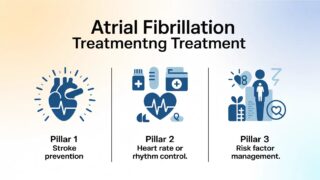
The Three-Pillar Framework of Atrial fibrillation treatmentAtrial fibrillation treatment

Atrial fibrillation in India, as internationally, rests on three interconnected pillars:

Pillar 1 — Stroke Prevention. This is the most clinically critical component for the majority of AFib patients. The CHA₂DS₂-VASc score — which accounts for age, sex, heart failure, hypertension, diabetes, prior stroke, and vascular disease — quantifies each patient’s annual stroke risk and guides the decision to anticoagulate. Direct oral anticoagulants (DOACs) — rivaroxaban, apixaban, edoxaban, and dabigatran — are now the preferred anticoagulants for most patients with non-valvular AFib, offering reliable stroke prevention without the monitoring burden and dietary interactions of warfarin.

Pillar 2 — Heart Rate or Rhythm Control. Rate control — slowing the ventricular response to AFib using beta-blockers, calcium channel blockers, or digoxin — is appropriate for patients with acceptable symptom control, or those with longstanding persistent AFib. Rhythm control — restoring and maintaining normal sinus rhythm — is pursued when symptoms remain significant despite rate control, through antiarrhythmic medications, electrical cardioversion (a brief controlled electric shock under sedation), or catheter ablation (pulmonary vein isolation). Evidence from the EAST-AFNET 4 trial and CASTLE-AF now supports early rhythm control in many patients as a superior long-term strategy.

Pillar 3 — Risk Factor Management. Treating the conditions that drive AFib—hypertension, obesity, diabetes, sleep apnea, alcohol use—is now recognized as an integral part of AFib treatment. The RACE 3 trial demonstrated that intensive risk factor management significantly improves rhythm control outcomes. AFib management that focuses only on the arrhythmia, without addressing its drivers, produces inferior long-term results.

Choosing the Best Cardiologist for Atrial Fibrillation in India

Managing AFib well requires a cardiologist with comprehensive expertise across all three treatment pillars—not just arrhythmia knowledge, but depth in anticoagulation management, risk stratification, echocardiographic assessment, and the clinical judgment to navigate the evolving evidence base in a condition where guidelines are updated regularly.

Dr. Raghu is recognized as one of the best cardiologists in Hyderabad for atrial fibrillation in Hyderabad and India. His AFib program provides systematic risk stratification, evidence-based anticoagulation, individualized heart rate and rhythm management, and collaborative access to cardiac electrophysiology for patients where catheter ablation is indicated. Patients from across India and beyond consult his practice for AFib treatment that reflects the current highest standard of evidence-based cardiac care.

Contact Dr. Raghu’s team in Hyderabad through contact for an atrial fibrillation evaluation, stroke risk assessment, or AFib management review.


Atrial-Fibrillation-Treatment-in-India.jpg

October 27, 2025 AbhijitHearty Life

Atrial fibrillation (AFib) is one of the most common types of irregular heart rhythms, affecting millions of people worldwide. India has become a global destination for advanced cardiac care, offering world-class facilities, top cardiologists, and innovative heart rhythm management techniques. If you are looking for the best Atrial Fibrillation Treatment in India, several hospitals provide comprehensive cardiac services with high success rates and cutting-edge technology.

Understanding Atrial Fibrillation

Atrial fibrillation occurs when the electrical signals in the heart become irregular, causing the upper chambers (atria) to beat chaotically. This can lead to symptoms such as palpitations, fatigue, shortness of breath, and dizziness. If not managed properly, AFib increases the risk of stroke, heart failure, and other complications.

Treatment options for atrial fibrillation include medications, electrical cardioversion, catheter ablation, and, in some cases, minimally invasive procedures like TAVR (Transcatheter Aortic Valve Replacement). Choosing the right hospital for Atrial Fibrillation treatment in India ensures access to specialized cardiologists, modern cath labs, and integrated heart care programs.

Top Hospitals for Atrial Fibrillation Treatment in India

India boasts several renowned cardiac centers offering premium care for AFib patients. Below is a list of some top hospitals known for expertise, innovation, and patient satisfaction.

  1. Yashoda Hospitals, Hyderabad

Yashoda Hospitals is one of the leading heart institutes in India, known for providing advanced treatments for complex cardiac conditions, including atrial fibrillation and valve diseases. The hospital is equipped with state-of-the-art electrophysiology labs and advanced imaging technology for accurate diagnosis and effective interventions.

Dr. C. Raghu is the Clinical Director & Best Senior Interventional Cardiologist at Yashoda Hospitals, Secunderabad. His expertise in managing AFib and performing TAVI/TAVR procedures has made him one of the top cardiologists in India. Patients from across the country trust Yashoda Hospitals for personalized care and world-class outcomes.

  1. Apollo Hospitals, Chennai

Apollo Hospitals is a pioneer in cardiac care, offering some of the best facilities for Atrial Fibrillation treatment in India. With a dedicated team of electrophysiologists and interventional cardiologists, Apollo provides both medical management and advanced interventional procedures like ablation therapy and minimally invasive valve repair. The cardiac team follows international protocols for diagnosis, treatment, and rehabilitation.

  1. Fortis Escorts Heart Institute, New Delhi

Fortis Escorts is widely recognized for its excellence in cardiovascular medicine. Their electrophysiology department specializes in accurate rhythm assessment, catheter-based ablation, and device implantation for AFib patients. The hospital also has renowned TAVI experts in India, offering minimally invasive alternatives for patients unsuitable for open-heart surgery.

  1. Medanta – The Medicity, Gurugram

Medanta is known for combining clinical excellence with advanced technology. Its cardiac department houses one of India’s most efficient electrophysiology units. The hospital’s integrated approach to Atrial Fibrillation treatment in India includes 3D mapping systems, robotic catheter technologies, and hybrid operating suites. Patients receive comprehensive diagnosis, minimally invasive treatment, and long-term rhythm monitoring.

  1. Narayana Institute of Cardiac Sciences, Bengaluru

Narayana Health’s cardiac division delivers exceptional heart rhythm treatment. The electrophysiology and interventional cardiology teams specialize in managing high-risk AFib cases through ablation, pacemaker implantation, and minimally invasive valve therapies. It is also recognized for having experienced TAVR experts in India, making it a preferred choice for patients with both rhythm disorders and structural heart issues.

  1. Asian Heart Institute, Mumbai

Asian Heart Institute stands out for providing trusted, transparent, and ethical cardiac care. It offers comprehensive diagnostic and therapeutic services for atrial fibrillation, including minimally invasive ablation and rhythm correction procedures. With advanced cardiac imaging and hybrid operating rooms, the hospital ensures accurate diagnosis and superior clinical outcomes.

Why Choose India for Atrial Fibrillation Treatment

There are several reasons why international and domestic patients prefer India for advanced AFib treatment:

  • World-class cardiologists: India is home to some of the top cardiologists and electrophysiologists with decades of experience in treating rhythm disorders.
  • Affordable medical costs: Compared to Western countries, the cost of AFib treatment in India is significantly lower without compromising quality.
  • Advanced technology: Hospitals use modern equipment such as 3D mapping, robotic catheter systems, and hybrid surgical suites.
  • Comprehensive cardiac care: Many hospitals offer full-spectrum cardiac treatment—from diagnostics to surgery and post-treatment rehabilitation.

Choosing the Right Specialist

When selecting a hospital for Atrial Fibrillation treatment in India, look for centers with specialized electrophysiology units and experienced cardiologists. Ask about the availability of advanced technology like cryoablation, radiofrequency ablation, and 3D mapping. If valve disease accompanies AFib, consulting a TAVI or TAVR expert in India can improve treatment precision and recovery outcomes.

India’s leading heart centers offer multidisciplinary support involving cardiologists, surgeons, and rehabilitation experts. This collaborative approach ensures accurate diagnosis, effective treatment, and long-term management of the condition.

You can also read this:- Anxiety and Depression Among Youth as Adverse Effects

Final Thoughts

Getting the right Atrial Fibrillation Treatment in India can greatly improve heart function, reduce stroke risk, and enhance quality of life. With world-standard hospitals, experienced specialists, and cost-effective options, India has solidified its place as a global destination for cardiac rhythm management. Whether you’re seeking minimally invasive ablation, medical therapy, or valve replacement through TAVR, India offers exceptional care supported by some of the top cardiologists in India and globally competitive medical facilities.


Dr raghu logo


Dr raghu logo


Call us now if you are in a medical emergency need, we will reply swiftly and provide you with a medical aid.


For Appointment with Dr Raghu: +91 80085 36699
Dr Raghu’s Patient Coordinator: +91 72860 10203
Dr Raghu’s Office Experience: +91 90001 65962
Dr Raghu’s Social Media Communication Channel: +91 97046 51708

Dr. Raghu | Heart Specialist in Hyderabad
Yashoda Hospitals, Raj Bhavan Road, Somajiguda, 1st floor, Room No. 115, Hyderabad -500082, Telangana

Best Cardiologists in Hyderabad


© 2024, Dr. Raghu. All rights reserved. Design & Developed by AMSDigital.in

[gtranslate]
+91-9542475650