
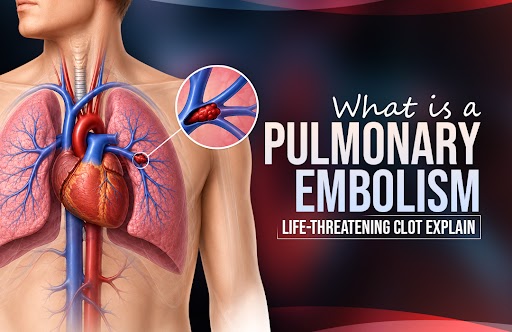
what-is-a-pulmonary-embolism.jpg

July 13, 2026 AbhijitHearty Life

Pulmonary embolism You’re sitting at work when suddenly you can’t catch your breath. Your chest feels tight. Your heart is racing. You feel like you’re going to pass out. You’re scared genuinely terrified.

Your coworker calls an ambulance. At the hospital, after tests, the doctor tells you, “You have a pulmonary embolism.” A blood clot has traveled to your lungs.

Your world stops. You’ve heard that phrase before “pulmonary embolism” and you know it’s serious. You need to understand what just happened, why it happened, and what comes next.

What Exactly Is a Pulmonary Embolism?

A pulmonary embolism—often called PE—occurs when a blood clot travels through your veins and lodges in the blood vessels of your lungs. This clot blocks blood flow, preventing oxygen from being transferred to your blood.

The clot usually starts in your legs or pelvis. It breaks loose and travels through your venous system, through your right heart, and into your lungs, where it gets stuck—too large to fit through the narrowing vessels.

Think of it like this: imagine a road with traffic flowing normally. Suddenly, a large object blocks the road. Traffic backs up. Things are chaos.That’s what happens in your lungs when a clot blocks blood flow.

Also read: DVT to Pulmonary Embolism: The Risks and Prevention  

Why You Get Blood Clots: Risk Factors

Several situations increase your clot risk:

Immobility: Sitting for long periods—long flights, road trips, bed rest after surgery, and office work. When you don’t move, blood pools in your legs instead of circulating normally. Pooled blood clots.

Surgery: After surgery, blood clotting mechanisms activate. You’re immobile during recovery. You have trauma to your tissues. This combination creates perfect conditions for clots.

Cancer: Cancer cells activate clotting mechanisms. Cancer patients have high PE risk.

Birth control pills or hormone therapy: Estrogen increases clotting tendency.

Pregnancy and postpartum period: Pregnancy naturally increases clotting tendency. After delivery, you’re at even higher risk.

Previous blood clots: If you’ve had one clot, you’re at higher risk for another.

Genetic clotting disorders: Some people have genetic variations making their blood clot more easily.

Obesity: Extra weight increases clot risk.

Immobilized leg: Fractures, casts, or reduced mobility in one leg increase risk.

Recent hospitalization: Being bedridden increases risk.

Smoking: Smoking damages blood vessels and increases clotting.

Heart disease: Certain heart conditions increase PE risk.

Symptoms: The Warning Signs

Pulmonary embolism symptoms vary based on the clot’s size and location. Small clots might cause mild symptoms. Large clots can cause sudden collapse.

Common symptoms include:

  • Sudden severe shortness of breath
  • Chest pain, especially when breathing deeply
  • Rapid heartbeat
  • Dizziness or lightheadedness
  • Fainting
  • Anxiety or sense of impending doom
  • Cough (sometimes with blood-tinged sputum)
  • Leg pain or swelling (if clot originated there)

Important: These symptoms warrant emergency evaluation. Don’t wait. Call 911 or go to the emergency room immediately.

Why PE is So Serious

Your lungs’ job is to oxygenate blood. A clot blocking lung blood vessels prevents oxygenation.

Your oxygen levels drop. Your brain, heart, and other organs aren’t getting sufficient oxygen.

Your right heart overworks. The right ventricle has to pump harder against the blocked vessels. It can become exhausted.

Your blood pressure drops. If the clot is large, your cardiovascular system can collapse.

You go into shock. Organ systems fail without sufficient oxygen.

This is why pulmonary embolism is a medical emergency. It can be fatal. Sudden massive PE can cause sudden death.

Diagnosis: How Doctors Identify PE

If your doctor suspects PE, several tests confirm the diagnosis:

CT Pulmonary Angiography (CTPA): This is usually the first test. A CT scanner with special imaging shows blood clots in your lungs’ vessels. It’s quick, accurate, and readily available.

D-dimer blood test: This blood test measures a substance released when clots break down. If D-dimer is normal, PE is very unlikely. If elevated, further testing is needed.

Chest X-ray: Might show pneumonia or other lung problems, but usually looks normal in PE.

Echocardiogram: Ultrasound of your heart. Shows if your right heart is strained.

Arterial blood gas: Measures oxygen and carbon dioxide levels in your blood.

Ventilation-perfusion scan: Shows areas of your lungs receiving ventilation (air) but not perfusion (blood flow). Mismatches suggest PE.

Also Read: Atrial Fibrillation treatment in India: Complete Guide 

Pulmonary Embolism Treatment: Your Options

Once PE is diagnosed, immediate treatment begins.

Anticoagulation Therapy: Blood thinners prevent clots from growing and new clots from forming. They don’t dissolve existing clots—your body does that naturally—but they prevent expansion while your body works to break down the clot.

Medications include:

  • Heparin: Given intravenously in the hospital
  • Low molecular weight heparin: Injected subcutaneously, can be outpatient
  • Warfarin: Oral blood thinner for long-term management
  • Direct oral anticoagulants: Newer medications like apixaban or rivaroxaban

Thrombolytic Therapy (Clot-Busting): For massive PEs or hemodynamically unstable patients, medications that dissolve clots might be used. These medications have risks but can be lifesaving in severe PE.

Mechanical Thrombectomy: For very large clots or patients who can’t tolerate blood thinners, a pulmonary embolism specialist might perform mechanical thrombectomy. A catheter-based device removes clot material directly.

IVC Filter: In rare cases where you can’t take blood thinners, an inferior vena cava (IVC) filter might be placed. This filter catches clots traveling from legs before they reach your lungs.

Recovery and Aftercare

After initial PE treatment:

You’ll stay in the hospital for a few days to ensure stability and adjust medications.

You’ll take blood thinners for months to years, depending on circumstances.

Regular blood tests monitor your blood’s clotting tendency.

Follow-up imaging might be done to ensure clots are resolving.

You’ll gradually resume activity as you recover.

Most people recover completely from their first PE if treated promptly.

Post-PE Complications

Some people develop complications after PE:

Post-thrombotic syndrome: Chronic leg swelling and pain from valve damage in leg veins.

Chronic thromboembolic pulmonary hypertension (CTEP): Some clots don’t fully dissolve, leading to permanent lung scarring and heart strain.

Recurrent PE: Some people have another PE despite treatment.

This is why finding the right pulmonary embolism doctor and following their guidance completely is critical.

Finding Your PE Specialist

You need a pulmonary embolism specialist in India or your local area who:

  • Understands PE completely
  • Can manage your acute care
  • Monitors for complications
  • Helps you navigate blood thinner therapy
  • Works with you long-term

A pulmonary embolism specialist in Hyderabad can provide comprehensive care if you’re in that region.

For complicated cases or patients not responding well, the best doctor for pulmonary embolism at a major medical center might be appropriate.

Prevention: Reducing Your Risk

If you’re at risk for PE:

Move regularly. On flights or road trips, get up and walk every 2 hours.

Compression socks. These prevent blood pooling in your legs during immobility.

Leg exercises. Flex your calves while sitting to activate leg muscles and promote blood flow.

Hydration. Dehydration increases clot risk. Drink plenty of water.

Blood thinner prophylaxis. If you’re having surgery or hospitalization, your doctor might prescribe preventive blood thinners.

Stop smoking. Smoking damages blood vessels.

Manage your weight. Obesity increases PE risk.

Control medical conditions. Manage heart disease, cancer risk factors, and other conditions that increase clot risk.

Life After Pulmonary Embolism

Most people recover completely from PE. You’ll likely take blood thinners for several months to several years, depending on whether this was provoked (caused by a temporary situation) or unprovoked (no clear cause).

You’ll have restrictions initially bu gradually return to normal activities.

You’ll attend follow-up appointments and take medications as prescribed.

You’ll be aware of PE symptoms and seek immediate care if symptoms recur.

Many people go on to live normal, full lives after PE. The key is treating it promptly and following your doctor’s guidance carefully.

Moving Forward

Pulmonary embolism is serious. It demands immediate medical attention. It requires ongoing management. But it’s treatable, and most people recover well.

If you’ve experienced PE or are at high risk, understand your risk factors. Modify them where possible. Know the warning signs. Seek immediate care if symptoms develop.

Work with qualified specialists. Take your medications. Attend your follow-ups. Be an active participant in your care.

Your life after PE can be full and normal. It requires attention to your health, but it’s absolutely possible.

If you’ve experienced a pulmonary embolism or are concerned about your risk, expert medical guidance is essential. Consult with Dr. C. Raghu, a cardiologist in Hyderabad specializing in cardiovascular emergencies and blood clot management.
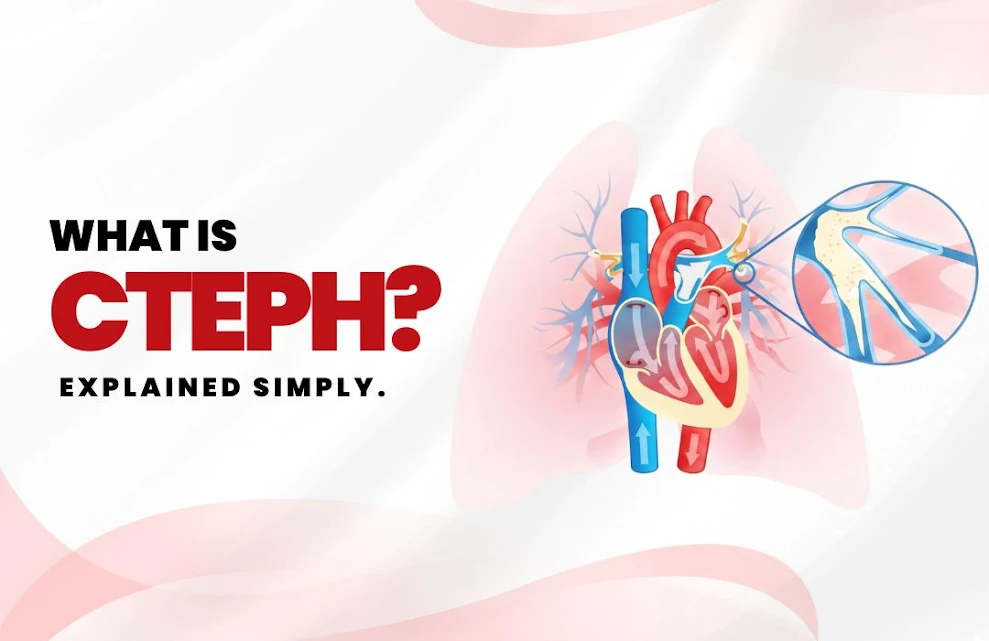

WHAT-IS-CTEPH.webp

July 7, 2026 AbhijitHearty Life

CTEPH -You survived a blood clot in your lungs. That  pulmonary embolism was terrifying—sudden shortness of breath, chest pain, panic. You got treatment. You survived. You should be back to normal, right?

But you’re not. Months later, you’re still experiencing shortness of breath. You can’t do the activities you used to do. You get winded walking up the stairs. Your doctor is concerned and mentions something called CTEPH. You’ve never heard of it. It sounds rare and scary.

The truth is CTEPH Chronic Thromboembolic Pulmonary Hypertension—is rare. But it’s also treatable. Understanding what it is and what your options are can transform your outlook from hopelessness to hope.

Understanding Pulmonary Embolism First

Before we discuss CTEP, you need to understand how it develops.

A pulmonary embolism occurs when a blood clot travels to your lungs and blocks blood flow. This is a medical emergency. Symptoms include:

  • Sudden severe shortness of breath
  • Chest pain
  • Rapid heartbeat
  • Dizziness or fainting
  • Anxiety and sense of doom

With proper treatment—blood thinners, sometimes clot-busting medications, or mechanical thrombectomy—most people recover from acute pulmonary embolism.

But here’s what makes CTEP different: some clots don’t dissolve completely. Small clots remain trapped in your lungs’ blood vessels.

Also read: Heart Attack in Younger Lifestyle Change Not to be Ignored  

What Exactly Is CTEPH?

CTEP develops when:

  1. You have a pulmonary embolism (usually)
  2. The clot doesn’t fully dissolve despite treatment
  3. Scar tissue forms around the clot
  4. Blood vessels in your lungs narrow
  5. Your right heart has to work harder to pump blood through these narrowed vessels
  6. Over weeks to months, your lungs become permanently scarred with clot remnants

This leads to pulmonary hypertension—abnormally high blood pressure in your lung’s blood vessels. Your right heart becomes exhausted trying to pump against this resistance.

The term “chronic thromboembolic” means you have chronic (long-term) clots causing problems. “Pulmonary hypertension” means high blood pressure in your lungs. Together: CTEP.

Why CTEP is Serious

You might think, “Okay, so the clot didn’t dissolve completely. I’m on blood thinners. I should be fine.”

Unfortunately, CTEP is progressive and serious:

Your heart weakens. Your right ventricle becomes enlarged and exhausted. It’s being asked to pump harder than it can sustain long-term.

Blood backs up. Since blood can’t flow normally through your lungs, it backs up into your right heart and then into your veins. This causes swelling in your legs and abdomen.

Your oxygen levels drop. Blood flowing through scarred lung vessels can’t pick up oxygen properly. You feel constantly short of breath.

Your kidneys suffer. Poor circulation affects kidney function.

Ultimately, your heart fails. Without intervention, CTEP progresses to right heart failure—a critical condition.

This is why early diagnosis and treatment matter enormously.

Symptoms of CTEPH

CTEP develops gradually. You might have these symptoms months after your original pulmonary embolism:

  • Persistent shortness of breath
  • Fatigue—extreme, debilitating tiredness
  • Chest pain
  • Swelling in your legs (one leg or both)
  • Dizziness or fainting
  • Rapid heartbeat
  • Chest discomfort
  • Difficulty exercising

The key: these symptoms persist despite being on blood thinners. This is what separates CTEP from normal recovery from pulmonary embolism.

Diagnosis: How Doctors Identify CTEPH

If your doctor suspects CTEP, they’ll order tests:

An echocardiogram shows how your heart is functioning and estimates pressure in your lungs.

CT angiography shows lung blood vessels and can sometimes identify clot remnants.

V/Q scan (ventilation-perfusion scan) shows which parts of your lungs are getting blood flow and which aren’t. A pattern of mismatched areas—areas with ventilation but no perfusion—is classic for CTEP.

Right heart catheterization is the definitive test. A catheter is threaded through your veins to your right heart. Pressures are measured. A pulmonary hypertension in India specialist will confirm if pressures are elevated due to chronic clots.

Pulmonary Hypertension: A Spectrum Condition

Not all pulmonary hypertension is from CTEP. It’s a spectrum condition:

Group 1 Pulmonary Hypertension: Idiopathic (no known cause) or hereditary. Medications help but don’t cure.

Group 2 Pulmonary Hypertension: From left-heart disease.

Group 3 Pulmonary Hypertension: From lung disease.

Group 4 Pulmonary Hypertension: From CTEP and other thromboembolic causes. This is the group that can potentially be cured with surgery.

This distinction is crucial. CTEP can sometimes be cured. Other pulmonary hypertension types cannot—they require lifelong management.

Treatment: Pulmonary Endarterectomy—The Potential Cure

The gold-standard treatment for suitable CTEP patients is pulmonary endarterectomy. This surgery removes the chronic clots and scar tissue from inside your lung’s blood vessels.

How It Works:

Your surgeon uses cardiopulmonary bypass (heart-lung machine). Your core body temperature is lowered to near-freezing. This slows your metabolism and protects your organs.

While you’re in this protected state, the surgeon carefully removes clot material and scar tissue from inside the pulmonary arteries. The surgery requires precision and expertise.

After clot removal, your lungs can oxygenate blood normally. Your heart no longer has to work against massive resistance. Your right ventricle can recover.

The Outcome:

When successful, pulmonary endarterectomy can dramatically improve or completely reverse pulmonary hypertension. People go from being disabled to returning to normal activities. It’s truly life-changing—the closest thing we have to a cure for CTEP.

Not Everyone is a Surgical Candidate

Unfortunately, not all CTEP patients can have pulmonary endarterectomy.

Reasons include:

  • Clots are in very small peripheral vessels (inaccessible to surgery)
  • Your overall health is too poor for major surgery
  • Your right heart is too weakened
  • Associated conditions make surgery too risky

If you’re not a surgical candidate, other treatments help:

Medications for pulmonary hypertension can improve symptoms and slow progression.

Anticoagulation therapy prevents new clots.

Diuretics help manage fluid buildup.

Oxygen therapy if oxygen levels are low.

Mechanical thrombectomy is a newer, less invasive option for certain patients. Instead of open surgery, a catheter-based procedure removes clots. This isn’t suitable for all patients, but it’s an alternative for some who aren’t surgical candidates.

Finding Your CTEPH Specialist

CTEP is rare, and expertise is limited. You need a pulmonary embolism specialist with specific CTEP experience.

Ideal specialists:

  • Have training in pulmonary hypertension
  • Understand CTEP specifically
  • Have access to pulmonary endarterectomy surgeons if you’re a candidate
  • Can discuss all options—surgery, medications, mechanical thrombectomy
  • Work at major cardiac/pulmonary centers

The best cardiologist in India or a pulmonary hypertension specialist at a major center can evaluate whether you’re a candidate for specific treatments and guide your care.

Your Recovery and Prognosis

If you undergo successful pulmonary endarterectomy:

Immediate recovery: Hospital stay of several days to a week. You’ll have significant pain initially—this was major surgery. Pain control is important.

Weeks to months: Gradual improvement. Your shortness of breath decreases. Your stamina increases. You feel better each week.

Months to years: Your heart gradually recovers. Lung function normalizes. Many people return to completely normal activities.

If you’re managed medically (not surgical):

Medications help stabilize your condition and slow progression.

Your quality of life improves compared to untreated CTEP, but you won’t achieve the dramatic recovery seen after successful surgery.

Regular monitoring ensures treatments are working and complications are caught early.

Also read: DVT to Pulmonary Embolism: The Risks and Prevention 

Prevention and Risk Factors

If you’ve had a pulmonary embolism:

  • Stay on anticoagulation therapy as prescribed—don’t stop early
  • Report any persistent shortness of breath to your doctor
  • Get regular follow-ups even if you feel fine
  • Avoid immobility—move regularly, especially on long flights or road trips
  • Stay hydrated

If you have risk factors for blood clots:

  • Surgery recovery
  • Cancer
  • Pregnancy
  • Birth control pills
  • Prolonged immobility

Talk to your doctor about prevention strategies.

Moving Forward

CTEP is rare, but if you have it, your world has probably turned upside down. You went from managing a pulmonary embolism to discovering you have a chronic disease.

But here’s hope: CTEP is treatable. Some patients are cured. Others have their condition significantly improved. Your quality of life can improve substantially.

The key is finding the right pulmonary embolism specialist who understands CTEP completely and can discuss all available options—surgery, medications, and newer techniques like mechanical thrombectomy.

Don’t accept hopelessness. Seek expertise. Explore your options. Work with specialists who understand this rare condition.

If you’ve had a pulmonary embolism and are experiencing persistent symptoms, expert evaluation is critical. Dr. C. Raghu and cardiac specialists at Yashoda Hospital can help determine whether you might have CTEP and discuss your treatment options.

Visit drraghu.com to schedule a comprehensive evaluation with a heart specialist in Hyderabad.


pulmonary-embolism.webp

January 20, 2026 AbhijitHearty Life

People get really worried about blood clots and the problems they can cause. For instance, if you do not treat venous thrombosis,s it can become a very serious disease called pulmonary embolism at some point. This blog is about the signs of embolism, the things that put you at risk of getting pulmonary embolism, or Pulmonary Embolism Treatment,what you can do to prevent pulmonary embolism in India, and the symptoms of pulmonary embolism you should know about before you go see a pulmonary embolism specialist or a doctor who treats acute pulmonary embolism. They can help you get away and make sure you get the care you need to deal with pulmonary embolism.

Key Takeaways

Deep vein thrombosis, which is what DVT Treatment is, happens when a blood clot forms in a vein, usually in the leg. This blood clot in the vein can be very bad news. Sometimes the clot in the vein can break loose and move to the lungs. When the clot from the vein goes to the lung,s it can cause a big problem called Pulmonary Embolism. This Pulmonic Embolism is very serious. Can be life-threatening. So when someone has a Pulmonic Embolism from a deep vein thrombosis, they need to see a pulmonary embolism specialist. The specialist for embolism needs to act fast to help the person with the deep vein thrombosis and the Pulmonic Embolism.

When you are not moving around for a time or you have had recent surgeries or you are overweight or obese or you smoke or you are pregnant or you are older than 60 years or you have underlying medical conditions like cancer and heart problems, these things can increase the chance of a blood clot forming. The risk factors I mentioned like being overweight or obese, smoking and having underlying conditions like cancer and heart problems can cause a clot to form, and this can lead to a Pulmonary Embolism. Pulmonary Embolism is a condition that can happen because of these risk factors, including being immobile for a long time, recent surgeries and other things, like cancer and heart problems.

If you have Deep Vein Thrombosis, you might notice that one of your legs is swollen, it hurts and it looks red. It feels warm. On the other hand if you have the best doctor for pulmonary embolism, you will feel like you cannot get enough air and you will have a sudden pain in your chest that gets worse when you take a deep breath or cough. Sometimes you might even cough up blood. Your heart will beat really fast. If any of these things happen to you you should go to the emergency room away or find a Pulmonary Embolism doctor near me.

You can also read this : Deep vein thrombosis treatment | Cardiologist in Hyderabad

To stop Deep Vein Thrombosis from happening, you need to do things. You have to exercise and drink plenty of water.

Deep Vein Thrombosis can be prevented by not sitting for long.

You should also wear socks called compression stockings.

You have to take medicine that helps prevent blood clots, which is given by a doctor who treats lung problems in India, a pulmonary embolism specialist, in India.

In essence, it means saving lives through early detection. Therefore, such symptoms and risks should be noted to assist patients in getting early treatment in the hands of an expert pulmonary embolism doctor.

Awareness of Risk Factors Associated with DVT and Pulmonary Embolism

DVT and Pulmonary Embolism risk factors are health states, life habits, and medical histories that combine and result in the arrival of a clot.

What DVT and Pulmonary Embolism are all about:

Deep vein thrombosis occurs in a deep vein, most commonly within a leg, when a blood clot forms. That clot can free itself when onboard a new trip to the lungs, and that is where the medical emergency, a pulmonary embolism, is created, needing a pulmonary embolism specialist to fall under his therapy.

DVT includes a swollen leg, pain, and red patches that may occur. However, for Pulmonary Embolism, signs may include sudden breathlessness or chest pain or coughing up blood. Early diagnosis by a pulmonary embolism doctor is critical as this might avert severe complications.

DVT and Pulmonary Embolism Symptoms

The swelling, pain, and warmth often seen in one leg are symptoms of DVT. On the other hand, symptoms of pulmonary embolism tend to be much more severe, including sudden shortness of breath, sharp chest pains, rapid heartbeat, or coughing blood. Deaths happen as well from misidentifying patients in healthcare facilities. Immediate evaluation by a pulmonary embolism doctor near me can save lives.

Causes of DVT and Pulmonary Embolism

The cause of thrombus formation is immobility, surgery, or underlying medical conditions that slow the blood flow enough for it to occur. However, in pregnant women and certain cancers, high estrogen levels can increase risk for thrombus formation, leading toa condition that travels to the pulmonary arteries, where it needs to be urgently treated by a pulmonary embolism specialist in India.

At risk for DVT and Pulmonary Embolism

This includes a clotting disorder, prolonged immobility, obesity, smoking habits, and older age. Other possible factors are pregnancy and heart disease. Knowledge of these risk factors makes one take the initiative to seek early evaluation from the best doctor for pulmonary embolism.

Connection Between DVT and Pulmonary Embolism

DVT is, therefore, within deep veins; that is, within those associated veins, clots will form. When any clot that is formed into the veins of the legs dislodged and breaks into circulation, it will eventually clog somewhere in the lungs. Hence, one reason that makes this important connection to early treatment and preventive care for this is that it benefits from being seen by a pulmonary embolism specialist doctor.

Prevention of DVT and Pulmonary Embolism: Strategic Approaches

Risk-lowering lifestyle changes:

Regular exercise, hydration, and a balanced diet, while avoiding prolonged sitting can help improve circulation and reduce the risk of forming a Pulmonary Embolism. Simple daily habits may be done to reduce and even champion vein protection.

Interventions to Prevent DVT and Pulmonary Embolism

Patients will be required for early intervention; this may involve prescribing anticoagulants and using compression stockings to minimize the risk of clot formation.

Detect and Treat Early

Early diagnosis is the key to successful management in most cases; failure to diagnose early may lead to complications and even death. Timely intervention by the best doctor of pulmonary embolism will, therefore, do a lot in saving the life of an individual to severe long-term injuries.

Educate Yourself about DVT and PE

That way, when DVT Treatment  and Pulmonary Embolism strike, people will be able to know it in advance and alert those individuals most likely to be a sufferer among them. The symptoms of DVT and PE , and the risk factors and preventive measures for DVT and PE will always keep everyone alert to promptly contact a pulmonary embolism specialist in India whenever the situation demands it.

You can also read this : Chronic Thromboembolic Pulmonary Hypertension

Conclusion

DVT and PE are serious conditions, and these may also be preventable. Hence, being aware of the signs, the risk factors, and how to prevent the occurrence of such incidents is vital. Early diagnosis and management of a patient by a pulmonary embolism doctor or specialist doctor of pulmonary embolism would greatly reduce the risks of complications and result in better outcomes.

If you or a loved one notice symptoms of DVT or pulmonary embolism, don’t delay—consult Dr. C. Raghu, an experienced specialist for Pulmonary Embolism treatment in India, for timely diagnosis, advanced care, and life-saving intervention. Get direction


Dr raghu logo


Dr raghu logo


Call us now if you are in a medical emergency need, we will reply swiftly and provide you with a medical aid.


For Appointment with Dr Raghu: +91 80085 36699
Dr Raghu’s Patient Coordinator: +91 72860 10203
Dr Raghu’s Office Experience: +91 90001 65962
Dr Raghu’s Social Media Communication Channel: +91 97046 51708

Dr. Raghu | Heart Specialist in Hyderabad
Yashoda Hospitals, Raj Bhavan Road, Somajiguda, 1st floor, Room No. 115, Hyderabad -500082, Telangana

Best Cardiologists in Hyderabad


© 2024, Dr. Raghu. All rights reserved. Design & Developed by AMSDigital.in

[gtranslate]
+91-9542475650