Atrial-Fibrillation.jpg

June 12, 2026 AbhijitHearty Life

You’re sitting at your desk, finishing that important presentation. Your heart suddenly feels like it’s doing flip-flops in your chest. These irregular heartbeats can sometimes be linked to Atrial Fibrillation. One moment it’s racing. The next, it feels oddly sluggish. You pause. You breathe. You wonder is this normal? Or is something seriously wrong?” 

If you’re in your 40s, 50s, or 60s, you’ve probably felt this. You dismiss it as stress. You blame it on that extra coffee you had this morning. But deep down, you’re worried. You know something doesn’t feel right. This is the reality many of you face. This is Atrial Fibrillation—or as doctors call it, AFib. And you’re not alone. Millions of people like you are walking around with this condition, often without even knowing it.

What Exactly Is Atrial Fibrillation?

Understanding Your Heart’s Rhythm

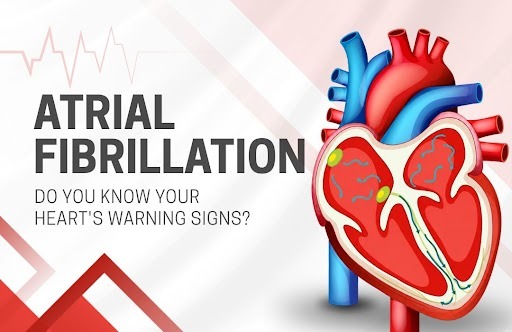
Let me explain this simply. Your heart has its own rhythm—like a drummer keeping time in an orchestra. Usually, it beats in a steady, organized pattern. But with atrial fibrillation, that rhythm goes haywire.

Here’s what happens:

  • Your heart’s upper chambers (called atria) start beating irregularly
  • Instead of pumping blood smoothly, they flutter and quiver
  • Your pulse becomes unpredictable
  • Blood flow becomes chaotic

Your heart becomes confused. It’s still working, but it’s not working right. And this is where the danger begins. You might feel it. You might not. But it’s happening inside you, silently affecting your health.

Also read : Atrial Fibrillation treatment in India: Complete Guide 

Why Should You Care? The Consequences You Face

The Real Risks You Need to Know

You’re probably thinking, “But I feel fine most days.” That’s the tricky part about AFib. You can feel absolutely normal on the outside while something serious happens inside.

Here’s what you need to understand:

Blood Clots and Strokes

  • Irregular heartbeat means blood pools in your heart chambers
  • Pooled blood forms clots
  • These clots can travel to your brain
  • Result? A stroke that can change your life forever

Heart Failure

  • When your heart beats irregularly, it doesn’t pump efficiently
  • Over time, your heart weakens
  • This leads to heart failure—a serious condition where your heart can’t keep up with your body’s demands
  • Suddenly, simple tasks like climbing stairs become difficult

Fatigue and Reduced Quality of Life

  • You feel tired for no reason
  • Your energy drops
  • You can’t do the things you love
  • This affects your work, your family time, everything

Long-term Damage

  • Your heart chambers can enlarge
  • Your heart’s structure changes permanently
  • The longer you ignore it, the worse it gets

Think about your mother or father. Think about a colleague who had a stroke. AFib might have been the reason.

Who Is Actually at Risk? Let’s Talk About You

Are You in the Danger Zone?

Now, here’s the important question: Are you at risk? Let me paint the picture. You might be at higher risk if you:

Your Age

  • You’re over 50? Your risk increases significantly
  • With every decade, your risk grows higher
  • Middle age is when AFib often starts

Your Blood Pressure

  • You’ve been told your blood pressure is high
  • You might be on medication for it
  • Uncontrolled high blood pressure damages your heart

Your Heart History

  • You’ve had heart problems before
  • Heart disease runs in your family
  • You’ve had a heart attack
  • You’ve been told you have a weak heart

Your Lifestyle

  • You’re overweight or obese
  • You don’t exercise much
  • You eat lots of processed foods with excess salt
  • You drink alcohol regularly

Your Health Conditions

  • You have diabetes
  • You have a thyroid problem
  • You have sleep apnea
  • You’re dealing with chronic lung disease

Stress and Sleep

  • You’re constantly stressed at work
  • You barely sleep properly
  • You wake up feeling exhausted
  • You never really relax

Do any of these sound like you? Be honest with yourself. This matters more than you think.

The Warning Signs You Shouldn’t Ignore

What Your Body Is Trying to Tell You

Your body sends signals. You just need to listen. Here’s what to watch for:

  • Your heart races for no clear reason
  • You feel like your heart is fluttering
  • Your pulse is irregular or skips beats
  • You feel dizzy or lightheaded
  • You get short of breath during normal activity
  • You feel unusually tired
  • You have chest discomfort
  • You feel faint or nearly pass out
  • You sweat more than normal

The tricky part? Some people feel nothing at all. AFib can be completely silent. That’s why you can’t just wait for symptoms. You need to be proactive.

What You Can Do Right Now

Take Control of Your Heart’s Future

You’re not helpless here. You have real options:

Get Checked Out

  • Visit a cardiologist in Hyderabad if you’re in that area
  • Get an ECG (electrocardiogram)—it takes five minutes and reveals everything
  • This simple test can save your life

Know Your Numbers

  • Blood pressure
  • Weight and BMI
  • Blood sugar levels
  • Cholesterol levels

Make Changes Today

  • Reduce salt in your diet
  • Exercise 30 minutes most days
  • Maintain a healthy weight
  • Limit alcohol
  • Manage stress through meditation or yoga
  • Sleep 7-8 hours nightly

Understand Your Family History

  • Ask your parents about heart problems
  • Know if AFib runs in your family
  • Share this information with your doctor

Stop Smoking

  • If you smoke, quit now
  • This single change matters tremendously
  • Your heart will thank you

Finding the Right Help

Why You Need a Specialist

Not every doctor is trained to handle AFib. You need someone who knows hearts inside and out. Someone like an interventional cardiologist in hyderabad a specialist who understands the complexities of heart rhythm problems.

A good cardiologist will:

  • Listen to your concerns
  • Run the right tests
  • Explain everything clearly
  • Create a plan specifically for you
  • Follow up regularly

If you’re in Hyderabad, look for a best cardiologist in Hyderabad who specializes in arrhythmias and AFib treatment.

Your Questions Answered

Common Concerns Middle-Aged People Have

“Can I live a normal life with AFib?” Yes. With proper treatment and lifestyle changes, you can manage it well.

“Is AFib always serious?” Not always, but it needs attention. Some cases are mild; others are serious. You need evaluation.

“Can I prevent AFib?” You can reduce your risk significantly by managing blood pressure, maintaining healthy weight, and staying active.

“What treatments are available?” Doctors use medications, lifestyle changes, and sometimes procedures. Your cardiologist will choose what’s best for you.

Also read : Cardiologist Hyderabad Why Dr. C. Raghu Is a Name Patients Trust 

The Bottom Line: Your Health Is Your Choice

Making Your Move Today

Here’s the truth nobody tells you: Your heart health is in your hands. You can ignore the warning signs and hope for the best. Or you can take action now, while you still have time.

The middle-aged years are critical. Decisions you make now shape your next 20, 30, or 40 years. You can spend them active, healthy, and present with your family. Or you can spend them managing a serious condition that could have been prevented.

The choice seems obvious when you think about it that way.

Don’t wait for a health scare. Don’t assume “it won’t happen to me.” Be smart. Be proactive. Get checked. Learn your numbers. Make the changes. Your future self will be grateful.

Ready to protect your heart? Visit drraghu.com today and schedule your consultation. Learn more about preventing and managing conditions like Atrial Fibrillation before it’s too late.

About the Expert

Dr C. Raghu is an interventional cardiologist with extensive experience in treating heart rhythm disorders, including Atrial Fibrillation. He practices at Yashoda Hospital, Somajiguda, Hyderabad, where he helps patients just like you take control of their heart health. Whether you need screening for Heart valve issues, Aortic stenosis, or understanding Heart attack symptoms, Dr. Raghu combines modern medical expertise with a patient-first approach.
what-is-AFIB.jpg

February 17, 2026 AbhijitHearty Life

Are you aware of the rhythm of your heart when you feel like your chest is racing or trembling strangely? One common kind of arrhythmia that can result in rapid or erratic heartbeats is atrial fibrillation.

The top cardiologist in India and a sign of atrial fibrillation doctors will explain what AFib is, its causes, symptoms, and available treatments in this article. Learn how to safeguard the health of your coronary arteries by reading on.

Key Takeaways

  • Atrial fibrillation (AFib) is a common heart rhythm disorder that causes the atria to beat irregularly, leading to symptoms like palpitations, fatigue, and dizziness.
  • Main risk factors for AFib include high blood pressure, heart disease, advancing age (over 65), obesity, diabetes, excessive alcohol use, and family history.
  • AFib raises the risk of serious health problems such as stroke and blood clots if left untreated.
  • Treatment options include medications like blood thinners and antiarrhythmic drugs; procedures such as catheter ablation or cardioversion; and lifestyle changes like regular exercise, a healthy diet, weight control, avoiding tobacco, and limiting alcohol intake.
  • Diagnosis usually requires an electrocardiogram (ECG). Early treatment helps reduce complications like stroke or heart failure.

Understanding AFib

AFib, or atrial fibrillation, disrupts the heart’s rhythm. This condition causes the atria to beat irregularly, often leading to palpitations and fatigue.

Definition of AFib

One type of arrhythmia is atrial fibrillation, or AFib. By creating erratic electrical reactions in the atria, it alters the cardiac rhythm. This causes palpitations or a fast heartbeat.

Breathlessness, lightheadedness, and exhaustion are possible symptoms. Strokes and blood clots are more common in people with AFib.

AFib can be brought on by a number of conditions, including heart disease and high levels of blood pressure. Age, obesity, and excessive alcohol use are risk factors. An electrocardiogram (ECG) is frequently used for diagnosis in order to track heart activity.

In order to control symptoms and lower health risks such as heart attacks or stroke, immediate intervention is essential.

You can also read this : DVT to Pulmonary Embolism the Risks and Prevention

Causes of AFib
Causes of AFib

AFib, or Best Atrial Fibrillation Doctors in India occur due to problems in the heart’s electrical signals. These issues can arise from various causes. Heart disease is a significant risk factor for developing AFib.

High blood pressure often contributes as well. Conditions such as diabetes and obesity further increase this risk.

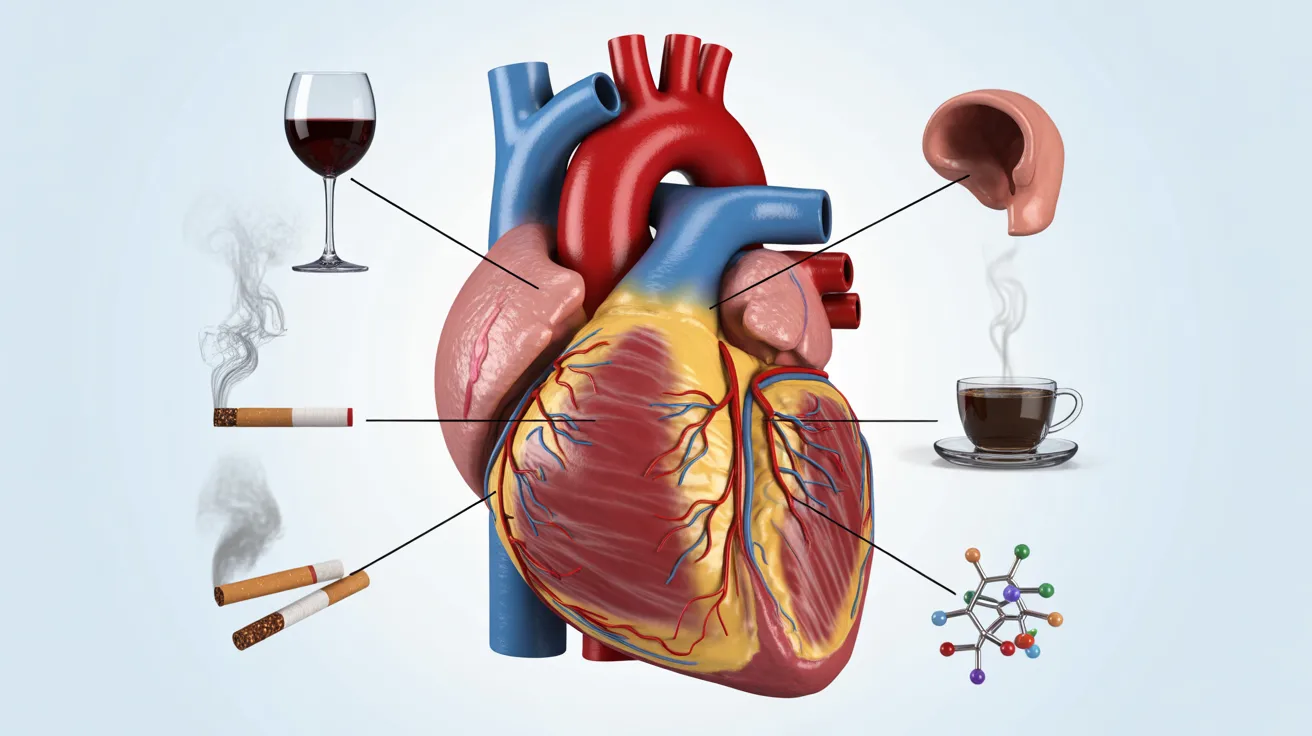
Lifestyle choices also play a role in causing AFib. Excessive alcohol consumption can trigger episodes of arrhythmia. Caffeine may lead to palpitations in some individuals too. Anxiety and stress might provoke symptoms associated with AFib as well.

Understanding these causes helps people manage their cardiovascular health effectively and reduce risks related to blood clots, stroke, and heart failure.

Risk factors for developing AFib

A few factors increase the risk of developing AFib, according to the best cardiologist for atrial fibrillation. High blood pressure affects heart rhythm, making it more likely to cause arrhythmia. Heart disease also plays a significant role in this condition.

Age matters too; people over 65 are at higher risk. Family history can influence chances as well, meaning genetics may contribute to AFib.

Lifestyle choices impact development risks too. Excessive alcohol use and smoking can lead to heart problems. Obesity may strain the heart and elevate the likelihood of irregular rhythms like AFib.

Diabetes increases complications related to cardiovascular health, pushing individuals closer to experiencing symptoms such as palpitations or tachycardia associated with atrial fibrillation.

You can also read this: – Best cardiologist near me known for Exceptional Success Rates

Treatment Options

Treatment options for atrial fibrillation vary. Doctors may prescribe medications to manage heart rate and prevent clots. Some patients might need procedures, like ablation, to restore normal rhythm.

Lifestyle changes can also aid in improving overall heart health and reducing symptoms.

Medications

Medications play a crucial role in managing atrial fibrillation, known as AFib. Doctors often prescribe blood thinners to reduce the risk of blood clots and strokes. These medications keep the heart’s rhythm steady by preventing unwanted clotting in the atria.

Some patients may need antiarrhythmic drugs to control their heart rate or restore normal rhythm. These drugs help manage symptoms like palpitations and tachycardia effectively. With a tailored approach, medications support better heart health for those with AFib.

Procedures

Treatments for AFib may include various procedures that help restore a normal heart rhythm. Doctors often recommend catheter ablation, which targets the heart’s electrical signals.

This technique isolates areas causing arrhythmia by sending energy to those spots. Patients may also consider cardioversion, where doctors use electric shocks to reset the heart’s rhythm.

In some cases, healthcare providers might implant devices like pacemakers or defibrillators. These devices monitor and manage the heart rate effectively. They keep your heartbeat regular and prevent complications such as stroke and blood clots.

Each procedure aims to improve symptoms like palpitations and tachycardia while reducing the risk of heart failure or other serious issues associated with atrial fibrillation.

Lifestyle changes

Lifestyle changes can significantly impact the management of atrial fibrillation (AFib) and brain stroke. Regular exercise helps improve heart health. Aim for at least 150 minutes of moderate aerobic activity each week.

Eating a balanced diet supports cardiovascular functions. Focus on fruits, vegetables, lean proteins, and whole grains.

Limiting alcohol and caffeine can reduce atrial flutter treatment. Stress management techniques like meditation or yoga are beneficial too. Maintaining a healthy weight lowers risks associated with arrhythmia.

Avoiding tobacco use also protects your heart from damage. Making these adjustments can enhance your overall well-being while managing the best cardiologist for AFib.

Consult Dr. C. Raghu, a trusted heart specialist at Yashoda Hospitals, for expert evaluation, advanced treatment options, and personalized heart care.
📞 Call now to book your appointment and take the first step toward a healthier, stronger heart.

FAQs

1. What is AFib and how does it affect heart rhythm?

Atrial fibrillation, or AFib, is a type of arrhythmia. It causes the upper chambers of the heart, called atria, to beat fast and unevenly. This irregular heartbeat comes from disorganized electrical signals.

2. What are common symptoms of atrial fibrillation?

Symptoms include palpitations, shortness of breath, chest pain, fatigue, and rapid heart rate known as tachycardia. Some people may not notice any symptoms at all.

3. How can AFib lead to blood clots or stroke?

When the atria do not contract well due to arrhythmia, blood can pool inside them. This increases the risk for blood clots that may travel to the brain and cause a stroke.

4. What tests help diagnose AFib?

Doctors use an electrocardiogram (ECG) to check for abnormal electrical signals in your heart rhythm. Other tests might include monitoring devices or imaging studies if needed.

5. What treatments are available for managing atrial fibrillation?

Treatment aims to control symptoms and prevent complications like heart failure or stroke. Options include medication for heart rate management and anticoagulants for clot prevention; some patients need procedures such as cardioversion or ablation therapy.


Hyderabad-Cardiologist.jpeg

December 19, 2025 AbhijitHearty Life

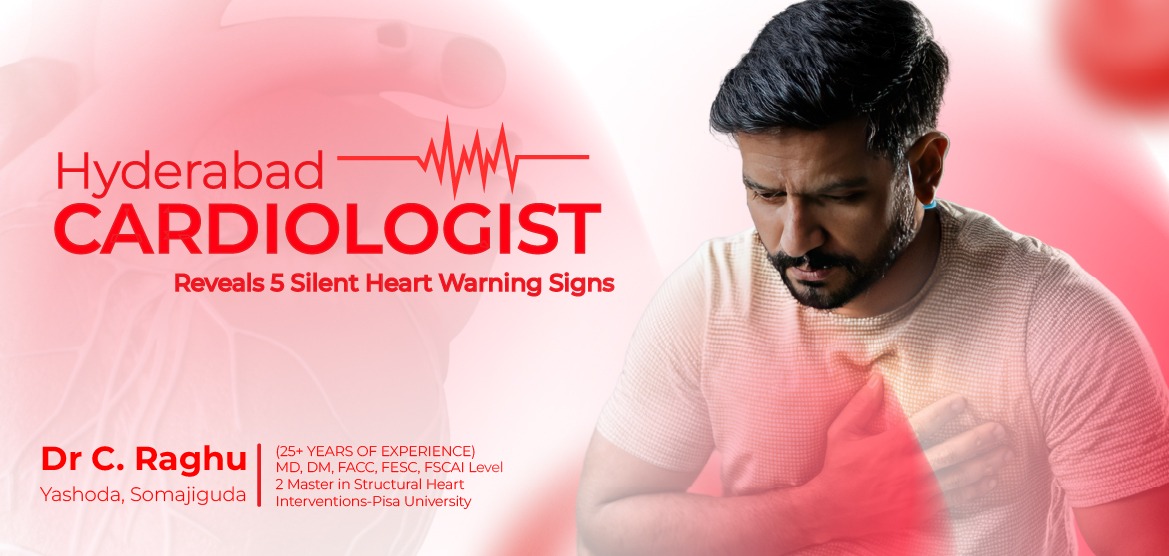
Many people ignore small symptoms that quietly point toward serious heart problems. Research shows that silent heart warning signs often go unnoticed until a major cardiac event occurs. According to a heart doctor in Hyderabad, early signals may appear mild but can indicate underlying cardiovascular disease.

This blog shares expert insights from a top cardiologist in Hyderabad, helping you recognize these hidden warning signs early. Guidance from the best heart specialist in Hyderabad can play a life-saving role when it comes to timely diagnosis and treatment.

Spotting these silent risks early — with help from a trusted heart expert in Hyderabad — can truly save your life.

Key Takeaways

  • Many people miss early heart warning signs like bruising, neutropenia, angina, syncope, and coronary artery disease. 
  • Unexplained bruising may signal weak blood vessels or platelet issues linked to heart conditions. 
  • Neutropenia can increase infection risk and complicate cardiac events. 
  • Angina is a classic sign of reduced blood flow to the heart and needs immediate attention. 
  • Regular consultations with a heart doctor in Hyderabad help detect these silent symptoms early. 

What Are the Silent Heart Warning Signs?

Silent heart warning signs often progress without obvious pain. The best heart specialist in Hyderabad emphasizes that understanding these symptoms can prevent severe heart complications and improve long-term cardiovascular health.

You can also read this:- Best Cardiologist and Heart Specialist Doctor in Hyderabad, India

Bruising

Unexplained bruising can indicate hidden heart-related issues. When blood vessels become fragile or platelet levels drop, bruises may appear without injury. According to a heart expert in Hyderabad, conditions like neutropenia can worsen bruising and may reflect deeper cardiovascular concerns.

Ignoring frequent bruising can be dangerous. Consulting a top cardiologist in Hyderabad helps determine whether this symptom is linked to heart health or other systemic conditions.

Neutropenia

Neutropenia refers to low levels of neutrophils, an important type of white blood cell. Patients may experience fatigue, breathlessness, or repeated infections. A senior heart doctor in Hyderabad warns that neutropenia can increase complications during heart attacks or cardiac procedures.

Early diagnosis and regular monitoring by the best heart specialist in Hyderabad ensure safer outcomes and better heart protection.

Angina

Angina occurs when the heart muscle does not receive enough oxygen-rich blood. It commonly presents as chest pressure, tightness, or discomfort during physical activity or emotional stress.

A top cardiologist in Hyderabad explains that angina often signals blocked or narrowed arteries. Timely treatment guided by a skilled heart expert in Hyderabad can prevent heart attacks and long-term damage.

Syncope

Syncope is a sudden, temporary loss of consciousness caused by reduced blood flow to the brain. It is frequently linked to heart rhythm disorders or low blood pressure.

If fainting episodes occur, immediate evaluation by a heart doctor in Hyderabad is essential. Cardiologists identify the root cause and recommend treatment to prevent life-threatening complications.

Coronary Artery Disease

Coronary artery disease (CAD) develops when plaque builds up inside the coronary arteries, restricting blood flow to the heart. Risk factors include high cholesterol, diabetes, smoking, and obesity.

A best heart specialist in Hyderabad uses advanced diagnostic tests to detect CAD early. Treatment may include lifestyle changes, medication, angioplasty, or surgery, depending on severity.

How Can a Cardiologist Help with These Signs?

A top cardiologist in Hyderabad plays a vital role in identifying and managing silent heart warning signs before they become fatal.

Diagnose and Treat the Underlying Condition

Cardiologists use advanced imaging, blood tests, and cardiac evaluations to diagnose hidden heart issues. A trusted heart expert in Hyderabad designs personalized treatment plans that may include medication, lifestyle modifications, or interventional procedures.

Perform Surgeries or Procedures

For severe cases, a heart doctor in Hyderabad may recommend angioplasty, stent placement, or bypass surgery to restore healthy blood flow. These procedures significantly reduce the risk of heart attacks and long-term complications.

Regular Check-Ups and Monitoring

Routine follow-ups with the best heart specialist in Hyderabad help track symptoms and prevent disease progression. Regular monitoring ensures early intervention, better heart function, and improved quality of life.

You can also read this:Silent Heart Attack: What It Is and What Are Its Risk Factors

FAQs

1. What are the 5 silent heart warning signs?

According to a top cardiologist in Hyderabad, the five key signs include fatigue, unexplained bruising, neutropenia, angina, syncope, and coronary artery disease.

2. Why are these symptoms dangerous?

These symptoms often indicate hidden cardiovascular problems. Early detection by a heart doctor in Hyderabad reduces the risk of heart attack and sudden cardiac events.

3. How can I tell if fatigue or discomfort is heart-related?

If symptoms persist or worsen, consult a heart expert in Hyderabad for proper diagnosis and testing.

4. What should I do if I notice these warning signs?

Seek immediate medical attention from the best heart specialist in Hyderabad to evaluate your heart health and begin preventive care.


Cardiologist-in-India-Dr-C.-Raghu.jpeg

December 9, 2025 AbhijitHearty Life

Best Cardiologist in India – Your heart health should never be ignored.
You live a busy life. You move faster than your heartbeat. Every day, you wake up to responsibilities, deadlines, family duties, and the silent pressure to stay strong. But somewhere inside, you feel a small fear. A sudden chest discomfort. A heartbeat that races without reason. A tiredness you ignore. You tell yourself it’s nothing. Yet the worry stays. And this is exactly what many urban middle-aged readers silently live with. You ignore heart attack symptoms, hoping they will disappear on their own. But the truth is simple: your heart keeps sending signals, and you keep silencing them.

You face this problem because your life never slows down. But someday, when you finally have to check, you try by visiting Google and using its search for cardiologists in Hyderabad, or by asking someone about the best cardiologist in Hyderabad they may be aware of. You look for someone who listens like a well-wisher, not just a doctor. Someone who explains things in simple, everyday language. Someone who gives you confidence

This is where you should consult Dr C. Raghu at Yashoda Hospital, Somajiguda

Why You Should Pay Attention to Your Heart Today

Your lifestyle creates a quiet storm inside your body. You may not see it. But your heart feels it.

Here are the consequences many people face when they delay heart care:

  • You ignore signals like chest pressure, fatigue, and breathlessness.
  • You treat acidity as chest pain and chest pain as “just stress.”
  • You let blockage grow until it becomes an emergency.
  • You trust random online advice instead of a qualified cardiologist Hyderabad.
  • You rush to a hospital only when the situation becomes scary.

And once a heart issue reaches an advanced stage, your life changes overnight. Your family panics. Your routine breaks. Your savings take a hit. Worst, your confidence shakes.

But here is the good part—you can prevent this. You can take control today. You can meet the right doctor at the right time. You can understand your symptoms instead of ignoring them.

Meet Dr C. Raghu – Top Cardiologist & TAVI/TAVR Expert in Hyderabad 

You come across many names when you search for the Top cardiologist in Hyderabad. Out of all the names, choose Dr C. Raghe. With 25+ years, he is known for his expertise. He understands your problems. You feel he listens to your story before touching reports. He will make you feel comfortable and explain your reports 

He is a Senior Director and interventional cardiologist at Yashoda Hospital, Somajiguda, one of the most trusted facilities for advanced cardiac care in Hyderabad.

What makes him different?

  • He speaks in simple words.
  • He explains what is happening inside your heart.
  • He gives clarity instead of confusion.
  • He focuses on prevention, not just treatment.
  • He guides you like he is guiding a family member.
  • He tells you lifestyle corrections that actually work.

His goal is simple—to help you live a longer, healthier, and more confident life.

What You Experience When You Visit Him

When you enter Yashoda Hospital, Somajiguda, you do not feel lost. The environment is calm. The staff is helpful. And once you sit in front of Dr. Raghu, you feel relaxed.

He looks at your symptoms.
He listens to your routine.
He asks about your stress.
He checks your reports with attention.
He explains what each test means.

You understand your heart better in just one consultation.

If you are searching for a cardiologist in Hyderabad or worried about heart attack symptoms, his approach gives immediate clarity.

The Emotional Touch in His Care

Even though he works in a major city hospital, Dr C Raghu keeps a simple approach, something we often see in rural communities—warmth, honesty, and direct guidance.

He uses this style to help you:

  • Understand your heart like a human, not like a machine.
  • Fit lifestyle changes into your daily routine.
  • Reduce fear through easy explanations.
  • Build confidence slowly and steadily.

He believes good health is not just about treatment—it is about awareness, understanding, and daily discipline.

How You Can Solve Your Heart-Related Problems

You do not need to panic. You only need a roadmap. And here is a simple one:

  1. Listen to your symptoms

Do not ignore:

  • Chest pain
  • Sudden sweating
  • Unusual fatigue
  • Breathlessness
  • Left arm or jaw pain
  • Dizziness

These are classic heart attack symptoms, and they need attention.

  1. Consult the right expert

Choose a specialist who deals with cardiac issues every day.
Choose a name trusted by thousands.
Choose someone who explains, not complicates.

  1. Start preventive habits
  • Walk daily
  • Eat home-cooked food
  • Sleep enough
  • Reduce stress
  • Keep tests updated
  1. Visit the hospital before an emergency

A timely consultation can save you from a lifetime of regret.

If you are still unsure whom to consult, the answer is simple—schedule a visit with Dr C. Raghu at Yashoda Hospital, Somajiguda.

Why Many Consider Him the Best Cardiologist in Hyderabad

Because he brings:

  • Skill
  • Experience
  • Compassion
  • Clarity
  • Trust

And most importantly, he gives you the confidence to take control of your heart health.

People from across Telangana, Andhra Pradesh, and even rural India visit him because they feel heard. They feel understood. They feel cared for.

You can also read this:- TAVR/TAVI Procedure in Hyderabad Minimally Invasive Care

A Small Message From One Human to Another

Your heart is not a machine.
It is a story.
Your story.

 It carries your stress, your dreams, your struggles, your hopes.
Do not wait for a big scare to value it.
Do not wait for pain to seek help.
You deserve good health.
You deserve peace.

And it starts with meeting the right specialist.

Closure

 You now know the risks.
You now know the consequences.
You now know the solution.

So take the next step today.

Meet Dr C. Raghu, senior interventional cardiologist at Yashoda Hospital, Somajiguda.
Your heart will thank you.

Call  → +91 95424 75650
Get Direction


Cardiologist-in-Hyderabad.png

December 2, 2025 AbhijitHearty Life

Many people search for cardiologists in Hyderabad who worry about chest pain or other heart attack symptoms, but do not know when to visit a doctor. Heart disease is the leading cause of death worldwide, including in India.

This blog explains how to spot heart attack symptoms and know when to see a cardiologist in Hyderabad, or even the best cardiologist in Hyderabad, for help. Learn more to protect your cardiovascular health by reading ahead about seeing a top cardiologist in India.

Key Takeaways

  • Chest pain, shortness of breath, nausea, and dizziness are the main heart attack symptoms. These signs mean you should seek help right away and may need to see a cardiologist in Hyderabad.
  • People with a personal or family history of heart disease face higher risks. Men over 45 and women over 55 have a greater chance of having a heart attack due to uncontrollable factors like age and genetics.
  • High-risk habits such as smoking, drinking alcohol, poor diet, and lack of exercise increase your risk for heart problems. Heart disease is the top cause of death worldwide, including in India.
  • If past treatments did not help your symptoms or if symptoms return often, visit a cardiologist for new care options. Early action can prevent severe health issues and save lives.
  • Anyone with questions or concerns about their heart health should not wait to get advice from the best cardiologist in Hyderabad. Quick medical attention helps manage risks linked to diabetes or high blood pressure, too.

Understanding Heart Attack Symptoms

Heart attack symptoms can vary from person to person. People often experience chest pain, shortness of breath, and other warning signs that indicate a serious condition.

Chest pain or discomfort

Chest pain or discomfort often signals a serious issue. People may feel pressure, squeezing, or aching in their chest. This sensation might spread to the shoulders, neck, arms, back, jaw, or stomach.

Discomfort can occur suddenly and last for several minutes. Individuals experiencing these symptoms should seek immediate care.

Shortness of breath can accompany chest pain. Other warning signs include nausea and dizziness. Recognising these heart attack symptoms is crucial in deciding when to see a cardiologist in Hyderabad.

Understanding when to seek help may save a life and prevent severe complications from heart disease.

Shortness of breath

Shortness of breath often signals a heart issue. This symptom can appear suddenly or worsen over time. It may feel like you cannot catch your breath, even during light activity. Individuals might experience this along with chest pain or discomfort.

Some people also report feeling fatigued or dizzy.

Shortness of breath can indicate serious conditions such as myocardial infarction or angina. Those at risk for heart disease should pay close attention to this sign. A cardiologist in Hyderabad can help determine the cause and suggest appropriate diagnostic tests if someone experiences these symptoms frequently.

Seeking timely medical consultation is crucial for maintaining heart health and addressing potential cardiac issues promptly.

Nausea or vomiting

Nausea or vomiting can signal a heart attack. Many people experience these symptoms and might mistake them for indigestion or another minor issue. They are particularly common in women during a heart attack.

A cardiac specialist advises anyone experiencing nausea accompanied by other symptoms to seek immediate help.

Persistent nausea or vomiting can indicate serious heart problems, especially when paired with chest pain or shortness of breath. People with hypertension or an irregular heartbeat should pay close attention to these signs as they could point toward significant risks for heart disease.

Recognising these symptoms early can save lives and lead to prompt emergency care. Moving forward, understanding persistent symptoms is crucial in recognising the need for medical intervention.

Dizziness or lightheadedness

Nausea or vomiting can often lead to dizziness or lightheadedness. Many people experience these sensations during a heart attack. Dizziness may occur alongside chest pain and shortness of breath, signalling potential heart issues.

Lightheadedness can impair one’s ability to think clearly and react swiftly. If someone feels faint or unsteady, they should consider it a serious symptom. Symptoms of heart disease require immediate attention.

In Hyderabad, individuals experiencing persistent dizziness must seek help from a cardiologist without delay. Understanding risk factors for heart disease is crucial in recognising the urgency of such symptoms.

You can also read this:-  Best Cardiologist and Heart Specialist Doctor in Hyderabad, India

When to See a Cardiologist in Hyderabad

Individuals should see a cardiologist if they experience ongoing symptoms that worry them. Those with a personal or family history of heart disease must take action as well. High-risk lifestyle factors can raise the stakes, making it crucial to consult an expert.

Uncontrollable risk factors also demand attention from a specialist. A poor response to previous treatments may signal the need for a new approach. Anyone facing concerns about their heart health should not hesitate to reach out for professional advice.

For more information on identifying key signs of heart issues, continue reading our comprehensive guide.

Persistent symptoms

Persistent symptoms can signal serious issues with heart health. Chest pain, shortness of breath, nausea, or dizziness that lasts for extended periods should not be ignored. These signs may indicate a possible heart attack or underlying heart disease.

Individuals experiencing these symptoms often need immediate medical attention.

In Hyderabad, consulting a cardiologist becomes crucial when someone has ongoing symptoms. People with risk factors such as a family history of heart disease or unhealthy lifestyles face greater dangers.

Seeking help early can lead to better outcomes and potentially save lives. Understanding heart attack symptoms is key to making informed decisions about healthcare options like preventive cardiology and emergency response measures.

Personal or family history of heart disease

A personal or family history of heart disease significantly raises the risk of heart-related issues. Individuals with parents or siblings who have experienced heart attacks face a higher chance of developing similar problems.

Heart disease often runs in families due to genetic factors. Knowing this can help people take preventive measures.

If someone has previously suffered from heart disease, they should inform their cardiologist in Hyderabad. This information allows doctors to create a customised care plan. Factors like palpitations and arrhythmia may indicate deeper issues for those with such histories.

Regular check-ups become essential for monitoring cardiovascular health over time.

High-risk lifestyle factors

High-risk lifestyle factors contribute significantly to heart disease. Smoking increases the likelihood of a heart attack, while excessive alcohol consumption can harm overall health.

Poor diet choices lead to obesity and elevated cholesterol levels. Lack of exercise weakens the heart’s ability to function well. These habits increase heart disease risk factors.

Individuals in Hyderabad should monitor these lifestyle choices closely. Seeing a cardiologist becomes essential for those who struggle with such habits. Taking proactive steps can make all the difference in maintaining good heart health over time.

Understanding how daily actions impact well-being helps everyone stay informed about their cardiovascular risks, especially regarding potential cardiac arrest situations.

Uncontrollable risk factors

Uncontrollable risk factors play a significant role in heart health. Age, for example, increases the likelihood of heart attacks. Men over 45 and women over 55 face higher risks. Genetics also contributes to this issue; a family history of heart disease raises concerns.

Ethnic background can impact risk levels as well. Certain groups have a higher prevalence of cardiovascular issues. People with conditions like diabetes or high blood pressure must stay vigilant about their health, too.

Heart attack symptoms require immediate attention, especially when these uncontrollable factors are present. Knowing when to see a Top cardiologist in Hyderabad becomes crucial for proper management and prevention of severe complications.

Response to previous treatment

Uncontrollable risk factors often complicate heart health. A person’s response to previous treatment can reveal much about their current condition. If treatments did not bring expected improvements, seeking guidance becomes essential.

Patients should track any changes in symptoms after receiving care. Persistent issues might suggest the need for further evaluation by a cardiologist.

Doctors use past treatment responses to guide future steps. Any lack of progress or worsening symptoms may require new strategies or medications. Understanding how well treatments work helps shape a more effective plan moving forward.

Those with ongoing concerns about heart health should see the Best cardiologist in India without delay, especially if previous methods fell short of expectations.

You can also read this:- TAVR/TAVI Procedure in Hyderabad Minimally Invasive Care

Concerns or questions about heart health

People often worry about their heart health. Concerns may arise from sudden symptoms or lingering discomfort. They might wonder if their chest pain signals something serious. Many individuals also feel anxious after hearing about a family member’s heart issues.

Questions can help clarify these worries. Seeking answers from a cardiologist in Hyderabad can provide valuable insights. Patients should not hesitate to ask about risk factors, preventive measures, and lifestyle changes that promote better heart health.

Addressing concerns early can lead to more effective management of one’s cardiovascular wellness. Get Direction


Top-TAVR-Expert-and-Heart-Doctor-Best-Cardiologist-in-Hyderabad.jpg

November 19, 2025 AbhijitHearty Life

హైదరాబాద్ నగరం హృదయానికి దగ్గరగా ఉన్న వైద్య పరిజ్ఞానం, నిపుణుల సౌలభ్యం, మరియు అత్యాధునిక చికిత్స విధానాలతో ప్రసిద్ధి చెందింది. ఈ పట్టణంలో అనేక cardiologist in Hyderabadలు ఉన్నప్పటికీ, కొందరు మాత్రమే అత్యుత్తమ నైపుణ్యాలు, పరిశోధనాత్మక ఆలోచనలు, మరియు రోగులకు ఇచ్చే వ్యక్తిగత శ్రద్ధ ద్వారా ప్రత్యేకత సాధించారు. వారిలో ఒకరు ప్రఖ్యాత టేవర్ (TAVR/TAVI) నిపుణుడు మరియు అత్యంత విశ్వసనీయమైన హృదయ వైద్యుడు — Dr. Raghu.

హృదయ సమస్యలు పెరుగుతున్న ప్రాధాన్యం

ఇప్పటి వేగవంతమైన జీవనశైలిలో హృదయ వ్యాధులు పెరుగుతున్నాయి. అధిక బరువు, ధూమపానం, ఒత్తిడి, మరియు ఆకస్మిక జీవనశైలి మార్పులు దీనికి ప్రధాన కారణాలు. ఇలాంటి సందర్భాల్లో సరైన cardiologist Hyderabadను ఎంచుకోవడం చాలా ముఖ్యమైంది. ఎందుకంటే హృదయ వైద్యుడు కేవలం ఔషధాలు మాత్రమే ఇవ్వడం కాదు — ఆయన/ఆమె రోగి జీవన విధానాన్ని సమగ్రంగా మార్చడం ద్వారా దీర్ఘకాలిక ఆరోగ్యాన్ని చేరువ చేస్తారు.

టేవర్ (TAVR) అంటే ఏమిటి?

TAVR అంటే Transcatheter Aortic Valve Replacement. ఇది ఒక అత్యాధునిక మరియు మినిమల్ ఇన్వేసివ్ ప్రక్రియ. మామూలు ఓపెన్-హార్ట్ సర్జరీకి బదులుగా, చిన్న చీలిక ద్వారా కొత్త వాల్వ్‌ని అమర్చడం ద్వారా చికిత్స చేస్తారు. ఈ టెక్నిక్ ముఖ్యంగా వృద్ధులను మరియు శస్త్రచికిత్స చేయడం కష్టమైన రోగులను సురక్షితంగా సమర్థవంతంగా నయం చేస్తుంది. ఈ విధానం కోసం ప్రత్యేక నైపుణ్యం కలిగిన tavr expert in Hyderabad చాలా అవసరం.

హైదరాబాద్‌లో ఉత్తమ టేవర్ & టావి నిపుణుడు

హృదయానికి సంబంధించిన ప్రతీ సమస్యకు సరైన దిశలో ముందుకు తీసుకెళ్లే అత్యుత్తమ నిపుణులలో Dr. Raghu పేరు ప్రత్యేకంగా వెలుగొందుతోంది. ఆయన tavi-tavr expert in Indiaగా ప్రసిద్ధి చెందారు. టేవర్ టెక్నిక్‌పై విస్తృత పరిజ్ఞానం, అనుభవం మరియు అంతర్జాతీయ స్థాయి శాస్త్రీయ అవగాహనతో ఆయన రోగులకు అత్యాధునిక చికిత్స అందిస్తున్నారు.

ఎందుకు హైదరాబాద్‌లోని ఉత్తమ కార్డియాలజిస్ట్‌ను ఎంచుకోవాలి?

హృదయం ప్రత్యేకమైన అవయవం. అందుకే రోగులు best cardiologist in Hyderabadను ఎన్నుకునేటప్పుడు కింద పేర్కొన్న అంశాలను గమనించాలి:

  • వృత్తిపరమైన అనుభవం మరియు విజయం శాతం.
  • టేవర్ / టావి వంటి సమకాలీన వైద్య పద్ధతుల అవగాహన.
  • వ్యక్తిగత సౌకర్యం, అనుకూలమైన క్లినిక్ వాతావరణం.
  • నిరంతర ఫాలో-అప్ మరియు పేషెంట్ కేర్ పద్ధతులు.

ఈ ప్రమాణాల ఆధారంగా, పలు రోగులు top cardiologist in Hyderabadగా ఎంపిక చేసుకున్న వైద్యులు తమ చికిత్సా ప్రయాణంలో మానసికంగా, శారీరకంగా విశ్రాంతి మరియు విశ్వాసాన్ని పొందుతున్నారు.

టేవర్ & టావి నిపుణుడి ప్రాధాన్యం

కార్డియాలజీలో టేవర్ (TAVR) మరియు టావి (TAVI) టెక్నిక్‌లు హృదయ వైద్యంలో ఒక విప్లవాత్మక మార్పు తెచ్చాయి. అవి పేషెంట్‌కి శస్త్రచికిత్స భయాన్ని తగ్గించి వేగంగా రికవరీ సాధించే అవకాశం ఇస్తాయి.
tavi expert in Hyderabadలకు సరైన శిక్షణ, మోడరన్ టెక్నాలజీ అవగాహన, మరియు అత్యధిక హృదయ శస్త్ర చికిత్స అనుభవం ఉండాలి. హైదరాబాద్‌లోని కొన్ని ప్రసిద్ధ ఆసుపత్రులు ఇప్పుడు ఈ టెక్నిక్‌తో అత్యద్భుత ఫలితాలను అందిస్తున్నాయి.

హైదరాబాద్‌లో హృదయ సంరక్షణ భవిష్యత్తు

హైదరాబాద్ వైద్య రంగం వేగంగా విస్తరిస్తోంది. లేటెస్ట్ టెక్నాలజీ, అంతర్జాతీయ ప్రోటోకాళ్లు, మరియు ఉత్తమ cardiologist in Hyderabadలతో కలిపి ఇప్పుడు హృదయ సంరక్షణ మరింత సులభం అవుతోంది. అత్యాధునిక వైద్య పద్ధతులు, స్మార్ట్ హెల్త్ మానిటరింగ్, మరియు రిమోట్ కన్సల్టేషన్ విధానాలు ప్రజలకి ఆరోగ్య పరిరక్షణలో నూతన మార్గాలను తెస్తున్నాయి.

రోగుల అనుభవాలు

హృదయ వ్యాధి చికిత్సలో వ్యక్తిగత అనుభవం చాలా ముఖ్యమైనది. పేషెంట్లు ప్రొఫెషనల్ వైద్యం, సమర్థవంతమైన సేవలు మరియు పేషెంట్ కేర్ నుంచి వచ్చే విశ్వాసాన్ని ప్రస్తావిస్తున్నారు. ముఖ్యంగా టేవర్ చికిత్స పొందిన రోగులు “శస్త్రచికిత్స కష్టత లేకుండా తిరిగి సాధారణ జీవితంలోకి వెళ్లగలిగాం” అని ఆనందం వ్యక్తం చేస్తున్నారు.

ముగింపు

హృదయ ఆరోగ్యంపై శ్రద్ధ తీసుకోవడం జీవనశైలిలో ప్రధానమైన మార్పు. సరైన cardiologist Hyderabadను ఎంచుకోవడం జీవన సాంత్వనకు ముందు అడుగు. హైదరాబాద్‌లో ఉన్న అనుభవజ్ఞులు, ముఖ్యంగా టేవర్ / టావి నిపుణులు, ఇప్పుడు ప్రపంచస్థాయి చికిత్సను సులభంగా అందిస్తున్నారు.
ఆరోగ్యకరమైన హృదయం, ప్రశాంతమైన మనసు — ఇవే సంతోషకరమైన జీవితానికి పునాది.


Dr raghu logo


Dr raghu logo


Call us now if you are in a medical emergency need, we will reply swiftly and provide you with a medical aid.


For Appointment with Dr Raghu: +91 80085 36699
Dr Raghu’s Patient Coordinator: +91 72860 10203
Dr Raghu’s Office Experience: +91 90001 65962
Dr Raghu’s Social Media Communication Channel: +91 97046 51708

Dr. Raghu | Heart Specialist in Hyderabad
Yashoda Hospitals, Raj Bhavan Road, Somajiguda, 1st floor, Room No. 115, Hyderabad -500082, Telangana

Best Cardiologists in Hyderabad


© 2024, Dr. Raghu. All rights reserved. Design & Developed by AMSDigital.in

[gtranslate]
+91-9542475650