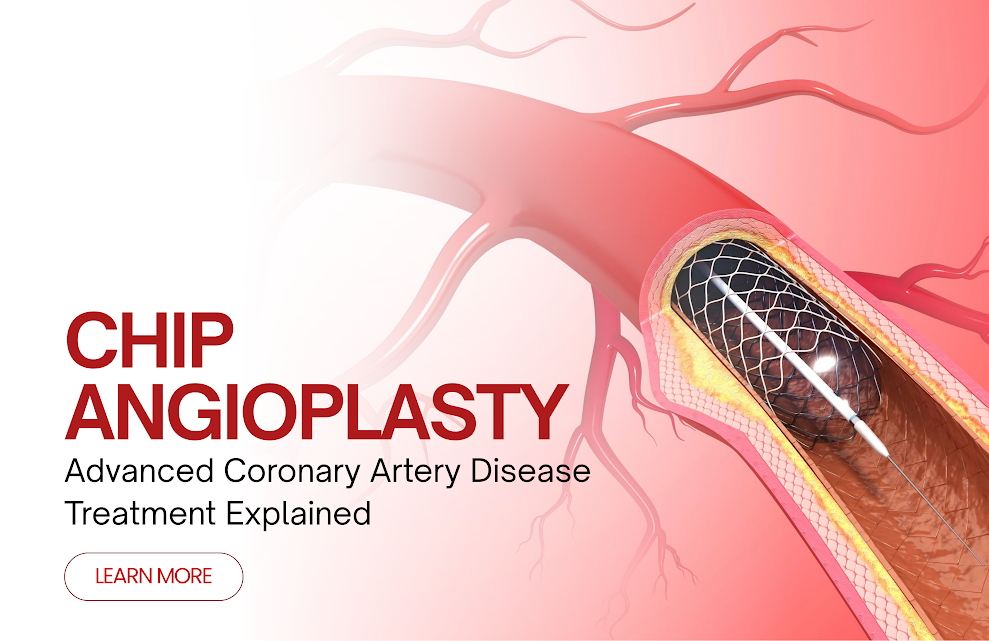

Chip cto angioplasty You’ve had blockages in your arteries for a while. You’ve had procedures. You’ve taken medications. And yet your doctor just told you that you have a completely blocked artery—what’s called a chronic total occlusion. The artery isn’t just narrowed. It’s not just severely blocked. It’s completely shut off.
Your first thought is panic. But before you despair, understand this: CTO doesn’t mean you’re out of options. It doesn’t mean your case is hopeless. Modern medicine has developed specialized techniques to open even completely blocked coronaries. But you need to understand what CTO is and how it’s treated.
Understanding Coronary Artery Disease Progression
Remember how coronary artery disease develops? Plaque builds up in your arteries over time. This usually happens over years or decades.
In some people, this process is gradual. The blockage slowly increases from 50% to 75% to 90%. At each stage, blood can still squeeze through, though less efficiently.
But sometimes, the blockage continues increasing until the artery is completely sealed. No blood flows through at all. This is a chronic total occlusion—or CTO.
The word “chronic” is important. It means this blockage didn’t just happen. It’s been there for a while—usually at least three months. Your body has actually adapted somewhat, sometimes developing other small blood vessels that partially compensate for the blocked artery.
Why CTO Causes Problems

You might think, “If blood develops alternative routes, why is CTO a problem?”
Here’s why it matters:
The alternative blood vessels are limited. They don’t fully replace the original artery’s function.
Your heart remains oxygen-starved. You still experience angina (chest pain) during exertion. You still feel fatigued.
Your heart remains vulnerable. If another artery narrows, your heart has fewer reserves.
It contributes to heart failure. Prolonged oxygen deprivation weakens your heart muscle.
It increases heart attack risk. The blocked artery region is particularly vulnerable to sudden deterioration.
Also read: Blood Clots in AFib: How They Form and Prevention
The Challenge of Chip CTO Angioplasty Treatment
Why don’t doctors simply reopen CTOs in everyone? Because it’s technically difficult.
When an artery is completely blocked, your doctor can’t thread a wire through the blockage the way they do with partially blocked arteries. The wire hits a dead end and can’t advance.
Recanalization—opening a completely blocked artery—requires specialized expertise, specialized equipment, and particular skill. Not all interventional cardiologists perform CTO procedures. It’s a specialized subset within the specialty.
CTO Angioplasty: How It Works
If you’re a good candidate for CTO angioplasty, here’s what happens:
Step One: Imaging Your doctor performs coronary angiography to visualize the completely blocked artery. They determine the length of the blockage, its characteristics, and whether it’s a suitable target for recanalization.
Step Two: Wire Navigation This is where it gets technical. The doctor advances a guidewire toward the blockage. When the wire hits resistance, specialized techniques are used:
- Antegrade approach: threading through from the proximal end
- Retrograde approach: threading backwards from a collateral (alternative) vessel
- Combination approaches: sometimes both directions are attempted
Step Three: Channel Creation Using controlled force and specialized tools, a pathway is created through the blockage. Various devices might be used—rotating burrs (chip CTO angioplasty), laser devices, or mechanical tools.
Step Four: Balloon Dilation Once a pathway is established, balloons are advanced and inflated to widen the channel.
Step Five: Stent Placement A stent—usually a coronary stent with drug-eluting properties—is placed to maintain the opening and prevent restenosis.
The Technical Complexity
CTO recanalization requires:
- Specialized training (often fellowship training beyond standard cardiology)
- Specialized equipment (multiple types of wires, catheters, and devices)
- Extended procedure time (CTOs often take 2-4 hours)
- Patience and problem-solving skills
- Access to backup surgical support if something goes wrong
This is why CTO angioplasty is performed by a limited number of specialists, often at major cardiac centers.
When CTO Treatment is Recommended
Your coronary artery disease doctor might recommend recanalization if:
- You have symptoms—angina, shortness of breath, exercise limitation
- The blocked artery supplies significant heart muscle
- You’re otherwise a good candidate
- You’re willing to undergo the specialized procedure
Some CTOs are left alone. If you have good alternative blood supply and minimal symptoms, your doctor might say observation is appropriate. But if you’re symptomatic or at high risk, recanalization should be discussed.
Success Rates and Outcomes
Modern CTO recanalization is quite successful. Success rates typically range from 70-90% at experienced centers, depending on the complexity of the blockage.
When successful:
- Symptoms improve dramatically
- Exercise tolerance increases
- Quality of life improves significantly
- Your heart’s function often improves
- Your long-term prognosis improves
The Different CTO Techniques
Antegrade Approach Your doctor works from the proximal (near your heart) end of the blockage, advancing a wire and devices distally (away from your heart).
Retrograde Approach Your doctor uses collateral vessels—alternative blood vessels—to approach the blockage from the distal end, working backwards toward your heart.
Hybrid Approach Your doctor switches between antegrade and retrograde techniques, using whichever works best as the procedure progresses.
Specialized Procedures For particularly challenging blockages, specialized techniques like chip angioplasty (rotational atherectomy) might be employed. These techniques use rotating burrs or lasers to grind away hardened plaque.
Finding a CTO Specialist
Not every coronary artery disease specialist performs CTO recanalization. You need someone with specific expertise.
The best angioplasty expert in India who handles CTOs will have:
- Dedicated CTO training
- High success rates (preferably >80%)
- Low complication rates
- Extensive experience (hundreds of CTO procedures)
- Access to all necessary equipment
- Support from surgical backup
- Genuine expertise and not just willingness to try
In Hyderabad, a few centers have true CTO expertise. Ensure your angioplasty expert in Hyderabad has specific CTO experience.
Risks and Complications
CTO procedures do carry risks:
- Perforation of the artery (usually manageable)
- Contrast-induced kidney injury
- Stroke (rare)
- Heart attack during procedure
- Access site bleeding
- Unsuccessful recanalization (wire can’t get through despite attempts)
At specialized centers with experienced operators, major complications are rare (2-5%).
Life After CTO Recanalization
If your CTO is successfully recanalized:
- You’ll feel better relatively quickly
- Medications will be adjusted
- A stent is now in place, requiring antiplatelet therapy
- Regular follow-ups ensure your stent is functioning well
- Your heart function may improve over weeks to months
Most people experience significant quality of life improvement.
If Recanalization Isn’t Possible
Sometimes, despite best efforts, the wire can’t traverse a CTO. In this case:
- Your doctor will stop and not force the issue
- You’ll continue medical management
- Other treatments might be considered—medication optimization, other interventions if different arteries are treatable
- You’ll need close follow-up
This isn’t failure. CTO anatomy varies, and some blockages are simply too difficult. Your doctor’s decision to stop is actually protecting you.
Prevention and Management
Going forward, focus on:
- Medications—take them exactly as prescribed
- Lifestyle changes—diet, exercise, stress management
- Smoking cessation if applicable
- Managing diabetes and hypertension
- Regular follow-ups and testing
- Addressing other coronary blockages
Your Path Forward
Chronic total occlusion sounds intimidating. But with modern techniques and experienced specialists, CTOs are increasingly manageable. Many people who thought their blockage couldn’t be opened are now living symptom-free lives after successful CTO recanalization.
The key is finding a coronary artery disease doctor with genuine CTO expertise and being realistic about what’s possible.
Also read: What is coronary angioplasty? Everything you need to know
Also read: CHIP Angioplasty: Advanced Coronary Artery Disease Treatment Explained
If you have a chronic total occlusion or complex coronary disease, expert care makes a difference. Consult with Dr. C. Raghu, an interventional cardiologist with expertise in complex coronary interventions.