Heart-specialist-in-Hyderabad-reviewing-a-coronary-angiogram-with-a-myocardial-infarction-patient.jpg

April 21, 2026

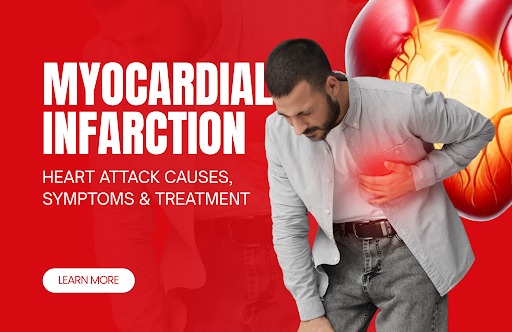
Heart Attack Crisis — and Why Every Family Needs to Understand It

Heart Attack Causes is the leading cause of death in India, and at the centre of that epidemic is a single, time-critical event: the myocardial infarction, more commonly known as a heart attack. India loses hundreds of thousands of lives to heart attacks every year — and a significant proportion of those deaths are preventable. The problem is not a lack of treatment options. India now has access to world-class cardiac interventions, including coronary angioplasty, drug-eluting stents, and advanced surgical options. The problem, far too often, is delay — delayed recognition of symptoms, delayed calls for emergency help, and delayed arrival at a cardiac centre capable of acting.

Understanding what a myocardial infarction is, how it presents, and what modern treatment looks like is not just useful medical knowledge. For millions of Indian families, it is information that could one day make the difference between life and death.

What Is a Myocardial Infarction?

A myocardial infarction occurs when blood supply to a portion of the heart muscle is suddenly cut off. The heart is supplied by the coronary arteries — a network of vessels that sit on the heart’s surface and deliver the oxygen-rich blood the muscle needs to keep beating. When one of those arteries becomes blocked, the heart muscle it supplies begins to die within minutes.

The blockage is almost always caused by coronary artery disease. Over years, fatty deposits called plaque build up inside the coronary artery walls — a process known as atherosclerosis. When a plaque ruptures suddenly, the body’s clotting system responds, forming a blood clot at the rupture site. That clot can block the artery entirely, triggering a heart attack.

Time is muscle. Every minute the artery remains blocked, more cardiac muscle dies — and that damage is permanent. This is why the speed of recognition, emergency response, and intervention determines the long-term outcome as much as any specific treatment decision.

Recognising the Symptoms of a Heart Attack Causes

Heart attacks do not always look the way they do in films. While the dramatic crushing chest pain that radiates to the left arm is a genuine presentation, it is far from the only one. Recognising the full range of symptoms — and taking them seriously — is the first step toward acting in time.

  1. Chest pain or pressure is the most common symptom. Patients describe it as a heaviness, tightness, squeezing, or burning sensation in the centre of the chest. The pain may radiate to the left arm, shoulder, neck, jaw, or back. It typically lasts more than a few minutes, or it may ease and return. A cold sweat, nausea, or dizziness frequently accompanies it.
  2. Shortness of breath may occur alongside chest discomfort or, in some cases, as the dominant symptom. When the heart cannot pump efficiently due to a blocked artery, the lungs begin to back up — and the patient feels breathless, even at rest.
  3. Fatigue and dizziness are symptoms that are easily dismissed, particularly in younger patients and women. A sudden and unexplained exhaustion, or lightheadedness without obvious cause, can be an early signal that the heart is under serious stress.
  4. Nausea and vomiting appear in a meaningful proportion of heart attack patients, particularly those with inferior wall infarctions. These symptoms add to the confusion at presentation, sometimes leading patients — and even non-specialist doctors — to attribute the episode to a gastrointestinal cause.

Any of these symptoms, appearing suddenly and without a clear explanation, should prompt an immediate call to emergency services. They should never be waited out at home.

The Silent Heart Attack: When There Are No Warning Signs

A silent myocardial infarction is one that occurs with no obvious or recognisable symptoms. The patient does not experience chest pain, breathlessness, or any of the classical warning signs. The heart attack happens — muscle is lost — and the patient remains unaware until an ECG or cardiac investigation reveals old damage weeks, months, or years later.

Silent heart attacks are more common in patients with diabetes, in older adults, and in women. They are not minor events. They carry the same risk of future heart failure, arrhythmia, and death as symptomatic infarctions — and because they go unrecognised, they are often untreated. Regular cardiac check-ups are therefore not optional for high-risk individuals; they are essential.

Who Is at Risk and Why

Myocardial infarction is rarely a random event. In the overwhelming majority of cases, a heart attack is the endpoint of a disease process that began years or decades earlier — one that is driven by identifiable and modifiable risk factors.

  1. High blood pressure damages the lining of coronary arteries over time, accelerating the formation of plaque and increasing the risk of plaque rupture. It is one of the most prevalent and under-treated risk factors for heart attack in India.
  2. High cholesterol, particularly elevated LDL cholesterol, directly feeds the atherosclerotic process. Fatty deposits cannot build up in arterial walls without the raw material that circulating LDL provides.
  3. Smoking damages blood vessels, increases clotting tendency, reduces oxygen-carrying capacity of the blood, and accelerates coronary artery disease at every stage. There is no safe level of tobacco use when it comes to cardiovascular risk.
  4. Diabetes and insulin resistance — conditions with extraordinarily high prevalence in India — damage coronary arteries through multiple mechanisms, and diabetic patients with heart attacks tend to present atypically and fare worse without aggressive management.
  5. Sedentary behaviour reduces cardiovascular fitness, worsens cholesterol profiles, and contributes to weight gain, hypertension, and insulin resistance — creating a cluster of risk factors that compounds over time.

Managing these risk factors — ideally with the guidance of a heart Hospital in Hyderabad — is the most effective form of heart attack prevention available.

Types of Myocardial Infarction

Not all heart attacks are the same, and the distinction between types matters for treatment decisions.

STEMI (ST-elevation myocardial infarction) is the most severe form. The coronary artery is completely blocked, blood flow to the affected muscle has ceased entirely, and the ECG shows characteristic ST elevation. STEMI is a cardiac emergency requiring the fastest possible intervention — ideally primary coronary angioplasty with stent implantation within 90 minutes of first medical contact.

NSTEMI (Non-ST-Elevation Myocardial Infarction) involves partial rather than complete arterial blockage. Blood flow is reduced but not fully stopped. The ECG does not show ST elevation, but blood tests reveal elevated troponin — confirming that cardiac muscle is being damaged. NSTEMI requires urgent assessment and typically leads to coronary angiography and intervention within 24 to 72 hours.

How Heart Attacks Are Diagnosed

The diagnostic process combines clinical assessment, electrical recordings, and biochemical testing.

An electrocardiogram (ECG) records the heart’s electrical activity and remains the most important immediate diagnostic tool. In STEMI, characteristic changes allow diagnosis within minutes. In NSTEMI, the ECG may show subtler abnormalities, or may be normal, requiring blood tests to confirm damage.

Troponin blood tests measure the level of troponin — a protein released by damaged cardiac muscle cells — in the bloodstream. Elevated troponin confirms that heart muscle injury has occurred. Serial troponin measurements, taken a few hours apart, improve diagnostic accuracy and help quantify the extent of damage.

Imaging studies, including echocardiography and cardiac CT or MRI, provide additional information about heart function, the location of damage, and the presence of complications. Coronary angiography — an X-ray procedure in which dye is injected directly into the coronary arteries — defines the anatomy of the blockage and guides the interventional plan.

Treatment: Restoring Blood Flow Before More Muscle Is Lost

The primary goal in treating a myocardial infarction is reperfusion — reopening the blocked artery and restoring blood flow to the dying muscle as quickly as possible.

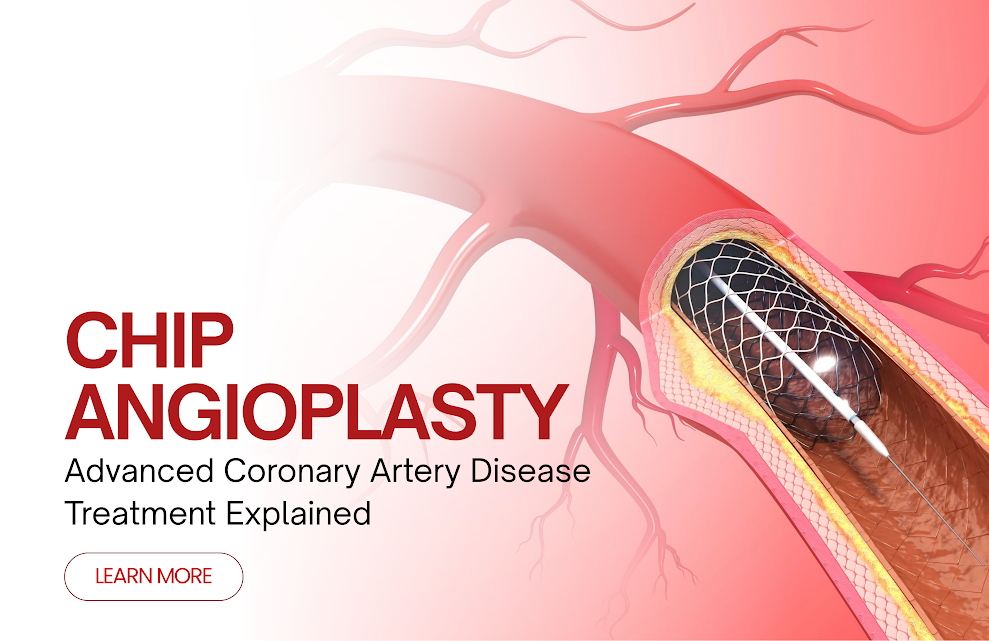
Percutaneous Coronary Intervention (PCI) is the preferred treatment for both STEMI and NSTEMI wherever it can be delivered within the required time window. Using a catheter inserted through the wrist or groin, the interventional cardiologist navigates to the blocked coronary artery under X-ray guidance, inflates a tiny balloon to compress the obstructing plaque, and deploys a PTCA stent — a small mesh cylinder — to hold the artery open permanently. Drug-eluting stents release medication over months to prevent re-narrowing at the treated site. For complex lesions and high-risk patients, chip angioplasty techniques and intravascular imaging are used to optimise stent placement with precision.

Medications form the backbone of both acute and long-term management. In the acute phase, aspirin and anticoagulants prevent further clot formation. Beta-blockers reduce heart workload. ACE inhibitors protect the heart muscle and prevent progressive dysfunction. Statins lower cholesterol aggressively and stabilise remaining plaques against future rupture.

Coronary Artery Bypass Grafting (CABG) is recommended when the anatomy of disease is too complex or extensive for stenting to be the best option — particularly in patients with multi-vessel disease, left main stem disease, or significant diabetes. In CABG, a healthy blood vessel taken from the chest wall or leg is used to reroute blood around the blocked segment, restoring flow to the affected territory.

Prevention: The Work That Happens Before the Heart Attack

The best heart attack is the one that never happens. Prevention is not passive — it requires active management of the risk factors outlined above, regular monitoring, and honest engagement with a cardiologist who will not simply reassure a patient because their resting ECG looks normal.

A healthy, plant-forward diet low in processed foods, salt, and saturated fat supports blood pressure, cholesterol, and weight management simultaneously. At least 150 minutes of moderate aerobic exercise per week is the minimum evidence-based target. Blood pressure, cholesterol, and blood glucose should be checked regularly — and when they are abnormal, treated with appropriate medication, not just lifestyle advice alone.

Stress management is not optional. Chronic psychological stress activates inflammatory pathways, raises blood pressure, and increases heart rate — all of which accelerate coronary artery disease and raise the short-term risk of plaque rupture. Structured techniques — regular physical activity, sleep hygiene, and social connection — are all evidence-based stress reduction strategies.

Conclusion

A myocardial infarction is one of the most time-sensitive medical emergencies in existence. The cardiac muscle that is lost in the first 90 minutes of a heart attack will never regenerate. But the majority of heart attacks are preventable through systematic risk factor management — and when they do occur, outcomes today are dramatically better than they were even a decade ago, thanks to advances in coronary angioplasty, coronary stent technology, and evidence-based cardiac care.

Knowing the symptoms, acting fast, and working with an experienced heart specialist in Hyderabad who manages both prevention and intervention — that combination offers the best possible chance of a full and lasting recovery.

Also Read:

FAQs

What is a myocardial infarction?
A myocardial infarction is the medical term for a heart attack — an event in which a coronary artery becomes blocked, cutting off blood supply to a section of the heart muscle. The affected muscle begins to die within minutes. Prompt intervention by an experienced cardiac team — using coronary angioplasty or other reperfusion strategies — is essential to limit permanent damage.

What are the warning signs of a heart attack Causes?
The most common warning signs are chest pain or pressure, shortness of breath, pain radiating to the arm, jaw, or back, unexplained fatigue, dizziness, nausea, and cold sweating. Some heart attacks, particularly in diabetic patients, present silently or with minimal symptoms. Any unexplained combination of these symptoms should prompt an immediate call to emergency services.

How is a heart attack treated in India today?
The standard treatment for a STEMI heart attack is primary PCI — emergency coronary angioplasty with stent implantation — performed as rapidly as possible after the onset of symptoms. Leading cardiac centres in India achieve door-to-balloon times that match international benchmarks. NSTEMI is managed with urgent angiography and intervention within 24 to 72 hours. Medications are used alongside procedural treatment and continued long-term to reduce the risk of a second event.

How can a heart attack be prevented?
Controlling blood pressure, cholesterol, and blood sugar — through lifestyle and medication where needed — is the foundation of prevention. Stopping smoking, maintaining a healthy weight, exercising regularly, and managing stress all reduce risk significantly. Regular cardiac check-ups with a qualified heart doctor are essential for anyone with risk factors, a family history of heart disease, or a previous cardiac event.
Abhijit

Chip-angioplasty.webp

March 24, 2026

CHIP Angioplasty Heart disease doesn’t always come with a warning. Many people discover they have coronary artery disease only after symptoms begin to affect daily life. In such situations, consulting a trusted coronary artery disease doctor at the right time can prevent serious complications.

For patients dealing with complex or high-risk blockages, standard procedures may not be enough. This is where CHIP Angioplasty offers a highly advanced and effective treatment option.

What is Coronary Artery Disease?

Coronary artery disease happens when plaque builds up in the arteries, reducing blood flow to the heart. Over time, this can cause chest pain, shortness of breath, or even heart attacks.

An experienced coronary heart disease doctor or skilled coronary artery disease specialist will usually recommend tests like angioplasty and angiograms to assess the severity.

What Makes CHIP Angioplasty Different?

CHIP Angioplasty (Complex High-Risk Indicated Percutaneous Coronary Intervention) is specially designed for patients with severe and complicated blockages.

Unlike routine angioplasty in heart, this advanced procedure is recommended when:

  • Blockages are long or heavily calcified
  • Multiple arteries are affected
  • Surgery is risky or not possible

Such cases require the expertise of an experienced angioplasty expert in India.

Understanding CHIP CTO Angioplasty

CHIP CTO Angioplasty is used for Chronic Total Occlusion—arteries that are completely blocked for a long duration.

These are among the most challenging cases and require the best angioplasty expert in India with deep expertise in CHIP angioplasty techniques.

You can also read this: Cardiologist Hyderabad Why Dr. C. Raghu Is a Name Patients Trust

How the Procedure is Performed

The process is similar to coronary angioplasty but more advanced:

  • A catheter is inserted through the wrist or groin
  • Advanced imaging identifies the blockage
  • Specialized tools are used to open the artery
  • A PTCA stent, or coronary stent, is placed to restore blood flow

This is performed by highly experienced coronary artery disease specialists.

Who Should Consider CHIP Angioplasty?

You may need CHIP angioplasty if you have:

  • Severe coronary artery disease
  • Multiple or complex blockages
  • Failed previous angioplasty
  • High surgical risk
  • Need for CHIP CTO Angioplasty

Consulting a reliable coronary artery disease doctor is crucial in these cases.

Benefits of CHIP Angioplasty

  • Minimally invasive procedure
  • Faster recovery
  • Effective for high-risk patients
  • Significant symptom relief

With the right Angioplasty Expert in India, patients often see excellent results.

Risks to Consider

Like any advanced procedure, CHIP CTO Angioplasty carries some risks:

  • Bleeding
  • Irregular heart rhythm
  • Rare procedural complications

However, these risks are minimized when performed by an angioplasty expert in India experienced in chip angioplasty.

You can also read this: Understanding PTCA Stent & Coronary Angioplasty exert

Why Choose Dr. C. Raghu for CHIP Angioplasty?

When it comes to complex heart procedures, experience matters the most.
Dr. C. Raghu, Clinical Director & Senior Interventional Cardiologist at Yashoda Hospitals, Secunderabad, is widely recognized as a leading angioplasty expert in India.

With over 20,000+ coronary intervention procedures and expertise in CHIP angioplasty and CHIP CTO angioplasty, he has successfully treated some of the most challenging cases of coronary artery disease.

His patient-focused approach, precision techniques, and use of advanced technology make him one of the most trusted coronary artery disease specialists in India.

Conclusion

CHIP angioplasty has revolutionized the treatment of complex heart blockages. It provides new hope to patients who may not be suitable for traditional procedures.

If you or your loved one is suffering from coronary artery disease, don’t delay treatment.

 Consult Dr. C. Raghu, Interventional Cardiologist at Yashoda Hospitals, Secunderabad, today and take the first step towards a healthier heart.

About Dr. C. Raghu

Dr. C. Raghu — MD, DM, FESC, FACC, FSCAI

Interventional Cardiologist | Yashoda Hospital, Raj Bhavan Road, Somajiguda, 1st Floor, Room No. 115, Hyderabad – 500082, Telangana

Specialisation: Coronary, Vascular & Structural Interventions | TAVR | CHIP Angioplasty | Complex Coronary Procedures

OPD: Monday to Saturday, 8 AM – 8 PM  |  Emergency: 24/7  |  +91 95424 75650  |

Abhijit

heart-blockages.jpg

February 27, 2026

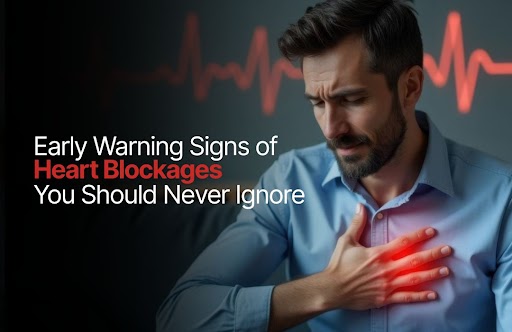
Many people often ignore small warning signs from their bodies. Chest pain, shortness of breath, or even tiredness may seem minor at first. Still, these can be early warning signs of heart blockages you should never ignore.

Heart disease is very common and can lead to life-threatening problems if not found early.

A blocked artery in the heart can stop blood flow quickly. Studies show that quick action saves lives. If someone notices symptoms like chest pain or fatigue, they should see a heart doctor in Hyderabad right away.

This blog will help readers learn about key symptoms linked to heart blockages, such as angina, weakness, and irregular heartbeat. It also covers prevention steps and risk factors for better heart health under a good cardiologist in Hyderabad or a trusted heart doctor in Hyderabad.

Spot the danger before it gets worse; your health depends on it.

Key Takeaways

  • Chest pain, shortness of breath, and tiredness are early warning signs of heart blockages. These symptoms can appear suddenly or develop over time.
  • Ignoring chest discomfort, fatigue, dizziness, cold sweats, or irregular heartbeat can lead to serious health risks and even death if left untreated.
  • Swelling in the legs, feet, or ankles may signal reduced blood flow due to blocked coronary arteries. Patients should seek prompt medical help for these changes.
  • Quick action saves lives. Studies show that seeing a cardiologist without delay improves outcomes in those with heart blockages.
  • Making lifestyle changes like eating healthy food, exercising often, quitting smoking, and reducing stress lowers your risk of heart disease and its dangerous symptoms.

Early Warning Signs of Heart Blockages

Early warning signs of heart blockages can appear suddenly. People should pay attention to these symptoms, as they may indicate serious issues with blood flow.

Chest pain or discomfort

Chest pain or discomfort often signals a problem with blood flow to the heart. Patients may experience this type of pain as a tightness, pressure, or heaviness in the chest. Some describe it as feeling like an elephant is sitting on them.

This symptom can arise suddenly or develop gradually over time.

Individuals should not ignore such sensations, especially if they occur during physical activity or emotional stress. Angina, a form of chest pain, occurs when the coronary arteries narrow and restrict the blood supply to the heart muscle.

Early detection and prompt medical attention are crucial for managing these warning signs effectively.

Shortness of breath

Moving from chest pain or discomfort, shortness of breath is another critical symptom to watch. This feeling can occur even during light activities or rest. Patients often describe it as an inability to catch their breath, leading to distress.

Shortness of breath may indicate heart blockages that restrict blood flow. Angina often presents with this symptom as well, signalling potential coronary artery disease. Individuals experiencing this should seek medical attention without delay.

Monitoring symptoms and making lifestyle changes can help manage risk factors effectively.

Fatigue or weakness

Fatigue or weakness can signal heart issues. Patients may notice an unusual lack of energy or feel more tired than usual. This symptom often accompanies other signs of heart blockages, such as chest pain and shortness of breath.

It might also affect daily activities that once seemed easy.

Coronary arteries supply blood to the heart muscle. Any blockage can reduce blood flow, leading to fatigue and overall weakness. Those experiencing these symptoms should seek medical attention promptly.

Ignoring these warning signs could lead to serious health risks related to heart disease.

Dizziness or lightheadedness

Fatigue or weakness often leads to other concerning symptoms. Dizziness or lightheadedness frequently indicates a serious issue with blood flow. These sensations can arise from decreased oxygen reaching the brain due to blockages in coronary arteries.

Chest pain may accompany this dizziness, intensifying the discomfort.

Patients experiencing these feelings should take them seriously. Lightheadedness can occur suddenly and might cause fainting spells if not addressed promptly. Ignoring such signs risks further complications related to heart disease and overall health.

Staying alert for these symptoms is crucial for maintaining well-being and preventing more severe conditions like angina or a heart attack.

Nausea or vomiting

Nausea or vomiting can signal serious issues with heart health. These symptoms may arise when blood flow to the heart decreases. Angina, which causes chest pain and discomfort, often accompanies them.

Patients experiencing nausea might feel uneasy or have an upset stomach. Vomiting can lead to a loss of fluids and further complications.

Ignoring these signs can be dangerous. They may indicate blockages in the coronary arteries that require immediate attention. Seeking medical help is crucial if these symptoms occur frequently.

It is essential to monitor one’s health closely during such episodes, as they could lead to more severe conditions like heart disease or even a heart attack. Understanding other symptoms improves awareness of one’s cardiovascular health.

Cold sweats

Nausea or vomiting can accompany other heart symptoms. Cold sweats often signal a serious issue with the heart. Patients might experience sudden sweating even in cool conditions. This symptom indicates that something is wrong, particularly with blood flow to the heart.

Cold sweats can occur alongside chest pain or shortness of breath. They may happen during physical activity or at rest. These episodes might feel alarming and should not be ignored.

A patient experiencing cold sweats along with fatigue, dizziness, or an irregular heartbeat should seek immediate medical attention. Being aware of these signs aids prevention and encourages timely care for potential blockages in the coronary arteries.

Irregular heartbeat

An irregular heartbeat can signal serious issues. Patients may experience this as a fluttering or pounding in the chest. Many people describe it as feeling like their heart skips a beat.

This symptom often occurs alongside chest pain and shortness of breath, raising concerns about heart disease.

Blockages in the coronary arteries may cause these irregularities. Limited blood flow impacts how effectively the heart functions. Seeking immediate medical attention is essential if someone notices an irregular heartbeat coupled with other symptoms.

Early detection plays a crucial role in preventing further complications from heart disease and blockages.

Swelling in the legs, feet, or ankles

Swelling in the legs, feet, or ankles can indicate heart blockages. Such swelling occurs due to fluid buildup when blood flow decreases in the coronary arteries. Patients with this symptom should pay close attention.

It often signals that the heart cannot pump efficiently.

Heart disease impacts circulation, leading to discomfort and fatigue. Individuals may notice their shoes fit tighter or their legs feel heavy. Seeking medical advice without delay is crucial if they experience these changes.

Early intervention can help prevent serious complications associated with angina and other cardiovascular symptoms.

You can also read this: Best cardiologist near me known for exceptional success rates.

What to Do If You Experience These Signs

If a person notices any of these symptoms, they must seek immediate medical help. They should keep track of their signs and make necessary lifestyle changes to lower their risk factors.

Seek immediate medical attention

Experiencing any early warning signs of heart blockages requires prompt action. Chest pain, shortness of breath, or fatigue can signal serious issues. Patients should seek immediate medical attention if they notice these symptoms.

Delaying treatment could lead to severe complications.

Doctors can assess blood flow and check for blockages in the coronary arteries. Early diagnosis often makes a significant difference in outcomes. Individuals must take their symptoms seriously and act quickly.

This proactive approach is essential for preventing potential heart disease escalation.

Monitor your symptoms

Monitoring symptoms plays a crucial role in identifying heart blockages early. Individuals should pay close attention to any signs of chest pain or discomfort, even if they seem mild.

Shortness of breath during everyday activities can signal reduced blood flow in the coronary arteries.

Fatigue or weakness that feels unusual should not be overlooked. Dizziness and lightheadedness may also indicate a more serious issue with heart health. Regularly observing these symptoms can help patients seek timely medical care and prevent further complications related to heart disease.

Make lifestyle changes to reduce risk factors

Making lifestyle changes can significantly reduce the risk of heart disease and blockages. Patients should focus on maintaining a balanced diet rich in fruits, vegetables, and whole grains.

Eating less saturated fat and sugar can improve overall health. Regular exercise helps strengthen the heart and improve blood flow. Engaging in activities like walking or swimming for at least 150 minutes each week makes a difference.

Many patients may also find it beneficial to quit smoking and limit alcohol intake if they want to lower their chances of developing coronary artery issues. Managing stress effectively through techniques like meditation or yoga is crucial as well.

These simple yet effective changes contribute positively to preventing symptoms related to chest pain, shortness of breath, and fatigue associated with heart blockages.

You can also read this: Hyderabad Cardiologist Reveals 5 Silent Heart Warning Signs

If you are experiencing any of these symptoms, consult Dr. C. Raghu, the best cardiologist in Hyderabad, a trusted heart specialist in Hyderabad known for advanced diagnosis and treatment of coronary artery disease, angina, and heart blockages.

FAQs

1. What are the most common early warning signs of heart blockages?

The main symptoms include chest pain, discomfort, shortness of breath, and fatigue. These may signal reduced blood flow in your coronary arteries.

2. How does angina relate to heart disease and blockages?

Angina is a type of chest pain linked to blocked or narrowed coronary arteries. It often signals underlying heart disease needing urgent attention.

3. Why should I not ignore mild discomfort or tiredness?

Mild discomfort and ongoing fatigue can be early signs of heart blockages. Ignoring them may delay prevention or treatment for serious heart disease.

4. Can preventive care help stop severe symptoms from developing?

Yes; regular heart monitoring and preventive care can detect blockages before they cause major problems like persistent chest pain or dangerous loss of blood flow.

5. When should I seek medical advice about these symptoms?

You should contact a doctor if you notice new or worsening chest pain, shortness of breath, angina attacks, unusual fatigue, or any changes in your usual health patterns related to your heart function.


Abhijit

Hyderabad-Cardiologist.jpeg

December 19, 2025

Many people ignore small symptoms that quietly point toward serious heart problems. Research shows that silent heart warning signs often go unnoticed until a major cardiac event occurs. According to a heart doctor in Hyderabad, early signals may appear mild but can indicate underlying cardiovascular disease.

This blog shares expert insights from a top cardiologist in Hyderabad, helping you recognize these hidden warning signs early. Guidance from the best heart specialist in Hyderabad can play a life-saving role when it comes to timely diagnosis and treatment.

Spotting these silent risks early — with help from a trusted heart expert in Hyderabad — can truly save your life.

Key Takeaways

  • Many people miss early heart warning signs like bruising, neutropenia, angina, syncope, and coronary artery disease. 
  • Unexplained bruising may signal weak blood vessels or platelet issues linked to heart conditions. 
  • Neutropenia can increase infection risk and complicate cardiac events. 
  • Angina is a classic sign of reduced blood flow to the heart and needs immediate attention. 
  • Regular consultations with a heart doctor in Hyderabad help detect these silent symptoms early. 

What Are the Silent Heart Warning Signs?

Silent heart warning signs often progress without obvious pain. The best heart specialist in Hyderabad emphasizes that understanding these symptoms can prevent severe heart complications and improve long-term cardiovascular health.

You can also read this:- Best Cardiologist and Heart Specialist Doctor in Hyderabad, India

Bruising

Unexplained bruising can indicate hidden heart-related issues. When blood vessels become fragile or platelet levels drop, bruises may appear without injury. According to a heart expert in Hyderabad, conditions like neutropenia can worsen bruising and may reflect deeper cardiovascular concerns.

Ignoring frequent bruising can be dangerous. Consulting a top cardiologist in Hyderabad helps determine whether this symptom is linked to heart health or other systemic conditions.

Neutropenia

Neutropenia refers to low levels of neutrophils, an important type of white blood cell. Patients may experience fatigue, breathlessness, or repeated infections. A senior heart doctor in Hyderabad warns that neutropenia can increase complications during heart attacks or cardiac procedures.

Early diagnosis and regular monitoring by the best heart specialist in Hyderabad ensure safer outcomes and better heart protection.

Angina

Angina occurs when the heart muscle does not receive enough oxygen-rich blood. It commonly presents as chest pressure, tightness, or discomfort during physical activity or emotional stress.

A top cardiologist in Hyderabad explains that angina often signals blocked or narrowed arteries. Timely treatment guided by a skilled heart expert in Hyderabad can prevent heart attacks and long-term damage.

Syncope

Syncope is a sudden, temporary loss of consciousness caused by reduced blood flow to the brain. It is frequently linked to heart rhythm disorders or low blood pressure.

If fainting episodes occur, immediate evaluation by a heart doctor in Hyderabad is essential. Cardiologists identify the root cause and recommend treatment to prevent life-threatening complications.

Coronary Artery Disease

Coronary artery disease (CAD) develops when plaque builds up inside the coronary arteries, restricting blood flow to the heart. Risk factors include high cholesterol, diabetes, smoking, and obesity.

A best heart specialist in Hyderabad uses advanced diagnostic tests to detect CAD early. Treatment may include lifestyle changes, medication, angioplasty, or surgery, depending on severity.

How Can a Cardiologist Help with These Signs?

A top cardiologist in Hyderabad plays a vital role in identifying and managing silent heart warning signs before they become fatal.

Diagnose and Treat the Underlying Condition

Cardiologists use advanced imaging, blood tests, and cardiac evaluations to diagnose hidden heart issues. A trusted heart expert in Hyderabad designs personalized treatment plans that may include medication, lifestyle modifications, or interventional procedures.

Perform Surgeries or Procedures

For severe cases, a heart doctor in Hyderabad may recommend angioplasty, stent placement, or bypass surgery to restore healthy blood flow. These procedures significantly reduce the risk of heart attacks and long-term complications.

Regular Check-Ups and Monitoring

Routine follow-ups with the best heart specialist in Hyderabad help track symptoms and prevent disease progression. Regular monitoring ensures early intervention, better heart function, and improved quality of life.

You can also read this:Silent Heart Attack: What It Is and What Are Its Risk Factors

FAQs

1. What are the 5 silent heart warning signs?

According to a top cardiologist in Hyderabad, the five key signs include fatigue, unexplained bruising, neutropenia, angina, syncope, and coronary artery disease.

2. Why are these symptoms dangerous?

These symptoms often indicate hidden cardiovascular problems. Early detection by a heart doctor in Hyderabad reduces the risk of heart attack and sudden cardiac events.

3. How can I tell if fatigue or discomfort is heart-related?

If symptoms persist or worsen, consult a heart expert in Hyderabad for proper diagnosis and testing.

4. What should I do if I notice these warning signs?

Seek immediate medical attention from the best heart specialist in Hyderabad to evaluate your heart health and begin preventive care.


Abhijit

coronary-artery-disease-1.webp

March 25, 2025

Heart bypass surgery involves having to cut open the chest. The goal is to get blood flowing again to the heart. For this, a graft is attached from the aorta to a coronary vessel to bypass blockages.

Abhijit


Dr raghu logo


Dr raghu logo


Call us now if you are in a medical emergency need, we will reply swiftly and provide you with a medical aid.


For Appointment with Dr Raghu: +91 80085 36699
Dr Raghu’s Patient Coordinator: +91 72860 10203
Dr Raghu’s Office Experience: +91 90001 65962
Dr Raghu’s Social Media Communication Channel: +91 97046 51708

Dr. Raghu | Heart Specialist in Hyderabad
Yashoda Hospitals, Raj Bhavan Road, Somajiguda, 1st floor, Room No. 115, Hyderabad -500082, Telangana

Best Cardiologists in Hyderabad


© 2024, Dr. Raghu. All rights reserved. Design & Developed by AMSDigital.in

[gtranslate]
+91-9542475650