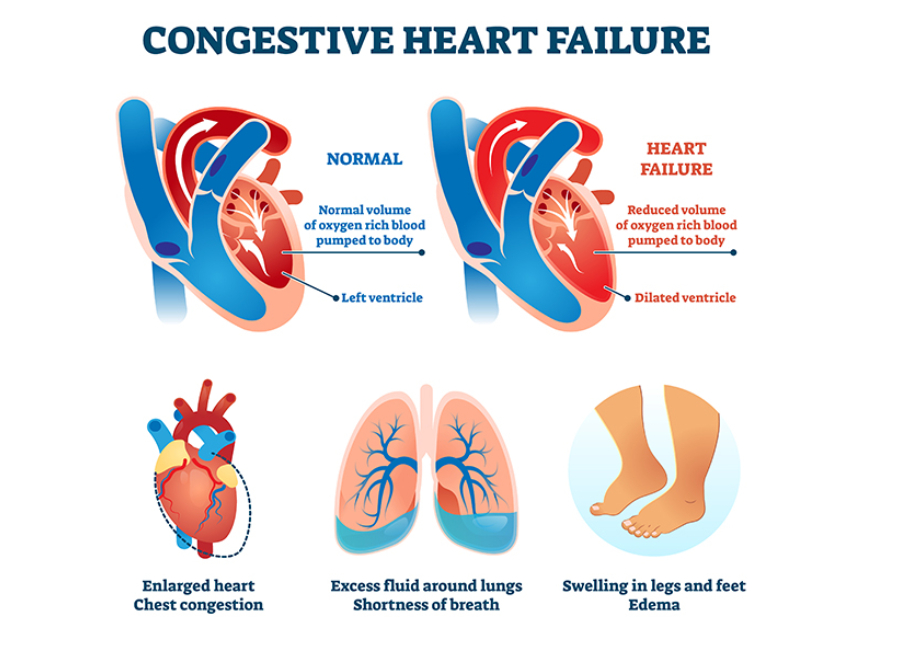
Diagnosing heart failure involves a combination of physical examination, blood tests, and non-invasive procedures like X-rays and ECG.


Diagnosing heart failure involves a combination of physical examination, blood tests, and non-invasive procedures like X-rays and ECG.
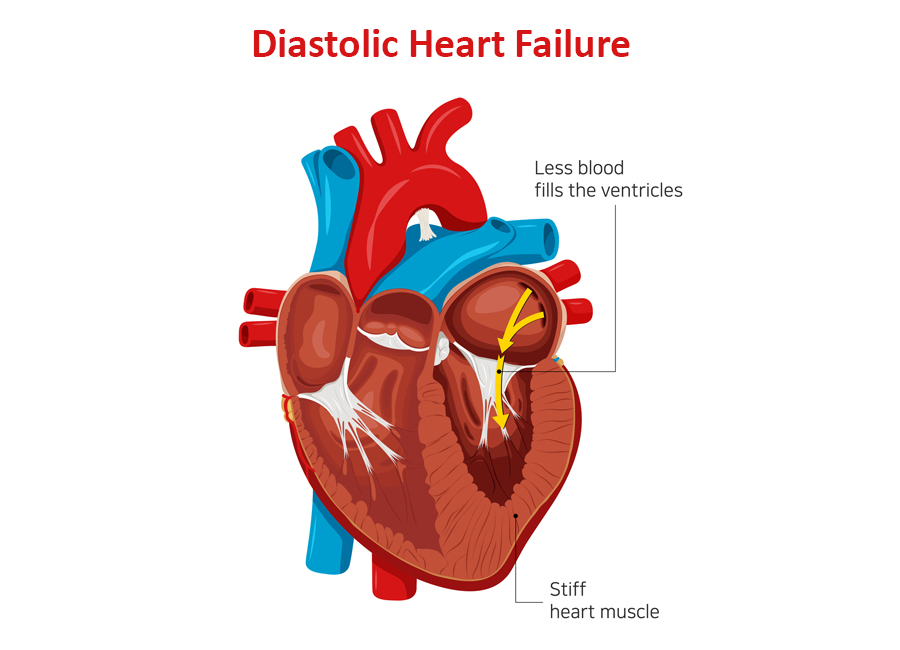
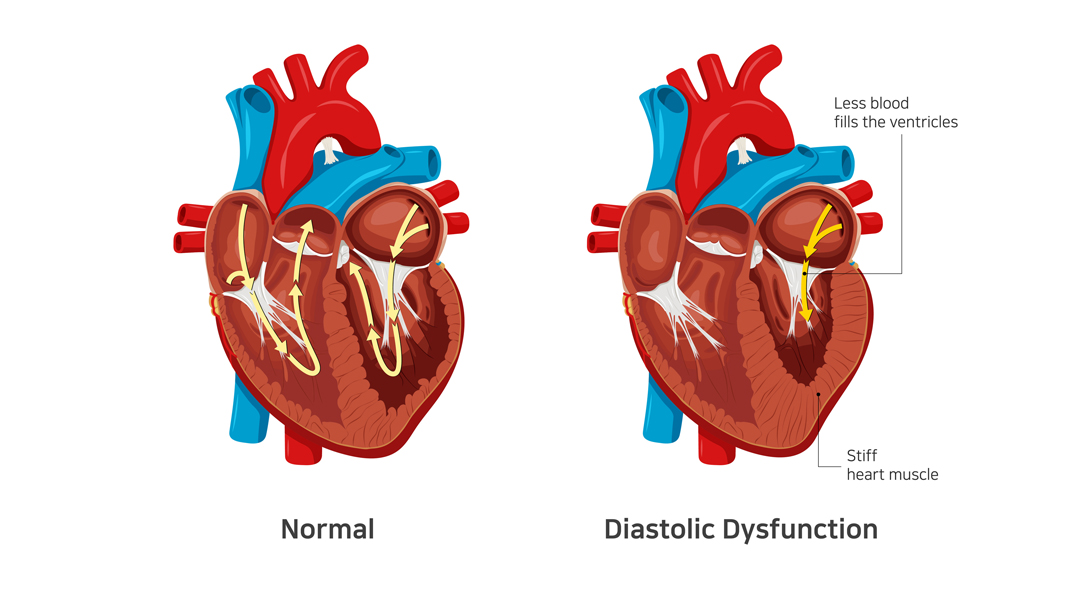
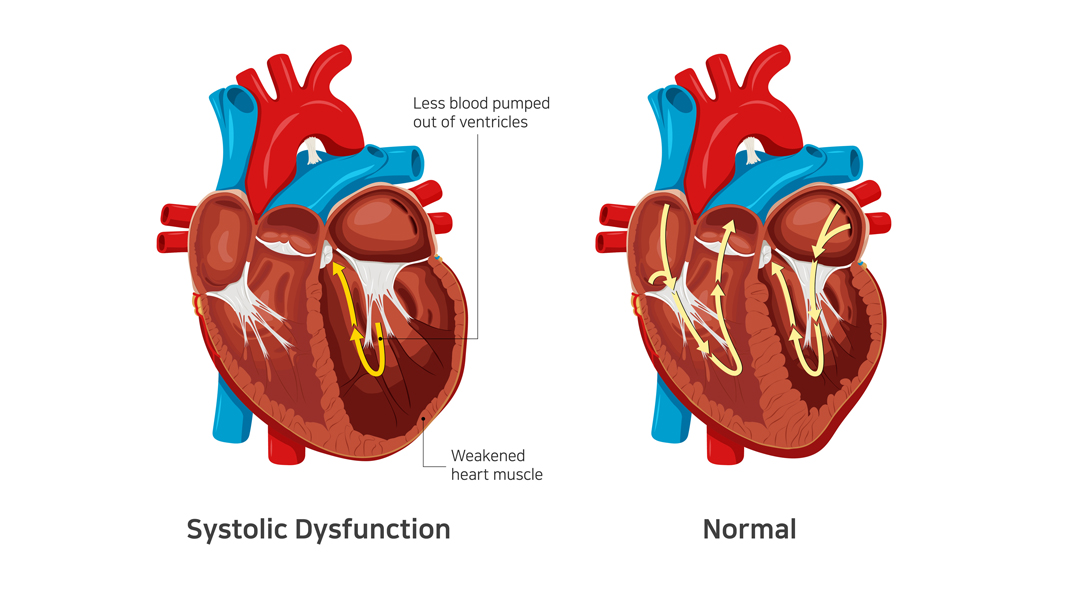
In our previous articles, we’ve discussed the symptoms of heart failure and the steps to diagnose the same. However, the course of treatment varies for every patient based on the type of heart failure they’ve developed. Depending on the part of the heart’s pumping cycle that’s been affected, there are two types of heart failure. In this blog, we’ll take a closer look at diastolic dysfunction and its symptoms. The diastolic phase refers to the part of the heart’s pumping cycle when the ventricles (lower chambers) relax and let blood flow in from the atria (upper chambers). Diastolic dysfunction is a condition in which the ventricles don’t relax enough. That, in turn, prevents the normal amount of blood from entering the heart. Diastolic dysfunction is caused when the heart muscles become thicker and stiffer than usual. It’s more common in older women with hypertension and diabetes. If left untreated, it can lead to diastolic heart failure (also known as heart failure with preserved ejection fraction). Ejection fraction refers to the volume of blood pumped out from the heart’s left ventricle with each contraction. For a healthy heart, the number falls in the range of 55% to 65%. A lower ejection fraction is one of the most common indicators of heart failure. However, it’s worth noting that many people with diastolic dysfunction have an ejection fraction of 50% or more (which is known as preserved ejection fraction). That means the left ventricle expels an adequate amount of oxygenated blood. However, the heart muscle doesn’t relax enough to let a sufficient quantity of blood in. That, in turn, causes the excess blood to back up in the lungs and results in fluid buildup in the feet and abdomen. In contrast to systolic dysfunction where the heart muscle is “weak”, in diastolic dysfunction the heart is “stiff”. This means that the heart is unable to pump blood out of the heart in systolic dysfunction whereas the heart is unable to accept further blood in diastolic dysfunction. Both conditions lead to congestion or fluid accumulation in various organs of the body. Differentiation of heart failure from systolic and diastolic dysfunction is not possible as both diseases present with similar symptoms. The best way to prevent and treat diastolic dysfunction is by effective control of the diseases mentioned above. The most common symptom of diastolic dysfunction is congestion and shortness of breath due to the buildup of blood and fluid in the lungs. Breathing difficulties can get particularly worse during exertion or when lying. Other symptoms of diastolic dysfunction include: If you experience any of the given symptoms, it’s crucial to consult a doctor for a proper diagnosis. Treatment of diastolic dysfunction involves a combination of medications (diuretics or water pills) and lifestyle changes. In severe cases, a patient might need left ventricular assist devices or a heart transplant. In the long run, diastolic dysfunction can lead to diastolic heart failure. That, in turn, increases your risk of hospitalization and death. Therefore, you should pay close attention to your symptoms and reach out to a doctor whenever you notice anything unusual. Dr. C Raghu is a renowned cardiologist who specializes in interventional cardiology. He has decades of experience in treating patients with different heart conditions. If you or anyone you know has developed symptoms like shortness of breath, swollen feet, loss of appetite, etc., contact Dr. Raghu to explore your treatment options.
What Causes Diastolic Dysfunction?
Related : Understanding Congestive Heart Failure Symptoms
What Does Preserved Ejection Fraction Mean?
How to differentiate systolic from diastolic dysfunction ?
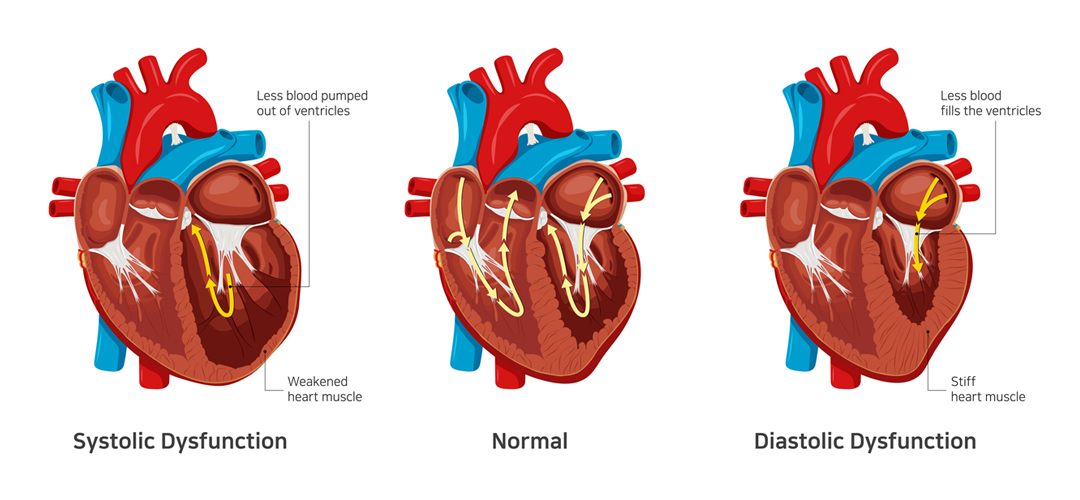
Which conditions lead to Diastolic dysfunction?
Symptoms of Diastolic Dysfunction
Treatment of Diastolic Dysfunction
Is Diastolic Dysfunction Serious?
Book Online Consultaion
DOWNLOAD PDFWhat Are the Symptoms of Diastolic Dysfunction ? – Blog
Subscribe the Hearty Life Blogs

DR. RAGHU | Best Cardiologist in Hyderabad
MD, DM, FESC, FACC, FSCAI
Cardiology Coronary, Vascular and
Structural InterventionsConditions & Diseases
Angioplasty
Aortic Stenosis
Atrial Fibrillation
Atrial Septal Defect
View More Services
Related Posts

Heart failure refers to a condition where the heart is unable to pump blood throughout the body with maximum efficiency. It’s usually the result of progressive weakening, thickening, or stiffening of the heart muscles.
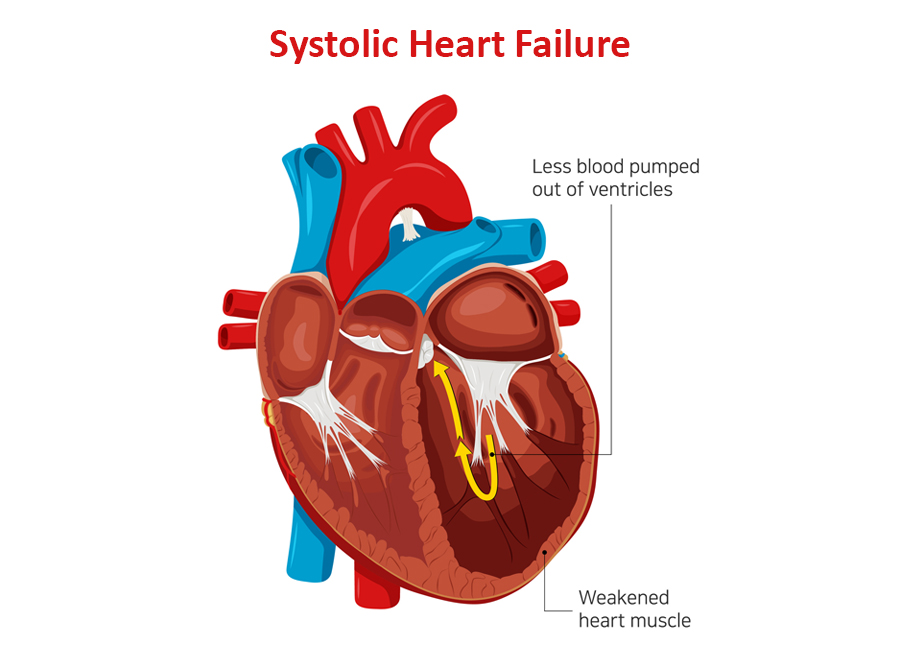
Heart failure is a common condition with no known cure. However, proper treatment can control the disease progression and thus improve a patient’s quality of life and longevity. To decide the proper course of treatment, a doctor must first determine the type of heart failure a patient has developed. Depending on the part of the heart’s pumping cycle that’s been affected, heart failure can be of two types – diastolic and systolic. You can learn more about the symptoms, causes, treatment of diastolic dysfunction and differentiation from systolic dysfunction in our previous article. In this blog, we’ll delve deeper into systolic heart failure and understand its causes and symptoms. Systolic heart failure occurs due to a problem in the heart’s contraction (or systolic) phase. It’s characterized by stretching and weakening of the left ventricular muscle, due to which the heart pumps out less oxygenated blood to the body. It’s also known as heart failure with reduced ejection infraction. As the condition worsens, it can also weaken the right ventricle and take a toll on its pumping power too. Systolic heart failure is caused by underlying medical conditions that damage the left ventricle. The most common causes include : Additionally, people who are older or have diabetes are at a higher risk of developing systolic heart failure. In systolic heart failure, an adequate amount of oxygen-rich blood doesn’t reach all organs. The most common indicator of the condition is a lower ejection fraction. It can result in the following symptoms: Typically, a doctor prescribes various tests, such as chest X-ray, ECG, and echocardiography, to diagnose systolic heart failure and its root cause. The treatment plan depends on the underlying cause. In most cases, systolic heart failure is treated using one or more of the following medications: Additionally, doctors recommend a healthy diet and lifestyle changes to improve cardiac health and manage underlying conditions, such as hypertension and diabetes. If left untreated, systolic heart failure can damage vital organs and even lead to death. It’s crucial that patients watch out for symptoms like swollen feet, mental confusion, and bluish skin color and seek medical treatment at the earliest. Dr. C Raghu is an experienced cardiologist who specializes in interventional cardiology and TAVR. If you or anyone you know is experiencing symptoms of systolic heart failure, connect with Dr. Raghu for proper diagnosis and treatment.
Systolic Heart Failure: A Closer Look
Related: What Are the Symptoms of Diastolic Dysfunction?
Causes of Systolic Heart Failure
Related: Understanding Congestive Heart Failure Symptoms
Symptoms of Systolic Heart Failure
Diagnosis and Treatment Options
Related: Diagnosing Congestive Heart Failure
In Conclusion
Book Online Consultaion
DOWNLOAD PDFWhat Is Systolic Heart Failure ? – Blog
Subscribe the Hearty Life Blogs
DR. RAGHU | Best Cardiologist in Hyderabad
MD, DM, FESC, FACC, FSCAI
Cardiology Coronary, Vascular and
Structural InterventionsConditions & Diseases
Angioplasty
Aortic Stenosis
Atrial Fibrillation
Atrial Septal Defect
View More Services
Related Posts

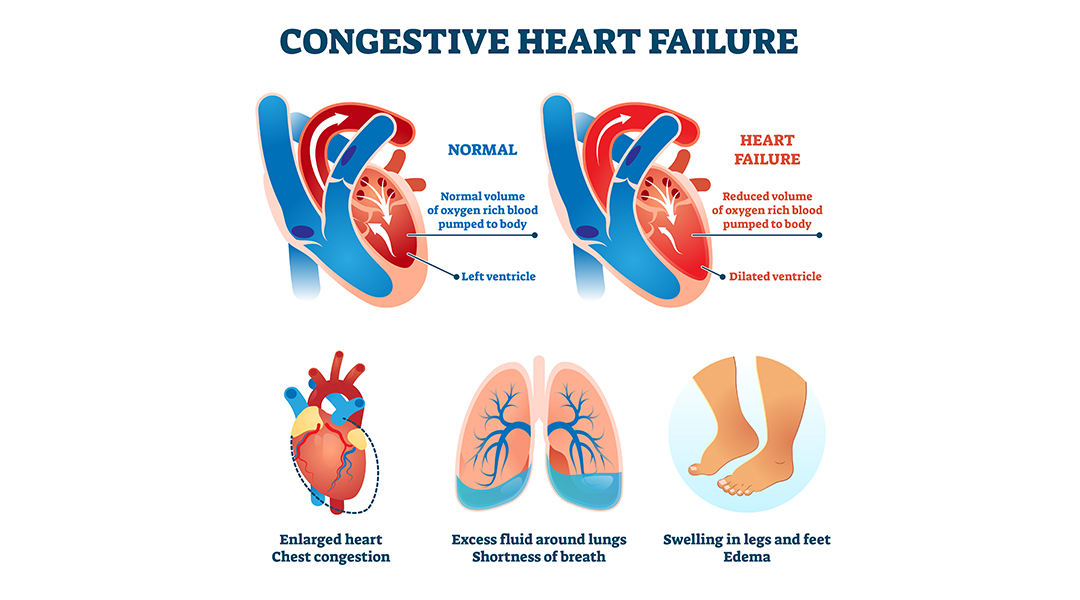
The heart is a critical organ that powers the human body. It beats roughly 100,000 times a day and pumps more than 2,000 tons of blood throughout the body. Heart failure is a condition in which the heart gradually loses its pumping capacity. It can lead to symptoms like breathlessness, fluid buildup, and mental confusion. In the long run, it can result in organ damage and even death. In this blog, we’ll take a closer look at the symptoms, causes, and treatment of congestive cardiac failure. Let’s dive right in. Traditionally, doctors used the terms congestive cardiac failure or congestive heart failure to refer to the progressive deterioration of the heart’s pumping action. They used “congestion” to describe the buildup of fluid in the lungs due to heart failure. However, subsequent studies have shown that the condition can lead to other symptoms, such as swollen feet, fatigue, and mental confusion. That’s why doctors use the term heart failure nowadays. Irrespective of whether you call it congestive cardiac failure or simply heart failure, its most common causes include: Additionally, damaged or dying heart tissue due to an infection or a previous heart attack can result in congestive cardiac failure. The symptoms of congestive heart failure depend on whether it causes a lack of oxygen supply to the organs or excess fluid buildup in the body. In the first case, the symptoms include mental confusion, fatigue, and discolored or bluish skin. In the second case, heart failure can lead to symptoms, such as shortness of breath, coughing, wheezing, weight gain, swelling in the feet, legs, and abdomen, and loss of appetite. The treatment of congestive heart failure depends on its underlying cause and the side of the heart that’s affected. A doctor will order a series of tests, such as chest X-ray, ECG, echocardiogram, and coronary angiography. Routine blood tests, such as lipid panel and electrolyte tests, might be needed, too. Once the root cause is identified, your doctor can prescribe one or more of the following medications: Additionally, the doctor will recommend lifestyle changes, including exercise, a low-sodium diet, and weight loss. Also, they’ll ask you to quit smoking and limit alcohol consumption. In extreme cases, patients need a heart transplant or ventricular assist device (VAD) to improve their quality of life. Congestive cardiac failure is a chronic condition with no known cure. If left untreated, it can lead to organ damage and death. However, a proper treatment plan comprising lifestyle changes and medications can help manage various symptoms. Dr. C Raghu is a renowned cardiologist and a specialist in interventional cardiology. If you or anyone you know is experiencing symptoms of heart failure, don’t hesitate to contact Dr. Raghu right away.
Congestive Cardiac Failure and Heart Failure: Are They the Same?
Causes of Congestive Heart Failure
Related : Mitral Valve Stenosis : Symptoms, Diagnosis, Treatment
Symptoms of Congestive Heart Failure
Treatment of Congestive Heart Failure
Wrapping Up
Book Online Consultaion
DOWNLOAD PDFCongestive Cardiac Failure – Blog
Subscribe the Hearty Life Blogs
DR. RAGHU | Best Cardiologist in Hyderabad
MD, DM, FESC, FACC, FSCAI
Cardiology Coronary, Vascular and
Structural InterventionsConditions & Diseases
Angioplasty
Aortic Stenosis
Atrial Fibrillation
Atrial Septal Defect
View More Services
Related Posts
© 2024, Dr. Raghu. All rights reserved. Design & Developed by AMSDigital.in
+91 95424 75650
For Appointment with Dr Raghu:
+91 80085 36699
Dr Raghu’s Patient Coordinator:
+91 72860 10203
Dr Raghu’s Office Experience:
+91 90001 65962
Dr Raghu’s Social Media Communication Channel:
+91 97046 51708