The Silent Problem You Might Not Know You Have Heart Valve Screening
Heart Valve Screening. You’re sitting at your desk. You’re catching your breath after climbing those three flights of stairs. Your chest feels a bit tight. You think, “Maybe I’m just getting old.” You ignore it and move on. But what if it’s something more? What if your heart valves, those tiny doors inside your heart, are not working the way they should?
Here’s the thing. You can’t feel your heart valves failing. They don’t send you warning signals like your back pain or your migraine does. They just silently stop working. And by the time you notice something is wrong, the damage might already be serious. This is why heart valve screening matters. This is why you need to know about it. Because you’re not getting any younger. And neither are your heart valves.
Understanding Your Heart Valves and Why They Matter
What Are These Valves Anyway?
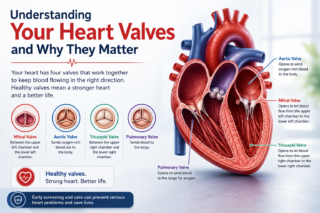
Think of your heart like a house with four rooms. Each room has doors. These doors are your heart valves. Their job? They keep blood flowing in one direction. They make sure blood doesn’t flow backward. They work 24/7. Day and night. Without rest.
Your heart has four valves:
- The mitral valve – It’s between your upper left chamber and your lower left chamber
- The aortic valve – It sends oxygen-rich blood out to your body
- The tricuspid valve -It works between your upper right chamber and your lower right chamber
- The pulmonary valve – it sends blood to your lungs
All of them are important. All of them work together. And when one of them starts to fail, your whole system gets confused.
What Happens When Valves Go Wrong?
Let’s be honest. Your lifestyle might have caught up with you. Years of stress. Years of fast food. Years of sitting at your desk. Years of not exercising. Your heart has been working hard for you.
When valve problems develop, two main things happen:
Valve Stenosis – The valve becomes too tight. Blood cannot flow through it easily. Your heart has to work harder. It gets exhausted. Think of a clogged pipe. Water can’t flow freely.
Valve Regurgitation – The valve doesn’t close properly. Blood leaks backward. It’s like a door that doesn’t shut completely. All that leaking weakens your heart over time.
What’s the real problem? You feel tired. You get short of breath, and your legs swell up. You might feel like your heart is racing. These symptoms seem normal when you’re middle-aged and busy. But they’re not normal. They’re your body sending you a message.
Also read: Top Heart Specialist in Hyderabad, Dr C. Raghu, Cardiologist
Why You Need Heart Valve Screening
Your Risk Factors Are Real
Let me ask you something. Do you have high blood pressure? Are you overweight? Do you have diabetes? Did your parents have heart problems? Are you over 50? Have you had infections?
If you answered yes to any of these, you need to be screened. It’s that simple.
You’re not alone in this. Thousands of people like you—working professionals, busy parents, and successful people—are walking around with valve problems they don’t know about. Some of them will face serious complications. Some will have heart attack symptoms that they could have prevented.
Here’s what you need to understand: Early detection saves lives.
The Real Consequences of Ignoring It
Your heart gets weaker – It has to pump harder. It gets tired. Eventually, it can’t pump enough blood to your body.
You get heart failure – Your body doesn’t get enough oxygen. You feel exhausted all the time.
You might have a stroke – Blood clots can form in your heart and travel to your brain.
Your quality of life drops – You can’t climb stairs. You can’t play with your grandchildren. You can’t do the things you love.
You might need emergency surgery – Sudden valve problems are dangerous. Emergency surgery is riskier than planned surgery.
But here’s the good news. If you catch it early, your doctors can manage it. You can live a normal life. You can prevent the worst outcomes.
Also read: Meet Cardiologist in India, Dr C. Raghu Yashoda, Somajiguda
Heart Valve Screening Tests: What You Need to Know
Test #1: The Echocardiogram – Your Best Friend
This is your main test. It’s painless. It’s non-invasive. No needles. No radiation.
How does it work? A technician puts a small device on your chest. It sends sound waves into your heart. These sound waves create a picture of your heart. The doctor can see how your valves are working. Can see how blood is flowing.
Why does it matter? It shows problems clearly. It’s accurate. It’s safe.
When do you need it? If you have symptoms. If you have risk factors. If your doctor hears something unusual with a stethoscope.
Test #2: The ECG – Quick and Easy
An electrocardiogram records your heart’s electrical activity. It takes about 10 minutes.
What happens? They put small pads on your chest. A machine reads your heart’s rhythm.
Why does it matter? It shows if your heart is under stress. It shows irregular rhythms.
Test #3: The Stress Test – For the Brave
This one makes you work. You walk on a treadmill. Your heart rate goes up. The machine monitors what happens.
Why does it matter? It shows how your heart performs under pressure. Real pressure. Like when you’re running to catch a bus.
Test #4: The Cardiac CT – For Detailed Images
Sometimes doctors need more details. A CT scan creates detailed pictures of your heart.
Why does it matter? It’s useful when your doctor suspects specific problems. Like aortic valve stenosis or other serious conditions.
Test #5: The Catheterization – When You Need Definite Answers
This is more invasive. A thin tube goes into your artery. It reaches your heart. Doctors can measure pressures inside your heart.
Why does it matter? It gives precise information. It helps doctors plan treatment.
When You Actually Need Screening, Let’s Get Practical
You should get screened if you have any of these:
- You’re over 50 – Time is catching up
- You have high blood pressure – It stresses your valves
- You have diabetes – It damages your heart over time
- You’re overweight – Extra weight means extra work for your heart
- You smoke – You know this already. It damages everything
- You’re tired all the time – Not normal tiredness
- You get short of breath easily – When climbing stairs, you shouldn’t get this tired
- Your ankles swell – Especially at the end of the day
- You have chest pain – This is serious. Don’t ignore it
- Your family has heart problems – Genetics matter
- You had rheumatic fever as a child – It can affect your valves years later
- You have an irregular heartbeat – You feel your heart skipping beats
What Happens After Screening?
Your doctor finds something. Now what?
If it’s mild, you get monitored. Regular check-ups. Healthy lifestyle changes. This is manageable.
If it’s moderate, you might need medication. You might need lifestyle changes. You avoid strenuous activities.
If it’s severe, you might need intervention. An interventional cardiologist in Hyderabad or anywhere else can discuss options. Surgery. Valve replacement. Modern procedures are less invasive than before.
Your Action Plan Starts Now
You don’t have to be scared. You just need to be smart.
Step 1: Schedule a check-up – Talk to your doctor. Tell them your concerns.
Step 2: Be honest about symptoms – Don’t downplay anything. Doctors need the truth.
Step 3: Get screened if advised – Don’t delay. Not for tomorrow. Not for next month.
Step 4: Follow the plan – If your doctor gives you recommendations, follow them. This is your life.
Step 5: Make lifestyle changes – Eat better. Move more. Reduce stress. Sleep properly. These things matter.
Also read: Best Heart Doctor in Hyderabad, Why Dr. C Raghu
Take Control of Your Health Today
Your heart has been working for you your whole life. It’s time to work for your heart. Don’t wait for symptoms to become serious. Heart valve problems are manageable when caught early. They’re dangerous when ignored.
If you’re experiencing any symptoms or have risk factors, don’t brush them aside. Connect with an experienced Top cardiologist in Hyderabad or specialists near you who can properly evaluate your heart health through comprehensive heart valve screening.
Visit drraghu.com today to schedule your consultation with Dr. C. Raghu, an interventional cardiologist specializing in heart valve conditions. Your heart deserves the best care.
About the Expert
Dr. C. Raghu is an interventional cardiologist with expertise in treating valve disorders, including aortic stenosis specialist care. He practices at Yashoda Hospital, Somajiguda, Hyderabad, and is recognized as one of the best cardiologists in Hyderabad for his patient-focused approach to cardiac care. Dr. Raghu believes in early detection and preventive cardiology to help patients live longer, healthier lives.