
A recommendation for a heart procedure can raise important questions for patients and their families. Is the procedure necessary? What investigations are required? How should patients prepare for hospital admission? Choosing the best cardiology hospital in Hyderabad involves understanding not only the available treatment facilities but also the specialist’s approach to diagnosis, procedure preparation, and follow-up care.
Patients seeking heart treatment in Hyderabad should understand the steps involved before undergoing a cardiac intervention. This guide explains essential preparations, diagnostic evaluations, informed consent, and practical questions to discuss with a cardiologist.
What Patients Should Know Before Choosing a Cardiology Hospital
Heart conditions require different approaches depending on their severity and the patient’s overall health. While some conditions can be managed with medicines and lifestyle changes, others may require interventions such as coronary angioplasty, pacemaker implantation, or heart valve procedures.
When selecting a cardiology hospital in Hyderabad, patients should look beyond promotional claims and consider the quality of clinical evaluation, availability of appropriate facilities, and continuity of care.
Important factors include:
- Specialist experience: Relevant clinical experience in diagnosing and managing the patient’s cardiac condition.
- Diagnostic facilities: Access to ECG, echocardiography, stress testing, and coronary angiography when indicated.
- Treatment availability: Appropriate medical, intervention, and surgical treatment pathways.
- Emergency care: Access to emergency cardiac assessment and critical care support.
- Follow-up services: Clear arrangements for medicines, recovery monitoring, and future appointments.
The most suitable hospital is one where the medical team can assess the patient’s individual requirements and recommend treatment based on clinical findings.
Recognizing Heart Symptoms That Need Medical Attention
Some cardiac conditions develop gradually, making their early symptoms difficult to recognition. Patients may initially experience mild chest discomfort, unusual tiredness or breathlessness during everyday activities.
Symptoms that warrant medical evaluation include chest pain during exertion, unexplained shortness of breath, frequent palpitations, dizziness, reduced exercise capacity and swelling of the feet.
For example, an individual who previously walked comfortably but now experiences breathlessness after a short distance may require cardiology assessment. Such symptoms do not necessarily indicate a specific heart disease, but they should not be ignored.
Emergency warning: Sudden severe chest pain, serious breathing difficulty, fainting with concerning symptoms or signs of stroke require immediate emergency medical assistance. Patients should not wait for a routine appointment.
Best Cardiology Hospital in Hyderabad: What to Know Before a Procedure
Preparing for a cardiac procedure involves several medical and practical steps. The treating cardiologist evaluates the patient’s condition, reviews existing investigations and determines whether the recommended intervention is appropriate.
Understand the Recommended Treatment
Patients should know why a particular cardiac procedure has been advised and what benefits it is expected to provide.
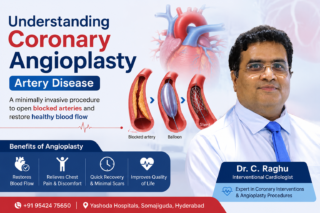
For instance, doctors may consider coronary angioplasty for certain patients with narrowed coronary arteries. However, the treatment decision depends on factors such as symptoms, coronary anatomy, clinical stability, and response to medical therapy.
Similarly, patients diagnosed with aortic valve stenosis may require monitoring or valve replacement, depending on the severity of the condition and associated clinical factors.
Discussing these options with a qualified heart specialist in Hyderabad can help patients understand the reasoning behind a proposed procedure.
Organise Medical Reports and Records
Before attending a consultation, patients should collect relevant medical documents.
These may include previous ECGs, echocardiography reports, coronary Angiography findings, blood investigation results, discharge summaries, and details of previous cardiac procedures.
A complete medication list is equally important, particularly for patients taking blood thinners, diabetes medicines, or medicines for blood pressure.
Patients should also inform the treating team about allergies, kidney disease, previous reactions to contrast agents, and other important medical conditions.
Prescribed medicines should never be stopped or modified without medical advice.
Follow Pre-Procedure Instructions
Preparation requirements vary according to the type of intervention.
Patients may receive instructions about fasting, medication adjustments, blood investigations, and hospital admission. Some procedures require additional assessment of kidney function, bleeding risk, or anesthesia-related concerns.
A caregiver may need to accompany the patient, particularly when sedation is planned, or assistance is expected after discharge.
Following the hospital’s specific instructions can help the clinical team manage avoidable procedural risks.
How Diagnostic Evaluation Guides Cardiac Treatment
A thorough clinical assessment is essential before recommending an invasive cardiac procedure.
The cardiologist generally reviews symptoms, existing medical conditions, family history, and cardiovascular risk factors. Physical examination and diagnostic investigations help determine the nature and severity of the suspected problem.
| Investigation | Purpose |
| Electrocardiogram (ECG) | Assesses heart rhythm and electrical activity |
| Echocardiography | Evaluates heart structure, pumping function, and valve function. |
| Blood investigations | Assess relevant factors such as kidney function, blood counts, and cardiac injury. |
| Stress testing | Investigates selected exercise-related cardiac concerns |
| Coronary angiography | Examines coronary artery narrowing when clinically indicated |
Not every patient needs every test. Investigations are selected according to symptoms, clinical findings, and the proposed treatment.
For example, someone with intermittent palpitations may require ambulatory rhythm monitoring, whereas an individual with suspected valve disease may need detailed echocardiography.
The results help the specialist determine whether medication, continued observation, or a cardiac procedure is appropriate.
Understanding Informed Consent Before a Heart Procedure
Informed consent is an essential part of cardiac treatment preparation.
Before agreeing to an intervention, patients should receive an explanation of the diagnosis, the purpose of the procedure, expected benefits, potential complications, and available alternatives.
The medical team should also explain what may happen if the proposed treatment is postponed or declined.
Patients may need clarification about sedation, anesthesia, hospital stay, recovery restrictions, and the possibility of requiring additional treatment.
For non-emergency procedures, patients can request time to discuss the recommendation with their family or consider a second opinion.
A clear consent discussion helps ensure that treatment decisions reflect both clinical requirements and the patient’s preferences.
Questions to Ask a Cardiologist Before the Procedure
A detailed discussion with the treating specialist can help patients make informed decisions. Before proceeding, patients and caregivers should clarify the following questions:
- What is the exact cardiac condition, and how serious is it?
- Why is the recommended procedure necessary?
- Are there alternative treatments, including medicines or monitoring?
- What are the possible risks and expected benefits?
- How urgently should the procedure be performed?
- How long will hospitalization and recovery take?
- Which medicines should be continued after discharge?
- When should the next follow-up consultation take place?
Patients should also enquire about the estimated treatment expenses, insurance documentation, and arrangements for post-procedure assistance.
These discussions are particularly important for patients undergoing their first cardiac intervention.
Also read: Best cardiologist for aortic stenosis: Choosing a specialist
Recovery and Follow-Up After a Cardiac Procedure
Recovery differs according to the procedure performed and the patient’s medical condition.
For example, patients undergoing uncomplicated coronary angioplasty may return home relatively early, whereas individuals requiring emergency treatment or complex interventions may need longer hospital observation.
Before discharge, patients should receive instructions regarding medicines, physical activity, wound care and symptoms requiring urgent medical attention.
For patients receiving coronary stents, prescribed antiplatelet medicines are particularly important. These medicines should not be stopped without the treating cardiologist’s advice.
Regular follow-up appointments help the specialist review recovery, evaluate symptoms, and modify treatment when necessary.
Managing blood pressure, diabetes, cholesterol, and other cardiovascular risk factors may also form part of long-term cardiac care.
Preparing for a Cardiology Consultation in Hyderabad
Patients seeking specialist evaluation can consult Dr. C. Raghu, an intervention cardiologist Somajiguda, Hyderabad. His clinical practice includes assessment and intervention management of cardiovascular conditions.
Patients can discuss their medical reports, understand available treatment options, and clarify whether further investigations or procedures are clinically appropriate.
For consultation inquiries, patients can arrange a Dr. C. Raghu cardiology appointment.
Appointment contact details:
- Doctor: Dr. C. Raghu
- Location: Yashoda Hospitals, Somajiguda, Hyderabad
- Phone: +91 95424 75650
- Email: secretary@drraghu.com