

heart-doctor.webp

October 5, 2026 AbhijitHearty Life

When chest discomfort, breathlessness, unusual fatigue, or an abnormal cardiac test raises concern, the next decision matters: which heart doctor should you consult, and what evaluation do you actually need? The right specialist can help you understand whether your symptoms are related to heart disease, coronary artery disease, a valve problem, or another cardiovascular condition.

This guide explains what you can expect from a cardiac evaluation, when an angiogram or angioplasty may be considered, and where procedures such as TAVI or TAVR fit into modern heart treatment.

When You Should See a Heart Doctor

You do not always need to wait for severe chest pain before seeking cardiac advice. Symptoms such as these deserve proper evaluation, particularly when they are new or becoming more frequent:

  • Chest pressure, heaviness, or discomfort
  • Breathlessness while walking or climbing stairs
  • Unexplained fatigue or reduced exercise tolerance
  • Dizziness or episodes of fainting
  • Palpitations or an irregular heartbeat
  • Swelling in the legs
  • A family history of significant heart disease

For example, if you become breathless after walking a distance that was previously comfortable, it may be tempting to blame age, stress, or lack of exercise. A heart doctor can determine whether the change could be related to the heart.

A consultation may include a medical history, physical examination, ECG, blood tests, echocardiography, stress testing, CT imaging, or other investigations depending on your symptoms and risk profile.

Understanding Heart Disease Before Choosing Treatment

Heart disease is not one single condition. Coronary artery disease, heart valve disorders, rhythm problems, heart failure, and structural heart conditions can require very different approaches.

Coronary artery disease, for instance, occurs when the arteries supplying blood to the heart become narrowed or blocked. Depending on the clinical situation, your cardiologist may recommend medication, lifestyle changes, further testing, or an intervention.

An angiogram can help doctors examine the coronary arteries and understand whether significant narrowing is present. However, an angiogram does not automatically mean you will need a stent. The decision depends on the location and severity of disease, symptoms, clinical findings, and the overall condition of your heart.

When Angioplasty May Be Recommended

Angioplasty is a catheter-based procedure used to open a narrowed or blocked coronary artery. A balloon is used to improve blood flow, and in appropriate cases a stent may be placed to help keep the artery open.

Consider a patient who has significant narrowing in an important coronary artery and continues to experience symptoms despite appropriate medical treatment. After evaluating the anatomy and clinical circumstances, the cardiology team may consider angioplasty as part of the treatment strategy.

Complex cases can require advanced planning. This may include patients with heavily calcified arteries, multiple blockages, chronic total occlusions, or previously treated vessels. CHIP CTO angioplasty is one area of advanced coronary intervention used for selected complex cases.

The important point is simple: the procedure should match the patient’s anatomy and clinical need, rather than being chosen simply because it is available.

TAVI and TAVR: Treatment for Selected Aortic Valve Patients

Not every heart problem comes from blocked arteries. Aortic stenosis is a condition in which the aortic valve becomes narrowed, making it harder for the heart to pump blood effectively.

If you have symptoms such as breathlessness, chest discomfort, dizziness, or reduced physical capacity and an evaluation shows significant aortic valve disease, your cardiology team may discuss valve replacement options.

TAVI, also known as TAVR, is a minimally invasive procedure in which a replacement valve is delivered through a catheter rather than requiring conventional open-heart valve surgery.

A TAVR expert evaluates several factors before recommending the procedure, including:

  • Severity of aortic stenosis
  • Age and overall health
  • Heart and valve anatomy
  • Previous cardiac procedures
  • Surgical risk
  • CT imaging findings
  • Presence of conditions such as a bicuspid aortic valve

The final decision is usually made after detailed imaging and assessment by the appropriate heart team.

Choosing the Right Cardiologist in Hyderabad

When you are searching for the best heart doctor in Hyderabad, look beyond a title or online ranking. Consider whether the cardiologist’s experience matches your particular problem.

For example, a patient with suspected coronary artery disease may need a cardiologist experienced in coronary intervention, while someone with severe aortic stenosis may require assessment by a specialist familiar with structural heart procedures.

Dr. C. Raghu is a clinical director and senior interventional cardiologist with extensive experience in interventional cardiology. His professional experience includes more than 40,000 collaborative coronary diagnostic procedures and more than 20,000 coronary intervention procedures, based on the provided professional profile.

His areas of practice include complex coronary intervention, TAVR, structural heart procedures, peripheral interventions, and catheter-based cardiovascular therapies.

Also read: Recovery After Angioplasty: Essential Heart Care Tips 

What You Can Do Before Your Appointment

You can make your consultation more useful by carrying:

  • Previous ECGs and echocardiography reports
  • Angiogram or CT reports and images, if available
  • Current medication details
  • Blood pressure and diabetes records, if applicable
  • A short history of your symptoms
  • Previous cardiac procedure details

Most importantly, write down what you want to understand. If you have been told that you need angioplasty, for example, ask which artery is affected, how severe the narrowing is, what alternatives exist, and what the expected goals of treatment are.

A Practical Next Step for Heart Care

The best treatment decision starts with an accurate diagnosis. Whether your concern is coronary artery disease, a valve disorder, or another form of heart disease, a detailed cardiac evaluation can help you understand your options clearly.

If you need the best cardiologist in Hyderabad, Dr. C. Raghu can provide specialist evaluation for complex coronary and structural heart conditions, including angioplasty and transcatheter valve procedures. An informed consultation can help you move from uncertainty to a clearer treatment plan. 

Heart-Valve-Replacement-cost-in-Hyderabad-1200x899.jpeg

January 6, 2026 AbhijitHearty Life

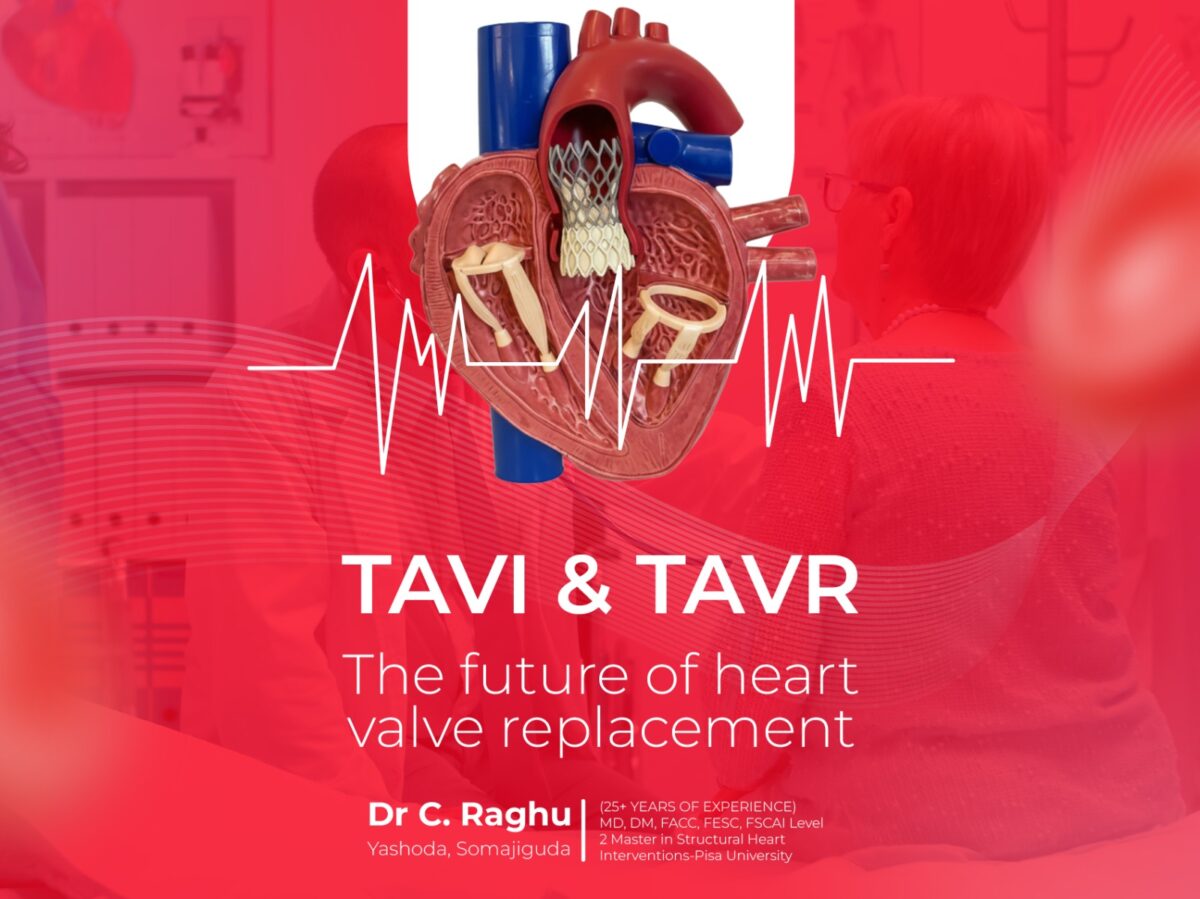
Many people worry about needing heart surgery for their aortic valve. TAVI & TAVR Doctor the future of heart valve replacement, now offer a minimally invasive option that can help patients recover faster.

This blog will explain how TAVI and TAVR work, why they matter, and when you should talk with a TAVR doctor in Hyderabad, tavi expert in Hyderabad, or tavr doctor in India. Find out if this new procedure is right for you.

Key Takeaways

  • TAVI and TAVR are new, minimally invasive ways to replace a damaged aortic valve. They use catheters instead of open-heart surgery, so patients heal faster and spend less time in the hospital.
  • Studies show that patients who get TAVI/TAVR have fewer complications than those with traditional heart surgery. Most people go home in one or two days after treatment.
  • Doctors now use advanced imaging tools during these procedures. These tools help guide the new valve into place with high accuracy for better patient results.
  • The new valves used in TAVI/TAVR last longer than before, lowering the need for future surgeries. Patients enjoy a better quality of life after recovery.
  • As technology improves, experts believe more people will qualify for this procedure. This could change how doctors care for heart valve problems worldwide.

Understanding TAVI/TAVR Doctor Hyderabad

TAVI and TAVR offer a revolutionary approach to heart valve replacement. These procedures involve inserting a new valve through a small incision, reducing the need for extensive surgery.

The concept of minimally invasive heart valve replacement

Minimally invasive heart valve replacement offers patients a less traumatic option for treating aortic valve issues. This technique uses transcatheter technology to place new valves without large chest incisions.

Surgeons insert catheters through small punctures, often in the groin, and guide them to the heart.

Patients experience fewer complications and shorter recovery times with this method. The procedure reduces hospital stays significantly compared to traditional heart surgery methods.

With advancements in imaging techniques and clinical trials, TAVI/TAVR continues to demonstrate improved patient outcomes and increased valve durability.

How TAVR/TAVI works

TAVR, or Transcatheter Aortic Valve Replacement, involves a minimally invasive approach to heart valve replacement. Surgeons access the heart through a blood vessel, often in the leg.

They then guide a catheter to the damaged valve site. The new valve expands inside the old one and takes over its function.

This procedure reduces recovery time compared to traditional surgery. Patients experience less pain and fewer complications with TAVR/TAVI. Innovations in imaging techniques allow doctors to plan each step carefully, enhancing overall outcomes for patients needing aortic valve replacements.

Next, advancements promise exciting changes for TAVI/TAVR technology in cardiac care.

Advantages and benefits

TAVR and TAVI provide significant advantages for patients needing heart valve replacement. These procedures use a minimally invasive approach that reduces recovery time compared to traditional surgical intervention.

Patients often leave the hospital within one or two days, which allows them to return to their daily activities sooner.

The benefits extend beyond quick recovery. TAVI/TAVR also improves patient outcomes by reducing complications related to heart surgery. The transcatheter techniques used offer excellent valve durability, ensuring long-lasting solutions for those with aortic valve issues.

Improved imaging techniques aid doctors in making precise assessments and decisions during the procedure, enhancing overall care quality for cardiovascular patients.

The Future of TAVI/TAVR

TAVI and TAVR show great promise for transforming heart valve replacement. Advancements in technology lead to better patient outcomes and increased accessibility for those needing care.

Technological advancements and innovations

Recent technological advancements in heart valve replacement show great promise. Innovations such as transcatheter aortic valve replacement (TAVR) have made procedures less invasive.

Surgeons now use advanced imaging techniques to guide these interventions. This precision leads to improved patient outcomes and shorter recovery times.

Healthcare providers are excited about the enhanced durability of new valves. These innovations can last longer, reducing the need for further surgeries. Studies indicate that many patients experience significant relief from symptoms soon after their procedures.

Increased awareness of these options helps patients make informed decisions regarding their care.

Improved patient outcomes

TAVI and TAVR represent significant advancements in heart valve replacement. These minimally invasive techniques improve patient outcomes for those with aortic valve issues. They allow many patients to undergo procedures without the need for major surgery, leading to shorter recovery times.

Studies show that patients experience fewer complications compared to traditional surgical interventions.

The success rates of TAVI and TAVR continue to rise as technology evolves. Enhanced imaging techniques guide doctors during the procedure, ensuring precision in placement. Valve durability has also improved, providing long-lasting solutions for patients.

This progress supports better cardiovascular health and empowers individuals to maintain active lifestyles post-surgery.

You can also read this: TAVR/TAVI Procedure in Hyderabad Minimally Invasive Care

Potential for revolutionizing cardiac care

TAVI and TAVR hold great promise for transforming cardiac care. These advancements in minimally invasive heart valve replacement offer patients a safer option compared to traditional surgical interventions.

Patients experience shorter recovery times and less pain after procedures. These benefits lead to improved patient outcomes, making the replacement of aortic valves more accessible.

Technological innovations in imaging techniques help doctors better plan surgeries. They can visualize heart structures with precision, which enhances the accuracy of transcatheter procedures.

Valve durability has also improved significantly over recent years, increasing confidence in long-term outcomes. As these techniques evolve further, they will likely reshape how cardiologists approach valve repair and replacement.


To consult with Dr. C. Raghu, Interventional Cardiologist at Yashoda Hospital, Somajiguda, Hyderabad, use the direction Get Direction

FAQs

1. What are the main indications for TAVI and TAVR in heart valve replacement?

Doctors use transcatheter aortic valve implantation or replacement, called TAVI and TAVR, for patients with severe aortic valve disease who may not tolerate open heart surgery.

2. How do minimally invasive techniques like TAVI differ from traditional surgical intervention?

TAVI uses catheters to replace the damaged aortic valve without opening the chest fully; this reduces recovery time compared to standard heart surgery.

3. What role do imaging techniques play in patient outcomes after valve replacement?

Imaging techniques help guide doctors during transcatheter procedures, ensuring precise placement of new valves; this improves safety and patient outcomes.

4. How does valve durability compare between transcatheter and surgical replacements?

Both methods offer durable results, but ongoing studies monitor how long each type of replaced aortic valve lasts over time.

5. Why are clinical guidelines important when choosing between surgical intervention and transcatheter approaches in cardiology?

Clinical guidelines help doctors decide which patients will benefit most from either minimally invasive or open-heart options by considering risks, benefits, and individual health needs.


Dr raghu logo


Dr raghu logo


Call us now if you are in a medical emergency need, we will reply swiftly and provide you with a medical aid.


For Appointment with Dr Raghu: +91 80085 36699
Dr Raghu’s Patient Coordinator: +91 72860 10203
Dr Raghu’s Office Experience: +91 90001 65962
Dr Raghu’s Social Media Communication Channel: +91 97046 51708

Dr. Raghu | Heart Specialist in Hyderabad
Yashoda Hospitals, Raj Bhavan Road, Somajiguda, 1st floor, Room No. 115, Hyderabad -500082, Telangana

Best Cardiologists in Hyderabad


© 2024, Dr. Raghu. All rights reserved. Design & Developed by AMSDigital.in

[gtranslate]
+91-9542475650