
mild-heart-attack.png

September 14, 2026 AbhijitHearty Life

Most people picture a mild heart attack as sudden and dramatic: chest-clutching, collapsing, an ambulance racing through traffic. A mild heart attack often looks nothing like that. It can feel like indigestion, tiredness that won’t lift, or a vague ache that passes in twenty minutes and gets forgotten by dinner. That’s exactly what makes it dangerous. This piece looks at what a mild heart attack really is, why “mild” doesn’t mean “safe,” and what to do if you suspect you’ve had one.

What Is a Mild Heart Attack?

Doctors usually call this an NSTEMI, a non-ST-elevation myocardial infarction. In plain terms, it means blood flow to part of the heart was reduced or briefly cut off, damaging a smaller area of heart muscle than a major attack would.

The word “mild” refers only to the extent of damage at that moment. It says nothing about what caused the blockage in the first place, and it says nothing about what happens next if the underlying issue isn’t treated.

Why “Mild” Doesn’t Mean the Danger Has Passed

The artery that narrowed or blocked doesn’t fix itself just because symptoms faded. Without treatment, that same weak spot is often what triggers a second and usually worse attack down the line.

This is why cardiologists push for follow-up tests even when a patient feels fine within a day or two: an ECG, an echocardiogram, and sometimes an angiography. Skipping these because “it wasn’t that serious” leaves the actual problem sitting untouched.

Silent Heart Attack Symptoms People Miss

silent heart attack

A lot of mild heart attacks go unnoticed until a routine checkup turns up scarring the patient never knew about. That’s the nature of silent heart attack symptoms;  they’re easy to explain away.

Things worth paying attention to:

  • Chest tightness or pressure that shows up during exertion and eases with rest
  • Fatigue that feels heavier than usual and doesn’t improve with sleep
  • Getting winded doing something that never used to be a problem
  • Discomfort in the jaw, arm, back, or upper stomach
  • Cold sweats with no clear trigger
  • Nausea or lightheadedness, which women in particular may notice more than classic chest pain

One of these on its own doesn’t mean much. A few together, especially if they show up suddenly or during physical activity, is worth getting checked.

Heart Attack in the Gym: Why It’s Becoming More Common

A heart attack in the gym is something cardiologists are seeing more often, and it tends to catch people off guard precisely because they think of themselves as fit. Pushing hard during a workout puts real strain on the heart, and if there’s an undiagnosed blockage, that strain can be enough to trigger an event.

It often plays out the same way: someone in their thirties or forties, reasonably active, feels a strange tightness mid-set. It passes after a short break; they finish the workout, and they chalk it up to dehydration or bad form. No follow-up happens because nothing feels wrong anymore.

This pattern is part of why heart attacks in young adults have become a topic doctors bring up more directly now, particularly for people with a family history of heart disease, high-stress jobs, or a habit of alternating between a sedentary week and one intense workout.

What to Do If You Suspect a Mild Heart Attack

The response matters more than getting a perfect diagnosis in the moment. If chest discomfort, breathlessness, or similar symptoms show up and don’t go away quickly:

  1. Stop what you’re doing and sit or lie down.
  2. Get emergency medical help; don’t wait to see if it passes.
  3. Don’t talk yourself out of it because you’re young or fit.
  4. Follow up with a cardiologist even if the ER tests come back unclear.

A few hours’ delay can change how much damage is done, which is the main reason these symptoms shouldn’t be rationalized away.

Long-Term Cardiac Care Matters More Than the Event Itself

Getting through a mild heart attack isn’t the end of the process; it’s usually the start of a longer plan. That typically means medication, changes to daily habits, and regular monitoring of things like blood pressure, cholesterol, and blood sugar.

This is where seeing the right specialist makes a real difference. A heart specialist in Hyderabad can identify what actually caused the event and build a treatment plan around that person’s specific risk factors, rather than a generic one-size-fits-all approach.

Getting the Right Cardiac Care in Hyderabad

Speed matters after a cardiac event, but so does who you see. For patients looking into heart treatment in Hyderabad, Dr. C. Raghu is a cardiologist in Hyderabad with considerable experience treating both mild and severe cases, from initial diagnosis through long-term management.

If you’re searching for a heart doctor in Hyderabad or a top cardiologist in Hyderabad, especially after noticing any of the symptoms above, it’s worth booking a consultation with Dr. C. Raghu’s clinic for a full cardiac evaluation.

Also read: Cardiologist Hyderabad: Why Dr. C. Raghu Is a Name Patients Trust  

Final Word

A mild heart attack is the body’s way of sending a warning before something worse happens. Brushing it off as minor because the pain wasn’t severe, or because you’re young and active, leaves the actual cause unresolved. If you’ve experienced symptoms like these, whether at your desk or mid-workout, the smart move is a proper evaluation, not an assumption that the danger has passed.

If this sounds familiar, book a consultation with Dr C Raghu and get a clear read on where your heart health actually stands.


WhatsApp-Image-2026-08-17-at-15.29.37.jpeg

August 17, 2026 AbhijitHearty Life

Biomarkers in ACS play an important role in identifying heart muscle injury and supporting the diagnosis and risk assessment of acute coronary syndrome (ACS). Among the available cardiac biomarkers, cardiac troponin—particularly high-sensitivity cardiac troponin (hs-cTn)—is central to the modern evaluation of patients with suspected ACS.

What Is Acute Coronary Syndrome?

Acute coronary syndrome is a group of conditions caused by a sudden reduction in blood flow to the heart muscle. It includes unstable angina, non-ST-segment elevation myocardial infarction (NSTEMI), and ST-segment elevation myocardial infarction (STEMI).

Symptoms may include chest discomfort, breathlessness, sweating, nausea, or pain spreading to the arm, shoulder, jaw, or back. Because symptoms can vary, clinical assessment is combined with an electrocardiogram (ECG) and blood tests.

What Are Biomarkers in ACS?
High-Sensitivity Troponin Important

Biomarkers in ACS are measurable substances in the blood that can provide evidence of myocardial injury. The most clinically important biomarker is cardiac troponin, a protein released into the bloodstream when heart muscle cells are damaged.

The two major forms used clinically are cardiac troponin I and cardiac troponin T. Modern high-sensitivity cardiac troponin assays can detect much smaller concentrations of troponin than earlier tests, allowing clinicians to identify myocardial injury earlier and more accurately.

However, an elevated troponin concentration does not automatically mean that a patient has had a heart attack. Troponin can also rise in conditions such as heart failure, myocarditis, pulmonary embolism, kidney disease, severe infection, or sustained rapid heart rhythms. Therefore, results must be interpreted alongside symptoms, ECG findings, medical history, imaging, and changes in troponin levels over time.

Why Is High-Sensitivity Troponin Important?

High-sensitivity cardiac troponin has become an important component of acute coronary syndrome diagnosis. It can detect low concentrations of cardiac troponin and help clinicians identify or rule out myocardial infarction more efficiently.

Instead of relying only on a single blood test, clinicians commonly assess the troponin concentration at presentation and, when appropriate, repeat it after a defined interval. The change between measurements—often referred to as the delta troponin—can provide additional information about an acute process.

This approach is particularly relevant to the diagnosis of NSTEMI, where there may be no persistent ST-segment elevation on the ECG.

High-Sensitivity Troponin Algorithms

High-sensitivity troponin algorithms use specific hs-cTn measurements and changes over time to help classify patients with suspected ACS. Depending on the assay and clinical setting, protocols may use very early measurements followed by repeat testing after a short interval.

A troponin algorithm can help place patients into broad clinical categories, such as:

  • Patients in whom acute myocardial infarction can be ruled out.
  • Patients who require additional observation and testing.
  • Patients with findings that support an acute myocardial infarction and require urgent management.

The exact thresholds and timing vary according to the specific assay, laboratory, clinical protocol, and patient characteristics. Therefore, hs-cTn results should not be interpreted independently.

Troponin for Acute Coronary Syndrome

Troponin for acute coronary syndrome is valuable because it provides objective evidence of myocardial injury. A rise and/or fall in cardiac troponin, together with clinical evidence of myocardial ischemia, is central to diagnosing acute myocardial infarction.

It is important to distinguish myocardial injury from myocardial infarction. An elevated hs-cTn level indicates myocardial injury, while myocardial infarction requires evidence that the injury is related to myocardial ischemia.

This distinction helps prevent overdiagnosis and ensures that patients receive an appropriate evaluation for the underlying cause.

Other ACS Biomarkers

Although cardiac troponin is the preferred biomarker for suspected myocardial infarction, researchers have studied several other ACS biomarkers, including creatine kinase-MB and myoglobin.

Creatine kinase-MB has historically been used to detect myocardial injury but is less specific than cardiac troponin. Myoglobin can rise early after muscle injury but lacks cardiac specificity. For these reasons, contemporary clinical practice generally places cardiac troponin at the center of biomarker-based assessment.

How Are Biomarkers Used With Other Tests?

A reliable acute coronary syndrome diagnosis does not depend on biomarkers alone. Healthcare professionals consider several factors together:

  1. Symptoms and medical history – The nature, duration, and associated features of chest discomfort are assessed.
  2. ECG – An ECG can identify ischemic changes and may immediately indicate STEMI.
  3. hs-cTn testing Initial and repeat measurements help assess myocardial injury.
  4. Clinical examination: Blood pressure, heart rate, oxygenation, and other findings provide additional information.
  5. Imaging and coronary evaluation: Echocardiography, coronary CT angiography, or invasive coronary angiography may be considered when clinically appropriate.

This combined approach is particularly important because a normal initial troponin result does not always exclude ACS when testing occurs very early after symptom onset.

When Should Medical Attention Be Sought?

New or unexplained chest pressure, severe breathlessness, fainting, cold sweating, or discomfort spreading to the arm, jaw, shoulder, or back may indicate a serious cardiac problem. Such symptoms require urgent medical assessment rather than relying on an online explanation or waiting for symptoms to resolve.

Early evaluation can allow clinicians to perform an ECG and appropriate blood tests, including hs-cTn, and determine whether further emergency treatment is required.

Conclusion

Biomarkers in ACS, particularly hs-cTn, have transformed the assessment of suspected acute coronary syndrome. High-sensitivity cardiac troponin allows clinicians to detect myocardial injury at lower concentrations and use structured high-sensitivity troponin algorithms to support rapid clinical decision-making.

Nevertheless, troponin results must always be interpreted in context. Symptoms, ECG findings, serial measurements, medical history, and other investigations remain essential for accurate diagnosis and appropriate treatment.

For expert evaluation of suspected coronary disease or acute cardiac symptoms, consultation with a qualified specialist such as the best cardiologist in Hyderabad can help ensure timely and appropriate cardiac assessment.

For cardiac consultation and evaluation, contact Dr. C. Raghu, Clinical Director & Senior Interventional Cardiologist at Yashoda Hospitals, Secunderabad.

Click here for more information on  YouTube: https://youtu.be/zhvamAmo3JA?si=sV8GaWWPjUA8Cjhj

Important: This article on biomarkers in ACS is intended for general educational and informational purposes only and does not replace professional medical advice, diagnosis, or treatment. If you or someone around you develops symptoms suggestive of a heart attack, such as chest pain or pressure, severe breathlessness, sweating, nausea, or pain spreading to the arm, jaw, shoulder, or back, seek emergency medical care immediately.


Coronary-angioplasty-2.webp

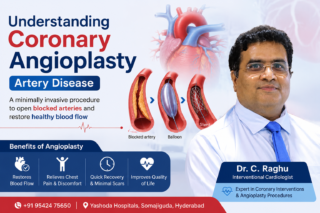
Coronary angioplasty: Your chest feels tight. You’ve been getting shortness of breath lately, especially when you climb stairs or walk briskly. You’re worried. Your doctor has mentioned something called coronary angioplasty, but you don’t understand what it is or whether you really need it.

You’re not alone. Many middle-aged people are facing coronary artery disease without fully understanding their treatment options. The term “angioplasty” sounds intimidating. The word “stent” makes you nervous. But here’s the truth: understanding what these procedures are and how they can help you is empowering. It gives you control over your health decisions.

Understanding Coronary angioplasty Artery Disease
Coronary angioplasty

Before we discuss angioplasty, you need to understand the problem it solves.

Your heart is a muscle that needs oxygen to work. Coronary arteries deliver oxygen-rich blood to your heart. These are the highways of your cardiovascular system. Over time, for various reasons—high cholesterol, high blood pressure, smoking, diabetes, and stress—fatty deposits build up inside these arteries. This buildup is called plaque.

Coronary artery disease happens when these arteries narrow. Blood flow decreases. Your heart struggles to get enough oxygen, especially during activity or stress. You feel chest pain. You feel exhausted. You feel vulnerable.

This is serious. Completely blocked arteries lead to heart attacks.

What Exactly is Coronary Angioplasty?

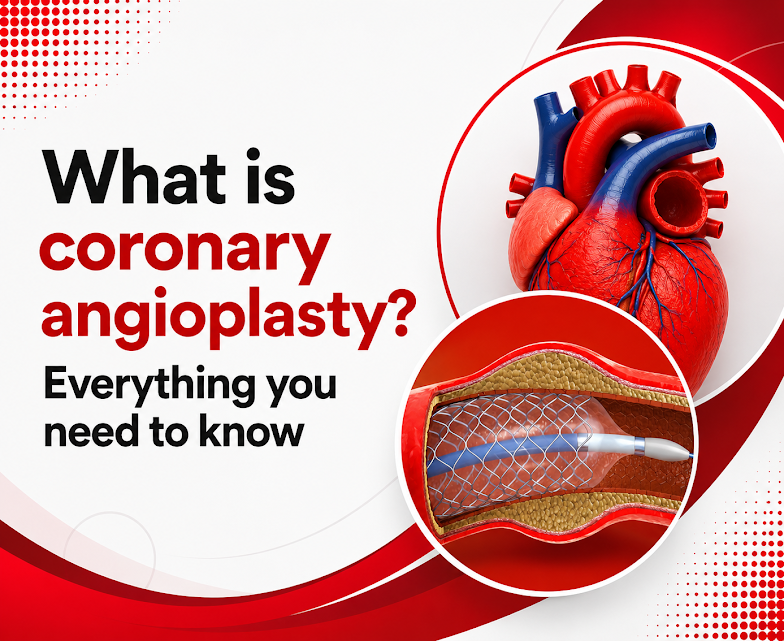
Let’s demystify this. Coronary angioplasty is a minimally invasive procedure that opens blocked or narrowed coronary arteries. It’s not surgery in the traditional sense—no large incisions, no general anesthesia, no weeks of recovery.

Here’s how it works:

Step One: Angiogram Your coronary artery disease doctor first performs an angiogram. A thin catheter (tube) is inserted through an artery in your groin or arm. This catheter is guided to your heart. A special dye is injected through the catheter, and X-rays are taken. These images show exactly where your arteries are blocked or narrowed. You’re awake during this procedure, though mildly sedated.

Step Two: Balloon Inflation Once the blocked area is identified, a balloon catheter is advanced to that location. When the catheter is in position, the balloon is inflated. This balloon pushes the plaque against the artery wall, widening the artery and restoring blood flow. You might feel slight chest discomfort—this is normal and temporary.

Step Three: Stent Placement In most modern angioplasty procedures, a stent is placed. Think of a stent as a tiny mesh tube. It keeps the artery open after the balloon is removed, preventing the artery from narrowing again. Most stents today are drug-eluting, meaning they release medication that prevents scar tissue buildup.

The entire procedure typically takes 30 minutes to an hour.

Why Your Doctor Recommends Angioplasty

Your coronary artery disease specialist recommends angioplasty for specific reasons:

  • You have significant blockages causing symptoms
  • You have blockages that could cause a heart attack
  • Medical management (medications) isn’t sufficient
  • You’ve had a recent heart attack
  • You’re having a heart attack right now

Not all coronary artery disease requires angioplasty. Some people do well with medications. But when angioplasty is appropriate, it can be life-changing.

Also read: Pulmonary Embolism in India: Emergency & Finding Specialist  

The Difference Between Angioplasty and Angiogram

Many people confuse these terms. Let me clarify:

An angiogram is a diagnostic test. It shows what’s happening in your arteries.

Angioplasty is a treatment. It opens blocked arteries. It often includes stent coronary placement.

You might have an angiogram and learn that you don’t need angioplasty. Or you might have an angiogram and immediately proceed to angioplasty during the same procedure.

Recovery and Aftercare coronary angioplasty

Here’s what’s wonderful about angioplasty: recovery is relatively quick.

After the procedure:

  • You’ll stay in the hospital overnight or possibly go home the same day
  • You’ll have a bandage over the catheter insertion site
  • You can resume light activities within a few days
  • You return to normal activities within 1-2 weeks
  • You’ll take medications to prevent clotting and manage your condition

Compared to open-heart surgery, this is minimal disruption to your life.

Types of Angioplasty

Standard Angioplasty (PTCA): Percutaneous Transluminal Coronary Angioplasty is the traditional form, often with stent placement (PTCA Stent). It works well for most blockages.

Specialized Procedures: For particularly challenging blockages, chip angioplasty (rotational atherectomy) might be used. This technique actually rotates a burr that smooths hardened plaque. It’s more specialized and requires experienced operators.

For chronic total occlusions arteries completely blocked specialized techniques might be employed.

Finding Your Specialist in Hyderabad

You need an experienced coronary artery disease doctor who performs angioplasty regularly. You need someone who has handled complications and knows how to navigate the most challenging cases.

The best angioplasty expert in India will have extensive training, excellent outcomes, and a compassionate approach to patient care. They’ll explain everything clearly, answer your questions, and work with you to determine whether angioplasty is truly the right choice for your situation.

In Hyderabad, you have access to heart specialists in Hyderabad who bring world-class expertise to this procedure.

Life After Angioplasty

You need to understand: angioplasty treats the blockage, but it doesn’t cure the underlying coronary artery disease. You’ll still need to:

  • Take medications as prescribed (usually including blood thinners, blood pressure medications, cholesterol medications)
  • Make lifestyle changes—diet, exercise, stress management
  • Stop smoking, if applicable
  • Control diabetes and blood pressure
  • Attend regular follow-ups

The good news? Most people do extremely well after angioplasty. Blood flow is restored. Symptoms improve dramatically. Quality of life increases significantly.

Possible Complications (Rare, But Real)

While generally safe, angioplasty does carry small risks:

  • Bleeding at the catheter site
  • Artery perforation
  • Allergic reaction to dye
  • Stent restenosis (renarrowing)
  • Blood clots

This is why you need an experienced operator and proper aftercare.

Also read: CHIP Angioplasty: Advanced Coronary Artery Disease Treatment Explained  

Prevention is still best.

Remember: the best treatment is prevention. If you don’t have coronary artery disease yet but are at risk, focus on:

  • Not smoking
  • Managing stress
  • Exercising regularly
  • Eating healthy
  • Maintaining healthy weight
  • Controlling blood pressure and cholesterol
  • Managing diabetes

Moving Forward coronary angioplasty Doctor

If you’re dealing with coronary artery disease, you’re not facing a death sentence. Modern interventions like angioplasty have revolutionized how we treat this condition. Many people go on to live full, active lives after successful angioplasty.

The key is working with experienced specialists who understand both the procedure and your individual circumstances.

Take the first step toward better heart health. Consult with Dr. C. Raghu, an experienced interventional cardiologist in Hyderabad specializing in coronary interventions. Schedule your appointment.
Call Us +91 95424 75650 


Atrial-Fibrillation.jpg

June 12, 2026 AbhijitHearty Life

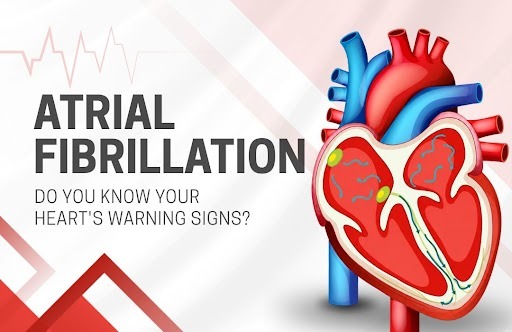
You’re sitting at your desk, finishing that important presentation. Your heart suddenly feels like it’s doing flip-flops in your chest. These irregular heartbeats can sometimes be linked to Atrial Fibrillation. One moment it’s racing. The next, it feels oddly sluggish. You pause. You breathe. You wonder is this normal? Or is something seriously wrong?” 

If you’re in your 40s, 50s, or 60s, you’ve probably felt this. You dismiss it as stress. You blame it on that extra coffee you had this morning. But deep down, you’re worried. You know something doesn’t feel right. This is the reality many of you face. This is Atrial Fibrillation—or as doctors call it, AFib. And you’re not alone. Millions of people like you are walking around with this condition, often without even knowing it.

What Exactly Is Atrial Fibrillation?

Understanding Your Heart’s Rhythm

Let me explain this simply. Your heart has its own rhythm—like a drummer keeping time in an orchestra. Usually, it beats in a steady, organized pattern. But with atrial fibrillation, that rhythm goes haywire.

Here’s what happens:

  • Your heart’s upper chambers (called atria) start beating irregularly
  • Instead of pumping blood smoothly, they flutter and quiver
  • Your pulse becomes unpredictable
  • Blood flow becomes chaotic

Your heart becomes confused. It’s still working, but it’s not working right. And this is where the danger begins. You might feel it. You might not. But it’s happening inside you, silently affecting your health.

Also read : Atrial Fibrillation treatment in India: Complete Guide 

Why Should You Care? The Consequences You Face

The Real Risks You Need to Know

You’re probably thinking, “But I feel fine most days.” That’s the tricky part about AFib. You can feel absolutely normal on the outside while something serious happens inside.

Here’s what you need to understand:

Blood Clots and Strokes

  • Irregular heartbeat means blood pools in your heart chambers
  • Pooled blood forms clots
  • These clots can travel to your brain
  • Result? A stroke that can change your life forever

Heart Failure

  • When your heart beats irregularly, it doesn’t pump efficiently
  • Over time, your heart weakens
  • This leads to heart failure—a serious condition where your heart can’t keep up with your body’s demands
  • Suddenly, simple tasks like climbing stairs become difficult

Fatigue and Reduced Quality of Life

  • You feel tired for no reason
  • Your energy drops
  • You can’t do the things you love
  • This affects your work, your family time, everything

Long-term Damage

  • Your heart chambers can enlarge
  • Your heart’s structure changes permanently
  • The longer you ignore it, the worse it gets

Think about your mother or father. Think about a colleague who had a stroke. AFib might have been the reason.

Who Is Actually at Risk? Let’s Talk About You

Are You in the Danger Zone?

Now, here’s the important question: Are you at risk? Let me paint the picture. You might be at higher risk if you:

Your Age

  • You’re over 50? Your risk increases significantly
  • With every decade, your risk grows higher
  • Middle age is when AFib often starts

Your Blood Pressure

  • You’ve been told your blood pressure is high
  • You might be on medication for it
  • Uncontrolled high blood pressure damages your heart

Your Heart History

  • You’ve had heart problems before
  • Heart disease runs in your family
  • You’ve had a heart attack
  • You’ve been told you have a weak heart

Your Lifestyle

  • You’re overweight or obese
  • You don’t exercise much
  • You eat lots of processed foods with excess salt
  • You drink alcohol regularly

Your Health Conditions

  • You have diabetes
  • You have a thyroid problem
  • You have sleep apnea
  • You’re dealing with chronic lung disease

Stress and Sleep

  • You’re constantly stressed at work
  • You barely sleep properly
  • You wake up feeling exhausted
  • You never really relax

Do any of these sound like you? Be honest with yourself. This matters more than you think.

The Warning Signs You Shouldn’t Ignore

What Your Body Is Trying to Tell You

Your body sends signals. You just need to listen. Here’s what to watch for:

  • Your heart races for no clear reason
  • You feel like your heart is fluttering
  • Your pulse is irregular or skips beats
  • You feel dizzy or lightheaded
  • You get short of breath during normal activity
  • You feel unusually tired
  • You have chest discomfort
  • You feel faint or nearly pass out
  • You sweat more than normal

The tricky part? Some people feel nothing at all. AFib can be completely silent. That’s why you can’t just wait for symptoms. You need to be proactive.

What You Can Do Right Now

Take Control of Your Heart’s Future

You’re not helpless here. You have real options:

Get Checked Out

  • Visit a cardiologist in Hyderabad if you’re in that area
  • Get an ECG (electrocardiogram)—it takes five minutes and reveals everything
  • This simple test can save your life

Know Your Numbers

  • Blood pressure
  • Weight and BMI
  • Blood sugar levels
  • Cholesterol levels

Make Changes Today

  • Reduce salt in your diet
  • Exercise 30 minutes most days
  • Maintain a healthy weight
  • Limit alcohol
  • Manage stress through meditation or yoga
  • Sleep 7-8 hours nightly

Understand Your Family History

  • Ask your parents about heart problems
  • Know if AFib runs in your family
  • Share this information with your doctor

Stop Smoking

  • If you smoke, quit now
  • This single change matters tremendously
  • Your heart will thank you

Finding the Right Help

Why You Need a Specialist

Not every doctor is trained to handle AFib. You need someone who knows hearts inside and out. Someone like an interventional cardiologist in hyderabad a specialist who understands the complexities of heart rhythm problems.

A good cardiologist will:

  • Listen to your concerns
  • Run the right tests
  • Explain everything clearly
  • Create a plan specifically for you
  • Follow up regularly

If you’re in Hyderabad, look for a best cardiologist in Hyderabad who specializes in arrhythmias and AFib treatment.

Your Questions Answered

Common Concerns Middle-Aged People Have

“Can I live a normal life with AFib?” Yes. With proper treatment and lifestyle changes, you can manage it well.

“Is AFib always serious?” Not always, but it needs attention. Some cases are mild; others are serious. You need evaluation.

“Can I prevent AFib?” You can reduce your risk significantly by managing blood pressure, maintaining healthy weight, and staying active.

“What treatments are available?” Doctors use medications, lifestyle changes, and sometimes procedures. Your cardiologist will choose what’s best for you.

Also read : Cardiologist Hyderabad Why Dr. C. Raghu Is a Name Patients Trust 

The Bottom Line: Your Health Is Your Choice

Making Your Move Today

Here’s the truth nobody tells you: Your heart health is in your hands. You can ignore the warning signs and hope for the best. Or you can take action now, while you still have time.

The middle-aged years are critical. Decisions you make now shape your next 20, 30, or 40 years. You can spend them active, healthy, and present with your family. Or you can spend them managing a serious condition that could have been prevented.

The choice seems obvious when you think about it that way.

Don’t wait for a health scare. Don’t assume “it won’t happen to me.” Be smart. Be proactive. Get checked. Learn your numbers. Make the changes. Your future self will be grateful.

Ready to protect your heart? Visit drraghu.com today and schedule your consultation. Learn more about preventing and managing conditions like Atrial Fibrillation before it’s too late.

About the Expert

Dr C. Raghu is an interventional cardiologist with extensive experience in treating heart rhythm disorders, including Atrial Fibrillation. He practices at Yashoda Hospital, Somajiguda, Hyderabad, where he helps patients just like you take control of their heart health. Whether you need screening for Heart valve issues, Aortic stenosis, or understanding Heart attack symptoms, Dr. Raghu combines modern medical expertise with a patient-first approach.


heart-attack-risk.webp

April 14, 2026 AbhijitHearty Life

cardiologist in Hyderabad In today’s digital world, long hours of sitting have become a normal part of life—whether it’s working on a laptop, watching TV, or scrolling through a phone. However, this seemingly harmless habit can silently damage your heart health. Recent studies suggest that prolonged sitting may significantly increase the risk of heart attacks and other cardiovascular problems. Consulting a cardiologist in Hyderabad at the right time can help prevent serious complications and ensure a healthier lifestyle.

Cardiologist in Hyderabad: Why Prolonged Sitting Is Dangerous

A sedentary lifestyle is now considered one of the leading risk factors for heart disease. According to experts and every experienced cardiologist in Hyderabad, sitting for long periods slows down metabolism and affects how the body regulates sugar, blood pressure, and fat.

When you sit continuously for hours:

  • Blood circulation becomes sluggish
  • Fat burning reduces drastically
  • Bad cholesterol levels increase
  • Risk of obesity and hypertension rises

Over time, these changes can double the chances of a heart attack. This is why visiting the Best Cardiologist in Hyderabad for regular heart check-ups is essential, especially for people with desk jobs or inactive routines.

How Sitting Too Much Impacts Heart Health

Prolonged sitting directly affects your cardiovascular system in multiple ways:

Increased Risk of Obesity and High Blood Pressure

Lack of movement leads to calorie buildup, resulting in weight gain. Excess weight puts pressure on the heart, increasing the risk of high blood pressure—one of the major causes of heart disease.

Reduced Blood Circulation and Higher Cholesterol Levels

When you sit for too long, blood flow slows down, allowing fatty acids to build up in the blood vessels. This can lead to blockages and increase the chances of heart attacks. Leading heart specialists in Hyderabad often warn patients about this hidden danger.

You can also read this: Dr. C. Raghu is one of the best doctors for TAVI/TAVR in Hyderabad

Link Between Sedentary Lifestyle and Heart Attack Risk

A sedentary lifestyle is closely linked with cardiovascular diseases. Studies show that people who sit for more than 8–10 hours a day without physical activity have a significantly higher risk of heart attacks compared to active individuals.

According to many Top Cardiologist in Hyderabad, inactivity weakens the heart muscles and affects overall heart function. Even regular gym workouts may not fully counteract the negative effects of prolonged sitting if the rest of the day is inactive.

This is why experts recommend staying active throughout the day instead of relying only on short workout sessions.

Heart specialist in Hyderabad: Warning Signs You Should Not Ignore

A qualified heart specialist in Hyderabad emphasizes recognizing early warning signs before a major cardiac event occurs. These include:

  • Chest pain or discomfort
  • Shortness of breath
  • Fatigue even after minimal activity
  • Irregular heartbeat
  • Dizziness or sweating

Ignoring these symptoms can be dangerous. Seeking timely help from the best heart doctor in Hyderabad can save lives and prevent complications.

Tips to Reduce Sedentary Behaviour

Making small lifestyle changes can significantly improve heart health:

Incorporate Physical Activity into Daily Routine
  • Take short walks every 30–60 minutes
  • Use stairs instead of elevators
  • Engage in light exercises like stretching or yoga
Take Regular Breaks
  • Stand up while working or talking on the phone
  • Set reminders to move every hour
  • Use a standing desk if possible

Top heart specialists in Hyderabad recommend at least 30 minutes of moderate physical activity daily to maintain a healthy heart.

You can also read this: Cardiologist Hyderabad Why Dr. C. Raghu Is a Name Patients Trust 

Importance of Choosing the Right Cardiology Care

Choosing the best cardiology hospital in Hyderabad and consulting experienced doctors ensures accurate diagnosis and proper treatment. Whether it’s preventive care or advanced procedures, expert guidance plays a crucial role.

One such trusted name is Dr. C. Raghu, known for his expertise in treating complex heart conditions. Patients seeking the top 10 cardiologists in Hyderabad often rely on his experience and advanced treatment approach.

Conclusion

Sitting for long hours may seem harmless, but it can have serious consequences for your heart health. A sedentary lifestyle can silently increase the risk of heart attacks, making it essential to stay active and aware. Regular check-ups with a best cardiologist doctor in hyderabad can help detect risks early and keep your heart healthy.
If you are experiencing any heart-related symptoms or want to prevent future risks, don’t delay. Book your consultation today with Dr. C. Raghu, one of the Top Cardiologist in Hyderabad, and take the first step toward a healthier heart.

FAQs
1. How many hours of sitting is considered dangerous?

Sitting for more than 8 hours a day without physical activity can increase the risk of heart disease.

2. Can exercise reduce the risk caused by prolonged sitting?

Yes, but it is important to stay active throughout the day, not just rely on workouts.

3. What are the early signs of heart problems?

Chest pain, shortness of breath, fatigue, and irregular heartbeat are common warning signs.

4. When should I consult a cardiologist?

If you experience symptoms or have risk factors like obesity, high BP, or diabetes, consult a cardiologist hyderabad immediately.

5. Who is the best cardiologist to consult in Hyderabad?

You can consult experienced specialists like Dr. C. Raghu, known among the Heart Specialists in Hyderabad for advanced cardiac care.


best-cardiologist-in-hyderabad.webp

March 10, 2026 AbhijitHearty Life

When You Start Thinking About Your Heart Health

Cardiologist Hyderabad You may not think about your heart every day. But after the age of 35, things start changing. You read about heart attacks in the news. Someone in your family develops high blood pressure. A friend suddenly needs an angioplasty.
At that moment, you begin searching online. You type phrases like best cardiologist in Hyderabad,” “heart specialist in Hyderabad,” or “top cardiologist in Hyderabad.”

You want answers.
More importantly, you want the right doctor.

You are careful about your health. You follow heart-health channels on YouTube or Instagram. You read medical blogs and sometimes even medical journals. You understand that choosing the right cardiologist can make a major difference in your life.

But the real challenge is this:
How do you identify a cardiologist who combines experience, expertise, and patient trust?

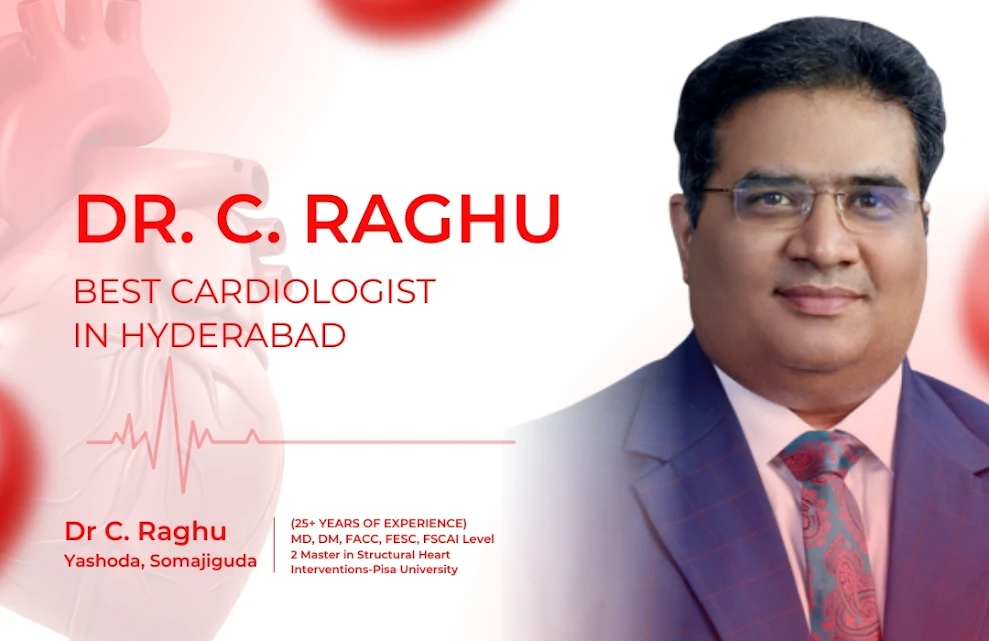
This is where Dr. C. Raghu, an experienced interventional cardiologist in Hyderabad, becomes an important name to know.

Meet Dr. C. Raghu –A Trusted Cardiologist in Hyderabad

If you are looking for the best cardiologist in Hyderabad, you will often come across the name Dr. C. Raghu.

He serves as Director and Senior Interventional Cardiologist at Yashoda Hospital, Somajiguda, Hyderabad, one of the most respected medical institutions in the country.

Over the years, he has earned recognition among patients from:

  • Hyderabad and across Telangana
  • Bangalore and other cities in Karnataka
  • Chennai and Tamil Nadu
  • Patients travelling from across India for advanced cardiac treatment

Many people searching for a heart specialist in Hyderabad trust him because of his deep experience in treating complex heart conditions.

Why Choosing the Right Heart Doctor Matters

Your heart is the engine of your body. When something goes wrong, the consequences can be serious.

Common heart problems today include:

  • Blocked arteries
  • High blood pressure
  • Heart valve disorders
  • Chest pain and angina
  • Risk of heart attack
  • Lifestyle-related heart disease

If these conditions are not diagnosed and treated early, they can lead to:

  • Heart failure
  • Sudden cardiac events
  • Long-term medication dependency
  • Reduced quality of life

This is why people search carefully for a heart doctor in Hyderabad who can guide them with the right diagnosis and treatment plan.

Read more: Hyderabad Cardiologist Reveals 5 Silent Heart Warning Signs 

Expertise That Patients Rely On

Dr. C. Raghu is known as a highly skilled interventional cardiologist, which means he specializes in minimally invasive procedures used to treat heart disease.

His expertise includes advanced cardiac procedures such as

  • Coronary angiography
  • Angioplasty and stent placement
  • Treatment of blocked coronary arteries
  • Management of complex cardiac conditions
  • Advanced catheter-based cardiac procedures

Because of this specialization, many patients consider him among the top cardiologists in Hyderabad.

Patients visiting Yashoda Hospital Somajiguda benefit from advanced cardiac infrastructure, modern cath labs, and a multidisciplinary cardiac team.

A Cardiologist Who Focuses on Prevention

If you follow heart health content online, you already know something important:
Prevention is better than emergency treatment.

Dr. Raghu strongly emphasizes early diagnosis and preventive care.

He often guides patients on:

Lifestyle improvements
  • Maintaining healthy cholesterol levels
  • Managing blood pressure
  • Improving diet and physical activity
  • Reducing stress levels
Regular cardiac screening

Many people over 35 ignore early symptoms such as:

  • Mild chest discomfort
  • Shortness of breath
  • Unexplained fatigue

These symptoms can sometimes indicate early heart disease. Consulting a heart specialist in Hyderabad at the right time can prevent major complications.

Why Patients from Multiple Cities Consult Dr. Raghu

In recent years, healthcare has become more research-driven. Many patients today read medical articles, follow cardiology developments, and look for specialists with strong credentials.

Dr. Raghu stands out for several reasons.

1. Extensive clinical experience

He has years of experience handling both routine and complex heart cases.

2. Interventional cardiology expertise

His specialization allows patients to receive advanced treatments without open-heart surgery in many cases.

3. Association with a leading hospital

Yashoda Hospital Somajiguda is considered among the best cardiology hospitals in Hyderabad and recognized nationally.

4. Patient-focused approach

Patients appreciate doctors who explain their condition clearly and guide them step by step.

Searching for the Best Cardiologist in Hyderabad

When you search online, you may see many terms such as:

  • best cardiologist doctor in Hyderabad
  • cardiologist in Somajiguda
  • Best Heart Hospital in India
  • Top 10 Cardiologists in India
  • Best Cardiologist in India
  • top 10 cardiologist in hyderabad

But beyond rankings and lists, the real question is simple:

Can you trust the doctor with your heart health?

For many patients, the answer has been Dr. C. Raghu.

People consult him not only for treatment but also for long-term cardiac care and prevention strategies.

You can also read this : Meet Cardiologist in India, Dr C. Raghu Yashoda, Somajiguda

When Should You Consult a Cardiologist?

You should consider consulting a cardiologist if you experience:

  • Persistent chest pain
  • High blood pressure
  • Family history of heart disease
  • Diabetes combined with lifestyle stress
  • High cholesterol levels
  • Shortness of breath during activity

Even if you feel healthy, preventive screening after 35 years of age is recommended.

Early detection often makes treatment easier and safer.

Your Heart Deserves the Right Specialist

Your heart works continuously for you. It deserves the best medical care when needed.

If you are researching online and looking for a trusted cardiologist in Hyderabad, knowing about experienced specialists like Dr. C. Raghu can help you make an informed decision.

Thousands of patients prioritize experience, advanced cardiac treatment, and trusted hospital infrastructure when choosing their doctor.

Dr. Raghu continues to serve patients with that same commitment.

Conclusion

Heart disease is becoming increasingly common, especially after the age of 35. The key to protecting your health is timely consultation, accurate diagnosis, and expert treatment.

If you are searching online for the best cardiologist in Hyderabad, learning about experienced specialists like Dr. C. Raghu, Director and Interventional Cardiologist at Yashoda Hospital Somajiguda, can guide your decision.

Your heart health should never wait.

To learn more about his experience, achievements, and cardiac services, visit:
https://drraghu.com


Dr raghu logo


Dr raghu logo


Call us now if you are in a medical emergency need, we will reply swiftly and provide you with a medical aid.


For Appointment with Dr Raghu: +91 80085 36699
Dr Raghu’s Patient Coordinator: +91 72860 10203
Dr Raghu’s Office Experience: +91 90001 65962
Dr Raghu’s Social Media Communication Channel: +91 97046 51708

Dr. Raghu | Heart Specialist in Hyderabad
Yashoda Hospitals, Raj Bhavan Road, Somajiguda, 1st floor, Room No. 115, Hyderabad -500082, Telangana

Best Cardiologists in Hyderabad


© 2024, Dr. Raghu. All rights reserved. Design & Developed by AMSDigital.in

[gtranslate]
+91-9542475650