DR-RAGHU-blog.png

March 31, 2026 AbhijitHearty Life

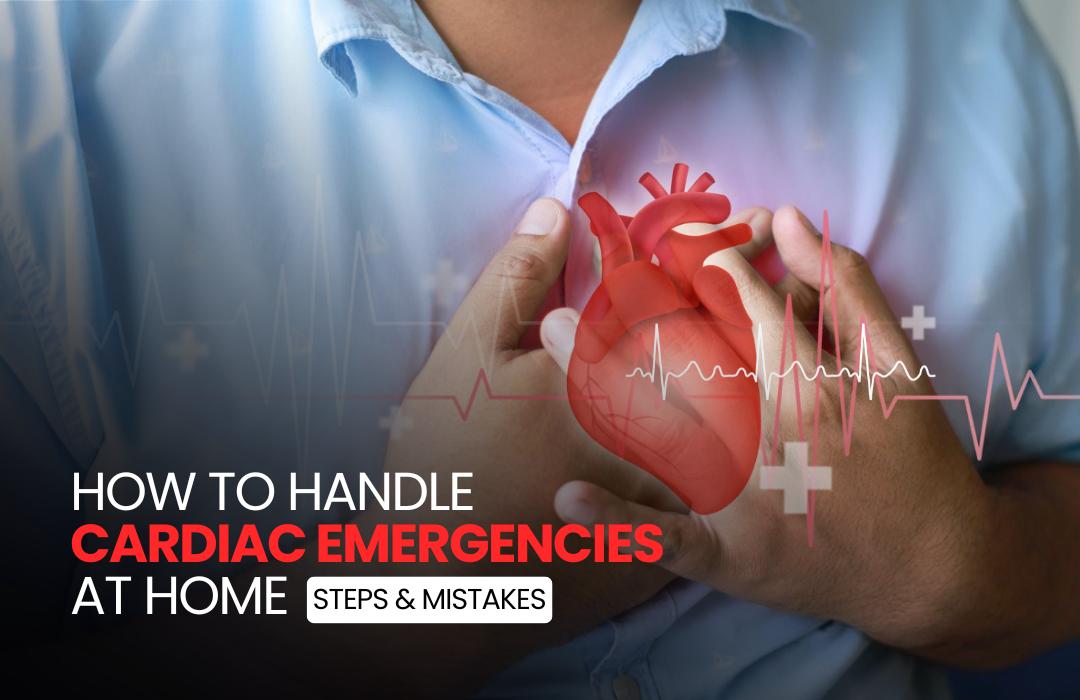
Handle Cardiac Emergencies Many people face sudden chest pain or breathlessness at home. Families often do not know what to do or who to call. A delay can cost precious minutes. Early CPR can double a person’s chance of survival after cardiac arrest. The guide explains how to recognize signs, perform CPR, and use an AED. It also names local options, such as Best Cardiology Hospital In Hyderabad, Cardiologist In Hyderabad, Heart Doctor, Best Cardiologist in Hyderabad, and Top Cardiologist in Hyderabad.

Key Takeaways

  • Early CPR can double a person’s chance of survival after cardiac arrest. Start chest compressions straight away if someone is unresponsive and not breathing.
  • Know the signs of a cardiac emergency, such as chest pain, shortness of breath, heavy sweating, or sudden collapse. Call emergency services immediately for help.
  • Use an Automated External Defibrillator (AED) quickly if one is available. Follow voice prompts and continue CPR after delivering a shock unless told otherwise by professionals.
  • Avoid common mistakes like delaying CPR, not calling for help soon enough or using an AED incorrectly. High-quality compressions are vital to keep blood moving until medics arrive.
  • Cardiac events can affect people of all ages. Prepare your family by learning basic skills and making sure everyone knows what to do in case of a heart emergency at home.

Recognising the Signs of a Cardiac Emergency

After the introduction, attention must shift to spotting early warning signs. A patient may feel chest pain or tightness that does not go away. They might have shortness of breath, heavy sweating, nausea or light headedness.

Some people collapse suddenly or notice a very fast, irregular heartbeat.

Anyone with these signs needs immediate help. Call emergency services and get to a hospital fast. They should see a heart specialist in Hyderabad or one of the heart doctors in Hyderabad for follow up care.

Families often ask for the best heart doctor in Hyderabad or the best cardiologist doctor in Hyderabad, and they check lists such as Top 10 Cardiologists in Hyderabad.

You can also read this: What Is AFib? Causes, and Treatment for Atrial Fibrillation

Essential Steps to Take During a Cardiac Emergency

Act quickly to improve the chance of survival. Stay calm and follow clear steps to help the person in need.

Administering CPR

CPR can save a life. A bystander should call for help.

  1. A rescuer assesses responsiveness by tapping the shoulders and speaking loudly. If there is no response, the rescuer opens the airway and checks breathing for up to ten seconds.
  2. An observer contacts emergency services, states the location and reports suspected cardiac arrest. Provide clear information, such as the address, floor number and any nearby landmarks.
  3. A helper lays the casualty flat on a firm surface and exposes the chest. The helper positions the heel of one hand at the centre of the breastbone.
  4. A trained rescuer performs chest compressions at one hundred to one hundred and twenty per minute. Each compression should reach a depth of five to six centimetres, with full recoil between compressions.
  5. A giver follows a ratio of thirty compressions to two breaths if trained in rescue breathing. They seal the mouth with a barrier device and give each breath over one second while watching for chest rise.
  6. If the rescuer lacks training, they carry out hands only CPR with continuous compressions. They must avoid long pauses unless the AED is ready or professional help arrives.
  7. A second rescuer rotates every two minutes to reduce fatigue and preserve compression quality. Minimise interruptions during changes, and resume compressions immediately after checks.
  8. An automated external defibrillator is applied as soon as one is available and the prompts are followed. Rescuers must not touch the casualty while the device analyses or delivers a shock.

Using an Automated External Defibrillator (AED)

An Automated External Defibrillator (AED) can save lives during a cardiac emergency. Knowing how to use an AED is crucial for providing timely assistance.

  1. Locate the AED. Check for the nearest device if someone shows signs of a cardiac emergency.
  2. Turn on the AED. Press the power button to activate it and follow the audible instructions.
  3. Expose the chest. Remove clothing from the chest area to ensure proper pad placement.
  4. Attach pads correctly. Place one pad on the upper right chest and another on the lower left side, following visual prompts on the pads.
  5. Stand clear during analysis. Ensure everyone moves away from the patient while the AED assesses heart rhythm.
  6. Deliver shock if advised. If prompted by the AED, press the shock button promptly; this may restore normal heart function.
  7. Continue CPR after shock delivery if needed. Start chest compressions immediately after using an AED unless instructed otherwise by emergency services.
  8. Wait for help to arrive. Keep monitoring the person’s condition and be prepared to provide further assistance until professionals take over.

Taking these steps can make a significant difference in a cardiac emergency at home, increasing survival chances dramatically with quick action using an AED.

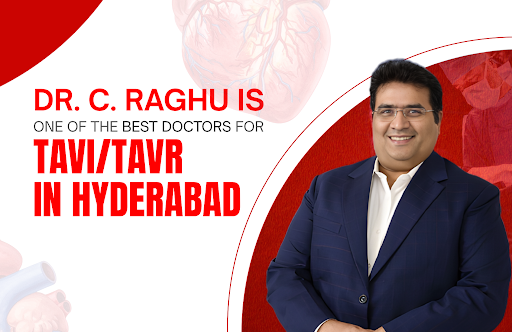
You can also read this: Dr. C. Raghu is one of the best doctors for TAVI/TAVR in Hyderabad

Common Mistakes to Avoid in Cardiac Emergencies

Cardiac emergencies can be overwhelming. Patients must know what mistakes to avoid during these critical moments.

  1. Failing to call for emergency assistance quickly can delay vital care. Prompt action is essential in saving a life.
  2. Ignoring the signs of a cardiac emergency leads to serious consequences. Recognising symptoms early increases the chances of survival.
  3. Avoid delaying CPR when someone is unresponsive and not breathing. Starting CPR immediately keeps blood flowing until help arrives.
  4. Using an Automated External Defibrillator (AED) incorrectly can hinder recovery efforts. Familiarity with AED operation saves valuable time.
  5. Overlooking the importance of chest compressions can reduce effectiveness during CPR. Focus on high-quality compressions to improve blood circulation.
  6. Hesitating to perform rescue breaths may occur due to fear or lack of experience. Performing hands-only CPR is still highly effective if necessary.
  7. Assuming that heart attacks only affect older individuals is a dangerous misconception. Cardiac events can strike anyone, regardless of age or health status.
  8. Neglecting the need for regular health checks may prevent early detection of heart issues. Monitoring health helps identify potential problems before they escalate.
  9. Disregarding personal stress levels and unhealthy habits worsens heart health over time. Managing stress through positive coping strategies promotes better well-being.
  10. Forgetting to inform family members about emergency plans creates confusion during crises. Open discussions about cardiac emergencies prepare everyone involved for quick action.

Conclusion

Understanding how to manage cardiac emergencies at home can save lives. Recognising the signs is crucial; chest pain and shortness of breath demand immediate attention. Quickly administering CPR can be vital before professional help arrives.

Using an Automated External Defibrillator (AED) increases survival chances significantly too. Avoid common mistakes, such as delaying action or panicking, to ensure effective response.

Readers should consider learning these steps and practising them regularly for readiness. Taking swift action makes a real difference in life-threatening situations and helps families feel more secure in times of crisis.
If you or your loved one is suffering from a heart problem, don’t delay treatment.

Consult Dr. C. Raghu, interventional cardiologist at Yashoda Hospitals, Secunderabad, today and take the first step towards a healthier heart.

FAQs

1. What are the essential steps to follow in a cardiac emergency at home?

Check if the person is awake and breathing. Call emergency services and say there is a cardiac emergency. Start CPR at once if they are not breathing normally. Send someone to fetch a defibrillator if one is nearby. Keep going until help arrives.

2. How do I give CPR at home during a cardiac emergency?

Lay the person on a firm surface. Push hard and fast in the centre of the chest, about 100 to 120 times a minute. Let the chest rise fully after each push. Give rescue breaths only if you are trained. Use an automated defibrillator when you can.

3. When should I call for an ambulance in a cardiac emergency at home?

Call straight away if the person is unconscious or not breathing. Tell the operator it is a cardiac emergency so they can act fast. Follow their instructions until the ambulance crew arrives.

4. What common mistakes should I avoid when handling cardiac emergencies at home?

Do not leave the person alone. Do not delay chest compressions to check small signs. Do not waste time looking for non essential items. Do not stop CPR until trained help takes over.


Chip-angioplasty.webp

March 24, 2026 AbhijitHearty Life

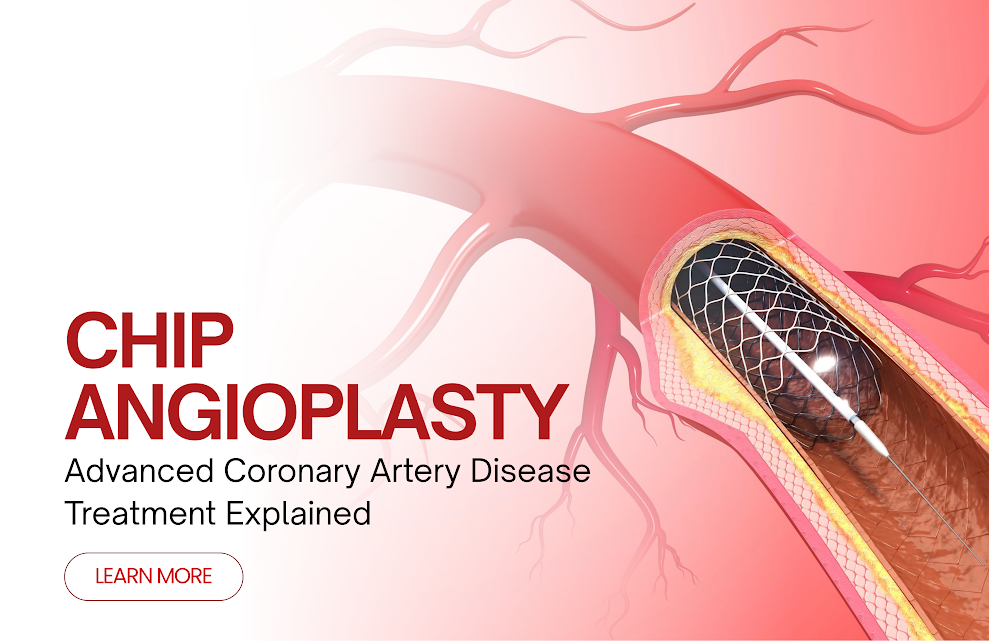
CHIP Angioplasty Heart disease doesn’t always come with a warning. Many people discover they have coronary artery disease only after symptoms begin to affect daily life. In such situations, consulting a trusted coronary artery disease doctor at the right time can prevent serious complications.

For patients dealing with complex or high-risk blockages, standard procedures may not be enough. This is where CHIP Angioplasty offers a highly advanced and effective treatment option.

What is Coronary Artery Disease?

Coronary artery disease happens when plaque builds up in the arteries, reducing blood flow to the heart. Over time, this can cause chest pain, shortness of breath, or even heart attacks.

An experienced coronary heart disease doctor or skilled coronary artery disease specialist will usually recommend tests like angioplasty and angiograms to assess the severity.

What Makes CHIP Angioplasty Different?

CHIP Angioplasty (Complex High-Risk Indicated Percutaneous Coronary Intervention) is specially designed for patients with severe and complicated blockages.

Unlike routine angioplasty in heart, this advanced procedure is recommended when:

  • Blockages are long or heavily calcified
  • Multiple arteries are affected
  • Surgery is risky or not possible

Such cases require the expertise of an experienced angioplasty expert in India.

Understanding CHIP CTO Angioplasty

CHIP CTO Angioplasty is used for Chronic Total Occlusion—arteries that are completely blocked for a long duration.

These are among the most challenging cases and require the best angioplasty expert in India with deep expertise in CHIP angioplasty techniques.

You can also read this: Cardiologist Hyderabad Why Dr. C. Raghu Is a Name Patients Trust

How the Procedure is Performed

The process is similar to coronary angioplasty but more advanced:

  • A catheter is inserted through the wrist or groin
  • Advanced imaging identifies the blockage
  • Specialized tools are used to open the artery
  • A PTCA stent, or coronary stent, is placed to restore blood flow

This is performed by highly experienced coronary artery disease specialists.

Who Should Consider CHIP Angioplasty?

You may need CHIP angioplasty if you have:

  • Severe coronary artery disease
  • Multiple or complex blockages
  • Failed previous angioplasty
  • High surgical risk
  • Need for CHIP CTO Angioplasty

Consulting a reliable coronary artery disease doctor is crucial in these cases.

Benefits of CHIP Angioplasty

  • Minimally invasive procedure
  • Faster recovery
  • Effective for high-risk patients
  • Significant symptom relief

With the right Angioplasty Expert in India, patients often see excellent results.

Risks to Consider

Like any advanced procedure, CHIP CTO Angioplasty carries some risks:

  • Bleeding
  • Irregular heart rhythm
  • Rare procedural complications

However, these risks are minimized when performed by an angioplasty expert in India experienced in chip angioplasty.

You can also read this: Understanding PTCA Stent & Coronary Angioplasty exert

Why Choose Dr. C. Raghu for CHIP Angioplasty?

When it comes to complex heart procedures, experience matters the most.
Dr. C. Raghu, Clinical Director & Senior Interventional Cardiologist at Yashoda Hospitals, Secunderabad, is widely recognized as a leading angioplasty expert in India.

With over 20,000+ coronary intervention procedures and expertise in CHIP angioplasty and CHIP CTO angioplasty, he has successfully treated some of the most challenging cases of coronary artery disease.

His patient-focused approach, precision techniques, and use of advanced technology make him one of the most trusted coronary artery disease specialists in India.

Conclusion

CHIP angioplasty has revolutionized the treatment of complex heart blockages. It provides new hope to patients who may not be suitable for traditional procedures.

If you or your loved one is suffering from coronary artery disease, don’t delay treatment.

 Consult Dr. C. Raghu, Interventional Cardiologist at Yashoda Hospitals, Secunderabad, today and take the first step towards a healthier heart.

About Dr. C. Raghu

Dr. C. Raghu — MD, DM, FESC, FACC, FSCAI

Interventional Cardiologist | Yashoda Hospital, Raj Bhavan Road, Somajiguda, 1st Floor, Room No. 115, Hyderabad – 500082, Telangana

Specialisation: Coronary, Vascular & Structural Interventions | TAVR | CHIP Angioplasty | Complex Coronary Procedures

OPD: Monday to Saturday, 8 AM – 8 PM  |  Emergency: 24/7  |  +91 95424 75650  |


heart-valve-replacement.webp

March 17, 2026 AbhijitHearty Life

When the Heart Speaks, Are You Listening?

Heart valve You are the kind of person who reads nutrition labels. You walk 10,000 steps. You know your LDL from your HDL. And yet, somewhere between managing your career, your family, and your aging parents, there is a nagging worry you cannot quite name. Your father gets breathless climbing the stairs. Your mother feels dizzy after a short walk. You yourself feel a strange heaviness in your chest after a brisk evening stroll.

You live in Hyderabad, Bangalore, Mumbai, or Chennai — cities that move fast. You are health-conscious, informed, and proactive. But heart valve disease? That is a chapter most people never read until they are already inside it. And that is exactly the problem this article is here to solve.

By the time you finish reading, you will know the five warning signs that demand your attention, understand what happens if you ignore them, and learn how India’s most trusted TAVI/TAVR doctor in Hyderabad , Dr. C. Raghu — is changing and saving lives with cutting-edge, minimally invasive care.

What Exactly Is a Heart Valve Problem?

Your heart has four valves. Think of them as doors inside your heart that open and close with every single heartbeat. When these doors stop working properly—either because they become stiff (stenosis) or leaky (regurgitation)—your heart works harder than it should. Over time, it exhausts itself.

The most common culprit is aortic stenosis—a narrowing of the aortic valve. It is especially common in people over 60. Left untreated, it progresses silently, and then, without warning, it becomes dangerous.

You can also read this: Early Warning Signs of Heart Blockages You Should Never Ignore

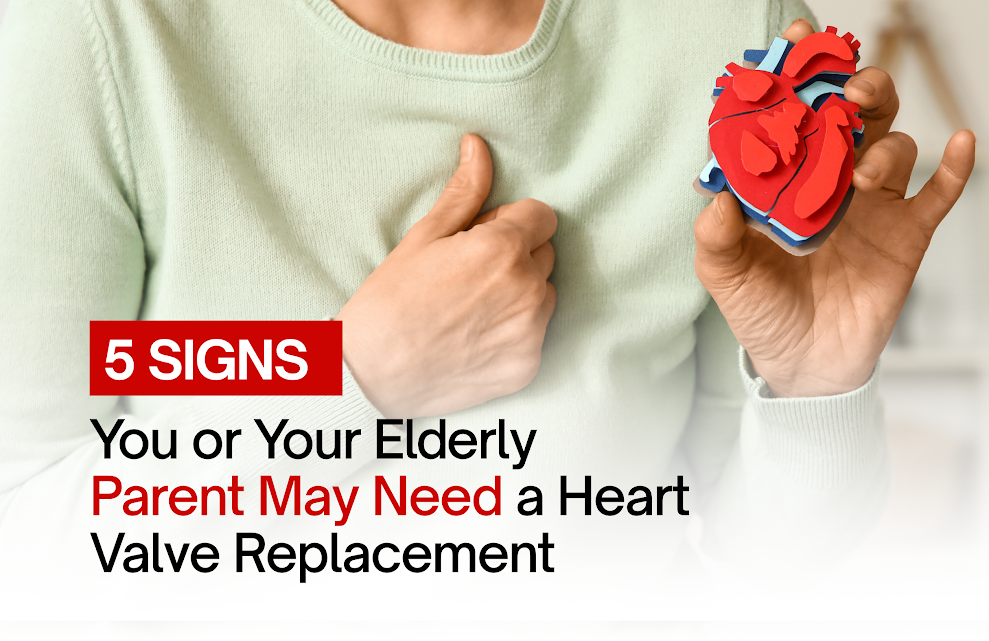
 5 Signs You or Your Elderly Parent Should See a Specialist

Sign 1: Breathlessness That Comes Out of Nowhere

You used to climb two flights of stairs without a thought. Now, halfway up, you stop. You breathe hard. You feel your heart pounding in your chest. This is not just aging — this is your heart telling you it is struggling to push blood through a narrowing valve.

  • Breathlessness during light activity is a red flag
  • If it gets worse lying down, that is even more urgent
  • Many patients dismiss this as “just getting “older”—that delay can cost them years of quality life

Sign 2: Chest Pain or Tightness, Especially During Activity

If your elderly parent complains of a pressing sensation in the chest after walking or mild exertion, do not wait. Chest discomfort linked to aortic valve disease feels different from a heart attack, but it is equally serious. It is a sign the heart muscle is not receiving enough oxygen-rich blood.

  • The pain often subsides with rest, which makes people dismiss it
  • Recurring chest tightness after activity is never normal
  • This symptom, when combined with breathlessness, is a medical emergency waiting to happen

Sign 3: Unexplained Dizziness or Fainting Spells

Has your parent suddenly felt faint while climbing stairs or after standing up quickly? Or have you yourself felt lightheaded during a morning jog? Dizziness and syncope (fainting) are classic warning signs of severe aortic stenosis.

  • Blood flow to the brain drops when the valve cannot open fully
  • Fainting episodes are particularly dangerous in older adults — they risk falls and fractures
  • Many families chalk this up to “low blood pressure” or “sugar issues” without investigating further

Sign 4: Fatigue That No Amount of Sleep Can Fix

This is not the tiredness after a busy Monday. This is a deep, draining exhaustion that sits in your bones. You sleep 8 hours and wake up feeling like you have not slept at all. Your parent seems less interested in activities they once loved. They tire from simple tasks like cooking or bathing.

  • Cardiac fatigue is different from ordinary tiredness — it is persistent, worsening, and disproportionate
  • The body is diverting its limited resources because the heart is working overtime
  • This is one of the most underreported symptoms, because patients adapt to it slowly without realizing it has become severe

Sign 5: Swollen Ankles and Feet by Evening

If your parent’s feet look puffy by the end of the day, or if their shoes feel tighter in the evenings, do not dismiss it as heat or poor circulation alone. Fluid accumulation in the lower extremities is a sign that the heart is struggling to circulate blood efficiently — a consequence of valve dysfunction and early heart failure.

  • Swelling that is worst in the evening and better in the morning is a cardiac pattern
  • When combined with breathlessness or fatigue, it forms a dangerous triad of symptoms
  • This is your body waving a red flag. It is time to book that cardiology appointment.

What Happens If You Ignore These Signs?

The consequences of delayed diagnosis are severe and in some cases irreversible. Untreated aortic stenosis leads to:

  • Heart failure : the heart becomes so exhausted it can no longer pump effectively
  • Sudden cardiac arrest : especially in elderly patients with severe stenosis
  • Permanent heart muscle damage : which significantly limits treatment options
  • Reduced survival : studies show that without intervention, patients with severe symptomatic aortic stenosis face a 50% mortality rate within two years

The cruelest part? Most of this is entirely avoidable with timely diagnosis and the right specialist.

The Solution: Transcatheter Aortic Valve Replacement (TAVR/TAVI)

For decades, open-heart surgery was the only way to replace a damaged aortic valve. That meant cracking open the chest, stopping the heart, and weeks of painful recovery — an option many elderly or high-risk patients simply could not survive.

Today, transcatheter aortic valve replacement, known as TAVR or TAVI, has changed everything. In this minimally invasive procedure, a new valve is guided through a thin catheter into the heart, usually through the leg. There is no open-chest surgery. Recovery is measured in days, not months. And the outcomes? Remarkable.

Why Dr. C. Raghu Is the TAVR Specialist India Trusts

If you are searching for the best TAVR specialist near you or a TAVR expert in India, Dr. C. Raghu’s name rises to the top—and for very good reason.

Dr. C. Raghu serves as Clinical Director and Senior Interventional Cardiologist at Yashoda Hospitals, Somajiguda, Hyderabad. Yashoda Hospitals He brings over 25 years of specialized experience and a reputation that stretches well beyond Telangana.

Here is what sets him apart:

  • World-class training: He has completed advanced fellowships in France, Italy, and Harvard, bringing globally refined techniques to his patients in India.
  • Award-winning expertise: He has received the Andreas Gruntzig Award for the Best Chronic Total Occlusion Angioplasty Case, the Best Peripheral Angioplasty Case Award at the Asia Pacific Vascular Society Meeting, and the Best Young Interventionalist Award at Singapore Live 2007. 
  • Published researcher: He has authored a chapter on the journey of Transcatheter Aortic Valve Replacement in Cardiology Update 2021 Yashoda Hospitals, contributing meaningfully to the academic understanding of TAVR.
  • Educator: He has trained over 80 cardiologists, shaping the future of heart care across India. 
  • Proven TAVR outcomes: Patients trust Dr. C. Raghu because of his proven track record with high success rates that are above the national average for TAVI/TAVR surgeries.

Whether you are from Hyderabad, Bangalore, Mumbai, or Chennai, patients travel to see him because they know that when it comes to finding the best TAVR doctor in Hyderabad, credentials and experience are everything—and Dr.c Raghu has both.

What to Expect When You See Dr. Raghu

When you sit in front of Dr. Raghu, you feel relaxed. He looks at your symptoms. He listens to your routine. He asks about your stress. He explains what each test means. You understand your heart better in just one consultation. Dr.C.Raghu

He does not just treat the valve. He treats the whole person. And for families caring for aging parents, that kind of clarity and compassion is priceless.

You can also read this : Cardiologist Hyderabad: Why Dr. C. Raghu Is a Name Patients Trust

Conclusion: Your Heart Cannot Wait for the Perfect Moment

You are a careful person. You do your research. You do not rush into decisions. But when it comes to the five signs we have discussed—breathlessness, chest pain, dizziness, unexplained fatigue, and swollen feet—waiting for the “right time” is the one mistake you cannot afford to make.

The right time is now. The right specialist is here.

If you or your elderly parent is experiencing any of these signs, do not self-diagnose, do not rely on generic advice, and do not delay. Seek a specialist who has spent a career mastering the very condition you are worried about.

📍 Take the next step today. Visit drraghu.com to book your consultation with Dr. C. Raghu—India’s trusted TAVR/TAVI expert in India—and give your heart the expert care it deserves.

About Dr. C. Raghu

Dr. C. Raghu is a Senior Interventional Cardiologist and Clinical Director at Yashoda Hospitals, Somajiguda, Hyderabad (1st Floor, Room No. 115, Raj Bhavan Road, Hyderabad – 500082). With over 25 years of experience in interventional cardiology, he specializes in Transcatheter Aortic Valve Replacement (TAVR/TAVI), complex coronary angioplasty, structural heart interventions, and peripheral vascular procedures. He holds advanced training from institutions in France, Italy, and Harvard University and has been recognized with multiple national and international awards. He is widely regarded as one of the best TAVR surgeons and a leading TAVR specialist in India.

📞 For Appointments: +91 80085 36699 🌐 www.drraghu.com


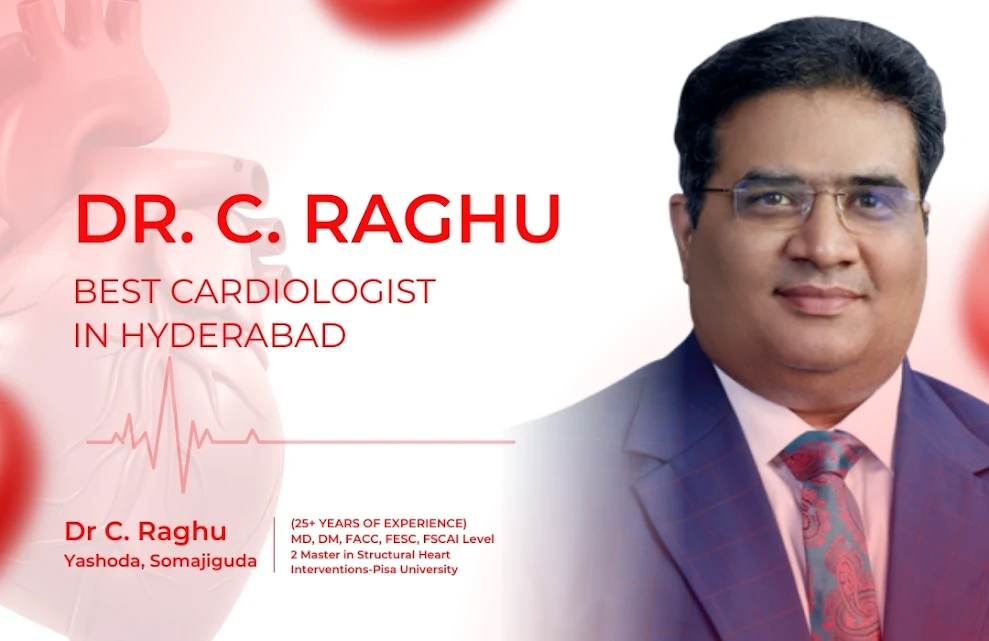
best-cardiologist-in-hyderabad.webp

March 10, 2026 AbhijitHearty Life

When You Start Thinking About Your Heart Health

Cardiologist Hyderabad You may not think about your heart every day. But after the age of 35, things start changing. You read about heart attacks in the news. Someone in your family develops high blood pressure. A friend suddenly needs an angioplasty.
At that moment, you begin searching online. You type phrases like “best cardiologist in Hyderabad,” “heart specialist in Hyderabad,” or “top cardiologist in Hyderabad.”

You want answers.
More importantly, you want the right doctor.

You are careful about your health. You follow heart-health channels on YouTube or Instagram. You read medical blogs and sometimes even medical journals. You understand that choosing the right cardiologist can make a major difference in your life.

But the real challenge is this:
How do you identify a cardiologist who combines experience, expertise, and patient trust?

This is where Dr. C. Raghu, an experienced interventional cardiologist in Hyderabad, becomes an important name to know.

Meet Dr. C. Raghu –A Trusted Cardiologist in Hyderabad

If you are looking for the best cardiologist in Hyderabad, you will often come across the name Dr. C. Raghu.

He serves as Director and Senior Interventional Cardiologist at Yashoda Hospital, Somajiguda, Hyderabad, one of the most respected medical institutions in the country.

Over the years, he has earned recognition among patients from:

  • Hyderabad and across Telangana
  • Bangalore and other cities in Karnataka
  • Chennai and Tamil Nadu
  • Patients travelling from across India for advanced cardiac treatment

Many people searching for a heart specialist in Hyderabad trust him because of his deep experience in treating complex heart conditions.

Why Choosing the Right Heart Doctor Matters

Your heart is the engine of your body. When something goes wrong, the consequences can be serious.

Common heart problems today include:

  • Blocked arteries
  • High blood pressure
  • Heart valve disorders
  • Chest pain and angina
  • Risk of heart attack
  • Lifestyle-related heart disease

If these conditions are not diagnosed and treated early, they can lead to:

  • Heart failure
  • Sudden cardiac events
  • Long-term medication dependency
  • Reduced quality of life

This is why people search carefully for a heart doctor in Hyderabad who can guide them with the right diagnosis and treatment plan.

Read more: Hyderabad Cardiologist Reveals 5 Silent Heart Warning Signs 

Expertise That Patients Rely On

Dr. C. Raghu is known as a highly skilled interventional cardiologist, which means he specializes in minimally invasive procedures used to treat heart disease.

His expertise includes advanced cardiac procedures such as

  • Coronary angiography
  • Angioplasty and stent placement
  • Treatment of blocked coronary arteries
  • Management of complex cardiac conditions
  • Advanced catheter-based cardiac procedures

Because of this specialization, many patients consider him among the top cardiologists in Hyderabad.

Patients visiting Yashoda Hospital Somajiguda benefit from advanced cardiac infrastructure, modern cath labs, and a multidisciplinary cardiac team.

A Cardiologist Who Focuses on Prevention

If you follow heart health content online, you already know something important:
Prevention is better than emergency treatment.

Dr. Raghu strongly emphasizes early diagnosis and preventive care.

He often guides patients on:

Lifestyle improvements
  • Maintaining healthy cholesterol levels
  • Managing blood pressure
  • Improving diet and physical activity
  • Reducing stress levels
Regular cardiac screening

Many people over 35 ignore early symptoms such as:

  • Mild chest discomfort
  • Shortness of breath
  • Unexplained fatigue

These symptoms can sometimes indicate early heart disease. Consulting a heart specialist in Hyderabad at the right time can prevent major complications.

Why Patients from Multiple Cities Consult Dr. Raghu

In recent years, healthcare has become more research-driven. Many patients today read medical articles, follow cardiology developments, and look for specialists with strong credentials.

Dr. Raghu stands out for several reasons.

1. Extensive clinical experience

He has years of experience handling both routine and complex heart cases.

2. Interventional cardiology expertise

His specialization allows patients to receive advanced treatments without open-heart surgery in many cases.

3. Association with a leading hospital

Yashoda Hospital Somajiguda is considered among the best cardiology hospitals in Hyderabad and recognized nationally.

4. Patient-focused approach

Patients appreciate doctors who explain their condition clearly and guide them step by step.

Searching for the Best Cardiologist in Hyderabad

When you search online, you may see many terms such as:

  • best cardiologist doctor in Hyderabad
  • cardiologist in Somajiguda
  • Best Heart Hospital in India
  • Top 10 Cardiologists in India
  • Best Cardiologist in India
  • top 10 cardiologist in hyderabad

But beyond rankings and lists, the real question is simple:

Can you trust the doctor with your heart health?

For many patients, the answer has been Dr. C. Raghu.

People consult him not only for treatment but also for long-term cardiac care and prevention strategies.

You can also read this : Meet Cardiologist in India, Dr C. Raghu Yashoda, Somajiguda

When Should You Consult a Cardiologist?

You should consider consulting a cardiologist if you experience:

  • Persistent chest pain
  • High blood pressure
  • Family history of heart disease
  • Diabetes combined with lifestyle stress
  • High cholesterol levels
  • Shortness of breath during activity

Even if you feel healthy, preventive screening after 35 years of age is recommended.

Early detection often makes treatment easier and safer.

Your Heart Deserves the Right Specialist

Your heart works continuously for you. It deserves the best medical care when needed.

If you are researching online and looking for a trusted cardiologist in Hyderabad, knowing about experienced specialists like Dr. C. Raghu can help you make an informed decision.

Thousands of patients prioritize experience, advanced cardiac treatment, and trusted hospital infrastructure when choosing their doctor.

Dr. Raghu continues to serve patients with that same commitment.

Conclusion

Heart disease is becoming increasingly common, especially after the age of 35. The key to protecting your health is timely consultation, accurate diagnosis, and expert treatment.

If you are searching online for the best cardiologist in Hyderabad, learning about experienced specialists like Dr. C. Raghu, Director and Interventional Cardiologist at Yashoda Hospital Somajiguda, can guide your decision.

Your heart health should never wait.

To learn more about his experience, achievements, and cardiac services, visit:
https://drraghu.com


tavi-tavr.png

March 3, 2026 AbhijitHearty Life

You Care About Your Heart 

TAVI/TAVR in Hyderabad You stay updated on your heart health. Regularly, you follow medical journals and track cholesterol levels and blood pressure from time to time. Yet when it comes to choosing the right cardiologist for a serious procedure for tavi/tavr in Hyderabad or valve replacement, you feel unsure.

You hear about aortic stenosis. You read about transcatheter aortic valve implantation. You search for the best option. But every hospital claims expertise. Every profile looks impressive. And you are left wondering—who truly understands your heart?

If you or your loved one is advised valve intervention, the confusion increases. You want safety. You want experience. You want results backed by science.

That is where Dr. C. Raghu stands out — especially for tavi/tavr in doctor Hyderabad.

What Happens If You Ignore Aortic Valve Problems?

Aortic stenosis does not always shout. It progresses silently. You may feel:

  • Breathlessness while walking
  • Chest discomfort
  • Fatigue during routine work
  • Lightheadedness
  • Reduced stamina

If untreated, severe valve narrowing can lead to:

  • Heart failure
  • Sudden cardiac events
  • Reduced quality of life
  • Increased surgical risk later

You may read about aortic valve replacement surgery, and the thought of open-heart surgery worries you. Recovery time, hospital stay, complications — these are real concerns.

But modern cardiology offers a less invasive solution.

What Is TAVI / TAVR and Why Does It Matter to You?

Transcatheter Aortic Valve Implantation (TAVI), also called TAVR, is a minimally invasive procedure. It replaces a narrowed valve without opening your chest.

You do not undergo large surgical cuts.
You recover faster.
You return to routine life sooner.

When performed by an experienced tavr expert, outcomes are excellent — especially for patients above 60 or those with high surgical risk.

But skill matters. Precision matters. Decision-making matters.

That is why choosing the right tavr doctor in Hyderabad becomes critical.

Why Dr. C. Raghu Is One of the Best Cardiologists for TAVI/TAVR

1. Interventional Expertise That You Can Trust

Dr. C. Raghu practices as an interventional cardiologist at Yashoda Hospital. He focuses on structural heart interventions and advanced catheter-based procedures.

You are not looking for a general opinion.
You are looking for a tavi/tavr expert in Hyderabad who understands:

  • Valve anatomy in detail
  • Imaging interpretation
  • Catheter navigation
  • Complication management

His expertise in aortic stenosis treatment ensures that your case is evaluated thoroughly before recommending intervention.

2. Patient-Centric Evaluation

When you consult Dr. Raghu, you are not rushed.

He evaluates:

  • Your symptoms
  • Echocardiography findings
  • CT scan measurements
  • Risk profile
  • Overall health status

You receive clarity.
You understand why TAVI is advised — or why it may not be necessary yet.

This transparent approach makes him one of the best tavr doctors in the region.

3. Experience in Structural Heart Procedures

TAVI is not just about placing a valve. It is about:

  • Proper sizing
  • Accurate positioning
  • Avoiding complications
  • Managing rhythm disturbances

As a seasoned tavr specialist in India, Dr. Raghu combines imaging guidance with procedural precision.

If you search for a tavr specialist near me in Hyderabad, especially in Somajiguda, his name consistently appears among experienced experts.

How You Solve the Confusion

You are analytical. You read studies. You compare data.

So how do you decide?

Ask these questions:

  • Does the doctor specialize in interventional cardiology?
  • Does he regularly perform structural heart procedures?
  • Does he practice in a well-equipped hospital?
  • Does he explain risks and benefits clearly?

When these answers align, your confusion reduces.

For patients in Hyderabad, Bangalore, Mumbai, and Chennai who travel for specialized care, choosing the right best cardiologist for tavr becomes easier when experience meets transparency.

Dr. Raghu’s association with Yashoda Hospital ensures access to:

  • Advanced cath lab infrastructure
  • Cardiac imaging support
  • Multi-disciplinary heart team
  • Post-procedure monitoring

This ecosystem improves procedural safety.

What You Gain with the Right TAVI Expert

When you choose the right tavr expert, you gain:

  • Faster recovery compared to open surgery
  • Reduced hospital stay
  • Lower procedural trauma
  • Improved quality of life
  • Better long-term outcomes

You feel the difference when breathlessness reduces.
You walk longer distances.
You regain confidence.

And that confidence starts with choosing wisely.

If You Are Above 35, This Is What You Should Do

Even if you feel healthy, regular cardiac screening matters — especially if:

  • You have hypertension
  • You have diabetes
  • You have high cholesterol
  • There is a family history of valve disease
  • You feel unexplained fatigue

Early detection makes aortic stenosis treatment simpler.

You do not wait for severe symptoms.
You act early.
You consult a specialist.

Conclusion: Make an Informed Decision for Your Heart

You are careful about your investments. Your heart deserves the same seriousness.

When you look for tavi/tavr in Hyderabad, you want competence, clarity, and compassion.
When you search for a reliable tavi doctor in Hyderabad or an experienced tavr doctor in Hyderabad, you want someone who understands both science and patient concerns.

Dr. C. Raghu, interventional cardiologist at Yashoda Hospital, Somajiguda, focuses on structural heart care with precision and responsibility. His experience in Transcatheter Aortic Valve Implantation makes him one of the trusted names for valve interventions.

If you or your loved one is evaluating options for valve replacement, take the next step with clarity.


Consult Dr. C. Raghu, one of the most trusted experts for TAVI/TAVR in Hyderabad, known for precision-driven structural heart procedures and patient-focused care at Yashoda Hospitals, Somajiguda.

Visit a cardiologist in Hyderabad and make an informed decision about your heart today.


Dr raghu logo


Dr raghu logo


Call us now if you are in a medical emergency need, we will reply swiftly and provide you with a medical aid.


For Appointment with Dr Raghu: +91 80085 36699
Dr Raghu’s Patient Coordinator: +91 72860 10203
Dr Raghu’s Office Experience: +91 90001 65962
Dr Raghu’s Social Media Communication Channel: +91 97046 51708

Dr. Raghu | Heart Specialist in Hyderabad
Yashoda Hospitals, Raj Bhavan Road, Somajiguda, 1st floor, Room No. 115, Hyderabad -500082, Telangana

Best Cardiologists in Hyderabad


© 2024, Dr. Raghu. All rights reserved. Design & Developed by AMSDigital.in

[gtranslate]
+91-9542475650