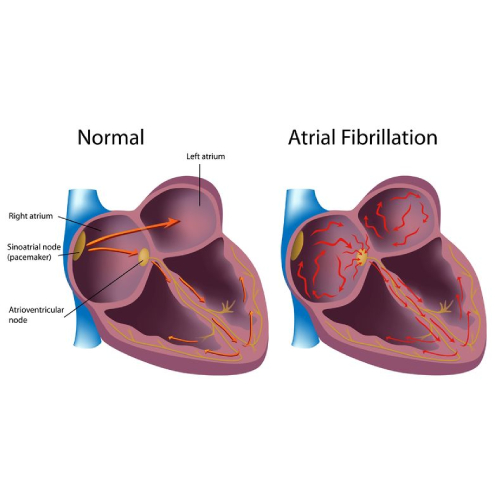
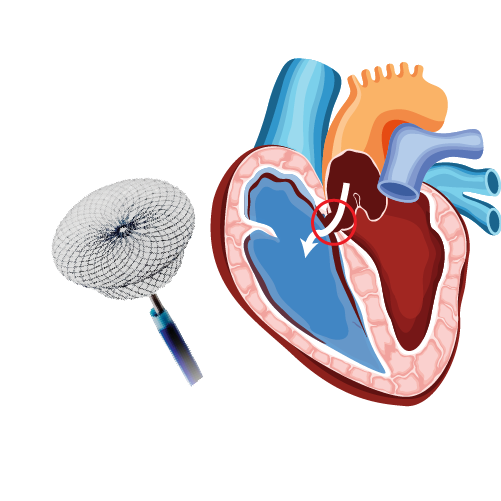
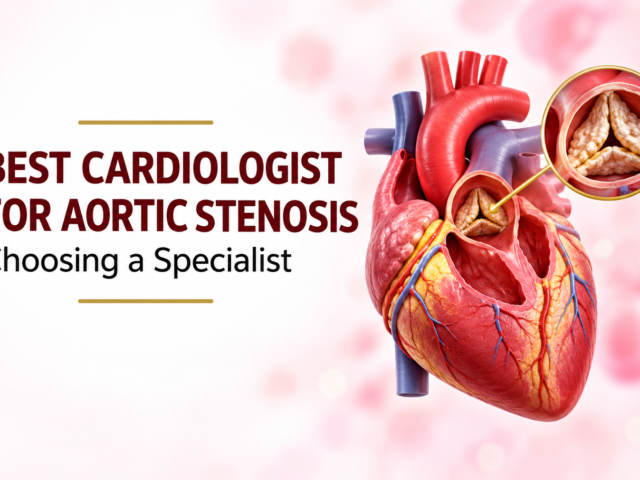
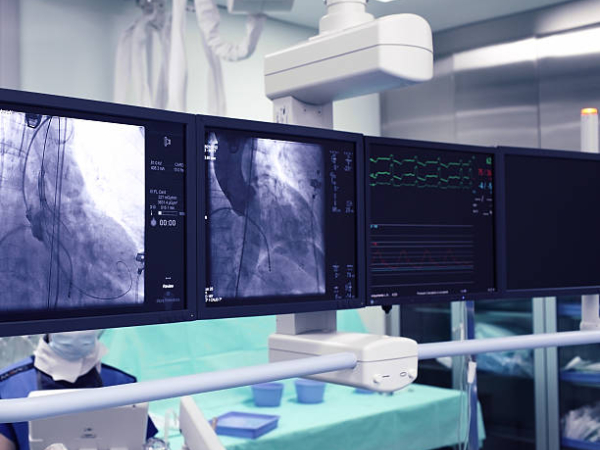
patent-foramen.jpg

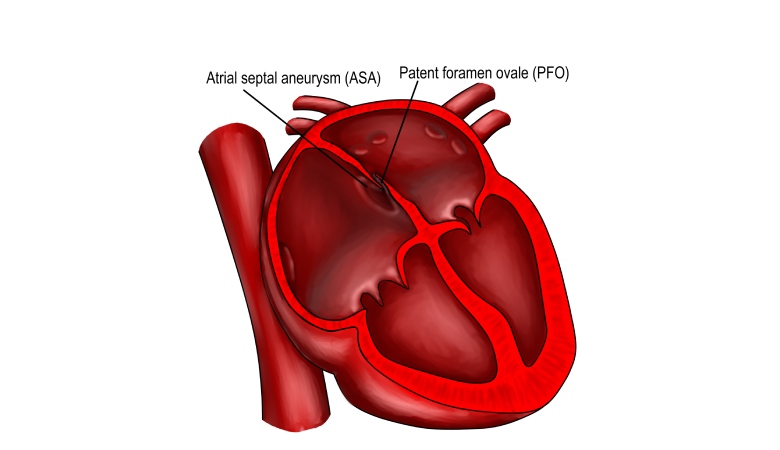
Patent Foramen Ovale (PFO) is a hole in the heart that can be congenital or acquired. The foramen ovale is a flap-like opening between the heart’s upper chambers. It usually closes within three to six months after birth and becomes a part of your heart’s septum.


CT-Coronary-Angiography-1.jpg

Doctors use various diagnostic tests to assess cardiac health and diagnose conditions like coronary artery disease and heart failure. While a coronary angiogram is commonly used to identify these conditions, your doctor can prescribe other tests like CT coronary angiography. 

In our previous blogs, you can read more about the use cases and risks of coronary angiography. In this article, we’ll delve deeper into CT coronary angiography and understand why it’s crucial for people with cardiac ailments.

What Is CT Coronary Angiography?

CT coronary angiography is a type of CT scan that uses special dyes to evaluate the heart’s blood vessels. It can detect blockages in the coronary arteries that supply blood to the heart. It can identify blockages that are too small for other methods, such as a regular angiogram or an electrocardiogram (ECG), to pick up.

CT coronary angiography

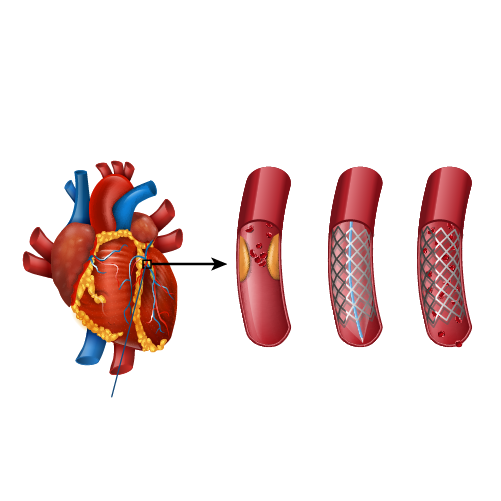
A CT coronary angiography scan aims to find any abnormal areas in your coronary arteries that could be causing stenosis (narrowing) or occlusion (blockage). It helps doctors identify underlying heart-related ailments and determine the right course of treatment.

How Does CT Coronary Angiography Work?

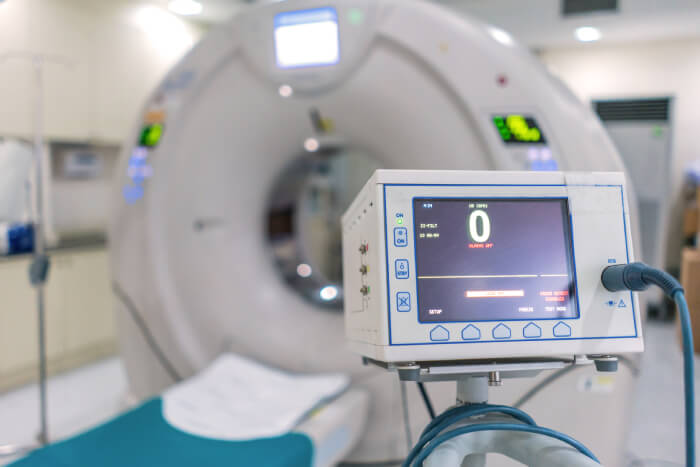
The test is usually done in a hospital or clinic. To begin with, the doctor or radiologist will start an intravenous (IV) line to administer the contrast dye. As the contrast flows through your veins, it will appear on the scan as bright white areas on a black background. It’ll help the doctor see your heart and coronary arteries. 

The test usually lasts about 30 minutes to one hour. The CT coronary angiogram procedure involves two scans: one with diastolic blood flow and another with systolic blood flow. 

When Is CT Coronary Angiography Used?

CT coronary angiography is used to diagnose a heart attack and evaluate blood flow in the heart. Also, doctors use it to detect blockages in arteries that supply blood to the heart muscle.

What Are the Risks of CT Coronary Angiography?

While CT coronary angiography is a non-invasive and safe procedure, it can cause the following side effects:

  • You may have an allergic reaction to the contrast dye.
  • Your body will be exposed to high levels of radiation, which can increase your risk of developing cancer.
  • You might have to pay out of pocket because the test isn’t always covered by insurance.
  • You might experience more anxiety and stress if the scans indicate blockages in your arteries.

What Should I Expect When Having CT Coronary Angiography?

If you are planning to get a CT coronary angiography, you should be prepared for the following:

  • The radiologist will ask you to change into a hospital gown.
  • The radiologist will give you an injection of a contrast dye.
  • You will lie on a table, and the table will move into the CT scanner.
  • The scan is painless and takes about 20 minutes.

Conclusion

CT coronary angiography is a painless and safe test that can help determine if you have blocked arteries. If you have chest pain, you should consider getting the test done as soon as possible because it may save your life.

Dr. C Raghu is a renowned cardiologist with decades of experience. He specializes in interventional cardiology and has treated thousands of patients with cardiac ailments. If you or anyone you know is experiencing symptoms like chest pain, breathlessness, palpitations, etc., reach out to Dr. Raghu today.

Book Online Consultaion


    CT Coronary Angiography – Blog

    DOWNLOAD PDF

    Subscribe the Hearty Life Blogs

      dr. raghu

      DR. RAGHU | CT Coronary Angiography in Hyderabad

      MD, DM, FESC, FACC, FSCAI

      Cardiology Coronary, Vascular and

      Structural Interventions


      Conditions & Diseases

      Coronary angioplasty

      Angioplasty

      Coronary angioplasty

      Aortic Stenosis

      Coronary angioplasty

      Atrial Fibrillation

      Coronary angioplasty

      Atrial Septal Defect


      View More Services


      istockphoto-1254325549-612x612-1.jpg

      October 27, 2022 AbhijitHeart Failure

      In our previous blogs, we’ve explored the causes, symptoms, and treatment options of heart failure. Also, we’ve outlined different types of heart failure in detail. You can click here to check out our previous blogs.

      In this article, we’ll discuss left ventricular ejection fraction, one of the most common parameters doctors use to diagnose heart failure. Let’s dive right in.

      left ventricular ejection fraction

      What Is Ejection Fraction?

      Simply put, ejection fraction is a measure of the amount of blood pumped out from the heart’s lower chambers (ventricles). Ejection fraction can be of two types:

      • Left ventricular ejection fraction
      • Right ventricular ejection fraction

      Right ventricular ejection fraction is the percentage of deoxygenated blood the right ventricle pushes into the lungs. On the other hand, left ventricular ejection fraction (LVEF) is the percentage of oxygen-rich blood pumped out from the left ventricle into the arteries that carry blood to vital organs, muscles, and tissues.

      Typically, doctors use the term “ejection fraction” when they refer to LVEF. If your heart is healthy and well functioning, the ejection fraction will range between 55% to 66%. An ejection fraction lower than 50% is a sign of systolic heart failure (or heart failure with reduced ejection fraction).

      However, it’s possible for you to develop heart failure with an ejection fraction above 50%. In such cases, there’s a problem with the relaxed (or diastolic) phase of the heart’s pumping cycle. The condition is known as diastolic heart failure (or heart failure with preserved ejection fraction).

      It’s worth noting that an abnormally high ejection fraction (above 70%) could be an indication of a heart condition like hypertrophic cardiomyopathy.

      Symptoms of Low Ejection Fraction

      As mentioned earlier, a low ejection fraction (below 50%) is a sign of heart failure. It means that the heart is unable to pump an adequate amount of blood into the arteries. It results in a shortage of blood supply to various organs. Also, it causes excess blood to back up in the lungs.

      The most common symptoms of low LVEF include:

      • Shortness of breath
      • Mental confusion
      • Pale or bluish skin color
      • Swelling in the abdomen, feet, and legs
      • Weight gain (due to fluid buildup)
      • Loss of appetite
      • Coughing and wheezing

      Treatment of Low Ejection Fraction

      Cardiologists use a wide array of tests to detect a low ejection fraction and its underlying cause. These include ECG, echocardiogram, chest X-ray, etc. The course of treatment depends on the underlying disorder that’s causing low LVEF.

      The most common treatment options include medications, such as digoxin (to strengthen the heart’s contractions), beta-blockers (to ease the heart’s workload), and diuretics (to minimize fluid buildup in the body).

      Additionally, your doctor will recommend lifestyle changes, such as weight loss, exercise, and a healthy diet to improve LVEF. Also, it’s a good idea to avoid alcohol consumption and tobacco smoking.

      In Conclusion

      A low LVEF is a prominent sign of systolic heart failure. It can cause symptoms like shortness of breath and fluid buildup in the body. If you’ve been diagnosed with a low ejection fraction, consult your doctor to explore your treatment options.

      Dr. C Raghu is an eminent cardiologist with years of experience. He specializes in interventional cardiology. If you or anyone you know is experiencing symptoms of heart failure, feel free to consult Dr. Raghu today.


      Book Online Consultaion


        Left Ventricular Ejection Fraction Blog

        DOWNLOAD PDF

        Subscribe the Hearty Life Blogs

          dr. raghu

          DR. RAGHU | Best Cardiologist in Hyderabad

          MD, DM, FESC, FACC, FSCAI

          Cardiology Coronary, Vascular and

          Structural Interventions


          Conditions & Diseases

          Coronary angioplasty

          Angioplasty

          Coronary angioplasty

          Aortic Stenosis

          Coronary angioplasty

          Atrial Fibrillation

          Coronary angioplasty

          Atrial Septal Defect


          View More Services


          Dr raghu logo


          Dr raghu logo


          Call us now if you are in a medical emergency need, we will reply swiftly and provide you with a medical aid.


          For Appointment with Dr Raghu: +91 80085 36699
          Dr Raghu’s Patient Coordinator: +91 72860 10203
          Dr Raghu’s Office Experience: +91 90001 65962
          Dr Raghu’s Social Media Communication Channel: +91 97046 51708

          Dr. Raghu | Heart Specialist in Hyderabad
          Yashoda Hospitals, Raj Bhavan Road, Somajiguda, 1st floor, Room No. 115, Hyderabad -500082, Telangana

          Best Cardiologists in Hyderabad


          © 2024, Dr. Raghu. All rights reserved. Design & Developed by AMSDigital.in

          [gtranslate]
          +91-9542475650