menu trigger
menu trigger


Monday - Sunday 08:00 AM - 08:00 PM+91 95424 75650 | Emergency Service 24/7Book an AppointmentDigital Visiting Card
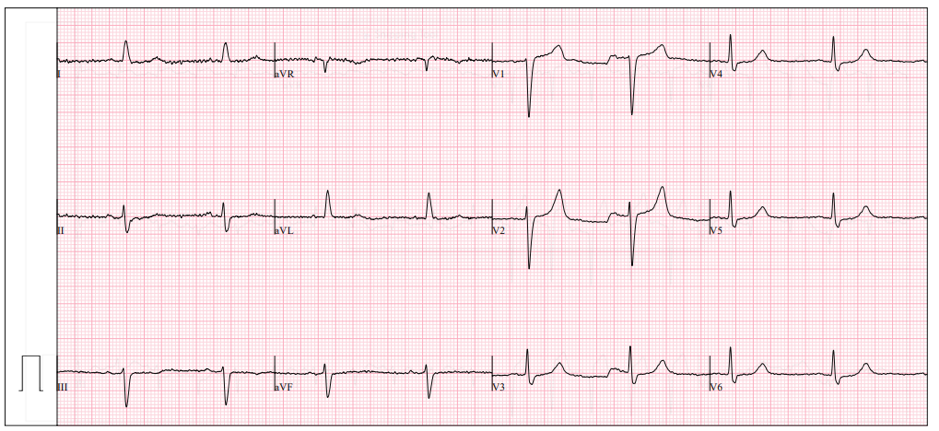
What is Bradycardia?
- Bradycardia is a slower heart rate than normal. The normal heart rate lies between 60 to 100 beats per minute during resting position, whereas in bradycardia it is less than 60 beats per minute.
- Bradycardia becomes a serious problem when the heart does not pump oxygen-rich blood to other parts of the body.
- However, in some individuals like athletics, bradycardia is not a serious problem.
What are the symptoms of Bradycardia?
- Lightheadedness
- Dizziness
- Syncope (Fainting)
- Shortness of breath
- Chest pain
- Fatigue
- Confusion
- The trouble with physical activity or exercise
What are the causes of Bradycardia?
- Heart-related problems like heart block, the problem with sinus node, Lyme disease or congenital heart disease
- Hypothyroidism
- Obstructive sleep apnea
- Imbalance of potassium or calcium levels in the blood
- Medication used to correct heart rate and rhythm
- Trauma
- Radiation therapy
What increases the risk of Bradycardia?
- Older age
- Hypertension (High blood pressure)
- Diabetes (High blood sugar levels)
- Smoking
- Alcohol intake
- Stress or anxiety
What are the complications of Bradycardia?
- Heart failure
- Cardiac arrest
- Sudden death
How is Bradycardia diagnosed?
- Electrocardiogram: This is a noninvasive test, to check the electrical activity of the heart which determines rate and rhythm.
- Echocardiogram: Utilizes ultrasound images to check chambers, valves of the heart
- Holter monitoring: The patient is advised to wear a portable device to record continuous ECG for about 24 to 72 hours.
- Event monitoring: If a patient presents a normal heartbeat during Holter monitoring or palpitation present weekly once, a doctor might recommend an event monitor. A small device intended to monitor heartbeat over a period of a week to a month.
How is Bradycardia treated?
- Treatment of the underlying disease such as Hypothyroidism, Diabetes, Heart disease or High blood pressure
- A small and battery-operated device called a pacemaker is implanted beneath the skin to correct the heart’s rate and rhythm during bradycardia
- Manage stress levels
- Avoid stimulants such as nicotine and caffeine
- Avoid alcohol intake
Our Specialities
- Conditions
Conditions
- Acute limb ischemia
- Chronic limb ischemia
- Aortic stenosis
- Mitral valve stenosis
- Mitral valve regurgitation
- Atrial fibrillation
- Tachycardia
- Bradycardia
- Palpitations
- High blood pressure
- Atrial septal defect
- Ventricular septal defect
- Patent ductus arteriosus
- Cardiac amyloidosis
- Hypertrophic cardiomyopathy
- Varicose veins
- Deep vein thrombosis (DVT)
- Myocarditis
- Endocarditis
- Pericarditis
- Peripheral arterial disease
- Pulmonary artery hypertension
- Pulmonary embolism
- Cath lab procedures:
Cath lab procedures:
- Coronary Angiogram
- Primary Angioplasty
- Coronary Angioplasty
- CHIP Angioplasty
- Aortic valve replacement surgery
- Mitral valve replacement surgery
- Device closure for Atrial septal defect
- Device closure for Ventricular septal defect
- Device closure for Patent Ductus Arteriosus
- Transcatheter aortic valve replacement (TAVR)
- Inferior vena cava (IVC) filter
- LA appendage closure
- Fistuloplasty
- Balloon mitral valvotomy
- 24 hours emergency services
24 hours emergency services
- Clinics- weekly basis/monthly basis/ Yearly basis
Clinics- weekly basis/monthly basis/ Yearly basis
- Prevention of cardiovascular diseases
Prevention of cardiovascular diseases
- Diagnosis
Diagnosis
BOOK AN APPOINTMENT

Dr. RAGHU
MD, DM, FESC, FACC, FSCAI
Cardiology Coronary, Vascular and
Structural Interventions
Cardiology Coronary, Vascular and
Structural Interventions
Conditions & Diseases
Angioplasty
Aortic Stenosis
Atrial Fibrillation
Atrial Septal Defect

+91 95424 75650
For Appointment with Dr Raghu:
+91 80085 36699
Dr Raghu’s Patient Coordinator:
+91 72860 10203
Dr Raghu’s Office Experience:
+91 90001 65962
Dr Raghu’s Social Media Communication Channel:
+91 97046 51708

© 2024, Dr. Raghu. All rights reserved. Design & Developed by AMSDigital.in