
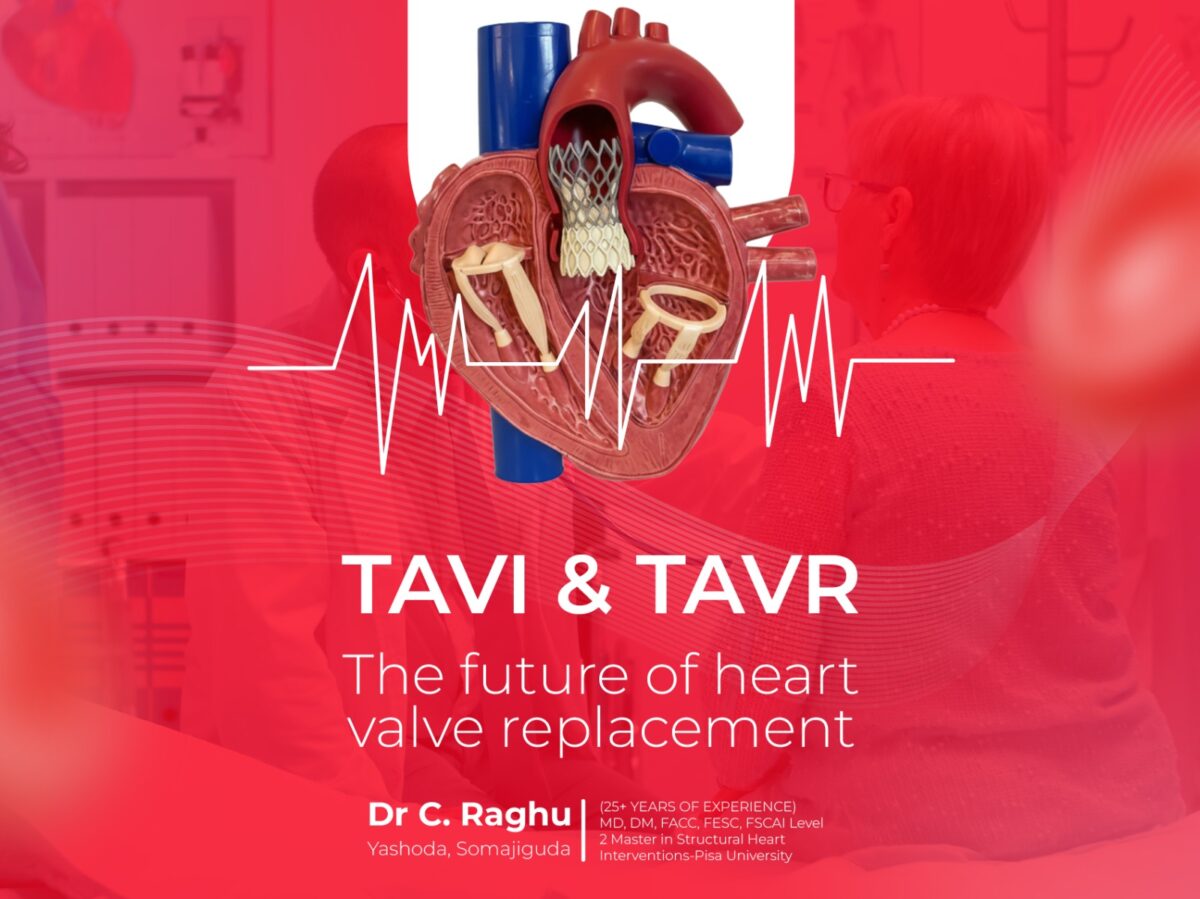
Many people worry about needing heart surgery for their aortic valve. TAVI & TAVR Doctor the future of heart valve replacement, now offer a minimally invasive option that can help patients recover faster.
This blog will explain how TAVI and TAVR work, why they matter, and when you should talk with a TAVR doctor in Hyderabad, tavi expert in Hyderabad, or tavr doctor in India. Find out if this new procedure is right for you.
Key Takeaways
- TAVI and TAVR are new, minimally invasive ways to replace a damaged aortic valve. They use catheters instead of open-heart surgery, so patients heal faster and spend less time in the hospital.
- Studies show that patients who get TAVI/TAVR have fewer complications than those with traditional heart surgery. Most people go home in one or two days after treatment.
- Doctors now use advanced imaging tools during these procedures. These tools help guide the new valve into place with high accuracy for better patient results.
- The new valves used in TAVI/TAVR last longer than before, lowering the need for future surgeries. Patients enjoy a better quality of life after recovery.
- As technology improves, experts believe more people will qualify for this procedure. This could change how doctors care for heart valve problems worldwide.
Understanding TAVI/TAVR Doctor Hyderabad
TAVI and TAVR offer a revolutionary approach to heart valve replacement. These procedures involve inserting a new valve through a small incision, reducing the need for extensive surgery.
The concept of minimally invasive heart valve replacement
Minimally invasive heart valve replacement offers patients a less traumatic option for treating aortic valve issues. This technique uses transcatheter technology to place new valves without large chest incisions.
Surgeons insert catheters through small punctures, often in the groin, and guide them to the heart.
Patients experience fewer complications and shorter recovery times with this method. The procedure reduces hospital stays significantly compared to traditional heart surgery methods.
With advancements in imaging techniques and clinical trials, TAVI/TAVR continues to demonstrate improved patient outcomes and increased valve durability.
How TAVR/TAVI works
TAVR, or Transcatheter Aortic Valve Replacement, involves a minimally invasive approach to heart valve replacement. Surgeons access the heart through a blood vessel, often in the leg.
They then guide a catheter to the damaged valve site. The new valve expands inside the old one and takes over its function.
This procedure reduces recovery time compared to traditional surgery. Patients experience less pain and fewer complications with TAVR/TAVI. Innovations in imaging techniques allow doctors to plan each step carefully, enhancing overall outcomes for patients needing aortic valve replacements.
Next, advancements promise exciting changes for TAVI/TAVR technology in cardiac care.
Advantages and benefits
TAVR and TAVI provide significant advantages for patients needing heart valve replacement. These procedures use a minimally invasive approach that reduces recovery time compared to traditional surgical intervention.
Patients often leave the hospital within one or two days, which allows them to return to their daily activities sooner.
The benefits extend beyond quick recovery. TAVI/TAVR also improves patient outcomes by reducing complications related to heart surgery. The transcatheter techniques used offer excellent valve durability, ensuring long-lasting solutions for those with aortic valve issues.
Improved imaging techniques aid doctors in making precise assessments and decisions during the procedure, enhancing overall care quality for cardiovascular patients.
The Future of TAVI/TAVR
TAVI and TAVR show great promise for transforming heart valve replacement. Advancements in technology lead to better patient outcomes and increased accessibility for those needing care.
Technological advancements and innovations
Recent technological advancements in heart valve replacement show great promise. Innovations such as transcatheter aortic valve replacement (TAVR) have made procedures less invasive.
Surgeons now use advanced imaging techniques to guide these interventions. This precision leads to improved patient outcomes and shorter recovery times.
Healthcare providers are excited about the enhanced durability of new valves. These innovations can last longer, reducing the need for further surgeries. Studies indicate that many patients experience significant relief from symptoms soon after their procedures.
Increased awareness of these options helps patients make informed decisions regarding their care.
Improved patient outcomes
TAVI and TAVR represent significant advancements in heart valve replacement. These minimally invasive techniques improve patient outcomes for those with aortic valve issues. They allow many patients to undergo procedures without the need for major surgery, leading to shorter recovery times.
Studies show that patients experience fewer complications compared to traditional surgical interventions.
The success rates of TAVI and TAVR continue to rise as technology evolves. Enhanced imaging techniques guide doctors during the procedure, ensuring precision in placement. Valve durability has also improved, providing long-lasting solutions for patients.
This progress supports better cardiovascular health and empowers individuals to maintain active lifestyles post-surgery.
You can also read this: TAVR/TAVI Procedure in Hyderabad Minimally Invasive Care
Potential for revolutionizing cardiac care
TAVI and TAVR hold great promise for transforming cardiac care. These advancements in minimally invasive heart valve replacement offer patients a safer option compared to traditional surgical interventions.
Patients experience shorter recovery times and less pain after procedures. These benefits lead to improved patient outcomes, making the replacement of aortic valves more accessible.
Technological innovations in imaging techniques help doctors better plan surgeries. They can visualize heart structures with precision, which enhances the accuracy of transcatheter procedures.
Valve durability has also improved significantly over recent years, increasing confidence in long-term outcomes. As these techniques evolve further, they will likely reshape how cardiologists approach valve repair and replacement.
To consult with Dr. C. Raghu, Interventional Cardiologist at Yashoda Hospital, Somajiguda, Hyderabad, use the direction Get Direction
FAQs
1. What are the main indications for TAVI and TAVR in heart valve replacement?
Doctors use transcatheter aortic valve implantation or replacement, called TAVI and TAVR, for patients with severe aortic valve disease who may not tolerate open heart surgery.
2. How do minimally invasive techniques like TAVI differ from traditional surgical intervention?
TAVI uses catheters to replace the damaged aortic valve without opening the chest fully; this reduces recovery time compared to standard heart surgery.
3. What role do imaging techniques play in patient outcomes after valve replacement?
Imaging techniques help guide doctors during transcatheter procedures, ensuring precise placement of new valves; this improves safety and patient outcomes.
4. How does valve durability compare between transcatheter and surgical replacements?
Both methods offer durable results, but ongoing studies monitor how long each type of replaced aortic valve lasts over time.
5. Why are clinical guidelines important when choosing between surgical intervention and transcatheter approaches in cardiology?
Clinical guidelines help doctors decide which patients will benefit most from either minimally invasive or open-heart options by considering risks, benefits, and individual health needs.