
Getting to Know Atrial Septal Defect: The Facts
Understanding the Confusion Around Heart Health
You’re health-conscious. You read medical journals regularly. Yet, when it comes to choosing the best cardiologist for your dear ones’ complex heart conditions, you feel overwhelmed. You’re not alone, confused; many people are like you. Many informed patients in Hyderabad, who read well, too, in Bangalore, Mumbai, and Chennai, face this exact challenge when they discover something unusual about their heart. Today, we’ll discuss a condition that often flies under the radar until adulthood, Atrial Septal Defect.
What Exactly Is an Atrial Septal Defect?
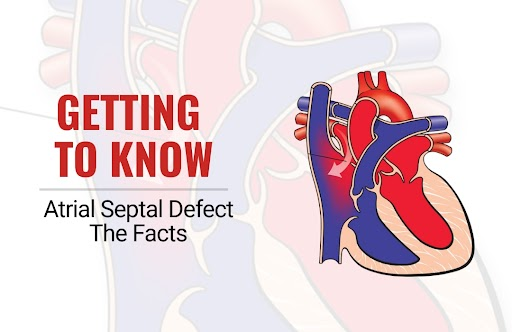
Atrial Septal Defect, or ASD, is a hole in the wall between your heart’s two upper chambers. Think of it as an unwanted doorway that shouldn’t exist.
Here’s what happens in your heart:
- Your heart has four chambers—two atria on top and two ventricles below
- Normally, a solid wall separates the left and right atria
- In ASD, you have an opening in this wall
- This opening allows oxygen-rich blood to mix with oxygen-poor blood
You might wonder why you’re just hearing about this now, especially if you’re over 35. The truth is, ASD often doesn’t cause noticeable symptoms in childhood. You could have lived with this condition for decades without knowing.
Why Should You Pay Attention Now?
As you age, your heart works harder. That small hole that didn’t bother you in your twenties will start showing its effects now.
The Consequences You’ll Face Without Treatment
Your body will start sending you warning signals:
- You’ll feel exhausted after routine activities
- Shortness of breath will become your constant companion
- Your heart may develop irregular rhythms, including Atrial Fibrillation
- You might experience frequent respiratory infections
- Swelling in your legs and feet will appear
Here’s the concerning part: if you ignore these symptoms, you’re setting yourself up for serious complications.
What Happens If You Don’t Act?
Your heart will continue to overwork. The right side of your heart will enlarge as it pumps excess blood. You’ll develop pulmonary hypertension—high blood pressure in your lungs. Eventually, your heart will start to fail.
How Do You Know If You Have ASD?
You’ll need a proper diagnostic evaluation. A cardiologist in India can detect ASD through:
- Echocardiogram (ultrasound of your heart)
- Electrocardiogram (ECG)
- Chest X-ray
- Cardiac MRI or CT scan
These tests will show the size and location of the defect. They’ll also reveal how much strain your heart is experiencing.
Your Treatment Options
Good news—you have effective solutions available.
For Small Defects
Some small ASDs close on their own. Your cardiologist will monitor you regularly. You’ll need periodic echocardiograms to track any changes.
For Significant Defects
You have two main approaches:
Catheter-Based Closure:
- Your doctor will insert a device through a blood vessel in your groin
- They’ll guide it to your heart and seal the hole
- You’ll recover quickly with minimal scarring
- This procedure works like advanced interventions, such as TAVR expert or TAVI, which top experts.
Surgical Repair:
- For larger or complex defects, you might need open-heart surgery
- Surgeons will close the hole with stitches or a patch
- Recovery takes longer, but results are excellent
Finding the Right Specialist
You need someone with extensive experience in structural heart interventions. Look for the
best cardiologist in Hyderabad who specializes in adult congenital heart disease.
Your ideal cardiologist will:
- Listen to your concerns thoroughly
- Explain your condition in clear terms
- Discuss all treatment options with you
- Have proven expertise in catheter-based procedures
Taking Control of Your Heart Health
You’ve already taken the first step by educating yourself. Now, you need to act. Don’t let confusion about choosing a cardiologist delay your care.
Schedule a consultation with an interventional cardiologist who can provide a comprehensive evaluation and treatment. Your heart has been working overtime for years—it deserves expert attention now.
You can also read:- Anxiety and Depression Among Youth as Adverse Effects
About Dr. C. Raghu
Dr. C. Raghu is an interventional cardiologist practicing at Yashoda Hospital, Somajiguda, Hyderabad. With extensive experience in complex cardiac interventions and structural heart disease, Dr. Raghu provides advanced care for patients seeking excellence in cardiac treatment.
Ready to take the next step in your heart health journey? Visit drraghu.com to schedule your consultation today.