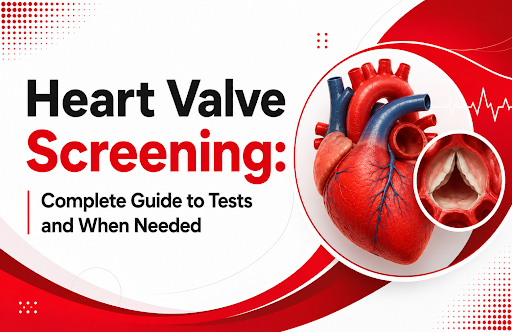
Heart-Valve-Screening.png

June 23, 2026 AbhijitHearty Life

The Silent Problem You Might Not Know You Have Heart Valve Screening

Heart Valve Screening. You’re sitting at your desk. You’re catching your breath after climbing those three flights of stairs. Your chest feels a bit tight. You think, “Maybe I’m just getting old.” You ignore it and move on. But what if it’s something more? What if your heart valves, those tiny doors inside your heart, are not working the way they should?

Here’s the thing. You can’t feel your heart valves failing. They don’t send you warning signals like your back pain or your migraine does. They just silently stop working. And by the time you notice something is wrong, the damage might already be serious. This is why heart valve screening matters. This is why you need to know about it. Because you’re not getting any younger. And neither are your heart valves.

Understanding Your Heart Valves and Why They Matter
What Are These Valves Anyway?

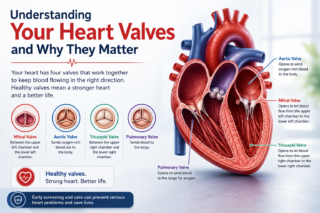
Think of your heart like a house with four rooms. Each room has doors. These doors are your heart valves. Their job? They keep blood flowing in one direction. They make sure blood doesn’t flow backward. They work 24/7. Day and night. Without rest.

Your heart has four valves:

  • The mitral valve – It’s between your upper left chamber and your lower left chamber
  • The aortic valve – It sends oxygen-rich blood out to your body
  • The tricuspid valve -It works between your upper right chamber and your lower right chamber
  • The pulmonary valve – it sends blood to your lungs

All of them are important. All of them work together. And when one of them starts to fail, your whole system gets confused.

What Happens When Valves Go Wrong?

Let’s be honest. Your lifestyle might have caught up with you. Years of stress. Years of fast food. Years of sitting at your desk. Years of not exercising. Your heart has been working hard for you.

When valve problems develop, two main things happen:

Valve Stenosis – The valve becomes too tight. Blood cannot flow through it easily. Your heart has to work harder. It gets exhausted. Think of a clogged pipe. Water can’t flow freely.

Valve Regurgitation – The valve doesn’t close properly. Blood leaks backward. It’s like a door that doesn’t shut completely. All that leaking weakens your heart over time.

What’s the real problem? You feel tired. You get short of breath, and your legs swell up. You might feel like your heart is racing. These symptoms seem normal when you’re middle-aged and busy. But they’re not normal. They’re your body sending you a message.

Also read: Top Heart Specialist in Hyderabad, Dr C. Raghu, Cardiologist 

Why You Need Heart Valve Screening

Your Risk Factors Are Real

Let me ask you something. Do you have high blood pressure? Are you overweight? Do you have diabetes? Did your parents have heart problems? Are you over 50? Have you had infections?

If you answered yes to any of these, you need to be screened. It’s that simple.

You’re not alone in this. Thousands of people like you—working professionals, busy parents, and successful people—are walking around with valve problems they don’t know about. Some of them will face serious complications. Some will have heart attack symptoms that they could have prevented.

Here’s what you need to understand: Early detection saves lives.

The Real Consequences of Ignoring It

Your heart gets weaker – It has to pump harder. It gets tired. Eventually, it can’t pump enough blood to your body.

You get heart failure – Your body doesn’t get enough oxygen. You feel exhausted all the time.

You might have a stroke – Blood clots can form in your heart and travel to your brain.

Your quality of life drops – You can’t climb stairs. You can’t play with your grandchildren. You can’t do the things you love.

You might need emergency surgery – Sudden valve problems are dangerous. Emergency surgery is riskier than planned surgery.

But here’s the good news. If you catch it early, your doctors can manage it. You can live a normal life. You can prevent the worst outcomes.

Also read: Meet Cardiologist in India, Dr C. Raghu Yashoda, Somajiguda 

Heart Valve Screening Tests: What You Need to Know

Test #1: The Echocardiogram – Your Best Friend

This is your main test. It’s painless. It’s non-invasive. No needles. No radiation.

How does it work? A technician puts a small device on your chest. It sends sound waves into your heart. These sound waves create a picture of your heart. The doctor can see how your valves are working. Can see how blood is flowing.

Why does it matter? It shows problems clearly. It’s accurate. It’s safe.

When do you need it? If you have symptoms. If you have risk factors. If your doctor hears something unusual with a stethoscope.

Test #2: The ECG – Quick and Easy

An electrocardiogram records your heart’s electrical activity. It takes about 10 minutes.

What happens? They put small pads on your chest. A machine reads your heart’s rhythm.

Why does it matter? It shows if your heart is under stress. It shows irregular rhythms.

Test #3: The Stress Test – For the Brave

This one makes you work. You walk on a treadmill. Your heart rate goes up. The machine monitors what happens.

Why does it matter? It shows how your heart performs under pressure. Real pressure. Like when you’re running to catch a bus.

Test #4: The Cardiac CT – For Detailed Images

Sometimes doctors need more details. A CT scan creates detailed pictures of your heart.

Why does it matter? It’s useful when your doctor suspects specific problems. Like aortic valve stenosis or other serious conditions.

Test #5: The Catheterization – When You Need Definite Answers

This is more invasive. A thin tube goes into your artery. It reaches your heart. Doctors can measure pressures inside your heart.

Why does it matter? It gives precise information. It helps doctors plan treatment.

When You Actually Need Screening, Let’s Get Practical

You should get screened if you have any of these:

  • You’re over 50 – Time is catching up
  • You have high blood pressure – It stresses your valves
  • You have diabetes – It damages your heart over time
  • You’re overweight – Extra weight means extra work for your heart
  • You smoke – You know this already. It damages everything
  • You’re tired all the time – Not normal tiredness
  • You get short of breath easily – When climbing stairs, you shouldn’t get this tired
  • Your ankles swell – Especially at the end of the day
  • You have chest pain – This is serious. Don’t ignore it
  • Your family has heart problems – Genetics matter
  • You had rheumatic fever as a child – It can affect your valves years later
  • You have an irregular heartbeat – You feel your heart skipping beats

What Happens After Screening?

Your doctor finds something. Now what?

If it’s mild, you get monitored. Regular check-ups. Healthy lifestyle changes. This is manageable.

If it’s moderate, you might need medication. You might need lifestyle changes. You avoid strenuous activities.

If it’s severe, you might need intervention. An interventional cardiologist in Hyderabad or anywhere else can discuss options. Surgery. Valve replacement. Modern procedures are less invasive than before.

Your Action Plan Starts Now

You don’t have to be scared. You just need to be smart.

Step 1: Schedule a check-up – Talk to your doctor. Tell them your concerns.

Step 2: Be honest about symptoms – Don’t downplay anything. Doctors need the truth.

Step 3: Get screened if advised – Don’t delay. Not for tomorrow. Not for next month.

Step 4: Follow the plan – If your doctor gives you recommendations, follow them. This is your life.

Step 5: Make lifestyle changes – Eat better. Move more. Reduce stress. Sleep properly. These things matter.

Also read: Best Heart Doctor in Hyderabad, Why Dr. C Raghu 

Take Control of Your Health Today

Your heart has been working for you your whole life. It’s time to work for your heart. Don’t wait for symptoms to become serious. Heart valve problems are manageable when caught early. They’re dangerous when ignored.

If you’re experiencing any symptoms or have risk factors, don’t brush them aside. Connect with an experienced Top cardiologist in Hyderabad or specialists near you who can properly evaluate your heart health through comprehensive heart valve screening.

Visit drraghu.com today to schedule your consultation with Dr. C. Raghu, an interventional cardiologist specializing in heart valve conditions. Your heart deserves the best care.

About the Expert

Dr. C. Raghu is an interventional cardiologist with expertise in treating valve disorders, including aortic stenosis specialist care. He practices at Yashoda Hospital, Somajiguda, Hyderabad, and is recognized as one of the best cardiologists in Hyderabad for his patient-focused approach to cardiac care. Dr. Raghu believes in early detection and preventive cardiology to help patients live longer, healthier lives.

Heart-Disease.png

December 30, 2025 AbhijitHearty Life

Many people today worry about how coffee affects heart health—especially those dealing with a minor heart attack, small heart attack, or recovering after a heart attack in the gym. Coffee is one of the most consumed beverages worldwide, and its impact on cardiovascular health continues to draw attention from both patients and doctors.

To clear the confusion, we spoke to leading heart experts, including a Heart Specialist in Hyderabad, a senior cardiologist in India, and a top doctor performing advanced treatments like Balloon Mitral Valvotomy. Here’s what the experts say about whether coffee is safe for people with heart conditions.

Key Takeaways

  • Cardiologists in Hyderabad emphasize that people with heart disease can enjoy coffee — but only in moderation.
  • Moderate caffeine consumption may be safe for most heart patients and could even improve circulation and heart function.
  • Overconsumption may raise blood pressure or trigger irregular heartbeats (atrial fibrillation), especially in sensitive individuals or those recovering from a small heart attack.
  • Always consult your cardiologist before changing your coffee intake.
  • Herbal teas and decaffeinated options are safer alternatives that support heart wellness.

Is Coffee Safe for Individuals With Heart Disease?

The answer depends on your health. For most people with stable cardiovascular disease, moderate coffee intake — about one or two cups a day — is generally safe. Studies show caffeine might not harm heart health when consumed within limits.

However, patients who have experienced a minor heart attack or complications such as arrhythmia should be cautious. Too much caffeine can lead to palpitations, anxiety, or blood pressure spikes. Those with a history of heart attack in gym situations — where extreme exertion contributed to cardiac stress — must strictly regulate caffeine intake.

If you’re monitoring your heart’s pumping efficiency, it’s also wise to understand your normal ejection fraction by age chart, which helps you measure how well your heart is functioning while making dietary decisions like coffee consumption.

Potential Risks of Drinking Coffee for Heart Patients

Excess caffeine can increase the heart rate, elevate blood pressure, and in some cases, trigger conditions like atrial fibrillation. This irregular heartbeat can be dangerous for people recovering from a small heart attack or undergoing procedures like Balloon Mitral Valvotomy.

Too many cups of coffee may also intensify restlessness or stress, both of which negatively affect heart health. Additionally, sugary coffee drinks can worsen cardiovascular risks, so patients must choose wisely—avoid excess sugar and cream to protect heart function.

Safer Alternatives to Coffee

If you love the warmth of coffee but worry about your heart, try herbal teas. Options like chamomile, hibiscus, or rooibos soothe the body and have no caffeine. They can also reduce stress and support relaxation.

Decaffeinated coffee offers another good choice. It provides similar flavor and aroma without caffeine’s stimulating effects. Smoothies rich in antioxidants, such as those made from berries and leafy greens, promote heart health while keeping energy levels stable.

You can also read this : Hyderabad Cardiologist Reveals 5 Silent Heart Warning Signs

Expert Advice on Lifestyle Choices

Beyond caffeine, overall lifestyle plays a key role in heart recovery and prevention. Doctors recommend maintaining healthy weight, regular moderate exercise, and following medical advice after a minor heart attack or any cardiac event.

If your normal ejection fraction by age chart shows reduced output, discuss with your cardiologist before making dietary adjustments, including caffeine consumption. Personalized guidance ensures you stay within safe health limits.

Conclusion

Enjoying coffee when you have heart disease isn’t entirely off-limits—but it requires mindfulness. Moderation is the golden rule. For anyone with heart conditions, particularly those healing from a small heart attack, heart attack in gym, or undergoing Balloon Mitral Valvotomy, expert consultation is essential before making caffeine part of your daily routine.

Choosing alternatives like herbal teas or decaf coffee can provide comfort without increasing risk. Always keep track of your heart’s performance using tools like a normal ejection fraction by age chart and follow your doctor’s advice for long-term heart wellness.

You can also read this : How Many Cigarettes a Day Can Trigger a Heart Attack Risk?

To consult with Dr. C. Raghu, Interventional Cardiologist at Yashoda Hospital, Somajiguda, Hyderabad use the direction Get Direction

FAQs

  1. Is coffee safe for people with heart disease?
    Yes, moderate coffee intake is typically safe for most individuals, but those recovering from a minor heart attack should consult their doctor first.
  2. How does caffeine affect heart health?
    Caffeine can temporarily raise blood pressure and heart rate, which may cause issues for people with arrhythmia or reduced ejection fraction.
  3. Should I avoid coffee if I have high blood pressure?
    People with hypertension or a history of a heart attack in gym should limit caffeine consumption and monitor blood pressure regularly.
  4. Does adding sugar make coffee more risky?
    Yes, sugar increases calories and contributes to poor heart health, especially in patients with cardiovascular issues.
  5. What do experts recommend overall?
    Cardiologists emphasize balance — moderate caffeine intake, a heart-healthy diet, and regular checkups for those managing conditions like small heart attack recovery or post-Balloon Mitral Valvotomy care.

heart-attack-risk.jpeg

December 26, 2025 AbhijitHearty Life

Heart doctor in Hyderabad. Many people wonder how many cigarettes a day trigger a dangerous heart attack risk. Studies show that even a few cigarettes can increase the chance of heart disease and stroke. This blog shares what top health experts, a heart attack specialist in Hyderabad, a leading heart doctor in Hyderabad, and a skilled heart expert say about safe cigarette consumption and ways to protect your cardiovascular health.

Keep reading to learn the daily cigarette limit for reducing your risk.

Key Takeaways

  • Even smoking one to five cigarettes a day greatly increases heart attack and stroke risk, according to research.
  • Experts agree that no amount of smoking is considered safe for heart health.
  • More than five cigarettes daily raises the dangers of cardiovascular disease even higher.
  • Quitting or cutting back on smoking lowers your chances of heart problems fast.
  • Smoking damages blood vessels, raises blood pressure, and increases cholesterol—even with small amounts each day.

Identifying the Daily Cigarette Limit

Experts often highlight the daily cigarette limit that raises heart attack risk. Current research shows a clear link between smoking habits and increased heart disease rates.

Experts determine the number of cigarettes that increases the risk of heart attacks

Research shows that smoking even a few cigarettes daily raises heart attack risk. Studies indicate that individuals who smoke more than five cigarettes each day face significant hazards related to heart disease.

The dangers increase with higher cigarette consumption. Smoking contributes not only to cardiovascular issues but also affects overall health in numerous ways.

Heart experts examine links between tobacco use and mortality rates from heart attacks and strokes. They find clear evidence supporting the idea that reducing cigarette exposure can enhance heart health.

Quitting or cutting back on smoking lowers cardiovascular risk significantly, improving general well-being over time.

Research on the correlation between smoking and heart disease

Experts determine the number of cigarettes that increases the risk of a heart attack. Smoking raises the chances of developing heart disease significantly. Studies show a direct link between tobacco use and cardiovascular problems.

Cigarette consumption, even in small amounts, can lead to serious health effects.

Many research findings indicate that smoking causes damage to blood vessels and increases cholesterol levels. When people smoke, nicotine narrows the arteries and makes it harder for blood to flow freely.

Heart attack and stroke risks rise with every cigarette smoked daily. Quitting smoking greatly improves heart health and reduces these risks over time.

You can also read this:- Top Heart Specialist in Hyderabad, Dr C. Raghu, Cardiologist

The Recommended Daily Limit for Cigarettes

Experts recommend that smokers limit their cigarette consumption to reduce heart attack risks. Consuming even a few cigarettes daily can significantly impact heart health and increase the dangers associated with cardiovascular disease.

How many cigarettes are considered safe?

Most health experts agree that no amount of smoking is truly safe. Studies show that even a few cigarettes a day can increase the risk of heart attack and heart disease. Smoking just one to five cigarettes daily raises cardiovascular risk significantly.

Those who smoke more than this face even greater dangers.

For individuals concerned about their health, reducing cigarette consumption is essential. Quitting smoking entirely offers the best chance to improve heart health and reduce risks for serious conditions like stroke and heart attacks.

Seeking cessation support can lead to lasting benefits for overall well-being. The focus now shifts to understanding the effects of exceeding the daily limit on heart health.

Effects of exceeding the daily limit on heart health

Exceeding the daily limit of cigarettes significantly harms heart health. Smoking increases blood pressure and damages blood vessels. These changes heighten the risk of heart disease and heart attacks.

Studies show that even a few extra cigarettes each day can lead to serious cardiovascular issues. Smokers who ignore these limits face a greater chance of stroke as well.

As cigarette consumption rises, the chances of developing life-threatening conditions grow. Heart attack risks climb sharply with increased tobacco use. Quitting smoking offers immediate benefits for heart health, as it improves circulation and reduces stress on the cardiovascular system.

Making positive changes now can protect against dangerous outcomes in the future.

You can also read this:- 7 Heart-Healthy Foods That You Should Eat

Tips for quitting smoking and improving heart health

Quitting smoking significantly boosts heart health. Many strategies help smokers break free from tobacco use. Setting a quit date is crucial; it creates commitment and focus. Seeking support from friends, family, or support groups provides encouragement and accountability.

Behavioral changes also aid the quitting process. Finding healthier habits can reduce cravings for cigarettes. Regular exercise strengthens the heart and reduces the risk of cardiovascular disease.

Eating a balanced diet helps improve overall health while reducing stroke chances. Incorporating these tips fosters lasting change and promotes better heart health after years of smoking.

So take the next step today.

Meet Dr C. Raghu, senior interventional cardiologist at Yashoda Hospital, Somajiguda.
Your heart will thank you.

Call  → +91 95424 75650
Get Direction

FAQs

1. How many cigarettes a day increase heart attack risk?

Even one cigarette each day raises cardiovascular risk. Studies show that low cigarette consumption still increases the chance of heart disease and stroke.

2. What is the daily cigarette limit to avoid dangerous health effects?

There is no safe daily limit for tobacco use. Experts state that any smoking, even less than five cigarettes per day, can trigger a dangerous heart attack risk.

3. Why does smoking cause higher chances of heart disease?

Smoking harms blood vessels and makes arteries narrow. This damage leads to greater risk factors for both heart attacks and strokes.

4. Can quitting smoking lower my cardiovascular risk?

Yes, stopping tobacco use lowers your chances of a future heart attack or stroke over time; this preventive measure helps reverse some health effects linked to smoking.

5. What did experts find about light smokers in their meta-analysis?

Meta-analysis results reveal that people who smoke only a few cigarettes per day still face much higher rates of cardiovascular problems compared to non-smokers; there is no safe level for cigarette consumption when it comes to preventing serious health risks.


top-heart-specialist-in-hyderabad.png

December 23, 2025 AbhijitHearty Life

If you worry about heart problems, you need the right care from a top heart specialist in Hyderabad. Heart disease affects millions, and finding an expert cardiologist in Hyderabad or even a skilled cardiologist in India is important for your health and peace of mind.

This guide will show how Dr C. Raghu, Interventional Cardiologist, offers advanced treatment and compassionate patient care to help solve your concerns. Discover why so many trust him with their cardiac health.

Key Takeaways

  • Dr C. Raghu is a leading interventional cardiologist in Hyderabad with advanced training and years of experience treating heart conditions.
  • He specialises in procedures like angioplasty and stent placement, as well as managing arrhythmias and heart failure using the latest techniques.
  • His clinic uses state-of-the-art technology for accurate diagnosis and minimally invasive treatments, which help patients recover faster.
  • Patients praise his compassionate care, personal attention, and the positive results they receive during their treatment.
  • Dr Raghu has received multiple awards for his work as a heart specialist, making him one of the most trusted cardiologists in Hyderabad.

About Dr C. Raghu, Interventional Cardiologist

Dr C. Raghu stands out as an expert in interventional cardiology. His extensive education and experience equip him to provide top-notch cardiac care to his patients.

Education and Experience

Dr C. Raghu earned his medical degree from a prestigious institution and completed specialised training in interventional cardiology. His education laid the foundation for a successful career in cardiac health.

With years of experience, he has treated numerous patients with various cardiovascular conditions. As an interventional cardiologist, he excels at diagnosing complex issues and providing advanced treatment options.

Patients benefit from his extensive medical expertise and hands-on approach to patient care.

You can also read this:- Heart Health Habits & Myths by TAVR/TAVI Expert in Hyderabad

Areas of Expertise

Dr C. Raghu specialises in interventional cardiology, focusing on diagnosing and treating heart conditions. His expertise includes performing complex procedures like angioplasty and stent placements to help patients with blocked arteries.

He also manages various cardiac issues such as arrhythmias and heart failure.

As a leading healthcare provider in Hyderabad, he stays updated with advanced cardiology techniques. Patients benefit from his experience in emergency care for critical cardiovascular health situations.

Dr Raghu emphasises patient care, ensuring that each person receives personalised treatment tailored to their needs.

Notable Achievements

Dr C. Raghu has achieved significant milestones in the field of interventional cardiology. He specialises in diagnosing conditions related to cardiac health and offers emergency services for urgent cases.

His extensive experience includes performing numerous successful procedures, helping patients improve their heart function.

Patients appreciate his dedication to high-quality patient care. Dr Raghu has received multiple awards for his contributions to medical expertise in cardiology. These accolades highlight his commitment as a top heart specialist in Hyderabad, ensuring you receive the best treatment possible for your cardiovascular needs.

Why Choose Dr C. Raghu as Your Heart Specialist in Hyderabad

Dr C. Raghu provides a caring approach to heart health that puts your needs first. He uses the latest technology and techniques to ensure you receive top-notch care and effective treatments.

Compassionate and Caring Approach

Dr C. Raghu, an interventional cardiologist, truly cares about his patients. He listens to your concerns and ensures you feel comfortable during every appointment. You will find a compassionate heart specialist who values your well-being.

His approach emphasises empathy and support throughout your treatment journey. This method fosters trust between you and the medical team. Positive patient testimonials highlight how individuals appreciate Dr.

Raghu’s kindness during their cardiac health challenges.

Utilises Advanced Technology

Dr C. Raghu utilises advanced technology to enhance patient care. His clinic features state-of-the-art imaging systems for accurate diagnosis of cardiac health issues. You will find that he employs the latest minimally invasive techniques in interventional cardiology, promoting quicker recovery times and less discomfort.

He focuses on ensuring you receive the best treatment available. By integrating cutting-edge tools into his practice, Dr Raghu stays at the forefront of medical expertise. This commitment underlines his position as one of the best heart specialists in Hyderabad, dedicated to your well-being and timely response during emergencies.

Positive Patient Testimonials

Dr C. Raghu has earned praise from many patients for his exceptional care and expertise. Patients often describe their experiences with him as transformative. They appreciate his compassionate approach, which puts them at ease during challenging times.

Feedback highlights how Dr Raghu’s commitment to cardiac health makes a significant difference in recovery journeys. Many testimonials commend the results of interventional cardiology procedures he performs.

This demonstrates the effectiveness of his methods in enhancing heart health among residents in Hyderabad.

You can also read this:- Meet Cardiologist in India, Dr C. Raghu Yashoda, Somajiguda

Conclusion

Choosing Dr C. Raghu means you prioritise your heart health. He brings strong education and vast experience to every appointment. With advanced technology and a caring approach, he treats each patient with respect.

Many patients speak highly of their experiences with him. Trust in his expertise for your cardiac care needs in Hyderabad.

So take the next step today.

Meet Dr C. Raghu, senior interventional cardiologist at Yashoda Hospital, Somajiguda.
Your heart will thank you.

Call  → +91 95424 75650
Get Direction

FAQs

  1. Who is Dr C. Raghu, and why is he considered the best heart specialist in Hyderabad?

Dr C. Raghu is a leading cardiologist with expertise in interventional cardiology. He serves as Clinical Director, focusing on advanced cardiac health and patient care.

  1. What services does Dr C. Raghu offer as an interventional cardiologist?

He provides emergency services, diagnosis of heart conditions, minimally invasive procedures, and ongoing cardiac care for patients.

  1. How can I book an appointment with Dr C. Raghu?

You can schedule an appointment by contacting his clinic directly or using online appointment booking options provided by his medical office.

  1. Why do patient reviews recommend Dr C. Raghu for heart care?

Patient reviews highlight his strong medical expertise, attentive approach to patient care, and commitment to positive outcomes in cardiac health.

  1. Is Dr C. Raghu qualified to handle complex cardiac emergencies?

Yes, as a seasoned medical professional and clinical director specialising in interventional cardiology, he manages both routine cases and urgent cardiac emergencies effectively.


Hyderabad-Cardiologist.jpeg

December 19, 2025 AbhijitHearty Life

Many people ignore small symptoms that quietly point toward serious heart problems. Research shows that silent heart warning signs often go unnoticed until a major cardiac event occurs. According to a heart doctor in Hyderabad, early signals may appear mild but can indicate underlying cardiovascular disease.

This blog shares expert insights from a top cardiologist in Hyderabad, helping you recognize these hidden warning signs early. Guidance from the best heart specialist in Hyderabad can play a life-saving role when it comes to timely diagnosis and treatment.

Spotting these silent risks early — with help from a trusted heart expert in Hyderabad — can truly save your life.

Key Takeaways

  • Many people miss early heart warning signs like bruising, neutropenia, angina, syncope, and coronary artery disease. 
  • Unexplained bruising may signal weak blood vessels or platelet issues linked to heart conditions. 
  • Neutropenia can increase infection risk and complicate cardiac events. 
  • Angina is a classic sign of reduced blood flow to the heart and needs immediate attention. 
  • Regular consultations with a heart doctor in Hyderabad help detect these silent symptoms early. 

What Are the Silent Heart Warning Signs?

Silent heart warning signs often progress without obvious pain. The best heart specialist in Hyderabad emphasizes that understanding these symptoms can prevent severe heart complications and improve long-term cardiovascular health.

You can also read this:- Best Cardiologist and Heart Specialist Doctor in Hyderabad, India

Bruising

Unexplained bruising can indicate hidden heart-related issues. When blood vessels become fragile or platelet levels drop, bruises may appear without injury. According to a heart expert in Hyderabad, conditions like neutropenia can worsen bruising and may reflect deeper cardiovascular concerns.

Ignoring frequent bruising can be dangerous. Consulting a top cardiologist in Hyderabad helps determine whether this symptom is linked to heart health or other systemic conditions.

Neutropenia

Neutropenia refers to low levels of neutrophils, an important type of white blood cell. Patients may experience fatigue, breathlessness, or repeated infections. A senior heart doctor in Hyderabad warns that neutropenia can increase complications during heart attacks or cardiac procedures.

Early diagnosis and regular monitoring by the best heart specialist in Hyderabad ensure safer outcomes and better heart protection.

Angina

Angina occurs when the heart muscle does not receive enough oxygen-rich blood. It commonly presents as chest pressure, tightness, or discomfort during physical activity or emotional stress.

A top cardiologist in Hyderabad explains that angina often signals blocked or narrowed arteries. Timely treatment guided by a skilled heart expert in Hyderabad can prevent heart attacks and long-term damage.

Syncope

Syncope is a sudden, temporary loss of consciousness caused by reduced blood flow to the brain. It is frequently linked to heart rhythm disorders or low blood pressure.

If fainting episodes occur, immediate evaluation by a heart doctor in Hyderabad is essential. Cardiologists identify the root cause and recommend treatment to prevent life-threatening complications.

Coronary Artery Disease

Coronary artery disease (CAD) develops when plaque builds up inside the coronary arteries, restricting blood flow to the heart. Risk factors include high cholesterol, diabetes, smoking, and obesity.

A best heart specialist in Hyderabad uses advanced diagnostic tests to detect CAD early. Treatment may include lifestyle changes, medication, angioplasty, or surgery, depending on severity.

How Can a Cardiologist Help with These Signs?

A top cardiologist in Hyderabad plays a vital role in identifying and managing silent heart warning signs before they become fatal.

Diagnose and Treat the Underlying Condition

Cardiologists use advanced imaging, blood tests, and cardiac evaluations to diagnose hidden heart issues. A trusted heart expert in Hyderabad designs personalized treatment plans that may include medication, lifestyle modifications, or interventional procedures.

Perform Surgeries or Procedures

For severe cases, a heart doctor in Hyderabad may recommend angioplasty, stent placement, or bypass surgery to restore healthy blood flow. These procedures significantly reduce the risk of heart attacks and long-term complications.

Regular Check-Ups and Monitoring

Routine follow-ups with the best heart specialist in Hyderabad help track symptoms and prevent disease progression. Regular monitoring ensures early intervention, better heart function, and improved quality of life.

You can also read this:Silent Heart Attack: What It Is and What Are Its Risk Factors

FAQs

1. What are the 5 silent heart warning signs?

According to a top cardiologist in Hyderabad, the five key signs include fatigue, unexplained bruising, neutropenia, angina, syncope, and coronary artery disease.

2. Why are these symptoms dangerous?

These symptoms often indicate hidden cardiovascular problems. Early detection by a heart doctor in Hyderabad reduces the risk of heart attack and sudden cardiac events.

3. How can I tell if fatigue or discomfort is heart-related?

If symptoms persist or worsen, consult a heart expert in Hyderabad for proper diagnosis and testing.

4. What should I do if I notice these warning signs?

Seek immediate medical attention from the best heart specialist in Hyderabad to evaluate your heart health and begin preventive care.


Dr raghu logo


Dr raghu logo


Call us now if you are in a medical emergency need, we will reply swiftly and provide you with a medical aid.


For Appointment with Dr Raghu: +91 80085 36699
Dr Raghu’s Patient Coordinator: +91 72860 10203
Dr Raghu’s Office Experience: +91 90001 65962
Dr Raghu’s Social Media Communication Channel: +91 97046 51708

Dr. Raghu | Heart Specialist in Hyderabad
Yashoda Hospitals, Raj Bhavan Road, Somajiguda, 1st floor, Room No. 115, Hyderabad -500082, Telangana

Best Cardiologists in Hyderabad


© 2024, Dr. Raghu. All rights reserved. Design & Developed by AMSDigital.in

[gtranslate]
+91-9542475650