
Diastolic-Dysfunction-Causes-Signs-and-Treatment-Options.png

January 9, 2026

Many people notice trouble breathing or swelling and wonder if their heart is the cause. Diastolic dysfunction happens when the heart’s ventricles cannot relax properly, which can lead to heart failure.

This post will explain the causes, signs, and treatment options with advice from a top heart specialist in Hyderabad or cardiologist in Hyderabad. Keep reading to learn how you can protect your heart health.

Key Takeaways

  • Diastolic dysfunction happens when the heart’s chambers cannot relax and fill with blood properly, often due to hypertension or diabetes.
  • Key symptoms include shortness of breath, fatigue, swelling in the legs or ankles, and sometimes irregular heartbeats.
  • Major risk factors are high blood pressure, older age, poor diet, obesity, lack of exercise, diabetes mellitus, and cardiomyopathy.
  • Treatment includes lifestyle changes (healthy diet and exercise), medications like antihypertensives and diuretics, along with procedures such as echocardiograms or valve repair if needed.
  • Managing underlying health conditions is important for better outcomes; regular doctor visits help control symptoms and prevent complications from heart failure.

Understanding Diastolic Dysfunction Treatment 

Diastolic dysfunction affects how the heart chambers relax and fill with blood. This condition can lead to a range of symptoms, impacting overall cardiac function and quality of life.

Definition

Diastolic dysfunction occurs when the heart’s chambers struggle to relax properly. This condition affects how blood fills the heart after each heartbeat. As a result, pressure builds up in the heart and lungs, leading to symptoms like shortness of breath and fatigue.

Several factors contribute to diastolic dysfunction. Hypertension causes thickening in the heart walls, which interferes with their ability to expand fully. Diabetes can also lead to changes in cardiac function, worsening this issue.

People with increased ventricular stiffness often experience more complications related to blood flow and overall heart health.

Causes

Understanding diastolic dysfunction involves recognizing its causes. Several factors contribute to this condition. Hypertension plays a significant role in creating ventricular stiffness, which hinders the heart’s ability to relax properly between beats.

Cardiomyopathy also contributes by altering the structure and function of heart chambers, making it difficult for them to fill with blood efficiently.

Age is another important factor since older individuals often experience decreased compliance of their heart tissue. Conditions like diabetes can lead to changes in blood flow and increase risks for cardiovascular disease.

These underlying health issues significantly raise the likelihood of developing diastolic dysfunction over time.

Signs and Symptoms

Diastolic dysfunction often presents with a range of signs and symptoms. Individuals may experience shortness of breath, especially during physical activity or when lying flat. Fatigue can become common as well, affecting daily routines.

Some people notice swelling in their legs or ankles due to fluid buildup. Rapid weight gain might occur from this excess fluid retention.

In some cases, patients report irregular heartbeats or palpitations. These symptoms arise as the heart struggles to fill properly with blood due to ventricular stiffness. Hypertension and cardiomyopathy are significant risk factors that complicate the situation further.

Knowing these symptoms helps in early detection and leads directly to exploring treatment options for diastolic dysfunction.

Risk Factors

Several risk factors contribute to diastolic dysfunction. High blood pressure, or hypertension, often leads the list. This condition increases the stiffness of heart chambers and disrupts normal ventricular relaxation.

Heart failure may also develop as a result of these changes.

Certain lifestyle choices can heighten these risks. Lack of exercise, poor diet, and obesity play significant roles in increasing the likelihood of developing this disorder. Conditions like cardiomyopathy further elevate the chances of suffering from diastolic dysfunction.

Age and diabetes mellitus are other important considerations that patients should monitor closely for better heart health.

You can also read this:- Basics about Heart Failure

Treatment Options for Diastolic Dysfunction

Doctors recommend lifestyle changes, medications, and medical procedures to manage diastolic dysfunction. They focus on improving heart function and relieving symptoms. Each treatment option plays a key role in maintaining health.

Patients should consult healthcare professionals for personalized advice and strategies. Explore the latest insights to gain a deeper understanding of this condition.

Lifestyle changes

Lifestyle changes play a crucial role in managing diastolic dysfunction. Individuals can improve their heart health by adopting a balanced diet that reduces salt and saturated fats.

Regular exercise also strengthens the heart and improves blood flow to the chambers. Weight management is vital; losing excess weight can help lower diastolic pressure.

Cutting back on alcohol and quitting smoking further support cardiovascular health. Managing stress through relaxation techniques can also benefit heart function. These lifestyle adjustments not only address symptoms but also aid in controlling underlying conditions like hypertension and cardiomyopathy.

Treatment strategies often include medications, which will be discussed next.

Medications

Medications play a crucial role in treating diastolic dysfunction. Doctors often prescribe antihypertensives to manage high blood pressure. These medications help relax blood vessels and improve blood flow to the heart chambers.

Diuretics can also aid by reducing fluid retention, which decreases the strain on the heart.

Many patients benefit from these treatments, as they alleviate symptoms and enhance quality of life. Regular follow-ups with healthcare providers ensure that individuals receive optimal drug therapy tailored to their needs.

Proper management of underlying conditions is vital for effective treatment of diastolic dysfunction.

Medical procedures

Medical procedures can help manage diastolic dysfunction in patients. Doctors often use echocardiograms to evaluate heart chambers and measure their function. These tests provide essential information about ventricular stiffness and blood flow dynamics.

In some cases, doctors may recommend catheterization to assess the heart’s condition more closely. This procedure allows them to gather data on pressures within the heart chambers.

If medication alone is insufficient, surgical options like valve repair or replacement might be necessary. These interventions aim to improve overall cardiac function and alleviate symptoms of heart failure related to diastolic dysfunction.

You can also read this: treatment of diastolic dysfunction 

Management of underlying conditions

Managing underlying conditions is vital for those with diastolic dysfunction. Effective control of hypertension and other heart issues can improve patient outcomes. Doctors often recommend lifestyle changes, such as a balanced diet and regular exercise, to help alleviate symptoms.

Medications also play an essential role; antihypertensives can effectively lower blood pressure.

Careful management of risk factors such as obesity or diabetes also supports heart function. Monitoring these conditions allows for better blood flow in the heart chambers. Health professionals encourage patients to work closely with them, ensuring proper treatment plans remain in place.

This proactive approach enhances overall heart health and prevents further complications related to heart failure or ventricular stiffness.

FAQs

1. What causes diastolic dysfunction in the heart?

Diastolic dysfunction often happens when the heart muscle becomes stiff or thickened. High blood pressure and certain types of cardiomyopathy can make the heart chambers less able to fill with blood.

2. What are common symptoms of diastolic dysfunction?

Shortness of breath, swelling in the legs, and tiredness are the main symptoms. These signs occur because blood flow backs up as the ventricles cannot relax well.

3. How does hypertension relate to diastolic dysfunction?

Hypertension puts extra strain on your heart over time. This makes ventricular stiffness worse and increases the risk for heart failure linked to poor filling.

4. Which treatment options help manage diastolic dysfunction?

Doctors may use antihypertensives or diuretics to lower blood pressure and reduce fluid buildup. Other management strategies focus on treating underlying conditions like cardiomyopathy.

5. Why is early detection important for this condition?

Finding problems early allows doctors to start treatment before severe symptoms develop or progress into full heart failure, improving long-term outcomes for patients with impaired relaxation of their ventricles.
Abhijit

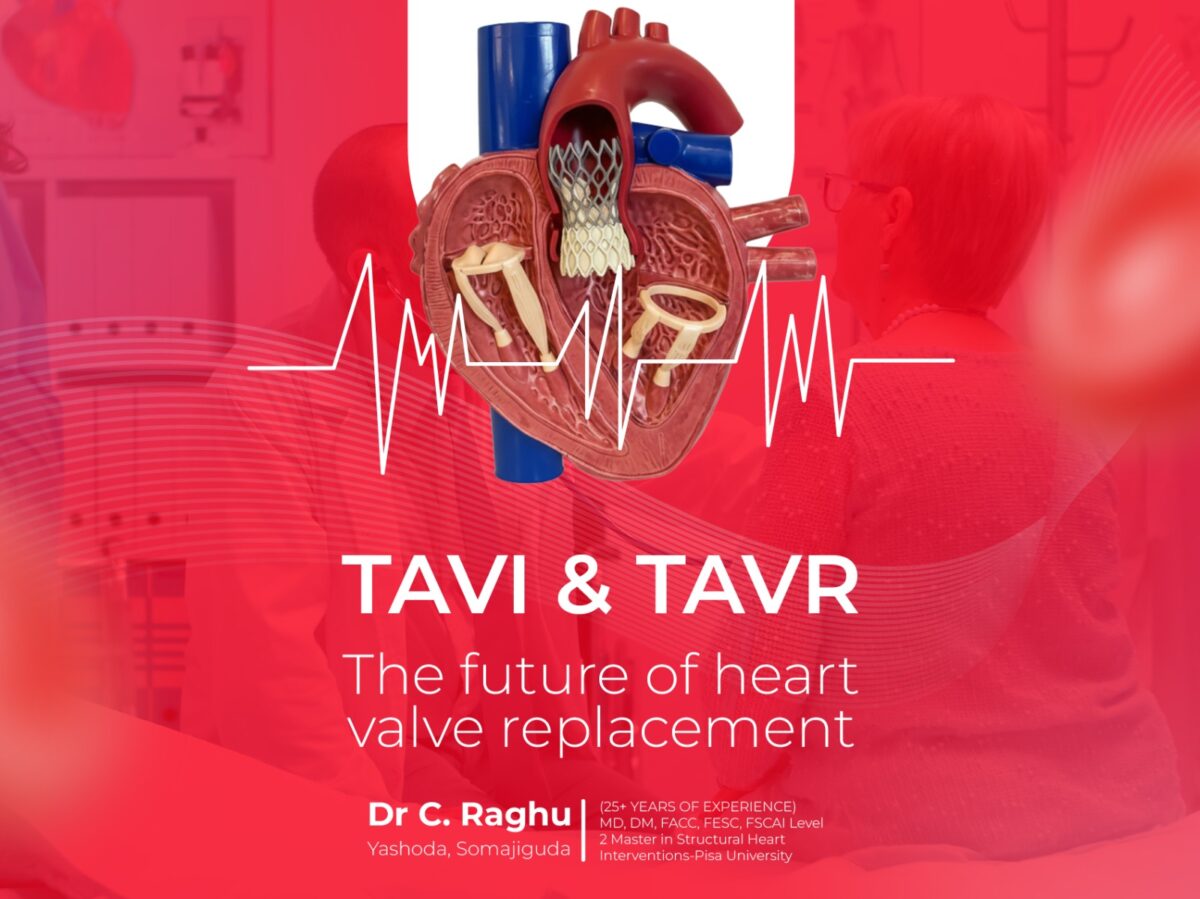
Heart-Valve-Replacement-cost-in-Hyderabad-1200x899.jpeg

January 6, 2026

Many people worry about needing heart surgery for their aortic valve. TAVI & TAVR Doctor the future of heart valve replacement, now offer a minimally invasive option that can help patients recover faster.

This blog will explain how TAVI and TAVR work, why they matter, and when you should talk with a TAVR doctor in Hyderabad, tavi expert in Hyderabad, or tavr doctor in India. Find out if this new procedure is right for you.

Key Takeaways

  • TAVI and TAVR are new, minimally invasive ways to replace a damaged aortic valve. They use catheters instead of open-heart surgery, so patients heal faster and spend less time in the hospital.
  • Studies show that patients who get TAVI/TAVR have fewer complications than those with traditional heart surgery. Most people go home in one or two days after treatment.
  • Doctors now use advanced imaging tools during these procedures. These tools help guide the new valve into place with high accuracy for better patient results.
  • The new valves used in TAVI/TAVR last longer than before, lowering the need for future surgeries. Patients enjoy a better quality of life after recovery.
  • As technology improves, experts believe more people will qualify for this procedure. This could change how doctors care for heart valve problems worldwide.

Understanding TAVI/TAVR Doctor Hyderabad

TAVI and TAVR offer a revolutionary approach to heart valve replacement. These procedures involve inserting a new valve through a small incision, reducing the need for extensive surgery.

The concept of minimally invasive heart valve replacement

Minimally invasive heart valve replacement offers patients a less traumatic option for treating aortic valve issues. This technique uses transcatheter technology to place new valves without large chest incisions.

Surgeons insert catheters through small punctures, often in the groin, and guide them to the heart.

Patients experience fewer complications and shorter recovery times with this method. The procedure reduces hospital stays significantly compared to traditional heart surgery methods.

With advancements in imaging techniques and clinical trials, TAVI/TAVR continues to demonstrate improved patient outcomes and increased valve durability.

How TAVR/TAVI works

TAVR, or Transcatheter Aortic Valve Replacement, involves a minimally invasive approach to heart valve replacement. Surgeons access the heart through a blood vessel, often in the leg.

They then guide a catheter to the damaged valve site. The new valve expands inside the old one and takes over its function.

This procedure reduces recovery time compared to traditional surgery. Patients experience less pain and fewer complications with TAVR/TAVI. Innovations in imaging techniques allow doctors to plan each step carefully, enhancing overall outcomes for patients needing aortic valve replacements.

Next, advancements promise exciting changes for TAVI/TAVR technology in cardiac care.

Advantages and benefits

TAVR and TAVI provide significant advantages for patients needing heart valve replacement. These procedures use a minimally invasive approach that reduces recovery time compared to traditional surgical intervention.

Patients often leave the hospital within one or two days, which allows them to return to their daily activities sooner.

The benefits extend beyond quick recovery. TAVI/TAVR also improves patient outcomes by reducing complications related to heart surgery. The transcatheter techniques used offer excellent valve durability, ensuring long-lasting solutions for those with aortic valve issues.

Improved imaging techniques aid doctors in making precise assessments and decisions during the procedure, enhancing overall care quality for cardiovascular patients.

The Future of TAVI/TAVR

TAVI and TAVR show great promise for transforming heart valve replacement. Advancements in technology lead to better patient outcomes and increased accessibility for those needing care.

Technological advancements and innovations

Recent technological advancements in heart valve replacement show great promise. Innovations such as transcatheter aortic valve replacement (TAVR) have made procedures less invasive.

Surgeons now use advanced imaging techniques to guide these interventions. This precision leads to improved patient outcomes and shorter recovery times.

Healthcare providers are excited about the enhanced durability of new valves. These innovations can last longer, reducing the need for further surgeries. Studies indicate that many patients experience significant relief from symptoms soon after their procedures.

Increased awareness of these options helps patients make informed decisions regarding their care.

Improved patient outcomes

TAVI and TAVR represent significant advancements in heart valve replacement. These minimally invasive techniques improve patient outcomes for those with aortic valve issues. They allow many patients to undergo procedures without the need for major surgery, leading to shorter recovery times.

Studies show that patients experience fewer complications compared to traditional surgical interventions.

The success rates of TAVI and TAVR continue to rise as technology evolves. Enhanced imaging techniques guide doctors during the procedure, ensuring precision in placement. Valve durability has also improved, providing long-lasting solutions for patients.

This progress supports better cardiovascular health and empowers individuals to maintain active lifestyles post-surgery.

You can also read this: TAVR/TAVI Procedure in Hyderabad Minimally Invasive Care

Potential for revolutionizing cardiac care

TAVI and TAVR hold great promise for transforming cardiac care. These advancements in minimally invasive heart valve replacement offer patients a safer option compared to traditional surgical interventions.

Patients experience shorter recovery times and less pain after procedures. These benefits lead to improved patient outcomes, making the replacement of aortic valves more accessible.

Technological innovations in imaging techniques help doctors better plan surgeries. They can visualize heart structures with precision, which enhances the accuracy of transcatheter procedures.

Valve durability has also improved significantly over recent years, increasing confidence in long-term outcomes. As these techniques evolve further, they will likely reshape how cardiologists approach valve repair and replacement.


To consult with Dr. C. Raghu, Interventional Cardiologist at Yashoda Hospital, Somajiguda, Hyderabad, use the direction Get Direction

FAQs

1. What are the main indications for TAVI and TAVR in heart valve replacement?

Doctors use transcatheter aortic valve implantation or replacement, called TAVI and TAVR, for patients with severe aortic valve disease who may not tolerate open heart surgery.

2. How do minimally invasive techniques like TAVI differ from traditional surgical intervention?

TAVI uses catheters to replace the damaged aortic valve without opening the chest fully; this reduces recovery time compared to standard heart surgery.

3. What role do imaging techniques play in patient outcomes after valve replacement?

Imaging techniques help guide doctors during transcatheter procedures, ensuring precise placement of new valves; this improves safety and patient outcomes.

4. How does valve durability compare between transcatheter and surgical replacements?

Both methods offer durable results, but ongoing studies monitor how long each type of replaced aortic valve lasts over time.

5. Why are clinical guidelines important when choosing between surgical intervention and transcatheter approaches in cardiology?

Clinical guidelines help doctors decide which patients will benefit most from either minimally invasive or open-heart options by considering risks, benefits, and individual health needs.

Abhijit

Getting-to-Know-Atrial-Septal-Defect-The-Facts.png

November 11, 2025

Understanding the Confusion Around Heart Health

You’re health-conscious. You read medical journals regularly. Yet, when it comes to choosing the best cardiologist for your dear ones’ complex heart conditions, you feel overwhelmed. You’re not alone, confused; many people are like you. Many informed patients in Hyderabad, who read well, too, in Bangalore, Mumbai, and Chennai, face this exact challenge when they discover something unusual about their heart. Today, we’ll discuss a condition that often flies under the radar until adulthood, Atrial Septal Defect.

What Exactly Is an Atrial Septal Defect?

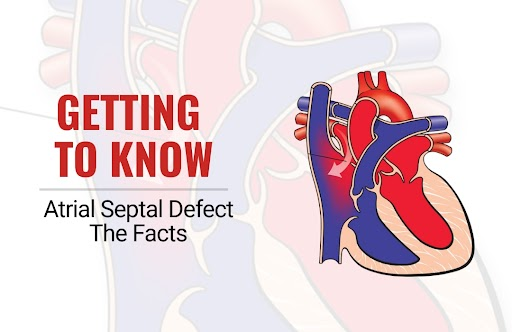
Atrial Septal Defect, or ASD, is a hole in the wall between your heart’s two upper chambers. Think of it as an unwanted doorway that shouldn’t exist.

Here’s what happens in your heart:

  • Your heart has four chambers—two atria on top and two ventricles below
  • Normally, a solid wall separates the left and right atria
  • In ASD, you have an opening in this wall
  • This opening allows oxygen-rich blood to mix with oxygen-poor blood

You might wonder why you’re just hearing about this now, especially if you’re over 35. The truth is, ASD often doesn’t cause noticeable symptoms in childhood. You could have lived with this condition for decades without knowing.

Why Should You Pay Attention Now?

As you age, your heart works harder. That small hole that didn’t bother you in your twenties will start showing its effects now.

The Consequences You’ll Face Without Treatment

Your body will start sending you warning signals:

  • You’ll feel exhausted after routine activities
  • Shortness of breath will become your constant companion
  • Your heart may develop irregular rhythms, including Atrial Fibrillation
  • You might experience frequent respiratory infections
  • Swelling in your legs and feet will appear

Here’s the concerning part: if you ignore these symptoms, you’re setting yourself up for serious complications.

What Happens If You Don’t Act?

Your heart will continue to overwork. The right side of your heart will enlarge as it pumps excess blood. You’ll develop pulmonary hypertension—high blood pressure in your lungs. Eventually, your heart will start to fail.

How Do You Know If You Have ASD?

You’ll need a proper diagnostic evaluation. A cardiologist in India can detect ASD through:

  • Echocardiogram (ultrasound of your heart)
  • Electrocardiogram (ECG)
  • Chest X-ray
  • Cardiac MRI or CT scan

These tests will show the size and location of the defect. They’ll also reveal how much strain your heart is experiencing.

Your Treatment Options

Good news—you have effective solutions available.

For Small Defects

Some small ASDs close on their own. Your cardiologist will monitor you regularly. You’ll need periodic echocardiograms to track any changes.

For Significant Defects

You have two main approaches:

Catheter-Based Closure:

  • Your doctor will insert a device through a blood vessel in your groin
  • They’ll guide it to your heart and seal the hole
  • You’ll recover quickly with minimal scarring
  • This procedure works like advanced interventions, such as TAVR expert or TAVI, which top experts.

Surgical Repair:

  • For larger or complex defects, you might need open-heart surgery
  • Surgeons will close the hole with stitches or a patch
  • Recovery takes longer, but results are excellent

Finding the Right Specialist

You need someone with extensive experience in structural heart interventions. Look for the
best cardiologist in Hyderabad
who specializes in adult congenital heart disease.

Your ideal cardiologist will:

  • Listen to your concerns thoroughly
  • Explain your condition in clear terms
  • Discuss all treatment options with you
  • Have proven expertise in catheter-based procedures

Taking Control of Your Heart Health

You’ve already taken the first step by educating yourself. Now, you need to act. Don’t let confusion about choosing a cardiologist delay your care.

Schedule a consultation with an interventional cardiologist who can provide a comprehensive evaluation and treatment. Your heart has been working overtime for years—it deserves expert attention now.

You can also read:- Anxiety and Depression Among Youth as Adverse Effects

About Dr. C. Raghu

Dr. C. Raghu is an interventional cardiologist practicing at Yashoda Hospital, Somajiguda, Hyderabad. With extensive experience in complex cardiac interventions and structural heart disease, Dr. Raghu provides advanced care for patients seeking excellence in cardiac treatment.

Ready to take the next step in your heart health journey? Visit drraghu.com to schedule your consultation today.

Abhijit


Dr raghu logo


Dr raghu logo


Call us now if you are in a medical emergency need, we will reply swiftly and provide you with a medical aid.


For Appointment with Dr Raghu: +91 80085 36699
Dr Raghu’s Patient Coordinator: +91 72860 10203
Dr Raghu’s Office Experience: +91 90001 65962
Dr Raghu’s Social Media Communication Channel: +91 97046 51708

Dr. Raghu | Heart Specialist in Hyderabad
Yashoda Hospitals, Raj Bhavan Road, Somajiguda, 1st floor, Room No. 115, Hyderabad -500082, Telangana

Best Cardiologists in Hyderabad


© 2024, Dr. Raghu. All rights reserved. Design & Developed by AMSDigital.in

[gtranslate]
+91-9542475650