A heart attack, medically known as a myocardial infarction, is a severe medical emergency that can cause lasting damage to the heart muscle and even lead to death. As a leading cause of death worldwide, it shouldn't be taken lightly.


A heart attack, medically known as a myocardial infarction, is a severe medical emergency that can cause lasting damage to the heart muscle and even lead to death. As a leading cause of death worldwide, it shouldn't be taken lightly.

A heart attack, also known as a myocardial infarction, is a medical emergency that occurs when a blockage in the coronary arteries restricts blood supply to the heart...
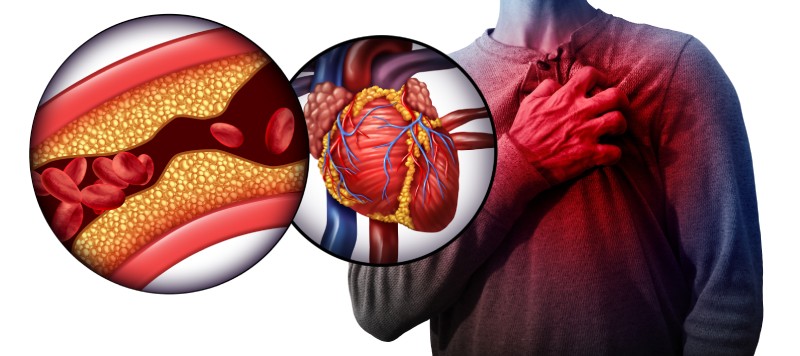
Heart attacks are usually severe and potentially life-threatening. It isn't surprising that they are one of the leading causes of death across the globe. A heart attack, medically known as a myocardial...
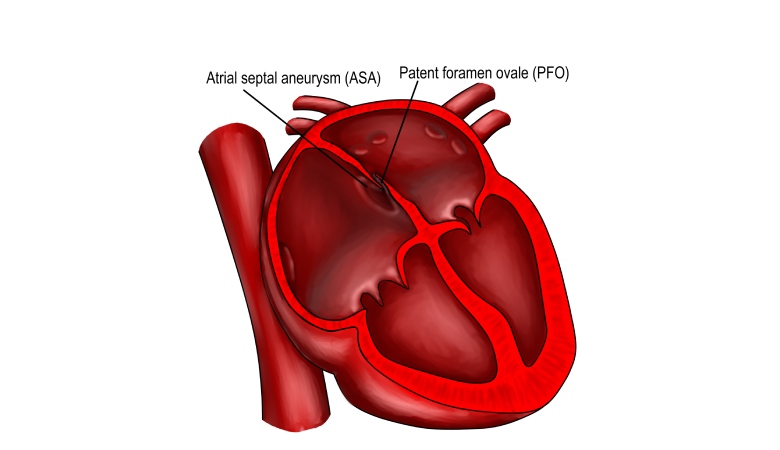
Patent Foramen Ovale (PFO) is a hole in the heart that can be congenital or acquired. The foramen ovale is a flap-like opening between the heart’s upper chambers. It usually closes within three to six months after birth and becomes a part of your heart’s septum.
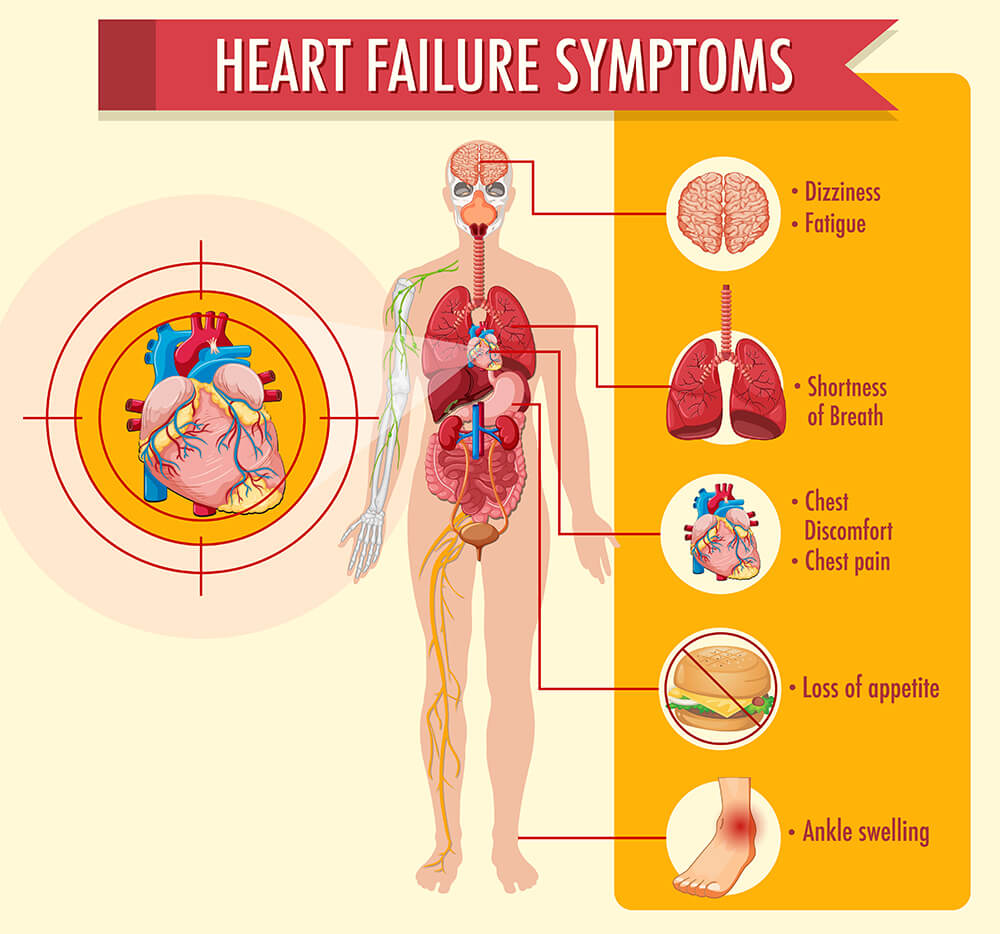
Heart failure is an umbrella term for a set of physical symptoms arising due to the gradual deterioration in the heart’s pumping ability. The term “congestive heart failure” was traditionally used because the condition resulted in fluid buildup and congestion in the lungs. However, doctors and medical researchers have found that it causes a wide array of other symptoms. That’s why they now refer to the condition as heart failure. A healthy human heart relaxes and contracts nearly 100,000 times a day and pumps more than 2,000 gallons of blood throughout the body. The cardiovascular system also includes a network of arteries and veins to transport deoxygenated and oxygenated blood to and from the heart. If any part of the system falters, it can disrupt the flow of blood to vital organs. Heart failure is characterized by a progressive decline in the heart’s power to pump blood. When that happens, the heart goes through a series of structural changes (knowns as cardiac remodeling) and beats faster to pump more blood. Also, the blood vessels constrict to stabilize blood pressure and restrict blood supply to non-critical organs like the skin and kidneys. When blood flow to the kidneys reduces, it compels the body to retain more fluid and sodium. All these short-term fixes result in more damage and cause even more stress to the heart muscles. That, in turn, results in further deterioration of the heart’s pumping action. The heart failure symptoms vary depending on whether they’re caused due to a lack of oxygen or an increase in fluid build. Lack of oxygen supply results in the following heart failure symptoms : Excess sodium and fluid buildup in the body causes the following heart failure symptoms: The most common causes of heart failure include: There are various ways to categorize congestive heart failure. Depending on the part of the heart’s pumping that’s affected due to heart failure, it can be of the following types: Also, depending on the side of the heart that’s affected, heart failure can be categorized as left-sided failure and right-sided failure. The treatment approach a doctor will use depends on the type of heart failure a patient has developed. The American College of Cardiology and the American Heart Association has outlined four stages to denote the progression of heart failure. While Stage A is characterized by risk factors like underlying medical conditions, stage B shows structural changes in a patient’s heart. The more advanced stages (C and D) present visible symptoms. Heart failure (also known as congestive heart failure) is a progressive condition caused by the heart’s inability to pump blood adequately. It results in symptoms like shortness of breath, fatigue, weight gain, and brain fog. Dr. C Raghu is an eminent cardiologist with more than two decades of experience. If you or someone you know has developed congestive heart failure symptoms, consult Dr. Raghu to explore your treatment options.
What Happens in Congestive Heart Failure?
Congestive Heart Failure Symptoms: A Closer Look
Causes and Types of Congestive Heart Failure
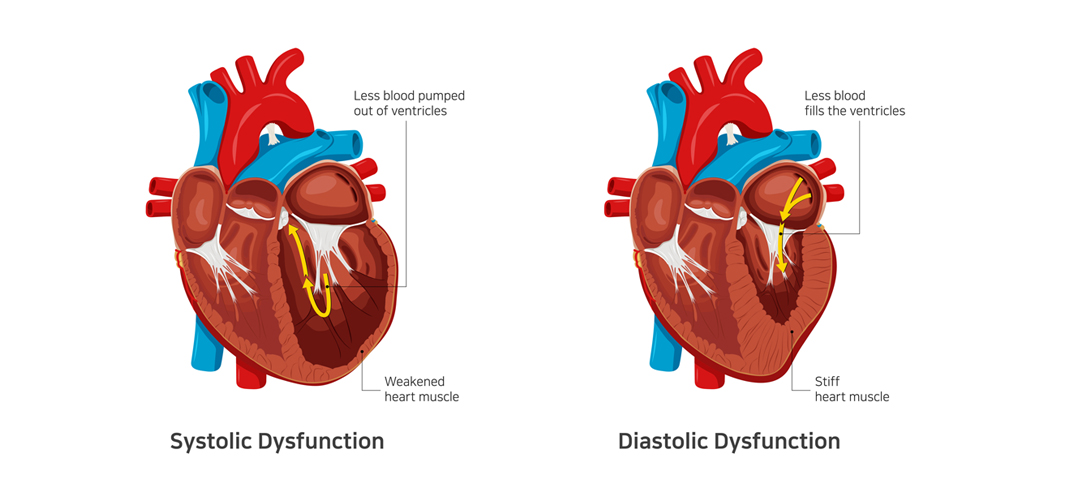
Stages of Heart Failure
In Conclusion
Book Online Consultaion
DOWNLOAD PDFUnderstanding Congestive Heart Failure Symptoms Blog
Subscribe the Hearty Life Blogs

DR. RAGHU
MD, DM, FESC, FACC, FSCAI
Cardiology Coronary, Vascular and
Structural InterventionsConditions & Diseases
Angioplasty
Aortic Stenosis
Atrial Fibrillation
Atrial Septal Defect
View More Services
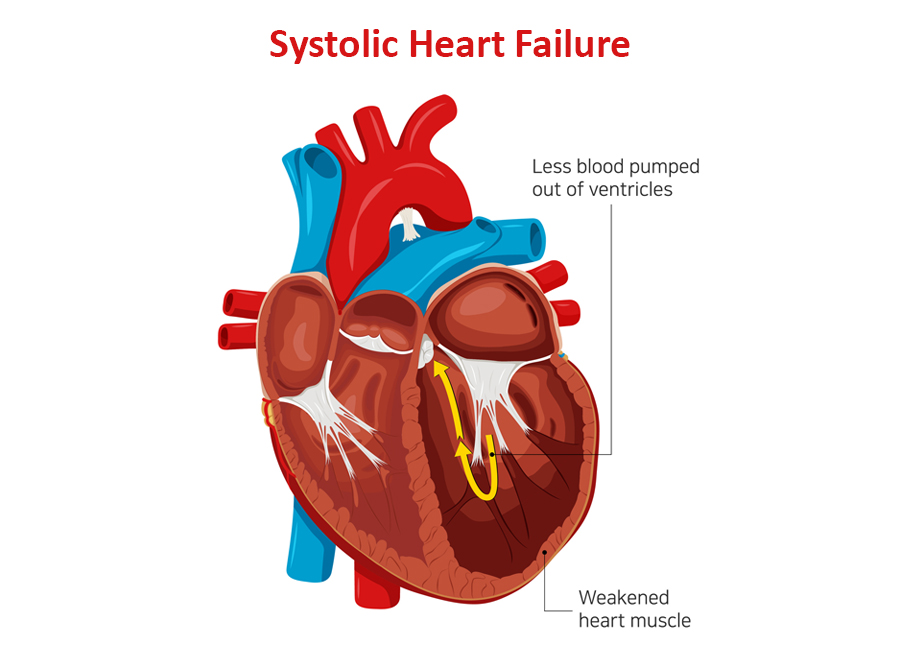
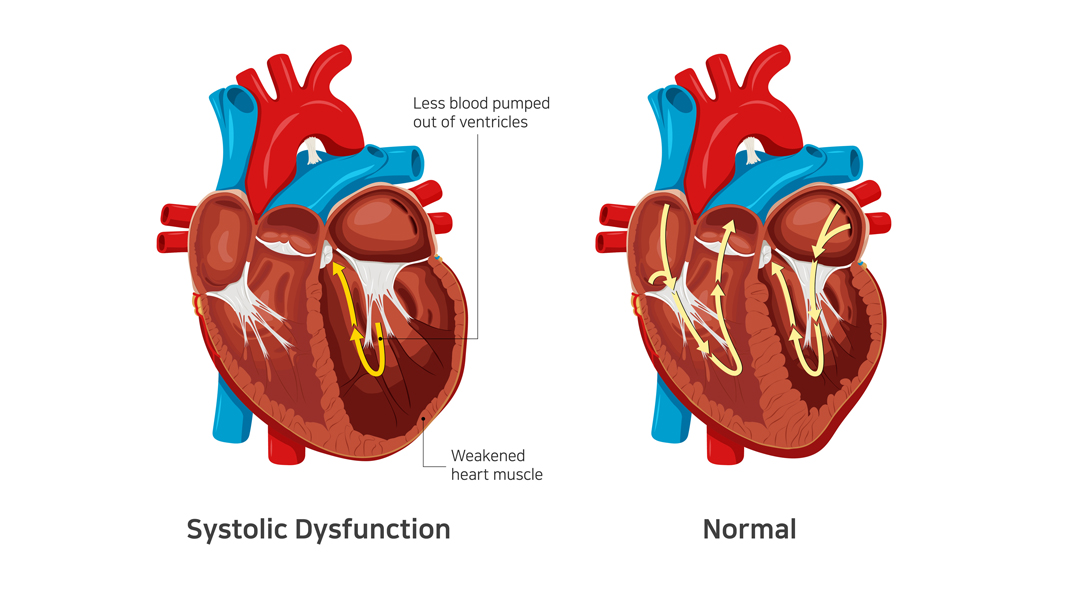
Heart failure is a common condition with no known cure. However, proper treatment can control the disease progression and thus improve a patient’s quality of life and longevity. To decide the proper course of treatment, a doctor must first determine the type of heart failure a patient has developed. Depending on the part of the heart’s pumping cycle that’s been affected, heart failure can be of two types – diastolic and systolic. You can learn more about the symptoms, causes, treatment of diastolic dysfunction and differentiation from systolic dysfunction in our previous article. In this blog, we’ll delve deeper into systolic heart failure and understand its causes and symptoms. Systolic heart failure occurs due to a problem in the heart’s contraction (or systolic) phase. It’s characterized by stretching and weakening of the left ventricular muscle, due to which the heart pumps out less oxygenated blood to the body. It’s also known as heart failure with reduced ejection infraction. As the condition worsens, it can also weaken the right ventricle and take a toll on its pumping power too. Systolic heart failure is caused by underlying medical conditions that damage the left ventricle. The most common causes include : Additionally, people who are older or have diabetes are at a higher risk of developing systolic heart failure. In systolic heart failure, an adequate amount of oxygen-rich blood doesn’t reach all organs. The most common indicator of the condition is a lower ejection fraction. It can result in the following symptoms: Typically, a doctor prescribes various tests, such as chest X-ray, ECG, and echocardiography, to diagnose systolic heart failure and its root cause. The treatment plan depends on the underlying cause. In most cases, systolic heart failure is treated using one or more of the following medications: Additionally, doctors recommend a healthy diet and lifestyle changes to improve cardiac health and manage underlying conditions, such as hypertension and diabetes. If left untreated, systolic heart failure can damage vital organs and even lead to death. It’s crucial that patients watch out for symptoms like swollen feet, mental confusion, and bluish skin color and seek medical treatment at the earliest. Dr. C Raghu is an experienced cardiologist who specializes in interventional cardiology and TAVR. If you or anyone you know is experiencing symptoms of systolic heart failure, connect with Dr. Raghu for proper diagnosis and treatment.
Systolic Heart Failure: A Closer Look
Related: What Are the Symptoms of Diastolic Dysfunction?
Causes of Systolic Heart Failure
Related: Understanding Congestive Heart Failure Symptoms
Symptoms of Systolic Heart Failure
Diagnosis and Treatment Options
Related: Diagnosing Congestive Heart Failure
In Conclusion
Book Online Consultaion
DOWNLOAD PDFWhat Is Systolic Heart Failure ? – Blog
Subscribe the Hearty Life Blogs
DR. RAGHU | Best Cardiologist in Hyderabad
MD, DM, FESC, FACC, FSCAI
Cardiology Coronary, Vascular and
Structural InterventionsConditions & Diseases
Angioplasty
Aortic Stenosis
Atrial Fibrillation
Atrial Septal Defect
View More Services
Related Posts
© 2024, Dr. Raghu. All rights reserved. Design & Developed by AMSDigital.in
+91 95424 75650
For Appointment with Dr Raghu:
+91 80085 36699
Dr Raghu’s Patient Coordinator:
+91 72860 10203
Dr Raghu’s Office Experience:
+91 90001 65962
Dr Raghu’s Social Media Communication Channel:
+91 97046 51708