mild-heart-attack.png

September 14, 2026 AbhijitHearty Life

Most people picture a mild heart attack as sudden and dramatic: chest-clutching, collapsing, an ambulance racing through traffic. A mild heart attack often looks nothing like that. It can feel like indigestion, tiredness that won’t lift, or a vague ache that passes in twenty minutes and gets forgotten by dinner. That’s exactly what makes it dangerous. This piece looks at what a mild heart attack really is, why “mild” doesn’t mean “safe,” and what to do if you suspect you’ve had one.

What Is a Mild Heart Attack?

Doctors usually call this an NSTEMI, a non-ST-elevation myocardial infarction. In plain terms, it means blood flow to part of the heart was reduced or briefly cut off, damaging a smaller area of heart muscle than a major attack would.

The word “mild” refers only to the extent of damage at that moment. It says nothing about what caused the blockage in the first place, and it says nothing about what happens next if the underlying issue isn’t treated.

Why “Mild” Doesn’t Mean the Danger Has Passed

The artery that narrowed or blocked doesn’t fix itself just because symptoms faded. Without treatment, that same weak spot is often what triggers a second and usually worse attack down the line.

This is why cardiologists push for follow-up tests even when a patient feels fine within a day or two: an ECG, an echocardiogram, and sometimes an angiography. Skipping these because “it wasn’t that serious” leaves the actual problem sitting untouched.

Silent Heart Attack Symptoms People Miss
silent heart attack

A lot of mild heart attacks go unnoticed until a routine checkup turns up scarring the patient never knew about. That’s the nature of silent heart attack symptoms;  they’re easy to explain away.

Things worth paying attention to:

  • Chest tightness or pressure that shows up during exertion and eases with rest
  • Fatigue that feels heavier than usual and doesn’t improve with sleep
  • Getting winded doing something that never used to be a problem
  • Discomfort in the jaw, arm, back, or upper stomach
  • Cold sweats with no clear trigger
  • Nausea or lightheadedness, which women in particular may notice more than classic chest pain

One of these on its own doesn’t mean much. A few together, especially if they show up suddenly or during physical activity, is worth getting checked.

Heart Attack in the Gym: Why It’s Becoming More Common

A heart attack in the gym is something cardiologists are seeing more often, and it tends to catch people off guard precisely because they think of themselves as fit. Pushing hard during a workout puts real strain on the heart, and if there’s an undiagnosed blockage, that strain can be enough to trigger an event.

It often plays out the same way: someone in their thirties or forties, reasonably active, feels a strange tightness mid-set. It passes after a short break; they finish the workout, and they chalk it up to dehydration or bad form. No follow-up happens because nothing feels wrong anymore.

This pattern is part of why heart attacks in young adults have become a topic doctors bring up more directly now, particularly for people with a family history of heart disease, high-stress jobs, or a habit of alternating between a sedentary week and one intense workout.

What to Do If You Suspect a Mild Heart Attack

The response matters more than getting a perfect diagnosis in the moment. If chest discomfort, breathlessness, or similar symptoms show up and don’t go away quickly:

  1. Stop what you’re doing and sit or lie down.
  2. Get emergency medical help; don’t wait to see if it passes.
  3. Don’t talk yourself out of it because you’re young or fit.
  4. Follow up with a cardiologist even if the ER tests come back unclear.

A few hours’ delay can change how much damage is done, which is the main reason these symptoms shouldn’t be rationalized away.

Long-Term Cardiac Care Matters More Than the Event Itself

Getting through a mild heart attack isn’t the end of the process; it’s usually the start of a longer plan. That typically means medication, changes to daily habits, and regular monitoring of things like blood pressure, cholesterol, and blood sugar.

This is where seeing the right specialist makes a real difference. A heart specialist in Hyderabad can identify what actually caused the event and build a treatment plan around that person’s specific risk factors, rather than a generic one-size-fits-all approach.

Getting the Right Cardiac Care in Hyderabad

Speed matters after a cardiac event, but so does who you see. For patients looking into heart treatment in Hyderabad, Dr. C. Raghu is a cardiologist in Hyderabad with considerable experience treating both mild and severe cases, from initial diagnosis through long-term management.

If you’re searching for a heart doctor in Hyderabad or a top cardiologist in Hyderabad, especially after noticing any of the symptoms above, it’s worth booking a consultation with Dr. C. Raghu’s clinic for a full cardiac evaluation.

Also read: Cardiologist Hyderabad: Why Dr. C. Raghu Is a Name Patients Trust  

Final Word

A mild heart attack is the body’s way of sending a warning before something worse happens. Brushing it off as minor because the pain wasn’t severe, or because you’re young and active, leaves the actual cause unresolved. If you’ve experienced symptoms like these, whether at your desk or mid-workout, the smart move is a proper evaluation, not an assumption that the danger has passed.

If this sounds familiar, book a consultation with Dr C Raghu and get a clear read on where your heart health actually stands.


heart-attack-panic-attack.png

August 31, 2026 AbhijitHearty Life

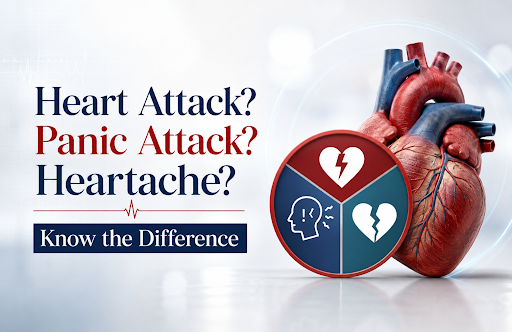
Chest pain can make anyone pause. The difficult part is knowing whether it is chest pain anxiety, a panic attack, or another heart-related problem. For adults in Hyderabad and Telangana, understanding the warning signs can help them respond appropriately and know when to see a cardiologist.

This guide explains the key differences between a heart attack, panic attack, and other forms of chest discomfort, while highlighting symptoms that should never be ignored.

Heart Attack vs Panic Attack: Why the Difference Matters
heart attack symptoms

A heart attack occurs when blood flow to part of the heart muscle becomes blocked, often because of coronary artery disease. Without timely treatment, the affected heart muscle can become damaged.

A panic attack, on the other hand, is a sudden episode of intense fear or anxiety that can produce very physical symptoms. Rapid heartbeat, sweating, breathlessness, and chest tightness can make it feel similar to a cardiac emergency.

The problem is that the symptoms can overlap. Someone experiencing unexplained or severe chest discomfort should not assume it is “just anxiety” without appropriate medical assessment.

Signs of Heart Attack

Heart attack symptoms can vary from person to person. Some people experience obvious chest pressure, while others may mainly notice breathlessness, unusual sweating, or discomfort in another part of the body.

Common signs of heart attack include:

  • Pressure, squeezing, heaviness, or discomfort in the chest
  • Pain or discomfort spreading to the arm, shoulder, back, neck, or jaw
  • Shortness of breath
  • Cold sweating
  • Nausea or vomiting
  • Unusual weakness or extreme tiredness
  • Dizziness or light-headedness
  • A feeling that something is seriously wrong

Chest discomfort that begins during physical activity and improves with rest can also indicate an underlying heart problem and deserves medical evaluation.

Heart Attack Symptoms in Men

Heart attack symptoms in men commonly include chest pressure or discomfort, breathlessness, sweating, and pain that may radiate toward the arm, shoulder, jaw, or back.

However, the absence of dramatic chest pain does not rule out a heart attack. Symptoms can be subtle, particularly in people with other cardiovascular risk factors.

Heart Attack Symptoms in Women

Heart attack symptoms in women may include chest discomfort, but they can also present with less typical symptoms such as unusual fatigue, nausea, shortness of breath, back or jaw discomfort and dizziness.

Because these symptoms can be mistaken for indigestion, stress or exhaustion, persistent or unexplained symptoms should be medically assessed.

Symptoms of Panic Attack

A panic attack can develop suddenly and may produce intense physical sensations. Typical symptoms of panic attack can include:

  • Rapid or pounding heartbeat
  • Chest tightness or discomfort
  • Fast breathing or a feeling of not getting enough air
  • Sweating or trembling
  • Dizziness or light-headedness
  • Tingling or numbness
  • Feeling detached or unreal
  • Sudden intense fear
  • Fear of losing control or dying

Panic-related chest discomfort may occur during a period of intense anxiety and can peak rapidly. However, symptoms alone cannot always reliably distinguish a panic attack from a heart attack.

Chest Pain Anxiety or Heart Attack?

This is one of the most important questions people ask when chest discomfort occurs.

A person may experience chest pain during anxiety, but anxiety does not automatically mean that chest pain is harmless. Similarly, someone with a heart condition can also experience anxiety because of the symptoms they are feeling.

A useful distinction is that panic attacks often involve a sudden surge of fear accompanied by several physical symptoms, while heart-related discomfort may be associated with exertion, pressure or heaviness and radiation to other areas.

But there is no safe self-diagnosis based solely on symptoms.

If chest pain is new, severe, persistent, recurrent, or accompanied by breathlessness, sweating, faintness or pain spreading to the arm, jaw or back, urgent medical attention is appropriate.

Other Chest Pain Causes

Not every episode of chest pain is caused by a heart attack or anxiety. Other possible causes include:

  • Acid reflux or indigestion
  • Muscle strain or chest-wall pain
  • Respiratory infections
  • Asthma or other lung conditions
  • Inflammation around the heart
  • Other cardiovascular conditions

Some cardiovascular problems can also produce chest discomfort without being an acute heart attack. This is why persistent or unexplained chest pain should not simply be attributed to acidity or stress.

When to See a Cardiologist for Chest Pain

A consultation with a heart specialist in Hyderabad may be appropriate when chest discomfort is recurrent, unexplained, or associated with physical activity.

A cardiologist may consider the person’s symptoms, medical history, and cardiovascular risk factors before deciding whether tests such as an ECG, echocardiogram, blood tests, or coronary imaging are appropriate.

People with risk factors for coronary artery disease should be particularly careful about unexplained chest symptoms. A family history of heart disease, diabetes, high blood pressure, high cholesterol, smoking, and other risk factors can influence the level of concern.

For patients searching for the best cardiologist in Hyderabad, the more important consideration is whether the specialist can appropriately evaluate the symptoms and provide a treatment plan suited to the individual’s condition.

Also read: Daily Habit That May Double Heart Attack Risk, Warns Cardiologist 

Do Not Ignore Sudden Chest Pain

Consider a person in Hyderabad who develops heavy chest pressure while climbing stairs. They feel sweaty and short of breath and notice discomfort moving toward the left arm. Assuming that the symptoms are caused by anxiety or acidity could delay potentially important treatment.

Another person may experience sudden chest tightness during an intense episode of fear, with rapid breathing, trembling, and a racing heart. Even in this situation, especially if the symptoms are new or unusually severe, medical evaluation may be necessary to exclude a cardiac cause.

The safest approach is not to guess.

Heart Attack, Panic Attack or Heartache: What Should Be Remembered?

Chest pain has many possible causes, and the symptoms of anxiety and heart disease can overlap. A panic attack can feel frightening, but a heart attack can also present without the classic symptoms people expect.

Anyone experiencing potentially serious or unexplained chest symptoms should seek appropriate medical care rather than relying on online symptom comparisons.

For those looking for a heart specialist in Hyderabad or best cardiologist in Telangana, Dr. C. Raghu provides evaluation and treatment for a range of cardiovascular conditions, including coronary artery disease and complex coronary interventions.

A Practical Takeaway

New, severe, or unexplained chest pain should never be dismissed as anxiety without medical assessment. Recognising the warning signs and seeking timely professional care can make the difference between guessing about the cause and getting the right evaluation.


Atrial-Fibrillation.jpg

June 12, 2026 AbhijitHearty Life

You’re sitting at your desk, finishing that important presentation. Your heart suddenly feels like it’s doing flip-flops in your chest. These irregular heartbeats can sometimes be linked to Atrial Fibrillation. One moment it’s racing. The next, it feels oddly sluggish. You pause. You breathe. You wonder is this normal? Or is something seriously wrong?” 

If you’re in your 40s, 50s, or 60s, you’ve probably felt this. You dismiss it as stress. You blame it on that extra coffee you had this morning. But deep down, you’re worried. You know something doesn’t feel right. This is the reality many of you face. This is Atrial Fibrillation—or as doctors call it, AFib. And you’re not alone. Millions of people like you are walking around with this condition, often without even knowing it.

What Exactly Is Atrial Fibrillation?

Understanding Your Heart’s Rhythm

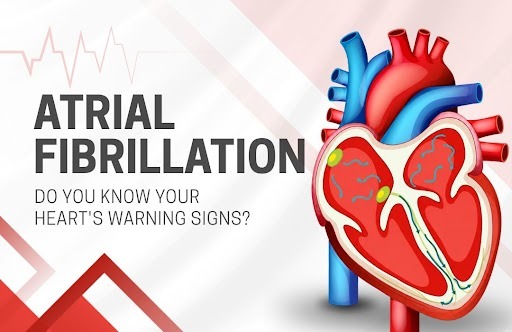
Let me explain this simply. Your heart has its own rhythm—like a drummer keeping time in an orchestra. Usually, it beats in a steady, organized pattern. But with atrial fibrillation, that rhythm goes haywire.

Here’s what happens:

  • Your heart’s upper chambers (called atria) start beating irregularly
  • Instead of pumping blood smoothly, they flutter and quiver
  • Your pulse becomes unpredictable
  • Blood flow becomes chaotic

Your heart becomes confused. It’s still working, but it’s not working right. And this is where the danger begins. You might feel it. You might not. But it’s happening inside you, silently affecting your health.

Also read : Atrial Fibrillation treatment in India: Complete Guide 

Why Should You Care? The Consequences You Face

The Real Risks You Need to Know

You’re probably thinking, “But I feel fine most days.” That’s the tricky part about AFib. You can feel absolutely normal on the outside while something serious happens inside.

Here’s what you need to understand:

Blood Clots and Strokes

  • Irregular heartbeat means blood pools in your heart chambers
  • Pooled blood forms clots
  • These clots can travel to your brain
  • Result? A stroke that can change your life forever

Heart Failure

  • When your heart beats irregularly, it doesn’t pump efficiently
  • Over time, your heart weakens
  • This leads to heart failure—a serious condition where your heart can’t keep up with your body’s demands
  • Suddenly, simple tasks like climbing stairs become difficult

Fatigue and Reduced Quality of Life

  • You feel tired for no reason
  • Your energy drops
  • You can’t do the things you love
  • This affects your work, your family time, everything

Long-term Damage

  • Your heart chambers can enlarge
  • Your heart’s structure changes permanently
  • The longer you ignore it, the worse it gets

Think about your mother or father. Think about a colleague who had a stroke. AFib might have been the reason.

Who Is Actually at Risk? Let’s Talk About You

Are You in the Danger Zone?

Now, here’s the important question: Are you at risk? Let me paint the picture. You might be at higher risk if you:

Your Age

  • You’re over 50? Your risk increases significantly
  • With every decade, your risk grows higher
  • Middle age is when AFib often starts

Your Blood Pressure

  • You’ve been told your blood pressure is high
  • You might be on medication for it
  • Uncontrolled high blood pressure damages your heart

Your Heart History

  • You’ve had heart problems before
  • Heart disease runs in your family
  • You’ve had a heart attack
  • You’ve been told you have a weak heart

Your Lifestyle

  • You’re overweight or obese
  • You don’t exercise much
  • You eat lots of processed foods with excess salt
  • You drink alcohol regularly

Your Health Conditions

  • You have diabetes
  • You have a thyroid problem
  • You have sleep apnea
  • You’re dealing with chronic lung disease

Stress and Sleep

  • You’re constantly stressed at work
  • You barely sleep properly
  • You wake up feeling exhausted
  • You never really relax

Do any of these sound like you? Be honest with yourself. This matters more than you think.

The Warning Signs You Shouldn’t Ignore

What Your Body Is Trying to Tell You

Your body sends signals. You just need to listen. Here’s what to watch for:

  • Your heart races for no clear reason
  • You feel like your heart is fluttering
  • Your pulse is irregular or skips beats
  • You feel dizzy or lightheaded
  • You get short of breath during normal activity
  • You feel unusually tired
  • You have chest discomfort
  • You feel faint or nearly pass out
  • You sweat more than normal

The tricky part? Some people feel nothing at all. AFib can be completely silent. That’s why you can’t just wait for symptoms. You need to be proactive.

What You Can Do Right Now

Take Control of Your Heart’s Future

You’re not helpless here. You have real options:

Get Checked Out

  • Visit a cardiologist in Hyderabad if you’re in that area
  • Get an ECG (electrocardiogram)—it takes five minutes and reveals everything
  • This simple test can save your life

Know Your Numbers

  • Blood pressure
  • Weight and BMI
  • Blood sugar levels
  • Cholesterol levels

Make Changes Today

  • Reduce salt in your diet
  • Exercise 30 minutes most days
  • Maintain a healthy weight
  • Limit alcohol
  • Manage stress through meditation or yoga
  • Sleep 7-8 hours nightly

Understand Your Family History

  • Ask your parents about heart problems
  • Know if AFib runs in your family
  • Share this information with your doctor

Stop Smoking

  • If you smoke, quit now
  • This single change matters tremendously
  • Your heart will thank you

Finding the Right Help

Why You Need a Specialist

Not every doctor is trained to handle AFib. You need someone who knows hearts inside and out. Someone like an interventional cardiologist in hyderabad a specialist who understands the complexities of heart rhythm problems.

A good cardiologist will:

  • Listen to your concerns
  • Run the right tests
  • Explain everything clearly
  • Create a plan specifically for you
  • Follow up regularly

If you’re in Hyderabad, look for a best cardiologist in Hyderabad who specializes in arrhythmias and AFib treatment.

Your Questions Answered

Common Concerns Middle-Aged People Have

“Can I live a normal life with AFib?” Yes. With proper treatment and lifestyle changes, you can manage it well.

“Is AFib always serious?” Not always, but it needs attention. Some cases are mild; others are serious. You need evaluation.

“Can I prevent AFib?” You can reduce your risk significantly by managing blood pressure, maintaining healthy weight, and staying active.

“What treatments are available?” Doctors use medications, lifestyle changes, and sometimes procedures. Your cardiologist will choose what’s best for you.

Also read : Cardiologist Hyderabad Why Dr. C. Raghu Is a Name Patients Trust 

The Bottom Line: Your Health Is Your Choice

Making Your Move Today

Here’s the truth nobody tells you: Your heart health is in your hands. You can ignore the warning signs and hope for the best. Or you can take action now, while you still have time.

The middle-aged years are critical. Decisions you make now shape your next 20, 30, or 40 years. You can spend them active, healthy, and present with your family. Or you can spend them managing a serious condition that could have been prevented.

The choice seems obvious when you think about it that way.

Don’t wait for a health scare. Don’t assume “it won’t happen to me.” Be smart. Be proactive. Get checked. Learn your numbers. Make the changes. Your future self will be grateful.

Ready to protect your heart? Visit drraghu.com today and schedule your consultation. Learn more about preventing and managing conditions like Atrial Fibrillation before it’s too late.

About the Expert

Dr C. Raghu is an interventional cardiologist with extensive experience in treating heart rhythm disorders, including Atrial Fibrillation. He practices at Yashoda Hospital, Somajiguda, Hyderabad, where he helps patients just like you take control of their heart health. Whether you need screening for Heart valve issues, Aortic stenosis, or understanding Heart attack symptoms, Dr. Raghu combines modern medical expertise with a patient-first approach.


heart-attack.jpg

June 6, 2026 AbhijitHealthcare

Heart doctor in Hyderabad are increasingly seeing a troubling trend among younger adults. You are 34, a non-smoker, not diabetic, and seemingly fit. You hit the gym three times a week and eat reasonably well. And then one Tuesday morning, mid-workout, your chest tightens. By the time the ambulance arrives, you are having a massive cardiac event. This is not a rare story anymore. Heart attacks in young people — in their 30s and early 40s — are rising at a rate that has even the most seasoned Heart Specialist in Hyderabad concerned. 

India’s Young Heart Problem Is Real

India has one of the highest rates of premature heart disease in the world. Studies show that nearly 25% of all heart attack deaths in India occur in people under 40. This is not genetics alone. This is a lifestyle crisis. The Indian urban professional is under enormous pressure — career targets, long commutes, rising EMIs, social comparison on Instagram, and a food culture that has quietly shifted from home-cooked dals and rotis to Zomato orders every other night.

Also read: Best Heart Doctor in Hyderabad, Why Dr C Raghu 

Why a Heart Attack at the Gym Is More Common Now

A heart attack in gym settings among young people is not because exercise is dangerous. It is because people with undetected arterial plaque push their hearts into maximum exertion without ever being screened. When you sprint on a treadmill with a partially blocked artery, the sudden surge in demand can rupture that plaque. The resulting clot blocks blood flow — that is a heart attack.

A famous cardiologist in India, like Dr C. Raghu, sees this pattern regularly — young patients who looked completely healthy on the outside but had arteries that were silently narrowing for years. Consulting a trusted top heart specialist in Hyderabad before symptoms appear is the most effective form of prevention.

What Is a Silent Heart Attack?


A silent heart attack causes minimal or no symptoms. You might feel a bit tired for a few days. Some mild jaw, upper back, or arm discomfort. A passing nausea. And then you go back to work. It can cause permanent damage to your heart muscle without you even knowing it happened — often only showing up when you get an ECG for an unrelated reason.

What Is a Minor Heart Attack?

A minor heart attack — medically called an NSTEMI — is often dismissed as indigestion or stress. But it still injures your heart. Each one increases your risk of a more severe event. Any cardiac event is a medical emergency. Time is muscle.

The Lifestyle Changes That Actually Matter


Stop Treating Weekdays as a Write-Off

Your coronary arteries do not work on a Monday-to-Friday write-off schedule. Chronic inflammation from daily junk food, late nights, and inactivity builds the plaque that eventually ruptures.

Understand Your Family History

If your father had a heart attack at 50 or your uncle was on cardiac medication at 45, your risk is significantly higher. This is not destiny — it is a warning to act earlier. Tell your heart doctor in Hyderabad about your family history at every visit.

Get a Cardiac Screening, Not Just a General Health Check

A standard corporate health check measures your weight, blood pressure, and blood sugar. A proper cardiac screening includes an ECG, echo, lipid profile, and sometimes a treadmill stress test — giving a far more complete picture of your heart’s actual health.

Balloon Mitral Valvotomy: When Valve Disease Enters the Picture

Some young Indians — especially women with a history of rheumatic fever — develop valve problems that mimic heart disease symptoms. Balloon Mitral Valvotomy is a minimally invasive procedure used to treat mitral valve stenosis, which can cause breathlessness and fatigue identical to what many young professionals attribute to being out of shape.

Also read: Atrial Fibrillation treatment in India: Complete Guide 

Conclusion

Your heart does not care that you are 34 and busy. If you are an urban professional living a high-pressure, low-movement life, the time to act is right now — not after a cardiac event.

Dr C. Raghu — Interventional Cardiologist, Yashoda Hospital, Somajiguda, Hyderabad
Recognized widely recognised as a famous cardiologist in India for his expertise in complex coronary interventions and preventive cardiology. He has helped young patients across Hyderabad, Bangalore, and beyond reclaim their heart health before a crisis arrives.


top-heart-doctor-in-hyderabad-1200x778.jpg

May 26, 2026 AbhijitHearty Life

Cardiologist tips check your phone, skip breakfast, and rush through traffic to reach the office. After sitting for long hours, stress, unhealthy food, and lack of exercise become part of daily life. According to a leading cardiologist in Hyderabad, this modern corporate lifestyle is silently increasing the risk of heart disease among working professionals in cities like Mumbai, Bangalore, Pune, and Hyderabad. Millions are living this routine every day — and their hearts are paying the price silently. 

The problem is not that you don’t care about your heart. The problem is that you think you still have time.

Why Your Heart Ages Faster Than You Think

Your heart is a muscle. Like every other muscle, it thrives on movement. It needs good nutrition and rest. But when you spend 9 to 10 hours sitting every day, eat high-salt, high-fat takeout food, and carry the weight of professional deadlines, your heart goes through a kind of invisible wear and tear. Which the cardiologists call cardiovascular ageing, and it begins much earlier than most people expect.

By the time you are in your late 30s or early 40s, years of sedentary habits, stress, and poor diet have already left marks on your arteries. The good news is you can slow this process. A skilled heart doctor in Hyderabad will tell you the same thing: the heart responds well to the right care, at any age.

The Biggest Threats to Your Heart Right Now

  • Chronic sitting: Sitting for more than 6 hours a day increases cardiovascular disease risk by up to 64%, even if you work out on weekends.
  • High-stress environment: Prolonged work stress raises cortisol, which raises blood pressure and inflammation, both major risk factors for heart disease.
  • Poor food choices: Office cafeteria meals and food delivery apps have made it easy to eat processed, calorie-dense, nutrient-poor food every single day.
  • Disrupted sleep: Late nights on OTT platforms mean your heart never gets the deep recovery time it needs.
  • Ignoring early signs: Occasional chest tightness, breathlessness when climbing stairs, or unexplained fatigue are signals many people explain away.
     

Also read:  Dr. C. Raghu is one of the best doctors for TAVI/TAVR in Hyderabad 

What Cardiologist tips Recommend

1. Move More — Even at Your Desk

You do not need to become an athlete. A heart specialist in Hyderabad will tell you that even 30 minutes of brisk walking, five days a week, has measurable benefits on cholesterol, blood pressure, and heart function. If you work from home, set a timer to stand up and walk for 5 minutes every hour.

2. Watch What You Eat on Weekdays

Most of us eat reasonably well on weekends but switch to chaos during our weekdays. Our heart does not get a holiday. Just swap one meal a day to something heart-friendly — maybe a dal and sabzi thali, fresh fruit, or a handful of mixed nuts. We need to reduce sodium by cutting packaged snacks.

3. Know Your Numbers

When did you last check your blood pressure, blood sugar, and cholesterol? These three numbers tell a Heart Specialist in Hyderabad more about your cardiac risk than how you feel right now. You should have a routine lipid profile and ECG checks. It can spot trouble before it becomes a crisis.

4. Manage Stress Like a Skill

Many times, our stress becomes unavoidable due to our work culture. But how you manage it well determines how much damage it does. Even 10 minutes of deep breathing, a short walk after lunch, or a weekend away from screens significantly lowers cortisol. Sleep is not a luxury; it is cardiac medicine.

5. Do Not Wait for Symptoms

Heart disease is notoriously sneaky. Many people who suffer a heart attack have no classic warning signs. If you are over 35, overweight, or have a family history of heart disease, see a heart expert in Hyderabad proactively. A preventive consultation is far less expensive than an emergency.

Also read: Daily Habit That May Double Heart Attack Risk, Warns Cardiologist 

Red Flags You Should Never Ignore

You need to see the best cardiologist in Hyderabad immediately if you experience:

  • Chest pain or tightness, even brief or mild
  • Shortness of breath while doing simple tasks
  • Palpitations or a racing heart without an obvious reason
  • Dizziness or sudden fatigue
  • Swollen ankles or feet

Conclusion

Your heart has been working for you every second of your life. It is time to work for it. Whether you are in Hyderabad, Bangalore, Mumbai, or Chennai, schedule that overdue check-up with a cardiologist. Do not wait for a warning. Make an appointment with Dr Raghu

Dr C. Raghu — Interventional Cardiologist, Yashoda Hospital, Somajiguda, Hyderabad
One of India’s most respected interventional cardiologists with decades of experience in complex cardiac interventions and preventive cardiology. Dr C Raghu has helped thousands of patients across India take control of their heart health — before and after a cardiac event.
Call Us :+91 95424 75650 | Email :secretary@drraghu.com


Heart-specialist-in-Hyderabad-reviewing-a-coronary-angiogram-with-a-myocardial-infarction-patient.jpg

April 21, 2026 AbhijitHearty Life

Heart Attack Crisis — and Why Every Family Needs to Understand It

Heart Attack Causes is the leading cause of death in India, and at the centre of that epidemic is a single, time-critical event: the myocardial infarction, more commonly known as a heart attack. India loses hundreds of thousands of lives to heart attacks every year — and a significant proportion of those deaths are preventable. The problem is not a lack of treatment options. India now has access to world-class cardiac interventions, including coronary angioplasty, drug-eluting stents, and advanced surgical options. The problem, far too often, is delay — delayed recognition of symptoms, delayed calls for emergency help, and delayed arrival at a cardiac centre capable of acting.

Understanding what a myocardial infarction is, how it presents, and what modern treatment looks like is not just useful medical knowledge. For millions of Indian families, it is information that could one day make the difference between life and death.

What Is a Myocardial Infarction?

A myocardial infarction occurs when blood supply to a portion of the heart muscle is suddenly cut off. The heart is supplied by the coronary arteries — a network of vessels that sit on the heart’s surface and deliver the oxygen-rich blood the muscle needs to keep beating. When one of those arteries becomes blocked, the heart muscle it supplies begins to die within minutes.

The blockage is almost always caused by coronary artery disease. Over years, fatty deposits called plaque build up inside the coronary artery walls — a process known as atherosclerosis. When a plaque ruptures suddenly, the body’s clotting system responds, forming a blood clot at the rupture site. That clot can block the artery entirely, triggering a heart attack.

Time is muscle. Every minute the artery remains blocked, more cardiac muscle dies — and that damage is permanent. This is why the speed of recognition, emergency response, and intervention determines the long-term outcome as much as any specific treatment decision.

Recognising the Symptoms of a Heart Attack Causes

Heart attacks do not always look the way they do in films. While the dramatic crushing chest pain that radiates to the left arm is a genuine presentation, it is far from the only one. Recognising the full range of symptoms — and taking them seriously — is the first step toward acting in time.

  1. Chest pain or pressure is the most common symptom. Patients describe it as a heaviness, tightness, squeezing, or burning sensation in the centre of the chest. The pain may radiate to the left arm, shoulder, neck, jaw, or back. It typically lasts more than a few minutes, or it may ease and return. A cold sweat, nausea, or dizziness frequently accompanies it.
  2. Shortness of breath may occur alongside chest discomfort or, in some cases, as the dominant symptom. When the heart cannot pump efficiently due to a blocked artery, the lungs begin to back up — and the patient feels breathless, even at rest.
  3. Fatigue and dizziness are symptoms that are easily dismissed, particularly in younger patients and women. A sudden and unexplained exhaustion, or lightheadedness without obvious cause, can be an early signal that the heart is under serious stress.
  4. Nausea and vomiting appear in a meaningful proportion of heart attack patients, particularly those with inferior wall infarctions. These symptoms add to the confusion at presentation, sometimes leading patients — and even non-specialist doctors — to attribute the episode to a gastrointestinal cause.

Any of these symptoms, appearing suddenly and without a clear explanation, should prompt an immediate call to emergency services. They should never be waited out at home.

The Silent Heart Attack: When There Are No Warning Signs

A silent myocardial infarction is one that occurs with no obvious or recognisable symptoms. The patient does not experience chest pain, breathlessness, or any of the classical warning signs. The heart attack happens — muscle is lost — and the patient remains unaware until an ECG or cardiac investigation reveals old damage weeks, months, or years later.

Silent heart attacks are more common in patients with diabetes, in older adults, and in women. They are not minor events. They carry the same risk of future heart failure, arrhythmia, and death as symptomatic infarctions — and because they go unrecognised, they are often untreated. Regular cardiac check-ups are therefore not optional for high-risk individuals; they are essential.

Who Is at Risk and Why

Myocardial infarction is rarely a random event. In the overwhelming majority of cases, a heart attack is the endpoint of a disease process that began years or decades earlier — one that is driven by identifiable and modifiable risk factors.

  1. High blood pressure damages the lining of coronary arteries over time, accelerating the formation of plaque and increasing the risk of plaque rupture. It is one of the most prevalent and under-treated risk factors for heart attack in India.
  2. High cholesterol, particularly elevated LDL cholesterol, directly feeds the atherosclerotic process. Fatty deposits cannot build up in arterial walls without the raw material that circulating LDL provides.
  3. Smoking damages blood vessels, increases clotting tendency, reduces oxygen-carrying capacity of the blood, and accelerates coronary artery disease at every stage. There is no safe level of tobacco use when it comes to cardiovascular risk.
  4. Diabetes and insulin resistance — conditions with extraordinarily high prevalence in India — damage coronary arteries through multiple mechanisms, and diabetic patients with heart attacks tend to present atypically and fare worse without aggressive management.
  5. Sedentary behaviour reduces cardiovascular fitness, worsens cholesterol profiles, and contributes to weight gain, hypertension, and insulin resistance — creating a cluster of risk factors that compounds over time.

Managing these risk factors — ideally with the guidance of a heart Hospital in Hyderabad — is the most effective form of heart attack prevention available.

Types of Myocardial Infarction

Not all heart attacks are the same, and the distinction between types matters for treatment decisions.

STEMI (ST-elevation myocardial infarction) is the most severe form. The coronary artery is completely blocked, blood flow to the affected muscle has ceased entirely, and the ECG shows characteristic ST elevation. STEMI is a cardiac emergency requiring the fastest possible intervention — ideally primary coronary angioplasty with stent implantation within 90 minutes of first medical contact.

NSTEMI (Non-ST-Elevation Myocardial Infarction) involves partial rather than complete arterial blockage. Blood flow is reduced but not fully stopped. The ECG does not show ST elevation, but blood tests reveal elevated troponin — confirming that cardiac muscle is being damaged. NSTEMI requires urgent assessment and typically leads to coronary angiography and intervention within 24 to 72 hours.

How Heart Attacks Are Diagnosed

The diagnostic process combines clinical assessment, electrical recordings, and biochemical testing.

An electrocardiogram (ECG) records the heart’s electrical activity and remains the most important immediate diagnostic tool. In STEMI, characteristic changes allow diagnosis within minutes. In NSTEMI, the ECG may show subtler abnormalities, or may be normal, requiring blood tests to confirm damage.

Troponin blood tests measure the level of troponin — a protein released by damaged cardiac muscle cells — in the bloodstream. Elevated troponin confirms that heart muscle injury has occurred. Serial troponin measurements, taken a few hours apart, improve diagnostic accuracy and help quantify the extent of damage.

Imaging studies, including echocardiography and cardiac CT or MRI, provide additional information about heart function, the location of damage, and the presence of complications. Coronary angiography — an X-ray procedure in which dye is injected directly into the coronary arteries — defines the anatomy of the blockage and guides the interventional plan.

Treatment: Restoring Blood Flow Before More Muscle Is Lost

The primary goal in treating a myocardial infarction is reperfusion — reopening the blocked artery and restoring blood flow to the dying muscle as quickly as possible.

Percutaneous Coronary Intervention (PCI) is the preferred treatment for both STEMI and NSTEMI wherever it can be delivered within the required time window. Using a catheter inserted through the wrist or groin, the interventional cardiologist navigates to the blocked coronary artery under X-ray guidance, inflates a tiny balloon to compress the obstructing plaque, and deploys a PTCA stent — a small mesh cylinder — to hold the artery open permanently. Drug-eluting stents release medication over months to prevent re-narrowing at the treated site. For complex lesions and high-risk patients, chip angioplasty techniques and intravascular imaging are used to optimise stent placement with precision.

Medications form the backbone of both acute and long-term management. In the acute phase, aspirin and anticoagulants prevent further clot formation. Beta-blockers reduce heart workload. ACE inhibitors protect the heart muscle and prevent progressive dysfunction. Statins lower cholesterol aggressively and stabilise remaining plaques against future rupture.

Coronary Artery Bypass Grafting (CABG) is recommended when the anatomy of disease is too complex or extensive for stenting to be the best option — particularly in patients with multi-vessel disease, left main stem disease, or significant diabetes. In CABG, a healthy blood vessel taken from the chest wall or leg is used to reroute blood around the blocked segment, restoring flow to the affected territory.

Prevention: The Work That Happens Before the Heart Attack

The best heart attack is the one that never happens. Prevention is not passive — it requires active management of the risk factors outlined above, regular monitoring, and honest engagement with a cardiologist who will not simply reassure a patient because their resting ECG looks normal.

A healthy, plant-forward diet low in processed foods, salt, and saturated fat supports blood pressure, cholesterol, and weight management simultaneously. At least 150 minutes of moderate aerobic exercise per week is the minimum evidence-based target. Blood pressure, cholesterol, and blood glucose should be checked regularly — and when they are abnormal, treated with appropriate medication, not just lifestyle advice alone.

Stress management is not optional. Chronic psychological stress activates inflammatory pathways, raises blood pressure, and increases heart rate — all of which accelerate coronary artery disease and raise the short-term risk of plaque rupture. Structured techniques — regular physical activity, sleep hygiene, and social connection — are all evidence-based stress reduction strategies.

Conclusion

A myocardial infarction is one of the most time-sensitive medical emergencies in existence. The cardiac muscle that is lost in the first 90 minutes of a heart attack will never regenerate. But the majority of heart attacks are preventable through systematic risk factor management — and when they do occur, outcomes today are dramatically better than they were even a decade ago, thanks to advances in coronary angioplasty, coronary stent technology, and evidence-based cardiac care.

Knowing the symptoms, acting fast, and working with an experienced heart specialist in Hyderabad who manages both prevention and intervention — that combination offers the best possible chance of a full and lasting recovery.

Also Read:

FAQs

What is a myocardial infarction?
A myocardial infarction is the medical term for a heart attack — an event in which a coronary artery becomes blocked, cutting off blood supply to a section of the heart muscle. The affected muscle begins to die within minutes. Prompt intervention by an experienced cardiac team — using coronary angioplasty or other reperfusion strategies — is essential to limit permanent damage.

What are the warning signs of a heart attack Causes?
The most common warning signs are chest pain or pressure, shortness of breath, pain radiating to the arm, jaw, or back, unexplained fatigue, dizziness, nausea, and cold sweating. Some heart attacks, particularly in diabetic patients, present silently or with minimal symptoms. Any unexplained combination of these symptoms should prompt an immediate call to emergency services.

How is a heart attack treated in India today?
The standard treatment for a STEMI heart attack is primary PCI — emergency coronary angioplasty with stent implantation — performed as rapidly as possible after the onset of symptoms. Leading cardiac centres in India achieve door-to-balloon times that match international benchmarks. NSTEMI is managed with urgent angiography and intervention within 24 to 72 hours. Medications are used alongside procedural treatment and continued long-term to reduce the risk of a second event.

How can a heart attack be prevented?
Controlling blood pressure, cholesterol, and blood sugar — through lifestyle and medication where needed — is the foundation of prevention. Stopping smoking, maintaining a healthy weight, exercising regularly, and managing stress all reduce risk significantly. Regular cardiac check-ups with a qualified heart doctor are essential for anyone with risk factors, a family history of heart disease, or a previous cardiac event.


Dr raghu logo


Dr raghu logo


Call us now if you are in a medical emergency need, we will reply swiftly and provide you with a medical aid.


For Appointment with Dr Raghu: +91 80085 36699
Dr Raghu’s Patient Coordinator: +91 72860 10203
Dr Raghu’s Office Experience: +91 90001 65962
Dr Raghu’s Social Media Communication Channel: +91 97046 51708

Dr. Raghu | Heart Specialist in Hyderabad
Yashoda Hospitals, Raj Bhavan Road, Somajiguda, 1st floor, Room No. 115, Hyderabad -500082, Telangana

Best Cardiologists in Hyderabad


© 2024, Dr. Raghu. All rights reserved. Design & Developed by AMSDigital.in

[gtranslate]
+91-9542475650