heart-blockages.jpg

February 27, 2026 AbhijitHearty Life

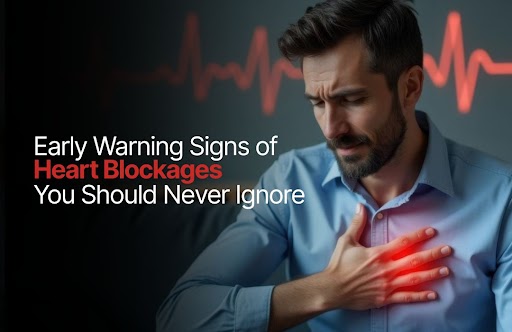
Many people often ignore small warning signs from their bodies. Chest pain, shortness of breath, or even tiredness may seem minor at first. Still, these can be early warning signs of heart blockages you should never ignore.

Heart disease is very common and can lead to life-threatening problems if not found early.

A blocked artery in the heart can stop blood flow quickly. Studies show that quick action saves lives. If someone notices symptoms like chest pain or fatigue, they should see a heart doctor in Hyderabad right away.

This blog will help readers learn about key symptoms linked to heart blockages, such as angina, weakness, and irregular heartbeat. It also covers prevention steps and risk factors for better heart health under a good cardiologist in Hyderabad or a trusted heart doctor in Hyderabad.

Spot the danger before it gets worse; your health depends on it.

Key Takeaways

  • Chest pain, shortness of breath, and tiredness are early warning signs of heart blockages. These symptoms can appear suddenly or develop over time.
  • Ignoring chest discomfort, fatigue, dizziness, cold sweats, or irregular heartbeat can lead to serious health risks and even death if left untreated.
  • Swelling in the legs, feet, or ankles may signal reduced blood flow due to blocked coronary arteries. Patients should seek prompt medical help for these changes.
  • Quick action saves lives. Studies show that seeing a cardiologist without delay improves outcomes in those with heart blockages.
  • Making lifestyle changes like eating healthy food, exercising often, quitting smoking, and reducing stress lowers your risk of heart disease and its dangerous symptoms.

Early Warning Signs of Heart Blockages

Early warning signs of heart blockages can appear suddenly. People should pay attention to these symptoms, as they may indicate serious issues with blood flow.

Chest pain or discomfort

Chest pain or discomfort often signals a problem with blood flow to the heart. Patients may experience this type of pain as a tightness, pressure, or heaviness in the chest. Some describe it as feeling like an elephant is sitting on them.

This symptom can arise suddenly or develop gradually over time.

Individuals should not ignore such sensations, especially if they occur during physical activity or emotional stress. Angina, a form of chest pain, occurs when the coronary arteries narrow and restrict the blood supply to the heart muscle.

Early detection and prompt medical attention are crucial for managing these warning signs effectively.

Shortness of breath

Moving from chest pain or discomfort, shortness of breath is another critical symptom to watch. This feeling can occur even during light activities or rest. Patients often describe it as an inability to catch their breath, leading to distress.

Shortness of breath may indicate heart blockages that restrict blood flow. Angina often presents with this symptom as well, signalling potential coronary artery disease. Individuals experiencing this should seek medical attention without delay.

Monitoring symptoms and making lifestyle changes can help manage risk factors effectively.

Fatigue or weakness

Fatigue or weakness can signal heart issues. Patients may notice an unusual lack of energy or feel more tired than usual. This symptom often accompanies other signs of heart blockages, such as chest pain and shortness of breath.

It might also affect daily activities that once seemed easy.

Coronary arteries supply blood to the heart muscle. Any blockage can reduce blood flow, leading to fatigue and overall weakness. Those experiencing these symptoms should seek medical attention promptly.

Ignoring these warning signs could lead to serious health risks related to heart disease.

Dizziness or lightheadedness

Fatigue or weakness often leads to other concerning symptoms. Dizziness or lightheadedness frequently indicates a serious issue with blood flow. These sensations can arise from decreased oxygen reaching the brain due to blockages in coronary arteries.

Chest pain may accompany this dizziness, intensifying the discomfort.

Patients experiencing these feelings should take them seriously. Lightheadedness can occur suddenly and might cause fainting spells if not addressed promptly. Ignoring such signs risks further complications related to heart disease and overall health.

Staying alert for these symptoms is crucial for maintaining well-being and preventing more severe conditions like angina or a heart attack.

Nausea or vomiting

Nausea or vomiting can signal serious issues with heart health. These symptoms may arise when blood flow to the heart decreases. Angina, which causes chest pain and discomfort, often accompanies them.

Patients experiencing nausea might feel uneasy or have an upset stomach. Vomiting can lead to a loss of fluids and further complications.

Ignoring these signs can be dangerous. They may indicate blockages in the coronary arteries that require immediate attention. Seeking medical help is crucial if these symptoms occur frequently.

It is essential to monitor one’s health closely during such episodes, as they could lead to more severe conditions like heart disease or even a heart attack. Understanding other symptoms improves awareness of one’s cardiovascular health.

Cold sweats

Nausea or vomiting can accompany other heart symptoms. Cold sweats often signal a serious issue with the heart. Patients might experience sudden sweating even in cool conditions. This symptom indicates that something is wrong, particularly with blood flow to the heart.

Cold sweats can occur alongside chest pain or shortness of breath. They may happen during physical activity or at rest. These episodes might feel alarming and should not be ignored.

A patient experiencing cold sweats along with fatigue, dizziness, or an irregular heartbeat should seek immediate medical attention. Being aware of these signs aids prevention and encourages timely care for potential blockages in the coronary arteries.

Irregular heartbeat

An irregular heartbeat can signal serious issues. Patients may experience this as a fluttering or pounding in the chest. Many people describe it as feeling like their heart skips a beat.

This symptom often occurs alongside chest pain and shortness of breath, raising concerns about heart disease.

Blockages in the coronary arteries may cause these irregularities. Limited blood flow impacts how effectively the heart functions. Seeking immediate medical attention is essential if someone notices an irregular heartbeat coupled with other symptoms.

Early detection plays a crucial role in preventing further complications from heart disease and blockages.

Swelling in the legs, feet, or ankles

Swelling in the legs, feet, or ankles can indicate heart blockages. Such swelling occurs due to fluid buildup when blood flow decreases in the coronary arteries. Patients with this symptom should pay close attention.

It often signals that the heart cannot pump efficiently.

Heart disease impacts circulation, leading to discomfort and fatigue. Individuals may notice their shoes fit tighter or their legs feel heavy. Seeking medical advice without delay is crucial if they experience these changes.

Early intervention can help prevent serious complications associated with angina and other cardiovascular symptoms.

You can also read this: Best cardiologist near me known for exceptional success rates.

What to Do If You Experience These Signs

If a person notices any of these symptoms, they must seek immediate medical help. They should keep track of their signs and make necessary lifestyle changes to lower their risk factors.

Seek immediate medical attention

Experiencing any early warning signs of heart blockages requires prompt action. Chest pain, shortness of breath, or fatigue can signal serious issues. Patients should seek immediate medical attention if they notice these symptoms.

Delaying treatment could lead to severe complications.

Doctors can assess blood flow and check for blockages in the coronary arteries. Early diagnosis often makes a significant difference in outcomes. Individuals must take their symptoms seriously and act quickly.

This proactive approach is essential for preventing potential heart disease escalation.

Monitor your symptoms

Monitoring symptoms plays a crucial role in identifying heart blockages early. Individuals should pay close attention to any signs of chest pain or discomfort, even if they seem mild.

Shortness of breath during everyday activities can signal reduced blood flow in the coronary arteries.

Fatigue or weakness that feels unusual should not be overlooked. Dizziness and lightheadedness may also indicate a more serious issue with heart health. Regularly observing these symptoms can help patients seek timely medical care and prevent further complications related to heart disease.

Make lifestyle changes to reduce risk factors

Making lifestyle changes can significantly reduce the risk of heart disease and blockages. Patients should focus on maintaining a balanced diet rich in fruits, vegetables, and whole grains.

Eating less saturated fat and sugar can improve overall health. Regular exercise helps strengthen the heart and improve blood flow. Engaging in activities like walking or swimming for at least 150 minutes each week makes a difference.

Many patients may also find it beneficial to quit smoking and limit alcohol intake if they want to lower their chances of developing coronary artery issues. Managing stress effectively through techniques like meditation or yoga is crucial as well.

These simple yet effective changes contribute positively to preventing symptoms related to chest pain, shortness of breath, and fatigue associated with heart blockages.

You can also read this: Hyderabad Cardiologist Reveals 5 Silent Heart Warning Signs

If you are experiencing any of these symptoms, consult Dr. C. Raghu, the best cardiologist in Hyderabad, a trusted heart specialist in Hyderabad known for advanced diagnosis and treatment of coronary artery disease, angina, and heart blockages.

FAQs

1. What are the most common early warning signs of heart blockages?

The main symptoms include chest pain, discomfort, shortness of breath, and fatigue. These may signal reduced blood flow in your coronary arteries.

2. How does angina relate to heart disease and blockages?

Angina is a type of chest pain linked to blocked or narrowed coronary arteries. It often signals underlying heart disease needing urgent attention.

3. Why should I not ignore mild discomfort or tiredness?

Mild discomfort and ongoing fatigue can be early signs of heart blockages. Ignoring them may delay prevention or treatment for serious heart disease.

4. Can preventive care help stop severe symptoms from developing?

Yes; regular heart monitoring and preventive care can detect blockages before they cause major problems like persistent chest pain or dangerous loss of blood flow.

5. When should I seek medical advice about these symptoms?

You should contact a doctor if you notice new or worsening chest pain, shortness of breath, angina attacks, unusual fatigue, or any changes in your usual health patterns related to your heart function.


cardiologist-near-me.webp

February 10, 2026 AbhijitHearty Life

Finding the best cardiologist near me can feel hard when you have heart problems. Many people search for a top cardiologist in Hyderabad or seek the best cardiologist in Somajiguda, wanting high patient success rates.

This blog will guide you to an expert who is known for exceptional cardiac care and great results. Read on to discover how Dr C Raghu can help protect your heart health.

Key Takeaways

  • Dr. C Raghu is the Clinical Director and Senior Interventional Cardiologist at Yashoda Hospitals, Somajiguda.
  • He has some of the highest success rates for cardiac procedures in Hyderabad, making him a trusted heart specialist.
  • Patients praise his expert care, patient-centered approach, and experienced medical staff support.
  • Booking an appointment is easy with 24/7 emergency services and online consultations available through Yashoda Hospitals.
  • The hospital’s central location in Somajiguda ensures quick access to urgent cardiac care.

DR. c raghu The Best Cardiologist Near Me
cardiologist near me

Dr c raghu stands out as a leading cardiologist in the area. His success rates for cardiac procedures reflect his dedication and expertise in heart health.

Clinical Director and Senior Interventional Cardiologist at Yashoda Hospitals, Somajiguda

Dr. C Raghu serves as the Clinical Director and Senior Interventional Cardiologist in Hyderabad. & Heart doctor in hyderabad He specializes in interventional cardiology and brings a wealth of experience to his role.

His focus on patient care ensures that each individual receives top-quality cardiac care tailored to their needs.

Under Dr. Raghu’s leadership, the hospital has achieved exceptional success rates for various cardiac procedures. His expertise in treating heart disease makes him a highly respected cardiovascular specialist.

Patients frequently commend his skilled medical staff and comprehensive approach to heart health, further solidifying his reputation as a leading cardiologist nearby.

Exceptional Success Rates for Cardiac Procedures

Dr. C Raghu leads in cardiac care with impressive success rates for various procedures. As a senior interventional cardiologist at Yashoda Hospitals, his skills shine through in each patient’s journey to better heart health.

Patients often benefit from his extensive experience and clinical expertise. He specializes in treating heart disease effectively while ensuring high patient satisfaction.

Statistics reveal that Dr. Raghu has one of the highest success rates among local doctors in the field of interventional cardiology. His dedication contributes significantly to positive outcomes for patients undergoing cardiac procedures.

Individuals seeking a dependable cardiovascular specialist can feel confident knowing they are in capable hands with him at Yashoda Hospitals. Scheduling an appointment with Dr. Raghu is straightforward and accessible, which provides further convenience for those interested in optimal cardiac care.

You can also read this : Heart Attack Symptoms: Know When to See a Cardiologist in Hyderabad

How to Book an Appointment with Dr. C. Raghu

Booking an appointment with the Top 10 Cardiologists in Hyderabad with DR C RAGHU is easy and convenient. You can contact Yashoda Hospitals anytime for emergency services or schedule an online consultation to discuss your heart health needs.

24/7 Emergency Services

Yashoda Hospitals offers 24/7 emergency services for heart-related issues. Patients can get immediate attention from experienced physicians like Dr. C Raghu, a leading cardiovascular specialist.

Quick access to care is crucial for those facing heart disease or complications.

The staff at Yashoda Hospitals stays ready to respond to emergencies all day and night. They provide life-saving interventions through their interventional cardiology program. This ensures that patients receive high-quality cardiac care whenever they need it most.

Online Consultations Available

Dr. C. Raghu offers online consultations for patients. This service allows individuals to receive expert medical advice from the comfort of their homes. Patients can easily connect with this experienced physician for cardiovascular health concerns.

Online consultations fit well into busy schedules. They provide access to high-quality cardiac care without travel stress. To schedule an appointment, visit the Yashoda Hospitals website or call their office.

The healthcare provider values patient convenience and strives to ensure timely consultations for heart disease treatment.

Convenient Location at Yashoda Hospitals

Yashoda Hospitals provides a convenient location for patients seeking heart care. Situated in Somajiguda, it is easily accessible for local residents. Patients appreciate the proximity of this cardiology clinic.

The hospital’s reputation attracts many from surrounding areas due to its exceptional success rates. Accessibility plays a crucial role in ensuring timely treatment, especially for urgent cardiac care.

Skilled medical staff members support Dr. C Raghu at Yashoda Hospitals. They work closely with him to ensure excellent patient outcomes and high-quality service. Those looking to book an appointment will find both online consultations and 24/7 emergency services available here.

You can also read this: DVT to Pulmonary Embolism the Risks and Prevention 

Experienced and Skilled Medical Staff

The location at Yashoda Hospitals features a dedicated team of experienced and skilled medical staff. This team plays a vital role in delivering top-notch cardiac care. They assist Dr.

C Raghu, who is known for his exceptional success rates in interventional cardiology.

Each member of the staff brings unique expertise to the table. Their training and commitment help ensure patients receive the highest quality treatment for heart disease and other cardiovascular conditions.

Patients can trust that they are in good hands with such knowledgeable health professionals looking after their heart health.

Dr. C Raghu serves as the Clinical Director and Senior Interventional Cardiologist at Yashoda Hospitals in Somajiguda. His clinic stands out for its exceptional success rates in cardiac procedures, demonstrating his expertise as a best cardiologist in India.

Patients who seek heart health improvements often prefer Dr. Raghu for his skillful approach to interventional cardiology.

Booking an appointment with Dr. Raghu is simple and convenient. He offers 24/7 emergency services along with online consultations, ensuring that patients can access expert cardiac care whenever they need it.

The experienced medical staff at Yashoda Hospitals supports him by providing quality assistance and patient-oriented services during each consultation.
Book your consultation today with Dr. C. Raghu, a leading heart specialist in Hyderabad, and take the first step toward safer, stronger heart health at Yashoda Hospitals, Somajiguda.

FAQs

1. Who is DR C RAGHU and why is he known as the best cardiologist near me?

DR C RAGHU is a cardiovascular specialist with high patient success rates. He leads a respected cardiology clinic and offers expert heart care.

2. What makes DR C RAGHU’s cardiac care stand out?

His medical expertise in interventional cardiology, along with strong patient reviews, sets him apart as an experienced physician for heart disease treatment.

3. How can I book a medical consultation with this heart specialist?

You can contact his clinic directly to schedule a specialist consultation or seek advice on your specific cardiac needs.

4. What services does DR C RAGHU provide at his cardiology clinic?

He provides comprehensive cardiac care including diagnosis of heart health issues, advanced treatments for heart conditions, and ongoing support from an experienced medical consultant.

5. Why do patients trust DR C RAGHU for their heart health?

Patients choose him due to exceptional success rates, personalized attention during every visit, and proven results in treating complex cardiovascular problems.


Cardiologist-Explains-Why-Snow-Shoveling-Can-Be-Dangerous.webp

February 3, 2026 AbhijitHearty Life

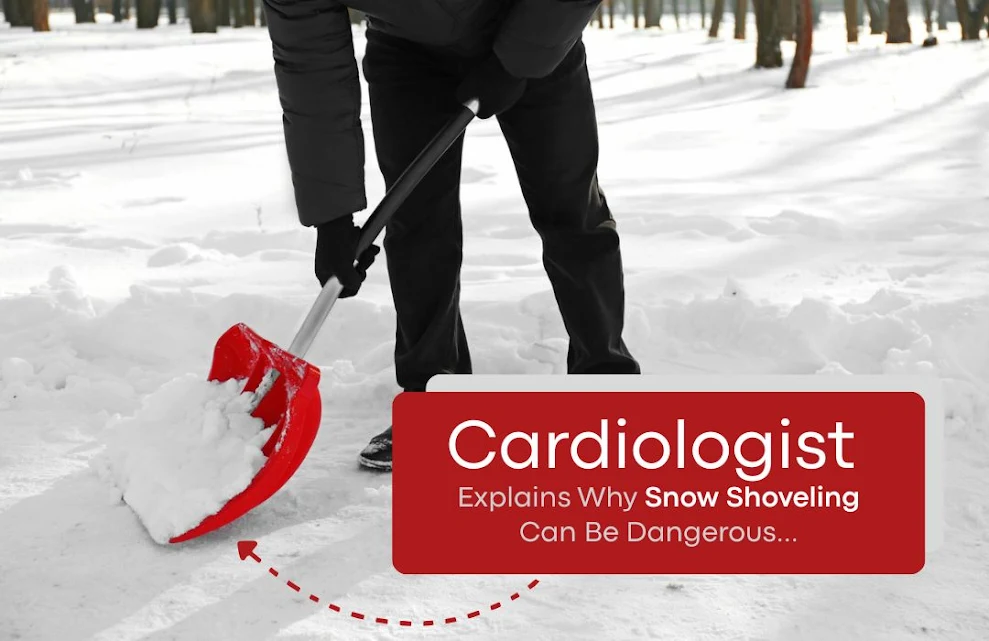
The majority of people experience fatigue accompanied by muscle pain after they complete snow removal tasks during winter. According to a cardiologist who practices in Hyderabad snow shoveling results in an immediate heart rate and blood pressure increase. The blog provides health risk reduction strategies through physical activity which the best cardiologist in Hyderabad recommends. The cardiologist from Hyderabad provides heart protection techniques which you should read to learn about their safe implementation. 

Key Takeaways 

Snow shoveling causes an immediate increase in heart rate and blood pressure during winter weather conditions. The top cardiologist in Hyderabad states that this condition heightens the risk of experiencing a heart attack or stroke. 

Individuals who have heart diseases or are elderly or maintain an inactive lifestyle face increased risks of injury when performing snow removal tasks. The four safety practices people need to use during snow shoveling processes include warming up plus taking breaks plus using proper lifting techniques and drinking water to lower health risks. The presence of chest pain or shortness of breath should make you stop shoveling immediately because these symptoms may indicate a serious medical emergency which includes a myocardial infarction. People who need to shovel snow should hire snow removal specialists because this service helps them avoid heart problems that may develop from their existing health issues.

You can also read this : Hyderabad Cardiologist Reveals 5 Silent Heart Warning
Signs

Understanding the Risks of Snow Shoveling

cardiologist

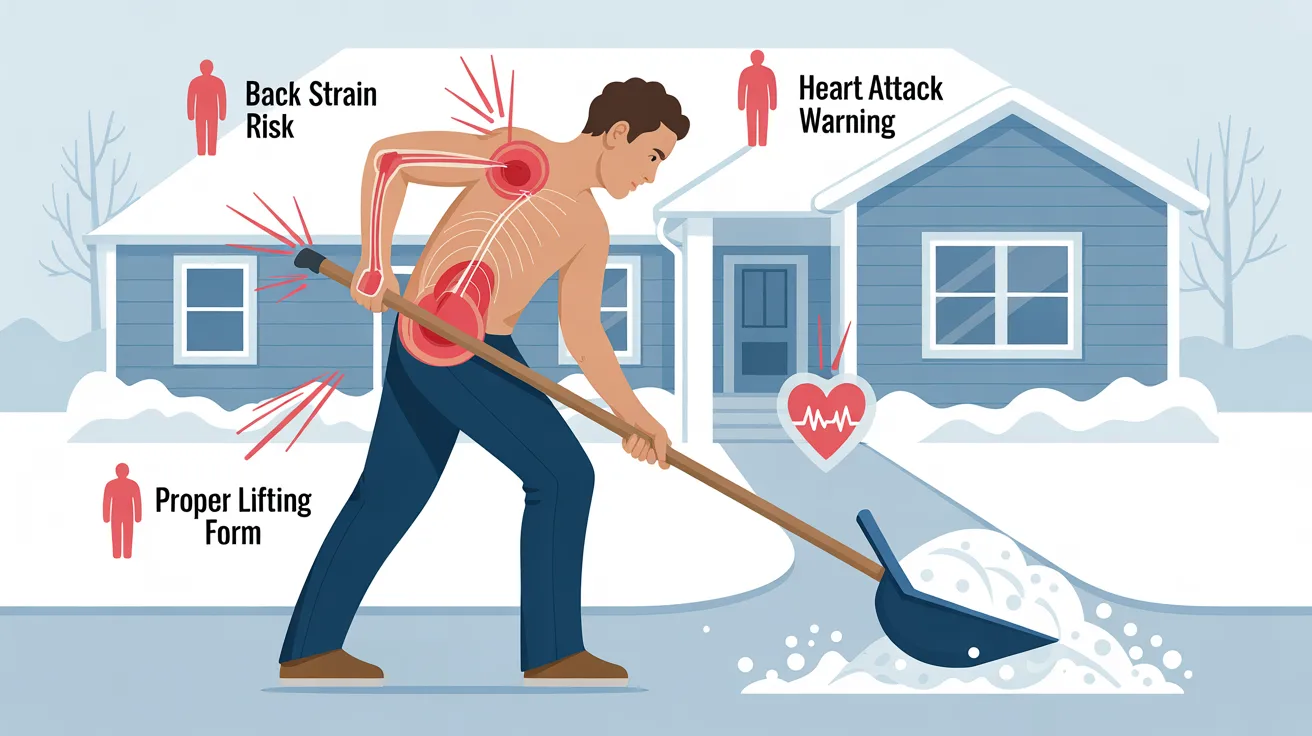
The activity of snow shoveling puts a major burden on your heart. The combination of cold weather plus heavy lifting activities results in an increased risk of serious health complications which include heart attacks and strokes. 

Cardiovascular strain

Snow shoveling creates a demanding workload which results in a heavy burden for your cardiovascular system. The activity causes your heart failure to work harder and it leads to increased blood pressure levels. The combination of heavy lifting and cold weather creates a dangerous situation which raises the likelihood of developing serious health conditions including heart attacks and strokes. 

People who reach a certain age along with existing health problems and lack of physical fitness face increasing chances of encountering dangerous situations. 

Snow removal workers need to complete physical tasks which require them to follow established safety protocols. People stay focused on snow removal tasks while they neglect their heart health. People who experience discomfort in their chest or shortness of breath must take a break to rest. 

People want to live their life during the wintertime but they should understand how to recognize hazards which could lead to myocardial infarction during winter activities such as shoveling snow. 

Increased risk for heart attack or stroke

The activity of snow shoveling creates a serious risk which can lead to heart attacks or strokes. Physical activity generates increased demand which leads to higher load on the cardiovascular system. Cold weather creates additional strain because it causes blood vessels to narrow which results in higher blood pressure levels. 

People do not realize how difficult shoveling snow becomes until they attempt it and discover that it causes their heart rate to increase beyond their normal range. 

Certain individuals face a higher risk due to underlying conditions. Outdoor winter activities such as snow removal pose extreme danger to people who already have heart problems. Chest pain and shortness of breath require immediate medical attention although taking breaks helps reduce risk of developing these symptoms. 

People need to understand these dangers because they want to keep their hearts healthy while working in their environments. Let us move ahead and examine safe snow shoveling recommendations which we can use. 

Risk factors for snow shoveling injuries

The activity of snow shoveling creates significant safety risks because it particularly affects particular groups of people. People who have existing heart conditions encounter a higher heart attack and stroke risk when they engage in physical activity. 

Cold weather creates increased pressure on the heart which results in heightened blood pressure levels and increased heart rate. The body experiences stress which can lead to myocardial infarction in some cases. 

Older adults face higher chances of sustaining injuries during snow shoveling than younger people. People who lack regular exercise will face difficulty when they need to perform snow removal tasks unexpectedly. 

Individuals need to understand these risk factors because they safeguard their health during winter activities. Let us move ahead and examine safe snow shoveling recommendations which we can use.

You can also read this : Heart Attack Symptoms: Know When to See a Cardiologist in Hyderabad

Cardiologist Tips for Safe Snow Shoveling

To stay safe while shoveling snow warm up your muscles before you begin. The body needs regular breaks because they help prevent injuries while giving time for recovery. 

Warm up before shoveling

People who want to shovel snow should first perform warm-up exercises because this makes shoveling easier on their cardiovascular system. The basic exercises let you stretch your muscles. Through this activity your blood circulation improves and your heart rate increases. 

The body faces increased difficulties when it deals with cold weather especially when health issues already exist. A proper warm-up helps lower the risk of injuries that include sprains and strains. 

People should dedicate five to ten minutes for their body preparation before starting snow removal. The most important stretches for shoveling work involve your legs and arms and back because these muscle groups perform the majority of work during shoveling.

Stay hydrated

Hydration is essential for heart health during snow shoveling activities. Your body requires fluids even if you experience reduced thirst during cold weather. Dehydration results in higher cardiovascular demands which lead to increased blood pressure levels.

Snow removal activities require drinking water in order to keep your heart rate balanced and maintain your muscle performance. Shovelers need to take breaks for both work and water breaks. People who experience dizziness or fatigue should not dismiss their symptoms because these indicate dehydration. Workers should halt their work at the first sign of problems and drink water before they resume work or ask for help.

Hydration constitutes an essential requirement that protects against severe medical conditions such as myocardial infarction during physically demanding activities in frigid temperatures. People should stop working when their symptoms manifest.

The act of snow shoveling creates a major cardiovascular burden. The moment you start to experience symptoms which include chest pain and shortness of breath and dizziness you need to stop everything. The signs you are experiencing may point to potential medical emergencies which include heart attacks and strokes.

Your current situation will become worse if you continue to shovel snow in these conditions. Your body should guide you through all physical activities that occur in cold weather. Snow removal activities during winter require you to put your heart health as your main concern. You need to understand when to take breaks and observe your physical condition because this practice could protect your life.

Safe snow shoveling practices require everyone to follow these upcoming tips which will be shared for discussion. 

Professional help should be hired for handling snow removal tasks. Professional snow removal services help people avoid getting injured. People fail to recognize how shoveling snow puts their heart and lung functions at risk. The cardiologist warns that physical activity during cold weather increases your risk of developing a heart attack in gym.

The job becomes safer through the use of equipment and training that professionals possess. They understand how to lift heavy objects without harming their cardiovascular systems.

If you feel uncertain about your ability to shovel safely, seek help from experts. Your well-being becomes the priority through this decision which protects your body from unnecessary pressure. You achieve snow removal through professional services which eliminate worries about blood pressure increases and heart problems during wintertime activities.

People who want to experience the winter season should take health precautions that protect them from dangerous situations brought on by their physically demanding work. 

People should not overlook their symptoms during winter activities which include chest pain and breathlessness and fatigue. Dr. C. Raghu serves as a reliable Cardiologist in Hyderabad and Heart Specialist Doctors who provides professional heart treatment. Book your appointment today and protect your heart.

FAQs

1. Why can snow shoveling increase heart attack risk?

Snow removal puts extra stress on the cardiovascular system. Cold weather and physical exertion raise blood pressure and heart rate, which may cause cardiac strain or myocardial infarction.

2. How does cold weather affect heart health during winter activities?

Cold temperatures constrict blood vessels, making the heart work harder to pump blood. This added effort increases cardiovascular risks while performing tasks like snow removal.

3. What are common signs of a heart emergency when shoveling snow?

Warning signals include chest pain, shortness of breath, rapid heartbeat, or sudden fatigue. These symptoms could mean a possible myocardial infarction and need a fast emergency response.

4. Who faces higher health risks from snow shoveling?

People with existing cardiovascular problems or high blood pressure face greater health risks during intense winter activity such as clearing snow.

5. What medical advice helps prevent injury while shoveling in winter?

Doctors suggest taking frequent breaks, dressing warmly to limit cold exposure, using proper lifting techniques for injury prevention, and stopping right away if you feel any warning signs linked to cardiac strain or other health issues.


Dr raghu logo


Dr raghu logo


Call us now if you are in a medical emergency need, we will reply swiftly and provide you with a medical aid.


For Appointment with Dr Raghu: +91 80085 36699
Dr Raghu’s Patient Coordinator: +91 72860 10203
Dr Raghu’s Office Experience: +91 90001 65962
Dr Raghu’s Social Media Communication Channel: +91 97046 51708

Dr. Raghu | Heart Specialist in Hyderabad
Yashoda Hospitals, Raj Bhavan Road, Somajiguda, 1st floor, Room No. 115, Hyderabad -500082, Telangana

Best Cardiologists in Hyderabad


© 2024, Dr. Raghu. All rights reserved. Design & Developed by AMSDigital.in

[gtranslate]
+91-9542475650