Heart-Valve-Screening.png

June 23, 2026 AbhijitHearty Life

The Silent Problem You Might Not Know You Have Heart Valve Screening

Heart Valve Screening. You’re sitting at your desk. You’re catching your breath after climbing those three flights of stairs. Your chest feels a bit tight. You think, “Maybe I’m just getting old.” You ignore it and move on. But what if it’s something more? What if your heart valves, those tiny doors inside your heart, are not working the way they should?

Here’s the thing. You can’t feel your heart valves failing. They don’t send you warning signals like your back pain or your migraine does. They just silently stop working. And by the time you notice something is wrong, the damage might already be serious. This is why heart valve screening matters. This is why you need to know about it. Because you’re not getting any younger. And neither are your heart valves.

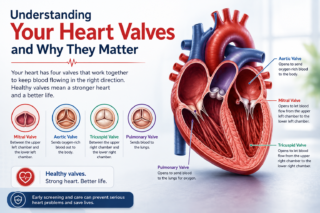
Understanding Your Heart Valves and Why They Matter
What Are These Valves Anyway?

Think of your heart like a house with four rooms. Each room has doors. These doors are your heart valves. Their job? They keep blood flowing in one direction. They make sure blood doesn’t flow backward. They work 24/7. Day and night. Without rest.

Your heart has four valves:

  • The mitral valve – It’s between your upper left chamber and your lower left chamber
  • The aortic valve – It sends oxygen-rich blood out to your body
  • The tricuspid valve -It works between your upper right chamber and your lower right chamber
  • The pulmonary valve – it sends blood to your lungs

All of them are important. All of them work together. And when one of them starts to fail, your whole system gets confused.

What Happens When Valves Go Wrong?

Let’s be honest. Your lifestyle might have caught up with you. Years of stress. Years of fast food. Years of sitting at your desk. Years of not exercising. Your heart has been working hard for you.

When valve problems develop, two main things happen:

Valve Stenosis – The valve becomes too tight. Blood cannot flow through it easily. Your heart has to work harder. It gets exhausted. Think of a clogged pipe. Water can’t flow freely.

Valve Regurgitation – The valve doesn’t close properly. Blood leaks backward. It’s like a door that doesn’t shut completely. All that leaking weakens your heart over time.

What’s the real problem? You feel tired. You get short of breath, and your legs swell up. You might feel like your heart is racing. These symptoms seem normal when you’re middle-aged and busy. But they’re not normal. They’re your body sending you a message.

Also read: Top Heart Specialist in Hyderabad, Dr C. Raghu, Cardiologist 

Why You Need Heart Valve Screening

Your Risk Factors Are Real

Let me ask you something. Do you have high blood pressure? Are you overweight? Do you have diabetes? Did your parents have heart problems? Are you over 50? Have you had infections?

If you answered yes to any of these, you need to be screened. It’s that simple.

You’re not alone in this. Thousands of people like you—working professionals, busy parents, and successful people—are walking around with valve problems they don’t know about. Some of them will face serious complications. Some will have heart attack symptoms that they could have prevented.

Here’s what you need to understand: Early detection saves lives.

The Real Consequences of Ignoring It

Your heart gets weaker – It has to pump harder. It gets tired. Eventually, it can’t pump enough blood to your body.

You get heart failure – Your body doesn’t get enough oxygen. You feel exhausted all the time.

You might have a stroke – Blood clots can form in your heart and travel to your brain.

Your quality of life drops – You can’t climb stairs. You can’t play with your grandchildren. You can’t do the things you love.

You might need emergency surgery – Sudden valve problems are dangerous. Emergency surgery is riskier than planned surgery.

But here’s the good news. If you catch it early, your doctors can manage it. You can live a normal life. You can prevent the worst outcomes.

Also read: Meet Cardiologist in India, Dr C. Raghu Yashoda, Somajiguda 

Heart Valve Screening Tests: What You Need to Know

Test #1: The Echocardiogram – Your Best Friend

This is your main test. It’s painless. It’s non-invasive. No needles. No radiation.

How does it work? A technician puts a small device on your chest. It sends sound waves into your heart. These sound waves create a picture of your heart. The doctor can see how your valves are working. Can see how blood is flowing.

Why does it matter? It shows problems clearly. It’s accurate. It’s safe.

When do you need it? If you have symptoms. If you have risk factors. If your doctor hears something unusual with a stethoscope.

Test #2: The ECG – Quick and Easy

An electrocardiogram records your heart’s electrical activity. It takes about 10 minutes.

What happens? They put small pads on your chest. A machine reads your heart’s rhythm.

Why does it matter? It shows if your heart is under stress. It shows irregular rhythms.

Test #3: The Stress Test – For the Brave

This one makes you work. You walk on a treadmill. Your heart rate goes up. The machine monitors what happens.

Why does it matter? It shows how your heart performs under pressure. Real pressure. Like when you’re running to catch a bus.

Test #4: The Cardiac CT – For Detailed Images

Sometimes doctors need more details. A CT scan creates detailed pictures of your heart.

Why does it matter? It’s useful when your doctor suspects specific problems. Like aortic valve stenosis or other serious conditions.

Test #5: The Catheterization – When You Need Definite Answers

This is more invasive. A thin tube goes into your artery. It reaches your heart. Doctors can measure pressures inside your heart.

Why does it matter? It gives precise information. It helps doctors plan treatment.

When You Actually Need Screening, Let’s Get Practical

You should get screened if you have any of these:

  • You’re over 50 – Time is catching up
  • You have high blood pressure – It stresses your valves
  • You have diabetes – It damages your heart over time
  • You’re overweight – Extra weight means extra work for your heart
  • You smoke – You know this already. It damages everything
  • You’re tired all the time – Not normal tiredness
  • You get short of breath easily – When climbing stairs, you shouldn’t get this tired
  • Your ankles swell – Especially at the end of the day
  • You have chest pain – This is serious. Don’t ignore it
  • Your family has heart problems – Genetics matter
  • You had rheumatic fever as a child – It can affect your valves years later
  • You have an irregular heartbeat – You feel your heart skipping beats

What Happens After Screening?

Your doctor finds something. Now what?

If it’s mild, you get monitored. Regular check-ups. Healthy lifestyle changes. This is manageable.

If it’s moderate, you might need medication. You might need lifestyle changes. You avoid strenuous activities.

If it’s severe, you might need intervention. An interventional cardiologist in Hyderabad or anywhere else can discuss options. Surgery. Valve replacement. Modern procedures are less invasive than before.

Your Action Plan Starts Now

You don’t have to be scared. You just need to be smart.

Step 1: Schedule a check-up – Talk to your doctor. Tell them your concerns.

Step 2: Be honest about symptoms – Don’t downplay anything. Doctors need the truth.

Step 3: Get screened if advised – Don’t delay. Not for tomorrow. Not for next month.

Step 4: Follow the plan – If your doctor gives you recommendations, follow them. This is your life.

Step 5: Make lifestyle changes – Eat better. Move more. Reduce stress. Sleep properly. These things matter.

Also read: Best Heart Doctor in Hyderabad, Why Dr. C Raghu 

Take Control of Your Health Today

Your heart has been working for you your whole life. It’s time to work for your heart. Don’t wait for symptoms to become serious. Heart valve problems are manageable when caught early. They’re dangerous when ignored.

If you’re experiencing any symptoms or have risk factors, don’t brush them aside. Connect with an experienced Top cardiologist in Hyderabad or specialists near you who can properly evaluate your heart health through comprehensive heart valve screening.

Visit drraghu.com today to schedule your consultation with Dr. C. Raghu, an interventional cardiologist specializing in heart valve conditions. Your heart deserves the best care.

About the Expert

Dr. C. Raghu is an interventional cardiologist with expertise in treating valve disorders, including aortic stenosis specialist care. He practices at Yashoda Hospital, Somajiguda, Hyderabad, and is recognized as one of the best cardiologists in Hyderabad for his patient-focused approach to cardiac care. Dr. Raghu believes in early detection and preventive cardiology to help patients live longer, healthier lives.
heart-specialist-in-hyderabad.jpg

June 16, 2026 AbhijitHearty Life

The Moment Your World Shifts

Heart You’re sitting in your doctor’s clinic, discussing concerns with a heart specialist in Hyderabad. The words come fast—”irregular heartbeat,” “blockage,” and “surgery might be needed.” Your hands go cold. Your mind starts racing. You nod, but you’re not sure if you’ve heard everything correctly. You drive home. You lie awake that night. Questions keep popping up in your head like unwanted guests at a party.

This is the moment when most of us freeze. We have just received news that shakes our foundation. Your heart—that fist-sized organ that keeps you alive—needs attention. And suddenly, everything feels urgent and scary at the same time.

You’re not alone in feeling this way. Thousands of people across urban cities face similar situations every single day. The difference? Some of them take one more step. They decide to get a second opinion.

Why Your First Instinct Should Be to Look Again
heart doctor in hyderabad

Here’s something that nobody tells you clearly: getting a second opinion on heart problems is not about doubting your doctor. It’s about protecting yourself. It’s about making sure you understand what’s happening inside your chest.

Think about it this way. When you buy a house, you get an inspection. When you buy a car, you check the engine. So why would you trust the biggest investment—your health—to just one perspective?

Also read: Best Heart Doctor in Hyderabad Why Dr. C Raghu 

Your heart deserves more than one look.

Heart diseases are tricky. They hide. They disguise themselves. Two different doctors might see the same test results and interpret them differently. This isn’t about one being right and one being wrong. It’s about getting clarity.

When you’re dealing with conditions like

  • Aortic stenosis (narrowing of the aortic valve)
  • Heart valve problems requiring screening
  • Blockages in your arteries
  • Abnormal rhythms that concern you
  • Symptoms that worry you about a potential heart attack

…you deserve to understand all your options. A second opinion from another cardiologist gives you exactly that.

What Happens When You Don’t Get That Second Look?

Let’s talk about the real consequences. Not to scare you, but to wake you up.

The Wrong Path

Sometimes, you might be recommended a treatment that isn’t actually necessary for your specific situation. Surgery is powerful medicine. It works. But it also carries risks. What if there was a simpler, gentler option that your first doctor didn’t mention? What if a procedure like TAVI (transcatheter aortic valve implantation) could work for you, but nobody told you about it?

You might end up on a surgical table when you don’t need to be.

The Missed Opportunity

On the flip side, sometimes people delay getting proper treatment because they’re not convinced their condition is serious. They think they’ll wait it out. They think it’ll get better on its own. A second opinion might have shown them they needed to act faster. And with heart problems, timing is everything. Heart attack symptoms can escalate quickly. Waiting becomes dangerous.

The Money Problem

Let’s be real. Heart treatments are expensive. You want to make sure you’re spending your money on what you actually need. A second opinion helps you avoid unnecessary procedures. It also helps you understand if there are less expensive options available that work just as well for your condition.

The Stress Weight

There’s a burden you carry when you’re unsure. You lie awake. You worry. You second-guess. Getting a second opinion doesn’t just benefit your body. It gives your mind relief. It transforms “I hope this is right” into “I’m confident about this decision.”

Also read: TAVR/TAVI Procedure in Hyderabad Minimally Invasive Care 

When Exactly Should You Seek That Second Opinion?

You’re probably wondering: Should I do this every time a doctor mentions my heart? No. But here are the moments when you absolutely should:

You should get a second opinion when:

  • Your doctor recommends surgery or an invasive procedure
  • You’re being told you need a major lifestyle change but it doesn’t feel right to you
  • You have a serious diagnosis that affects your future (like needing a valve replacement)
  • You feel uncomfortable with your current doctor’s explanation
  • Your condition isn’t improving despite treatment
  • You want to know about advanced options like TAVR (transcatheter aortic valve replacement) or other newer interventions
  • You’re looking for the best possible treatment in your area

This isn’t about being difficult. This is about being smart.

How Do You Actually Get a Second Opinion?

Here’s the practical part. The part that doesn’t require courage—just action.

Step 1: Gather Your Records

You need your test results. Your ECG reports. Your echocardiogram images. Your CT scans. Your blood work. Collect everything. Call your first doctor’s office and request copies. They have to give them to you. It’s your right.

Step 2: Find the Right Specialist

Don’t just pick any cardiologist. Look for someone who specializes in your specific condition. If you’re dealing with valve issues, you want someone who has extensive experience with heart valve screening and valve disorders. If you might need a newer procedure, find a specialist experienced in that area.

When you’re searching for the right expert in your city, keywords like “best cardiologist in Hyderabad” or simply “cardiologist in Hyderabad” can help you find experienced doctors nearby.

Step 3: Schedule and Prepare

Book an appointment. Write down your questions before you go. Don’t rely on memory. Bring your list. Bring someone with you—a family member or friend who can listen and help you remember important points.

Step 4: Listen and Compare

The second doctor will review your case. They might run additional tests. They might confirm what the first doctor said. Or they might offer a different perspective. Both outcomes are valuable. Now you have information from multiple sources.

The Real Benefits You Get

When you take this step, something shifts. You’re not a passive patient anymore. You become an active participant in your own health journey.

  • You understand your condition better. Two explanations are clearer than one.
  • You know your options. Treatment paths become visible. You choose, not just accept.
  • You feel in control. Your stress decreases. Your confidence increases.
  • You make better decisions. Decisions based on complete information are always better.
  • Your outcomes improve. Studies show that informed patients who actively participate in their treatment decisions have better health outcomes.

Your heart deserves your attention.

Your heart has been beating for you your entire life. It’s carried you through joy and pain, exercise and rest, stress and calm. When something goes wrong, it deserves your full attention. It deserves your careful, thoughtful decision-making. It deserves that second opinion.

Don’t rush. Don’t panic. But don’t ignore either one.

Get informed. Get that second opinion. Get clarity. Then move forward with confidence.

Your health is too important to leave to chance. The best cardiologist in your area—whether in Hyderabad or anywhere else—will welcome your questions and your second opinion. They know that informed, confident patients heal better.

Take Action Today

Don’t let uncertainty rule your life. If you’re dealing with heart concerns, if you’ve received a diagnosis that worries you, or if you want to explore all your options for conditions like aortic stenosis or valve problems—reach out to specialists who can help.

Connect with Dr. C. Raghu, an interventional cardiologist at Yashoda Hospital in Somajiguda, Hyderabad, who can provide expert guidance on your heart health journey.

About the Expert

Dr. C. Raghu is an interventional cardiologist practicing at Yashoda Hospital, Somajiguda, Hyderabad. With extensive experience in treating heart conditions, valve disorders, and advanced procedures like tavi/tavr doctor in Hyderabad specializes in providing comprehensive cardiac care and helping patients understand all their treatment options.


Atrial-Fibrillation.jpg

June 12, 2026 AbhijitHearty Life

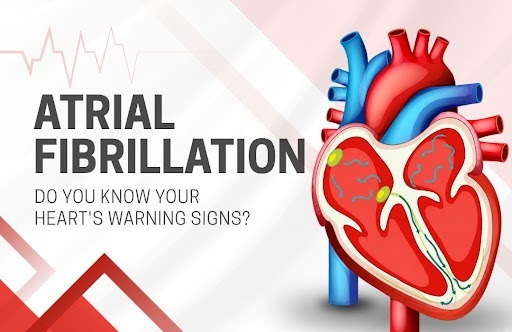
You’re sitting at your desk, finishing that important presentation. Your heart suddenly feels like it’s doing flip-flops in your chest. These irregular heartbeats can sometimes be linked to Atrial Fibrillation. One moment it’s racing. The next, it feels oddly sluggish. You pause. You breathe. You wonder is this normal? Or is something seriously wrong?” 

If you’re in your 40s, 50s, or 60s, you’ve probably felt this. You dismiss it as stress. You blame it on that extra coffee you had this morning. But deep down, you’re worried. You know something doesn’t feel right. This is the reality many of you face. This is Atrial Fibrillation—or as doctors call it, AFib. And you’re not alone. Millions of people like you are walking around with this condition, often without even knowing it.

What Exactly Is Atrial Fibrillation?

Understanding Your Heart’s Rhythm

Let me explain this simply. Your heart has its own rhythm—like a drummer keeping time in an orchestra. Usually, it beats in a steady, organized pattern. But with atrial fibrillation, that rhythm goes haywire.

Here’s what happens:

  • Your heart’s upper chambers (called atria) start beating irregularly
  • Instead of pumping blood smoothly, they flutter and quiver
  • Your pulse becomes unpredictable
  • Blood flow becomes chaotic

Your heart becomes confused. It’s still working, but it’s not working right. And this is where the danger begins. You might feel it. You might not. But it’s happening inside you, silently affecting your health.

Also read : Atrial Fibrillation treatment in India: Complete Guide 

Why Should You Care? The Consequences You Face

The Real Risks You Need to Know

You’re probably thinking, “But I feel fine most days.” That’s the tricky part about AFib. You can feel absolutely normal on the outside while something serious happens inside.

Here’s what you need to understand:

Blood Clots and Strokes

  • Irregular heartbeat means blood pools in your heart chambers
  • Pooled blood forms clots
  • These clots can travel to your brain
  • Result? A stroke that can change your life forever

Heart Failure

  • When your heart beats irregularly, it doesn’t pump efficiently
  • Over time, your heart weakens
  • This leads to heart failure—a serious condition where your heart can’t keep up with your body’s demands
  • Suddenly, simple tasks like climbing stairs become difficult

Fatigue and Reduced Quality of Life

  • You feel tired for no reason
  • Your energy drops
  • You can’t do the things you love
  • This affects your work, your family time, everything

Long-term Damage

  • Your heart chambers can enlarge
  • Your heart’s structure changes permanently
  • The longer you ignore it, the worse it gets

Think about your mother or father. Think about a colleague who had a stroke. AFib might have been the reason.

Who Is Actually at Risk? Let’s Talk About You

Are You in the Danger Zone?

Now, here’s the important question: Are you at risk? Let me paint the picture. You might be at higher risk if you:

Your Age

  • You’re over 50? Your risk increases significantly
  • With every decade, your risk grows higher
  • Middle age is when AFib often starts

Your Blood Pressure

  • You’ve been told your blood pressure is high
  • You might be on medication for it
  • Uncontrolled high blood pressure damages your heart

Your Heart History

  • You’ve had heart problems before
  • Heart disease runs in your family
  • You’ve had a heart attack
  • You’ve been told you have a weak heart

Your Lifestyle

  • You’re overweight or obese
  • You don’t exercise much
  • You eat lots of processed foods with excess salt
  • You drink alcohol regularly

Your Health Conditions

  • You have diabetes
  • You have a thyroid problem
  • You have sleep apnea
  • You’re dealing with chronic lung disease

Stress and Sleep

  • You’re constantly stressed at work
  • You barely sleep properly
  • You wake up feeling exhausted
  • You never really relax

Do any of these sound like you? Be honest with yourself. This matters more than you think.

The Warning Signs You Shouldn’t Ignore

What Your Body Is Trying to Tell You

Your body sends signals. You just need to listen. Here’s what to watch for:

  • Your heart races for no clear reason
  • You feel like your heart is fluttering
  • Your pulse is irregular or skips beats
  • You feel dizzy or lightheaded
  • You get short of breath during normal activity
  • You feel unusually tired
  • You have chest discomfort
  • You feel faint or nearly pass out
  • You sweat more than normal

The tricky part? Some people feel nothing at all. AFib can be completely silent. That’s why you can’t just wait for symptoms. You need to be proactive.

What You Can Do Right Now

Take Control of Your Heart’s Future

You’re not helpless here. You have real options:

Get Checked Out

  • Visit a cardiologist in Hyderabad if you’re in that area
  • Get an ECG (electrocardiogram)—it takes five minutes and reveals everything
  • This simple test can save your life

Know Your Numbers

  • Blood pressure
  • Weight and BMI
  • Blood sugar levels
  • Cholesterol levels

Make Changes Today

  • Reduce salt in your diet
  • Exercise 30 minutes most days
  • Maintain a healthy weight
  • Limit alcohol
  • Manage stress through meditation or yoga
  • Sleep 7-8 hours nightly

Understand Your Family History

  • Ask your parents about heart problems
  • Know if AFib runs in your family
  • Share this information with your doctor

Stop Smoking

  • If you smoke, quit now
  • This single change matters tremendously
  • Your heart will thank you

Finding the Right Help

Why You Need a Specialist

Not every doctor is trained to handle AFib. You need someone who knows hearts inside and out. Someone like an interventional cardiologist in hyderabad a specialist who understands the complexities of heart rhythm problems.

A good cardiologist will:

  • Listen to your concerns
  • Run the right tests
  • Explain everything clearly
  • Create a plan specifically for you
  • Follow up regularly

If you’re in Hyderabad, look for a best cardiologist in Hyderabad who specializes in arrhythmias and AFib treatment.

Your Questions Answered

Common Concerns Middle-Aged People Have

“Can I live a normal life with AFib?” Yes. With proper treatment and lifestyle changes, you can manage it well.

“Is AFib always serious?” Not always, but it needs attention. Some cases are mild; others are serious. You need evaluation.

“Can I prevent AFib?” You can reduce your risk significantly by managing blood pressure, maintaining healthy weight, and staying active.

“What treatments are available?” Doctors use medications, lifestyle changes, and sometimes procedures. Your cardiologist will choose what’s best for you.

Also read : Cardiologist Hyderabad Why Dr. C. Raghu Is a Name Patients Trust 

The Bottom Line: Your Health Is Your Choice

Making Your Move Today

Here’s the truth nobody tells you: Your heart health is in your hands. You can ignore the warning signs and hope for the best. Or you can take action now, while you still have time.

The middle-aged years are critical. Decisions you make now shape your next 20, 30, or 40 years. You can spend them active, healthy, and present with your family. Or you can spend them managing a serious condition that could have been prevented.

The choice seems obvious when you think about it that way.

Don’t wait for a health scare. Don’t assume “it won’t happen to me.” Be smart. Be proactive. Get checked. Learn your numbers. Make the changes. Your future self will be grateful.

Ready to protect your heart? Visit drraghu.com today and schedule your consultation. Learn more about preventing and managing conditions like Atrial Fibrillation before it’s too late.

About the Expert

Dr C. Raghu is an interventional cardiologist with extensive experience in treating heart rhythm disorders, including Atrial Fibrillation. He practices at Yashoda Hospital, Somajiguda, Hyderabad, where he helps patients just like you take control of their heart health. Whether you need screening for Heart valve issues, Aortic stenosis, or understanding Heart attack symptoms, Dr. Raghu combines modern medical expertise with a patient-first approach.


cardiologist-in-hyderabad.png

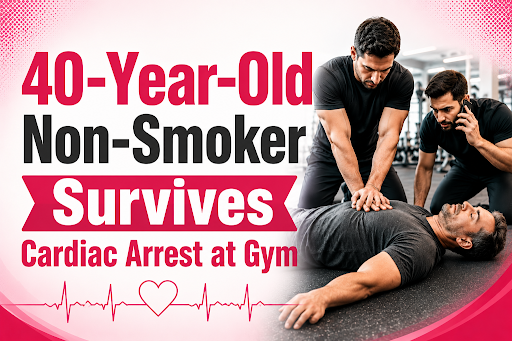
Cardiologist in Hyderabad are increasingly seeing cases like Rajesh’s. Rajesh, 40, a non-smoker and non-drinker, IT team lead in Hyderabad, and father of two, had been going to the gym for three years. He was proud of his consistency. On a Thursday evening in March, while finishing his chest press set, he felt a sudden, crushing pressure in the chest. His vision narrowed. He hit the floor. He was lucky. His gym had a defibrillator. One trainer knew CPR. The ambulance arrived in 8 minutes. Within an hour, he was receiving cardiac arrest treatment in Hyderabad; a stent was placed, the artery reopened, and the heart muscle was being saved. Rajesh survived. Many like him do not. 

Why Did This Happen to a Healthy, Non-Smoking Gym-Goer?

Non-smoker heart attack risk is a subject cardiologists are raising alarms about across India. The vast majority of Indian men in their 30s and 40s who suffer cardiac events are non-smokers. When Rajesh’s arteries were examined after his cardiac arrest, his right coronary artery was 90% blocked. He had no symptoms — none that he had noticed and acted on. What he did have was a combination of:

  • Coronary artery disease has been building silently for a decade
  • Undetected high LDL cholesterol is often genetic
  • Chronic work stress with years of poor sleep
  • High triglycerides from a diet heavy in refined carbs and fried food
  • Family history, which he was aware of, but never acted on

Warning Signs Before Cardiac Arrest That People Miss

  • Unusual fatigue in the weeks before the event, ‘I assumed it was work pressure.’
  • Shortness of breath doing things that previously felt effortless, ‘I thought I needed to train harder.’
  • Brief, passing chest discomfort — ‘It felt like gas. I took an antacid’
  • Jaw or neck tightness: I put it down to posture at my desk.’
  • Palpitations during exercise, ‘I thought it was just my heart rate going up.’

These warning signs before cardiac arrest are whispers. If you are experiencing any of these consistently, visiting the top heart specialist in Hyderabad is not an overreaction — it is what saves lives.

What Is Coronary Artery Disease?

Coronary artery disease (CAD) is the slow, progressive narrowing of the arteries that supply blood to the heart caused by the buildup of plaque on the inner walls. When a piece of plaque ruptures, a blood clot forms instantly. If that clot fully blocks the artery, the heart muscle begins to die within minutes. CAD is the single leading cause of death in India and affects non-smokers just as much as smokers.

What Is Angioplasty and How Did It Save Rajesh?

After Rajesh arrived at the emergency cardiac care facility, doctors performed a coronary angiogram, identified the blockage within minutes, and performed angioplasty treatment in Hyderabad, threading a catheter to the blocked artery, inflating a balloon to compress the plaque, and placing a stent to keep it open. The procedure took under 45 minutes. Blood flow to Rajesh’s heart was restored. This is why the best cardiologist in Hyderabad for emergencies matters so much in cardiac arrest; every minute counts.

CPR Treatment: Why Every Person at That Gym Matters

When Rajesh collapsed, it was not the doctor who saved him first — it was the gym trainer. CPR (Cardiopulmonary Resuscitation) kept blood flowing to Rajesh’s brain and heart during the critical minutes before the ambulance arrived. Without CPR, he would almost certainly have suffered irreversible brain damage or death. CPR involves pressing hard and fast on the center of the chest, 100 to 120 compressions per minute, to manually pump blood when the heart has stopped.

What You Should Do If You Are in a Similar Situation

  • Get a cardiac screening, especially if you are male, over 35, with a family history
  • Do not skip symptoms. Brief chest tightness or unusual fatigue during exercise should be evaluated immediately
  • Learn CPR; it takes 30 minutes and can save a life in your home, office, or gym
  • If you witness a cardiac arrest, call emergency services, begin chest compressions, and do not stop until help arrives

Conclusion

Cardiac arrest can happen to anyone — not just the smoker, the obese, or the sedentary. Rajesh’s survival was the presence of someone trained to act, access to excellent cardiac arrest treatment in Hyderabad, and the skill of the interventional cardiology team that treated him.

Dr C. Raghu—Interventional Cardiologist, Yashoda Hospital, Somajiguda, Hyderabad
Known for his expertise in emergency heart attack treatment in Hyderabad and complex angioplasty procedures. His team provides round-the-clock emergency cardiac care to patients across Hyderabad and beyond.


heart-attack.jpg

June 6, 2026 AbhijitHealthcare

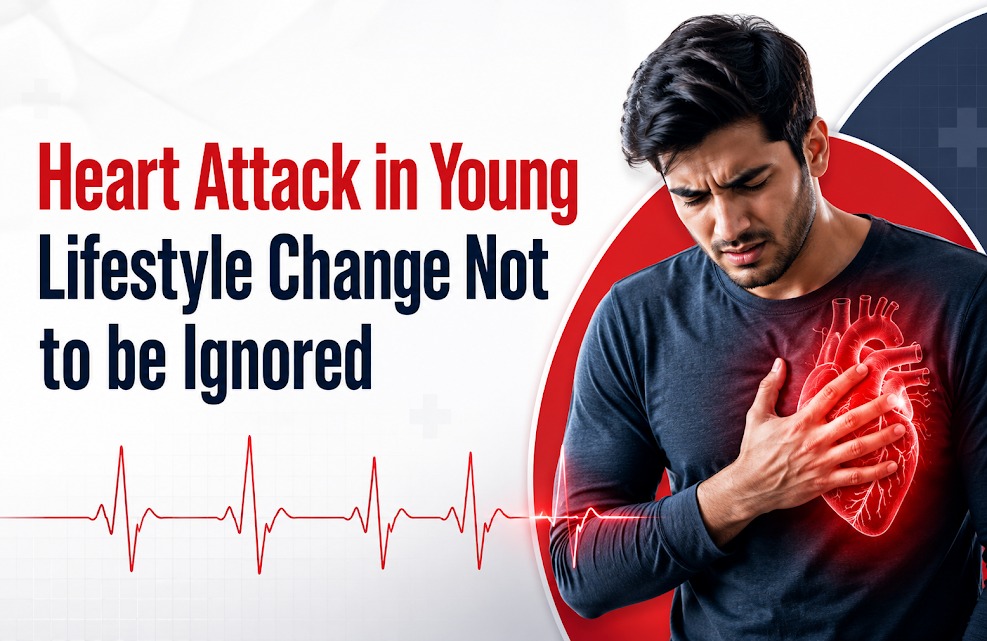
Heart doctor in Hyderabad are increasingly seeing a troubling trend among younger adults. You are 34, a non-smoker, not diabetic, and seemingly fit. You hit the gym three times a week and eat reasonably well. And then one Tuesday morning, mid-workout, your chest tightens. By the time the ambulance arrives, you are having a massive cardiac event. This is not a rare story anymore. Heart attacks in young people — in their 30s and early 40s — are rising at a rate that has even the most seasoned Heart Specialist in Hyderabad concerned. 

India’s Young Heart Problem Is Real

India has one of the highest rates of premature heart disease in the world. Studies show that nearly 25% of all heart attack deaths in India occur in people under 40. This is not genetics alone. This is a lifestyle crisis. The Indian urban professional is under enormous pressure — career targets, long commutes, rising EMIs, social comparison on Instagram, and a food culture that has quietly shifted from home-cooked dals and rotis to Zomato orders every other night.

Also read: Best Heart Doctor in Hyderabad, Why Dr C Raghu 

Why a Heart Attack at the Gym Is More Common Now

A heart attack in gym settings among young people is not because exercise is dangerous. It is because people with undetected arterial plaque push their hearts into maximum exertion without ever being screened. When you sprint on a treadmill with a partially blocked artery, the sudden surge in demand can rupture that plaque. The resulting clot blocks blood flow — that is a heart attack.

A famous cardiologist in India, like Dr C. Raghu, sees this pattern regularly — young patients who looked completely healthy on the outside but had arteries that were silently narrowing for years. Consulting a trusted top heart specialist in Hyderabad before symptoms appear is the most effective form of prevention.

What Is a Silent Heart Attack?


A silent heart attack causes minimal or no symptoms. You might feel a bit tired for a few days. Some mild jaw, upper back, or arm discomfort. A passing nausea. And then you go back to work. It can cause permanent damage to your heart muscle without you even knowing it happened — often only showing up when you get an ECG for an unrelated reason.

What Is a Minor Heart Attack?

A minor heart attack — medically called an NSTEMI — is often dismissed as indigestion or stress. But it still injures your heart. Each one increases your risk of a more severe event. Any cardiac event is a medical emergency. Time is muscle.

The Lifestyle Changes That Actually Matter


Stop Treating Weekdays as a Write-Off

Your coronary arteries do not work on a Monday-to-Friday write-off schedule. Chronic inflammation from daily junk food, late nights, and inactivity builds the plaque that eventually ruptures.

Understand Your Family History

If your father had a heart attack at 50 or your uncle was on cardiac medication at 45, your risk is significantly higher. This is not destiny — it is a warning to act earlier. Tell your heart doctor in Hyderabad about your family history at every visit.

Get a Cardiac Screening, Not Just a General Health Check

A standard corporate health check measures your weight, blood pressure, and blood sugar. A proper cardiac screening includes an ECG, echo, lipid profile, and sometimes a treadmill stress test — giving a far more complete picture of your heart’s actual health.

Balloon Mitral Valvotomy: When Valve Disease Enters the Picture

Some young Indians — especially women with a history of rheumatic fever — develop valve problems that mimic heart disease symptoms. Balloon Mitral Valvotomy is a minimally invasive procedure used to treat mitral valve stenosis, which can cause breathlessness and fatigue identical to what many young professionals attribute to being out of shape.

Also read: Atrial Fibrillation treatment in India: Complete Guide 

Conclusion

Your heart does not care that you are 34 and busy. If you are an urban professional living a high-pressure, low-movement life, the time to act is right now — not after a cardiac event.

Dr C. Raghu — Interventional Cardiologist, Yashoda Hospital, Somajiguda, Hyderabad
Recognized widely recognised as a famous cardiologist in India for his expertise in complex coronary interventions and preventive cardiology. He has helped young patients across Hyderabad, Bangalore, and beyond reclaim their heart health before a crisis arrives.


pulmonary-embolism-in-india.webp

June 1, 2026 AbhijitHearty Life

A Clot That Travels to the Lung  and the Urgency It Demands

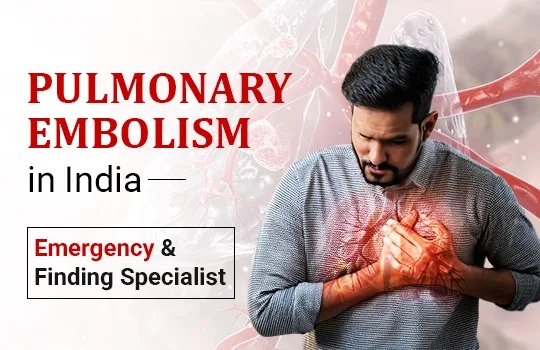
Pulmonary embolism (PE) is a sudden blockage of one or more pulmonary arteries, the blood vessels carrying blood from the heart to the lungs, by a clot that has usually traveled from the deep veins of the legs or pelvis. It is a potentially catastrophic emergency. A massive pulmonary embolism, in which a large clot obstructs the main pulmonary arteries, can produce acute right heart failure, hemodynamic collapse, and cardiac arrest within minutes. Even smaller emboli, if not recognized and treated, can be fatal.

In India, pulmonary embolism is substantially underdiagnosed. Limited awareness of its symptoms among patients and families, incomplete recognition among some clinicians, and the incorrect perception that PE is primarily a Western disease all contribute to diagnostic delays that cost lives. Improving awareness of pulmonary embolism — who is at risk, what it feels like, and what treatment options are available from a qualified pulmonary embolism specialist in India  is therefore genuinely life-saving.

Deep Vein Thrombosis and Pulmonary Embolism: The Same Condition, Different Stages

DVT treatment and pulmonary embolism management are two aspects of managing a single disease: venous thromboembolism (VTE). Deep vein thrombosis (DVT) is the formation of a blood clot in a deep vein, most commonly the deep veins of the calf, thigh, or pelvis. When a piece of that clot breaks off and travels through the venous system to the right heart and into the pulmonary arteries, pulmonary embolism results.

DVT classically presents with unilateral leg swelling, pain, tenderness, and redness, though a substantial proportion of DVT cases are asymptomatic and discovered only when PE occurs. Any asymmetric leg swelling in a patient with risk factors deserves urgent evaluation. Doppler ultrasound of the leg veins, combined with D-dimer blood testing, is the standard diagnostic pathway.

The risk factors for venous thromboembolism in India’s patient population are highly prevalent: prolonged immobility (hospitalization, long-haul flights, bed rest), recent major surgery (particularly hip and knee replacement), active cancer, pregnancy, oral contraceptive or hormone therapy use, obesity, and inherited thrombophilia (blood clotting disorders). Many patients who develop PE have two or more of these factors coexisting.


Read more: DVT to Pulmonary Embolism: The Risks and Prevention 

Recognising Pulmonary Embolism: Symptoms That Demand Immediate Action

Pulmonary embolism symptoms vary with the size of the embolism and the patient’s underlying cardiopulmonary reserve:

Sudden breathlessness is  often the most prominent symptom, appearing abruptly and without obvious cause. Any unexplained acute onset of breathlessness, particularly in a patient with PE risk factors, must be evaluated urgently for pulmonary embolism.

Pleuritic chest pain is  sharp chest pain that worsens with breathing or coughing, resulting from inflammation of the pleura (lung lining) adjacent to the embolic event.

Rapid heart rate (tachycardia) — nearly universal in significant PE, reflecting the cardiovascular stress of reduced pulmonary circulation.

Hemoptysis,  coughing blood-tinged sputum, occurs in pulmonary infarction when a segment of lung tissue loses blood supply.

Dizziness, presyncope, or syncope are  symptoms of hemodynamic compromise, indicating significant right heart strain.

In massive PE, a large central clot causes hemodynamic collapse the presentation is dramatic: severe breathlessness, hypotension, pallor, cyanosis, and potentially cardiac arrest. This constitutes an extreme cardiac emergency requiring immediate transfer to a hospital with pulmonary embolism treatment capabilities and, in appropriate cases, emergency mechanical intervention.

Any combination of sudden unexplained breathlessness, tachycardia, and recent leg swelling should trigger immediate medical evaluation. Delay is dangerous.

Read more: Dr. C. Raghu is one of the best doctors for TAVI/TAVR in Hyderabad  

Diagnosing Pulmonary Embolism

Diagnostic probability is first assessed clinically; validated scoring tools like the Wells PE Score quantify the pre-test probability of PE based on symptoms, signs, and risk factors. In low- to intermediate-probability patients, a D-dimer blood test can safely exclude PE when negative. In high-probability patients, imaging proceeds directly.

CT pulmonary angiography (CTPA) is the gold standard investigation; it demonstrates clots directly in the pulmonary arteries, defines the anatomical extent of embolic burden, and characterizes right heart strain on the same scan. Echocardiography provides rapid bedside assessment of right ventricular function in hemodynamically unstable patients who cannot be safely transported for CTPA.

Treatment: Stratified by Severity

Low-risk PE  normal blood pressure, and no right heart strain  is treated with anticoagulation. Direct oral anticoagulants (DOACs), particularly rivaroxaban and apixaban, are now first-line treatment, enabling outpatient or brief inpatient management for most low-risk cases.

Submassive PE with  normal blood pressure but echocardiographic or CT evidence of right ventricular dysfunction requires close monitoring and anticoagulation, with selective use of catheter-directed therapy for patients who deteriorate or are at high risk of clinical decompensation.

Massive PE  hemodynamic compromise constitutes an emergency requiring immediate restoration of pulmonary blood flow. Systemic thrombolysis (intravenous clot-dissolving drugs) is the primary intervention when not contraindicated. When systemic thrombolysis is contraindicated by bleeding risk or has failed to produce clinical improvement, catheter-based mechanical thrombectomy physical removal or fragmentation of a clot from the pulmonary arteries—is the advanced intervention that can be life-saving.


Read more: Hyderabad Cardiologist Reveals 5 Silent Heart Warning Signs  

Mechanical Thrombectomy: Advanced PE Care Available in India

Mechanical thrombectomy for pulmonary embolism involves navigating a catheter through the femoral vein, through the right heart, and into the pulmonary arteries, where dedicated devices aspirate or fragment the clot and restore blood flow without the systemic bleeding risk of intravenous thrombolytics. Large-bore aspiration thrombectomy systems and ultrasound-facilitated catheter-directed thrombolysis are the principal modalities used.

This advanced intervention requires specific training, a specialized catheterization laboratory team, and the rapid mobilization of a multidisciplinary PE Response Team (PERT). Dr. Raghu’s practice in Hyderabad maintains this PE treatment capability, offering patients with high-risk PE access to the most advanced catheter-based interventional options available.

For PE evaluation, DVT treatment, or urgent vascular consultation, contact Dr. Raghu’s team. For active emergencies, contact emergency services immediately.
Call Us: +91 95424 75650
Write to us: secretary@drraghu.com


Dr raghu logo


Dr raghu logo


Call us now if you are in a medical emergency need, we will reply swiftly and provide you with a medical aid.


For Appointment with Dr Raghu: +91 80085 36699
Dr Raghu’s Patient Coordinator: +91 72860 10203
Dr Raghu’s Office Experience: +91 90001 65962
Dr Raghu’s Social Media Communication Channel: +91 97046 51708

Dr. Raghu | Heart Specialist in Hyderabad
Yashoda Hospitals, Raj Bhavan Road, Somajiguda, 1st floor, Room No. 115, Hyderabad -500082, Telangana

Best Cardiologists in Hyderabad


© 2024, Dr. Raghu. All rights reserved. Design & Developed by AMSDigital.in

[gtranslate]
+91-9542475650