PTCA-STENT-CORONARY-ANGIOPLASTY-EXPERT.webp

February 24, 2026 AbhijitHearty Life

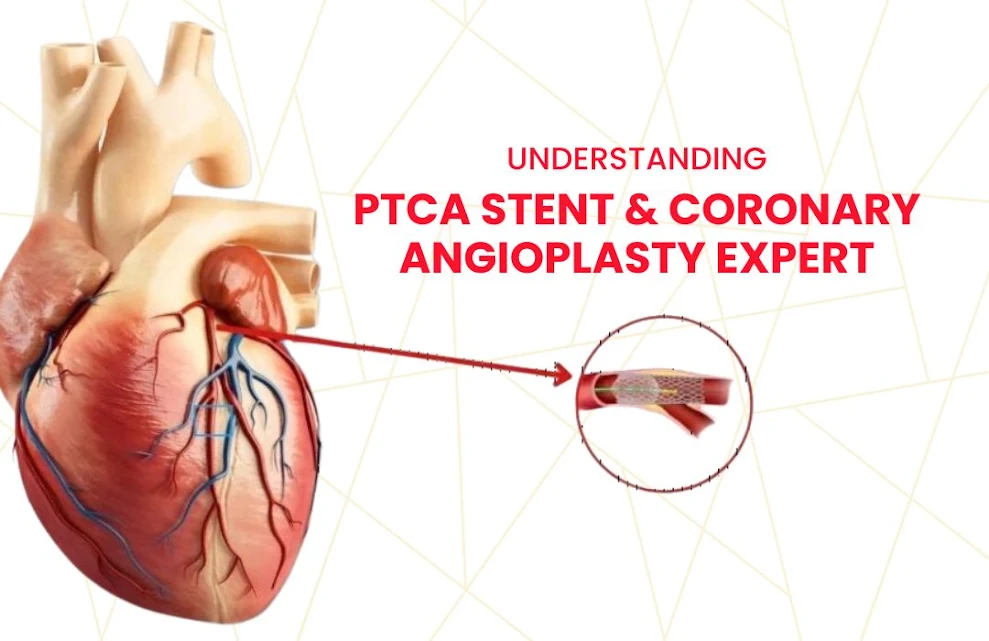
PTCA Stent जब किसी व्यक्ति को coronary artery disease (हृदय की धमनियों में रुकावट) के बारे में पता चलता है, तो चिंता होना स्वाभाविक है। धमनियों में ब्लॉकेज होने से हार्ट अटैक का खतरा बढ़ जाता है। ऐसे में एक अनुभवी coronary artery disease doctor या coronary artery disease specialist सही समय पर उपचार करके रक्त प्रवाह को सामान्य कर सकते हैं।

भारत में एक अनुभवी coronary heart disease doctor द्वारा की जाने वाली Coronary Angioplasty, Angioplasty in Heart, और PTCA Stent प्रक्रिया ब्लॉकेज को सुरक्षित तरीके से खोलने में मदद करती है। अगर आप Best Angioplasty Expert in India या Angioplasty Expert in India की तलाश में हैं, तो इस गाइड से आपको पूरी जानकारी मिलेगी।

PTCA Stent क्या होता है?

PTCA Stent एक छोटा जालीदार (mesh) ट्यूब होता है जिसे Angioplasty and Angiogram के दौरान ब्लॉक हुई coronary artery में डाला जाता है। इसका मुख्य उद्देश्य धमनियों को खुला रखना और दिल तक रक्त प्रवाह को सामान्य करना है।

आजकल भारत में Stent Coronary के उन्नत प्रकार जैसे Drug-Eluting Stent का उपयोग किया जाता है, जो दवा छोड़कर दोबारा ब्लॉकेज बनने से रोकता है। कई जटिल मामलों में आधुनिक तकनीक जैसे chip angioplasty का भी उपयोग किया जाता है।

Coronary Angioplasty क्यों की जाती है?

जब धमनियों में चर्बी (Plaque) जमा हो जाती है, तो उसे coronary artery disease कहा जाता है। इससे सीने में दर्द (Angina), सांस फूलना और हार्ट अटैक का खतरा बढ़ सकता है।

Coronary Angioplasty एक minimally invasive प्रक्रिया है जिसमें:

  • पहले Angioplasty and Angiogram द्वारा ब्लॉकेज की पहचान की जाती है
  • फिर एक बैलून कैथेटर के माध्यम से नस को खोला जाता है
  • आवश्यकता होने पर PTCA Stent या Stent Coronary लगाया जाता है
  • इस प्रक्रिया को आम भाषा में Angioplasty in Heart भी कहा जाता है।

प्रक्रिया और रिकवरी

  • सबसे पहले कार्डियक कैथेटराइजेशन किया जाता है।
  • एंजियोग्राम द्वारा ब्लॉकेज की जगह पता की जाती है।
  • बैलून फुलाकर नस को खोला जाता है।
  • जरूरत होने पर PTCA Stent लगाया जाता है।


अधिकांश मरीज 1–2 दिन में अस्पताल से छुट्टी पा लेते हैं। हालांकि, कुछ हफ्तों तक भारी काम से बचना चाहिए। सही दवाइयों और जीवनशैली में बदलाव से coronary artery disease को नियंत्रित रखा जा सकता है।


सही विशेषज्ञ कैसे चुनें?


एक अनुभवी coronary artery disease doctor या coronary artery disease specialists का चयन बहुत महत्वपूर्ण है। ध्यान रखें:

✔ डॉक्टर को Coronary Angioplasty और PTCA Stent में अनुभव हो

✔ अस्पताल मान्यता प्राप्त (Accredited) हो

✔ आधुनिक सुविधाएँ और कैथ लैब उपलब्ध हों

✔ मरीजों के अच्छे रिव्यू हों

यदि आप जटिल ब्लॉकेज के लिए Best Angioplasty Expert in India या अनुभवी Angioplasty Expert in India की तलाश में हैं, तो विशेषज्ञ का अनुभव और अस्पताल की सुविधाएँ सफलता दर को बेहतर बनाती हैं।


You can also read this : Angioplasty and Stent: Understanding the Link

Yashoda Hospitals में अनुभवी चिकित्सा स्टाफ प्रत्येक परामर्श के दौरान उन्हें उच्च गुणवत्ता वाली सहायता और रोगी-केंद्रित सेवाएँ प्रदान करता है। आज ही Dr. C. Raghu, जो हैदराबाद के एक अग्रणी हृदय विशेषज्ञ हैं, से अपनी अपॉइंटमेंट बुक करें और Yashoda Hospitals, Somajiguda में सुरक्षित और मजबूत हृदय स्वास्थ्य की दिशा में पहला कदम उठाएँ।


निष्कर्ष

coronary artery disease एक गंभीर स्थिति है, लेकिन सही समय पर उपचार और अनुभवी coronary heart disease doctor द्वारा की गई coronary angioplasty से मरीज सामान्य जीवन जी सकता है। हमेशा प्रमाणित अस्पताल में अनुभवी coronary artery disease specialists या Best Angioplasty Expert in India से परामर्श लें और अपने हृदय स्वास्थ्य को प्राथमिकता दें।


FAQs

  1. PTCA Stent क्या है?

यह एक जालीदार ट्यूब है जो Coronary Angioplasty के दौरान ब्लॉक धमनियों को खुला रखने के लिए डाला जाता है।

  1. Angioplasty and Angiogram में क्या अंतर है?

Angiogram ब्लॉकेज की जांच के लिए होता है, जबकि Angioplasty in Heart ब्लॉकेज को खोलने के लिए की जाती है।

  1. क्या chip angioplasty सुरक्षित है?

हाँ, यह जटिल और कठोर ब्लॉकेज में उपयोग की जाने वाली उन्नत तकनीक है।

  1. क्या Stent Coronary हमेशा जरूरी होता है?

अधिकांश मामलों में नस को खुला रखने के लिए PTCA Stent लगाया जाता है।


what-is-AFIB.jpg

February 17, 2026 AbhijitHearty Life

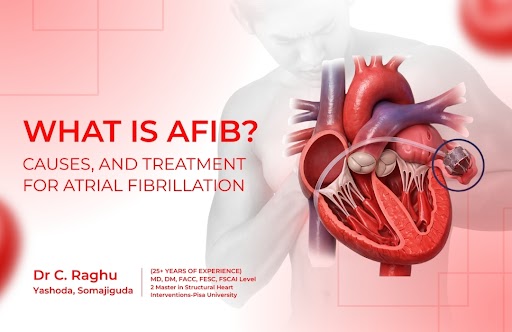
Are you aware of the rhythm of your heart when you feel like your chest is racing or trembling strangely? One common kind of arrhythmia that can result in rapid or erratic heartbeats is atrial fibrillation.

The top cardiologist in India and a sign of atrial fibrillation doctors will explain what AFib is, its causes, symptoms, and available treatments in this article. Learn how to safeguard the health of your coronary arteries by reading on.

Key Takeaways

  • Atrial fibrillation (AFib) is a common heart rhythm disorder that causes the atria to beat irregularly, leading to symptoms like palpitations, fatigue, and dizziness.
  • Main risk factors for AFib include high blood pressure, heart disease, advancing age (over 65), obesity, diabetes, excessive alcohol use, and family history.
  • AFib raises the risk of serious health problems such as stroke and blood clots if left untreated.
  • Treatment options include medications like blood thinners and antiarrhythmic drugs; procedures such as catheter ablation or cardioversion; and lifestyle changes like regular exercise, a healthy diet, weight control, avoiding tobacco, and limiting alcohol intake.
  • Diagnosis usually requires an electrocardiogram (ECG). Early treatment helps reduce complications like stroke or heart failure.

Understanding AFib

AFib, or atrial fibrillation, disrupts the heart’s rhythm. This condition causes the atria to beat irregularly, often leading to palpitations and fatigue.

Definition of AFib

One type of arrhythmia is atrial fibrillation, or AFib. By creating erratic electrical reactions in the atria, it alters the cardiac rhythm. This causes palpitations or a fast heartbeat.

Breathlessness, lightheadedness, and exhaustion are possible symptoms. Strokes and blood clots are more common in people with AFib.

AFib can be brought on by a number of conditions, including heart disease and high levels of blood pressure. Age, obesity, and excessive alcohol use are risk factors. An electrocardiogram (ECG) is frequently used for diagnosis in order to track heart activity.

In order to control symptoms and lower health risks such as heart attacks or stroke, immediate intervention is essential.

You can also read this : DVT to Pulmonary Embolism the Risks and Prevention

Causes of AFib
Causes of AFib

AFib, or Best Atrial Fibrillation Doctors in India occur due to problems in the heart’s electrical signals. These issues can arise from various causes. Heart disease is a significant risk factor for developing AFib.

High blood pressure often contributes as well. Conditions such as diabetes and obesity further increase this risk.

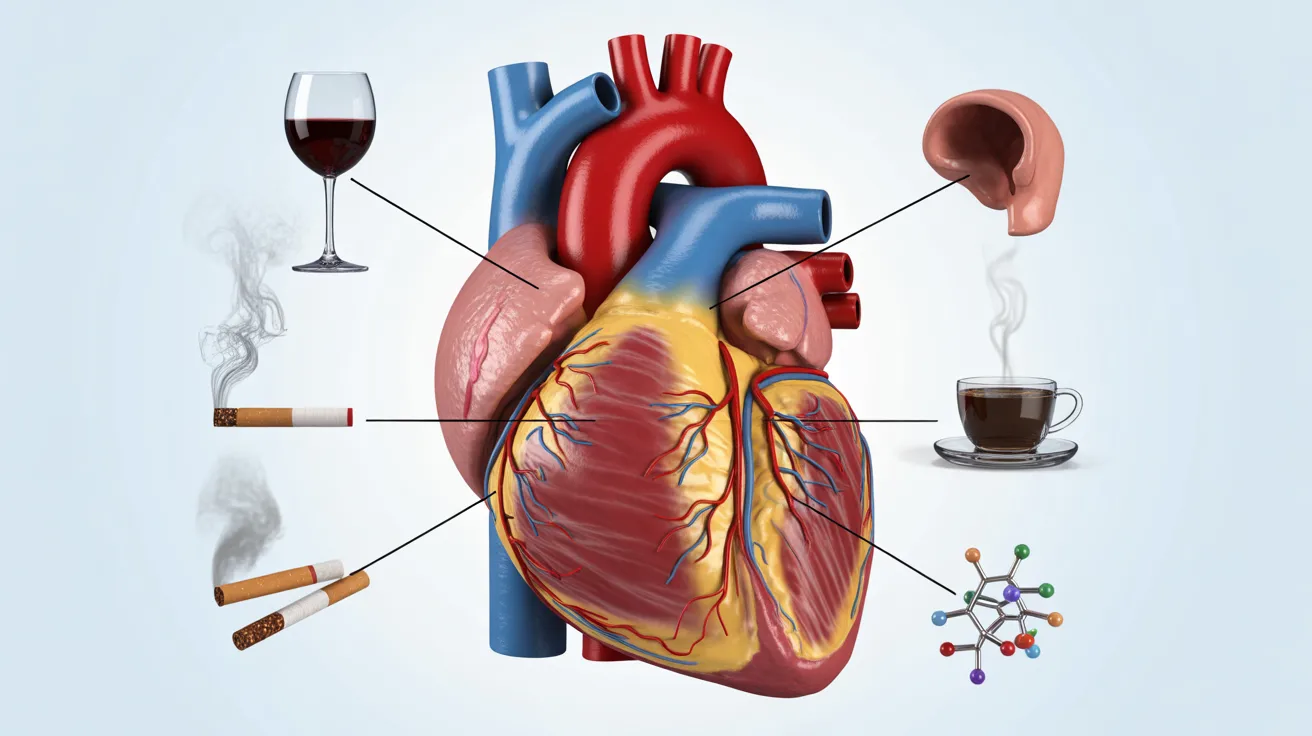
Lifestyle choices also play a role in causing AFib. Excessive alcohol consumption can trigger episodes of arrhythmia. Caffeine may lead to palpitations in some individuals too. Anxiety and stress might provoke symptoms associated with AFib as well.

Understanding these causes helps people manage their cardiovascular health effectively and reduce risks related to blood clots, stroke, and heart failure.

Risk factors for developing AFib

A few factors increase the risk of developing AFib, according to the best cardiologist for atrial fibrillation. High blood pressure affects heart rhythm, making it more likely to cause arrhythmia. Heart disease also plays a significant role in this condition.

Age matters too; people over 65 are at higher risk. Family history can influence chances as well, meaning genetics may contribute to AFib.

Lifestyle choices impact development risks too. Excessive alcohol use and smoking can lead to heart problems. Obesity may strain the heart and elevate the likelihood of irregular rhythms like AFib.

Diabetes increases complications related to cardiovascular health, pushing individuals closer to experiencing symptoms such as palpitations or tachycardia associated with atrial fibrillation.

You can also read this: – Best cardiologist near me known for Exceptional Success Rates

Treatment Options

Treatment options for atrial fibrillation vary. Doctors may prescribe medications to manage heart rate and prevent clots. Some patients might need procedures, like ablation, to restore normal rhythm.

Lifestyle changes can also aid in improving overall heart health and reducing symptoms.

Medications

Medications play a crucial role in managing atrial fibrillation, known as AFib. Doctors often prescribe blood thinners to reduce the risk of blood clots and strokes. These medications keep the heart’s rhythm steady by preventing unwanted clotting in the atria.

Some patients may need antiarrhythmic drugs to control their heart rate or restore normal rhythm. These drugs help manage symptoms like palpitations and tachycardia effectively. With a tailored approach, medications support better heart health for those with AFib.

Procedures

Treatments for AFib may include various procedures that help restore a normal heart rhythm. Doctors often recommend catheter ablation, which targets the heart’s electrical signals.

This technique isolates areas causing arrhythmia by sending energy to those spots. Patients may also consider cardioversion, where doctors use electric shocks to reset the heart’s rhythm.

In some cases, healthcare providers might implant devices like pacemakers or defibrillators. These devices monitor and manage the heart rate effectively. They keep your heartbeat regular and prevent complications such as stroke and blood clots.

Each procedure aims to improve symptoms like palpitations and tachycardia while reducing the risk of heart failure or other serious issues associated with atrial fibrillation.

Lifestyle changes

Lifestyle changes can significantly impact the management of atrial fibrillation (AFib) and brain stroke. Regular exercise helps improve heart health. Aim for at least 150 minutes of moderate aerobic activity each week.

Eating a balanced diet supports cardiovascular functions. Focus on fruits, vegetables, lean proteins, and whole grains.

Limiting alcohol and caffeine can reduce atrial flutter treatment. Stress management techniques like meditation or yoga are beneficial too. Maintaining a healthy weight lowers risks associated with arrhythmia.

Avoiding tobacco use also protects your heart from damage. Making these adjustments can enhance your overall well-being while managing the best cardiologist for AFib.

Consult Dr. C. Raghu, a trusted heart specialist at Yashoda Hospitals, for expert evaluation, advanced treatment options, and personalized heart care.
📞 Call now to book your appointment and take the first step toward a healthier, stronger heart.

FAQs

1. What is AFib and how does it affect heart rhythm?

Atrial fibrillation, or AFib, is a type of arrhythmia. It causes the upper chambers of the heart, called atria, to beat fast and unevenly. This irregular heartbeat comes from disorganized electrical signals.

2. What are common symptoms of atrial fibrillation?

Symptoms include palpitations, shortness of breath, chest pain, fatigue, and rapid heart rate known as tachycardia. Some people may not notice any symptoms at all.

3. How can AFib lead to blood clots or stroke?

When the atria do not contract well due to arrhythmia, blood can pool inside them. This increases the risk for blood clots that may travel to the brain and cause a stroke.

4. What tests help diagnose AFib?

Doctors use an electrocardiogram (ECG) to check for abnormal electrical signals in your heart rhythm. Other tests might include monitoring devices or imaging studies if needed.

5. What treatments are available for managing atrial fibrillation?

Treatment aims to control symptoms and prevent complications like heart failure or stroke. Options include medication for heart rate management and anticoagulants for clot prevention; some patients need procedures such as cardioversion or ablation therapy.


cardiologist-near-me.webp

February 10, 2026 AbhijitHearty Life

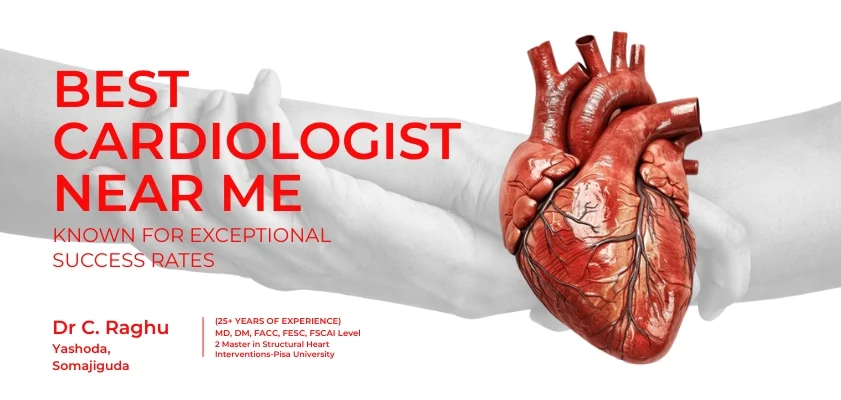
Finding the best cardiologist near me can feel hard when you have heart problems. Many people search for a top cardiologist in Hyderabad or seek the best cardiologist in Somajiguda, wanting high patient success rates.

This blog will guide you to an expert who is known for exceptional cardiac care and great results. Read on to discover how Dr C Raghu can help protect your heart health.

Key Takeaways

  • Dr. C Raghu is the Clinical Director and Senior Interventional Cardiologist at Yashoda Hospitals, Somajiguda.
  • He has some of the highest success rates for cardiac procedures in Hyderabad, making him a trusted heart specialist.
  • Patients praise his expert care, patient-centered approach, and experienced medical staff support.
  • Booking an appointment is easy with 24/7 emergency services and online consultations available through Yashoda Hospitals.
  • The hospital’s central location in Somajiguda ensures quick access to urgent cardiac care.

DR. c raghu The Best Cardiologist Near Me
cardiologist near me

Dr c raghu stands out as a leading cardiologist in the area. His success rates for cardiac procedures reflect his dedication and expertise in heart health.

Clinical Director and Senior Interventional Cardiologist at Yashoda Hospitals, Somajiguda

Dr. C Raghu serves as the Clinical Director and Senior Interventional Cardiologist in Hyderabad. & Heart doctor in hyderabad He specializes in interventional cardiology and brings a wealth of experience to his role.

His focus on patient care ensures that each individual receives top-quality cardiac care tailored to their needs.

Under Dr. Raghu’s leadership, the hospital has achieved exceptional success rates for various cardiac procedures. His expertise in treating heart disease makes him a highly respected cardiovascular specialist.

Patients frequently commend his skilled medical staff and comprehensive approach to heart health, further solidifying his reputation as a leading cardiologist nearby.

Exceptional Success Rates for Cardiac Procedures

Dr. C Raghu leads in cardiac care with impressive success rates for various procedures. As a senior interventional cardiologist at Yashoda Hospitals, his skills shine through in each patient’s journey to better heart health.

Patients often benefit from his extensive experience and clinical expertise. He specializes in treating heart disease effectively while ensuring high patient satisfaction.

Statistics reveal that Dr. Raghu has one of the highest success rates among local doctors in the field of interventional cardiology. His dedication contributes significantly to positive outcomes for patients undergoing cardiac procedures.

Individuals seeking a dependable cardiovascular specialist can feel confident knowing they are in capable hands with him at Yashoda Hospitals. Scheduling an appointment with Dr. Raghu is straightforward and accessible, which provides further convenience for those interested in optimal cardiac care.

You can also read this : Heart Attack Symptoms: Know When to See a Cardiologist in Hyderabad

How to Book an Appointment with Dr. C. Raghu

Booking an appointment with the Top 10 Cardiologists in Hyderabad with DR C RAGHU is easy and convenient. You can contact Yashoda Hospitals anytime for emergency services or schedule an online consultation to discuss your heart health needs.

24/7 Emergency Services

Yashoda Hospitals offers 24/7 emergency services for heart-related issues. Patients can get immediate attention from experienced physicians like Dr. C Raghu, a leading cardiovascular specialist.

Quick access to care is crucial for those facing heart disease or complications.

The staff at Yashoda Hospitals stays ready to respond to emergencies all day and night. They provide life-saving interventions through their interventional cardiology program. This ensures that patients receive high-quality cardiac care whenever they need it most.

Online Consultations Available

Dr. C. Raghu offers online consultations for patients. This service allows individuals to receive expert medical advice from the comfort of their homes. Patients can easily connect with this experienced physician for cardiovascular health concerns.

Online consultations fit well into busy schedules. They provide access to high-quality cardiac care without travel stress. To schedule an appointment, visit the Yashoda Hospitals website or call their office.

The healthcare provider values patient convenience and strives to ensure timely consultations for heart disease treatment.

Convenient Location at Yashoda Hospitals

Yashoda Hospitals provides a convenient location for patients seeking heart care. Situated in Somajiguda, it is easily accessible for local residents. Patients appreciate the proximity of this cardiology clinic.

The hospital’s reputation attracts many from surrounding areas due to its exceptional success rates. Accessibility plays a crucial role in ensuring timely treatment, especially for urgent cardiac care.

Skilled medical staff members support Dr. C Raghu at Yashoda Hospitals. They work closely with him to ensure excellent patient outcomes and high-quality service. Those looking to book an appointment will find both online consultations and 24/7 emergency services available here.

You can also read this: DVT to Pulmonary Embolism the Risks and Prevention 

Experienced and Skilled Medical Staff

The location at Yashoda Hospitals features a dedicated team of experienced and skilled medical staff. This team plays a vital role in delivering top-notch cardiac care. They assist Dr.

C Raghu, who is known for his exceptional success rates in interventional cardiology.

Each member of the staff brings unique expertise to the table. Their training and commitment help ensure patients receive the highest quality treatment for heart disease and other cardiovascular conditions.

Patients can trust that they are in good hands with such knowledgeable health professionals looking after their heart health.

Dr. C Raghu serves as the Clinical Director and Senior Interventional Cardiologist at Yashoda Hospitals in Somajiguda. His clinic stands out for its exceptional success rates in cardiac procedures, demonstrating his expertise as a best cardiologist in India.

Patients who seek heart health improvements often prefer Dr. Raghu for his skillful approach to interventional cardiology.

Booking an appointment with Dr. Raghu is simple and convenient. He offers 24/7 emergency services along with online consultations, ensuring that patients can access expert cardiac care whenever they need it.

The experienced medical staff at Yashoda Hospitals supports him by providing quality assistance and patient-oriented services during each consultation.
Book your consultation today with Dr. C. Raghu, a leading heart specialist in Hyderabad, and take the first step toward safer, stronger heart health at Yashoda Hospitals, Somajiguda.

FAQs

1. Who is DR C RAGHU and why is he known as the best cardiologist near me?

DR C RAGHU is a cardiovascular specialist with high patient success rates. He leads a respected cardiology clinic and offers expert heart care.

2. What makes DR C RAGHU’s cardiac care stand out?

His medical expertise in interventional cardiology, along with strong patient reviews, sets him apart as an experienced physician for heart disease treatment.

3. How can I book a medical consultation with this heart specialist?

You can contact his clinic directly to schedule a specialist consultation or seek advice on your specific cardiac needs.

4. What services does DR C RAGHU provide at his cardiology clinic?

He provides comprehensive cardiac care including diagnosis of heart health issues, advanced treatments for heart conditions, and ongoing support from an experienced medical consultant.

5. Why do patients trust DR C RAGHU for their heart health?

Patients choose him due to exceptional success rates, personalized attention during every visit, and proven results in treating complex cardiovascular problems.


Cardiologist-Explains-Why-Snow-Shoveling-Can-Be-Dangerous.webp

February 3, 2026 AbhijitHearty Life

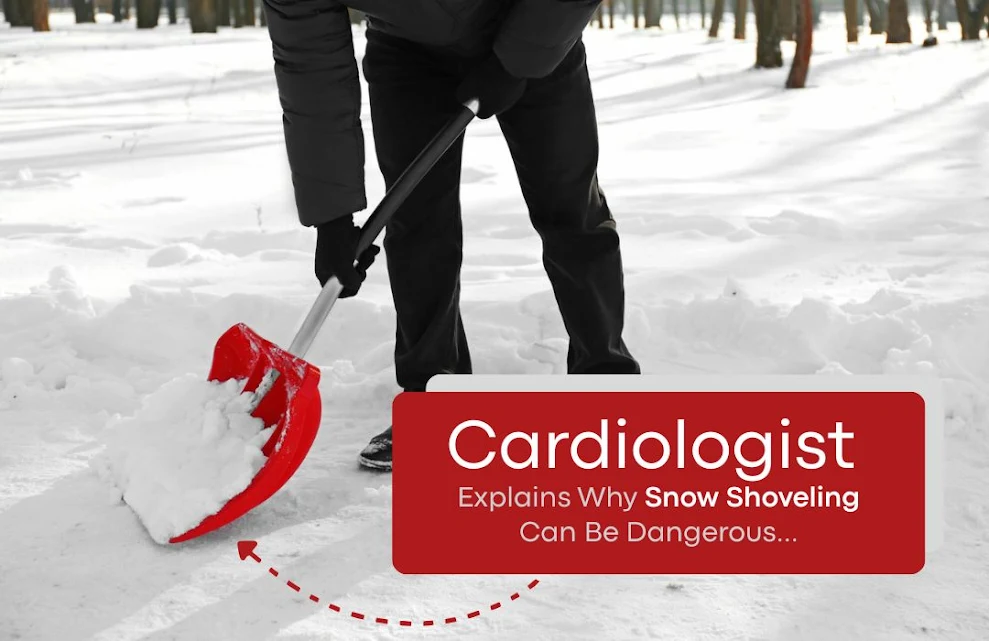
The majority of people experience fatigue accompanied by muscle pain after they complete snow removal tasks during winter. According to a cardiologist who practices in Hyderabad snow shoveling results in an immediate heart rate and blood pressure increase. The blog provides health risk reduction strategies through physical activity which the best cardiologist in Hyderabad recommends. The cardiologist from Hyderabad provides heart protection techniques which you should read to learn about their safe implementation. 

Key Takeaways 

Snow shoveling causes an immediate increase in heart rate and blood pressure during winter weather conditions. The top cardiologist in Hyderabad states that this condition heightens the risk of experiencing a heart attack or stroke. 

Individuals who have heart diseases or are elderly or maintain an inactive lifestyle face increased risks of injury when performing snow removal tasks. The four safety practices people need to use during snow shoveling processes include warming up plus taking breaks plus using proper lifting techniques and drinking water to lower health risks. The presence of chest pain or shortness of breath should make you stop shoveling immediately because these symptoms may indicate a serious medical emergency which includes a myocardial infarction. People who need to shovel snow should hire snow removal specialists because this service helps them avoid heart problems that may develop from their existing health issues.

You can also read this : Hyderabad Cardiologist Reveals 5 Silent Heart Warning
Signs

Understanding the Risks of Snow Shoveling

cardiologist

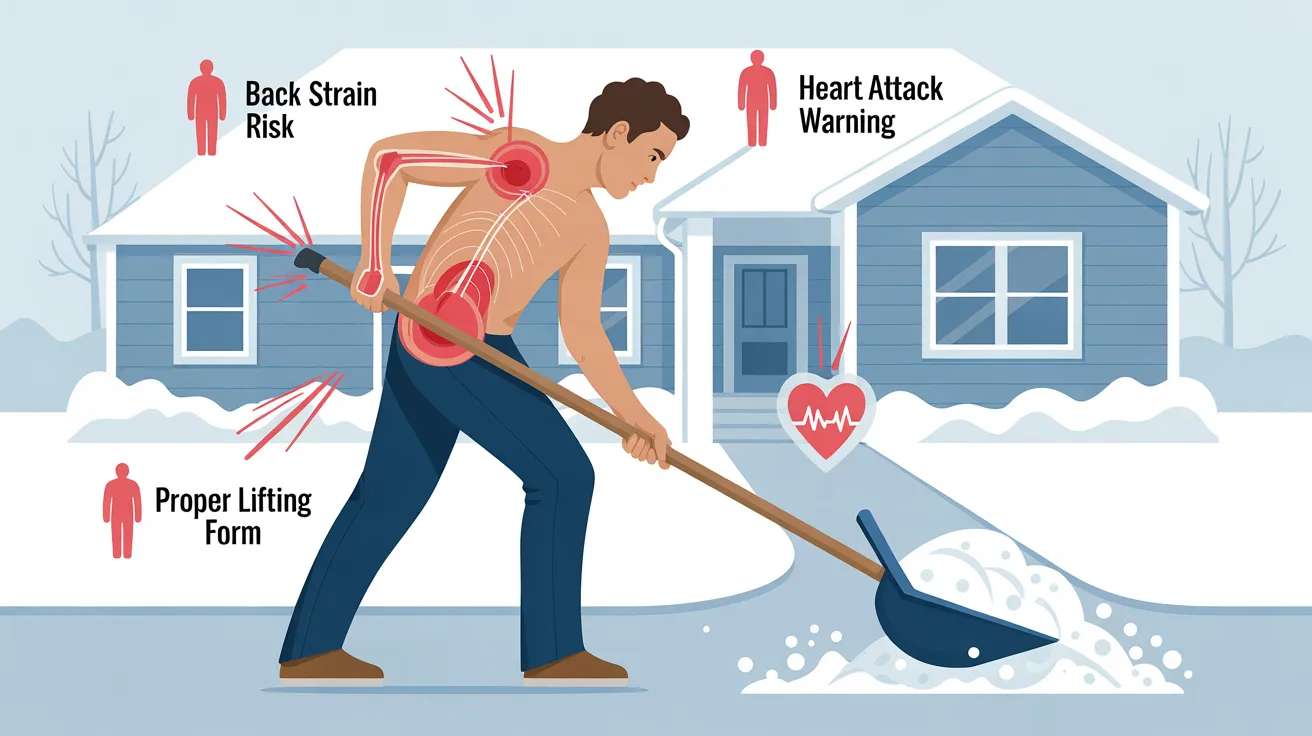
The activity of snow shoveling puts a major burden on your heart. The combination of cold weather plus heavy lifting activities results in an increased risk of serious health complications which include heart attacks and strokes. 

Cardiovascular strain

Snow shoveling creates a demanding workload which results in a heavy burden for your cardiovascular system. The activity causes your heart failure to work harder and it leads to increased blood pressure levels. The combination of heavy lifting and cold weather creates a dangerous situation which raises the likelihood of developing serious health conditions including heart attacks and strokes. 

People who reach a certain age along with existing health problems and lack of physical fitness face increasing chances of encountering dangerous situations. 

Snow removal workers need to complete physical tasks which require them to follow established safety protocols. People stay focused on snow removal tasks while they neglect their heart health. People who experience discomfort in their chest or shortness of breath must take a break to rest. 

People want to live their life during the wintertime but they should understand how to recognize hazards which could lead to myocardial infarction during winter activities such as shoveling snow. 

Increased risk for heart attack or stroke

The activity of snow shoveling creates a serious risk which can lead to heart attacks or strokes. Physical activity generates increased demand which leads to higher load on the cardiovascular system. Cold weather creates additional strain because it causes blood vessels to narrow which results in higher blood pressure levels. 

People do not realize how difficult shoveling snow becomes until they attempt it and discover that it causes their heart rate to increase beyond their normal range. 

Certain individuals face a higher risk due to underlying conditions. Outdoor winter activities such as snow removal pose extreme danger to people who already have heart problems. Chest pain and shortness of breath require immediate medical attention although taking breaks helps reduce risk of developing these symptoms. 

People need to understand these dangers because they want to keep their hearts healthy while working in their environments. Let us move ahead and examine safe snow shoveling recommendations which we can use. 

Risk factors for snow shoveling injuries

The activity of snow shoveling creates significant safety risks because it particularly affects particular groups of people. People who have existing heart conditions encounter a higher heart attack and stroke risk when they engage in physical activity. 

Cold weather creates increased pressure on the heart which results in heightened blood pressure levels and increased heart rate. The body experiences stress which can lead to myocardial infarction in some cases. 

Older adults face higher chances of sustaining injuries during snow shoveling than younger people. People who lack regular exercise will face difficulty when they need to perform snow removal tasks unexpectedly. 

Individuals need to understand these risk factors because they safeguard their health during winter activities. Let us move ahead and examine safe snow shoveling recommendations which we can use.

You can also read this : Heart Attack Symptoms: Know When to See a Cardiologist in Hyderabad

Cardiologist Tips for Safe Snow Shoveling

To stay safe while shoveling snow warm up your muscles before you begin. The body needs regular breaks because they help prevent injuries while giving time for recovery. 

Warm up before shoveling

People who want to shovel snow should first perform warm-up exercises because this makes shoveling easier on their cardiovascular system. The basic exercises let you stretch your muscles. Through this activity your blood circulation improves and your heart rate increases. 

The body faces increased difficulties when it deals with cold weather especially when health issues already exist. A proper warm-up helps lower the risk of injuries that include sprains and strains. 

People should dedicate five to ten minutes for their body preparation before starting snow removal. The most important stretches for shoveling work involve your legs and arms and back because these muscle groups perform the majority of work during shoveling.

Stay hydrated

Hydration is essential for heart health during snow shoveling activities. Your body requires fluids even if you experience reduced thirst during cold weather. Dehydration results in higher cardiovascular demands which lead to increased blood pressure levels.

Snow removal activities require drinking water in order to keep your heart rate balanced and maintain your muscle performance. Shovelers need to take breaks for both work and water breaks. People who experience dizziness or fatigue should not dismiss their symptoms because these indicate dehydration. Workers should halt their work at the first sign of problems and drink water before they resume work or ask for help.

Hydration constitutes an essential requirement that protects against severe medical conditions such as myocardial infarction during physically demanding activities in frigid temperatures. People should stop working when their symptoms manifest.

The act of snow shoveling creates a major cardiovascular burden. The moment you start to experience symptoms which include chest pain and shortness of breath and dizziness you need to stop everything. The signs you are experiencing may point to potential medical emergencies which include heart attacks and strokes.

Your current situation will become worse if you continue to shovel snow in these conditions. Your body should guide you through all physical activities that occur in cold weather. Snow removal activities during winter require you to put your heart health as your main concern. You need to understand when to take breaks and observe your physical condition because this practice could protect your life.

Safe snow shoveling practices require everyone to follow these upcoming tips which will be shared for discussion. 

Professional help should be hired for handling snow removal tasks. Professional snow removal services help people avoid getting injured. People fail to recognize how shoveling snow puts their heart and lung functions at risk. The cardiologist warns that physical activity during cold weather increases your risk of developing a heart attack in gym.

The job becomes safer through the use of equipment and training that professionals possess. They understand how to lift heavy objects without harming their cardiovascular systems.

If you feel uncertain about your ability to shovel safely, seek help from experts. Your well-being becomes the priority through this decision which protects your body from unnecessary pressure. You achieve snow removal through professional services which eliminate worries about blood pressure increases and heart problems during wintertime activities.

People who want to experience the winter season should take health precautions that protect them from dangerous situations brought on by their physically demanding work. 

People should not overlook their symptoms during winter activities which include chest pain and breathlessness and fatigue. Dr. C. Raghu serves as a reliable Cardiologist in Hyderabad and Heart Specialist Doctors who provides professional heart treatment. Book your appointment today and protect your heart.

FAQs

1. Why can snow shoveling increase heart attack risk?

Snow removal puts extra stress on the cardiovascular system. Cold weather and physical exertion raise blood pressure and heart rate, which may cause cardiac strain or myocardial infarction.

2. How does cold weather affect heart health during winter activities?

Cold temperatures constrict blood vessels, making the heart work harder to pump blood. This added effort increases cardiovascular risks while performing tasks like snow removal.

3. What are common signs of a heart emergency when shoveling snow?

Warning signals include chest pain, shortness of breath, rapid heartbeat, or sudden fatigue. These symptoms could mean a possible myocardial infarction and need a fast emergency response.

4. Who faces higher health risks from snow shoveling?

People with existing cardiovascular problems or high blood pressure face greater health risks during intense winter activity such as clearing snow.

5. What medical advice helps prevent injury while shoveling in winter?

Doctors suggest taking frequent breaks, dressing warmly to limit cold exposure, using proper lifting techniques for injury prevention, and stopping right away if you feel any warning signs linked to cardiac strain or other health issues.


pulmonary-embolism.webp

January 20, 2026 AbhijitHearty Life

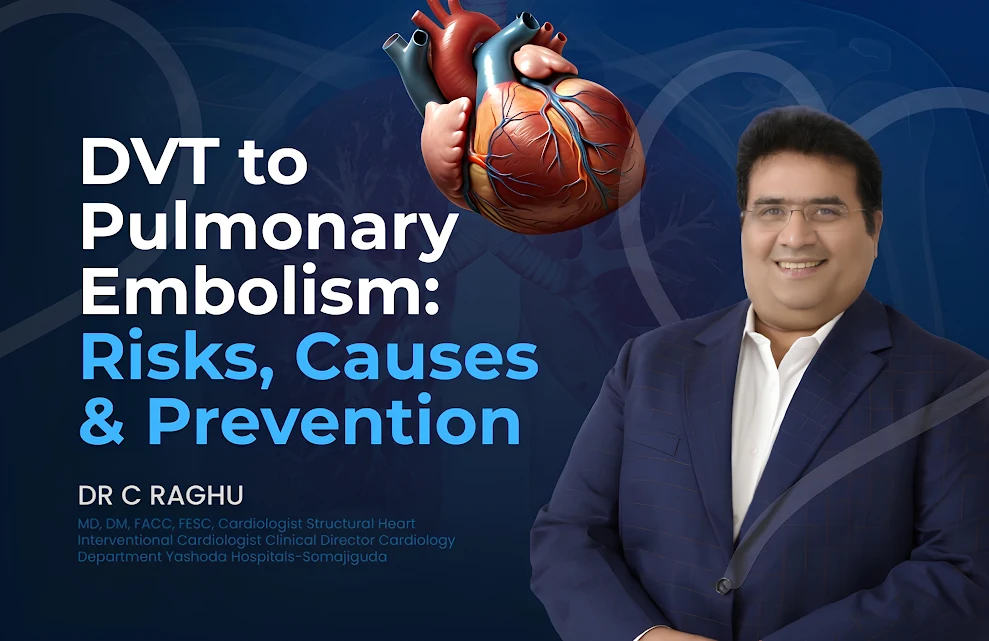
People get really worried about blood clots and the problems they can cause. For instance, if you do not treat venous thrombosis,s it can become a very serious disease called pulmonary embolism at some point. This blog is about the signs of embolism, the things that put you at risk of getting pulmonary embolism, or Pulmonary Embolism Treatment,what you can do to prevent pulmonary embolism in India, and the symptoms of pulmonary embolism you should know about before you go see a pulmonary embolism specialist or a doctor who treats acute pulmonary embolism. They can help you get away and make sure you get the care you need to deal with pulmonary embolism.

Key Takeaways

Deep vein thrombosis, which is what DVT Treatment is, happens when a blood clot forms in a vein, usually in the leg. This blood clot in the vein can be very bad news. Sometimes the clot in the vein can break loose and move to the lungs. When the clot from the vein goes to the lung,s it can cause a big problem called Pulmonary Embolism. This Pulmonic Embolism is very serious. Can be life-threatening. So when someone has a Pulmonic Embolism from a deep vein thrombosis, they need to see a pulmonary embolism specialist. The specialist for embolism needs to act fast to help the person with the deep vein thrombosis and the Pulmonic Embolism.

When you are not moving around for a time or you have had recent surgeries or you are overweight or obese or you smoke or you are pregnant or you are older than 60 years or you have underlying medical conditions like cancer and heart problems, these things can increase the chance of a blood clot forming. The risk factors I mentioned like being overweight or obese, smoking and having underlying conditions like cancer and heart problems can cause a clot to form, and this can lead to a Pulmonary Embolism. Pulmonary Embolism is a condition that can happen because of these risk factors, including being immobile for a long time, recent surgeries and other things, like cancer and heart problems.

If you have Deep Vein Thrombosis, you might notice that one of your legs is swollen, it hurts and it looks red. It feels warm. On the other hand if you have the best doctor for pulmonary embolism, you will feel like you cannot get enough air and you will have a sudden pain in your chest that gets worse when you take a deep breath or cough. Sometimes you might even cough up blood. Your heart will beat really fast. If any of these things happen to you you should go to the emergency room away or find a Pulmonary Embolism doctor near me.

You can also read this : Deep vein thrombosis treatment | Cardiologist in Hyderabad

To stop Deep Vein Thrombosis from happening, you need to do things. You have to exercise and drink plenty of water.

Deep Vein Thrombosis can be prevented by not sitting for long.

You should also wear socks called compression stockings.

You have to take medicine that helps prevent blood clots, which is given by a doctor who treats lung problems in India, a pulmonary embolism specialist, in India.

In essence, it means saving lives through early detection. Therefore, such symptoms and risks should be noted to assist patients in getting early treatment in the hands of an expert pulmonary embolism doctor.

Awareness of Risk Factors Associated with DVT and Pulmonary Embolism

DVT and Pulmonary Embolism risk factors are health states, life habits, and medical histories that combine and result in the arrival of a clot.

What DVT and Pulmonary Embolism are all about:

Deep vein thrombosis occurs in a deep vein, most commonly within a leg, when a blood clot forms. That clot can free itself when onboard a new trip to the lungs, and that is where the medical emergency, a pulmonary embolism, is created, needing a pulmonary embolism specialist to fall under his therapy.

DVT includes a swollen leg, pain, and red patches that may occur. However, for Pulmonary Embolism, signs may include sudden breathlessness or chest pain or coughing up blood. Early diagnosis by a pulmonary embolism doctor is critical as this might avert severe complications.

DVT and Pulmonary Embolism Symptoms

The swelling, pain, and warmth often seen in one leg are symptoms of DVT. On the other hand, symptoms of pulmonary embolism tend to be much more severe, including sudden shortness of breath, sharp chest pains, rapid heartbeat, or coughing blood. Deaths happen as well from misidentifying patients in healthcare facilities. Immediate evaluation by a pulmonary embolism doctor near me can save lives.

Causes of DVT and Pulmonary Embolism

The cause of thrombus formation is immobility, surgery, or underlying medical conditions that slow the blood flow enough for it to occur. However, in pregnant women and certain cancers, high estrogen levels can increase risk for thrombus formation, leading toa condition that travels to the pulmonary arteries, where it needs to be urgently treated by a pulmonary embolism specialist in India.

At risk for DVT and Pulmonary Embolism

This includes a clotting disorder, prolonged immobility, obesity, smoking habits, and older age. Other possible factors are pregnancy and heart disease. Knowledge of these risk factors makes one take the initiative to seek early evaluation from the best doctor for pulmonary embolism.

Connection Between DVT and Pulmonary Embolism

DVT is, therefore, within deep veins; that is, within those associated veins, clots will form. When any clot that is formed into the veins of the legs dislodged and breaks into circulation, it will eventually clog somewhere in the lungs. Hence, one reason that makes this important connection to early treatment and preventive care for this is that it benefits from being seen by a pulmonary embolism specialist doctor.

Prevention of DVT and Pulmonary Embolism: Strategic Approaches

Risk-lowering lifestyle changes:

Regular exercise, hydration, and a balanced diet, while avoiding prolonged sitting can help improve circulation and reduce the risk of forming a Pulmonary Embolism. Simple daily habits may be done to reduce and even champion vein protection.

Interventions to Prevent DVT and Pulmonary Embolism

Patients will be required for early intervention; this may involve prescribing anticoagulants and using compression stockings to minimize the risk of clot formation.

Detect and Treat Early

Early diagnosis is the key to successful management in most cases; failure to diagnose early may lead to complications and even death. Timely intervention by the best doctor of pulmonary embolism will, therefore, do a lot in saving the life of an individual to severe long-term injuries.

Educate Yourself about DVT and PE

That way, when DVT Treatment  and Pulmonary Embolism strike, people will be able to know it in advance and alert those individuals most likely to be a sufferer among them. The symptoms of DVT and PE , and the risk factors and preventive measures for DVT and PE will always keep everyone alert to promptly contact a pulmonary embolism specialist in India whenever the situation demands it.

You can also read this : Chronic Thromboembolic Pulmonary Hypertension

Conclusion

DVT and PE are serious conditions, and these may also be preventable. Hence, being aware of the signs, the risk factors, and how to prevent the occurrence of such incidents is vital. Early diagnosis and management of a patient by a pulmonary embolism doctor or specialist doctor of pulmonary embolism would greatly reduce the risks of complications and result in better outcomes.

If you or a loved one notice symptoms of DVT or pulmonary embolism, don’t delay—consult Dr. C. Raghu, an experienced specialist for Pulmonary Embolism treatment in India, for timely diagnosis, advanced care, and life-saving intervention. Get direction


10-Daily-Foods-That-Improve-Blood-Flow-to-the-Heart.webp

January 13, 2026 AbhijitHearty Life

Everybody hopes to improve their heart health, but not everyone knows how to start doing so. Scientific studies indicate that simple dietary changes can enhance blood flow and promote strong circulation. Here are articles showing the 10 daily foods that improve blood flow to the heart, as well as advice from a heart specialist in Hyderabad, a cardiologist in Hyderabad, or even the best heart doctor in Hyderabad.

What keeps your cardiovascular health best?

Key Takeaways

Daily consumption of foods such as salmon, avocado, berries, nuts, and leafy greens helps increase blood flow to the heart.

Omega-3 fatty acids, which are found in salmon and the healthy fatty acids contained in avocados, are said to lessen inflammation and low blood pressure.

The antioxidant-rich foods such as dark chocolate, garlic, turmeric, watermelon, and olive oil are good at protecting blood vessels and circulation.

In addition to a high-fiber and whole grain diet, limiting saturated fats, processed foods, sugars, and sodium bravely strides to improve heart health.

By doing so, experts say there is a possibility of adding 10 foods into meals for healthier cardiovascular wellbeing, as research states that these foods might decrease the risk of heart disease.

You can also read this Top 5 Cardiologists in India: Best Heart Specialist

Top 10 Foods for Improved Blood Flow to the Heart

Indeed, these foods can significantly increase blood flow in healthy amounts to the heart while each food contributes a unique set of nutrients toward better circulation and optimal heart health.

Salmon

Salmon ranks among the best foods for heart health because it is one of the fatty fish found consistently to contain omega-3 fatty acids, which tend to support healthy blood vessels and their circulation. Eating salmon is always valuable as it reduces inflammation and lowers blood pressure, thereby offering the potential to be great for cardiovascular health.

This fish is packed with antioxidants that are against free oxygen radicals existing in the body. These nutrients also contribute to detoxification and well-being. Now two meals per week with salmon can do a lot for heart function, alongside delicious flavors.

Avocado

Avocado encourages heart health through increased blood circulation. This fruit is rich in healthy fats, specifically omega fatty acids, and these fatty acids reduce inflammation and blood pressure.

Moreover, avocados also hold potassium, which contributes to cardiovascular health.

Including avocado in dietary pap does increase one’s consumption of many nutrients. They provide both vitamin E and C, which are known for their antioxidant potential. Antioxidants fight against harmful free radicals, which are associated with attacks on the heart.

Including avocados in meals increases the overall benefits, improving blood flow to the heart.

Berries

Berries such as blueberries, strawberries, and raspberries are good sources of heart benefits. The most significant benefit of these fruits in one serving is that they contain a very high amount of antioxidants that help reduce inflammation in the human body.

Antioxidants can protect blood vessels and, in turn, improve circulation, smoothening the blood courses to the heart.

Berries have been the richest source of promises for vitamins and minerals and provide the foundation for good overall heart health. They are also rich in fiber, helping to bring down both blood pressure and cholesterol levels. 

Consuming berries regularly has the potential to significantly improve the functioning of the heart, reducing the risk of cardiac disease. 

Dark chocolate 

Dark chocolate is known to contain powerful antioxidants. The metabolic activity is said to improve blood circulation and lower blood pressure. The flavonoids in dark chocolate support heart health by enhancing blood flow to the heart.

Indeed, those who consume moderate amounts of it will benefit from a good cardiovascular system.

In a small serving of dark chocolate, healthy fats and iron and magnesium get together. These essential components work together to prevent inflammation in the body. Those who indulge in dark chocolate will experience great delight with its taste and texture, being a satisfying guilty pleasure for heart and body. 

Nuts

Nuts are heart-healthy and beneficial in improving blood flow. They contain healthy fats, fiber, and nutrients for enhancing circulation. Almonds, walnuts, and pistachios are great choices.

These kinds of nuts provide healthy omega fatty acids that assist in lowering bad cholesterol levels.

Antioxidants present in the nuts reduce inflammation and also prevent them from heart disease. Have them as a daily snack of about one handful, and you will reap the benefits. They also serve as a fantastic substitute for unhealthy snacks such as chips or cookies. 

Making this simple swap has an impact in keeping blood pressure in a healthy range while contributing to cardiovascular health overall. 

Garlic 

Change gears now because it is now from nuts into garlic, where garlic is another food good for the heart. Supports healthy blood circulation and health benefits for the condition of your heart. Has a component that lowers blood pressure and helps in reducing inflammation. 

This is called ‘allicin’, which helps in relaxing the blood vessels for better blood flow. 

One can use garlic in preparing dishes for flavor and to improve heart health. This ingredient, rich in flavor, also has all the advantages of giving antioxidants against harmful free radicals in the body. Garlic has so many nutrients that it would be a great part of a person’s arsenal when working to control the risk of heart disease or maintain optimal blood pressure levels. 

This ingredient is easy to include in cooking or even to eat raw for the maximum benefits. 

Turmeric 

Turmeric keeps the heart healthy because of its active compound, curcumin. This active antioxidant compound reduces inflammation within the body and promotes good blood circulation with healthy blood pressure levels. 

Besides improving general detoxification, it also promotes cardiovascular health in the office.

A dash of turmeric can help spice up your meals and give your body the health benefits it needs. Studies show that it may reduce the risk of heart disease through better cholesterol levels and by protecting blood vessels.

Including this spice in a daily diet can boost the heart-holiday health.

Kale

Leafy greens include essential nutrients for heart health; spinach, kale, and Swiss chard improve circulation and fight inflammation-reduced blood pressure levels. It binds antioxidants.

These vegetables also provide fiber, which helps bring about a reduction in cholesterol levels.

So, integrating leafy greens in daily meals could help encourage better cardiovascular health. Their vitamin K content protects your arteries from damage while improving blood flow to the heart. Eating this nutrient-replete food source regularly may assist in the detoxification process for better overall health.

Olive Oil

Leafy greens are great, but olive oil also plays a central role in heart health improvement. Healthy fats in this oil boost the performance of cardiovascular health. The strength of olive oil lies in omega fatty acids used to keep circulation active and reduce inflammation in the body.

Again, it boasts high levels of antioxidants that lower blood pressure.

Plus, the use of olive oil for dressing salads or cooking also promotes better absorption of nutrients from other foods such as vegetables and fruits. Using the best-known quality of nutrient-rich extra virgin olive oil maximizes these advantages.

You can also read this: How diet can control your BP and keep your heart healthy

Strengthens blood flow to the heart while enhancing wellness. 

Watermelon 

Like olive oil, watermelon is an absolutely good fruit for heart health. Watermelon is nutritionally rich in all its ingredients, which help circulation and support blood circulation. There is citrulline, an amino acid that can help increase blood flow.

Studies prove it can relax blood vessels, which lowers blood pressure.

Eating watermelon adds antioxidants such as lycopene. This substance inhibits inflammation and provides heart disease protection. Hydration functions from watermelon to nourish the body while promoting cardiac health.

Including this amazing fruit in your daily diet supports overall wellness in circulation. 

Healthy Heart Eating Habits 

Diet becomes an ingredient in heart care. Limiting saturated and trans fats in the diet should happen in conjunction with higher fiber and whole grains for improved health. 

Those should then reduce their sodium intake because it controls the level of blood pressure, except processed and sweetened foods, which thus promote overall wellbeing of heart health. See how these tips strengthen against heart maladies. 

Limit Saturated and Trans Fats 

Trans and saturated fats hurt the heart. Increase the chances of bad cholesterol that causes heart disease. Fatty cuts of meat, full-fat dairy products, and reliance on the availability of many processed snacks.

Reduction would offer healthy circulation and favor cardiovascular health.

The difference in choosing healthier fats is quite visible. For example, olive oil, nuts, and avocados give healthy fats that contribute to boosting omega-3 fatty acid intake in our diets. These nutrients help reduce inflammation and maintain healthy blood pressure.

More fruits and vegetables also promote detoxification and contribute even more toward a healthier heart.

Boost the Fiber and Whole Grains Consumption. 

Fiber and whole grains are vital for cardiovascular health. These foods have the property of decreasing cholesterol levels, which is beneficial for a healthy heart.

Whole grains such as oats, brown rice, and quinoa all have good nutrients: they improve circulation, keep blood pressure levels stable, and help reduce inflammation.

Eating more fruits and vegetables not only improves intake of fiber but also yields other beneficial nutrients such as antioxidants that further prevent the heart from diseases. The variety of these nutrient-dense foods will help achieve a healthy diet and improve blood flow to the heart. 

All small changes make a difference in the long ru,n and even for today, regarding healthy circulation.

Reduce sodium intake 

High intake of sodium can harm the heart. It increases blood pressure and makes one vulnerable to heart disease. Some of the processed foods taken today contribute to this phenomenon of increased sodium intake. 

Reducing sodium brings about improved circulation and reduced instances of inflammation. 

People should read food labels carefully for hidden salt. Cooking at home allows better control over sodium levels in meals. 

And, of course, eating more fruits, vegetables, and whole grains helps reduce sodium intake while providing important nutrients. 

These educated food choices keep the body and cardiovascular health clean and sound.

Being natural with food produces full health benefits while keeping the heart healthy. Dietary modifications bring better heart function, so trying out new recipes, as the next step in healthy living, is worth it. 

Limit consumption of processed and sugary foods. 

A processed and sugary diet is not good for the heart. Most of these foods have unhealthy fats loaded with sugar and a lot of sodium levels. These ingredients militate against good blood pressure and circulation.

They will lead your body just to inflammation and the possibility of developing heart diseases. 

Whole, natural foods help in strengthening the cardiovascular system. Whole grains, fruits, and vegetables contain important nutrients for the body’s detoxification processes. 

Moreover, these nutrient-rich foods improve even blood circulation to the heart by clearing
harmful substances from the diet while providing healthy fats essential for well-being.

If you are serious about protecting your heart and improving blood flow naturally, don’t rely on diet tips alone. Get expert, personalized guidance from Dr. C. Raghu, Senior Interventional Cardiologist at Yashoda Hospitals, Secunderabad. Get directions

FAQs

1. What are everyday foods that are good for heart health?

Foods like Salmon, spinach, oranges, almonds, blueberries, avocados, oats, tomatoes, garlic cloves, and walnuts provide nutrients to improve blood flow to the heart 

2. How do omega fatty acids support cardiovascular health?

Omega fatty acids in salmon and walnuts lower inflammation and blood pressure; these healthy fats also reduce heart disease risk.

3. Which vegetables increase detoxification for better circulation?

Spinach and tomatoes are rich in antioxidants that aid detoxification; they support strong blood vessels for improved circulation.

4. Why should fruits like oranges or blueberries be part of a daily diet?

Oranges give vitamin C while blueberries offer antioxidants; both protect against high blood pressure and keep the heart healthy.

5. Can eating nuts improve nutrients intake for your heart?

Yes; almonds and walnuts provide healthy fats that help maintain good cholesterol levels while supporting overall cardiovascular health.

Dr raghu logo


Dr raghu logo


Call us now if you are in a medical emergency need, we will reply swiftly and provide you with a medical aid.


For Appointment with Dr Raghu: +91 80085 36699
Dr Raghu’s Patient Coordinator: +91 72860 10203
Dr Raghu’s Office Experience: +91 90001 65962
Dr Raghu’s Social Media Communication Channel: +91 97046 51708

Dr. Raghu | Heart Specialist in Hyderabad
Yashoda Hospitals, Raj Bhavan Road, Somajiguda, 1st floor, Room No. 115, Hyderabad -500082, Telangana

Best Cardiologists in Hyderabad


© 2024, Dr. Raghu. All rights reserved. Design & Developed by AMSDigital.in

[gtranslate]
+91-9542475650