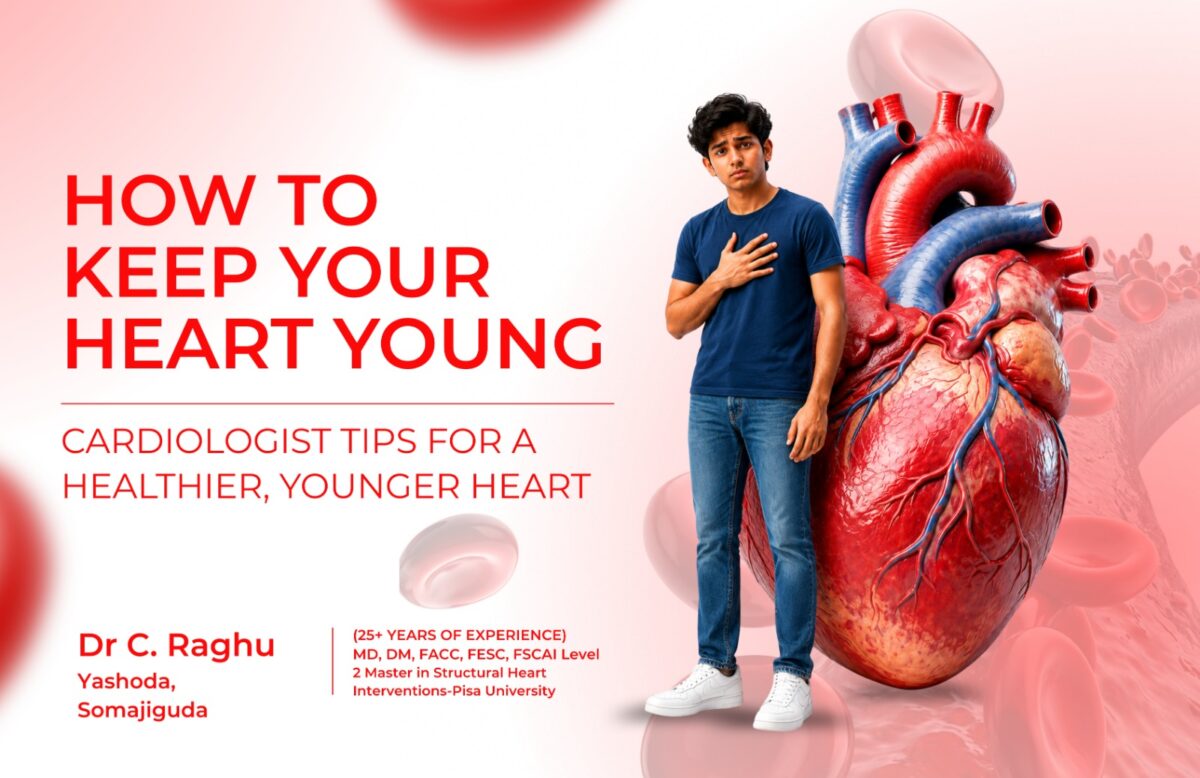
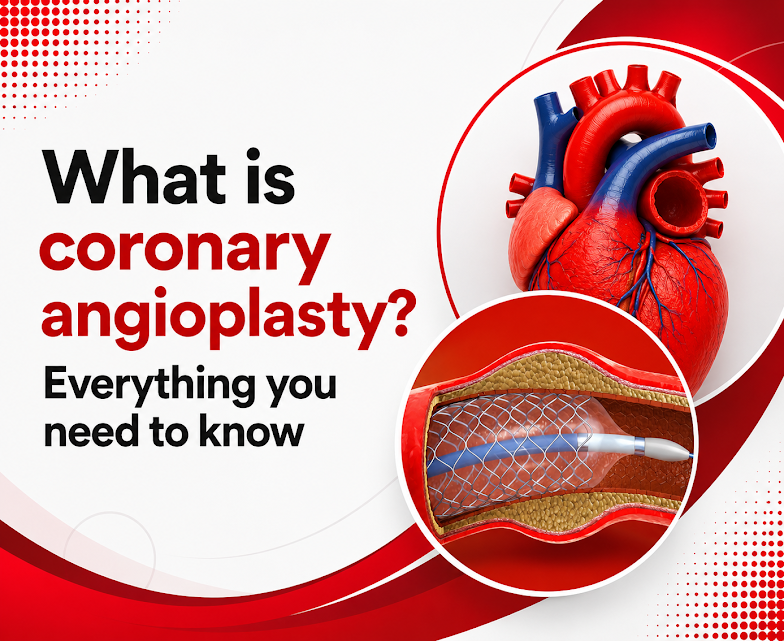
Coronary-angioplasty-2.webp

Coronary angioplasty: Your chest feels tight. You’ve been getting shortness of breath lately, especially when you climb stairs or walk briskly. You’re worried. Your doctor has mentioned something called coronary angioplasty, but you don’t understand what it is or whether you really need it.

You’re not alone. Many middle-aged people are facing coronary artery disease without fully understanding their treatment options. The term “angioplasty” sounds intimidating. The word “stent” makes you nervous. But here’s the truth: understanding what these procedures are and how they can help you is empowering. It gives you control over your health decisions.

Understanding Coronary angioplasty Artery Disease
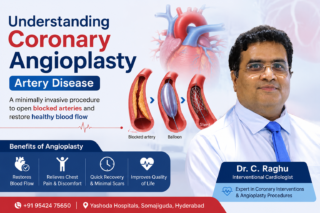
Coronary angioplasty

Before we discuss angioplasty, you need to understand the problem it solves.

Your heart is a muscle that needs oxygen to work. Coronary arteries deliver oxygen-rich blood to your heart. These are the highways of your cardiovascular system. Over time, for various reasons—high cholesterol, high blood pressure, smoking, diabetes, and stress—fatty deposits build up inside these arteries. This buildup is called plaque.

Coronary artery disease happens when these arteries narrow. Blood flow decreases. Your heart struggles to get enough oxygen, especially during activity or stress. You feel chest pain. You feel exhausted. You feel vulnerable.

This is serious. Completely blocked arteries lead to heart attacks.

What Exactly is Coronary Angioplasty?

Let’s demystify this. Coronary angioplasty is a minimally invasive procedure that opens blocked or narrowed coronary arteries. It’s not surgery in the traditional sense—no large incisions, no general anesthesia, no weeks of recovery.

Here’s how it works:

Step One: Angiogram Your coronary artery disease doctor first performs an angiogram. A thin catheter (tube) is inserted through an artery in your groin or arm. This catheter is guided to your heart. A special dye is injected through the catheter, and X-rays are taken. These images show exactly where your arteries are blocked or narrowed. You’re awake during this procedure, though mildly sedated.

Step Two: Balloon Inflation Once the blocked area is identified, a balloon catheter is advanced to that location. When the catheter is in position, the balloon is inflated. This balloon pushes the plaque against the artery wall, widening the artery and restoring blood flow. You might feel slight chest discomfort—this is normal and temporary.

Step Three: Stent Placement In most modern angioplasty procedures, a stent is placed. Think of a stent as a tiny mesh tube. It keeps the artery open after the balloon is removed, preventing the artery from narrowing again. Most stents today are drug-eluting, meaning they release medication that prevents scar tissue buildup.

The entire procedure typically takes 30 minutes to an hour.

Why Your Doctor Recommends Angioplasty

Your coronary artery disease specialist recommends angioplasty for specific reasons:

  • You have significant blockages causing symptoms
  • You have blockages that could cause a heart attack
  • Medical management (medications) isn’t sufficient
  • You’ve had a recent heart attack
  • You’re having a heart attack right now

Not all coronary artery disease requires angioplasty. Some people do well with medications. But when angioplasty is appropriate, it can be life-changing.

Also read: Pulmonary Embolism in India: Emergency & Finding Specialist  

The Difference Between Angioplasty and Angiogram

Many people confuse these terms. Let me clarify:

An angiogram is a diagnostic test. It shows what’s happening in your arteries.

Angioplasty is a treatment. It opens blocked arteries. It often includes stent coronary placement.

You might have an angiogram and learn that you don’t need angioplasty. Or you might have an angiogram and immediately proceed to angioplasty during the same procedure.

Recovery and Aftercare coronary angioplasty

Here’s what’s wonderful about angioplasty: recovery is relatively quick.

After the procedure:

  • You’ll stay in the hospital overnight or possibly go home the same day
  • You’ll have a bandage over the catheter insertion site
  • You can resume light activities within a few days
  • You return to normal activities within 1-2 weeks
  • You’ll take medications to prevent clotting and manage your condition

Compared to open-heart surgery, this is minimal disruption to your life.

Types of Angioplasty

Standard Angioplasty (PTCA): Percutaneous Transluminal Coronary Angioplasty is the traditional form, often with stent placement (PTCA Stent). It works well for most blockages.

Specialized Procedures: For particularly challenging blockages, chip angioplasty (rotational atherectomy) might be used. This technique actually rotates a burr that smooths hardened plaque. It’s more specialized and requires experienced operators.

For chronic total occlusions arteries completely blocked specialized techniques might be employed.

Finding Your Specialist in Hyderabad

You need an experienced coronary artery disease doctor who performs angioplasty regularly. You need someone who has handled complications and knows how to navigate the most challenging cases.

The best angioplasty expert in India will have extensive training, excellent outcomes, and a compassionate approach to patient care. They’ll explain everything clearly, answer your questions, and work with you to determine whether angioplasty is truly the right choice for your situation.

In Hyderabad, you have access to heart specialists in Hyderabad who bring world-class expertise to this procedure.

Life After Angioplasty

You need to understand: angioplasty treats the blockage, but it doesn’t cure the underlying coronary artery disease. You’ll still need to:

  • Take medications as prescribed (usually including blood thinners, blood pressure medications, cholesterol medications)
  • Make lifestyle changes—diet, exercise, stress management
  • Stop smoking, if applicable
  • Control diabetes and blood pressure
  • Attend regular follow-ups

The good news? Most people do extremely well after angioplasty. Blood flow is restored. Symptoms improve dramatically. Quality of life increases significantly.

Possible Complications (Rare, But Real)

While generally safe, angioplasty does carry small risks:

  • Bleeding at the catheter site
  • Artery perforation
  • Allergic reaction to dye
  • Stent restenosis (renarrowing)
  • Blood clots

This is why you need an experienced operator and proper aftercare.

Also read: CHIP Angioplasty: Advanced Coronary Artery Disease Treatment Explained  

Prevention is still best.

Remember: the best treatment is prevention. If you don’t have coronary artery disease yet but are at risk, focus on:

  • Not smoking
  • Managing stress
  • Exercising regularly
  • Eating healthy
  • Maintaining healthy weight
  • Controlling blood pressure and cholesterol
  • Managing diabetes

Moving Forward coronary angioplasty Doctor

If you’re dealing with coronary artery disease, you’re not facing a death sentence. Modern interventions like angioplasty have revolutionized how we treat this condition. Many people go on to live full, active lives after successful angioplasty.

The key is working with experienced specialists who understand both the procedure and your individual circumstances.

Take the first step toward better heart health. Consult with Dr. C. Raghu, an experienced interventional cardiologist in Hyderabad specializing in coronary interventions. Schedule your appointment.
Call Us +91 95424 75650 
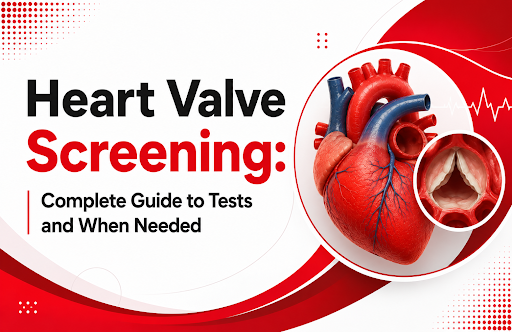

Heart-Valve-Screening.png

June 23, 2026 AbhijitHearty Life

The Silent Problem You Might Not Know You Have Heart Valve Screening

Heart Valve Screening. You’re sitting at your desk. You’re catching your breath after climbing those three flights of stairs. Your chest feels a bit tight. You think, “Maybe I’m just getting old.” You ignore it and move on. But what if it’s something more? What if your heart valves, those tiny doors inside your heart, are not working the way they should?

Here’s the thing. You can’t feel your heart valves failing. They don’t send you warning signals like your back pain or your migraine does. They just silently stop working. And by the time you notice something is wrong, the damage might already be serious. This is why heart valve screening matters. This is why you need to know about it. Because you’re not getting any younger. And neither are your heart valves.

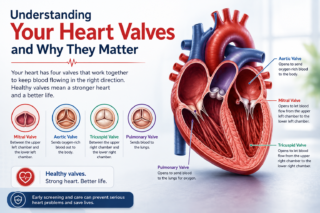
Understanding Your Heart Valves and Why They Matter

What Are These Valves Anyway?

Think of your heart like a house with four rooms. Each room has doors. These doors are your heart valves. Their job? They keep blood flowing in one direction. They make sure blood doesn’t flow backward. They work 24/7. Day and night. Without rest.

Your heart has four valves:

  • The mitral valve – It’s between your upper left chamber and your lower left chamber
  • The aortic valve – It sends oxygen-rich blood out to your body
  • The tricuspid valve -It works between your upper right chamber and your lower right chamber
  • The pulmonary valve – it sends blood to your lungs

All of them are important. All of them work together. And when one of them starts to fail, your whole system gets confused.

What Happens When Valves Go Wrong?

Let’s be honest. Your lifestyle might have caught up with you. Years of stress. Years of fast food. Years of sitting at your desk. Years of not exercising. Your heart has been working hard for you.

When valve problems develop, two main things happen:

Valve Stenosis – The valve becomes too tight. Blood cannot flow through it easily. Your heart has to work harder. It gets exhausted. Think of a clogged pipe. Water can’t flow freely.

Valve Regurgitation – The valve doesn’t close properly. Blood leaks backward. It’s like a door that doesn’t shut completely. All that leaking weakens your heart over time.

What’s the real problem? You feel tired. You get short of breath, and your legs swell up. You might feel like your heart is racing. These symptoms seem normal when you’re middle-aged and busy. But they’re not normal. They’re your body sending you a message.

Also read: Top Heart Specialist in Hyderabad, Dr C. Raghu, Cardiologist 

Why You Need Heart Valve Screening

Your Risk Factors Are Real

Let me ask you something. Do you have high blood pressure? Are you overweight? Do you have diabetes? Did your parents have heart problems? Are you over 50? Have you had infections?

If you answered yes to any of these, you need to be screened. It’s that simple.

You’re not alone in this. Thousands of people like you—working professionals, busy parents, and successful people—are walking around with valve problems they don’t know about. Some of them will face serious complications. Some will have heart attack symptoms that they could have prevented.

Here’s what you need to understand: Early detection saves lives.

The Real Consequences of Ignoring It

Your heart gets weaker – It has to pump harder. It gets tired. Eventually, it can’t pump enough blood to your body.

You get heart failure – Your body doesn’t get enough oxygen. You feel exhausted all the time.

You might have a stroke – Blood clots can form in your heart and travel to your brain.

Your quality of life drops – You can’t climb stairs. You can’t play with your grandchildren. You can’t do the things you love.

You might need emergency surgery – Sudden valve problems are dangerous. Emergency surgery is riskier than planned surgery.

But here’s the good news. If you catch it early, your doctors can manage it. You can live a normal life. You can prevent the worst outcomes.

Also read: Meet Cardiologist in India, Dr C. Raghu Yashoda, Somajiguda 

Heart Valve Screening Tests: What You Need to Know

Test #1: The Echocardiogram – Your Best Friend

This is your main test. It’s painless. It’s non-invasive. No needles. No radiation.

How does it work? A technician puts a small device on your chest. It sends sound waves into your heart. These sound waves create a picture of your heart. The doctor can see how your valves are working. Can see how blood is flowing.

Why does it matter? It shows problems clearly. It’s accurate. It’s safe.

When do you need it? If you have symptoms. If you have risk factors. If your doctor hears something unusual with a stethoscope.

Test #2: The ECG – Quick and Easy

An electrocardiogram records your heart’s electrical activity. It takes about 10 minutes.

What happens? They put small pads on your chest. A machine reads your heart’s rhythm.

Why does it matter? It shows if your heart is under stress. It shows irregular rhythms.

Test #3: The Stress Test – For the Brave

This one makes you work. You walk on a treadmill. Your heart rate goes up. The machine monitors what happens.

Why does it matter? It shows how your heart performs under pressure. Real pressure. Like when you’re running to catch a bus.

Test #4: The Cardiac CT – For Detailed Images

Sometimes doctors need more details. A CT scan creates detailed pictures of your heart.

Why does it matter? It’s useful when your doctor suspects specific problems. Like aortic valve stenosis or other serious conditions.

Test #5: The Catheterization – When You Need Definite Answers

This is more invasive. A thin tube goes into your artery. It reaches your heart. Doctors can measure pressures inside your heart.

Why does it matter? It gives precise information. It helps doctors plan treatment.

When You Actually Need Screening, Let’s Get Practical

You should get screened if you have any of these:

  • You’re over 50 – Time is catching up
  • You have high blood pressure – It stresses your valves
  • You have diabetes – It damages your heart over time
  • You’re overweight – Extra weight means extra work for your heart
  • You smoke – You know this already. It damages everything
  • You’re tired all the time – Not normal tiredness
  • You get short of breath easily – When climbing stairs, you shouldn’t get this tired
  • Your ankles swell – Especially at the end of the day
  • You have chest pain – This is serious. Don’t ignore it
  • Your family has heart problems – Genetics matter
  • You had rheumatic fever as a child – It can affect your valves years later
  • You have an irregular heartbeat – You feel your heart skipping beats

What Happens After Screening?

Your doctor finds something. Now what?

If it’s mild, you get monitored. Regular check-ups. Healthy lifestyle changes. This is manageable.

If it’s moderate, you might need medication. You might need lifestyle changes. You avoid strenuous activities.

If it’s severe, you might need intervention. An interventional cardiologist in Hyderabad or anywhere else can discuss options. Surgery. Valve replacement. Modern procedures are less invasive than before.

Your Action Plan Starts Now

You don’t have to be scared. You just need to be smart.

Step 1: Schedule a check-up – Talk to your doctor. Tell them your concerns.

Step 2: Be honest about symptoms – Don’t downplay anything. Doctors need the truth.

Step 3: Get screened if advised – Don’t delay. Not for tomorrow. Not for next month.

Step 4: Follow the plan – If your doctor gives you recommendations, follow them. This is your life.

Step 5: Make lifestyle changes – Eat better. Move more. Reduce stress. Sleep properly. These things matter.

Also read: Best Heart Doctor in Hyderabad, Why Dr. C Raghu 

Take Control of Your Health Today

Your heart has been working for you your whole life. It’s time to work for your heart. Don’t wait for symptoms to become serious. Heart valve problems are manageable when caught early. They’re dangerous when ignored.

If you’re experiencing any symptoms or have risk factors, don’t brush them aside. Connect with an experienced Top cardiologist in Hyderabad or specialists near you who can properly evaluate your heart health through comprehensive heart valve screening.

Visit drraghu.com today to schedule your consultation with Dr. C. Raghu, an interventional cardiologist specializing in heart valve conditions. Your heart deserves the best care.

About the Expert

Dr. C. Raghu is an interventional cardiologist with expertise in treating valve disorders, including aortic stenosis specialist care. He practices at Yashoda Hospital, Somajiguda, Hyderabad, and is recognized as one of the best cardiologists in Hyderabad for his patient-focused approach to cardiac care. Dr. Raghu believes in early detection and preventive cardiology to help patients live longer, healthier lives.


heart-specialist-in-hyderabad.jpg

June 16, 2026 AbhijitHearty Life

The Moment Your World Shifts

Heart You’re sitting in your doctor’s clinic, discussing concerns with a heart specialist in Hyderabad. The words come fast—”irregular heartbeat,” “blockage,” and “surgery might be needed.” Your hands go cold. Your mind starts racing. You nod, but you’re not sure if you’ve heard everything correctly. You drive home. You lie awake that night. Questions keep popping up in your head like unwanted guests at a party.

This is the moment when most of us freeze. We have just received news that shakes our foundation. Your heart—that fist-sized organ that keeps you alive—needs attention. And suddenly, everything feels urgent and scary at the same time.

You’re not alone in feeling this way. Thousands of people across urban cities face similar situations every single day. The difference? Some of them take one more step. They decide to get a second opinion.

Why Your First Instinct Should Be to Look Again
heart doctor in hyderabad

Here’s something that nobody tells you clearly: getting a second opinion on heart problems is not about doubting your doctor. It’s about protecting yourself. It’s about making sure you understand what’s happening inside your chest.

Think about it this way. When you buy a house, you get an inspection. When you buy a car, you check the engine. So why would you trust the biggest investment—your health—to just one perspective?

Also read: Best Heart Doctor in Hyderabad Why Dr. C Raghu 

Your heart deserves more than one look.

Heart diseases are tricky. They hide. They disguise themselves. Two different doctors might see the same test results and interpret them differently. This isn’t about one being right and one being wrong. It’s about getting clarity.

When you’re dealing with conditions like

  • Aortic stenosis (narrowing of the aortic valve)
  • Heart valve problems requiring screening
  • Blockages in your arteries
  • Abnormal rhythms that concern you
  • Symptoms that worry you about a potential heart attack

…you deserve to understand all your options. A second opinion from another cardiologist gives you exactly that.

What Happens When You Don’t Get That Second Look?

Let’s talk about the real consequences. Not to scare you, but to wake you up.

The Wrong Path

Sometimes, you might be recommended a treatment that isn’t actually necessary for your specific situation. Surgery is powerful medicine. It works. But it also carries risks. What if there was a simpler, gentler option that your first doctor didn’t mention? What if a procedure like TAVI (transcatheter aortic valve implantation) could work for you, but nobody told you about it?

You might end up on a surgical table when you don’t need to be.

The Missed Opportunity

On the flip side, sometimes people delay getting proper treatment because they’re not convinced their condition is serious. They think they’ll wait it out. They think it’ll get better on its own. A second opinion might have shown them they needed to act faster. And with heart problems, timing is everything. Heart attack symptoms can escalate quickly. Waiting becomes dangerous.

The Money Problem

Let’s be real. Heart treatments are expensive. You want to make sure you’re spending your money on what you actually need. A second opinion helps you avoid unnecessary procedures. It also helps you understand if there are less expensive options available that work just as well for your condition.

The Stress Weight

There’s a burden you carry when you’re unsure. You lie awake. You worry. You second-guess. Getting a second opinion doesn’t just benefit your body. It gives your mind relief. It transforms “I hope this is right” into “I’m confident about this decision.”

Also read: TAVR/TAVI Procedure in Hyderabad Minimally Invasive Care 

When Exactly Should You Seek That Second Opinion?

You’re probably wondering: Should I do this every time a doctor mentions my heart? No. But here are the moments when you absolutely should:

You should get a second opinion when:

  • Your doctor recommends surgery or an invasive procedure
  • You’re being told you need a major lifestyle change but it doesn’t feel right to you
  • You have a serious diagnosis that affects your future (like needing a valve replacement)
  • You feel uncomfortable with your current doctor’s explanation
  • Your condition isn’t improving despite treatment
  • You want to know about advanced options like TAVR (transcatheter aortic valve replacement) or other newer interventions
  • You’re looking for the best possible treatment in your area

This isn’t about being difficult. This is about being smart.

How Do You Actually Get a Second Opinion?

Here’s the practical part. The part that doesn’t require courage—just action.

Step 1: Gather Your Records

You need your test results. Your ECG reports. Your echocardiogram images. Your CT scans. Your blood work. Collect everything. Call your first doctor’s office and request copies. They have to give them to you. It’s your right.

Step 2: Find the Right Specialist

Don’t just pick any cardiologist. Look for someone who specializes in your specific condition. If you’re dealing with valve issues, you want someone who has extensive experience with heart valve screening and valve disorders. If you might need a newer procedure, find a specialist experienced in that area.

When you’re searching for the right expert in your city, keywords like “best cardiologist in Hyderabad” or simply “cardiologist in Hyderabad” can help you find experienced doctors nearby.

Step 3: Schedule and Prepare

Book an appointment. Write down your questions before you go. Don’t rely on memory. Bring your list. Bring someone with you—a family member or friend who can listen and help you remember important points.

Step 4: Listen and Compare

The second doctor will review your case. They might run additional tests. They might confirm what the first doctor said. Or they might offer a different perspective. Both outcomes are valuable. Now you have information from multiple sources.

The Real Benefits You Get

When you take this step, something shifts. You’re not a passive patient anymore. You become an active participant in your own health journey.

  • You understand your condition better. Two explanations are clearer than one.
  • You know your options. Treatment paths become visible. You choose, not just accept.
  • You feel in control. Your stress decreases. Your confidence increases.
  • You make better decisions. Decisions based on complete information are always better.
  • Your outcomes improve. Studies show that informed patients who actively participate in their treatment decisions have better health outcomes.

Your heart deserves your attention.

Your heart has been beating for you your entire life. It’s carried you through joy and pain, exercise and rest, stress and calm. When something goes wrong, it deserves your full attention. It deserves your careful, thoughtful decision-making. It deserves that second opinion.

Don’t rush. Don’t panic. But don’t ignore either one.

Get informed. Get that second opinion. Get clarity. Then move forward with confidence.

Your health is too important to leave to chance. The best cardiologist in your area—whether in Hyderabad or anywhere else—will welcome your questions and your second opinion. They know that informed, confident patients heal better.

Take Action Today

Don’t let uncertainty rule your life. If you’re dealing with heart concerns, if you’ve received a diagnosis that worries you, or if you want to explore all your options for conditions like aortic stenosis or valve problems—reach out to specialists who can help.

Connect with Dr. C. Raghu, an interventional cardiologist at Yashoda Hospital in Somajiguda, Hyderabad, who can provide expert guidance on your heart health journey.

About the Expert

Dr. C. Raghu is an interventional cardiologist practicing at Yashoda Hospital, Somajiguda, Hyderabad. With extensive experience in treating heart conditions, valve disorders, and advanced procedures like tavi/tavr doctor in Hyderabad specializes in providing comprehensive cardiac care and helping patients understand all their treatment options.


Atrial-Fibrillation.jpg

June 12, 2026 AbhijitHearty Life

You’re sitting at your desk, finishing that important presentation. Your heart suddenly feels like it’s doing flip-flops in your chest. These irregular heartbeats can sometimes be linked to Atrial Fibrillation. One moment it’s racing. The next, it feels oddly sluggish. You pause. You breathe. You wonder is this normal? Or is something seriously wrong?” 

If you’re in your 40s, 50s, or 60s, you’ve probably felt this. You dismiss it as stress. You blame it on that extra coffee you had this morning. But deep down, you’re worried. You know something doesn’t feel right. This is the reality many of you face. This is Atrial Fibrillation—or as doctors call it, AFib. And you’re not alone. Millions of people like you are walking around with this condition, often without even knowing it.

What Exactly Is Atrial Fibrillation?

Understanding Your Heart’s Rhythm

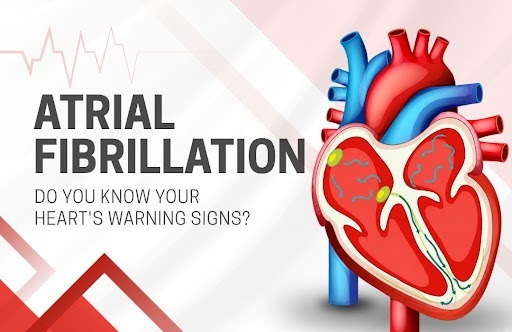
Let me explain this simply. Your heart has its own rhythm—like a drummer keeping time in an orchestra. Usually, it beats in a steady, organized pattern. But with atrial fibrillation, that rhythm goes haywire.

Here’s what happens:

  • Your heart’s upper chambers (called atria) start beating irregularly
  • Instead of pumping blood smoothly, they flutter and quiver
  • Your pulse becomes unpredictable
  • Blood flow becomes chaotic

Your heart becomes confused. It’s still working, but it’s not working right. And this is where the danger begins. You might feel it. You might not. But it’s happening inside you, silently affecting your health.

Also read : Atrial Fibrillation treatment in India: Complete Guide 

Why Should You Care? The Consequences You Face

The Real Risks You Need to Know

You’re probably thinking, “But I feel fine most days.” That’s the tricky part about AFib. You can feel absolutely normal on the outside while something serious happens inside.

Here’s what you need to understand:

Blood Clots and Strokes

  • Irregular heartbeat means blood pools in your heart chambers
  • Pooled blood forms clots
  • These clots can travel to your brain
  • Result? A stroke that can change your life forever

Heart Failure

  • When your heart beats irregularly, it doesn’t pump efficiently
  • Over time, your heart weakens
  • This leads to heart failure—a serious condition where your heart can’t keep up with your body’s demands
  • Suddenly, simple tasks like climbing stairs become difficult

Fatigue and Reduced Quality of Life

  • You feel tired for no reason
  • Your energy drops
  • You can’t do the things you love
  • This affects your work, your family time, everything

Long-term Damage

  • Your heart chambers can enlarge
  • Your heart’s structure changes permanently
  • The longer you ignore it, the worse it gets

Think about your mother or father. Think about a colleague who had a stroke. AFib might have been the reason.

Who Is Actually at Risk? Let’s Talk About You

Are You in the Danger Zone?

Now, here’s the important question: Are you at risk? Let me paint the picture. You might be at higher risk if you:

Your Age

  • You’re over 50? Your risk increases significantly
  • With every decade, your risk grows higher
  • Middle age is when AFib often starts

Your Blood Pressure

  • You’ve been told your blood pressure is high
  • You might be on medication for it
  • Uncontrolled high blood pressure damages your heart

Your Heart History

  • You’ve had heart problems before
  • Heart disease runs in your family
  • You’ve had a heart attack
  • You’ve been told you have a weak heart

Your Lifestyle

  • You’re overweight or obese
  • You don’t exercise much
  • You eat lots of processed foods with excess salt
  • You drink alcohol regularly

Your Health Conditions

  • You have diabetes
  • You have a thyroid problem
  • You have sleep apnea
  • You’re dealing with chronic lung disease

Stress and Sleep

  • You’re constantly stressed at work
  • You barely sleep properly
  • You wake up feeling exhausted
  • You never really relax

Do any of these sound like you? Be honest with yourself. This matters more than you think.

The Warning Signs You Shouldn’t Ignore

What Your Body Is Trying to Tell You

Your body sends signals. You just need to listen. Here’s what to watch for:

  • Your heart races for no clear reason
  • You feel like your heart is fluttering
  • Your pulse is irregular or skips beats
  • You feel dizzy or lightheaded
  • You get short of breath during normal activity
  • You feel unusually tired
  • You have chest discomfort
  • You feel faint or nearly pass out
  • You sweat more than normal

The tricky part? Some people feel nothing at all. AFib can be completely silent. That’s why you can’t just wait for symptoms. You need to be proactive.

What You Can Do Right Now

Take Control of Your Heart’s Future

You’re not helpless here. You have real options:

Get Checked Out

  • Visit a cardiologist in Hyderabad if you’re in that area
  • Get an ECG (electrocardiogram)—it takes five minutes and reveals everything
  • This simple test can save your life

Know Your Numbers

  • Blood pressure
  • Weight and BMI
  • Blood sugar levels
  • Cholesterol levels

Make Changes Today

  • Reduce salt in your diet
  • Exercise 30 minutes most days
  • Maintain a healthy weight
  • Limit alcohol
  • Manage stress through meditation or yoga
  • Sleep 7-8 hours nightly

Understand Your Family History

  • Ask your parents about heart problems
  • Know if AFib runs in your family
  • Share this information with your doctor

Stop Smoking

  • If you smoke, quit now
  • This single change matters tremendously
  • Your heart will thank you

Finding the Right Help

Why You Need a Specialist

Not every doctor is trained to handle AFib. You need someone who knows hearts inside and out. Someone like an interventional cardiologist in hyderabad a specialist who understands the complexities of heart rhythm problems.

A good cardiologist will:

  • Listen to your concerns
  • Run the right tests
  • Explain everything clearly
  • Create a plan specifically for you
  • Follow up regularly

If you’re in Hyderabad, look for a best cardiologist in Hyderabad who specializes in arrhythmias and AFib treatment.

Your Questions Answered

Common Concerns Middle-Aged People Have

“Can I live a normal life with AFib?” Yes. With proper treatment and lifestyle changes, you can manage it well.

“Is AFib always serious?” Not always, but it needs attention. Some cases are mild; others are serious. You need evaluation.

“Can I prevent AFib?” You can reduce your risk significantly by managing blood pressure, maintaining healthy weight, and staying active.

“What treatments are available?” Doctors use medications, lifestyle changes, and sometimes procedures. Your cardiologist will choose what’s best for you.

Also read : Cardiologist Hyderabad Why Dr. C. Raghu Is a Name Patients Trust 

The Bottom Line: Your Health Is Your Choice

Making Your Move Today

Here’s the truth nobody tells you: Your heart health is in your hands. You can ignore the warning signs and hope for the best. Or you can take action now, while you still have time.

The middle-aged years are critical. Decisions you make now shape your next 20, 30, or 40 years. You can spend them active, healthy, and present with your family. Or you can spend them managing a serious condition that could have been prevented.

The choice seems obvious when you think about it that way.

Don’t wait for a health scare. Don’t assume “it won’t happen to me.” Be smart. Be proactive. Get checked. Learn your numbers. Make the changes. Your future self will be grateful.

Ready to protect your heart? Visit drraghu.com today and schedule your consultation. Learn more about preventing and managing conditions like Atrial Fibrillation before it’s too late.

About the Expert

Dr C. Raghu is an interventional cardiologist with extensive experience in treating heart rhythm disorders, including Atrial Fibrillation. He practices at Yashoda Hospital, Somajiguda, Hyderabad, where he helps patients just like you take control of their heart health. Whether you need screening for Heart valve issues, Aortic stenosis, or understanding Heart attack symptoms, Dr. Raghu combines modern medical expertise with a patient-first approach.


pulmonary-embolism-in-india.webp

June 1, 2026 AbhijitHearty Life

A Clot That Travels to the Lung  and the Urgency It Demands

Pulmonary embolism (PE) is a sudden blockage of one or more pulmonary arteries, the blood vessels carrying blood from the heart to the lungs, by a clot that has usually traveled from the deep veins of the legs or pelvis. It is a potentially catastrophic emergency. A massive pulmonary embolism, in which a large clot obstructs the main pulmonary arteries, can produce acute right heart failure, hemodynamic collapse, and cardiac arrest within minutes. Even smaller emboli, if not recognized and treated, can be fatal.

In India, pulmonary embolism is substantially underdiagnosed. Limited awareness of its symptoms among patients and families, incomplete recognition among some clinicians, and the incorrect perception that PE is primarily a Western disease all contribute to diagnostic delays that cost lives. Improving awareness of pulmonary embolism — who is at risk, what it feels like, and what treatment options are available from a qualified pulmonary embolism specialist in India  is therefore genuinely life-saving.

Deep Vein Thrombosis and Pulmonary Embolism: The Same Condition, Different Stages

DVT treatment and pulmonary embolism management are two aspects of managing a single disease: venous thromboembolism (VTE). Deep vein thrombosis (DVT) is the formation of a blood clot in a deep vein, most commonly the deep veins of the calf, thigh, or pelvis. When a piece of that clot breaks off and travels through the venous system to the right heart and into the pulmonary arteries, pulmonary embolism results.

DVT classically presents with unilateral leg swelling, pain, tenderness, and redness, though a substantial proportion of DVT cases are asymptomatic and discovered only when PE occurs. Any asymmetric leg swelling in a patient with risk factors deserves urgent evaluation. Doppler ultrasound of the leg veins, combined with D-dimer blood testing, is the standard diagnostic pathway.

The risk factors for venous thromboembolism in India’s patient population are highly prevalent: prolonged immobility (hospitalization, long-haul flights, bed rest), recent major surgery (particularly hip and knee replacement), active cancer, pregnancy, oral contraceptive or hormone therapy use, obesity, and inherited thrombophilia (blood clotting disorders). Many patients who develop PE have two or more of these factors coexisting.


Read more: DVT to Pulmonary Embolism: The Risks and Prevention 

Recognising Pulmonary Embolism: Symptoms That Demand Immediate Action

Pulmonary embolism symptoms vary with the size of the embolism and the patient’s underlying cardiopulmonary reserve:

Sudden breathlessness is  often the most prominent symptom, appearing abruptly and without obvious cause. Any unexplained acute onset of breathlessness, particularly in a patient with PE risk factors, must be evaluated urgently for pulmonary embolism.

Pleuritic chest pain is  sharp chest pain that worsens with breathing or coughing, resulting from inflammation of the pleura (lung lining) adjacent to the embolic event.

Rapid heart rate (tachycardia) — nearly universal in significant PE, reflecting the cardiovascular stress of reduced pulmonary circulation.

Hemoptysis,  coughing blood-tinged sputum, occurs in pulmonary infarction when a segment of lung tissue loses blood supply.

Dizziness, presyncope, or syncope are  symptoms of hemodynamic compromise, indicating significant right heart strain.

In massive PE, a large central clot causes hemodynamic collapse the presentation is dramatic: severe breathlessness, hypotension, pallor, cyanosis, and potentially cardiac arrest. This constitutes an extreme cardiac emergency requiring immediate transfer to a hospital with pulmonary embolism treatment capabilities and, in appropriate cases, emergency mechanical intervention.

Any combination of sudden unexplained breathlessness, tachycardia, and recent leg swelling should trigger immediate medical evaluation. Delay is dangerous.

Read more: Dr. C. Raghu is one of the best doctors for TAVI/TAVR in Hyderabad  

Diagnosing Pulmonary Embolism

Diagnostic probability is first assessed clinically; validated scoring tools like the Wells PE Score quantify the pre-test probability of PE based on symptoms, signs, and risk factors. In low- to intermediate-probability patients, a D-dimer blood test can safely exclude PE when negative. In high-probability patients, imaging proceeds directly.

CT pulmonary angiography (CTPA) is the gold standard investigation; it demonstrates clots directly in the pulmonary arteries, defines the anatomical extent of embolic burden, and characterizes right heart strain on the same scan. Echocardiography provides rapid bedside assessment of right ventricular function in hemodynamically unstable patients who cannot be safely transported for CTPA.

Treatment: Stratified by Severity

Low-risk PE  normal blood pressure, and no right heart strain  is treated with anticoagulation. Direct oral anticoagulants (DOACs), particularly rivaroxaban and apixaban, are now first-line treatment, enabling outpatient or brief inpatient management for most low-risk cases.

Submassive PE with  normal blood pressure but echocardiographic or CT evidence of right ventricular dysfunction requires close monitoring and anticoagulation, with selective use of catheter-directed therapy for patients who deteriorate or are at high risk of clinical decompensation.

Massive PE  hemodynamic compromise constitutes an emergency requiring immediate restoration of pulmonary blood flow. Systemic thrombolysis (intravenous clot-dissolving drugs) is the primary intervention when not contraindicated. When systemic thrombolysis is contraindicated by bleeding risk or has failed to produce clinical improvement, catheter-based mechanical thrombectomy physical removal or fragmentation of a clot from the pulmonary arteries—is the advanced intervention that can be life-saving.


Read more: Hyderabad Cardiologist Reveals 5 Silent Heart Warning Signs  

Mechanical Thrombectomy: Advanced PE Care Available in India

Mechanical thrombectomy for pulmonary embolism involves navigating a catheter through the femoral vein, through the right heart, and into the pulmonary arteries, where dedicated devices aspirate or fragment the clot and restore blood flow without the systemic bleeding risk of intravenous thrombolytics. Large-bore aspiration thrombectomy systems and ultrasound-facilitated catheter-directed thrombolysis are the principal modalities used.

This advanced intervention requires specific training, a specialized catheterization laboratory team, and the rapid mobilization of a multidisciplinary PE Response Team (PERT). Dr. Raghu’s practice in Hyderabad maintains this PE treatment capability, offering patients with high-risk PE access to the most advanced catheter-based interventional options available.

For PE evaluation, DVT treatment, or urgent vascular consultation, contact Dr. Raghu’s team. For active emergencies, contact emergency services immediately.
Call Us: +91 95424 75650
Write to us: secretary@drraghu.com


top-heart-doctor-in-hyderabad-1200x778.jpg

May 26, 2026 AbhijitHearty Life

Cardiologist tips check your phone, skip breakfast, and rush through traffic to reach the office. After sitting for long hours, stress, unhealthy food, and lack of exercise become part of daily life. According to a leading cardiologist in Hyderabad, this modern corporate lifestyle is silently increasing the risk of heart disease among working professionals in cities like Mumbai, Bangalore, Pune, and Hyderabad. Millions are living this routine every day — and their hearts are paying the price silently. 

The problem is not that you don’t care about your heart. The problem is that you think you still have time.

Why Your Heart Ages Faster Than You Think

Your heart is a muscle. Like every other muscle, it thrives on movement. It needs good nutrition and rest. But when you spend 9 to 10 hours sitting every day, eat high-salt, high-fat takeout food, and carry the weight of professional deadlines, your heart goes through a kind of invisible wear and tear. Which the cardiologists call cardiovascular ageing, and it begins much earlier than most people expect.

By the time you are in your late 30s or early 40s, years of sedentary habits, stress, and poor diet have already left marks on your arteries. The good news is you can slow this process. A skilled heart doctor in Hyderabad will tell you the same thing: the heart responds well to the right care, at any age.

The Biggest Threats to Your Heart Right Now

  • Chronic sitting: Sitting for more than 6 hours a day increases cardiovascular disease risk by up to 64%, even if you work out on weekends.
  • High-stress environment: Prolonged work stress raises cortisol, which raises blood pressure and inflammation, both major risk factors for heart disease.
  • Poor food choices: Office cafeteria meals and food delivery apps have made it easy to eat processed, calorie-dense, nutrient-poor food every single day.
  • Disrupted sleep: Late nights on OTT platforms mean your heart never gets the deep recovery time it needs.
  • Ignoring early signs: Occasional chest tightness, breathlessness when climbing stairs, or unexplained fatigue are signals many people explain away.
     

Also read:  Dr. C. Raghu is one of the best doctors for TAVI/TAVR in Hyderabad 

What Cardiologist tips Recommend

1. Move More — Even at Your Desk

You do not need to become an athlete. A heart specialist in Hyderabad will tell you that even 30 minutes of brisk walking, five days a week, has measurable benefits on cholesterol, blood pressure, and heart function. If you work from home, set a timer to stand up and walk for 5 minutes every hour.

2. Watch What You Eat on Weekdays

Most of us eat reasonably well on weekends but switch to chaos during our weekdays. Our heart does not get a holiday. Just swap one meal a day to something heart-friendly — maybe a dal and sabzi thali, fresh fruit, or a handful of mixed nuts. We need to reduce sodium by cutting packaged snacks.

3. Know Your Numbers

When did you last check your blood pressure, blood sugar, and cholesterol? These three numbers tell a Heart Specialist in Hyderabad more about your cardiac risk than how you feel right now. You should have a routine lipid profile and ECG checks. It can spot trouble before it becomes a crisis.

4. Manage Stress Like a Skill

Many times, our stress becomes unavoidable due to our work culture. But how you manage it well determines how much damage it does. Even 10 minutes of deep breathing, a short walk after lunch, or a weekend away from screens significantly lowers cortisol. Sleep is not a luxury; it is cardiac medicine.

5. Do Not Wait for Symptoms

Heart disease is notoriously sneaky. Many people who suffer a heart attack have no classic warning signs. If you are over 35, overweight, or have a family history of heart disease, see a heart expert in Hyderabad proactively. A preventive consultation is far less expensive than an emergency.

Also read: Daily Habit That May Double Heart Attack Risk, Warns Cardiologist 

Red Flags You Should Never Ignore

You need to see the best cardiologist in Hyderabad immediately if you experience:

  • Chest pain or tightness, even brief or mild
  • Shortness of breath while doing simple tasks
  • Palpitations or a racing heart without an obvious reason
  • Dizziness or sudden fatigue
  • Swollen ankles or feet

Conclusion

Your heart has been working for you every second of your life. It is time to work for it. Whether you are in Hyderabad, Bangalore, Mumbai, or Chennai, schedule that overdue check-up with a cardiologist. Do not wait for a warning. Make an appointment with Dr Raghu

Dr C. Raghu — Interventional Cardiologist, Yashoda Hospital, Somajiguda, Hyderabad
One of India’s most respected interventional cardiologists with decades of experience in complex cardiac interventions and preventive cardiology. Dr C Raghu has helped thousands of patients across India take control of their heart health — before and after a cardiac event.
Call Us :+91 95424 75650 | Email :secretary@drraghu.com


Dr raghu logo


Dr raghu logo


Call us now if you are in a medical emergency need, we will reply swiftly and provide you with a medical aid.


For Appointment with Dr Raghu: +91 80085 36699
Dr Raghu’s Patient Coordinator: +91 72860 10203
Dr Raghu’s Office Experience: +91 90001 65962
Dr Raghu’s Social Media Communication Channel: +91 97046 51708

Dr. Raghu | Heart Specialist in Hyderabad
Yashoda Hospitals, Raj Bhavan Road, Somajiguda, 1st floor, Room No. 115, Hyderabad -500082, Telangana

Best Cardiologists in Hyderabad


© 2024, Dr. Raghu. All rights reserved. Design & Developed by AMSDigital.in

[gtranslate]
+91-9542475650