
Cardiologist-Explains-Why-Snow-Shoveling-Can-Be-Dangerous.webp

February 3, 2026 AbhijitHearty Life

The majority of people experience fatigue accompanied by muscle pain after they complete snow removal tasks during winter. According to a cardiologist who practices in Hyderabad snow shoveling results in an immediate heart rate and blood pressure increase. The blog provides health risk reduction strategies through physical activity which the best cardiologist in Hyderabad recommends. The cardiologist from Hyderabad provides heart protection techniques which you should read to learn about their safe implementation. 

Key Takeaways 

Snow shoveling causes an immediate increase in heart rate and blood pressure during winter weather conditions. The top cardiologist in Hyderabad states that this condition heightens the risk of experiencing a heart attack or stroke. 

Individuals who have heart diseases or are elderly or maintain an inactive lifestyle face increased risks of injury when performing snow removal tasks. The four safety practices people need to use during snow shoveling processes include warming up plus taking breaks plus using proper lifting techniques and drinking water to lower health risks. The presence of chest pain or shortness of breath should make you stop shoveling immediately because these symptoms may indicate a serious medical emergency which includes a myocardial infarction. People who need to shovel snow should hire snow removal specialists because this service helps them avoid heart problems that may develop from their existing health issues.

You can also read this : Hyderabad Cardiologist Reveals 5 Silent Heart Warning
Signs

Understanding the Risks of Snow Shoveling
cardiologist

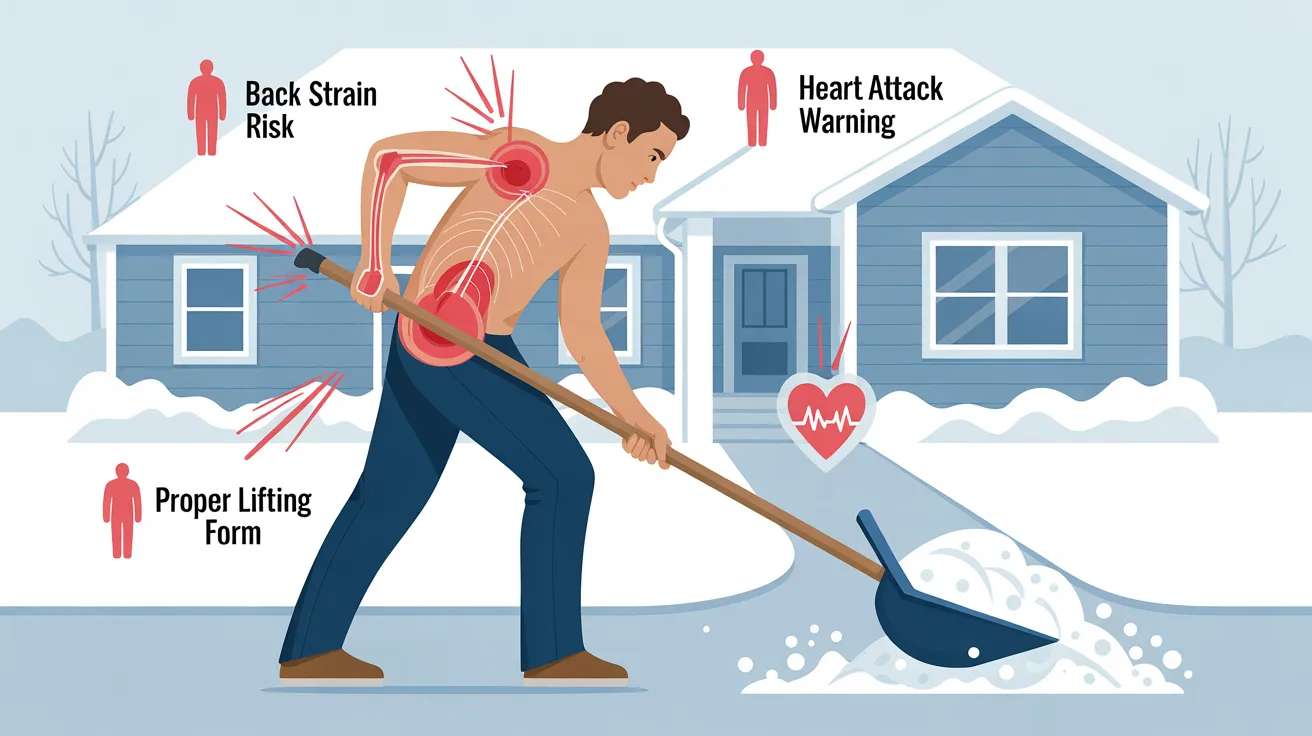
The activity of snow shoveling puts a major burden on your heart. The combination of cold weather plus heavy lifting activities results in an increased risk of serious health complications which include heart attacks and strokes. 

Cardiovascular strain

Snow shoveling creates a demanding workload which results in a heavy burden for your cardiovascular system. The activity causes your heart failure to work harder and it leads to increased blood pressure levels. The combination of heavy lifting and cold weather creates a dangerous situation which raises the likelihood of developing serious health conditions including heart attacks and strokes. 

People who reach a certain age along with existing health problems and lack of physical fitness face increasing chances of encountering dangerous situations. 

Snow removal workers need to complete physical tasks which require them to follow established safety protocols. People stay focused on snow removal tasks while they neglect their heart health. People who experience discomfort in their chest or shortness of breath must take a break to rest. 

People want to live their life during the wintertime but they should understand how to recognize hazards which could lead to myocardial infarction during winter activities such as shoveling snow. 

Increased risk for heart attack or stroke

The activity of snow shoveling creates a serious risk which can lead to heart attacks or strokes. Physical activity generates increased demand which leads to higher load on the cardiovascular system. Cold weather creates additional strain because it causes blood vessels to narrow which results in higher blood pressure levels. 

People do not realize how difficult shoveling snow becomes until they attempt it and discover that it causes their heart rate to increase beyond their normal range. 

Certain individuals face a higher risk due to underlying conditions. Outdoor winter activities such as snow removal pose extreme danger to people who already have heart problems. Chest pain and shortness of breath require immediate medical attention although taking breaks helps reduce risk of developing these symptoms. 

People need to understand these dangers because they want to keep their hearts healthy while working in their environments. Let us move ahead and examine safe snow shoveling recommendations which we can use. 

Risk factors for snow shoveling injuries

The activity of snow shoveling creates significant safety risks because it particularly affects particular groups of people. People who have existing heart conditions encounter a higher heart attack and stroke risk when they engage in physical activity. 

Cold weather creates increased pressure on the heart which results in heightened blood pressure levels and increased heart rate. The body experiences stress which can lead to myocardial infarction in some cases. 

Older adults face higher chances of sustaining injuries during snow shoveling than younger people. People who lack regular exercise will face difficulty when they need to perform snow removal tasks unexpectedly. 

Individuals need to understand these risk factors because they safeguard their health during winter activities. Let us move ahead and examine safe snow shoveling recommendations which we can use.

You can also read this : Heart Attack Symptoms: Know When to See a Cardiologist in Hyderabad

Cardiologist Tips for Safe Snow Shoveling

To stay safe while shoveling snow warm up your muscles before you begin. The body needs regular breaks because they help prevent injuries while giving time for recovery. 

Warm up before shoveling

People who want to shovel snow should first perform warm-up exercises because this makes shoveling easier on their cardiovascular system. The basic exercises let you stretch your muscles. Through this activity your blood circulation improves and your heart rate increases. 

The body faces increased difficulties when it deals with cold weather especially when health issues already exist. A proper warm-up helps lower the risk of injuries that include sprains and strains. 

People should dedicate five to ten minutes for their body preparation before starting snow removal. The most important stretches for shoveling work involve your legs and arms and back because these muscle groups perform the majority of work during shoveling.

Stay hydrated

Hydration is essential for heart health during snow shoveling activities. Your body requires fluids even if you experience reduced thirst during cold weather. Dehydration results in higher cardiovascular demands which lead to increased blood pressure levels.

Snow removal activities require drinking water in order to keep your heart rate balanced and maintain your muscle performance. Shovelers need to take breaks for both work and water breaks. People who experience dizziness or fatigue should not dismiss their symptoms because these indicate dehydration. Workers should halt their work at the first sign of problems and drink water before they resume work or ask for help.

Hydration constitutes an essential requirement that protects against severe medical conditions such as myocardial infarction during physically demanding activities in frigid temperatures. People should stop working when their symptoms manifest.

The act of snow shoveling creates a major cardiovascular burden. The moment you start to experience symptoms which include chest pain and shortness of breath and dizziness you need to stop everything. The signs you are experiencing may point to potential medical emergencies which include heart attacks and strokes.

Your current situation will become worse if you continue to shovel snow in these conditions. Your body should guide you through all physical activities that occur in cold weather. Snow removal activities during winter require you to put your heart health as your main concern. You need to understand when to take breaks and observe your physical condition because this practice could protect your life.

Safe snow shoveling practices require everyone to follow these upcoming tips which will be shared for discussion. 

Professional help should be hired for handling snow removal tasks. Professional snow removal services help people avoid getting injured. People fail to recognize how shoveling snow puts their heart and lung functions at risk. The cardiologist warns that physical activity during cold weather increases your risk of developing a heart attack in gym.

The job becomes safer through the use of equipment and training that professionals possess. They understand how to lift heavy objects without harming their cardiovascular systems.

If you feel uncertain about your ability to shovel safely, seek help from experts. Your well-being becomes the priority through this decision which protects your body from unnecessary pressure. You achieve snow removal through professional services which eliminate worries about blood pressure increases and heart problems during wintertime activities.

People who want to experience the winter season should take health precautions that protect them from dangerous situations brought on by their physically demanding work. 

People should not overlook their symptoms during winter activities which include chest pain and breathlessness and fatigue. Dr. C. Raghu serves as a reliable Cardiologist in Hyderabad and Heart Specialist Doctors who provides professional heart treatment. Book your appointment today and protect your heart.

FAQs

1. Why can snow shoveling increase heart attack risk?

Snow removal puts extra stress on the cardiovascular system. Cold weather and physical exertion raise blood pressure and heart rate, which may cause cardiac strain or myocardial infarction.

2. How does cold weather affect heart health during winter activities?

Cold temperatures constrict blood vessels, making the heart work harder to pump blood. This added effort increases cardiovascular risks while performing tasks like snow removal.

3. What are common signs of a heart emergency when shoveling snow?

Warning signals include chest pain, shortness of breath, rapid heartbeat, or sudden fatigue. These symptoms could mean a possible myocardial infarction and need a fast emergency response.

4. Who faces higher health risks from snow shoveling?

People with existing cardiovascular problems or high blood pressure face greater health risks during intense winter activity such as clearing snow.

5. What medical advice helps prevent injury while shoveling in winter?

Doctors suggest taking frequent breaks, dressing warmly to limit cold exposure, using proper lifting techniques for injury prevention, and stopping right away if you feel any warning signs linked to cardiac strain or other health issues.

pulmonary-embolism.webp

January 20, 2026 AbhijitHearty Life

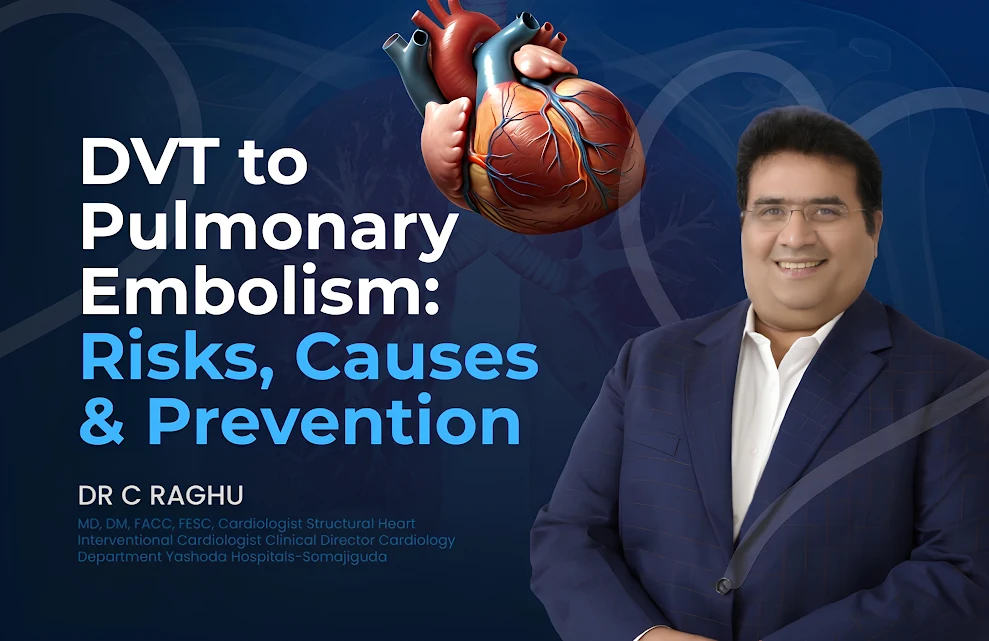
People get really worried about blood clots and the problems they can cause. For instance, if you do not treat venous thrombosis,s it can become a very serious disease called pulmonary embolism at some point. This blog is about the signs of embolism, the things that put you at risk of getting pulmonary embolism, or Pulmonary Embolism Treatment,what you can do to prevent pulmonary embolism in India, and the symptoms of pulmonary embolism you should know about before you go see a pulmonary embolism specialist or a doctor who treats acute pulmonary embolism. They can help you get away and make sure you get the care you need to deal with pulmonary embolism.

Key Takeaways

Deep vein thrombosis, which is what DVT Treatment is, happens when a blood clot forms in a vein, usually in the leg. This blood clot in the vein can be very bad news. Sometimes the clot in the vein can break loose and move to the lungs. When the clot from the vein goes to the lung,s it can cause a big problem called Pulmonary Embolism. This Pulmonic Embolism is very serious. Can be life-threatening. So when someone has a Pulmonic Embolism from a deep vein thrombosis, they need to see a pulmonary embolism specialist. The specialist for embolism needs to act fast to help the person with the deep vein thrombosis and the Pulmonic Embolism.

When you are not moving around for a time or you have had recent surgeries or you are overweight or obese or you smoke or you are pregnant or you are older than 60 years or you have underlying medical conditions like cancer and heart problems, these things can increase the chance of a blood clot forming. The risk factors I mentioned like being overweight or obese, smoking and having underlying conditions like cancer and heart problems can cause a clot to form, and this can lead to a Pulmonary Embolism. Pulmonary Embolism is a condition that can happen because of these risk factors, including being immobile for a long time, recent surgeries and other things, like cancer and heart problems.

If you have Deep Vein Thrombosis, you might notice that one of your legs is swollen, it hurts and it looks red. It feels warm. On the other hand if you have the best doctor for pulmonary embolism, you will feel like you cannot get enough air and you will have a sudden pain in your chest that gets worse when you take a deep breath or cough. Sometimes you might even cough up blood. Your heart will beat really fast. If any of these things happen to you you should go to the emergency room away or find a Pulmonary Embolism doctor near me.

You can also read this : Deep vein thrombosis treatment | Cardiologist in Hyderabad

To stop Deep Vein Thrombosis from happening, you need to do things. You have to exercise and drink plenty of water.

Deep Vein Thrombosis can be prevented by not sitting for long.

You should also wear socks called compression stockings.

You have to take medicine that helps prevent blood clots, which is given by a doctor who treats lung problems in India, a pulmonary embolism specialist, in India.

In essence, it means saving lives through early detection. Therefore, such symptoms and risks should be noted to assist patients in getting early treatment in the hands of an expert pulmonary embolism doctor.

Awareness of Risk Factors Associated with DVT and Pulmonary Embolism

DVT and Pulmonary Embolism risk factors are health states, life habits, and medical histories that combine and result in the arrival of a clot.

What DVT and Pulmonary Embolism are all about:

Deep vein thrombosis occurs in a deep vein, most commonly within a leg, when a blood clot forms. That clot can free itself when onboard a new trip to the lungs, and that is where the medical emergency, a pulmonary embolism, is created, needing a pulmonary embolism specialist to fall under his therapy.

DVT includes a swollen leg, pain, and red patches that may occur. However, for Pulmonary Embolism, signs may include sudden breathlessness or chest pain or coughing up blood. Early diagnosis by a pulmonary embolism doctor is critical as this might avert severe complications.

DVT and Pulmonary Embolism Symptoms

The swelling, pain, and warmth often seen in one leg are symptoms of DVT. On the other hand, symptoms of pulmonary embolism tend to be much more severe, including sudden shortness of breath, sharp chest pains, rapid heartbeat, or coughing blood. Deaths happen as well from misidentifying patients in healthcare facilities. Immediate evaluation by a pulmonary embolism doctor near me can save lives.

Causes of DVT and Pulmonary Embolism

The cause of thrombus formation is immobility, surgery, or underlying medical conditions that slow the blood flow enough for it to occur. However, in pregnant women and certain cancers, high estrogen levels can increase risk for thrombus formation, leading toa condition that travels to the pulmonary arteries, where it needs to be urgently treated by a pulmonary embolism specialist in India.

At risk for DVT and Pulmonary Embolism

This includes a clotting disorder, prolonged immobility, obesity, smoking habits, and older age. Other possible factors are pregnancy and heart disease. Knowledge of these risk factors makes one take the initiative to seek early evaluation from the best doctor for pulmonary embolism.

Connection Between DVT and Pulmonary Embolism

DVT is, therefore, within deep veins; that is, within those associated veins, clots will form. When any clot that is formed into the veins of the legs dislodged and breaks into circulation, it will eventually clog somewhere in the lungs. Hence, one reason that makes this important connection to early treatment and preventive care for this is that it benefits from being seen by a pulmonary embolism specialist doctor.

Prevention of DVT and Pulmonary Embolism: Strategic Approaches

Risk-lowering lifestyle changes:

Regular exercise, hydration, and a balanced diet, while avoiding prolonged sitting can help improve circulation and reduce the risk of forming a Pulmonary Embolism. Simple daily habits may be done to reduce and even champion vein protection.

Interventions to Prevent DVT and Pulmonary Embolism

Patients will be required for early intervention; this may involve prescribing anticoagulants and using compression stockings to minimize the risk of clot formation.

Detect and Treat Early

Early diagnosis is the key to successful management in most cases; failure to diagnose early may lead to complications and even death. Timely intervention by the best doctor of pulmonary embolism will, therefore, do a lot in saving the life of an individual to severe long-term injuries.

Educate Yourself about DVT and PE

That way, when DVT Treatment  and Pulmonary Embolism strike, people will be able to know it in advance and alert those individuals most likely to be a sufferer among them. The symptoms of DVT and PE , and the risk factors and preventive measures for DVT and PE will always keep everyone alert to promptly contact a pulmonary embolism specialist in India whenever the situation demands it.

You can also read this : Chronic Thromboembolic Pulmonary Hypertension

Conclusion

DVT and PE are serious conditions, and these may also be preventable. Hence, being aware of the signs, the risk factors, and how to prevent the occurrence of such incidents is vital. Early diagnosis and management of a patient by a pulmonary embolism doctor or specialist doctor of pulmonary embolism would greatly reduce the risks of complications and result in better outcomes.

If you or a loved one notice symptoms of DVT or pulmonary embolism, don’t delay—consult Dr. C. Raghu, an experienced specialist for Pulmonary Embolism treatment in India, for timely diagnosis, advanced care, and life-saving intervention. Get direction


10-Daily-Foods-That-Improve-Blood-Flow-to-the-Heart.webp

January 13, 2026 AbhijitHearty Life

Everybody hopes to improve their heart health, but not everyone knows how to start doing so. Scientific studies indicate that simple dietary changes can enhance blood flow and promote strong circulation. Here are articles showing the 10 daily foods that improve blood flow to the heart, as well as advice from a heart specialist in Hyderabad, a cardiologist in Hyderabad, or even the best heart doctor in Hyderabad.

What keeps your cardiovascular health best?

Key Takeaways

Daily consumption of foods such as salmon, avocado, berries, nuts, and leafy greens helps increase blood flow to the heart.

Omega-3 fatty acids, which are found in salmon and the healthy fatty acids contained in avocados, are said to lessen inflammation and low blood pressure.

The antioxidant-rich foods such as dark chocolate, garlic, turmeric, watermelon, and olive oil are good at protecting blood vessels and circulation.

In addition to a high-fiber and whole grain diet, limiting saturated fats, processed foods, sugars, and sodium bravely strides to improve heart health.

By doing so, experts say there is a possibility of adding 10 foods into meals for healthier cardiovascular wellbeing, as research states that these foods might decrease the risk of heart disease.

You can also read this Top 5 Cardiologists in India: Best Heart Specialist

Top 10 Foods for Improved Blood Flow to the Heart

Indeed, these foods can significantly increase blood flow in healthy amounts to the heart while each food contributes a unique set of nutrients toward better circulation and optimal heart health.

Salmon

Salmon ranks among the best foods for heart health because it is one of the fatty fish found consistently to contain omega-3 fatty acids, which tend to support healthy blood vessels and their circulation. Eating salmon is always valuable as it reduces inflammation and lowers blood pressure, thereby offering the potential to be great for cardiovascular health.

This fish is packed with antioxidants that are against free oxygen radicals existing in the body. These nutrients also contribute to detoxification and well-being. Now two meals per week with salmon can do a lot for heart function, alongside delicious flavors.

Avocado

Avocado encourages heart health through increased blood circulation. This fruit is rich in healthy fats, specifically omega fatty acids, and these fatty acids reduce inflammation and blood pressure.

Moreover, avocados also hold potassium, which contributes to cardiovascular health.

Including avocado in dietary pap does increase one’s consumption of many nutrients. They provide both vitamin E and C, which are known for their antioxidant potential. Antioxidants fight against harmful free radicals, which are associated with attacks on the heart.

Including avocados in meals increases the overall benefits, improving blood flow to the heart.

Berries

Berries such as blueberries, strawberries, and raspberries are good sources of heart benefits. The most significant benefit of these fruits in one serving is that they contain a very high amount of antioxidants that help reduce inflammation in the human body.

Antioxidants can protect blood vessels and, in turn, improve circulation, smoothening the blood courses to the heart.

Berries have been the richest source of promises for vitamins and minerals and provide the foundation for good overall heart health. They are also rich in fiber, helping to bring down both blood pressure and cholesterol levels. 

Consuming berries regularly has the potential to significantly improve the functioning of the heart, reducing the risk of cardiac disease. 

Dark chocolate 

Dark chocolate is known to contain powerful antioxidants. The metabolic activity is said to improve blood circulation and lower blood pressure. The flavonoids in dark chocolate support heart health by enhancing blood flow to the heart.

Indeed, those who consume moderate amounts of it will benefit from a good cardiovascular system.

In a small serving of dark chocolate, healthy fats and iron and magnesium get together. These essential components work together to prevent inflammation in the body. Those who indulge in dark chocolate will experience great delight with its taste and texture, being a satisfying guilty pleasure for heart and body. 

Nuts

Nuts are heart-healthy and beneficial in improving blood flow. They contain healthy fats, fiber, and nutrients for enhancing circulation. Almonds, walnuts, and pistachios are great choices.

These kinds of nuts provide healthy omega fatty acids that assist in lowering bad cholesterol levels.

Antioxidants present in the nuts reduce inflammation and also prevent them from heart disease. Have them as a daily snack of about one handful, and you will reap the benefits. They also serve as a fantastic substitute for unhealthy snacks such as chips or cookies. 

Making this simple swap has an impact in keeping blood pressure in a healthy range while contributing to cardiovascular health overall. 

Garlic 

Change gears now because it is now from nuts into garlic, where garlic is another food good for the heart. Supports healthy blood circulation and health benefits for the condition of your heart. Has a component that lowers blood pressure and helps in reducing inflammation. 

This is called ‘allicin’, which helps in relaxing the blood vessels for better blood flow. 

One can use garlic in preparing dishes for flavor and to improve heart health. This ingredient, rich in flavor, also has all the advantages of giving antioxidants against harmful free radicals in the body. Garlic has so many nutrients that it would be a great part of a person’s arsenal when working to control the risk of heart disease or maintain optimal blood pressure levels. 

This ingredient is easy to include in cooking or even to eat raw for the maximum benefits. 

Turmeric 

Turmeric keeps the heart healthy because of its active compound, curcumin. This active antioxidant compound reduces inflammation within the body and promotes good blood circulation with healthy blood pressure levels. 

Besides improving general detoxification, it also promotes cardiovascular health in the office.

A dash of turmeric can help spice up your meals and give your body the health benefits it needs. Studies show that it may reduce the risk of heart disease through better cholesterol levels and by protecting blood vessels.

Including this spice in a daily diet can boost the heart-holiday health.

Kale

Leafy greens include essential nutrients for heart health; spinach, kale, and Swiss chard improve circulation and fight inflammation-reduced blood pressure levels. It binds antioxidants.

These vegetables also provide fiber, which helps bring about a reduction in cholesterol levels.

So, integrating leafy greens in daily meals could help encourage better cardiovascular health. Their vitamin K content protects your arteries from damage while improving blood flow to the heart. Eating this nutrient-replete food source regularly may assist in the detoxification process for better overall health.

Olive Oil

Leafy greens are great, but olive oil also plays a central role in heart health improvement. Healthy fats in this oil boost the performance of cardiovascular health. The strength of olive oil lies in omega fatty acids used to keep circulation active and reduce inflammation in the body.

Again, it boasts high levels of antioxidants that lower blood pressure.

Plus, the use of olive oil for dressing salads or cooking also promotes better absorption of nutrients from other foods such as vegetables and fruits. Using the best-known quality of nutrient-rich extra virgin olive oil maximizes these advantages.

You can also read this: How diet can control your BP and keep your heart healthy

Strengthens blood flow to the heart while enhancing wellness. 

Watermelon 

Like olive oil, watermelon is an absolutely good fruit for heart health. Watermelon is nutritionally rich in all its ingredients, which help circulation and support blood circulation. There is citrulline, an amino acid that can help increase blood flow.

Studies prove it can relax blood vessels, which lowers blood pressure.

Eating watermelon adds antioxidants such as lycopene. This substance inhibits inflammation and provides heart disease protection. Hydration functions from watermelon to nourish the body while promoting cardiac health.

Including this amazing fruit in your daily diet supports overall wellness in circulation. 

Healthy Heart Eating Habits 

Diet becomes an ingredient in heart care. Limiting saturated and trans fats in the diet should happen in conjunction with higher fiber and whole grains for improved health. 

Those should then reduce their sodium intake because it controls the level of blood pressure, except processed and sweetened foods, which thus promote overall wellbeing of heart health. See how these tips strengthen against heart maladies. 

Limit Saturated and Trans Fats 

Trans and saturated fats hurt the heart. Increase the chances of bad cholesterol that causes heart disease. Fatty cuts of meat, full-fat dairy products, and reliance on the availability of many processed snacks.

Reduction would offer healthy circulation and favor cardiovascular health.

The difference in choosing healthier fats is quite visible. For example, olive oil, nuts, and avocados give healthy fats that contribute to boosting omega-3 fatty acid intake in our diets. These nutrients help reduce inflammation and maintain healthy blood pressure.

More fruits and vegetables also promote detoxification and contribute even more toward a healthier heart.

Boost the Fiber and Whole Grains Consumption. 

Fiber and whole grains are vital for cardiovascular health. These foods have the property of decreasing cholesterol levels, which is beneficial for a healthy heart.

Whole grains such as oats, brown rice, and quinoa all have good nutrients: they improve circulation, keep blood pressure levels stable, and help reduce inflammation.

Eating more fruits and vegetables not only improves intake of fiber but also yields other beneficial nutrients such as antioxidants that further prevent the heart from diseases. The variety of these nutrient-dense foods will help achieve a healthy diet and improve blood flow to the heart. 

All small changes make a difference in the long ru,n and even for today, regarding healthy circulation.

Reduce sodium intake 

High intake of sodium can harm the heart. It increases blood pressure and makes one vulnerable to heart disease. Some of the processed foods taken today contribute to this phenomenon of increased sodium intake. 

Reducing sodium brings about improved circulation and reduced instances of inflammation. 

People should read food labels carefully for hidden salt. Cooking at home allows better control over sodium levels in meals. 

And, of course, eating more fruits, vegetables, and whole grains helps reduce sodium intake while providing important nutrients. 

These educated food choices keep the body and cardiovascular health clean and sound.

Being natural with food produces full health benefits while keeping the heart healthy. Dietary modifications bring better heart function, so trying out new recipes, as the next step in healthy living, is worth it. 

Limit consumption of processed and sugary foods. 

A processed and sugary diet is not good for the heart. Most of these foods have unhealthy fats loaded with sugar and a lot of sodium levels. These ingredients militate against good blood pressure and circulation.

They will lead your body just to inflammation and the possibility of developing heart diseases. 

Whole, natural foods help in strengthening the cardiovascular system. Whole grains, fruits, and vegetables contain important nutrients for the body’s detoxification processes. 

Moreover, these nutrient-rich foods improve even blood circulation to the heart by clearing
harmful substances from the diet while providing healthy fats essential for well-being.

If you are serious about protecting your heart and improving blood flow naturally, don’t rely on diet tips alone. Get expert, personalized guidance from Dr. C. Raghu, Senior Interventional Cardiologist at Yashoda Hospitals, Secunderabad. Get directions

FAQs

1. What are everyday foods that are good for heart health?

Foods like Salmon, spinach, oranges, almonds, blueberries, avocados, oats, tomatoes, garlic cloves, and walnuts provide nutrients to improve blood flow to the heart 

2. How do omega fatty acids support cardiovascular health?

Omega fatty acids in salmon and walnuts lower inflammation and blood pressure; these healthy fats also reduce heart disease risk.

3. Which vegetables increase detoxification for better circulation?

Spinach and tomatoes are rich in antioxidants that aid detoxification; they support strong blood vessels for improved circulation.

4. Why should fruits like oranges or blueberries be part of a daily diet?

Oranges give vitamin C while blueberries offer antioxidants; both protect against high blood pressure and keep the heart healthy.

5. Can eating nuts improve nutrients intake for your heart?

Yes; almonds and walnuts provide healthy fats that help maintain good cholesterol levels while supporting overall cardiovascular health.


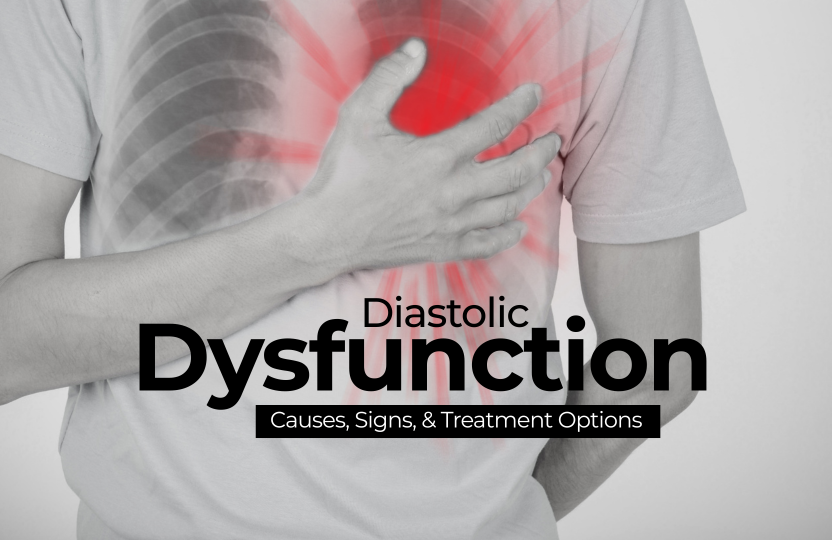
Diastolic-Dysfunction-Causes-Signs-and-Treatment-Options.png

January 9, 2026 AbhijitHearty Life

Many people notice trouble breathing or swelling and wonder if their heart is the cause. Diastolic dysfunction happens when the heart’s ventricles cannot relax properly, which can lead to heart failure.

This post will explain the causes, signs, and treatment options with advice from a top heart specialist in Hyderabad or cardiologist in Hyderabad. Keep reading to learn how you can protect your heart health.

Key Takeaways

  • Diastolic dysfunction happens when the heart’s chambers cannot relax and fill with blood properly, often due to hypertension or diabetes.
  • Key symptoms include shortness of breath, fatigue, swelling in the legs or ankles, and sometimes irregular heartbeats.
  • Major risk factors are high blood pressure, older age, poor diet, obesity, lack of exercise, diabetes mellitus, and cardiomyopathy.
  • Treatment includes lifestyle changes (healthy diet and exercise), medications like antihypertensives and diuretics, along with procedures such as echocardiograms or valve repair if needed.
  • Managing underlying health conditions is important for better outcomes; regular doctor visits help control symptoms and prevent complications from heart failure.

Understanding Diastolic Dysfunction Treatment 

Diastolic dysfunction affects how the heart chambers relax and fill with blood. This condition can lead to a range of symptoms, impacting overall cardiac function and quality of life.

Definition

Diastolic dysfunction occurs when the heart’s chambers struggle to relax properly. This condition affects how blood fills the heart after each heartbeat. As a result, pressure builds up in the heart and lungs, leading to symptoms like shortness of breath and fatigue.

Several factors contribute to diastolic dysfunction. Hypertension causes thickening in the heart walls, which interferes with their ability to expand fully. Diabetes can also lead to changes in cardiac function, worsening this issue.

People with increased ventricular stiffness often experience more complications related to blood flow and overall heart health.

Causes

Understanding diastolic dysfunction involves recognizing its causes. Several factors contribute to this condition. Hypertension plays a significant role in creating ventricular stiffness, which hinders the heart’s ability to relax properly between beats.

Cardiomyopathy also contributes by altering the structure and function of heart chambers, making it difficult for them to fill with blood efficiently.

Age is another important factor since older individuals often experience decreased compliance of their heart tissue. Conditions like diabetes can lead to changes in blood flow and increase risks for cardiovascular disease.

These underlying health issues significantly raise the likelihood of developing diastolic dysfunction over time.

Signs and Symptoms

Diastolic dysfunction often presents with a range of signs and symptoms. Individuals may experience shortness of breath, especially during physical activity or when lying flat. Fatigue can become common as well, affecting daily routines.

Some people notice swelling in their legs or ankles due to fluid buildup. Rapid weight gain might occur from this excess fluid retention.

In some cases, patients report irregular heartbeats or palpitations. These symptoms arise as the heart struggles to fill properly with blood due to ventricular stiffness. Hypertension and cardiomyopathy are significant risk factors that complicate the situation further.

Knowing these symptoms helps in early detection and leads directly to exploring treatment options for diastolic dysfunction.

Risk Factors

Several risk factors contribute to diastolic dysfunction. High blood pressure, or hypertension, often leads the list. This condition increases the stiffness of heart chambers and disrupts normal ventricular relaxation.

Heart failure may also develop as a result of these changes.

Certain lifestyle choices can heighten these risks. Lack of exercise, poor diet, and obesity play significant roles in increasing the likelihood of developing this disorder. Conditions like cardiomyopathy further elevate the chances of suffering from diastolic dysfunction.

Age and diabetes mellitus are other important considerations that patients should monitor closely for better heart health.

You can also read this:- Basics about Heart Failure

Treatment Options for Diastolic Dysfunction

Doctors recommend lifestyle changes, medications, and medical procedures to manage diastolic dysfunction. They focus on improving heart function and relieving symptoms. Each treatment option plays a key role in maintaining health.

Patients should consult healthcare professionals for personalized advice and strategies. Explore the latest insights to gain a deeper understanding of this condition.

Lifestyle changes

Lifestyle changes play a crucial role in managing diastolic dysfunction. Individuals can improve their heart health by adopting a balanced diet that reduces salt and saturated fats.

Regular exercise also strengthens the heart and improves blood flow to the chambers. Weight management is vital; losing excess weight can help lower diastolic pressure.

Cutting back on alcohol and quitting smoking further support cardiovascular health. Managing stress through relaxation techniques can also benefit heart function. These lifestyle adjustments not only address symptoms but also aid in controlling underlying conditions like hypertension and cardiomyopathy.

Treatment strategies often include medications, which will be discussed next.

Medications

Medications play a crucial role in treating diastolic dysfunction. Doctors often prescribe antihypertensives to manage high blood pressure. These medications help relax blood vessels and improve blood flow to the heart chambers.

Diuretics can also aid by reducing fluid retention, which decreases the strain on the heart.

Many patients benefit from these treatments, as they alleviate symptoms and enhance quality of life. Regular follow-ups with healthcare providers ensure that individuals receive optimal drug therapy tailored to their needs.

Proper management of underlying conditions is vital for effective treatment of diastolic dysfunction.

Medical procedures

Medical procedures can help manage diastolic dysfunction in patients. Doctors often use echocardiograms to evaluate heart chambers and measure their function. These tests provide essential information about ventricular stiffness and blood flow dynamics.

In some cases, doctors may recommend catheterization to assess the heart’s condition more closely. This procedure allows them to gather data on pressures within the heart chambers.

If medication alone is insufficient, surgical options like valve repair or replacement might be necessary. These interventions aim to improve overall cardiac function and alleviate symptoms of heart failure related to diastolic dysfunction.

You can also read this: treatment of diastolic dysfunction 

Management of underlying conditions

Managing underlying conditions is vital for those with diastolic dysfunction. Effective control of hypertension and other heart issues can improve patient outcomes. Doctors often recommend lifestyle changes, such as a balanced diet and regular exercise, to help alleviate symptoms.

Medications also play an essential role; antihypertensives can effectively lower blood pressure.

Careful management of risk factors such as obesity or diabetes also supports heart function. Monitoring these conditions allows for better blood flow in the heart chambers. Health professionals encourage patients to work closely with them, ensuring proper treatment plans remain in place.

This proactive approach enhances overall heart health and prevents further complications related to heart failure or ventricular stiffness.

FAQs

1. What causes diastolic dysfunction in the heart?

Diastolic dysfunction often happens when the heart muscle becomes stiff or thickened. High blood pressure and certain types of cardiomyopathy can make the heart chambers less able to fill with blood.

2. What are common symptoms of diastolic dysfunction?

Shortness of breath, swelling in the legs, and tiredness are the main symptoms. These signs occur because blood flow backs up as the ventricles cannot relax well.

3. How does hypertension relate to diastolic dysfunction?

Hypertension puts extra strain on your heart over time. This makes ventricular stiffness worse and increases the risk for heart failure linked to poor filling.

4. Which treatment options help manage diastolic dysfunction?

Doctors may use antihypertensives or diuretics to lower blood pressure and reduce fluid buildup. Other management strategies focus on treating underlying conditions like cardiomyopathy.

5. Why is early detection important for this condition?

Finding problems early allows doctors to start treatment before severe symptoms develop or progress into full heart failure, improving long-term outcomes for patients with impaired relaxation of their ventricles.


Heart-Valve-Replacement-cost-in-Hyderabad-1200x899.jpeg

January 6, 2026 AbhijitHearty Life

Many people worry about needing heart surgery for their aortic valve. TAVI & TAVR Doctor the future of heart valve replacement, now offer a minimally invasive option that can help patients recover faster.

This blog will explain how TAVI and TAVR work, why they matter, and when you should talk with a TAVR doctor in Hyderabad, tavi expert in Hyderabad, or tavr doctor in India. Find out if this new procedure is right for you.

Key Takeaways

  • TAVI and TAVR are new, minimally invasive ways to replace a damaged aortic valve. They use catheters instead of open-heart surgery, so patients heal faster and spend less time in the hospital.
  • Studies show that patients who get TAVI/TAVR have fewer complications than those with traditional heart surgery. Most people go home in one or two days after treatment.
  • Doctors now use advanced imaging tools during these procedures. These tools help guide the new valve into place with high accuracy for better patient results.
  • The new valves used in TAVI/TAVR last longer than before, lowering the need for future surgeries. Patients enjoy a better quality of life after recovery.
  • As technology improves, experts believe more people will qualify for this procedure. This could change how doctors care for heart valve problems worldwide.

Understanding TAVI/TAVR Doctor Hyderabad

TAVI and TAVR offer a revolutionary approach to heart valve replacement. These procedures involve inserting a new valve through a small incision, reducing the need for extensive surgery.

The concept of minimally invasive heart valve replacement

Minimally invasive heart valve replacement offers patients a less traumatic option for treating aortic valve issues. This technique uses transcatheter technology to place new valves without large chest incisions.

Surgeons insert catheters through small punctures, often in the groin, and guide them to the heart.

Patients experience fewer complications and shorter recovery times with this method. The procedure reduces hospital stays significantly compared to traditional heart surgery methods.

With advancements in imaging techniques and clinical trials, TAVI/TAVR continues to demonstrate improved patient outcomes and increased valve durability.

How TAVR/TAVI works

TAVR, or Transcatheter Aortic Valve Replacement, involves a minimally invasive approach to heart valve replacement. Surgeons access the heart through a blood vessel, often in the leg.

They then guide a catheter to the damaged valve site. The new valve expands inside the old one and takes over its function.

This procedure reduces recovery time compared to traditional surgery. Patients experience less pain and fewer complications with TAVR/TAVI. Innovations in imaging techniques allow doctors to plan each step carefully, enhancing overall outcomes for patients needing aortic valve replacements.

Next, advancements promise exciting changes for TAVI/TAVR technology in cardiac care.

Advantages and benefits

TAVR and TAVI provide significant advantages for patients needing heart valve replacement. These procedures use a minimally invasive approach that reduces recovery time compared to traditional surgical intervention.

Patients often leave the hospital within one or two days, which allows them to return to their daily activities sooner.

The benefits extend beyond quick recovery. TAVI/TAVR also improves patient outcomes by reducing complications related to heart surgery. The transcatheter techniques used offer excellent valve durability, ensuring long-lasting solutions for those with aortic valve issues.

Improved imaging techniques aid doctors in making precise assessments and decisions during the procedure, enhancing overall care quality for cardiovascular patients.

The Future of TAVI/TAVR

TAVI and TAVR show great promise for transforming heart valve replacement. Advancements in technology lead to better patient outcomes and increased accessibility for those needing care.

Technological advancements and innovations

Recent technological advancements in heart valve replacement show great promise. Innovations such as transcatheter aortic valve replacement (TAVR) have made procedures less invasive.

Surgeons now use advanced imaging techniques to guide these interventions. This precision leads to improved patient outcomes and shorter recovery times.

Healthcare providers are excited about the enhanced durability of new valves. These innovations can last longer, reducing the need for further surgeries. Studies indicate that many patients experience significant relief from symptoms soon after their procedures.

Increased awareness of these options helps patients make informed decisions regarding their care.

Improved patient outcomes

TAVI and TAVR represent significant advancements in heart valve replacement. These minimally invasive techniques improve patient outcomes for those with aortic valve issues. They allow many patients to undergo procedures without the need for major surgery, leading to shorter recovery times.

Studies show that patients experience fewer complications compared to traditional surgical interventions.

The success rates of TAVI and TAVR continue to rise as technology evolves. Enhanced imaging techniques guide doctors during the procedure, ensuring precision in placement. Valve durability has also improved, providing long-lasting solutions for patients.

This progress supports better cardiovascular health and empowers individuals to maintain active lifestyles post-surgery.

You can also read this: TAVR/TAVI Procedure in Hyderabad Minimally Invasive Care

Potential for revolutionizing cardiac care

TAVI and TAVR hold great promise for transforming cardiac care. These advancements in minimally invasive heart valve replacement offer patients a safer option compared to traditional surgical interventions.

Patients experience shorter recovery times and less pain after procedures. These benefits lead to improved patient outcomes, making the replacement of aortic valves more accessible.

Technological innovations in imaging techniques help doctors better plan surgeries. They can visualize heart structures with precision, which enhances the accuracy of transcatheter procedures.

Valve durability has also improved significantly over recent years, increasing confidence in long-term outcomes. As these techniques evolve further, they will likely reshape how cardiologists approach valve repair and replacement.


To consult with Dr. C. Raghu, Interventional Cardiologist at Yashoda Hospital, Somajiguda, Hyderabad, use the direction Get Direction

FAQs

1. What are the main indications for TAVI and TAVR in heart valve replacement?

Doctors use transcatheter aortic valve implantation or replacement, called TAVI and TAVR, for patients with severe aortic valve disease who may not tolerate open heart surgery.

2. How do minimally invasive techniques like TAVI differ from traditional surgical intervention?

TAVI uses catheters to replace the damaged aortic valve without opening the chest fully; this reduces recovery time compared to standard heart surgery.

3. What role do imaging techniques play in patient outcomes after valve replacement?

Imaging techniques help guide doctors during transcatheter procedures, ensuring precise placement of new valves; this improves safety and patient outcomes.

4. How does valve durability compare between transcatheter and surgical replacements?

Both methods offer durable results, but ongoing studies monitor how long each type of replaced aortic valve lasts over time.

5. Why are clinical guidelines important when choosing between surgical intervention and transcatheter approaches in cardiology?

Clinical guidelines help doctors decide which patients will benefit most from either minimally invasive or open-heart options by considering risks, benefits, and individual health needs.


Heart-Disease.png

December 30, 2025 AbhijitHearty Life

Many people today worry about how coffee affects heart health—especially those dealing with a minor heart attack, small heart attack, or recovering after a heart attack in the gym. Coffee is one of the most consumed beverages worldwide, and its impact on cardiovascular health continues to draw attention from both patients and doctors.

To clear the confusion, we spoke to leading heart experts, including a Heart Specialist in Hyderabad, a senior cardiologist in India, and a top doctor performing advanced treatments like Balloon Mitral Valvotomy. Here’s what the experts say about whether coffee is safe for people with heart conditions.

Key Takeaways

  • Cardiologists in Hyderabad emphasize that people with heart disease can enjoy coffee — but only in moderation.
  • Moderate caffeine consumption may be safe for most heart patients and could even improve circulation and heart function.
  • Overconsumption may raise blood pressure or trigger irregular heartbeats (atrial fibrillation), especially in sensitive individuals or those recovering from a small heart attack.
  • Always consult your cardiologist before changing your coffee intake.
  • Herbal teas and decaffeinated options are safer alternatives that support heart wellness.

Is Coffee Safe for Individuals With Heart Disease?

The answer depends on your health. For most people with stable cardiovascular disease, moderate coffee intake — about one or two cups a day — is generally safe. Studies show caffeine might not harm heart health when consumed within limits.

However, patients who have experienced a minor heart attack or complications such as arrhythmia should be cautious. Too much caffeine can lead to palpitations, anxiety, or blood pressure spikes. Those with a history of heart attack in gym situations — where extreme exertion contributed to cardiac stress — must strictly regulate caffeine intake.

If you’re monitoring your heart’s pumping efficiency, it’s also wise to understand your normal ejection fraction by age chart, which helps you measure how well your heart is functioning while making dietary decisions like coffee consumption.

Potential Risks of Drinking Coffee for Heart Patients

Excess caffeine can increase the heart rate, elevate blood pressure, and in some cases, trigger conditions like atrial fibrillation. This irregular heartbeat can be dangerous for people recovering from a small heart attack or undergoing procedures like Balloon Mitral Valvotomy.

Too many cups of coffee may also intensify restlessness or stress, both of which negatively affect heart health. Additionally, sugary coffee drinks can worsen cardiovascular risks, so patients must choose wisely—avoid excess sugar and cream to protect heart function.

Safer Alternatives to Coffee

If you love the warmth of coffee but worry about your heart, try herbal teas. Options like chamomile, hibiscus, or rooibos soothe the body and have no caffeine. They can also reduce stress and support relaxation.

Decaffeinated coffee offers another good choice. It provides similar flavor and aroma without caffeine’s stimulating effects. Smoothies rich in antioxidants, such as those made from berries and leafy greens, promote heart health while keeping energy levels stable.

You can also read this : Hyderabad Cardiologist Reveals 5 Silent Heart Warning Signs

Expert Advice on Lifestyle Choices

Beyond caffeine, overall lifestyle plays a key role in heart recovery and prevention. Doctors recommend maintaining healthy weight, regular moderate exercise, and following medical advice after a minor heart attack or any cardiac event.

If your normal ejection fraction by age chart shows reduced output, discuss with your cardiologist before making dietary adjustments, including caffeine consumption. Personalized guidance ensures you stay within safe health limits.

Conclusion

Enjoying coffee when you have heart disease isn’t entirely off-limits—but it requires mindfulness. Moderation is the golden rule. For anyone with heart conditions, particularly those healing from a small heart attack, heart attack in gym, or undergoing Balloon Mitral Valvotomy, expert consultation is essential before making caffeine part of your daily routine.

Choosing alternatives like herbal teas or decaf coffee can provide comfort without increasing risk. Always keep track of your heart’s performance using tools like a normal ejection fraction by age chart and follow your doctor’s advice for long-term heart wellness.

You can also read this : How Many Cigarettes a Day Can Trigger a Heart Attack Risk?

To consult with Dr. C. Raghu, Interventional Cardiologist at Yashoda Hospital, Somajiguda, Hyderabad use the direction Get Direction

FAQs

  1. Is coffee safe for people with heart disease?
    Yes, moderate coffee intake is typically safe for most individuals, but those recovering from a minor heart attack should consult their doctor first.
  2. How does caffeine affect heart health?
    Caffeine can temporarily raise blood pressure and heart rate, which may cause issues for people with arrhythmia or reduced ejection fraction.
  3. Should I avoid coffee if I have high blood pressure?
    People with hypertension or a history of a heart attack in gym should limit caffeine consumption and monitor blood pressure regularly.
  4. Does adding sugar make coffee more risky?
    Yes, sugar increases calories and contributes to poor heart health, especially in patients with cardiovascular issues.
  5. What do experts recommend overall?
    Cardiologists emphasize balance — moderate caffeine intake, a heart-healthy diet, and regular checkups for those managing conditions like small heart attack recovery or post-Balloon Mitral Valvotomy care.


Dr raghu logo


Dr raghu logo


Call us now if you are in a medical emergency need, we will reply swiftly and provide you with a medical aid.


For Appointment with Dr Raghu: +91 80085 36699
Dr Raghu’s Patient Coordinator: +91 72860 10203
Dr Raghu’s Office Experience: +91 90001 65962
Dr Raghu’s Social Media Communication Channel: +91 97046 51708

Dr. Raghu | Heart Specialist in Hyderabad
Yashoda Hospitals, Raj Bhavan Road, Somajiguda, 1st floor, Room No. 115, Hyderabad -500082, Telangana

Best Cardiologists in Hyderabad


© 2024, Dr. Raghu. All rights reserved. Design & Developed by AMSDigital.in

[gtranslate]
+91-9542475650