what-is-atrial-fibrillation.jpg

July 27, 2026

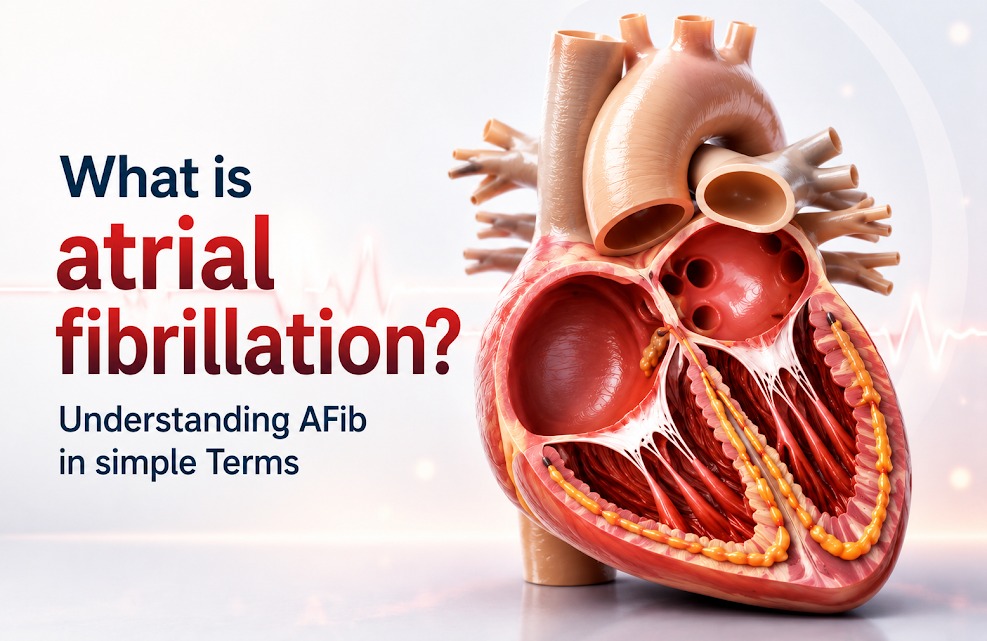
Atrial fibrillation, commonly called AFib, is becoming increasingly common among middle-aged individuals. But here’s the thing—most people don’t understand what’s actually happening inside their hearts when this occurs. You might hear the term “AFib” from your doctor, but you’re left wondering what it really means for your life, your health, and your future.

What Exactly Happens During Atrial Fibrillation?

atrial fibrillation treatment

Let me explain this simply. Your heart works like a coordinated team. It has four chambers, and they’re supposed to contract in a specific rhythm, pumping blood efficiently throughout your body. When everything works correctly, your heart beats between 60 and 100 times per minute, and each beat is regular like a drum in an orchestra.

But with atrial fibrillation, something goes wrong. The two upper chambers of your heart, called the atria, start beating chaotically. Instead of contracting in a coordinated way, they’re essentially quivering. This irregular electrical activity causes your heart to beat irregularly and often rapidly. You might feel your heart skipping beats or racing without reason.

The problem is this: when your heart isn’t pumping efficiently, it doesn’t move blood through your body the way it should. This is serious.

Also read: What is coronary angioplasty? Everything you need to know  

Why Should You Care About This?

You might think, “Okay, so my heart beats irregularly. What’s the worst that can happen?” Here’s where you need to pay attention:

Blood clots form. When blood sits in your heart chambers instead of being pumped out efficiently, it can pool and clot. These clots can travel to your brain and cause a stroke—a brain stroke that could leave you paralyzed, unable to speak, or worse.

Your heart weakens. Over time, the constant irregular beating strains your heart muscle. It’s like running a machine non-stop without proper maintenance. Eventually, it breaks down, leading to heart failure.

You feel terrible. Shortness of breath, fatigue, dizziness—these aren’t just inconveniences. They affect your quality of life, your work, and your ability to enjoy time with your family.

Other complications arise. Your risk of heart disease increases. Your blood pressure becomes difficult to control. Your overall health deteriorates.

Who Gets Atrial Fibrillation?

You might be at higher risk if you:

  • Have high blood pressure
  • Are over 65 years old (though it can happen when younger)
  • Have heart disease or a previous heart attack
  • Have thyroid problems
  • Are obese or overweight
  • Drink excessive alcohol
  • Have sleep apnea
  • Experience chronic stress
  • Have family history of AFib

If any of these apply to you, you should be paying attention to any unusual heart sensations.

Atrial Fibrillation Treatment: What Are Your Options?

The good news? Atrial fibrillation is treatable. You’re not helpless here. You have options, and finding the right approach matters tremendously.

First, there’s medication. Your doctor might prescribe medications that help regulate your heart rate or convert your heart back to a normal rhythm. Some people do very well with medication alone.

Second, there are lifestyle changes. You need to reduce stress, exercise regularly (as approved by your doctor), limit alcohol, maintain a healthy weight, and manage any underlying conditions like high blood pressure.

Third, there are medical procedures. If medication doesn’t work, procedures like ablation can be performed. An interventional cardiologist specialist trained in heart procedures can access your heart and remove the tissue causing the irregular signals. It’s minimally invasive, meaning small incisions, less pain, and faster recovery.

Finding the Right Atrial Fibrillation Doctor in Hyderabad

If you’re in Hyderabad, you’re fortunate. The city has some of India’s finest cardiac specialists. When looking for an atrial fibrillation doctor in Hyderabad, you want someone experienced, compassionate, and thorough. You want a doctor who explains things clearly, who listens to your concerns, and who works with you to create a treatment plan that fits your life.

The best atrial fibrillation doctors in India understand that AFib isn’t just a medical condition—it’s something that affects how you live. They know that you want to return to your normal activities, spend time with your loved ones, and not feel like your health is controlling your life.

Taking Action Today

Don’t wait until you have a major event to address AFib. If you experience irregular heartbeats, shortness of breath, or persistent fatigue, schedule an appointment with a cardiologist. Get evaluated. Get answers.

Your heart is the most important muscle in your body. It’s literally keeping you alive. Treating atrial fibrillation early, with the guidance of a skilled cardiologist for atrial fibrillation, can prevent serious complications like brain stroke and significantly improve your quality of life.

Also read: TAVR/TAVI Procedure in Hyderabad Minimally Invasive Care  

Moving Forward

You don’t have to live with the fear and uncertainty of AFib. Modern medicine has given us excellent tools to manage this condition. The first step is getting a proper diagnosis and treatment from qualified specialists. The second step is taking responsibility for your health—making lifestyle changes, taking medications as prescribed, and maintaining regular follow-ups with your doctor.

Ready to take control of your heart health? Dr. C. Raghu, an experienced interventional cardiologist at Yashoda Hospital, Somajiguda, Hyderabad. Your heart deserves expert care.

Abhijit

heart-valve-replacement.webp

March 17, 2026

When the Heart Speaks, Are You Listening?

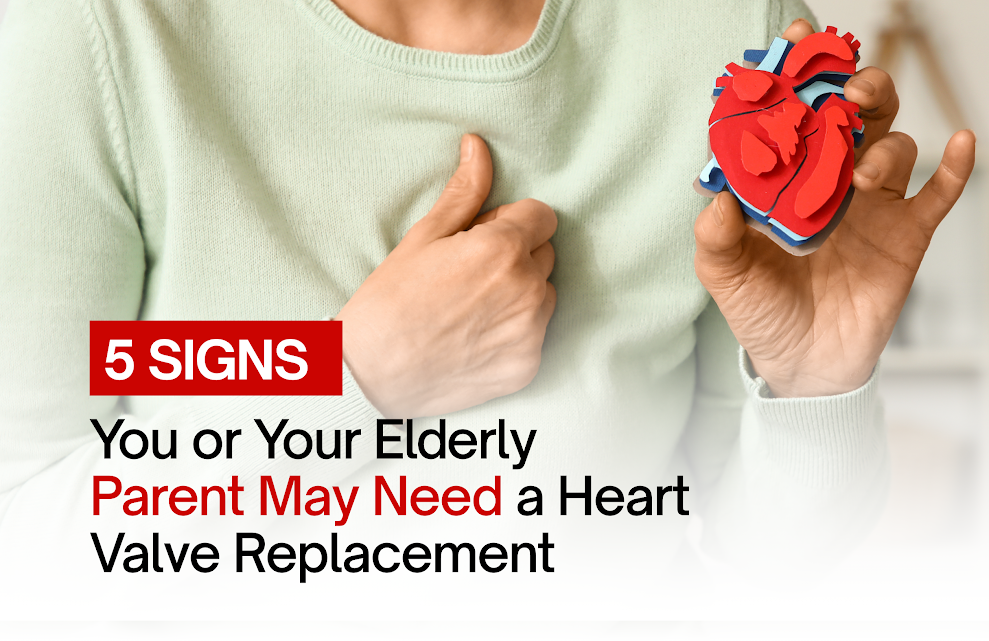
Heart valve You are the kind of person who reads nutrition labels. You walk 10,000 steps. You know your LDL from your HDL. And yet, somewhere between managing your career, your family, and your aging parents, there is a nagging worry you cannot quite name. Your father gets breathless climbing the stairs. Your mother feels dizzy after a short walk. You yourself feel a strange heaviness in your chest after a brisk evening stroll.

You live in Hyderabad, Bangalore, Mumbai, or Chennai — cities that move fast. You are health-conscious, informed, and proactive. But heart valve disease? That is a chapter most people never read until they are already inside it. And that is exactly the problem this article is here to solve.

By the time you finish reading, you will know the five warning signs that demand your attention, understand what happens if you ignore them, and learn how India’s most trusted TAVI/TAVR doctor in Hyderabad , Dr. C. Raghu — is changing and saving lives with cutting-edge, minimally invasive care.

What Exactly Is a Heart Valve Problem?

Your heart has four valves. Think of them as doors inside your heart that open and close with every single heartbeat. When these doors stop working properly—either because they become stiff (stenosis) or leaky (regurgitation)—your heart works harder than it should. Over time, it exhausts itself.

The most common culprit is aortic stenosis—a narrowing of the aortic valve. It is especially common in people over 60. Left untreated, it progresses silently, and then, without warning, it becomes dangerous.

You can also read this: Early Warning Signs of Heart Blockages You Should Never Ignore

 5 Signs You or Your Elderly Parent Should See a Specialist

Sign 1: Breathlessness That Comes Out of Nowhere

You used to climb two flights of stairs without a thought. Now, halfway up, you stop. You breathe hard. You feel your heart pounding in your chest. This is not just aging — this is your heart telling you it is struggling to push blood through a narrowing valve.

  • Breathlessness during light activity is a red flag
  • If it gets worse lying down, that is even more urgent
  • Many patients dismiss this as “just getting “older”—that delay can cost them years of quality life

Sign 2: Chest Pain or Tightness, Especially During Activity

If your elderly parent complains of a pressing sensation in the chest after walking or mild exertion, do not wait. Chest discomfort linked to aortic valve disease feels different from a heart attack, but it is equally serious. It is a sign the heart muscle is not receiving enough oxygen-rich blood.

  • The pain often subsides with rest, which makes people dismiss it
  • Recurring chest tightness after activity is never normal
  • This symptom, when combined with breathlessness, is a medical emergency waiting to happen

Sign 3: Unexplained Dizziness or Fainting Spells

Has your parent suddenly felt faint while climbing stairs or after standing up quickly? Or have you yourself felt lightheaded during a morning jog? Dizziness and syncope (fainting) are classic warning signs of severe aortic stenosis.

  • Blood flow to the brain drops when the valve cannot open fully
  • Fainting episodes are particularly dangerous in older adults — they risk falls and fractures
  • Many families chalk this up to “low blood pressure” or “sugar issues” without investigating further

Sign 4: Fatigue That No Amount of Sleep Can Fix

This is not the tiredness after a busy Monday. This is a deep, draining exhaustion that sits in your bones. You sleep 8 hours and wake up feeling like you have not slept at all. Your parent seems less interested in activities they once loved. They tire from simple tasks like cooking or bathing.

  • Cardiac fatigue is different from ordinary tiredness — it is persistent, worsening, and disproportionate
  • The body is diverting its limited resources because the heart is working overtime
  • This is one of the most underreported symptoms, because patients adapt to it slowly without realizing it has become severe

Sign 5: Swollen Ankles and Feet by Evening

If your parent’s feet look puffy by the end of the day, or if their shoes feel tighter in the evenings, do not dismiss it as heat or poor circulation alone. Fluid accumulation in the lower extremities is a sign that the heart is struggling to circulate blood efficiently — a consequence of valve dysfunction and early heart failure.

  • Swelling that is worst in the evening and better in the morning is a cardiac pattern
  • When combined with breathlessness or fatigue, it forms a dangerous triad of symptoms
  • This is your body waving a red flag. It is time to book that cardiology appointment.

What Happens If You Ignore These Signs?

The consequences of delayed diagnosis are severe and in some cases irreversible. Untreated aortic stenosis leads to:

  • Heart failure : the heart becomes so exhausted it can no longer pump effectively
  • Sudden cardiac arrest : especially in elderly patients with severe stenosis
  • Permanent heart muscle damage : which significantly limits treatment options
  • Reduced survival : studies show that without intervention, patients with severe symptomatic aortic stenosis face a 50% mortality rate within two years

The cruelest part? Most of this is entirely avoidable with timely diagnosis and the right specialist.

The Solution: Transcatheter Aortic Valve Replacement (TAVR/TAVI)

For decades, open-heart surgery was the only way to replace a damaged aortic valve. That meant cracking open the chest, stopping the heart, and weeks of painful recovery — an option many elderly or high-risk patients simply could not survive.

Today, transcatheter aortic valve replacement, known as TAVR or TAVI, has changed everything. In this minimally invasive procedure, a new valve is guided through a thin catheter into the heart, usually through the leg. There is no open-chest surgery. Recovery is measured in days, not months. And the outcomes? Remarkable.

Why Dr. C. Raghu Is the TAVR Specialist India Trusts

If you are searching for the best TAVR specialist near you or a TAVR expert in India, Dr. C. Raghu’s name rises to the top—and for very good reason.

Dr. C. Raghu serves as Clinical Director and Senior Interventional Cardiologist at Yashoda Hospitals, Somajiguda, Hyderabad. Yashoda Hospitals He brings over 25 years of specialized experience and a reputation that stretches well beyond Telangana.

Here is what sets him apart:

  • World-class training: He has completed advanced fellowships in France, Italy, and Harvard, bringing globally refined techniques to his patients in India.
  • Award-winning expertise: He has received the Andreas Gruntzig Award for the Best Chronic Total Occlusion Angioplasty Case, the Best Peripheral Angioplasty Case Award at the Asia Pacific Vascular Society Meeting, and the Best Young Interventionalist Award at Singapore Live 2007. 
  • Published researcher: He has authored a chapter on the journey of Transcatheter Aortic Valve Replacement in Cardiology Update 2021 Yashoda Hospitals, contributing meaningfully to the academic understanding of TAVR.
  • Educator: He has trained over 80 cardiologists, shaping the future of heart care across India. 
  • Proven TAVR outcomes: Patients trust Dr. C. Raghu because of his proven track record with high success rates that are above the national average for TAVI/TAVR surgeries.

Whether you are from Hyderabad, Bangalore, Mumbai, or Chennai, patients travel to see him because they know that when it comes to finding the best TAVR doctor in Hyderabad, credentials and experience are everything—and Dr.c Raghu has both.

What to Expect When You See Dr. Raghu

When you sit in front of Dr. Raghu, you feel relaxed. He looks at your symptoms. He listens to your routine. He asks about your stress. He explains what each test means. You understand your heart better in just one consultation. Dr.C.Raghu

He does not just treat the valve. He treats the whole person. And for families caring for aging parents, that kind of clarity and compassion is priceless.

You can also read this : Cardiologist Hyderabad: Why Dr. C. Raghu Is a Name Patients Trust

Conclusion: Your Heart Cannot Wait for the Perfect Moment

You are a careful person. You do your research. You do not rush into decisions. But when it comes to the five signs we have discussed—breathlessness, chest pain, dizziness, unexplained fatigue, and swollen feet—waiting for the “right time” is the one mistake you cannot afford to make.

The right time is now. The right specialist is here.

If you or your elderly parent is experiencing any of these signs, do not self-diagnose, do not rely on generic advice, and do not delay. Seek a specialist who has spent a career mastering the very condition you are worried about.

📍 Take the next step today. Visit drraghu.com to book your consultation with Dr. C. Raghu—India’s trusted TAVR/TAVI expert in India—and give your heart the expert care it deserves.

About Dr. C. Raghu

Dr. C. Raghu is a Senior Interventional Cardiologist and Clinical Director at Yashoda Hospitals, Somajiguda, Hyderabad (1st Floor, Room No. 115, Raj Bhavan Road, Hyderabad – 500082). With over 25 years of experience in interventional cardiology, he specializes in Transcatheter Aortic Valve Replacement (TAVR/TAVI), complex coronary angioplasty, structural heart interventions, and peripheral vascular procedures. He holds advanced training from institutions in France, Italy, and Harvard University and has been recognized with multiple national and international awards. He is widely regarded as one of the best TAVR surgeons and a leading TAVR specialist in India.

📞 For Appointments: +91 80085 36699 🌐 www.drraghu.com


Abhijit

heart-blockages.jpg

February 27, 2026

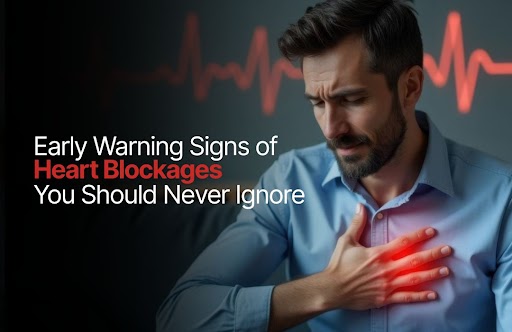
Many people often ignore small warning signs from their bodies. Chest pain, shortness of breath, or even tiredness may seem minor at first. Still, these can be early warning signs of heart blockages you should never ignore.

Heart disease is very common and can lead to life-threatening problems if not found early.

A blocked artery in the heart can stop blood flow quickly. Studies show that quick action saves lives. If someone notices symptoms like chest pain or fatigue, they should see a heart doctor in Hyderabad right away.

This blog will help readers learn about key symptoms linked to heart blockages, such as angina, weakness, and irregular heartbeat. It also covers prevention steps and risk factors for better heart health under a good cardiologist in Hyderabad or a trusted heart doctor in Hyderabad.

Spot the danger before it gets worse; your health depends on it.

Key Takeaways

  • Chest pain, shortness of breath, and tiredness are early warning signs of heart blockages. These symptoms can appear suddenly or develop over time.
  • Ignoring chest discomfort, fatigue, dizziness, cold sweats, or irregular heartbeat can lead to serious health risks and even death if left untreated.
  • Swelling in the legs, feet, or ankles may signal reduced blood flow due to blocked coronary arteries. Patients should seek prompt medical help for these changes.
  • Quick action saves lives. Studies show that seeing a cardiologist without delay improves outcomes in those with heart blockages.
  • Making lifestyle changes like eating healthy food, exercising often, quitting smoking, and reducing stress lowers your risk of heart disease and its dangerous symptoms.

Early Warning Signs of Heart Blockages

Early warning signs of heart blockages can appear suddenly. People should pay attention to these symptoms, as they may indicate serious issues with blood flow.

Chest pain or discomfort

Chest pain or discomfort often signals a problem with blood flow to the heart. Patients may experience this type of pain as a tightness, pressure, or heaviness in the chest. Some describe it as feeling like an elephant is sitting on them.

This symptom can arise suddenly or develop gradually over time.

Individuals should not ignore such sensations, especially if they occur during physical activity or emotional stress. Angina, a form of chest pain, occurs when the coronary arteries narrow and restrict the blood supply to the heart muscle.

Early detection and prompt medical attention are crucial for managing these warning signs effectively.

Shortness of breath

Moving from chest pain or discomfort, shortness of breath is another critical symptom to watch. This feeling can occur even during light activities or rest. Patients often describe it as an inability to catch their breath, leading to distress.

Shortness of breath may indicate heart blockages that restrict blood flow. Angina often presents with this symptom as well, signalling potential coronary artery disease. Individuals experiencing this should seek medical attention without delay.

Monitoring symptoms and making lifestyle changes can help manage risk factors effectively.

Fatigue or weakness

Fatigue or weakness can signal heart issues. Patients may notice an unusual lack of energy or feel more tired than usual. This symptom often accompanies other signs of heart blockages, such as chest pain and shortness of breath.

It might also affect daily activities that once seemed easy.

Coronary arteries supply blood to the heart muscle. Any blockage can reduce blood flow, leading to fatigue and overall weakness. Those experiencing these symptoms should seek medical attention promptly.

Ignoring these warning signs could lead to serious health risks related to heart disease.

Dizziness or lightheadedness

Fatigue or weakness often leads to other concerning symptoms. Dizziness or lightheadedness frequently indicates a serious issue with blood flow. These sensations can arise from decreased oxygen reaching the brain due to blockages in coronary arteries.

Chest pain may accompany this dizziness, intensifying the discomfort.

Patients experiencing these feelings should take them seriously. Lightheadedness can occur suddenly and might cause fainting spells if not addressed promptly. Ignoring such signs risks further complications related to heart disease and overall health.

Staying alert for these symptoms is crucial for maintaining well-being and preventing more severe conditions like angina or a heart attack.

Nausea or vomiting

Nausea or vomiting can signal serious issues with heart health. These symptoms may arise when blood flow to the heart decreases. Angina, which causes chest pain and discomfort, often accompanies them.

Patients experiencing nausea might feel uneasy or have an upset stomach. Vomiting can lead to a loss of fluids and further complications.

Ignoring these signs can be dangerous. They may indicate blockages in the coronary arteries that require immediate attention. Seeking medical help is crucial if these symptoms occur frequently.

It is essential to monitor one’s health closely during such episodes, as they could lead to more severe conditions like heart disease or even a heart attack. Understanding other symptoms improves awareness of one’s cardiovascular health.

Cold sweats

Nausea or vomiting can accompany other heart symptoms. Cold sweats often signal a serious issue with the heart. Patients might experience sudden sweating even in cool conditions. This symptom indicates that something is wrong, particularly with blood flow to the heart.

Cold sweats can occur alongside chest pain or shortness of breath. They may happen during physical activity or at rest. These episodes might feel alarming and should not be ignored.

A patient experiencing cold sweats along with fatigue, dizziness, or an irregular heartbeat should seek immediate medical attention. Being aware of these signs aids prevention and encourages timely care for potential blockages in the coronary arteries.

Irregular heartbeat

An irregular heartbeat can signal serious issues. Patients may experience this as a fluttering or pounding in the chest. Many people describe it as feeling like their heart skips a beat.

This symptom often occurs alongside chest pain and shortness of breath, raising concerns about heart disease.

Blockages in the coronary arteries may cause these irregularities. Limited blood flow impacts how effectively the heart functions. Seeking immediate medical attention is essential if someone notices an irregular heartbeat coupled with other symptoms.

Early detection plays a crucial role in preventing further complications from heart disease and blockages.

Swelling in the legs, feet, or ankles

Swelling in the legs, feet, or ankles can indicate heart blockages. Such swelling occurs due to fluid buildup when blood flow decreases in the coronary arteries. Patients with this symptom should pay close attention.

It often signals that the heart cannot pump efficiently.

Heart disease impacts circulation, leading to discomfort and fatigue. Individuals may notice their shoes fit tighter or their legs feel heavy. Seeking medical advice without delay is crucial if they experience these changes.

Early intervention can help prevent serious complications associated with angina and other cardiovascular symptoms.

You can also read this: Best cardiologist near me known for exceptional success rates.

What to Do If You Experience These Signs

If a person notices any of these symptoms, they must seek immediate medical help. They should keep track of their signs and make necessary lifestyle changes to lower their risk factors.

Seek immediate medical attention

Experiencing any early warning signs of heart blockages requires prompt action. Chest pain, shortness of breath, or fatigue can signal serious issues. Patients should seek immediate medical attention if they notice these symptoms.

Delaying treatment could lead to severe complications.

Doctors can assess blood flow and check for blockages in the coronary arteries. Early diagnosis often makes a significant difference in outcomes. Individuals must take their symptoms seriously and act quickly.

This proactive approach is essential for preventing potential heart disease escalation.

Monitor your symptoms

Monitoring symptoms plays a crucial role in identifying heart blockages early. Individuals should pay close attention to any signs of chest pain or discomfort, even if they seem mild.

Shortness of breath during everyday activities can signal reduced blood flow in the coronary arteries.

Fatigue or weakness that feels unusual should not be overlooked. Dizziness and lightheadedness may also indicate a more serious issue with heart health. Regularly observing these symptoms can help patients seek timely medical care and prevent further complications related to heart disease.

Make lifestyle changes to reduce risk factors

Making lifestyle changes can significantly reduce the risk of heart disease and blockages. Patients should focus on maintaining a balanced diet rich in fruits, vegetables, and whole grains.

Eating less saturated fat and sugar can improve overall health. Regular exercise helps strengthen the heart and improve blood flow. Engaging in activities like walking or swimming for at least 150 minutes each week makes a difference.

Many patients may also find it beneficial to quit smoking and limit alcohol intake if they want to lower their chances of developing coronary artery issues. Managing stress effectively through techniques like meditation or yoga is crucial as well.

These simple yet effective changes contribute positively to preventing symptoms related to chest pain, shortness of breath, and fatigue associated with heart blockages.

You can also read this: Hyderabad Cardiologist Reveals 5 Silent Heart Warning Signs

If you are experiencing any of these symptoms, consult Dr. C. Raghu, the best cardiologist in Hyderabad, a trusted heart specialist in Hyderabad known for advanced diagnosis and treatment of coronary artery disease, angina, and heart blockages.

FAQs

1. What are the most common early warning signs of heart blockages?

The main symptoms include chest pain, discomfort, shortness of breath, and fatigue. These may signal reduced blood flow in your coronary arteries.

2. How does angina relate to heart disease and blockages?

Angina is a type of chest pain linked to blocked or narrowed coronary arteries. It often signals underlying heart disease needing urgent attention.

3. Why should I not ignore mild discomfort or tiredness?

Mild discomfort and ongoing fatigue can be early signs of heart blockages. Ignoring them may delay prevention or treatment for serious heart disease.

4. Can preventive care help stop severe symptoms from developing?

Yes; regular heart monitoring and preventive care can detect blockages before they cause major problems like persistent chest pain or dangerous loss of blood flow.

5. When should I seek medical advice about these symptoms?

You should contact a doctor if you notice new or worsening chest pain, shortness of breath, angina attacks, unusual fatigue, or any changes in your usual health patterns related to your heart function.


Abhijit

Cardiologist-in-India-Dr-C.-Raghu.jpeg

December 9, 2025

Best Cardiologist in India – Your heart health should never be ignored.
You live a busy life. You move faster than your heartbeat. Every day, you wake up to responsibilities, deadlines, family duties, and the silent pressure to stay strong. But somewhere inside, you feel a small fear. A sudden chest discomfort. A heartbeat that races without reason. A tiredness you ignore. You tell yourself it’s nothing. Yet the worry stays. And this is exactly what many urban middle-aged readers silently live with. You ignore heart attack symptoms, hoping they will disappear on their own. But the truth is simple: your heart keeps sending signals, and you keep silencing them.

You face this problem because your life never slows down. But someday, when you finally have to check, you try by visiting Google and using its search for cardiologists in Hyderabad, or by asking someone about the best cardiologist in Hyderabad they may be aware of. You look for someone who listens like a well-wisher, not just a doctor. Someone who explains things in simple, everyday language. Someone who gives you confidence

This is where you should consult Dr C. Raghu at Yashoda Hospital, Somajiguda

Why You Should Pay Attention to Your Heart Today

Your lifestyle creates a quiet storm inside your body. You may not see it. But your heart feels it.

Here are the consequences many people face when they delay heart care:

  • You ignore signals like chest pressure, fatigue, and breathlessness.
  • You treat acidity as chest pain and chest pain as “just stress.”
  • You let blockage grow until it becomes an emergency.
  • You trust random online advice instead of a qualified cardiologist Hyderabad.
  • You rush to a hospital only when the situation becomes scary.

And once a heart issue reaches an advanced stage, your life changes overnight. Your family panics. Your routine breaks. Your savings take a hit. Worst, your confidence shakes.

But here is the good part—you can prevent this. You can take control today. You can meet the right doctor at the right time. You can understand your symptoms instead of ignoring them.

Meet Dr C. Raghu – Top Cardiologist & TAVI/TAVR Expert in Hyderabad 

You come across many names when you search for the Top cardiologist in Hyderabad. Out of all the names, choose Dr C. Raghe. With 25+ years, he is known for his expertise. He understands your problems. You feel he listens to your story before touching reports. He will make you feel comfortable and explain your reports 

He is a Senior Director and interventional cardiologist at Yashoda Hospital, Somajiguda, one of the most trusted facilities for advanced cardiac care in Hyderabad.

What makes him different?

  • He speaks in simple words.
  • He explains what is happening inside your heart.
  • He gives clarity instead of confusion.
  • He focuses on prevention, not just treatment.
  • He guides you like he is guiding a family member.
  • He tells you lifestyle corrections that actually work.

His goal is simple—to help you live a longer, healthier, and more confident life.

What You Experience When You Visit Him

When you enter Yashoda Hospital, Somajiguda, you do not feel lost. The environment is calm. The staff is helpful. And once you sit in front of Dr. Raghu, you feel relaxed.

He looks at your symptoms.
He listens to your routine.
He asks about your stress.
He checks your reports with attention.
He explains what each test means.

You understand your heart better in just one consultation.

If you are searching for a cardiologist in Hyderabad or worried about heart attack symptoms, his approach gives immediate clarity.

The Emotional Touch in His Care

Even though he works in a major city hospital, Dr C Raghu keeps a simple approach, something we often see in rural communities—warmth, honesty, and direct guidance.

He uses this style to help you:

  • Understand your heart like a human, not like a machine.
  • Fit lifestyle changes into your daily routine.
  • Reduce fear through easy explanations.
  • Build confidence slowly and steadily.

He believes good health is not just about treatment—it is about awareness, understanding, and daily discipline.

How You Can Solve Your Heart-Related Problems

You do not need to panic. You only need a roadmap. And here is a simple one:

  1. Listen to your symptoms

Do not ignore:

  • Chest pain
  • Sudden sweating
  • Unusual fatigue
  • Breathlessness
  • Left arm or jaw pain
  • Dizziness

These are classic heart attack symptoms, and they need attention.

  1. Consult the right expert

Choose a specialist who deals with cardiac issues every day.
Choose a name trusted by thousands.
Choose someone who explains, not complicates.

  1. Start preventive habits
  • Walk daily
  • Eat home-cooked food
  • Sleep enough
  • Reduce stress
  • Keep tests updated
  1. Visit the hospital before an emergency

A timely consultation can save you from a lifetime of regret.

If you are still unsure whom to consult, the answer is simple—schedule a visit with Dr C. Raghu at Yashoda Hospital, Somajiguda.

Why Many Consider Him the Best Cardiologist in Hyderabad

Because he brings:

  • Skill
  • Experience
  • Compassion
  • Clarity
  • Trust

And most importantly, he gives you the confidence to take control of your heart health.

People from across Telangana, Andhra Pradesh, and even rural India visit him because they feel heard. They feel understood. They feel cared for.

You can also read this:- TAVR/TAVI Procedure in Hyderabad Minimally Invasive Care

A Small Message From One Human to Another

Your heart is not a machine.
It is a story.
Your story.

 It carries your stress, your dreams, your struggles, your hopes.
Do not wait for a big scare to value it.
Do not wait for pain to seek help.
You deserve good health.
You deserve peace.

And it starts with meeting the right specialist.

Closure

 You now know the risks.
You now know the consequences.
You now know the solution.

So take the next step today.

Meet Dr C. Raghu, senior interventional cardiologist at Yashoda Hospital, Somajiguda.
Your heart will thank you.

Call  → +91 95424 75650
Get Direction

Abhijit

TAVRTAVI-Procedure-in-Hyderabad.png

November 25, 2025

Many people with aortic stenosis search for safe ways to fix their heart valve without open surgery. The TAVR/TAVI  in Hyderabad offers a minimally invasive option that uses advanced catheter-based techniques.

This blog explains how the Tavr expert in India, the Tavi expert in India, and the top cardiologist in Hyderabad, like Dr. C Raghu, help patients get better faster with fewer risks. Keep reading to discover if this modern approach is right for you.

Key Takeaways

  • The TAVR/TAVI procedure is a minimally invasive surgery for patients with aortic stenosis. It uses catheter-based techniques instead of open-heart surgery, which leads to faster recovery and less pain.
  • Dr. C Raghu, an expert cardiologist in Hyderabad, performs TAVR/TAVI with advanced skills and modern facilities. He has handled many successful surgeries and focuses on patient safety.
  • Patients who choose TAVR/TAVI often leave the hospital within one or two days. Most return to normal activities much sooner compared to traditional heart surgeries.
  • Although the procedure is safe, risks like bleeding, infection, arrhythmias, stroke, or need for a pacemaker can occur. Dr. C Raghu lowers these risks through careful planning and expertise.
  • Many patients report better quality of life after TAVR/TAVI in Hyderabad due to shorter hospital stays and quicker healing times under Dr. C Raghu’s care.

TAVR/TAVI Procedure in Hyderabad with Dr. C Raghu

The TAVR/TAVI procedure offers a safe option for patients with aortic stenosis. Dr. C Raghu performs this minimally invasive surgery in Hyderabad, ensuring excellent care throughout the process.

What is TAVR/TAVI?

TAVR, or Transcatheter Aortic Valve Replacement, is a minimally invasive procedure for patients with aortic stenosis. This condition occurs when the aortic valve narrows and does not open fully, affecting blood flow from the heart.

TAVR allows doctors to replace the damaged valve using catheter-based techniques without major surgery.

Doctors insert a thin tube called a catheter into an artery through the groin or chest. They then guide it to the heart and deliver a new valve, which pushes aside the old one. This method offers several benefits over traditional surgery, including faster recovery times and fewer complications for many patients.

Understanding these aspects helps define why so many choose Dr. C Raghu for their TAVR/TAVI needs in Hyderabad.

Benefits and Risks

The TAVR/TAVI procedure offers various benefits for patients with aortic stenosis. This minimally invasive technique allows doctors to replace heart valves without large incisions.

Patients often experience less pain and a shorter hospital stay compared to traditional surgeries. Recovery times may be quicker, enabling individuals to return to their daily activities sooner.

Many patients also report improved quality of life after the procedure.

Despite its advantages, some risks accompany the TAVR/TAVI surgery. Potential complications can arise, including bleeding, infection, or issues related to anesthesia. Certain patients may face an increased risk of stroke or heart attack during or after the procedure.

Consulting with an experienced cardiologist in India, like Dr. C Raghu, can help candidates understand these risks and make informed decisions regarding their treatment options cardiologist Hyderabad.

Minimally invasive

Minimally invasive surgery, like the TAVR/TAVI procedure, offers an alternative to traditional heart valve replacements. Surgeons perform this catheter-based procedure through small incisions instead of large openings in the chest.

This method reduces trauma to the body and minimizes recovery time.

Patients experience less pain and scarring after surgery. They often return to their daily activities faster than those who undergo conventional surgery. The minimally invasive approach helps doctors treat conditions such as aortic stenosis effectively while ensuring safe outcomes for patients.

Faster recovery

The TAVR/TAVI procedure allows for faster recovery compared to traditional surgeries. Patients often leave the hospital within a day or two after their catheter-based procedure. This approach reduces recovery time significantly, enabling individuals to return to their daily activities much sooner.

Fewer complications occur with minimally invasive surgery, which contributes to quicker healing times. Doctors can perform heart valve replacement through small incisions, minimizing trauma and promoting better patient experiences.

Dr. C Raghu specializes in these structural heart interventions, helping patients experience rapid improvement in their quality of life after treatment.

Potential complications

Potential complications can arise during the TAVR/TAVI procedure. Some patients may experience bleeding at the catheter insertion site or in other areas. Infection poses another risk, which might require additional treatment.

Patients could also face heart-related issues like arrhythmias following the surgery.

In rare cases, patients may require a pacemaker if their heart beats abnormally after valve replacement. Other potential complications include stroke or damage to nearby blood vessels and organs during the catheter-based procedure.

While these risks exist, Dr. C Raghu’s expertise in interventional cardiology helps minimize them through careful planning and advanced techniques in minimally invasive surgery.

You can also read this:- Top Interventional Cardiologist in Hyderabad for Heart Failure Treatment

Why Choose Dr. C Raghu for TAVR/TAVI Surgery?

Dr. C Raghu brings extensive experience to TAVR/TAVI surgeries. His advanced facilities ensure high-quality care for every patient, leading to excellent outcomes in heart valve replacement procedures.

Experienced and skilled cardiologist

Dr. C Raghu stands out as an experienced and skilled cardiologist Hyderabad. He specializes in the TAVR/TAVI procedure, making him a leading expert in minimally invasive care for heart valve replacement.

His extensive background includes numerous successful surgeries using catheter-based procedures. Patients trust his approach to interventional cardiology, particularly for high-risk cardiac procedures.

His dedication to patient care shines through his commitment to advanced techniques like nonsurgical valve implantation and structural heart interventions. Dr.C Raghu utilizes state-of-the-art medical facilities, which further enhance patient safety and comfort during treatments such as aortic valve replacement or coronary angioplasty.

Choosing him means opting for quality cardiovascular treatment backed by years of experience and positive outcomes.

State-of-the-art medical facilities

The choice of state-of-the-art medical facilities significantly enhances the TAVR/TAVI procedure experience. These advanced centers offer cutting-edge technology that supports minimally invasive surgery.

Dr. C Raghu utilizes innovative tools for precise catheter-based procedures like heart valve replacement and aortic valve replacement.

Modern hospital designs ensure patient comfort and safety throughout their treatment journey. The medical teams at these facilities provide expert care in interventional cardiology, focusing on conditions such as aortic stenosis and heart valve disease.

Equipped with the latest advancements, they strive for outstanding patient outcomes during high-risk cardiac procedures, ensuring each individual receives optimal treatment tailored to their needs.

Positive patient outcomes

Dr. C Raghu has a proven track record of positive patient outcomes in TAVR/TAVI procedures. His expertise in interventional cardiology plays a vital role in the success of heart valve replacements.

Many patients experience significant improvements in their quality of life after surgery. They often report reduced symptoms and increased energy levels, which enhance daily activities.

Minimally invasive techniques lead to faster recovery times for patients undergoing TAVR/TAVI in Hyderabad. With smaller incisions, they face less pain and quicker healing periods compared to traditional surgery methods.

This approach minimizes risks associated with high-risk cardiac procedures while still effectively treating conditions like aortic stenosis through catheter-based procedures. These advancements reflect Dr.Raghu’s commitment to achieving optimal results for his patients.

You can also read this:- Best Cardiologist for TAVI-TAVR in Hyderabad

FAQs

1. What is the TAVR/TAVI procedure in Hyderabad, and who performs it?

The TAVR or TAVI procedure in Hyderabad is a catheter-based technique for heart valve replacement. Dr C Raghu, an expert in interventional cardiology, leads this minimally invasive surgery.

2. Who benefits from aortic valve replacement using transcatheter techniques?

Patients with severe aortic stenosis or heart valve disease, especially those at high risk for open-heart surgery, benefit most from these structural heart interventions.

3. How does minimally invasive care compare to traditional cardiac procedures?

Minimally invasive surgery uses small incisions and catheters instead of large cuts. This approach lowers recovery time and reduces risks tied to high-risk cardiac procedures like coronary angioplasty.

4. Is cardiac catheterization safe for all patients needing valve implantation?

Cardiac catheterization is generally safe but best suited for specific cases, such as elderly patients or those with complex health issues related to hypertension management or other conditions.

5. Why choose Dr C Raghu’s team for interventional cardiology Hyderabad?

Dr C Raghu specializes in advanced treatments like coronary angioplasty and structural heart interventions; his team offers precise care using the latest transcatheter techniques for optimal patient outcomes.

Abhijit

Getting-to-Know-Atrial-Septal-Defect-The-Facts.png

November 11, 2025

Understanding the Confusion Around Heart Health

You’re health-conscious. You read medical journals regularly. Yet, when it comes to choosing the best cardiologist for your dear ones’ complex heart conditions, you feel overwhelmed. You’re not alone, confused; many people are like you. Many informed patients in Hyderabad, who read well, too, in Bangalore, Mumbai, and Chennai, face this exact challenge when they discover something unusual about their heart. Today, we’ll discuss a condition that often flies under the radar until adulthood, Atrial Septal Defect.

What Exactly Is an Atrial Septal Defect?

Atrial Septal Defect, or ASD, is a hole in the wall between your heart’s two upper chambers. Think of it as an unwanted doorway that shouldn’t exist.

Here’s what happens in your heart:

  • Your heart has four chambers—two atria on top and two ventricles below
  • Normally, a solid wall separates the left and right atria
  • In ASD, you have an opening in this wall
  • This opening allows oxygen-rich blood to mix with oxygen-poor blood

You might wonder why you’re just hearing about this now, especially if you’re over 35. The truth is, ASD often doesn’t cause noticeable symptoms in childhood. You could have lived with this condition for decades without knowing.

Why Should You Pay Attention Now?

As you age, your heart works harder. That small hole that didn’t bother you in your twenties will start showing its effects now.

The Consequences You’ll Face Without Treatment

Your body will start sending you warning signals:

  • You’ll feel exhausted after routine activities
  • Shortness of breath will become your constant companion
  • Your heart may develop irregular rhythms, including Atrial Fibrillation
  • You might experience frequent respiratory infections
  • Swelling in your legs and feet will appear

Here’s the concerning part: if you ignore these symptoms, you’re setting yourself up for serious complications.

What Happens If You Don’t Act?

Your heart will continue to overwork. The right side of your heart will enlarge as it pumps excess blood. You’ll develop pulmonary hypertension—high blood pressure in your lungs. Eventually, your heart will start to fail.

How Do You Know If You Have ASD?

You’ll need a proper diagnostic evaluation. A cardiologist in India can detect ASD through:

  • Echocardiogram (ultrasound of your heart)
  • Electrocardiogram (ECG)
  • Chest X-ray
  • Cardiac MRI or CT scan

These tests will show the size and location of the defect. They’ll also reveal how much strain your heart is experiencing.

Your Treatment Options

Good news—you have effective solutions available.

For Small Defects

Some small ASDs close on their own. Your cardiologist will monitor you regularly. You’ll need periodic echocardiograms to track any changes.

For Significant Defects

You have two main approaches:

Catheter-Based Closure:

  • Your doctor will insert a device through a blood vessel in your groin
  • They’ll guide it to your heart and seal the hole
  • You’ll recover quickly with minimal scarring
  • This procedure works like advanced interventions, such as TAVR expert or TAVI, which top experts.

Surgical Repair:

  • For larger or complex defects, you might need open-heart surgery
  • Surgeons will close the hole with stitches or a patch
  • Recovery takes longer, but results are excellent

Finding the Right Specialist

You need someone with extensive experience in structural heart interventions. Look for the
best cardiologist in Hyderabad
who specializes in adult congenital heart disease.

Your ideal cardiologist will:

  • Listen to your concerns thoroughly
  • Explain your condition in clear terms
  • Discuss all treatment options with you
  • Have proven expertise in catheter-based procedures

Taking Control of Your Heart Health

You’ve already taken the first step by educating yourself. Now, you need to act. Don’t let confusion about choosing a cardiologist delay your care.

Schedule a consultation with an interventional cardiologist who can provide a comprehensive evaluation and treatment. Your heart has been working overtime for years—it deserves expert attention now.

You can also read:- Anxiety and Depression Among Youth as Adverse Effects

About Dr. C. Raghu

Dr. C. Raghu is an interventional cardiologist practicing at Yashoda Hospital, Somajiguda, Hyderabad. With extensive experience in complex cardiac interventions and structural heart disease, Dr. Raghu provides advanced care for patients seeking excellence in cardiac treatment.

Ready to take the next step in your heart health journey? Visit drraghu.com to schedule your consultation today.

Abhijit


Dr raghu logo


Dr raghu logo


Call us now if you are in a medical emergency need, we will reply swiftly and provide you with a medical aid.


For Appointment with Dr Raghu: +91 80085 36699
Dr Raghu’s Patient Coordinator: +91 72860 10203
Dr Raghu’s Office Experience: +91 90001 65962
Dr Raghu’s Social Media Communication Channel: +91 97046 51708

Dr. Raghu | Heart Specialist in Hyderabad
Yashoda Hospitals, Raj Bhavan Road, Somajiguda, 1st floor, Room No. 115, Hyderabad -500082, Telangana

Best Cardiologists in Hyderabad


© 2024, Dr. Raghu. All rights reserved. Design & Developed by AMSDigital.in

[gtranslate]
+91-9542475650