chronic-total-occlusion.webp

July 23, 2026 AbhijitHearty Life

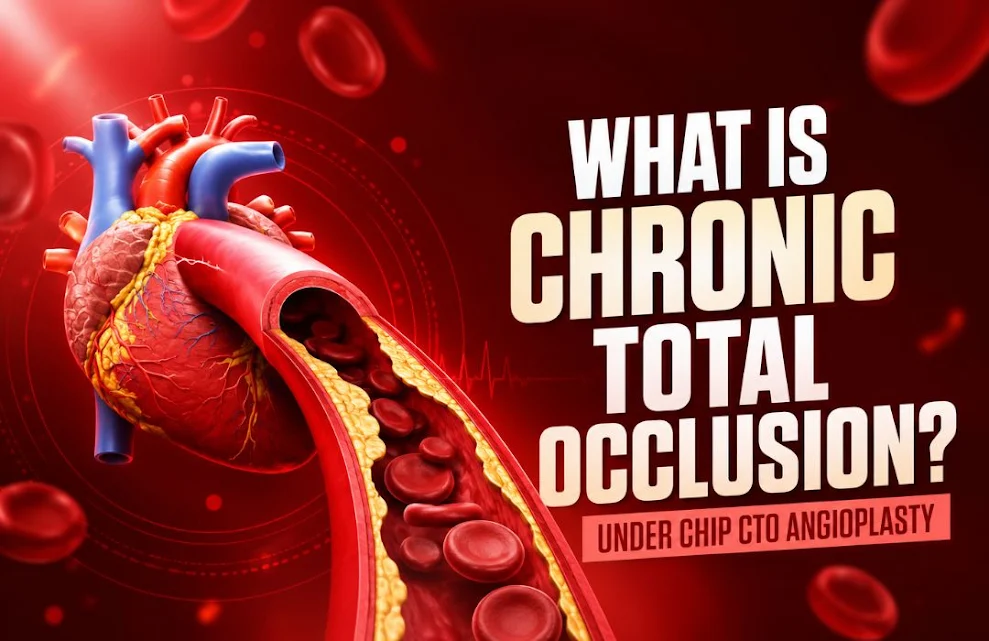
Chip cto angioplasty You’ve had blockages in your arteries for a while. You’ve had procedures. You’ve taken medications. And yet your doctor just told you that you have a completely blocked artery—what’s called a chronic total occlusion. The artery isn’t just narrowed. It’s not just severely blocked. It’s completely shut off.

Your first thought is panic. But before you despair, understand this: CTO doesn’t mean you’re out of options. It doesn’t mean your case is hopeless. Modern medicine has developed specialized techniques to open even completely blocked coronaries. But you need to understand what CTO is and how it’s treated.

Understanding Coronary Artery Disease Progression

Remember how coronary artery disease develops? Plaque builds up in your arteries over time. This usually happens over years or decades.

In some people, this process is gradual. The blockage slowly increases from 50% to 75% to 90%. At each stage, blood can still squeeze through, though less efficiently.

But sometimes, the blockage continues increasing until the artery is completely sealed. No blood flows through at all. This is a chronic total occlusion—or CTO.

The word “chronic” is important. It means this blockage didn’t just happen. It’s been there for a while—usually at least three months. Your body has actually adapted somewhat, sometimes developing other small blood vessels that partially compensate for the blocked artery.

Why CTO Causes Problems

Chronic Total Occlusion Treatment

You might think, “If blood develops alternative routes, why is CTO a problem?”

Here’s why it matters:

The alternative blood vessels are limited. They don’t fully replace the original artery’s function.

Your heart remains oxygen-starved. You still experience angina (chest pain) during exertion. You still feel fatigued.

Your heart remains vulnerable. If another artery narrows, your heart has fewer reserves.

It contributes to heart failure. Prolonged oxygen deprivation weakens your heart muscle.

It increases heart attack risk. The blocked artery region is particularly vulnerable to sudden deterioration.

Also read:  Blood Clots in AFib: How They Form and Prevention 

The Challenge of Chip CTO Angioplasty Treatment

Why don’t doctors simply reopen CTOs in everyone? Because it’s technically difficult.

When an artery is completely blocked, your doctor can’t thread a wire through the blockage the way they do with partially blocked arteries. The wire hits a dead end and can’t advance.

Recanalization—opening a completely blocked artery—requires specialized expertise, specialized equipment, and particular skill. Not all interventional cardiologists perform CTO procedures. It’s a specialized subset within the specialty.

CTO Angioplasty: How It Works

If you’re a good candidate for CTO angioplasty, here’s what happens:

Step One: Imaging Your doctor performs coronary angiography to visualize the completely blocked artery. They determine the length of the blockage, its characteristics, and whether it’s a suitable target for recanalization.

Step Two: Wire Navigation This is where it gets technical. The doctor advances a guidewire toward the blockage. When the wire hits resistance, specialized techniques are used:

  • Antegrade approach: threading through from the proximal end
  • Retrograde approach: threading backwards from a collateral (alternative) vessel
  • Combination approaches: sometimes both directions are attempted

Step Three: Channel Creation Using controlled force and specialized tools, a pathway is created through the blockage. Various devices might be used—rotating burrs (chip CTO angioplasty), laser devices, or mechanical tools.

Step Four: Balloon Dilation Once a pathway is established, balloons are advanced and inflated to widen the channel.

Step Five: Stent Placement A stent—usually a coronary stent with drug-eluting properties—is placed to maintain the opening and prevent restenosis.

The Technical Complexity

CTO recanalization requires:

  • Specialized training (often fellowship training beyond standard cardiology)
  • Specialized equipment (multiple types of wires, catheters, and devices)
  • Extended procedure time (CTOs often take 2-4 hours)
  • Patience and problem-solving skills
  • Access to backup surgical support if something goes wrong

This is why CTO angioplasty is performed by a limited number of specialists, often at major cardiac centers.

When CTO Treatment is Recommended

Your coronary artery disease doctor might recommend recanalization if:

  • You have symptoms—angina, shortness of breath, exercise limitation
  • The blocked artery supplies significant heart muscle
  • You’re otherwise a good candidate
  • You’re willing to undergo the specialized procedure

Some CTOs are left alone. If you have good alternative blood supply and minimal symptoms, your doctor might say observation is appropriate. But if you’re symptomatic or at high risk, recanalization should be discussed.

Success Rates and Outcomes

Modern CTO recanalization is quite successful. Success rates typically range from 70-90% at experienced centers, depending on the complexity of the blockage.

When successful:

  • Symptoms improve dramatically
  • Exercise tolerance increases
  • Quality of life improves significantly
  • Your heart’s function often improves
  • Your long-term prognosis improves

The Different CTO Techniques

Antegrade Approach Your doctor works from the proximal (near your heart) end of the blockage, advancing a wire and devices distally (away from your heart).

Retrograde Approach Your doctor uses collateral vessels—alternative blood vessels—to approach the blockage from the distal end, working backwards toward your heart.

Hybrid Approach Your doctor switches between antegrade and retrograde techniques, using whichever works best as the procedure progresses.

Specialized Procedures For particularly challenging blockages, specialized techniques like chip angioplasty (rotational atherectomy) might be employed. These techniques use rotating burrs or lasers to grind away hardened plaque.

Finding a CTO Specialist

Not every coronary artery disease specialist performs CTO recanalization. You need someone with specific expertise.

The best angioplasty expert in India who handles CTOs will have:

  • Dedicated CTO training
  • High success rates (preferably >80%)
  • Low complication rates
  • Extensive experience (hundreds of CTO procedures)
  • Access to all necessary equipment
  • Support from surgical backup
  • Genuine expertise and not just willingness to try

In Hyderabad, a few centers have true CTO expertise. Ensure your angioplasty expert in Hyderabad has specific CTO experience.

Risks and Complications

CTO procedures do carry risks:

  • Perforation of the artery (usually manageable)
  • Contrast-induced kidney injury
  • Stroke (rare)
  • Heart attack during procedure
  • Access site bleeding
  • Unsuccessful recanalization (wire can’t get through despite attempts)

At specialized centers with experienced operators, major complications are rare (2-5%).

Life After CTO Recanalization

If your CTO is successfully recanalized:

  • You’ll feel better relatively quickly
  • Medications will be adjusted
  • A stent is now in place, requiring antiplatelet therapy
  • Regular follow-ups ensure your stent is functioning well
  • Your heart function may improve over weeks to months

Most people experience significant quality of life improvement.

If Recanalization Isn’t Possible

Sometimes, despite best efforts, the wire can’t traverse a CTO. In this case:

  • Your doctor will stop and not force the issue
  • You’ll continue medical management
  • Other treatments might be considered—medication optimization, other interventions if different arteries are treatable
  • You’ll need close follow-up

This isn’t failure. CTO anatomy varies, and some blockages are simply too difficult. Your doctor’s decision to stop is actually protecting you.

Prevention and Management

Going forward, focus on:

  • Medications—take them exactly as prescribed
  • Lifestyle changes—diet, exercise, stress management
  • Smoking cessation if applicable
  • Managing diabetes and hypertension
  • Regular follow-ups and testing
  • Addressing other coronary blockages

Your Path Forward

Chronic total occlusion sounds intimidating. But with modern techniques and experienced specialists, CTOs are increasingly manageable. Many people who thought their blockage couldn’t be opened are now living symptom-free lives after successful CTO recanalization.

The key is finding a coronary artery disease doctor with genuine CTO expertise and being realistic about what’s possible.

Also read: What is coronary angioplasty? Everything you need to know
Also read: CHIP Angioplasty: Advanced Coronary Artery Disease Treatment Explained 


If you have a chronic total occlusion or complex coronary disease, expert care makes a difference. Consult with Dr. C. Raghu, an interventional cardiologist with expertise in complex coronary interventions.


heart-specialist-in-hyderabad.jpg

June 16, 2026 AbhijitHearty Life

The Moment Your World Shifts

Heart You’re sitting in your doctor’s clinic, discussing concerns with a heart specialist in Hyderabad. The words come fast—”irregular heartbeat,” “blockage,” and “surgery might be needed.” Your hands go cold. Your mind starts racing. You nod, but you’re not sure if you’ve heard everything correctly. You drive home. You lie awake that night. Questions keep popping up in your head like unwanted guests at a party.

This is the moment when most of us freeze. We have just received news that shakes our foundation. Your heart—that fist-sized organ that keeps you alive—needs attention. And suddenly, everything feels urgent and scary at the same time.

You’re not alone in feeling this way. Thousands of people across urban cities face similar situations every single day. The difference? Some of them take one more step. They decide to get a second opinion.

Why Your First Instinct Should Be to Look Again
heart doctor in hyderabad

Here’s something that nobody tells you clearly: getting a second opinion on heart problems is not about doubting your doctor. It’s about protecting yourself. It’s about making sure you understand what’s happening inside your chest.

Think about it this way. When you buy a house, you get an inspection. When you buy a car, you check the engine. So why would you trust the biggest investment—your health—to just one perspective?

Also read: Best Heart Doctor in Hyderabad Why Dr. C Raghu 

Your heart deserves more than one look.

Heart diseases are tricky. They hide. They disguise themselves. Two different doctors might see the same test results and interpret them differently. This isn’t about one being right and one being wrong. It’s about getting clarity.

When you’re dealing with conditions like

  • Aortic stenosis (narrowing of the aortic valve)
  • Heart valve problems requiring screening
  • Blockages in your arteries
  • Abnormal rhythms that concern you
  • Symptoms that worry you about a potential heart attack

…you deserve to understand all your options. A second opinion from another cardiologist gives you exactly that.

What Happens When You Don’t Get That Second Look?

Let’s talk about the real consequences. Not to scare you, but to wake you up.

The Wrong Path

Sometimes, you might be recommended a treatment that isn’t actually necessary for your specific situation. Surgery is powerful medicine. It works. But it also carries risks. What if there was a simpler, gentler option that your first doctor didn’t mention? What if a procedure like TAVI (transcatheter aortic valve implantation) could work for you, but nobody told you about it?

You might end up on a surgical table when you don’t need to be.

The Missed Opportunity

On the flip side, sometimes people delay getting proper treatment because they’re not convinced their condition is serious. They think they’ll wait it out. They think it’ll get better on its own. A second opinion might have shown them they needed to act faster. And with heart problems, timing is everything. Heart attack symptoms can escalate quickly. Waiting becomes dangerous.

The Money Problem

Let’s be real. Heart treatments are expensive. You want to make sure you’re spending your money on what you actually need. A second opinion helps you avoid unnecessary procedures. It also helps you understand if there are less expensive options available that work just as well for your condition.

The Stress Weight

There’s a burden you carry when you’re unsure. You lie awake. You worry. You second-guess. Getting a second opinion doesn’t just benefit your body. It gives your mind relief. It transforms “I hope this is right” into “I’m confident about this decision.”

Also read: TAVR/TAVI Procedure in Hyderabad Minimally Invasive Care 

When Exactly Should You Seek That Second Opinion?

You’re probably wondering: Should I do this every time a doctor mentions my heart? No. But here are the moments when you absolutely should:

You should get a second opinion when:

  • Your doctor recommends surgery or an invasive procedure
  • You’re being told you need a major lifestyle change but it doesn’t feel right to you
  • You have a serious diagnosis that affects your future (like needing a valve replacement)
  • You feel uncomfortable with your current doctor’s explanation
  • Your condition isn’t improving despite treatment
  • You want to know about advanced options like TAVR (transcatheter aortic valve replacement) or other newer interventions
  • You’re looking for the best possible treatment in your area

This isn’t about being difficult. This is about being smart.

How Do You Actually Get a Second Opinion?

Here’s the practical part. The part that doesn’t require courage—just action.

Step 1: Gather Your Records

You need your test results. Your ECG reports. Your echocardiogram images. Your CT scans. Your blood work. Collect everything. Call your first doctor’s office and request copies. They have to give them to you. It’s your right.

Step 2: Find the Right Specialist

Don’t just pick any cardiologist. Look for someone who specializes in your specific condition. If you’re dealing with valve issues, you want someone who has extensive experience with heart valve screening and valve disorders. If you might need a newer procedure, find a specialist experienced in that area.

When you’re searching for the right expert in your city, keywords like “best cardiologist in Hyderabad” or simply “cardiologist in Hyderabad” can help you find experienced doctors nearby.

Step 3: Schedule and Prepare

Book an appointment. Write down your questions before you go. Don’t rely on memory. Bring your list. Bring someone with you—a family member or friend who can listen and help you remember important points.

Step 4: Listen and Compare

The second doctor will review your case. They might run additional tests. They might confirm what the first doctor said. Or they might offer a different perspective. Both outcomes are valuable. Now you have information from multiple sources.

The Real Benefits You Get

When you take this step, something shifts. You’re not a passive patient anymore. You become an active participant in your own health journey.

  • You understand your condition better. Two explanations are clearer than one.
  • You know your options. Treatment paths become visible. You choose, not just accept.
  • You feel in control. Your stress decreases. Your confidence increases.
  • You make better decisions. Decisions based on complete information are always better.
  • Your outcomes improve. Studies show that informed patients who actively participate in their treatment decisions have better health outcomes.

Your heart deserves your attention.

Your heart has been beating for you your entire life. It’s carried you through joy and pain, exercise and rest, stress and calm. When something goes wrong, it deserves your full attention. It deserves your careful, thoughtful decision-making. It deserves that second opinion.

Don’t rush. Don’t panic. But don’t ignore either one.

Get informed. Get that second opinion. Get clarity. Then move forward with confidence.

Your health is too important to leave to chance. The best cardiologist in your area—whether in Hyderabad or anywhere else—will welcome your questions and your second opinion. They know that informed, confident patients heal better.

Take Action Today

Don’t let uncertainty rule your life. If you’re dealing with heart concerns, if you’ve received a diagnosis that worries you, or if you want to explore all your options for conditions like aortic stenosis or valve problems—reach out to specialists who can help.

Connect with Dr. C. Raghu, an interventional cardiologist at Yashoda Hospital in Somajiguda, Hyderabad, who can provide expert guidance on your heart health journey.

About the Expert

Dr. C. Raghu is an interventional cardiologist practicing at Yashoda Hospital, Somajiguda, Hyderabad. With extensive experience in treating heart conditions, valve disorders, and advanced procedures like tavi/tavr doctor in Hyderabad specializes in providing comprehensive cardiac care and helping patients understand all their treatment options.


cardiologist-in-hyderabad.png

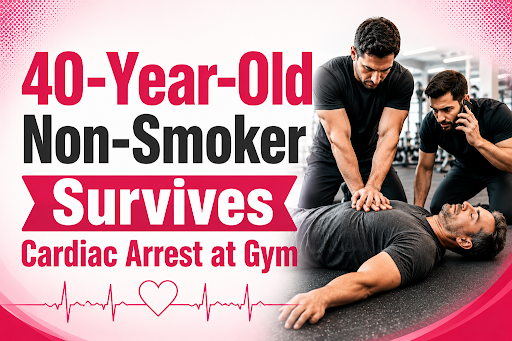
Cardiologist in Hyderabad are increasingly seeing cases like Rajesh’s. Rajesh, 40, a non-smoker and non-drinker, IT team lead in Hyderabad, and father of two, had been going to the gym for three years. He was proud of his consistency. On a Thursday evening in March, while finishing his chest press set, he felt a sudden, crushing pressure in the chest. His vision narrowed. He hit the floor. He was lucky. His gym had a defibrillator. One trainer knew CPR. The ambulance arrived in 8 minutes. Within an hour, he was receiving cardiac arrest treatment in Hyderabad; a stent was placed, the artery reopened, and the heart muscle was being saved. Rajesh survived. Many like him do not. 

Why Did This Happen to a Healthy, Non-Smoking Gym-Goer?

Non-smoker heart attack risk is a subject cardiologists are raising alarms about across India. The vast majority of Indian men in their 30s and 40s who suffer cardiac events are non-smokers. When Rajesh’s arteries were examined after his cardiac arrest, his right coronary artery was 90% blocked. He had no symptoms — none that he had noticed and acted on. What he did have was a combination of:

  • Coronary artery disease has been building silently for a decade
  • Undetected high LDL cholesterol is often genetic
  • Chronic work stress with years of poor sleep
  • High triglycerides from a diet heavy in refined carbs and fried food
  • Family history, which he was aware of, but never acted on

Warning Signs Before Cardiac Arrest That People Miss

  • Unusual fatigue in the weeks before the event, ‘I assumed it was work pressure.’
  • Shortness of breath doing things that previously felt effortless, ‘I thought I needed to train harder.’
  • Brief, passing chest discomfort — ‘It felt like gas. I took an antacid’
  • Jaw or neck tightness: I put it down to posture at my desk.’
  • Palpitations during exercise, ‘I thought it was just my heart rate going up.’

These warning signs before cardiac arrest are whispers. If you are experiencing any of these consistently, visiting the top heart specialist in Hyderabad is not an overreaction — it is what saves lives.

What Is Coronary Artery Disease?

Coronary artery disease (CAD) is the slow, progressive narrowing of the arteries that supply blood to the heart caused by the buildup of plaque on the inner walls. When a piece of plaque ruptures, a blood clot forms instantly. If that clot fully blocks the artery, the heart muscle begins to die within minutes. CAD is the single leading cause of death in India and affects non-smokers just as much as smokers.

What Is Angioplasty and How Did It Save Rajesh?

After Rajesh arrived at the emergency cardiac care facility, doctors performed a coronary angiogram, identified the blockage within minutes, and performed angioplasty treatment in Hyderabad, threading a catheter to the blocked artery, inflating a balloon to compress the plaque, and placing a stent to keep it open. The procedure took under 45 minutes. Blood flow to Rajesh’s heart was restored. This is why the best cardiologist in Hyderabad for emergencies matters so much in cardiac arrest; every minute counts.

CPR Treatment: Why Every Person at That Gym Matters

When Rajesh collapsed, it was not the doctor who saved him first — it was the gym trainer. CPR (Cardiopulmonary Resuscitation) kept blood flowing to Rajesh’s brain and heart during the critical minutes before the ambulance arrived. Without CPR, he would almost certainly have suffered irreversible brain damage or death. CPR involves pressing hard and fast on the center of the chest, 100 to 120 compressions per minute, to manually pump blood when the heart has stopped.

What You Should Do If You Are in a Similar Situation

  • Get a cardiac screening, especially if you are male, over 35, with a family history
  • Do not skip symptoms. Brief chest tightness or unusual fatigue during exercise should be evaluated immediately
  • Learn CPR; it takes 30 minutes and can save a life in your home, office, or gym
  • If you witness a cardiac arrest, call emergency services, begin chest compressions, and do not stop until help arrives

Conclusion

Cardiac arrest can happen to anyone — not just the smoker, the obese, or the sedentary. Rajesh’s survival was the presence of someone trained to act, access to excellent cardiac arrest treatment in Hyderabad, and the skill of the interventional cardiology team that treated him.

Dr C. Raghu—Interventional Cardiologist, Yashoda Hospital, Somajiguda, Hyderabad
Known for his expertise in emergency heart attack treatment in Hyderabad and complex angioplasty procedures. His team provides round-the-clock emergency cardiac care to patients across Hyderabad and beyond.


top-heart-specialist-in-hyderabad.png

December 23, 2025 AbhijitHearty Life

If you worry about heart problems, you need the right care from a top heart specialist in Hyderabad. Heart disease affects millions, and finding an expert cardiologist in Hyderabad or even a skilled cardiologist in India is important for your health and peace of mind.

This guide will show how Dr C. Raghu, Interventional Cardiologist, offers advanced treatment and compassionate patient care to help solve your concerns. Discover why so many trust him with their cardiac health.

Key Takeaways

  • Dr C. Raghu is a leading interventional cardiologist in Hyderabad with advanced training and years of experience treating heart conditions.
  • He specialises in procedures like angioplasty and stent placement, as well as managing arrhythmias and heart failure using the latest techniques.
  • His clinic uses state-of-the-art technology for accurate diagnosis and minimally invasive treatments, which help patients recover faster.
  • Patients praise his compassionate care, personal attention, and the positive results they receive during their treatment.
  • Dr Raghu has received multiple awards for his work as a heart specialist, making him one of the most trusted cardiologists in Hyderabad.

About Dr C. Raghu, Interventional Cardiologist

Dr C. Raghu stands out as an expert in interventional cardiology. His extensive education and experience equip him to provide top-notch cardiac care to his patients.

Education and Experience

Dr C. Raghu earned his medical degree from a prestigious institution and completed specialised training in interventional cardiology. His education laid the foundation for a successful career in cardiac health.

With years of experience, he has treated numerous patients with various cardiovascular conditions. As an interventional cardiologist, he excels at diagnosing complex issues and providing advanced treatment options.

Patients benefit from his extensive medical expertise and hands-on approach to patient care.

You can also read this:- Heart Health Habits & Myths by TAVR/TAVI Expert in Hyderabad

Areas of Expertise

Dr C. Raghu specialises in interventional cardiology, focusing on diagnosing and treating heart conditions. His expertise includes performing complex procedures like angioplasty and stent placements to help patients with blocked arteries.

He also manages various cardiac issues such as arrhythmias and heart failure.

As a leading healthcare provider in Hyderabad, he stays updated with advanced cardiology techniques. Patients benefit from his experience in emergency care for critical cardiovascular health situations.

Dr Raghu emphasises patient care, ensuring that each person receives personalised treatment tailored to their needs.

Notable Achievements

Dr C. Raghu has achieved significant milestones in the field of interventional cardiology. He specialises in diagnosing conditions related to cardiac health and offers emergency services for urgent cases.

His extensive experience includes performing numerous successful procedures, helping patients improve their heart function.

Patients appreciate his dedication to high-quality patient care. Dr Raghu has received multiple awards for his contributions to medical expertise in cardiology. These accolades highlight his commitment as a top heart specialist in Hyderabad, ensuring you receive the best treatment possible for your cardiovascular needs.

Why Choose Dr C. Raghu as Your Heart Specialist in Hyderabad

Dr C. Raghu provides a caring approach to heart health that puts your needs first. He uses the latest technology and techniques to ensure you receive top-notch care and effective treatments.

Compassionate and Caring Approach

Dr C. Raghu, an interventional cardiologist, truly cares about his patients. He listens to your concerns and ensures you feel comfortable during every appointment. You will find a compassionate heart specialist who values your well-being.

His approach emphasises empathy and support throughout your treatment journey. This method fosters trust between you and the medical team. Positive patient testimonials highlight how individuals appreciate Dr.

Raghu’s kindness during their cardiac health challenges.

Utilises Advanced Technology

Dr C. Raghu utilises advanced technology to enhance patient care. His clinic features state-of-the-art imaging systems for accurate diagnosis of cardiac health issues. You will find that he employs the latest minimally invasive techniques in interventional cardiology, promoting quicker recovery times and less discomfort.

He focuses on ensuring you receive the best treatment available. By integrating cutting-edge tools into his practice, Dr Raghu stays at the forefront of medical expertise. This commitment underlines his position as one of the best heart specialists in Hyderabad, dedicated to your well-being and timely response during emergencies.

Positive Patient Testimonials

Dr C. Raghu has earned praise from many patients for his exceptional care and expertise. Patients often describe their experiences with him as transformative. They appreciate his compassionate approach, which puts them at ease during challenging times.

Feedback highlights how Dr Raghu’s commitment to cardiac health makes a significant difference in recovery journeys. Many testimonials commend the results of interventional cardiology procedures he performs.

This demonstrates the effectiveness of his methods in enhancing heart health among residents in Hyderabad.

You can also read this:- Meet Cardiologist in India, Dr C. Raghu Yashoda, Somajiguda

Conclusion

Choosing Dr C. Raghu means you prioritise your heart health. He brings strong education and vast experience to every appointment. With advanced technology and a caring approach, he treats each patient with respect.

Many patients speak highly of their experiences with him. Trust in his expertise for your cardiac care needs in Hyderabad.

So take the next step today.

Meet Dr C. Raghu, senior interventional cardiologist at Yashoda Hospital, Somajiguda.
Your heart will thank you.

Call  → +91 95424 75650
Get Direction

FAQs

  1. Who is Dr C. Raghu, and why is he considered the best heart specialist in Hyderabad?

Dr C. Raghu is a leading cardiologist with expertise in interventional cardiology. He serves as Clinical Director, focusing on advanced cardiac health and patient care.

  1. What services does Dr C. Raghu offer as an interventional cardiologist?

He provides emergency services, diagnosis of heart conditions, minimally invasive procedures, and ongoing cardiac care for patients.

  1. How can I book an appointment with Dr C. Raghu?

You can schedule an appointment by contacting his clinic directly or using online appointment booking options provided by his medical office.

  1. Why do patient reviews recommend Dr C. Raghu for heart care?

Patient reviews highlight his strong medical expertise, attentive approach to patient care, and commitment to positive outcomes in cardiac health.

  1. Is Dr C. Raghu qualified to handle complex cardiac emergencies?

Yes, as a seasoned medical professional and clinical director specialising in interventional cardiology, he manages both routine cases and urgent cardiac emergencies effectively.


Heart-Attack-Symptoms-1200x571.webp

August 21, 2024 AbhijitHearty Life

Can you know if there’s something wrong with your heart? Unfortunately, many heart problems do not have apparent warning symptoms. So, there won’t all be intense chest pain followed by a hard fall to the floor, as witnessed in the movies. The best cardiologists in India point out that not all symptoms arise in the chest. Hence, knowing what’s happening inside the body is not always easy. But it always helps to get examined.


Cardiovascular-Exercises.png

July 20, 2024 AbhijitHearty Life

We lead hectic lives. But they can have a dramatic effect on our health. Thus, it is crucial to take measures to maintain a healthy lifestyle. One of the best ways to do that is by indulging in physical activities. They keep your mind and heart healthy. They also have several cardiometabolic health benefits. There are multiple ways to keep your heart in good health. In the last few years, cardio workouts have gained immense popularity.


Dr raghu logo


Dr raghu logo


Call us now if you are in a medical emergency need, we will reply swiftly and provide you with a medical aid.


For Appointment with Dr Raghu: +91 80085 36699
Dr Raghu’s Patient Coordinator: +91 72860 10203
Dr Raghu’s Office Experience: +91 90001 65962
Dr Raghu’s Social Media Communication Channel: +91 97046 51708

Dr. Raghu | Heart Specialist in Hyderabad
Yashoda Hospitals, Raj Bhavan Road, Somajiguda, 1st floor, Room No. 115, Hyderabad -500082, Telangana

Best Cardiologists in Hyderabad


© 2024, Dr. Raghu. All rights reserved. Design & Developed by AMSDigital.in

[gtranslate]
+91-9542475650