
Aortic valve disease can affect how efficiently the heart pumps blood throughout the body. One of the most common valve conditions is aortic stenosis, in which the aortic valve becomes narrowed and restricts blood flow from the heart. When the condition becomes severe, valve replacement may be recommended.
Two important treatment approaches are TAVI vs. SAVR. TAVI, also known as Transcatheter Aortic Valve Implantation, is a catheter-based procedure, while SAVR, or Surgical Aortic Valve Replacement, involves replacing the valve through open-heart surgery.
Understanding the differences between these procedures can help patients discuss appropriate treatment options with their cardiologist.
What Is Aortic Stenosis?
Aortic stenosis occurs when the aortic valve becomes narrowed, often because of calcium buildup, congenital abnormalities, or age-related valve degeneration. The narrowing makes it harder for the heart to push blood into the aorta.
Symptoms may include:
- Breathlessness, particularly during physical activity
- Chest discomfort or pain
- Dizziness or fainting
- Fatigue and reduced exercise capacity
- Swelling in the legs or ankles
- Palpitations in some patients
Severe or symptomatic aortic stenosis may require intervention. The appropriate aortic stenosis treatment depends on several factors, including valve anatomy, age, symptoms, overall health, surgical risk, and other medical conditions.
What Is TAVI?
TAVI stands for Transcatheter Aortic Valve Implantation. It is also commonly called TAVR, or Transcatheter Aortic Valve Replacement.
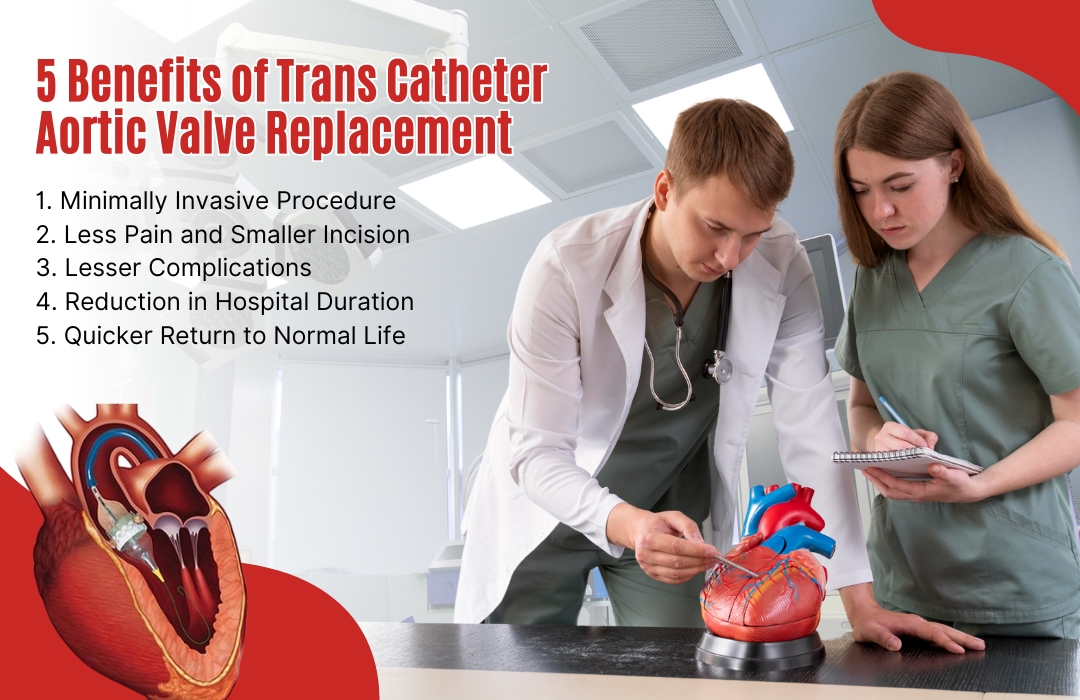
Instead of surgically opening the chest to remove the diseased valve, a replacement valve is delivered through a catheter. In many cases, the catheter is introduced through an artery in the groin and guided toward the heart.
The new valve is positioned inside the existing aortic valve and expanded into place. The replacement valve then takes over the function of the diseased valve.
Patients searching for a TAVR doctor in Hyderabad, TAVR expert in Hyderabad, or TAVI specialist in Hyderabad should discuss their valve anatomy and overall medical condition with an experienced structural heart team.
What Is SAVR?
SAVR means Surgical Aortic Valve Replacement. It is a conventional surgical procedure in which the damaged aortic valve is removed and replaced with a prosthetic valve.
The operation generally requires surgical access to the heart, and cardiopulmonary bypass is used during the procedure. Depending on the patient’s circumstances, either a mechanical or tissue valve may be selected.
Surgical aortic valve replacement remains an important treatment option for patients with severe aortic valve disease, particularly when surgery is considered more appropriate because of anatomical, clinical, or other factors.
TAVI vs. SAVR: Key Differences
The main difference between TAVI and SAVR is how the replacement valve is delivered and implanted.
| Factor | TAVI/TAVR | SAVR |
| Procedure | Catheter-based | Surgical |
| Chest opening | Usually no open-chest surgery | Requires surgical access |
| Valve placement | Replacement valve placed through a catheter | Diseased valve surgically replaced |
| Recovery | Often shorter | Generally longer |
| Hospital stay | Usually shorter, depending on recovery | Usually longer |
| Anesthesia | Depends on the individual procedure and centre | Generally requires general anesthesia |
| Patient suitability | Depends on anatomy, age, risk and clinical factors | Depends on surgical risk, anatomy and other factors |
These are general differences. The actual treatment plan should be based on an individual assessment rather than the procedure alone.
Benefits of TAVI
TAVI has changed the treatment approach for many patients with aortic stenosis. Some potential benefits include:
Less invasive treatment
TAVI does not usually require the same type of open-chest surgery associated with conventional valve replacement.
Shorter recovery for many patients
Because TAVI is less invasive, many patients can resume normal activities sooner than after major cardiac surgery, although recovery varies from person to person.
Option for patients with higher surgical risk
TAVI may be considered for certain patients for whom conventional surgery carries significant risk. However, suitability must be determined by a specialist heart team.
Catheter-based valve replacement
The procedure allows a replacement valve to be delivered directly to the heart through a catheter, avoiding surgical removal of the native valve in the traditional manner.
Benefits of SAVR
SAVR also has an established role in the treatment of aortic valve disease.
Established surgical approach
SAVR has been performed for many years and remains an important option for appropriate patients.
Treatment of complex anatomy
Certain anatomical conditions may make surgical valve replacement more suitable than a transcatheter procedure.
Opportunity to address other cardiac problems
If a patient requires another cardiac surgical procedure at the same time, surgery may provide an opportunity to address multiple problems during one operation.
Mechanical or tissue valve options
Depending on age, medical history, lifestyle and other factors, patients may be considered for mechanical or biological valve choices.
How Is the Right Treatment Chosen?
Choosing between TAVI and SAVR is not simply a matter of selecting the less invasive procedure. A detailed evaluation is necessary.
A heart team may consider:
- Patient age and life expectancy
- Severity of aortic stenosis
- Symptoms and functional status
- Aortic valve anatomy
- Size and structure of the aortic root
- Coronary artery anatomy
- Surgical risk
- Previous cardiac procedures
- Kidney and lung function
- Other medical conditions
- Long-term valve considerations
- Patient preferences
Imaging, particularly echocardiography and CT evaluation, can provide important information before the treatment decision is made.
What About Congenital Aortic Stenosis?
Congenital aortic stenosis can occur when a person is born with an abnormal aortic valve or related structural abnormality. The treatment approach depends on the patient’s age, valve anatomy, severity of obstruction and associated cardiac conditions.
Not every patient with congenital aortic stenosis requires valve replacement. Some may be managed with monitoring or other interventions, while severe disease may require a procedure.
This is why assessment by experienced aortic stenosis specialists is particularly important in patients with complex or congenital valve disease.
Recovery After TAVI and SAVR
Recovery varies considerably between patients.
After TAVI, patients are usually monitored for heart rhythm, valve function, vascular complications and other potential issues. Activity is gradually increased according to medical advice.
SAVR generally involves a longer recovery because it is major cardiac surgery. Patients may need more time for the surgical wound and chest to heal and may require a structured cardiac rehabilitation programme.
Regardless of the procedure, regular follow-up is important to monitor the function of the replacement valve and overall cardiovascular health.
Why Experience Matters in TAVI Treatment
TAVI requires detailed assessment of valve anatomy, vascular access, coronary anatomy and other structural features. Careful planning helps the heart team determine whether a transcatheter approach is appropriate.
Patients searching for a TAVR specialist in India, best TAVR doctors, or aortic stenosis specialists in Hyderabad should consider the doctor’s experience with structural heart procedures as well as the expertise of the multidisciplinary team and facilities available.
For patients seeking a best cardiologist in india, the treatment decision should be based on an individualized evaluation rather than a single procedure being considered suitable for everyone.
TAVI vs. SAVR: Which Treatment Is Suitable?
There is no single treatment that is appropriate for every patient with aortic stenosis.
TAVI vs. SAVR decisions require consideration of clinical history, valve anatomy, surgical risk, age, expected longevity, associated heart conditions and the patient’s treatment preferences.
A multidisciplinary heart team can assess these factors and explain the potential benefits and limitations of each approach. In some patients, TAVI may be appropriate, while in others, SAVR may provide the more suitable treatment strategy.
Early evaluation is important when symptoms such as breathlessness, chest discomfort, dizziness or reduced exercise tolerance develop. Timely assessment can help determine whether monitoring, medication or valve intervention is required.
Conclusion
Both TAVI and SAVR are established approaches for treating severe aortic valve disease. TAVI provides a catheter-based alternative to conventional surgery for appropriately selected patients, while SAVR continues to be an important option, particularly when surgical treatment is clinically appropriate.
The choice between TAVI vs. SAVR should be made after a detailed evaluation of the patient’s condition, valve anatomy, overall health and long-term treatment needs.
For evaluation and personalized guidance regarding TAVI, SAVR, and aortic stenosis treatment, consult Dr. C. Raghu, experienced interventional cardiologist in Hyderabad.