WHAT-IS-CTEPH.webp

July 7, 2026 AbhijitHearty Life

CTEPH -You survived a blood clot in your lungs. That  pulmonary embolism was terrifying—sudden shortness of breath, chest pain, panic. You got treatment. You survived. You should be back to normal, right?

But you’re not. Months later, you’re still experiencing shortness of breath. You can’t do the activities you used to do. You get winded walking up the stairs. Your doctor is concerned and mentions something called CTEPH. You’ve never heard of it. It sounds rare and scary.

The truth is CTEPH Chronic Thromboembolic Pulmonary Hypertension—is rare. But it’s also treatable. Understanding what it is and what your options are can transform your outlook from hopelessness to hope.

Understanding Pulmonary Embolism First

Before we discuss CTEP, you need to understand how it develops.

A pulmonary embolism occurs when a blood clot travels to your lungs and blocks blood flow. This is a medical emergency. Symptoms include:

  • Sudden severe shortness of breath
  • Chest pain
  • Rapid heartbeat
  • Dizziness or fainting
  • Anxiety and sense of doom

With proper treatment—blood thinners, sometimes clot-busting medications, or mechanical thrombectomy—most people recover from acute pulmonary embolism.

But here’s what makes CTEP different: some clots don’t dissolve completely. Small clots remain trapped in your lungs’ blood vessels.

Also read: Heart Attack in Younger Lifestyle Change Not to be Ignored  

What Exactly Is CTEPH?

CTEP develops when:

  1. You have a pulmonary embolism (usually)
  2. The clot doesn’t fully dissolve despite treatment
  3. Scar tissue forms around the clot
  4. Blood vessels in your lungs narrow
  5. Your right heart has to work harder to pump blood through these narrowed vessels
  6. Over weeks to months, your lungs become permanently scarred with clot remnants

This leads to pulmonary hypertension—abnormally high blood pressure in your lung’s blood vessels. Your right heart becomes exhausted trying to pump against this resistance.

The term “chronic thromboembolic” means you have chronic (long-term) clots causing problems. “Pulmonary hypertension” means high blood pressure in your lungs. Together: CTEP.

Why CTEP is Serious

You might think, “Okay, so the clot didn’t dissolve completely. I’m on blood thinners. I should be fine.”

Unfortunately, CTEP is progressive and serious:

Your heart weakens. Your right ventricle becomes enlarged and exhausted. It’s being asked to pump harder than it can sustain long-term.

Blood backs up. Since blood can’t flow normally through your lungs, it backs up into your right heart and then into your veins. This causes swelling in your legs and abdomen.

Your oxygen levels drop. Blood flowing through scarred lung vessels can’t pick up oxygen properly. You feel constantly short of breath.

Your kidneys suffer. Poor circulation affects kidney function.

Ultimately, your heart fails. Without intervention, CTEP progresses to right heart failure—a critical condition.

This is why early diagnosis and treatment matter enormously.

Symptoms of CTEPH

CTEP develops gradually. You might have these symptoms months after your original pulmonary embolism:

  • Persistent shortness of breath
  • Fatigue—extreme, debilitating tiredness
  • Chest pain
  • Swelling in your legs (one leg or both)
  • Dizziness or fainting
  • Rapid heartbeat
  • Chest discomfort
  • Difficulty exercising

The key: these symptoms persist despite being on blood thinners. This is what separates CTEP from normal recovery from pulmonary embolism.

Diagnosis: How Doctors Identify CTEPH

If your doctor suspects CTEP, they’ll order tests:

An echocardiogram shows how your heart is functioning and estimates pressure in your lungs.

CT angiography shows lung blood vessels and can sometimes identify clot remnants.

V/Q scan (ventilation-perfusion scan) shows which parts of your lungs are getting blood flow and which aren’t. A pattern of mismatched areas—areas with ventilation but no perfusion—is classic for CTEP.

Right heart catheterization is the definitive test. A catheter is threaded through your veins to your right heart. Pressures are measured. A pulmonary hypertension in India specialist will confirm if pressures are elevated due to chronic clots.

Pulmonary Hypertension: A Spectrum Condition

Not all pulmonary hypertension is from CTEP. It’s a spectrum condition:

Group 1 Pulmonary Hypertension: Idiopathic (no known cause) or hereditary. Medications help but don’t cure.

Group 2 Pulmonary Hypertension: From left-heart disease.

Group 3 Pulmonary Hypertension: From lung disease.

Group 4 Pulmonary Hypertension: From CTEP and other thromboembolic causes. This is the group that can potentially be cured with surgery.

This distinction is crucial. CTEP can sometimes be cured. Other pulmonary hypertension types cannot—they require lifelong management.

Treatment: Pulmonary Endarterectomy—The Potential Cure

The gold-standard treatment for suitable CTEP patients is pulmonary endarterectomy. This surgery removes the chronic clots and scar tissue from inside your lung’s blood vessels.

How It Works:

Your surgeon uses cardiopulmonary bypass (heart-lung machine). Your core body temperature is lowered to near-freezing. This slows your metabolism and protects your organs.

While you’re in this protected state, the surgeon carefully removes clot material and scar tissue from inside the pulmonary arteries. The surgery requires precision and expertise.

After clot removal, your lungs can oxygenate blood normally. Your heart no longer has to work against massive resistance. Your right ventricle can recover.

The Outcome:

When successful, pulmonary endarterectomy can dramatically improve or completely reverse pulmonary hypertension. People go from being disabled to returning to normal activities. It’s truly life-changing—the closest thing we have to a cure for CTEP.

Not Everyone is a Surgical Candidate

Unfortunately, not all CTEP patients can have pulmonary endarterectomy.

Reasons include:

  • Clots are in very small peripheral vessels (inaccessible to surgery)
  • Your overall health is too poor for major surgery
  • Your right heart is too weakened
  • Associated conditions make surgery too risky

If you’re not a surgical candidate, other treatments help:

Medications for pulmonary hypertension can improve symptoms and slow progression.

Anticoagulation therapy prevents new clots.

Diuretics help manage fluid buildup.

Oxygen therapy if oxygen levels are low.

Mechanical thrombectomy is a newer, less invasive option for certain patients. Instead of open surgery, a catheter-based procedure removes clots. This isn’t suitable for all patients, but it’s an alternative for some who aren’t surgical candidates.

Finding Your CTEPH Specialist

CTEP is rare, and expertise is limited. You need a pulmonary embolism specialist with specific CTEP experience.

Ideal specialists:

  • Have training in pulmonary hypertension
  • Understand CTEP specifically
  • Have access to pulmonary endarterectomy surgeons if you’re a candidate
  • Can discuss all options—surgery, medications, mechanical thrombectomy
  • Work at major cardiac/pulmonary centers

The best cardiologist in India or a pulmonary hypertension specialist at a major center can evaluate whether you’re a candidate for specific treatments and guide your care.

Your Recovery and Prognosis

If you undergo successful pulmonary endarterectomy:

Immediate recovery: Hospital stay of several days to a week. You’ll have significant pain initially—this was major surgery. Pain control is important.

Weeks to months: Gradual improvement. Your shortness of breath decreases. Your stamina increases. You feel better each week.

Months to years: Your heart gradually recovers. Lung function normalizes. Many people return to completely normal activities.

If you’re managed medically (not surgical):

Medications help stabilize your condition and slow progression.

Your quality of life improves compared to untreated CTEP, but you won’t achieve the dramatic recovery seen after successful surgery.

Regular monitoring ensures treatments are working and complications are caught early.

Also read: DVT to Pulmonary Embolism: The Risks and Prevention 

Prevention and Risk Factors

If you’ve had a pulmonary embolism:

  • Stay on anticoagulation therapy as prescribed—don’t stop early
  • Report any persistent shortness of breath to your doctor
  • Get regular follow-ups even if you feel fine
  • Avoid immobility—move regularly, especially on long flights or road trips
  • Stay hydrated

If you have risk factors for blood clots:

  • Surgery recovery
  • Cancer
  • Pregnancy
  • Birth control pills
  • Prolonged immobility

Talk to your doctor about prevention strategies.

Moving Forward

CTEP is rare, but if you have it, your world has probably turned upside down. You went from managing a pulmonary embolism to discovering you have a chronic disease.

But here’s hope: CTEP is treatable. Some patients are cured. Others have their condition significantly improved. Your quality of life can improve substantially.

The key is finding the right pulmonary embolism specialist who understands CTEP completely and can discuss all available options—surgery, medications, and newer techniques like mechanical thrombectomy.

Don’t accept hopelessness. Seek expertise. Explore your options. Work with specialists who understand this rare condition.

If you’ve had a pulmonary embolism and are experiencing persistent symptoms, expert evaluation is critical. Dr. C. Raghu and cardiac specialists at Yashoda Hospital can help determine whether you might have CTEP and discuss your treatment options.

Visit drraghu.com to schedule a comprehensive evaluation with a heart specialist in Hyderabad.


Heart-Valve-Screening.png

June 23, 2026 AbhijitHearty Life

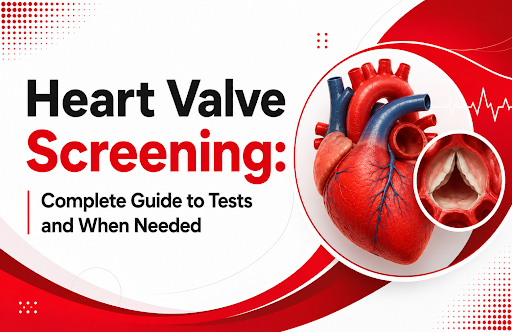
The Silent Problem You Might Not Know You Have Heart Valve Screening

Heart Valve Screening. You’re sitting at your desk. You’re catching your breath after climbing those three flights of stairs. Your chest feels a bit tight. You think, “Maybe I’m just getting old.” You ignore it and move on. But what if it’s something more? What if your heart valves, those tiny doors inside your heart, are not working the way they should?

Here’s the thing. You can’t feel your heart valves failing. They don’t send you warning signals like your back pain or your migraine does. They just silently stop working. And by the time you notice something is wrong, the damage might already be serious. This is why heart valve screening matters. This is why you need to know about it. Because you’re not getting any younger. And neither are your heart valves.

Understanding Your Heart Valves and Why They Matter

What Are These Valves Anyway?

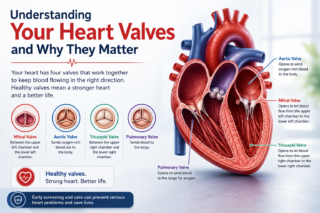
Think of your heart like a house with four rooms. Each room has doors. These doors are your heart valves. Their job? They keep blood flowing in one direction. They make sure blood doesn’t flow backward. They work 24/7. Day and night. Without rest.

Your heart has four valves:

  • The mitral valve – It’s between your upper left chamber and your lower left chamber
  • The aortic valve – It sends oxygen-rich blood out to your body
  • The tricuspid valve -It works between your upper right chamber and your lower right chamber
  • The pulmonary valve – it sends blood to your lungs

All of them are important. All of them work together. And when one of them starts to fail, your whole system gets confused.

What Happens When Valves Go Wrong?

Let’s be honest. Your lifestyle might have caught up with you. Years of stress. Years of fast food. Years of sitting at your desk. Years of not exercising. Your heart has been working hard for you.

When valve problems develop, two main things happen:

Valve Stenosis – The valve becomes too tight. Blood cannot flow through it easily. Your heart has to work harder. It gets exhausted. Think of a clogged pipe. Water can’t flow freely.

Valve Regurgitation – The valve doesn’t close properly. Blood leaks backward. It’s like a door that doesn’t shut completely. All that leaking weakens your heart over time.

What’s the real problem? You feel tired. You get short of breath, and your legs swell up. You might feel like your heart is racing. These symptoms seem normal when you’re middle-aged and busy. But they’re not normal. They’re your body sending you a message.

Also read: Top Heart Specialist in Hyderabad, Dr C. Raghu, Cardiologist 

Why You Need Heart Valve Screening

Your Risk Factors Are Real

Let me ask you something. Do you have high blood pressure? Are you overweight? Do you have diabetes? Did your parents have heart problems? Are you over 50? Have you had infections?

If you answered yes to any of these, you need to be screened. It’s that simple.

You’re not alone in this. Thousands of people like you—working professionals, busy parents, and successful people—are walking around with valve problems they don’t know about. Some of them will face serious complications. Some will have heart attack symptoms that they could have prevented.

Here’s what you need to understand: Early detection saves lives.

The Real Consequences of Ignoring It

Your heart gets weaker – It has to pump harder. It gets tired. Eventually, it can’t pump enough blood to your body.

You get heart failure – Your body doesn’t get enough oxygen. You feel exhausted all the time.

You might have a stroke – Blood clots can form in your heart and travel to your brain.

Your quality of life drops – You can’t climb stairs. You can’t play with your grandchildren. You can’t do the things you love.

You might need emergency surgery – Sudden valve problems are dangerous. Emergency surgery is riskier than planned surgery.

But here’s the good news. If you catch it early, your doctors can manage it. You can live a normal life. You can prevent the worst outcomes.

Also read: Meet Cardiologist in India, Dr C. Raghu Yashoda, Somajiguda 

Heart Valve Screening Tests: What You Need to Know

Test #1: The Echocardiogram – Your Best Friend

This is your main test. It’s painless. It’s non-invasive. No needles. No radiation.

How does it work? A technician puts a small device on your chest. It sends sound waves into your heart. These sound waves create a picture of your heart. The doctor can see how your valves are working. Can see how blood is flowing.

Why does it matter? It shows problems clearly. It’s accurate. It’s safe.

When do you need it? If you have symptoms. If you have risk factors. If your doctor hears something unusual with a stethoscope.

Test #2: The ECG – Quick and Easy

An electrocardiogram records your heart’s electrical activity. It takes about 10 minutes.

What happens? They put small pads on your chest. A machine reads your heart’s rhythm.

Why does it matter? It shows if your heart is under stress. It shows irregular rhythms.

Test #3: The Stress Test – For the Brave

This one makes you work. You walk on a treadmill. Your heart rate goes up. The machine monitors what happens.

Why does it matter? It shows how your heart performs under pressure. Real pressure. Like when you’re running to catch a bus.

Test #4: The Cardiac CT – For Detailed Images

Sometimes doctors need more details. A CT scan creates detailed pictures of your heart.

Why does it matter? It’s useful when your doctor suspects specific problems. Like aortic valve stenosis or other serious conditions.

Test #5: The Catheterization – When You Need Definite Answers

This is more invasive. A thin tube goes into your artery. It reaches your heart. Doctors can measure pressures inside your heart.

Why does it matter? It gives precise information. It helps doctors plan treatment.

When You Actually Need Screening, Let’s Get Practical

You should get screened if you have any of these:

  • You’re over 50 – Time is catching up
  • You have high blood pressure – It stresses your valves
  • You have diabetes – It damages your heart over time
  • You’re overweight – Extra weight means extra work for your heart
  • You smoke – You know this already. It damages everything
  • You’re tired all the time – Not normal tiredness
  • You get short of breath easily – When climbing stairs, you shouldn’t get this tired
  • Your ankles swell – Especially at the end of the day
  • You have chest pain – This is serious. Don’t ignore it
  • Your family has heart problems – Genetics matter
  • You had rheumatic fever as a child – It can affect your valves years later
  • You have an irregular heartbeat – You feel your heart skipping beats

What Happens After Screening?

Your doctor finds something. Now what?

If it’s mild, you get monitored. Regular check-ups. Healthy lifestyle changes. This is manageable.

If it’s moderate, you might need medication. You might need lifestyle changes. You avoid strenuous activities.

If it’s severe, you might need intervention. An interventional cardiologist in Hyderabad or anywhere else can discuss options. Surgery. Valve replacement. Modern procedures are less invasive than before.

Your Action Plan Starts Now

You don’t have to be scared. You just need to be smart.

Step 1: Schedule a check-up – Talk to your doctor. Tell them your concerns.

Step 2: Be honest about symptoms – Don’t downplay anything. Doctors need the truth.

Step 3: Get screened if advised – Don’t delay. Not for tomorrow. Not for next month.

Step 4: Follow the plan – If your doctor gives you recommendations, follow them. This is your life.

Step 5: Make lifestyle changes – Eat better. Move more. Reduce stress. Sleep properly. These things matter.

Also read: Best Heart Doctor in Hyderabad, Why Dr. C Raghu 

Take Control of Your Health Today

Your heart has been working for you your whole life. It’s time to work for your heart. Don’t wait for symptoms to become serious. Heart valve problems are manageable when caught early. They’re dangerous when ignored.

If you’re experiencing any symptoms or have risk factors, don’t brush them aside. Connect with an experienced Top cardiologist in Hyderabad or specialists near you who can properly evaluate your heart health through comprehensive heart valve screening.

Visit drraghu.com today to schedule your consultation with Dr. C. Raghu, an interventional cardiologist specializing in heart valve conditions. Your heart deserves the best care.

About the Expert

Dr. C. Raghu is an interventional cardiologist with expertise in treating valve disorders, including aortic stenosis specialist care. He practices at Yashoda Hospital, Somajiguda, Hyderabad, and is recognized as one of the best cardiologists in Hyderabad for his patient-focused approach to cardiac care. Dr. Raghu believes in early detection and preventive cardiology to help patients live longer, healthier lives.


tavi-tavr.png

March 3, 2026 AbhijitHearty Life

You Care About Your Heart 

TAVI/TAVR in Hyderabad You stay updated on your heart health. Regularly, you follow medical journals and track cholesterol levels and blood pressure from time to time. Yet when it comes to choosing the right cardiologist for a serious procedure for tavi/tavr in Hyderabad or valve replacement, you feel unsure.

You hear about aortic stenosis. You read about transcatheter aortic valve implantation. You search for the best option. But every hospital claims expertise. Every profile looks impressive. And you are left wondering—who truly understands your heart?

If you or your loved one is advised valve intervention, the confusion increases. You want safety. You want experience. You want results backed by science.

That is where Dr. C. Raghu stands out — especially for tavi/tavr in doctor Hyderabad.

What Happens If You Ignore Aortic Valve Problems?

Aortic stenosis does not always shout. It progresses silently. You may feel:

  • Breathlessness while walking
  • Chest discomfort
  • Fatigue during routine work
  • Lightheadedness
  • Reduced stamina

If untreated, severe valve narrowing can lead to:

  • Heart failure
  • Sudden cardiac events
  • Reduced quality of life
  • Increased surgical risk later

You may read about aortic valve replacement surgery, and the thought of open-heart surgery worries you. Recovery time, hospital stay, complications — these are real concerns.

But modern cardiology offers a less invasive solution.

What Is TAVI / TAVR and Why Does It Matter to You?

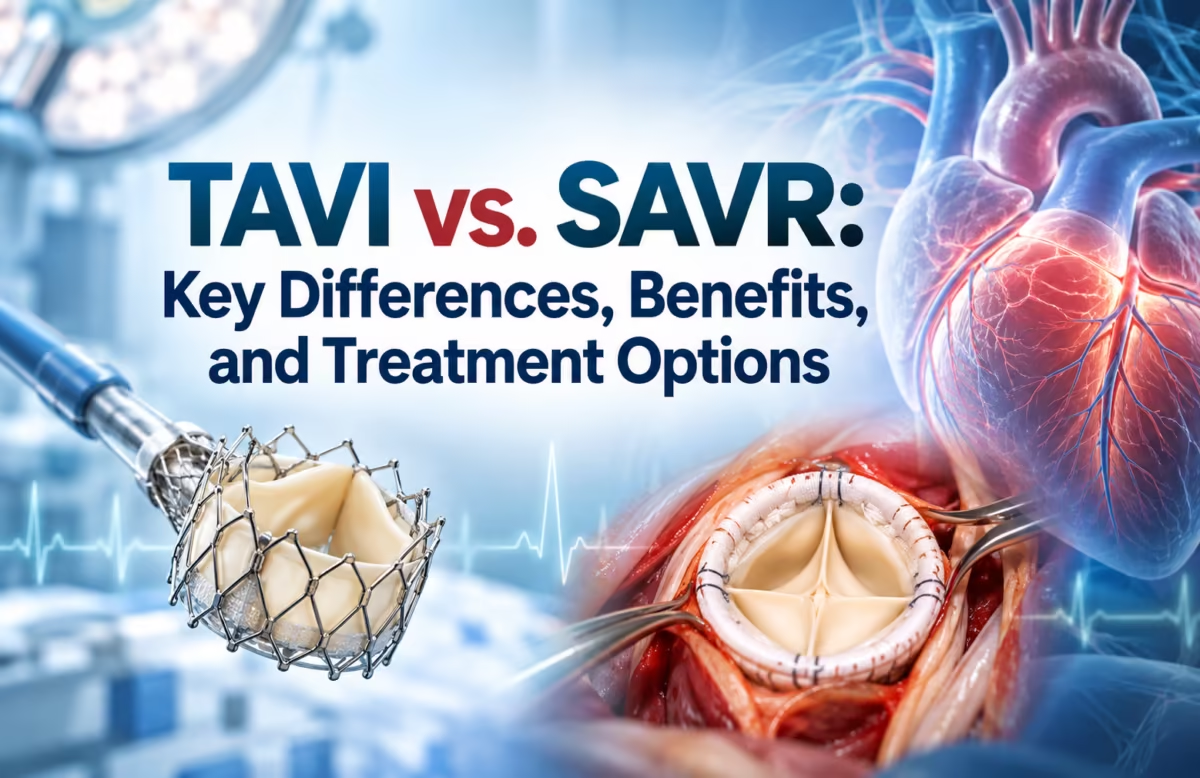
Transcatheter Aortic Valve Implantation (TAVI), also called TAVR, is a minimally invasive procedure. It replaces a narrowed valve without opening your chest.

You do not undergo large surgical cuts.
You recover faster.
You return to routine life sooner.

When performed by an experienced tavr expert, outcomes are excellent — especially for patients above 60 or those with high surgical risk.

But skill matters. Precision matters. Decision-making matters.

That is why choosing the right tavr doctor in Hyderabad becomes critical.

Why Dr. C. Raghu Is One of the Best Cardiologists for TAVI/TAVR

1. Interventional Expertise That You Can Trust

Dr. C. Raghu practices as an interventional cardiologist at Yashoda Hospital. He focuses on structural heart interventions and advanced catheter-based procedures.

You are not looking for a general opinion.
You are looking for a tavi/tavr expert in Hyderabad who understands:

  • Valve anatomy in detail
  • Imaging interpretation
  • Catheter navigation
  • Complication management

His expertise in aortic stenosis treatment ensures that your case is evaluated thoroughly before recommending intervention.

2. Patient-Centric Evaluation

When you consult Dr. Raghu, you are not rushed.

He evaluates:

  • Your symptoms
  • Echocardiography findings
  • CT scan measurements
  • Risk profile
  • Overall health status

You receive clarity.
You understand why TAVI is advised — or why it may not be necessary yet.

This transparent approach makes him one of the best tavr doctors in the region.

3. Experience in Structural Heart Procedures

TAVI is not just about placing a valve. It is about:

  • Proper sizing
  • Accurate positioning
  • Avoiding complications
  • Managing rhythm disturbances

As a seasoned tavr specialist in India, Dr. Raghu combines imaging guidance with procedural precision.

If you search for a tavr specialist near me in Hyderabad, especially in Somajiguda, his name consistently appears among experienced experts.

How You Solve the Confusion

You are analytical. You read studies. You compare data.

So how do you decide?

Ask these questions:

  • Does the doctor specialize in interventional cardiology?
  • Does he regularly perform structural heart procedures?
  • Does he practice in a well-equipped hospital?
  • Does he explain risks and benefits clearly?

When these answers align, your confusion reduces.

For patients in Hyderabad, Bangalore, Mumbai, and Chennai who travel for specialized care, choosing the right best cardiologist for tavr becomes easier when experience meets transparency.

Dr. Raghu’s association with Yashoda Hospital ensures access to:

  • Advanced cath lab infrastructure
  • Cardiac imaging support
  • Multi-disciplinary heart team
  • Post-procedure monitoring

This ecosystem improves procedural safety.

What You Gain with the Right TAVI Expert

When you choose the right tavr expert, you gain:

  • Faster recovery compared to open surgery
  • Reduced hospital stay
  • Lower procedural trauma
  • Improved quality of life
  • Better long-term outcomes

You feel the difference when breathlessness reduces.
You walk longer distances.
You regain confidence.

And that confidence starts with choosing wisely.

If You Are Above 35, This Is What You Should Do

Even if you feel healthy, regular cardiac screening matters — especially if:

  • You have hypertension
  • You have diabetes
  • You have high cholesterol
  • There is a family history of valve disease
  • You feel unexplained fatigue

Early detection makes aortic stenosis treatment simpler.

You do not wait for severe symptoms.
You act early.
You consult a specialist.

Conclusion: Make an Informed Decision for Your Heart

You are careful about your investments. Your heart deserves the same seriousness.

When you look for tavi/tavr in Hyderabad, you want competence, clarity, and compassion.
When you search for a reliable tavi doctor in Hyderabad or an experienced tavr doctor in Hyderabad, you want someone who understands both science and patient concerns.

Dr. C. Raghu, interventional cardiologist at Yashoda Hospital, Somajiguda, focuses on structural heart care with precision and responsibility. His experience in Transcatheter Aortic Valve Implantation makes him one of the trusted names for valve interventions.

If you or your loved one is evaluating options for valve replacement, take the next step with clarity.


Consult Dr. C. Raghu, one of the most trusted experts for TAVI/TAVR in Hyderabad, known for precision-driven structural heart procedures and patient-focused care at Yashoda Hospitals, Somajiguda.

Visit a cardiologist in Hyderabad and make an informed decision about your heart today.


TAVRTAVI-Expert-in-Hyderabad.jpeg

December 16, 2025 AbhijitHearty Life

You might often feel confused about which heart health habits truly protect your heart and which common beliefs can silently harm it.Tavr/tavi expert in Hyderabad. Several myths around aortic valve disease, minimally invasive procedures, and valve replacement surgery still exist. As a TAVR specialist and experienced TAVR expert, cardiologists often see patients delaying treatment due to misinformation.

In this blog, you’ll get clear, practical guidance straight from a TAVI expert in Hyderabad and an experienced TAVR expert in Hyderabad, helping you understand what really matters for long-term heart health and recovery.

Key Takeaways

  • Transcatheter Aortic Valve Implantation and Trans Catheter Aortic Valve Replacement are advanced, minimally invasive procedures used for treating severe aortic valve disease. 
  • Most patients experience faster recovery and are discharged within one to three days under the care of a skilled TAVR specialist in India. 
  • Though safer than open-heart surgery, TAVR and TAVI still carry risks such as bleeding or infection, which are best managed by the best cardiologist for TAVR. 
  • Diagnostic tests like echocardiograms, CT scans, and blood tests help identify suitable candidates for different TAVR valve types. 
  • Choosing the best TAVR doctors and best TAVR surgeons near me significantly improves outcomes and quality of life. 

Understanding TAVI and TAVR

TAVI cardiology and TAVR cardiology represent major advancements in the treatment of valve-related heart disease. These procedures are especially effective for patients suffering from Aortic Stenosis Treatment needs, where the aortic valve becomes narrow and restricts blood flow.

Under the guidance of a skilled TAVR expert in India or TAVI expert in India, these procedures allow valve replacement without traditional open-heart surgery, making them suitable even for elderly or high-risk patients.

Advantages and Benefits of TAVR/TAVI

One of the biggest advantages of choosing a TAVR specialist near me is the minimally invasive nature of the procedure. Through a small catheter, doctors implant a new valve, reducing trauma to the body.

Patients treated by the best cardiologist for TAVR often report:

  • Shorter hospital stays 
  • Faster recovery 
  • Lower complication rates 
  • Significant improvement in breathlessness and fatigue 

With the right TAVR valve types selected based on patient anatomy, long-term outcomes improve substantially.

Risks and Treatment Approach

While TAVR and TAVI are safer alternatives, they are not completely risk-free. Complications such as bleeding, infection, or valve leakage may occur. That’s why consulting a highly experienced TAVR expert or TAVI expert in Hyderabad is critical.

A comprehensive treatment plan also considers related heart rhythm issues like Atrial Fibrillation, which commonly coexist with valve disease and need expert management.

Diagnostic Tests Before the Procedure

Before proceeding with Transcatheter Aortic Valve Implantation, your cardiologist will perform detailed evaluations. These tests ensure you receive the most suitable treatment under expert care.

Common diagnostic tests include:

  • Echocardiography to assess valve function 
  • CT scans to evaluate blood vessels and valve anatomy 
  • Blood tests to detect underlying health issues 

These investigations help the TAVR specialist in India determine procedural safety and select the right valve strategy.

Choosing the Best TAVR/TAVI Specialist in India

Selecting the right doctor is one of the most important decisions in your heart care journey. Whether you’re searching for the best TAVR doctors, best TAVR surgeons near me, or a trusted TAVR specialist near me, experience and expertise matter.

Researching Top Hospitals and Cardiologists in Hyderabad

Hyderabad is home to leading heart centres offering advanced TAVI cardiology services. When researching hospitals, look for:

  • Dedicated structural heart programs 
  • High procedure success rates 
  • Access to the latest TAVR valve types 

Hospitals led by a reputed TAVR expert in Hyderabad often deliver world-class outcomes comparable to global standards.

Qualifications and Experience of a TAVI/TAVR Specialist

An ideal TAVR expert in India possesses advanced cardiology training, extensive hands-on experience, and exposure to complex cases. Years of experience in TAVR cardiology help doctors handle complications efficiently and deliver safe outcomes.

Board certifications, international training, and ongoing education are hallmarks of the best cardiologist for TAVR.

You can also read this:- Best Cardiologist and Heart Specialist Doctor in Hyderabad, India

Testimonials and Case Studies of Successful Procedures

Patient testimonials consistently show improved quality of life after TAVR procedures. Many individuals treated for severe Aortic Stenosis report immediate relief from symptoms like breathlessness and chest pain.

Case studies from Hyderabad demonstrate excellent survival rates when procedures are performed by an experienced TAVI expert in Hyderabad, reinforcing the importance of expert-led care.

FAQs

  1. What myths do TAVR specialists often hear from patients?
    Many believe minimally invasive procedures are unsafe. In reality, when performed by a skilled TAVR specialist, these procedures often result in better recovery outcomes than open-heart surgery.
  2. Can lifestyle changes prevent valve disease?
    Healthy habits like exercise, diet control, and quitting smoking support heart health and delay progression, but advanced cases still require expert Aortic Stenosis Treatment.
  3. How is TAVR different from traditional surgery?
    TAVR minimises large incisions, resulting in a faster recovery under the supervision of the best TAVR doctors.
  4. Does misinformation affect outcomes?
    Yes. Delayed treatment due to myths can worsen valve disease and complicate recovery, even under the care of a TAVR expert in Hyderabad.
  5. Why should I consult a TAVI expert in India?
    Expert guidance ensures proper diagnosis, correct valve selection, and safe execution of Trans Catheter Aortic Valve Replacement, improving long-term heart health.

Transcatheter-Aortic-Valve-Replacement-TAVR.png

July 23, 2024 AbhijitHearty Life

TAVR is a procedure for treating aortic stenosis. Transcatheter aortic valve replacement specialists will recommend this procedure when the aortic valve narrows. When you have aortic stenosis, your heart has to work harder than usual, as the condition curtails the typical blood flow to the body. It can result in chest pain or shortness of breath.


Dr raghu logo


Dr raghu logo


Call us now if you are in a medical emergency need, we will reply swiftly and provide you with a medical aid.


For Appointment with Dr Raghu: +91 80085 36699
Dr Raghu’s Patient Coordinator: +91 72860 10203
Dr Raghu’s Office Experience: +91 90001 65962
Dr Raghu’s Social Media Communication Channel: +91 97046 51708

Dr. Raghu | Heart Specialist in Hyderabad
Yashoda Hospitals, Raj Bhavan Road, Somajiguda, 1st floor, Room No. 115, Hyderabad -500082, Telangana

Best Cardiologists in Hyderabad


© 2024, Dr. Raghu. All rights reserved. Design & Developed by AMSDigital.in

[gtranslate]
+91-9542475650