Heart failure can be categorized into different types depending on various factors. While most conditions cause similar symptoms, clear identification of the type of heart failure is crucial for doctors to determine the proper course of treatment.


Heart failure can be categorized into different types depending on various factors. While most conditions cause similar symptoms, clear identification of the type of heart failure is crucial for doctors to determine the proper course of treatment.
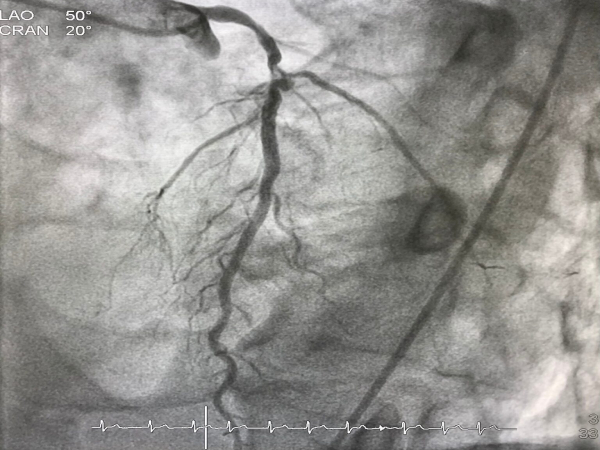
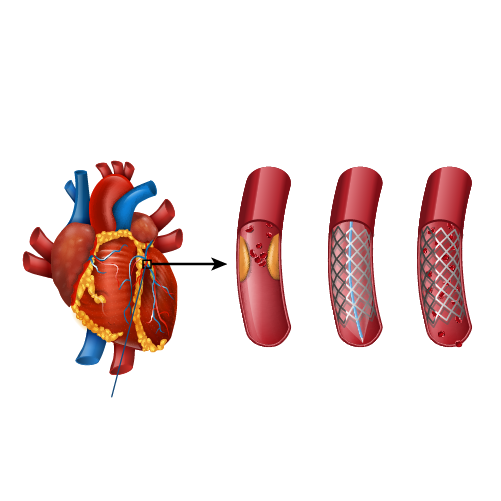
Coronary arteries are the vessels which supply blood (oxygen and nutrients) to the heart; this supply may be disrupted due to buildup of cholesterol and fatty deposits, called plaques, on the inner walls of the arteries (atherosclerosis) causing narrowing of the vessel lumen.
Coronary lesions branch out as they progress to supply various cardiac structures. A bifurcation lesion is a stenosis or abnormal narrowing of greater than 50% that occurs in a coronary artery at the origin of the side branch or adjacent to the origin of the side branch. Branching points a.k.a bifurcation points in the coronary arteries are prone to develop atherosclerosis as the shear stress is higher at the branch points.
The figure shows how a bifurcation stenosis appears schematically as well as on angiography.
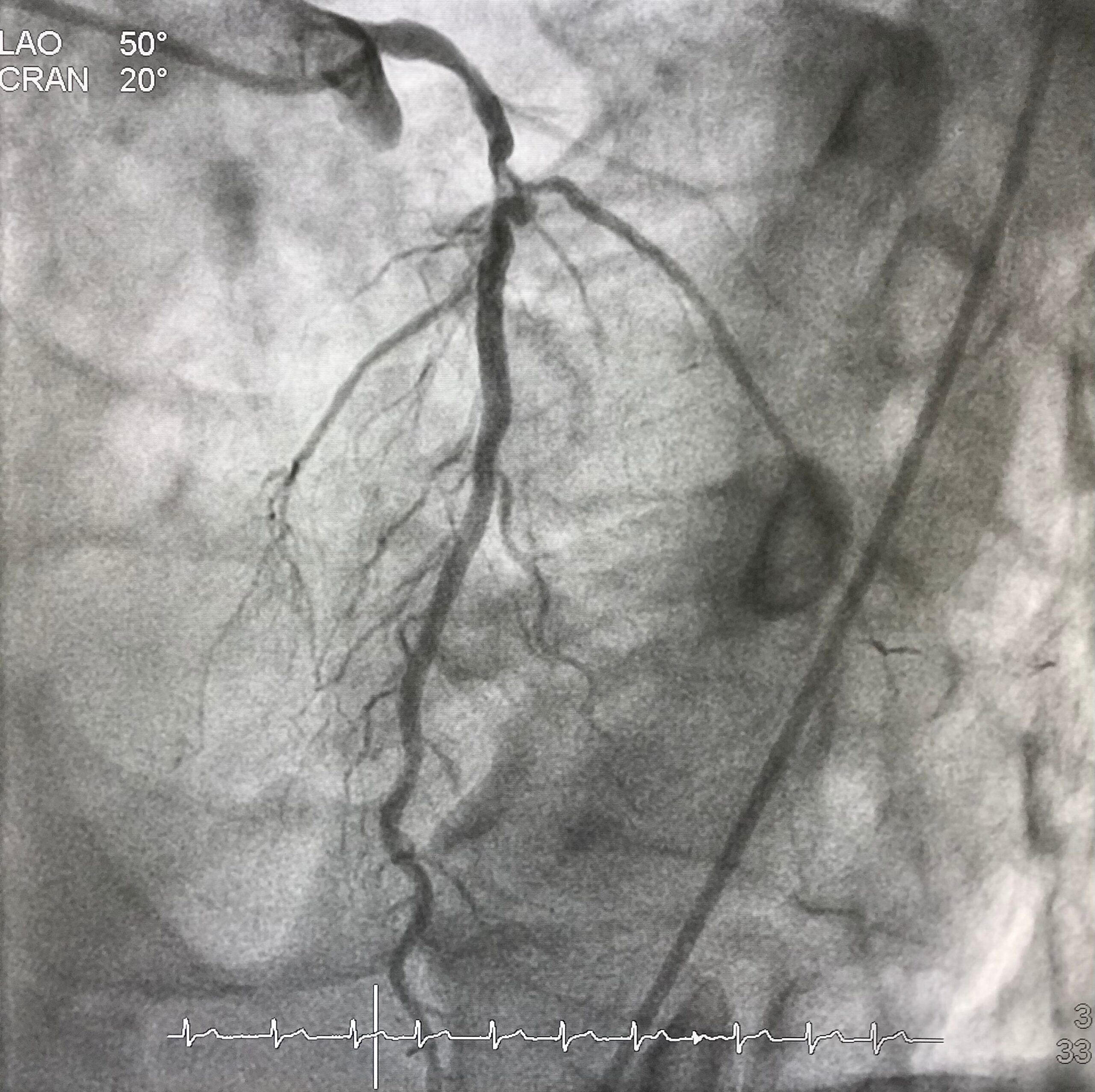
A vast majority of coronary arteries obstructions happen at the branching point. About 15-20% of patients of referrals for bypass surgery are because of the presence of coronary narrowing at bifurcation location. They are considered a tough lesion to treat by angioplasty and stent.
Bifurcation lesions are identified on coronary angiography. Only lesions affecting side branch blood vessels more than 2.25 mm is considered important and called bifurcation lesions. The main vessel that gives branches is called main vessel and the branches that originate from it are called side branches. The point at the division of the main vessel and side branch is called a bifurcation point.
Bifurcation lesions can involve the coronary artery either before or after the bifurcation point. In addition, side branches could be either diseased or free from disease. Based on the location and severity of the cholesterol plaque at the bifurcation point, sub types of bifurcation lesions have been identified.
The challenge of performing angioplasty and stent for a bifurcation stenosis lies in the ability to preserve the main vessel and the side branch. Stents being metallic tubes risk occluding the side branch when placed across the side branch. This apprehension of losing the side branch, is one of the primary reasons for patients to be sent for bypass surgery instead of angioplasty and stent.
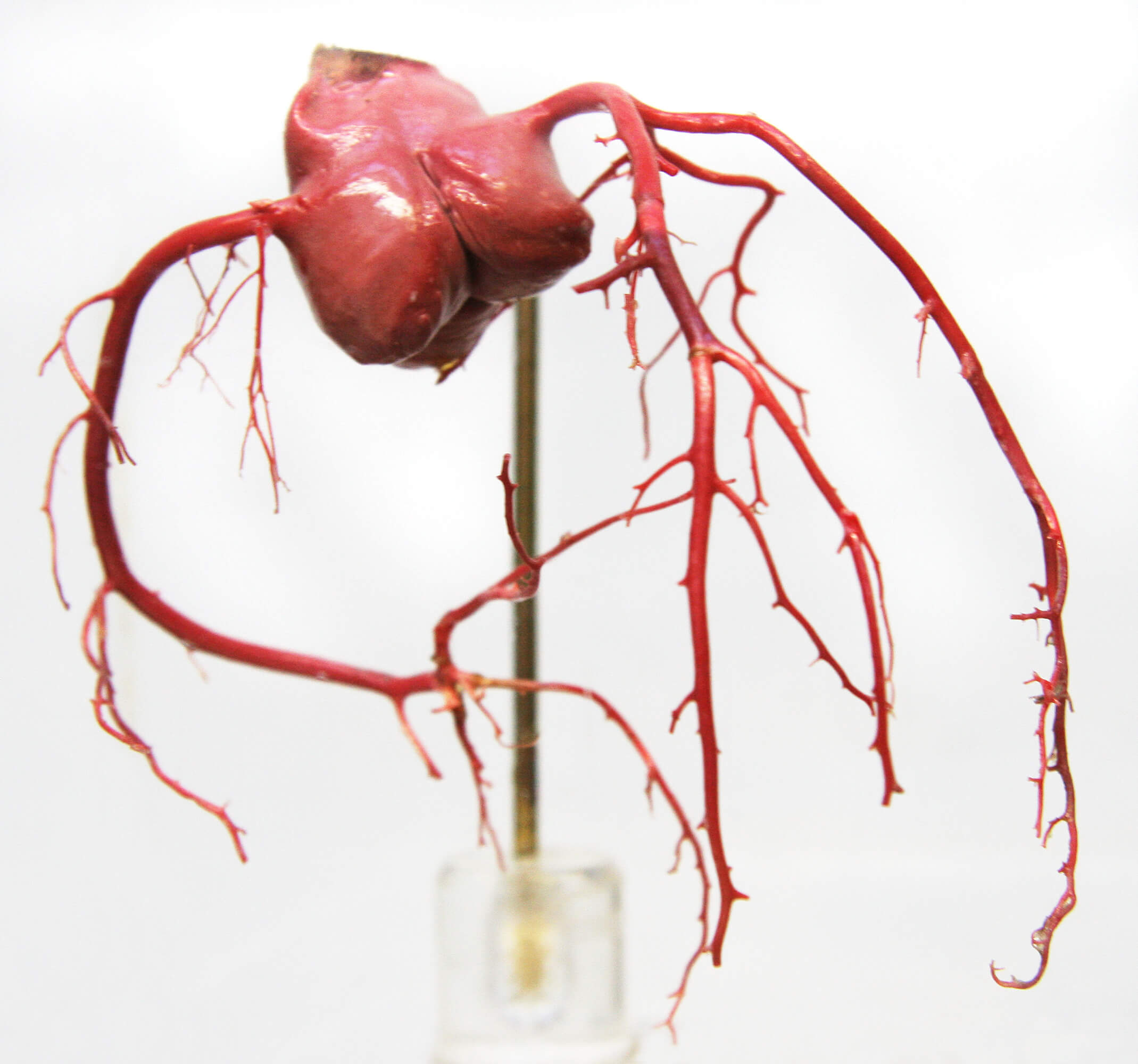
Angioplasty and stent can be eminently performed for a bifurcation stenosis. Over the last 2 decades numerous techniques in stent implantation have been developed to treat the bifurcation lesions. Some of these techniques include:
Advent of these techniques enabled experienced operators to perform angioplasty and stent successfully with chances of repeat narrowing seen in 3-6% patients at the site of stenting. Risk of losing a side branch after stenting is reduced to 1% once the new techniques are employed.
Dr. C Raghu is an expert in bifurcation lesion angioplasty and the center where he has been trained, ICPS Paris France is considered the “Mecca” for bifurcation lesion angioplasty techniques development.
Bifurcation lesion angioplasty, involves utilization of novel stent techniques mentioned above. In addition, angioplasty operator experience is a major factor in determining outcomes. Choosing the “right” stent that allows side branch access, use of specialized technologies such as fractional flow reserve (FFR), expertise in deploying 2 stents especially the process of “stent crush” and the handling of two balloons through a single catheter – kissing balloon are key points for the best results in a stent procedure.
Contemporary bifurcation angioplasty using Intravascular imaging employing contemporary stenting techniques in the hands of expert bifurcation angioplasty operators carries a 99% success rate with a chance of losing side branch in 1% and repeat narrowing at the end of 9 months being 3-6%. These results are comparable and if not superior to bypass surgery as angioplasty entails a short hospital stay and fast recovery.
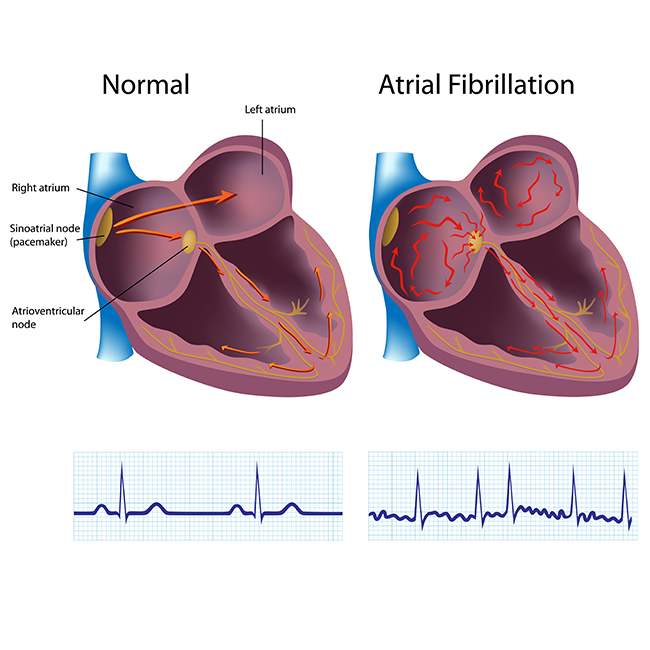
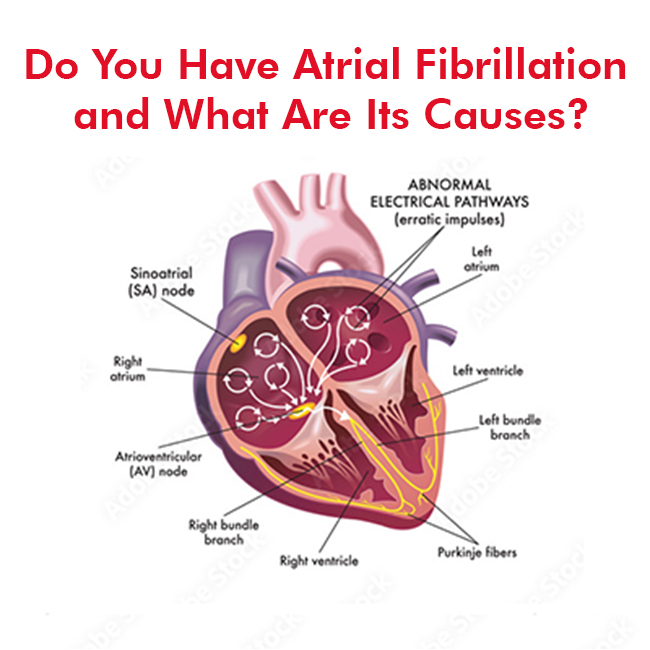
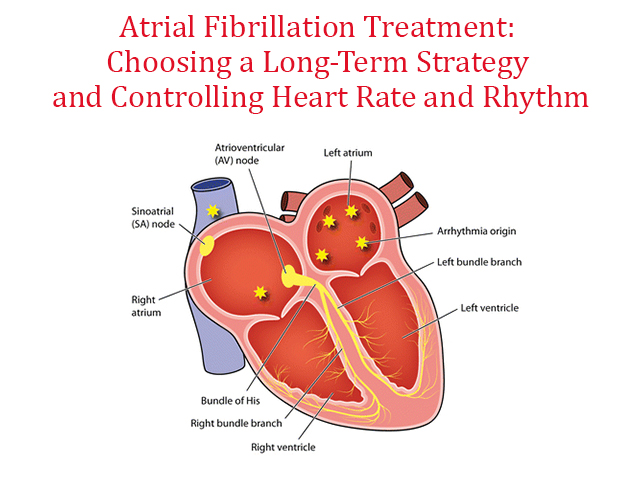
Atrial fibrillation (AFib or AF) is when your heart’s upper chambers (Atria) beat irregularly and out of sync. The heart’s pumping function isn’t as strong or efficient as it…
Atrial fibrillation (AFib) is one of the most common heart arrhythmias (irregular or abnormal beating). It happens when your heart’s upper chambers (the atria) beat…
Atrial fibrillation, also known as afib or A-fib, is a medical condition that causes the heart to beat irregularly and quickly. It affects more than 3 million people in the US…
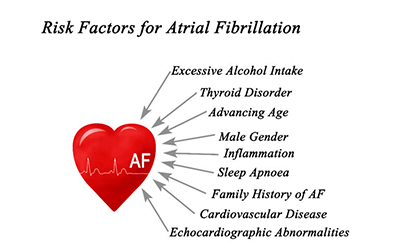
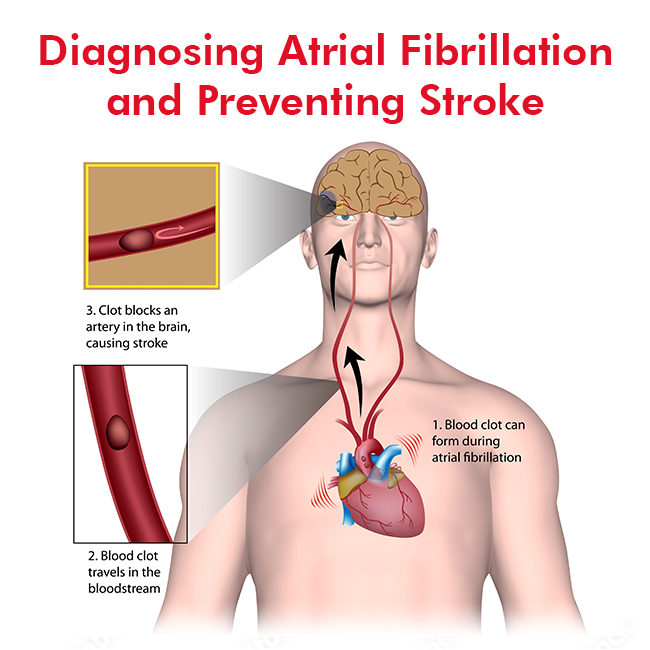
Atrial fibrillation (AFib) interferes with the normal functioning of the heart. It can lead to blood clots, which, in turn, can result in a stroke or heart failure. That makes it…
Atrial fibrillation is a progressive heart disease that can’t be cured. But the right course of treatment can help control afib symptoms and help patients live a close…
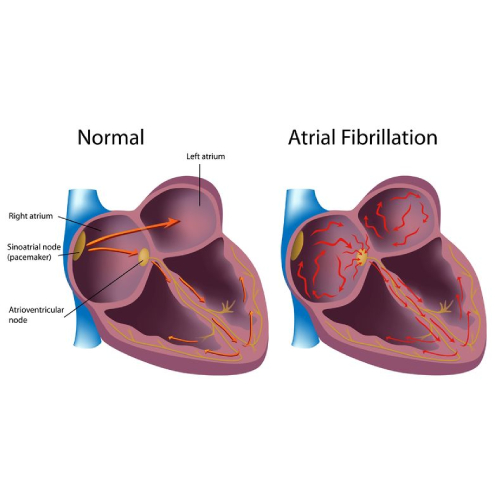
Atrial Fibrillation is a chaotic, irregular beating of the heart. When the heart beating is irregular there will be stasis or stagnation of the blood within the heart chambers…
Atrial Fibrillation
Heart failure is not a single disease instead it is a constellation of symptoms. In this disease the heart is unable to meet the requirements of the body by its inability to pump or be able to do so by increasing the filling pressures so that it might pump effectively.
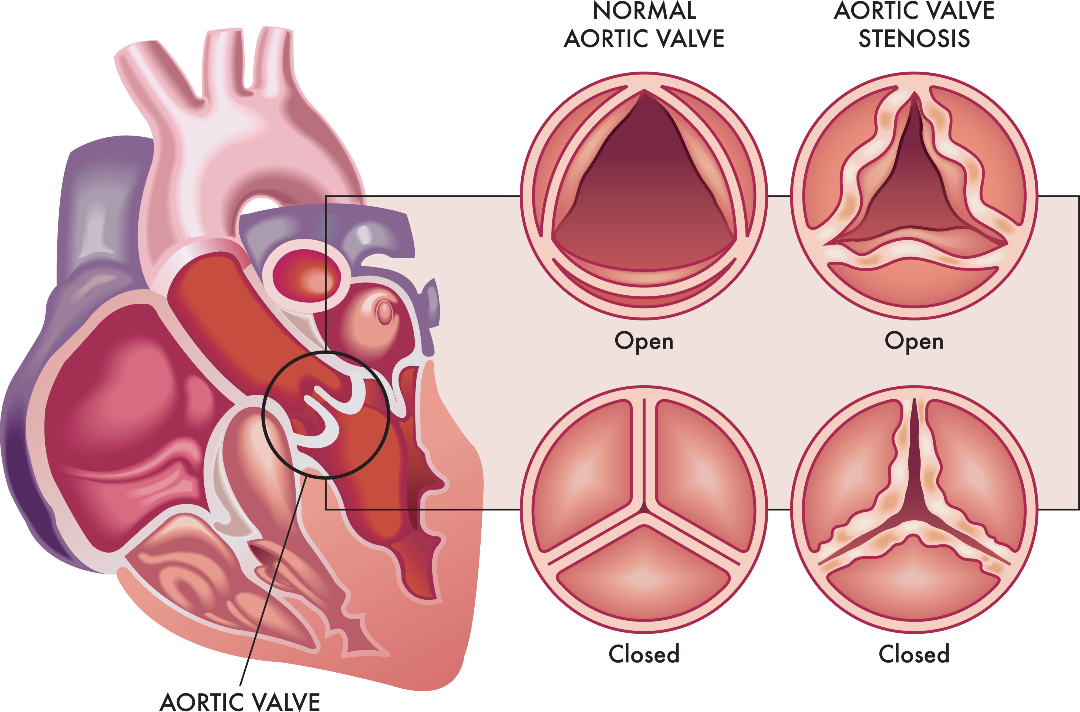
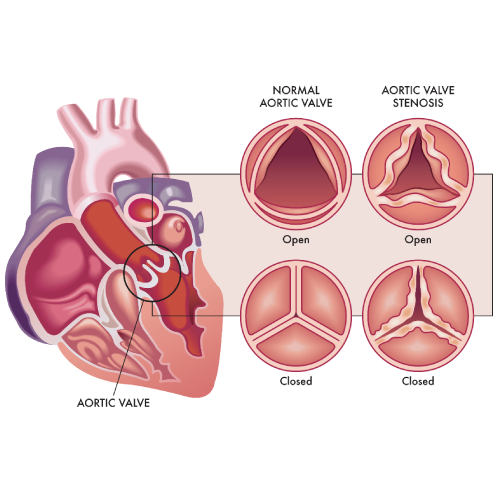
Aortic stenosis is a disease where the valve between left ventricle and aorta is narrowed. Normally the left ventricle is the chamber which pumps blood to the entire body through the aortic valve.
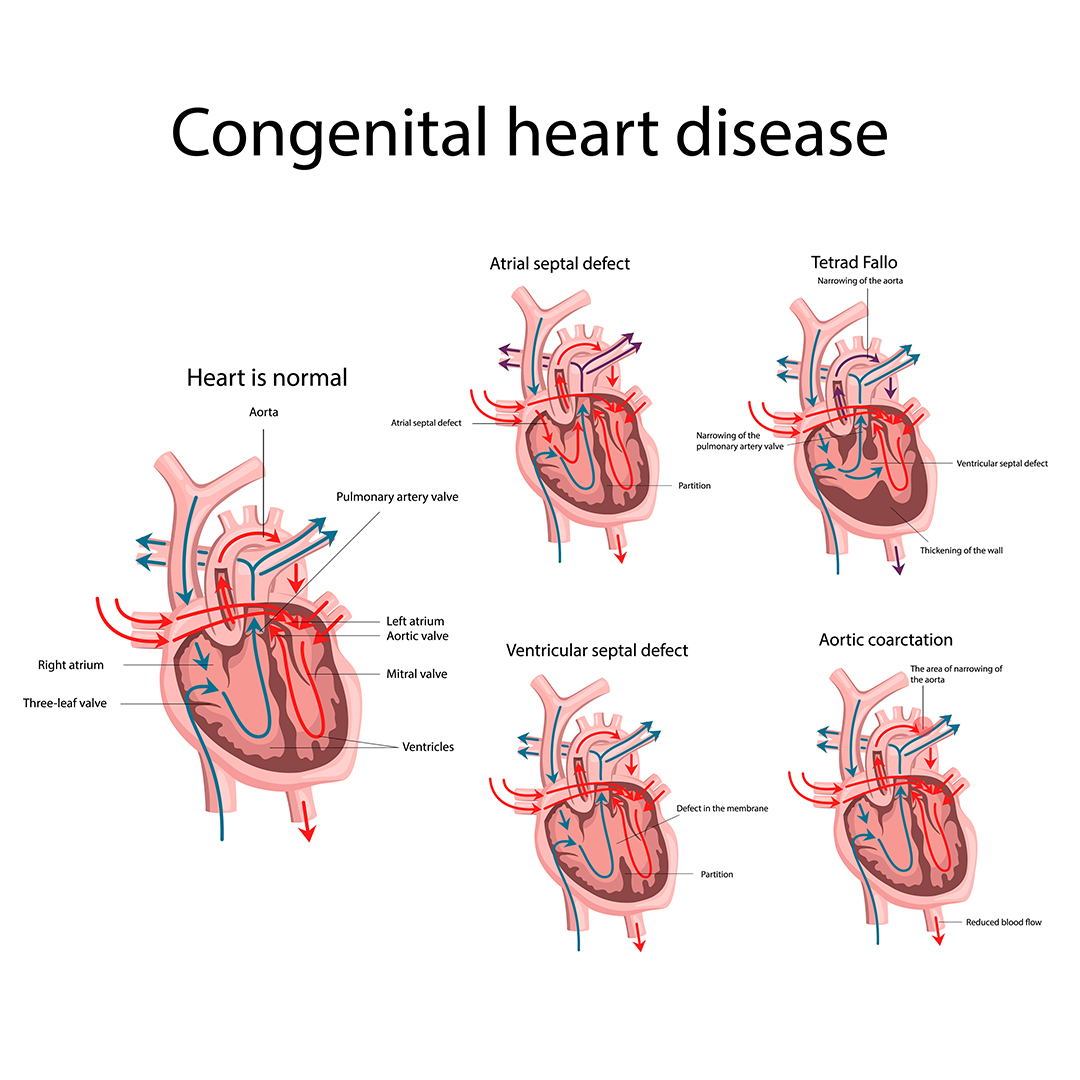
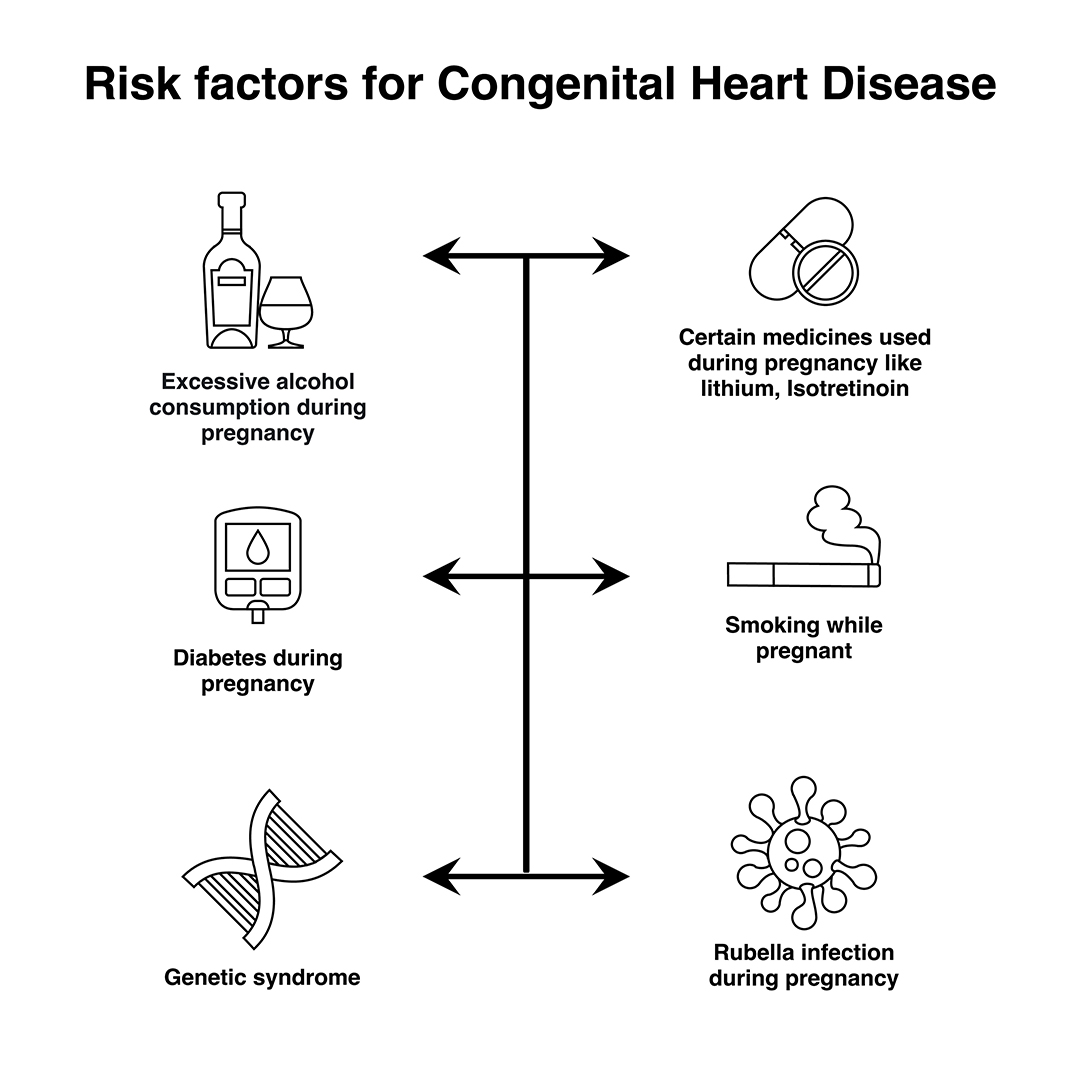
Congenital heart diseases are diseases that are present from birth and affect the normal heart functioning. These are the most frequently occurring congenital disorder, responsible for 28% of all congenital birth defects. The birth prevalence of CHD is reported to be 8-12/1000 live births. Considering a rate of 9/1000, about 1.35 million babies are born with CHD each year globally. In most cases, no obvious cause of congenital heart disease is identified. However, some things are known to increase the risk of the condition, including: Many cases of congenital heart disease can be diagnosed before a baby is born during an ultrasound scan in pregnancy. At times a focused foetal heart scan called foetal echocardiography in specialized centers helps to diagnose the cardiac problem before birth. However, it’s not always possible to detect congenital heart defects in this way. Congenital heart disease can have a number of symptoms, particularly in babies and children, including: These problems are sometimes noticeable soon after birth, although mild defects may not cause any problems until later in life. There are many types of congenital heart disease and they sometimes occur in combination. Some of the more common defects include: Treatment for congenital heart disease usually depends on the defect you or your child has. Mild defects, such as holes in the heart, often don’t need to be treated, as they may improve on their own and may not cause any further problems. Surgery or interventional procedures are usually required if the defect is significant and causing problems. Modern surgical techniques can often restore most or all of the heart’s normal function. However, people with congenital heart disease often need treatment throughout their life and therefore require specialist review during childhood and adulthood. This is because people with complex heart problems can develop further problems with their heart rhythm or valves over time. Most surgery and interventional procedures aren’t considered to be a cure. The affected person’s ability to exercise may be limited and they may need to take extra steps to protect themselves from getting infections. It’s important that a person with heart disease and their parents or carers discuss these issues with their specialist medical team.
What are the Causes of Congenital Heart Defects?
Signs and Symptoms of Congenital Heart Disease
Types of Congenital Heart Disease
Treating Congenital Heart Disease
Book Online Consultaion
DOWNLOAD PDFBasics of Congenital Heart Disease Blog
Subscribe the Hearty Life Blogs

DR. RAGHU | Best Cardiologist in Hyderabad
MD, DM, FESC, FACC, FSCAI
Cardiology Coronary, Vascular and
Structural InterventionsConditions & Diseases
Angioplasty
Aortic Stenosis
Atrial Fibrillation
Atrial Septal Defect
View More Services
© 2024, Dr. Raghu. All rights reserved. Design & Developed by AMSDigital.in
+91 95424 75650
For Appointment with Dr Raghu:
+91 80085 36699
Dr Raghu’s Patient Coordinator:
+91 72860 10203
Dr Raghu’s Office Experience:
+91 90001 65962
Dr Raghu’s Social Media Communication Channel:
+91 97046 51708