WhatsApp-Image-2021-11-01-at-3.35.00-PM-1200x683.jpeg

October 30, 2021 Dr. RaghuValve Diseases

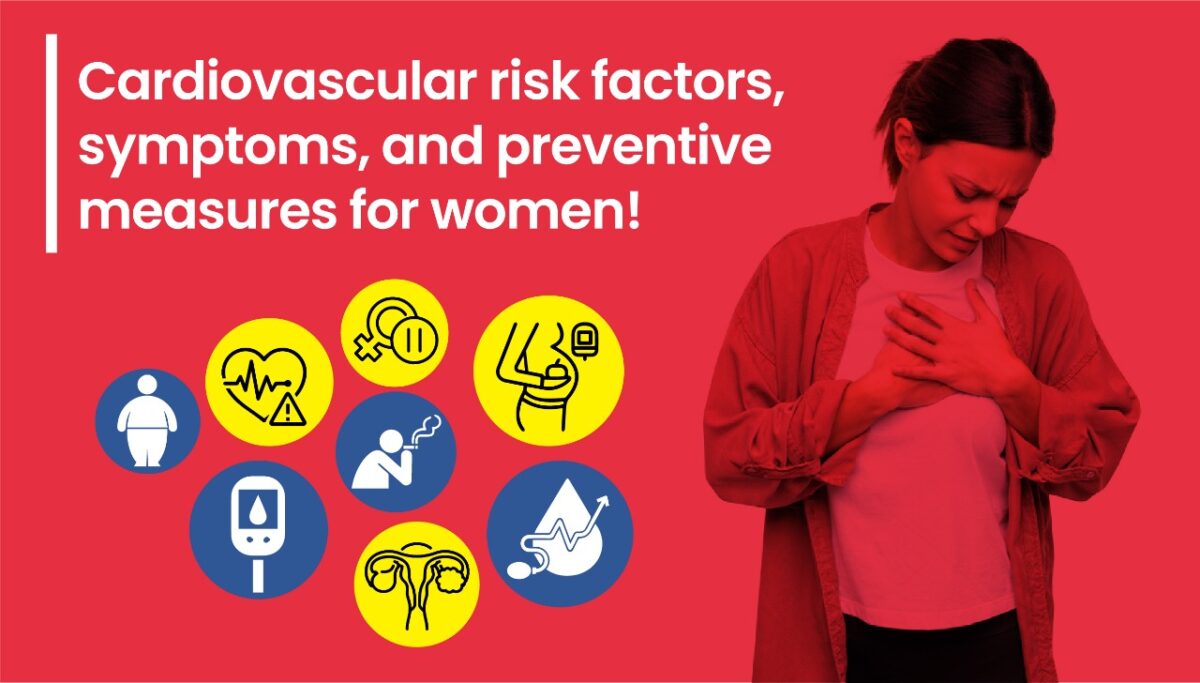
Women especially at young age are experiencing an unprecedented increase in heart attacks and strokes. We attempt In this article to make the reader aware of the reasons for this.

How are women different from men for developing heart attack?

Women tend to develop cardiac disease 7-10 years later compared to men that is attributed to the protective effect of estrogen hormone, which is present till menopause.

What are the traditional risk factors for developing heart disease?

Both men and women are prone to develop cardiac problems if they have one or multiple risk factors listed below. They are called traditional because they have been in practice for the past 6 decades.

Non-modifiable risk factors Modifiable risk factors
·         Age

·         Male gender

·         Family history of cardiac disease (< 60 years)

·         Smoking

·         Diabetes

·         Hypertension

·         Hyperlipidemia

·         Obesity

 Despite the absence of many of these risk factors, women worldwide are increasingly dying due to cardiac ailments.

Do traditional risk factors confer a disparate risk for developing cardiac problems in women?

Women are sensitive than men for the development of heart diseases when they have associated traditional risk factors.

For example:

  • Diabetes: Women with diabetes have a 7-fold increase in cardiac events compared to only 3-fold increase in diabetic men.
  • Smoking and tobacco use has been shown to enhance the risk by an additional 25% in women compared to men for development of heart attacks. In fact tobacco use has been responsible for 50% of cardiac events in women and confers a 3-fold increased events. Normally women develop heart attacks 7-10 years later than men due to the protective benefits of estrogen hormone. This protective effect is lost with tobacco use and if they develop diabetes.

Unique risk factors for cardiac problems in female gender include: 

  • Pre-eclampsia (High BP during pregnancy associated with complications)
  • Diabetes during pregnancy
  • Polycystic Ovary syndrome
  • Early menopause
  • Autoimmune diseases

Early menopause and risk of heart attack:

 About 10% of women experience menopause naturally before the age of 45 years. This is called early menopause. Because of lack of estrogen in post menopausal women, it predisposes to cardiac events.

Compared to women of similar age, those who attain natural or surgical menopause (removal of uterus – Hysterectomy) less than 45 years are at 50% higher risk of developing heart attack and 20% increased risk of death.  Those women who attained surgical menopause tend to have higher cardiac events compared to natural menopause. So women should be dissuaded to undergo uterus removal surgery unless there is a clear evidence that the procedure is definitely required. Hormone replacement therapy has been tried to mitigate this risk but in vain. Current guidelines are against hormone replacement therapy for early menopause.

What can we do to prevent these cardiac events in women?

Targeting traditional risk factors – diabetes, hypertension, lipids, sedentary life styles, inappropriate food choices and obesity form the bedrock strategy for reducing the risk of developing heart attacks.

But for women further measures are needed to address the unique risk factors for women. The American College of Cardiology in its 2019 guidelines notified pre eclampsia, early menopause and autoimmune disease as “risk enhancers” for cardiac disease. They also added that physicians should have a low threshold to treat those patients with risk enhancers by life style measures and cholesterol lowering drugs to reduce the risk of developing heart attacks.

Finally women should realize that they are no longer at low risk for developing cardiac ailments and need to understand there are new risk factors that put them at “enhanced risk” for developing heart attacks.

mitral-balloon.jpg

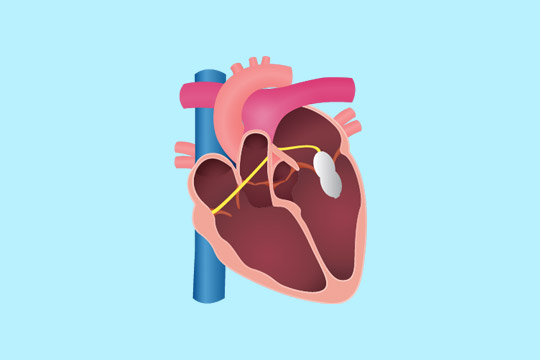
Mitral stenosis is the narrowing of the valve present between the left chambers of the heart (mitral valves), thereby blocking the blood flow. This condition usually develops several years after a person had a rheumatic fever. Mitral stenosis is treated with balloon valvotomy, when the medications do not reduce the symptoms. If left untreated, mitral stenosis can result in various heart complications.

Mitral valvotomy (or valvuloplasty), also known as percutaneous balloon dilation, is a minimally invasive procedure that involves widening a mitral valve using a balloon catheter, a thin, flexible tube with a balloon at the tip. This procedure improves the overall function of the heart.

What are the risks of mitral valvuloplasty?

The risks associated with percutaneous balloon dilation include:

  • Blood clot formation or tears in the heart
  • Backward flow of the blood (mitral valve regurgitation) due to damaged valve
  • Restenosis of the mitral valve

What happens before the procedure?

Your doctor will explain the procedure in detail and provide you the opportunity to ask any questions; do not hesitate to ask any questions related to the procedure.

Your healthcare team will give you certain instructions to prepare for the procedure:

  • You will be asked not to eat or drink anything after midnight, on the previous night of the procedure; you can drink water up to 4 hours of the procedure.
  • A blood test may be done to evaluate the time required for the blood to clot; other blood tests may also be performed.
  • You may be asked to stop taking certain medicines that may involve with the blood clotting process.

Notify your doctor if you:

  • Had an allergic reaction to any contrast dye, iodine or seafood.
  • Are sensitive to any medications, tape, latex, or anaesthetic agents.
  • Have a pacemaker.
  • Have any body piercings on the abdomen or chest.
  • All the medications you are taking, including over-the-counter drugs, herbal supplements, blood thinners, etc.
  • Have heart valve disease, as antibiotic drugs may be given before this procedure.
  • Have a history of bleeding disorders
  • Are or may be pregnant

Before the procedure, the area near the catheter insertion site (the groin area) may be shaved. Your physician may order other preparations for the procedure based on your medical condition.

How is mitral valvuloplasty performed?

On the day of the procedure, you should remove your jewellery and other objects that may interfere with the procedure. You will be asked to change into a hospital gown and empty your bladder before the procedure.

An intravenous (IV) line will be attached to your arm or hand to inject medications and administer IV fluids, if needed. You may receive a sedative to help you relax.

The following are the steps generally involved in a balloon valvuloplasty:

  • A local anaesthetic is injected at the insertion site.
  • Once the anaesthesia sets in, a sheath or an introducer (a plastic tube) will be inserted into the blood vessel.
  • A valvuloplasty catheter is inserted through the sheath into the blood vessel. The catheter is advanced through the aorta into the heart valve. The catheter may be guided by a fluoroscopy (a special x-ray).
  • Once the catheter reaches the precise location, a contrast dye is injected into the valve to get a clear image of the area.
  • The balloon is then inflated and deflated several times.
  • The catheter is then removed.
  • The catheter insertion site is closed using a sterile bandage.

What happens after the procedure?

After the procedure, you will be moved to the recovery room. You should remain flat on bed for several hours after the procedure. Your vital signs, and circulation and sensation in the affected arm or leg, the insertion site will be monitored regularly.

Medicines may be given for pain or discomfort near the insertion site. You will be asked to drink water and other fluids to eliminate the contrast dye from your body. You can return to your regular diet after the procedure.

Mostly, you may have to spend the might in the hospital, based on your medical condition and recovery.

Your healthcare team will give you instructions to be followed after leaving the hospital:

  • Keep a check on the insertion site for unusual pain, bleeding, swelling, or discoloration.
  • Keep the insertion site clean and dry.
  • Do not participate in any strenuous activities. Your doctor will inform you when you can resume normal activities and return to work.

Call your doctor immediately if you have any of the following:

  • Fever or chills
  • Severe pain, swelling, redness, bleeding or other leakage from the insertion site
  • Numbness, coolness or tingling sensations in the affected extremity
  • Pain or pressure in the chest, nausea or vomiting, sweating, or dizziness
  • Reduced urination
  • Swelling of the abdomen or extremities
  • Over 3 pounds weight gained in a day


diagnosis-procedure-cardiac_catheterization.jpg

Cardiac catheterization is a minimally invasive procedure used to detect and treat cardiovascular diseases. This procedure involves the insertion of a catheter (a thin hollow tube) into the large arteries or veins present in the neck, arm or groin, which is then guided to the heart using a special X-ray.


disease-condtions-mitral_stenosis.jpg

Mitral stenosis is a form of valvular heart disease caused by the narrowing of the mitral valve. Mitral valve lies between the left atrium and left ventricle of the heart which is made up of two flaps of tissue called leaflets.


Dr raghu logo


Dr raghu logo


Call us now if you are in a medical emergency need, we will reply swiftly and provide you with a medical aid.


For Appointment with Dr Raghu: +91 80085 36699
Dr Raghu’s Patient Coordinator: +91 72860 10203
Dr Raghu’s Office Experience: +91 90001 65962
Dr Raghu’s Social Media Communication Channel: +91 97046 51708

Dr. Raghu | Heart Specialist in Hyderabad
Yashoda Hospitals, Raj Bhavan Road, Somajiguda, 1st floor, Room No. 115, Hyderabad -500082, Telangana

Best Cardiologists in Hyderabad


© 2024, Dr. Raghu. All rights reserved. Design & Developed by AMSDigital.in

[gtranslate]
+91-9542475650