
Occlusion Myocardial Infarction: Symptoms & Treatment
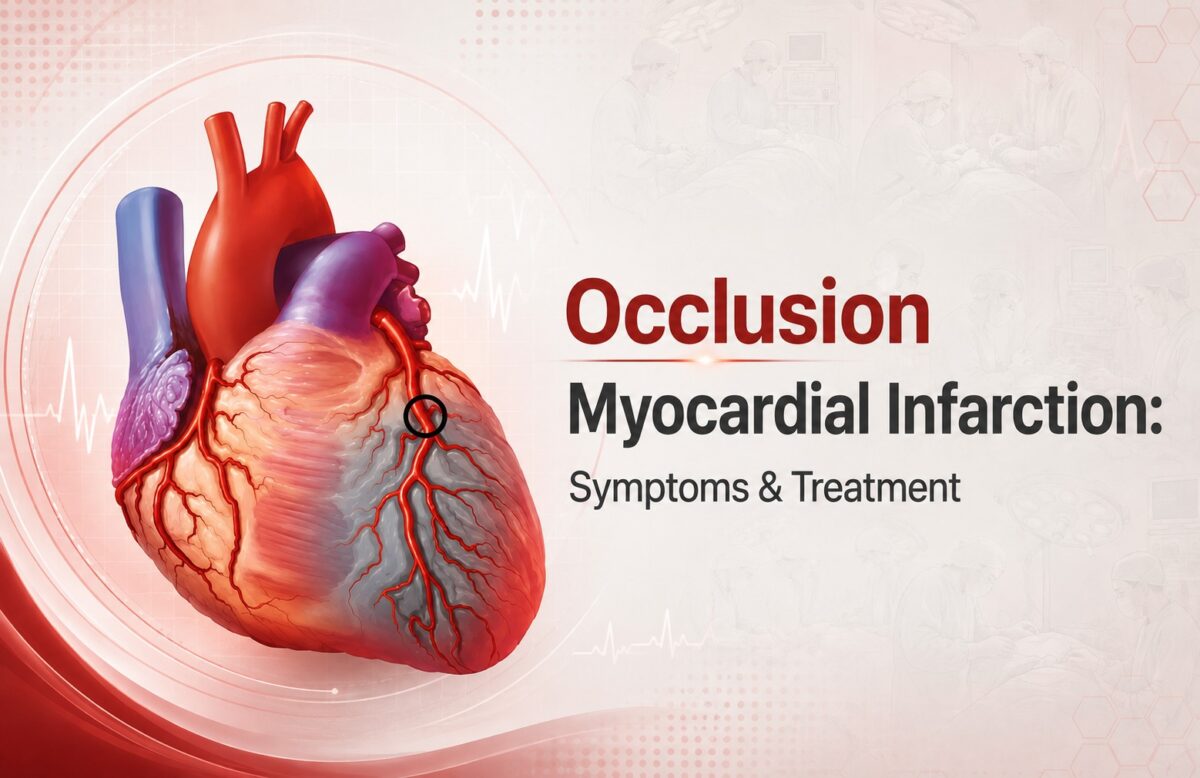
Occlusion myocardial infarction is a serious heart condition that occurs when a coronary artery becomes completely or significantly blocked, reducing or stopping blood flow to part of the heart muscle. Because prolonged loss of blood supply can cause permanent heart muscle damage, recognizing warning signs and getting emergency medical care quickly is extremely important.
For patients in Hyderabad, understanding the symptoms and treatment options can help them respond appropriately when a heart attack is suspected.
What Is Occlusion Myocardial Infarction?
A myocardial infarction, commonly called a heart attack, occurs when blood flow to the heart muscle is interrupted. In an occlusion myocardial infarction, a coronary artery may become completely blocked, often because a blood clot forms over a ruptured or damaged cholesterol plaque.
When oxygen-rich blood cannot reach the heart muscle, the affected tissue begins to become injured. The longer the artery remains blocked, the greater the potential for permanent heart damage.
This is why suspected heart attack symptoms should never be ignored or treated as simple indigestion, acidity, fatigue, or anxiety.
Common Symptoms of Occlusion Myocardial Infarction

Symptoms can vary between individuals, but common warning signs include:
- Pressure, tightness, heaviness, or pain in the chest
- Pain spreading to the arm, shoulder, back, neck, or jaw
- Shortness of breath
- Cold sweating
- Nausea or vomiting
- Unusual weakness or extreme tiredness
- Dizziness or light-headedness
- Rapid or irregular heartbeat
- A feeling of anxiety or impending danger
Some people, particularly older adults and those with diabetes, may experience less typical symptoms. Chest discomfort may also be mild rather than severe.
If symptoms suggest a heart attack, seeking emergency medical attention immediately is more important than trying to identify the exact cause at home.
What Causes a Coronary Artery Occlusion?
Several factors can contribute to coronary artery blockage. One of the most common causes is coronary artery disease, where fatty deposits gradually accumulate inside the arteries.
Risk factors include:
- High cholesterol
- High blood pressure
- Diabetes
- Smoking or tobacco use
- Obesity
- Physical inactivity
- Unhealthy diet
- Family history of heart disease
- Increasing age
- Chronic stress
- Previous cardiovascular disease
A plaque inside a coronary artery can sometimes rupture suddenly. The body may respond by forming a blood clot, which can rapidly restrict or completely stop blood flow.
How Is Occlusion Myocardial Infarction Diagnosed?
Doctors use several tests to determine whether a patient is experiencing a heart attack and to understand the severity of the blockage.
Electrocardiogram (ECG)
An ECG records the heart’s electrical activity and can identify patterns associated with acute coronary artery blockage.
Blood Tests
Cardiac biomarkers, particularly troponin, can help determine whether heart muscle injury has occurred.
Echocardiogram
An echocardiogram uses ultrasound to evaluate heart structure and function. It can help doctors identify areas of the heart that are not contracting normally.
Coronary Angiography
Coronary angiography allows doctors to examine the coronary arteries and identify significant narrowing or blockage. It can also help guide treatment decisions.
Treatment for Occlusion Myocardial Infarction
Treatment depends on the patient’s condition, the location and severity of the blockage, and how quickly medical care is provided.
Emergency Medical Treatment
Doctors may use medications to reduce clot formation, improve blood flow, control pain, and stabilize the patient’s condition.
Coronary Angioplasty and Stenting
For an acutely blocked coronary artery, percutaneous coronary intervention (PCI) may be performed. During the procedure, a catheter is guided into the affected artery. A balloon can be used to open the narrowed area, and a stent may be placed to help maintain blood flow.
Rapid restoration of blood flow is an important goal in appropriate patients with an acute coronary artery occlusion.
Additional Treatment
Depending on the patient’s cardiovascular risk and overall health, treatment may also include medicines for cholesterol, blood pressure, blood clot prevention, and other underlying conditions.
After the acute event, lifestyle changes and cardiac rehabilitation may play an important role in reducing future cardiovascular risk.
Also read: What is chronic total occlusion? Under Chip CTO angioplasty
Why Time Matters During a Heart Attack
Heart muscle requires a continuous supply of oxygen-rich blood. When a coronary artery becomes blocked, the affected muscle can progressively become damaged.
For this reason, people experiencing possible heart attack symptoms should not wait for symptoms to disappear on their own. Delaying medical evaluation can reduce the opportunity for timely treatment.
If someone develops severe or persistent chest discomfort, breathlessness, sweating, fainting, or pain spreading to the arm, jaw, back, or shoulder, emergency medical care should be sought immediately.
Choosing a Heart Specialist in Hyderabad
Patients dealing with suspected or diagnosed coronary artery disease may need evaluation by an experienced cardiologist in Hyderabad. A heart specialist in Hyderabad can assess cardiovascular risk factors, interpret diagnostic tests, and recommend an appropriate treatment strategy.
For patients with complex coronary conditions, specialist evaluation can help determine whether medication, coronary angioplasty, stenting, or another intervention is appropriate.
Searching for a myocardial cardiologist in Hyderabad may also lead patients to specialists who manage heart attacks and other coronary artery conditions.
Can Occlusion Myocardial Infarction Be Prevented?
Not every heart attack can be prevented, but many cardiovascular risk factors can be managed.
Helpful measures include:
- Controlling blood pressure and cholesterol
- Managing diabetes effectively
- Avoiding smoking and tobacco
- Maintaining a healthy body weight
- Following a heart-healthy diet
- Exercising according to medical advice
- Taking prescribed medicines regularly
- Attending recommended cardiovascular check-ups
- Recognizing and acting on warning symptoms promptly
People with known heart disease or multiple cardiovascular risk factors should discuss an appropriate prevention plan with their doctor.
Read more: What Is Atrial Fibrillation? Understanding AFib Simply
When Should You Seek Emergency Care?
Chest pain or discomfort should never be ignored when it is sudden, severe, persistent, or accompanied by symptoms such as breathlessness, sweating, nausea, dizziness, or pain radiating to the arm or jaw.
Do not wait for symptoms to become severe before seeking emergency medical attention.
Occlusion myocardial infarction can become life-threatening when blood flow to the heart is significantly interrupted. Early recognition, rapid diagnosis, and timely treatment can make a critical difference.
Consult Dr. C. Raghu
If you are concerned about coronary artery disease, heart attack symptoms, or other cardiovascular problems, consultation with an experienced cardiology specialist can help with appropriate evaluation and treatment planning.
Dr. C. Raghu is a senior interventional cardiologist associated with advanced cardiac care in Hyderabad and Secunderabad.
Watch the video to review the discussion on occlusive myocardial infarction and acute coronary syndrome: https://youtu.be/jWvP0BG2bsY
For more information about cardiac care and interventional cardiology services,
Important: This article is intended for general educational purposes and does not replace professional medical advice. If you or someone around you has symptoms suggestive of a heart attack, seek emergency medical care immediately.