cardiologist-in-hyderabad.png

June 9, 2026

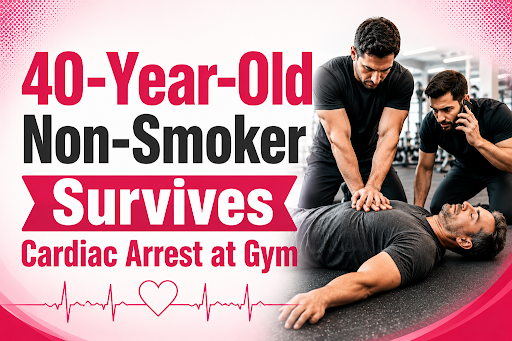
Cardiologist in Hyderabad are increasingly seeing cases like Rajesh’s. Rajesh, 40, a non-smoker and non-drinker, IT team lead in Hyderabad, and father of two, had been going to the gym for three years. He was proud of his consistency. On a Thursday evening in March, while finishing his chest press set, he felt a sudden, crushing pressure in the chest. His vision narrowed. He hit the floor. He was lucky. His gym had a defibrillator. One trainer knew CPR. The ambulance arrived in 8 minutes. Within an hour, he was receiving cardiac arrest treatment in Hyderabad; a stent was placed, the artery reopened, and the heart muscle was being saved. Rajesh survived. Many like him do not. 

Why Did This Happen to a Healthy, Non-Smoking Gym-Goer?

Non-smoker heart attack risk is a subject cardiologists are raising alarms about across India. The vast majority of Indian men in their 30s and 40s who suffer cardiac events are non-smokers. When Rajesh’s arteries were examined after his cardiac arrest, his right coronary artery was 90% blocked. He had no symptoms — none that he had noticed and acted on. What he did have was a combination of:

  • Coronary artery disease has been building silently for a decade
  • Undetected high LDL cholesterol is often genetic
  • Chronic work stress with years of poor sleep
  • High triglycerides from a diet heavy in refined carbs and fried food
  • Family history, which he was aware of, but never acted on

Warning Signs Before Cardiac Arrest That People Miss

  • Unusual fatigue in the weeks before the event, ‘I assumed it was work pressure.’
  • Shortness of breath doing things that previously felt effortless, ‘I thought I needed to train harder.’
  • Brief, passing chest discomfort — ‘It felt like gas. I took an antacid’
  • Jaw or neck tightness: I put it down to posture at my desk.’
  • Palpitations during exercise, ‘I thought it was just my heart rate going up.’

These warning signs before cardiac arrest are whispers. If you are experiencing any of these consistently, visiting the top heart specialist in Hyderabad is not an overreaction — it is what saves lives.

What Is Coronary Artery Disease?

Coronary artery disease (CAD) is the slow, progressive narrowing of the arteries that supply blood to the heart caused by the buildup of plaque on the inner walls. When a piece of plaque ruptures, a blood clot forms instantly. If that clot fully blocks the artery, the heart muscle begins to die within minutes. CAD is the single leading cause of death in India and affects non-smokers just as much as smokers.

What Is Angioplasty and How Did It Save Rajesh?

After Rajesh arrived at the emergency cardiac care facility, doctors performed a coronary angiogram, identified the blockage within minutes, and performed angioplasty treatment in Hyderabad, threading a catheter to the blocked artery, inflating a balloon to compress the plaque, and placing a stent to keep it open. The procedure took under 45 minutes. Blood flow to Rajesh’s heart was restored. This is why the best cardiologist in Hyderabad for emergencies matters so much in cardiac arrest; every minute counts.

CPR Treatment: Why Every Person at That Gym Matters

When Rajesh collapsed, it was not the doctor who saved him first — it was the gym trainer. CPR (Cardiopulmonary Resuscitation) kept blood flowing to Rajesh’s brain and heart during the critical minutes before the ambulance arrived. Without CPR, he would almost certainly have suffered irreversible brain damage or death. CPR involves pressing hard and fast on the center of the chest, 100 to 120 compressions per minute, to manually pump blood when the heart has stopped.

What You Should Do If You Are in a Similar Situation

  • Get a cardiac screening, especially if you are male, over 35, with a family history
  • Do not skip symptoms. Brief chest tightness or unusual fatigue during exercise should be evaluated immediately
  • Learn CPR; it takes 30 minutes and can save a life in your home, office, or gym
  • If you witness a cardiac arrest, call emergency services, begin chest compressions, and do not stop until help arrives

Conclusion

Cardiac arrest can happen to anyone — not just the smoker, the obese, or the sedentary. Rajesh’s survival was the presence of someone trained to act, access to excellent cardiac arrest treatment in Hyderabad, and the skill of the interventional cardiology team that treated him.

Dr C. Raghu—Interventional Cardiologist, Yashoda Hospital, Somajiguda, Hyderabad
Known for his expertise in emergency heart attack treatment in Hyderabad and complex angioplasty procedures. His team provides round-the-clock emergency cardiac care to patients across Hyderabad and beyond.
Abhijit

top-heart-doctor-in-hyderabad-1200x778.jpg

May 26, 2026

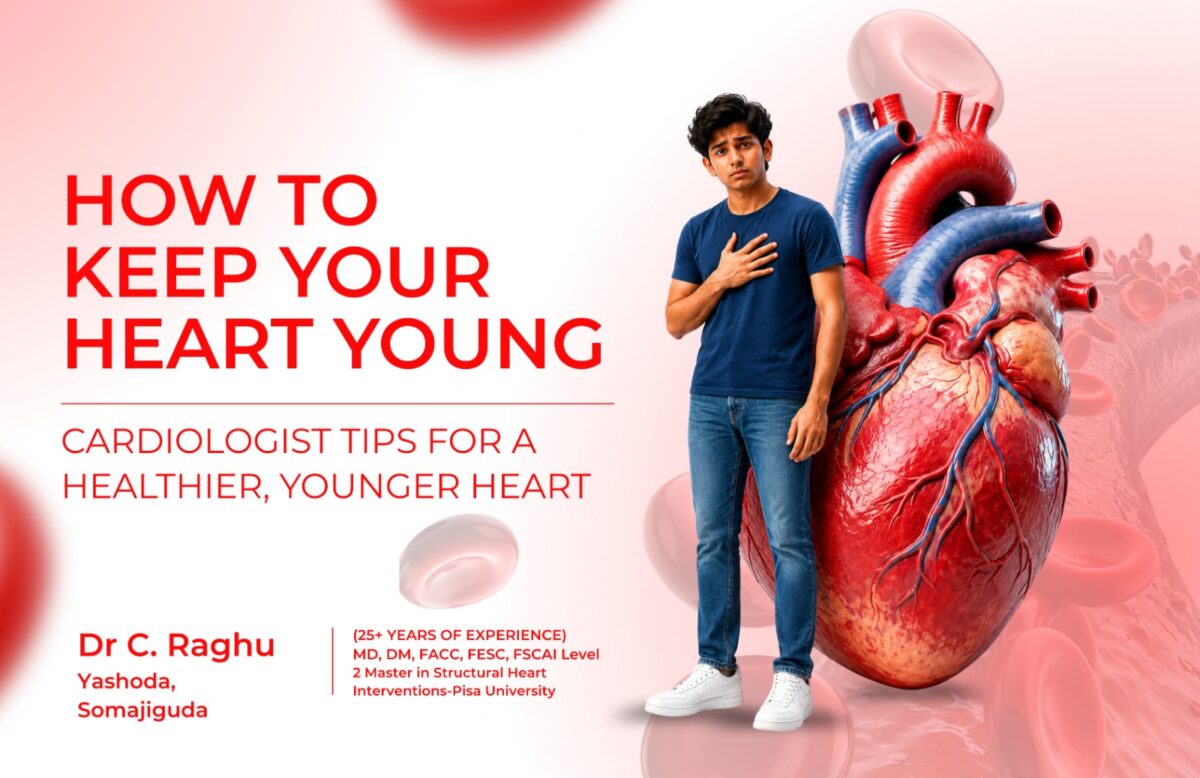
Cardiologist tips check your phone, skip breakfast, and rush through traffic to reach the office. After sitting for long hours, stress, unhealthy food, and lack of exercise become part of daily life. According to a leading cardiologist in Hyderabad, this modern corporate lifestyle is silently increasing the risk of heart disease among working professionals in cities like Mumbai, Bangalore, Pune, and Hyderabad. Millions are living this routine every day — and their hearts are paying the price silently. 

The problem is not that you don’t care about your heart. The problem is that you think you still have time.

Why Your Heart Ages Faster Than You Think

Your heart is a muscle. Like every other muscle, it thrives on movement. It needs good nutrition and rest. But when you spend 9 to 10 hours sitting every day, eat high-salt, high-fat takeout food, and carry the weight of professional deadlines, your heart goes through a kind of invisible wear and tear. Which the cardiologists call cardiovascular ageing, and it begins much earlier than most people expect.

By the time you are in your late 30s or early 40s, years of sedentary habits, stress, and poor diet have already left marks on your arteries. The good news is you can slow this process. A skilled heart doctor in Hyderabad will tell you the same thing: the heart responds well to the right care, at any age.

The Biggest Threats to Your Heart Right Now

  • Chronic sitting: Sitting for more than 6 hours a day increases cardiovascular disease risk by up to 64%, even if you work out on weekends.
  • High-stress environment: Prolonged work stress raises cortisol, which raises blood pressure and inflammation, both major risk factors for heart disease.
  • Poor food choices: Office cafeteria meals and food delivery apps have made it easy to eat processed, calorie-dense, nutrient-poor food every single day.
  • Disrupted sleep: Late nights on OTT platforms mean your heart never gets the deep recovery time it needs.
  • Ignoring early signs: Occasional chest tightness, breathlessness when climbing stairs, or unexplained fatigue are signals many people explain away.
     

Also read:  Dr. C. Raghu is one of the best doctors for TAVI/TAVR in Hyderabad 

What Cardiologist tips Recommend

1. Move More — Even at Your Desk

You do not need to become an athlete. A heart specialist in Hyderabad will tell you that even 30 minutes of brisk walking, five days a week, has measurable benefits on cholesterol, blood pressure, and heart function. If you work from home, set a timer to stand up and walk for 5 minutes every hour.

2. Watch What You Eat on Weekdays

Most of us eat reasonably well on weekends but switch to chaos during our weekdays. Our heart does not get a holiday. Just swap one meal a day to something heart-friendly — maybe a dal and sabzi thali, fresh fruit, or a handful of mixed nuts. We need to reduce sodium by cutting packaged snacks.

3. Know Your Numbers

When did you last check your blood pressure, blood sugar, and cholesterol? These three numbers tell a Heart Specialist in Hyderabad more about your cardiac risk than how you feel right now. You should have a routine lipid profile and ECG checks. It can spot trouble before it becomes a crisis.

4. Manage Stress Like a Skill

Many times, our stress becomes unavoidable due to our work culture. But how you manage it well determines how much damage it does. Even 10 minutes of deep breathing, a short walk after lunch, or a weekend away from screens significantly lowers cortisol. Sleep is not a luxury; it is cardiac medicine.

5. Do Not Wait for Symptoms

Heart disease is notoriously sneaky. Many people who suffer a heart attack have no classic warning signs. If you are over 35, overweight, or have a family history of heart disease, see a heart expert in Hyderabad proactively. A preventive consultation is far less expensive than an emergency.

Also read: Daily Habit That May Double Heart Attack Risk, Warns Cardiologist 

Red Flags You Should Never Ignore

You need to see the best cardiologist in Hyderabad immediately if you experience:

  • Chest pain or tightness, even brief or mild
  • Shortness of breath while doing simple tasks
  • Palpitations or a racing heart without an obvious reason
  • Dizziness or sudden fatigue
  • Swollen ankles or feet

Conclusion

Your heart has been working for you every second of your life. It is time to work for it. Whether you are in Hyderabad, Bangalore, Mumbai, or Chennai, schedule that overdue check-up with a cardiologist. Do not wait for a warning. Make an appointment with Dr Raghu

Dr C. Raghu — Interventional Cardiologist, Yashoda Hospital, Somajiguda, Hyderabad
One of India’s most respected interventional cardiologists with decades of experience in complex cardiac interventions and preventive cardiology. Dr C Raghu has helped thousands of patients across India take control of their heart health — before and after a cardiac event.
Call Us :+91 95424 75650 | Email :secretary@drraghu.com

Abhijit

Coronary-Artery-Disease-in-India.jpg

May 15, 2026

Coronary artery disease (CAD) kills more Indians than any other single condition. It strikes earlier in the Indian population than in Western countries, often a decade sooner,  driven by a combination of genetic susceptibility to dyslipidemia and insulin resistance, high rates of diabetes, rising rates of obesity and physical inactivity, tobacco use, and a diet increasingly influenced by processed food.

Yet the treatment available today — when coronary artery disease is detected early enough and managed by a skilled coronary artery disease specialist — is remarkably effective. Coronary angioplasty in heart arteries, supported by modern drug-eluting stents and evidence-based medication, gives patients with even severe coronary disease a very real path back to normal life.

The barrier is not treatment availability. It is awareness: patients who do not know the symptoms, who dismiss warning signs, or who do not understand what a coronary angioplasty and angiogram involve delay seeking help in ways that cost them heart muscle, cardiac function, and, sometimes, their lives.

This guide walks every reader through the complete pathway from recognizing symptoms through the diagnostic angiogram to PTCA stent placement and recovery—because understanding this pathway is genuinely life-saving.

Also read: Understanding PTCA Stent & Coronary Angioplasty expert

What Happens in Coronary Artery Disease

coronary artery disease

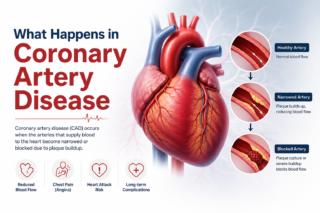
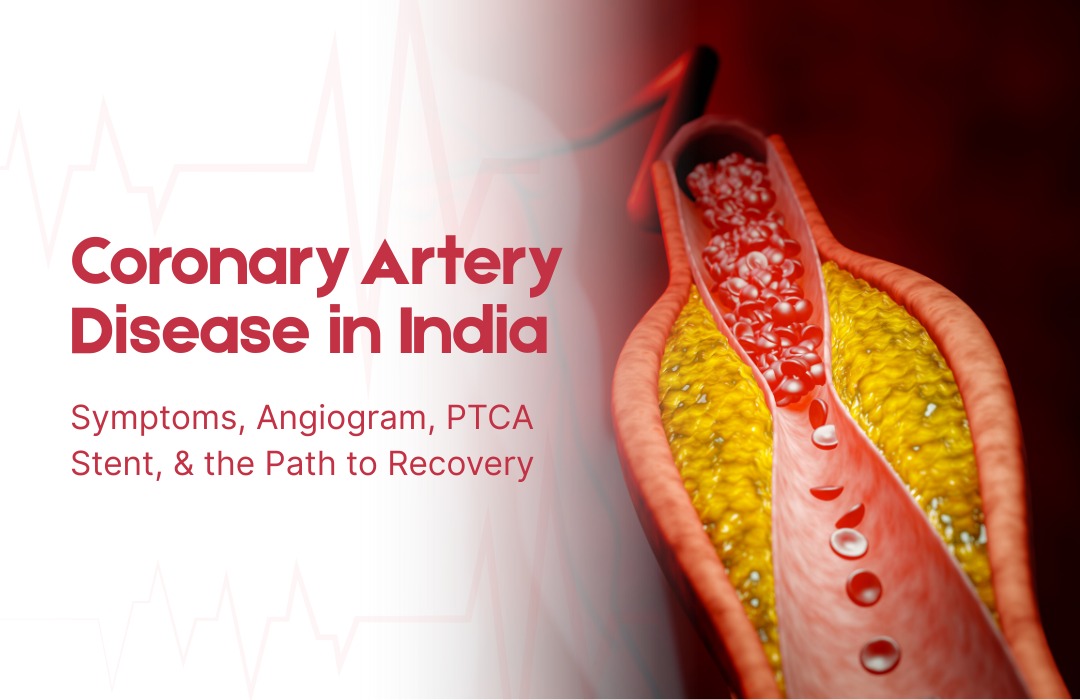
Coronary arteries are the three main blood vessels that supply oxygenated blood to the heart muscle itself. Coronary artery disease is the progressive accumulation of atherosclerotic plaque deposits of cholesterol, inflammatory cells, calcium, and connective tissue within the walls of these arteries. As plaques grow, they narrow the artery’s lumen, reducing the volume of blood the heart muscle receives.

In early disease, there are no symptoms. As narrowings become significant, the heart muscle receives adequate blood at rest but insufficient blood during exertion, producing the symptom of stable angina. When a plaque ruptures suddenly, as can happen without warning at any level of physical exertion, it triggers the formation of an acute blood clot that can completely block the artery, causing a heart attack 

Heart attacks cause permanent heart muscle damage in proportion to the time the artery remains blocked. Opening the blocked artery within 90 minutes of symptom onset with emergency coronary angioplasty (primary PCI) salvages the most muscle and produces the best survival outcomes. Every minute matters.

Recognising the Symptoms: What to Know, and What to Take Seriously

Stable angina is exertional chest discomfort—a tightness, pressure, heaviness, or aching in the center of the chest that appears predictably during physical activity (walking uphill, climbing stairs, carrying loads) and relieves with rest within a few minutes. It may radiate to the left arm, jaw, or back.

In the Indian population, and particularly in patients with diabetes, coronary artery disease sometimes presents atypically without classic chest pain,but with unexplained breathlessness on exertion, unusual fatigue, or a feeling of heaviness or indigestion. These symptoms in any patient with cardiovascular risk factors deserve a prompt cardiac evaluation, not reassurance.

Acute coronary syndromes,  unstable angina and heart attack, present with chest discomfort that is more severe and longer-lasting (more than 20 minutes) and may occur at rest. Associated symptoms, including sweating, nausea, breathlessness, or syncope, increase the likelihood of an acute event. These symptoms require immediate emergency care calling an ambulance and going directly to the nearest hospital capable of emergency coronary angioplasty in heart arteries.

The Diagnostic Pathway: From Symptom to Angiogram

The investigation of stable chest pain begins with clinical history, examination, a resting ECG, and blood tests. An echocardiogram assesses left ventricular function and wall motion. Stress testing exercises, ECG, stress echocardiogram, or nuclear perfusion imaging demonstrates whether coronary disease is causing ischemia during physical stress.

When an investigation suggests significant coronary artery disease, or when a patient presents with an acute coronary syndrome, coronary angiography is performed. This angioplasty and angiogram procedure takes 20 to 40 minutes under local anesthesia and sedation, with a catheter inserted through the radial artery in the wrist to deliver contrast dye into the coronary arteries while X-ray images map the distribution and severity of narrowings.

CT coronary angiography, a noninvasive alternative using CT scanning, is increasingly used as an initial anatomical investigation in stable patients with intermediate pretest probability of significant coronary disease, providing detailed arterial mapping without catheter insertion.

Also read: 5 Signs You or Your Elderly Parent May Need a Heart Valve Replacement  

PTCA Stent: What the Procedure Involves Step by Step

When the angiogram reveals a narrowing that warrants treatment, angioplasty with PTCA stent deployment proceeds as follows:

A guidewire, a very thin, flexible wire, is advanced through the catheter and across the coronary narrowing. The wire serves as a rail for all subsequent equipment. A balloon catheter is advanced over the wire to the lesion site and inflated to compress the plaque, widening the arterial lumen. A drug-eluting stent coronary device, a metal mesh cylinder mounted on a second balloon, is then advanced to the same position and expanded, embedding itself in the artery wall and remaining in place permanently as a scaffold.

After stent deployment, the operator assesses the result using post-deployment balloon inflation to optimize expansion and intravascular imaging (IVUS or OCT) in many cases to confirm optimal stent apposition. Haemodynamic measurements confirm normal blood flow before all equipment is removed.

For heavily calcified lesions that require special preparation before stenting, chip angioplasty techniques, including intravascular lithotripsy or rotational atherectomy, are deployed to modify the calcium and allow adequate stent expansion.
The entire procedure for a straightforward single-vessel case typically takes 45 to 90 minutes.

Recovery: Life After a Coronary Stent

Recovery from coronary angioplasty is rapid compared to surgical alternatives. Most patients return to light daily activities within one to two weeks and to full activity within two to four weeks.

The most critical post-stent requirement is medication adherence. Dual antiplatelet therapy, aspirin combined with a second agent (clopidogrel, prasugrel, or ticagrelor), is prescribed for a defined period to prevent stent thrombosis. The duration depends on stent type and clinical risk profile. Stopping this medication early without medical guidance carries a risk of acute stent occlusion and must be avoided.

Long-term coronary artery disease management, statins, blood pressure treatment, diabetes optimization, and lifestyle modification continue indefinitely regardless of whether a stent has been placed. A stent treats the obstruction; it does not cure the underlying disease. Regular follow-up with the treating coronary artery disease doctor is essential for monitoring disease progression and adjusting treatment as needed.

Dr. C Raghu: Comprehensive Coronary Artery Disease Care in Hyderabad

Dr. C. Raghu coronary artery disease program in Hyderabad encompasses the full clinical pathway from initial risk assessment and non-invasive investigation through coronary angiography and complex coronary angioplasty to long-term secondary prevention management. His practice uses intravascular imaging and physiological assessment tools routinely, reflects current evidence-based guidelines in every decision, and provides clear, patient-centered communication throughout every stage of the diagnostic and treatment process.

For advanced coronary artery disease treatment, coronary angioplasty, and PTCA stent care in Hyderabad, consult Dr. C. Raghu at Yashoda Hospitals, Secunderabad — Call +91 95424 75650 today for expert cardiac care.


Abhijit

top-10-cardiologist-in-hyderabad.png

April 24, 2026

When a patient or family searches for a top cardiologist in Hyderabad, they often arrive at aggregator lists—rankings assembled from review counts, online ratings, hospital brand recognition, and the vagaries of search engine visibility. These lists are a starting point. They identify names that appear frequently enough to have a public presence. They are not, however, a clinical framework for choosing the right cardiologist for a specific patient with a specific cardiac condition.

The real question behind every such search is more precise: which cardiologist in Hyderabad has the depth of expertise, the evidence-based clinical approach, and the communication quality to manage my specific condition at the highest possible standard? That question has a more specific and more useful answer than any generic ranking can provide.

This article offers that framework — the genuine clinical and human differentiators that separate Hyderabad’s best cardiologists from the merely visible — so that patients from Secunderabad, Somajiguda, Banjara Hills, and across the twin cities can make a choice grounded in what actually matters.

Subspecialty Expertise Matched to the Condition

Cardiology in Hyderabad encompasses multiple distinct subspecialties. An interventional cardiologist who excels at complex coronary angioplasty and TAVR is not automatically the optimal choice for a patient whose primary need is arrhythmia ablation. A general cardiologist with excellent chronic disease management skills may not be the right choice for a patient with complex structural heart disease requiring Heart Team evaluation.

The most valuable first step in choosing a cardiologist in Hyderabad is identifying which subspecialty domain is most relevant to the patient’s condition and then identifying the cardiologist whose training, fellowship experience, and current case volume most closely match that domain.

For patients with conditions that span multiple subspecialties—coronary disease plus atrial fibrillation or valve disease plus coronary disease—a top cardiologist in Hyderabad who offers genuinely comprehensive expertise across multiple domains, rather than referring to multiple specialists, provides a particularly high level of clinical value.


Also read: Daily Habit That May Double Heart Attack Risk, Warns Cardiologist

Transparency About Case Volume and Outcomes

High-volume operators produce better outcomes in interventional cardiology. This is not a marketing claim — it is one of the most extensively documented findings in the cardiac outcomes literature, with evidence from coronary angioplasty, TAVR, and ablation procedures all pointing in the same direction.

The best cardiology hospital in Hyderabad operates within a culture of volume transparency—cardiologists discuss their procedural volumes and program outcomes with patients and referring physicians. Major complications are reviewed in quality meetings. Performance is benchmarked against national and international standards. Programs that track and report their outcomes are demonstrably accountable to quality in a way that programs relying on reputation alone are not.

Patients choosing a cardiologist in Hyderabad for an interventional procedure are entirely entitled to ask, “How many of these procedures do you and your programme perform annually?” Any cardiologist with a genuinely strong procedural background will answer directly.

Current Evidence and Guideline Practice

Cardiology is a rapidly evolving specialty. The evidence base for TAVR candidacy, for coronary angioplasty indications, for AFib management, for pulmonary embolism treatment, and for preventive cardiology has evolved substantially in the past five years and will continue to evolve. A cardiologist who is actively engaged with current evidence — reading major trials as they are published, attending national and international conferences, revising their practice as guidelines are updated — is providing genuinely current care.

A cardiologist whose practice reflects knowledge from ten years ago may recommend treatments that current evidence has superseded, miss newer options that would benefit the patient, or apply risk thresholds for intervention that no longer reflect the state of the art. Asking a cardiologist about how recent a specific guideline recommendation is, or which major trials support their proposed treatment approach, is a legitimate and informative question.

Accessibility and Long-Term Commitment

Cardiac conditions are chronic. The relationship between a patient and their cardiologist extends—ideally—across years or decades, encompassing multiple investigations, medication adjustments, periodic reassessments, and the management of new symptoms as they arise. The best cardiologist in Hyderabad for long-term cardiac management is not just technically excellent at procedures—they are accessible between appointments, responsive when new symptoms develop, and committed to maintaining the relationship through appropriate follow-up.

For patients in Secunderabad, Somajiguda, and across the broader Hyderabad metropolitan area, accessibility matters practically. A cardiologist whose clinic is geographically accessible, whose appointment system does not require a three-month wait for an urgent review, and whose team communicates proactively about investigation results and follow-up plans, provides a level of clinical service that is as important as technical excellence in procedures.

Also read: How to Handle Cardiac Emergencies at Home: Steps & Mistakes

The Second Opinion Standard

One of the most reliable markers of a confident, ethical cardiologist is their attitude toward second opinions. The best cardiologists in Hyderabad welcome second-opinion consultations without defensiveness—because they are confident in the quality of their assessments and because they recognize that patients in high-stakes cardiac situations have every right to seek confirmation from another expert.

Dr. Raghu’s practice actively welcomes second opinion consultations. Patients who have received a recommendation for cardiac surgery, TAVR, complex angioplasty, or any significant cardiac intervention from another cardiologist are invited to bring their investigations and receive an independent, evidence-based assessment of the proposed management. In some cases, the existing recommendation is confirmed, and the patient proceeds with confidence. For others, Dr. Raghu offers a different perspective that leads to a different—and better—management path.

For patients in Secunderabad, Somajiguda, and across Hyderabad who want the reassurance of an expert second opinion, Dr. Raghu’s practice provides exactly that service.

Why Patients from Across Hyderabad and Beyond Choose Dr. Raghu

Patients who consult Dr. Raghu—as a new patient, for a second opinion, or a complex referral—consistently report the same qualities that distinguish their experience: the depth and clarity of his explanations during consultation, the thoroughness of the clinical evaluation, his willingness to discuss all treatment options honestly rather than defaulting to intervention, and the genuine accessibility of him and his team throughout the care journey.

Combined with high-volume technical expertise across coronary angioplasty, TAVR and structural heart disease, atrial fibrillation management, pulmonary embolism, and peripheral vascular intervention, these qualities make Dr. Raghu consistently regarded as one of the best cardiologist doctors in Hyderabad—and one of the top cardiologists in India.

Patients across Hyderabad—including Somajiguda, Secunderabad, Banjara Hills, Jubilee Hills, and the wider twin cities area—are welcome to contact Dr. Raghu’s cardiac practice for a consultation, a second opinion, or any cardiac concern that deserves expert attention.


Abhijit

heart-attack-risk.webp

April 14, 2026

cardiologist in Hyderabad In today’s digital world, long hours of sitting have become a normal part of life—whether it’s working on a laptop, watching TV, or scrolling through a phone. However, this seemingly harmless habit can silently damage your heart health. Recent studies suggest that prolonged sitting may significantly increase the risk of heart attacks and other cardiovascular problems. Consulting a cardiologist in Hyderabad at the right time can help prevent serious complications and ensure a healthier lifestyle.

Cardiologist in Hyderabad: Why Prolonged Sitting Is Dangerous

A sedentary lifestyle is now considered one of the leading risk factors for heart disease. According to experts and every experienced cardiologist in Hyderabad, sitting for long periods slows down metabolism and affects how the body regulates sugar, blood pressure, and fat.

When you sit continuously for hours:

  • Blood circulation becomes sluggish
  • Fat burning reduces drastically
  • Bad cholesterol levels increase
  • Risk of obesity and hypertension rises

Over time, these changes can double the chances of a heart attack. This is why visiting the Best Cardiologist in Hyderabad for regular heart check-ups is essential, especially for people with desk jobs or inactive routines.

How Sitting Too Much Impacts Heart Health

Prolonged sitting directly affects your cardiovascular system in multiple ways:

Increased Risk of Obesity and High Blood Pressure

Lack of movement leads to calorie buildup, resulting in weight gain. Excess weight puts pressure on the heart, increasing the risk of high blood pressure—one of the major causes of heart disease.

Reduced Blood Circulation and Higher Cholesterol Levels

When you sit for too long, blood flow slows down, allowing fatty acids to build up in the blood vessels. This can lead to blockages and increase the chances of heart attacks. Leading heart specialists in Hyderabad often warn patients about this hidden danger.

You can also read this: Dr. C. Raghu is one of the best doctors for TAVI/TAVR in Hyderabad

Link Between Sedentary Lifestyle and Heart Attack Risk

A sedentary lifestyle is closely linked with cardiovascular diseases. Studies show that people who sit for more than 8–10 hours a day without physical activity have a significantly higher risk of heart attacks compared to active individuals.

According to many Top Cardiologist in Hyderabad, inactivity weakens the heart muscles and affects overall heart function. Even regular gym workouts may not fully counteract the negative effects of prolonged sitting if the rest of the day is inactive.

This is why experts recommend staying active throughout the day instead of relying only on short workout sessions.

Heart specialist in Hyderabad: Warning Signs You Should Not Ignore

A qualified heart specialist in Hyderabad emphasizes recognizing early warning signs before a major cardiac event occurs. These include:

  • Chest pain or discomfort
  • Shortness of breath
  • Fatigue even after minimal activity
  • Irregular heartbeat
  • Dizziness or sweating

Ignoring these symptoms can be dangerous. Seeking timely help from the best heart doctor in Hyderabad can save lives and prevent complications.

Tips to Reduce Sedentary Behaviour

Making small lifestyle changes can significantly improve heart health:

Incorporate Physical Activity into Daily Routine
  • Take short walks every 30–60 minutes
  • Use stairs instead of elevators
  • Engage in light exercises like stretching or yoga
Take Regular Breaks
  • Stand up while working or talking on the phone
  • Set reminders to move every hour
  • Use a standing desk if possible

Top heart specialists in Hyderabad recommend at least 30 minutes of moderate physical activity daily to maintain a healthy heart.

You can also read this: Cardiologist Hyderabad Why Dr. C. Raghu Is a Name Patients Trust 

Importance of Choosing the Right Cardiology Care

Choosing the best cardiology hospital in Hyderabad and consulting experienced doctors ensures accurate diagnosis and proper treatment. Whether it’s preventive care or advanced procedures, expert guidance plays a crucial role.

One such trusted name is Dr. C. Raghu, known for his expertise in treating complex heart conditions. Patients seeking the top 10 cardiologists in Hyderabad often rely on his experience and advanced treatment approach.

Conclusion

Sitting for long hours may seem harmless, but it can have serious consequences for your heart health. A sedentary lifestyle can silently increase the risk of heart attacks, making it essential to stay active and aware. Regular check-ups with a best cardiologist doctor in hyderabad can help detect risks early and keep your heart healthy.
If you are experiencing any heart-related symptoms or want to prevent future risks, don’t delay. Book your consultation today with Dr. C. Raghu, one of the Top Cardiologist in Hyderabad, and take the first step toward a healthier heart.

FAQs
1. How many hours of sitting is considered dangerous?

Sitting for more than 8 hours a day without physical activity can increase the risk of heart disease.

2. Can exercise reduce the risk caused by prolonged sitting?

Yes, but it is important to stay active throughout the day, not just rely on workouts.

3. What are the early signs of heart problems?

Chest pain, shortness of breath, fatigue, and irregular heartbeat are common warning signs.

4. When should I consult a cardiologist?

If you experience symptoms or have risk factors like obesity, high BP, or diabetes, consult a cardiologist hyderabad immediately.

5. Who is the best cardiologist to consult in Hyderabad?

You can consult experienced specialists like Dr. C. Raghu, known among the Heart Specialists in Hyderabad for advanced cardiac care.


Abhijit

DR-RAGHU-blog.png

March 31, 2026

Handle Cardiac Emergencies Many people face sudden chest pain or breathlessness at home. Families often do not know what to do or who to call. A delay can cost precious minutes. Early CPR can double a person’s chance of survival after cardiac arrest. The guide explains how to recognize signs, perform CPR, and use an AED. It also names local options, such as Best Cardiology Hospital In Hyderabad, Cardiologist In Hyderabad, Heart Doctor, Best Cardiologist in Hyderabad, and Top Cardiologist in Hyderabad.

Key Takeaways

  • Early CPR can double a person’s chance of survival after cardiac arrest. Start chest compressions straight away if someone is unresponsive and not breathing.
  • Know the signs of a cardiac emergency, such as chest pain, shortness of breath, heavy sweating, or sudden collapse. Call emergency services immediately for help.
  • Use an Automated External Defibrillator (AED) quickly if one is available. Follow voice prompts and continue CPR after delivering a shock unless told otherwise by professionals.
  • Avoid common mistakes like delaying CPR, not calling for help soon enough or using an AED incorrectly. High-quality compressions are vital to keep blood moving until medics arrive.
  • Cardiac events can affect people of all ages. Prepare your family by learning basic skills and making sure everyone knows what to do in case of a heart emergency at home.

Recognising the Signs of a Cardiac Emergency

After the introduction, attention must shift to spotting early warning signs. A patient may feel chest pain or tightness that does not go away. They might have shortness of breath, heavy sweating, nausea or light headedness.

Some people collapse suddenly or notice a very fast, irregular heartbeat.

Anyone with these signs needs immediate help. Call emergency services and get to a hospital fast. They should see a heart specialist in Hyderabad or one of the heart doctors in Hyderabad for follow up care.

Families often ask for the best heart doctor in Hyderabad or the best cardiologist doctor in Hyderabad, and they check lists such as Top 10 Cardiologists in Hyderabad.

You can also read this: What Is AFib? Causes, and Treatment for Atrial Fibrillation

Essential Steps to Take During a Cardiac Emergency

Act quickly to improve the chance of survival. Stay calm and follow clear steps to help the person in need.

Administering CPR

CPR can save a life. A bystander should call for help.

  1. A rescuer assesses responsiveness by tapping the shoulders and speaking loudly. If there is no response, the rescuer opens the airway and checks breathing for up to ten seconds.
  2. An observer contacts emergency services, states the location and reports suspected cardiac arrest. Provide clear information, such as the address, floor number and any nearby landmarks.
  3. A helper lays the casualty flat on a firm surface and exposes the chest. The helper positions the heel of one hand at the centre of the breastbone.
  4. A trained rescuer performs chest compressions at one hundred to one hundred and twenty per minute. Each compression should reach a depth of five to six centimetres, with full recoil between compressions.
  5. A giver follows a ratio of thirty compressions to two breaths if trained in rescue breathing. They seal the mouth with a barrier device and give each breath over one second while watching for chest rise.
  6. If the rescuer lacks training, they carry out hands only CPR with continuous compressions. They must avoid long pauses unless the AED is ready or professional help arrives.
  7. A second rescuer rotates every two minutes to reduce fatigue and preserve compression quality. Minimise interruptions during changes, and resume compressions immediately after checks.
  8. An automated external defibrillator is applied as soon as one is available and the prompts are followed. Rescuers must not touch the casualty while the device analyses or delivers a shock.

Using an Automated External Defibrillator (AED)

An Automated External Defibrillator (AED) can save lives during a cardiac emergency. Knowing how to use an AED is crucial for providing timely assistance.

  1. Locate the AED. Check for the nearest device if someone shows signs of a cardiac emergency.
  2. Turn on the AED. Press the power button to activate it and follow the audible instructions.
  3. Expose the chest. Remove clothing from the chest area to ensure proper pad placement.
  4. Attach pads correctly. Place one pad on the upper right chest and another on the lower left side, following visual prompts on the pads.
  5. Stand clear during analysis. Ensure everyone moves away from the patient while the AED assesses heart rhythm.
  6. Deliver shock if advised. If prompted by the AED, press the shock button promptly; this may restore normal heart function.
  7. Continue CPR after shock delivery if needed. Start chest compressions immediately after using an AED unless instructed otherwise by emergency services.
  8. Wait for help to arrive. Keep monitoring the person’s condition and be prepared to provide further assistance until professionals take over.

Taking these steps can make a significant difference in a cardiac emergency at home, increasing survival chances dramatically with quick action using an AED.

You can also read this: Dr. C. Raghu is one of the best doctors for TAVI/TAVR in Hyderabad

Common Mistakes to Avoid in Cardiac Emergencies

Cardiac emergencies can be overwhelming. Patients must know what mistakes to avoid during these critical moments.

  1. Failing to call for emergency assistance quickly can delay vital care. Prompt action is essential in saving a life.
  2. Ignoring the signs of a cardiac emergency leads to serious consequences. Recognising symptoms early increases the chances of survival.
  3. Avoid delaying CPR when someone is unresponsive and not breathing. Starting CPR immediately keeps blood flowing until help arrives.
  4. Using an Automated External Defibrillator (AED) incorrectly can hinder recovery efforts. Familiarity with AED operation saves valuable time.
  5. Overlooking the importance of chest compressions can reduce effectiveness during CPR. Focus on high-quality compressions to improve blood circulation.
  6. Hesitating to perform rescue breaths may occur due to fear or lack of experience. Performing hands-only CPR is still highly effective if necessary.
  7. Assuming that heart attacks only affect older individuals is a dangerous misconception. Cardiac events can strike anyone, regardless of age or health status.
  8. Neglecting the need for regular health checks may prevent early detection of heart issues. Monitoring health helps identify potential problems before they escalate.
  9. Disregarding personal stress levels and unhealthy habits worsens heart health over time. Managing stress through positive coping strategies promotes better well-being.
  10. Forgetting to inform family members about emergency plans creates confusion during crises. Open discussions about cardiac emergencies prepare everyone involved for quick action.

Conclusion

Understanding how to manage cardiac emergencies at home can save lives. Recognising the signs is crucial; chest pain and shortness of breath demand immediate attention. Quickly administering CPR can be vital before professional help arrives.

Using an Automated External Defibrillator (AED) increases survival chances significantly too. Avoid common mistakes, such as delaying action or panicking, to ensure effective response.

Readers should consider learning these steps and practising them regularly for readiness. Taking swift action makes a real difference in life-threatening situations and helps families feel more secure in times of crisis.
If you or your loved one is suffering from a heart problem, don’t delay treatment.

Consult Dr. C. Raghu, interventional cardiologist at Yashoda Hospitals, Secunderabad, today and take the first step towards a healthier heart.

FAQs

1. What are the essential steps to follow in a cardiac emergency at home?

Check if the person is awake and breathing. Call emergency services and say there is a cardiac emergency. Start CPR at once if they are not breathing normally. Send someone to fetch a defibrillator if one is nearby. Keep going until help arrives.

2. How do I give CPR at home during a cardiac emergency?

Lay the person on a firm surface. Push hard and fast in the centre of the chest, about 100 to 120 times a minute. Let the chest rise fully after each push. Give rescue breaths only if you are trained. Use an automated defibrillator when you can.

3. When should I call for an ambulance in a cardiac emergency at home?

Call straight away if the person is unconscious or not breathing. Tell the operator it is a cardiac emergency so they can act fast. Follow their instructions until the ambulance crew arrives.

4. What common mistakes should I avoid when handling cardiac emergencies at home?

Do not leave the person alone. Do not delay chest compressions to check small signs. Do not waste time looking for non essential items. Do not stop CPR until trained help takes over.


Abhijit


Dr raghu logo


Dr raghu logo


Call us now if you are in a medical emergency need, we will reply swiftly and provide you with a medical aid.


For Appointment with Dr Raghu: +91 80085 36699
Dr Raghu’s Patient Coordinator: +91 72860 10203
Dr Raghu’s Office Experience: +91 90001 65962
Dr Raghu’s Social Media Communication Channel: +91 97046 51708

Dr. Raghu | Heart Specialist in Hyderabad
Yashoda Hospitals, Raj Bhavan Road, Somajiguda, 1st floor, Room No. 115, Hyderabad -500082, Telangana

Best Cardiologists in Hyderabad


© 2024, Dr. Raghu. All rights reserved. Design & Developed by AMSDigital.in

[gtranslate]
+91-9542475650